 URBAN WATERSHED MANAGEMENT IN THE BRAZILIAN AMAZON
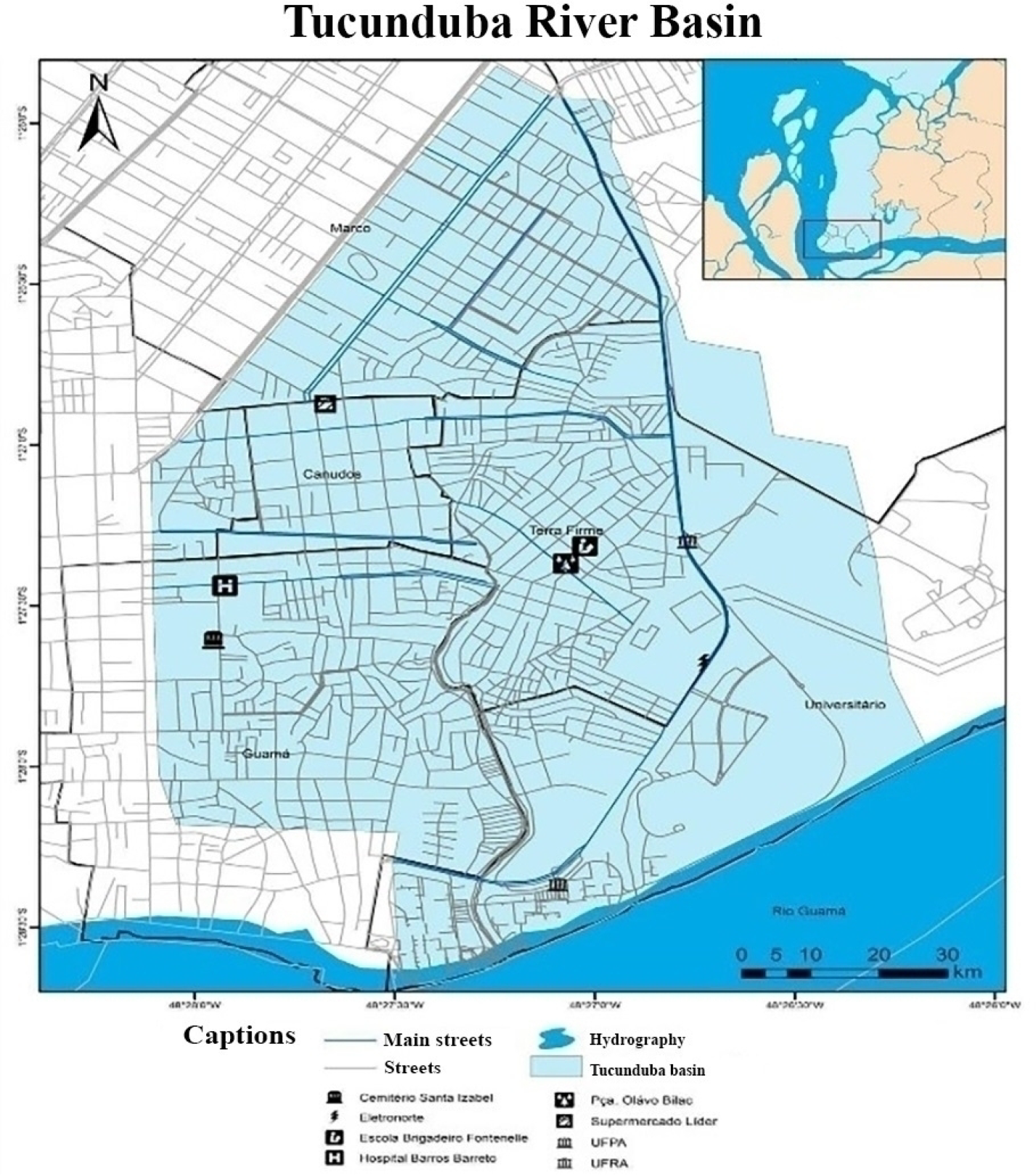
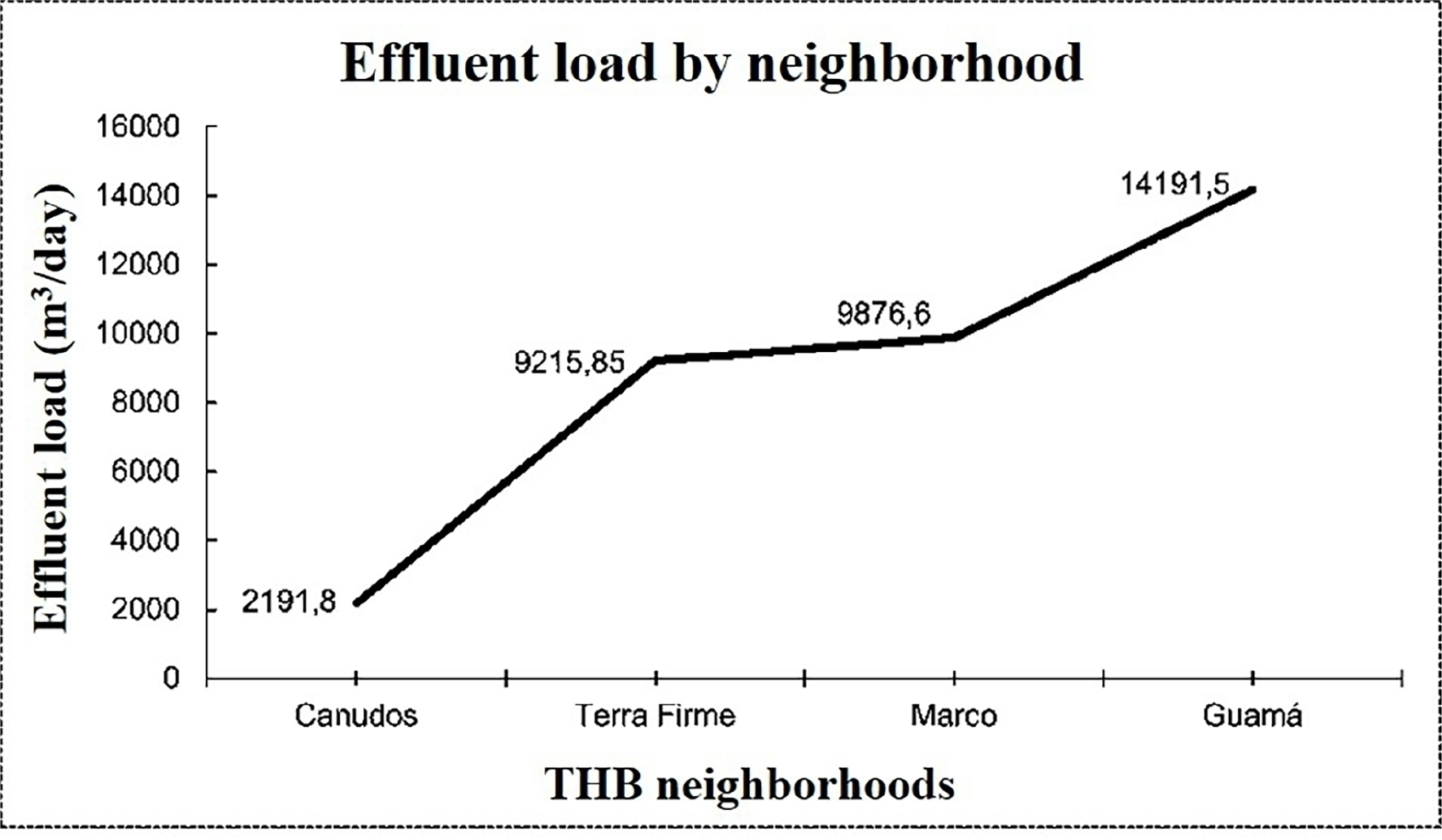
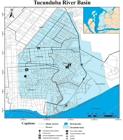
The Tucunduba Hydrographic Basin (THB) is the second-largest basin in Belém, Pará, draining four densely populated neighborhoods-Marco, Canudos, Terra Firme, and Guamá-with an estimated population of approximately 200,000 inhabitants. This study aims to analyze the socio-environmental conditions of the THB by examining key macro-environmental factors essential to understanding the basin's dynamics. The methodological approach involved conducting 44 interviews with THB residents to assess their socio-environmental perceptions, applying the Simplified Environmental Impact Assessment (SEIA), and estimating per capita sewage discharge across the neighborhoods within the basin. The findings indicate that the Quality of Urban Life Index in the study area is approximately 0.6, reflecting moderate living conditions. The SEIA further revealed substantial environmental impacts, classified as high or very high. These results underscore the inadequacy of public services provided to the local population and highlight the fragility of urban management. Urgent measures are needed to implement an integrated management strategy for the THB, enhance environmental monitoring, and improve service provision to ensure a high quality of life and a healthier environment.
Keywords:
Integrated Management; Environmental impacts; Macrodrainage; Quality of life
 Thumbnail
 Thumbnail
 Thumbnail
 Thumbnail
 Thumbnail