Comparative Study Between Conventional Pushover Analysis and the Finite Element Method for Capacity Curve Construction
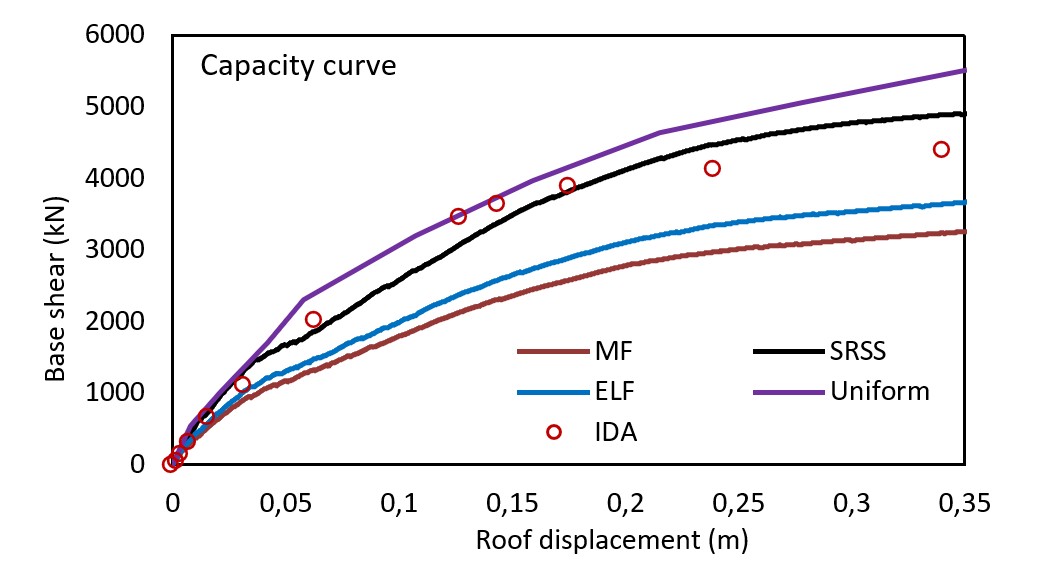
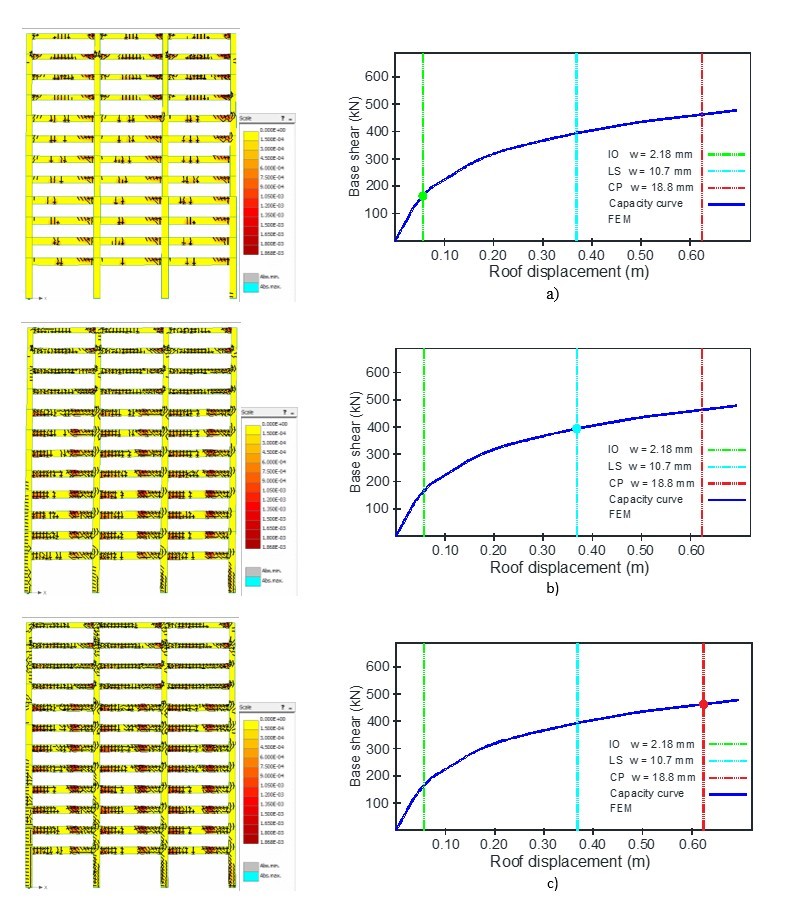
Approximate seismic evaluation procedures based on the capacity curve have gained wide acceptance in practical engineering owing to their straightforward application and the valuable insights they provide, although they do not always yield results consistent with numerically robust methods. This study presents an investigation into the reliability of results obtained through so-called approximate procedures for constructing the capacity curve, comparing them with those derived from more robust and complex approaches, primarily based on the finite element method. The approximations examined are assessed against results from an experimental study on a full-scale three-dimensional frame tested by another research group, and from a non-linear analysis using the finite element software ATENA, which models the structure under identical conditions. Finally, the study discusses the findings and challenges analysts may face when modelling structures using both numerically refined and approximate procedures, such as those implemented in commercial software like ATENA.
Keywords:
Capacity curve; approximate procedures; finite analysis methods; full-scale test experiment; pushover analysis; damage models; distributed cracking

 Thumbnail
 Thumbnail
 Thumbnail
 Thumbnail
 Thumbnail
 Thumbnail
 Thumbnail
 Thumbnail
 Thumbnail
 Thumbnail
 Thumbnail
 Thumbnail
 Thumbnail
 Thumbnail
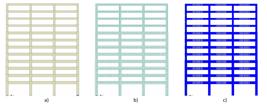 Thumbnail
 Thumbnail
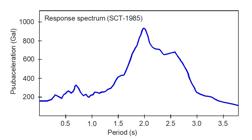 Thumbnail
 Thumbnail
 Thumbnail
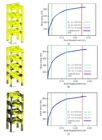 Thumbnail
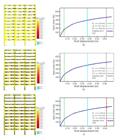 Thumbnail
 Thumbnail