 Why do some soybean seed lots live longer than others? The intrinsic nature of soybean seed longevity
ABSTRACT:
Seed longevity refers to the ability of a seed to preserve viability and vigor throughout storage. However, early loss of quality during storage is still frequently observed in soybean seed lots, constituting one of the main challenges of the production chain in tropical environments. This review details longevity as a property with a strong intrinsic influence and not determined exclusively by storage conditions. The intrinsic factors associated with longevity and the processes by which this attribute is progressively established throughout development are discussed, based on the interaction between genotype, environment and management. The review redefines the concept of maximum physiological quality associated with the point of physiological maturity and repositions late maturation as a physiologically active phase, marked by metabolic, structural and molecular adjustments related to the acquisition of longevity of soybean seeds. Additionally, it is proposed to update the reproductive scale of soybean for seed production, integrating the sequential order of acquisition of physiological quality attributes. This review offers an integrated interpretation for the variability observed among soybean seed lots, contributing to the improvement of field management and to greater predictability of seed performance during storage.
Index terms:
desiccation; management; physiological quality; quality acquisition; vigor
RESUMO:
A longevidade de sementes consiste na capacidade desta em preservar a viabilidade e vigor ao longo do armazenamento. Todavia, a perda precoce da qualidade durante o armazenamento ainda é frequentemente observada em lotes de sementes de soja, constituindo um dos principais desafios da cadeia produtiva em ambientes tropicais. Esta revisão detalha a longevidade como uma propriedade com forte influência intrínseca e não determinada exclusivamente pelas condições de armazenamento. São discutidos os fatores intrínsecos associados à longevidade e os processos pelos quais esse atributo é progressivamente instalado ao longo do desenvolvimento, a partir da interação entre genótipo, ambiente e manejo. A revisão redefine o conceito de máxima qualidade fisiológica associado ao ponto de maturidade fisiológica e reposiciona a maturação tardia como uma fase fisiologicamente ativa, marcada por ajustes metabólicos, estruturais e moleculares relacionados a aquisição da longevidade de sementes de soja. Adicionalmente, propõe-se uma atualização da escala reprodutiva da soja voltada à produção de sementes, integrando a ordem sequencial de aquisição dos atributos fisiológicos da qualidade. Esta revisão oferece uma interpretação integrada para a variabilidade observada entre lotes de sementes de soja, contribuindo para o aprimoramento do manejo a campo e maior previsibilidade do desempenho das sementes durante o armazenamento.
Termos para indexação:
dessecação; manejo; qualidade fisiológica; aquisição de qualidade; vigor
INTRODUCTION
Soybean (Glycine max (L.) Merr.) is one of the main agricultural crops on a global scale, with high production and participation in international trade (USDA, 2025), due to its high nutritional value, wide industrial versatility, and significant yield gains in recent decades (Peng et al., 2026). In parallel with the quantitative expansion of the crop, the challenges associated with the production of seeds with high and stable quality have intensified, especially under the environmental conditions prevailing in tropical regions (Bita and Gerats, 2013; Nakagawa et al., 2020). In Brazil, the combination of climate instability, intensification of production systems, expansion of the cultivated area and greater logistical complexity imposes increasingly stringent conditions on the production of seeds with consistent performance throughout storage, transport and distribution (ABRASEM, 2025).
The seed production chain has played a fundamental role in increasing the yield and sustainability of the production system, especially through the production of high-quality material and the diffusion and adoption of technologies throughout the different links of the sector, accompanied by continuous advances in quality control, technical training and technological innovation. However, even in the face of these advances, unexpected quality losses during storage are still frequently observed, even under ideal storage conditions (Walters et al., 2026), posing a relevant economic challenge for the industry (Walters et al., 2010). In this context, a central question arises: why do some soybean seed lots maintain viability for long periods, while others, apparently equivalent in terms of germination and initial vigor, lose quality quickly and unpredictably during storage?
The physiological quality of orthodox seeds, those that tolerate desiccation and storage under low levels of water and temperature (Matilla, 2021) such as soybean, is a multifaceted attribute, traditionally defined by the integration between germination and vigor, but which also includes characteristics such as desiccation tolerance (DT) and longevity (Smolikova et al., 2020; Nadarajan et al., 2023). In orthodox seeds, longevity is a key component of quality, as it conditions the ability of the lot to maintain viability and vigor over time, reducing losses during storage and increasing the predictability of performance in the field (Sano et al., 2016; Basso et al., 2018).
Not limited to post-harvest conservation, longevity should be understood as an attribute built throughout seed development (Lima et al., 2017), still in the field and resulting from the interaction of intrinsic factors, such as genetic characteristics, stage of maturation, and formation environment (Leprince et al., 2017; Zinsmeister et al., 2020), as well as extrinsic factors, related to the storage environment and pest and pathogen infestations (Schwember and Bradford, 2010; Ramtekey et al., 2022).
Under tropical conditions, such as in the Brazilian scenario, in which soybean seed production occurs mostly under highly variable and often challenging environments, understanding the physiological mechanisms associated with the acquisition of longevity takes on even greater relevance. How to promote longer-lived seed lots, capable of preserving physiological quality throughout storage, and thus ensuring efficiency, regularity and sustainability in the soybean seed production chain?
In this context, this review aims to synthesize and discuss scientific advances related to the physiology of soybean seed maturation, with emphasis on the processes and management related to longevity acquisition. By integrating classical and contemporary evidence, including recent contributions from research conducted in a tropical environment (Brazil), this study seeks to expand and update the understanding of late maturation in soybean seeds, providing conceptual bases for more precise management strategies, quality assessment and genetic improvement aimed at seed quality.
PHYSIOLOGICAL QUALITY OF SEEDS: EXPRESSION OF VITAL FUNCTIONS GOES BEYOND GERMINATION AND VIGOR
Seed quality results from the interaction between genetic, physical, sanitary and physiological factors (Marcos-Filho, 2015). Among these, the physiological component stands out for sustaining the vital processes necessary for germination, survival during storage and establishment of the crop under different environmental conditions (Finch-Savage and Bassel, 2016).
In orthodox seeds, such as those of soybean, physiological quality is expressed by four attributes that act in an integrated manner to ensure crop success: (i) germination, which consists of the resumption of metabolism and development of the embryonic axis, evidenced by the protrusion of the radicle (Meyer et al., 2007; Yu et al., 2015); (ii) desiccation tolerance (DT), defined as the ability to dehydrate and rehydrate without irreversible physiological damage (Hoekstra et al., 2001; Leprince and Buitink, 2010); (iii) vigor, which encompasses properties that allow the seed to germinate quickly and originate vigorous seedlings under a wide range of environmental conditions (Carvalho and Nakagawa, 2012); and (iv) longevity, which corresponds to the ability to maintain viability in the dry state for a certain period (Sano et al., 2016), constituting an adaptive mechanism that enables seed dispersal over time (Leprince et al., 2017).
The maximum potential of physiological quality of a seed lot is defined in the field, during its formation (Marcos-Filho, 2015). However, the final quality, manifested in its use during field emergence, will depend on the fraction of this potential that was effectively preserved over the storage time (Walters et al., 2010). With regard to storage, the entire period in which the seed remains in a quiescent state must be considered, from harvest to sowing. In this physiological state, no matter how drastically the metabolism is reduced, it is not yet completely stopped, which keeps the seeds vulnerable to deterioration (Bewley et al., 2013; Leprince et al., 2017).
Deterioration is an irreversible and inevitable process, caused by degenerative reactions that weaken seedling development and progressively lead to loss of germination capacity until seed death (Ellis and Roberts, 1980). In Brazil, the main challenges affecting seed quality are related to the typical conditions of tropical and subtropical environments, characterized by high temperatures and high relative humidity, which impose difficulties on seed development and maturation (Araújo et al., 2019; Krzyzanowski et al., 2022). These same factors can intensify quality losses during storage and along the distribution chain, being aggravated by pre-harvest rainfall events (França-Neto et al., 2016), mechanical damage resulting from inadequate management (França-Neto et al., 2016), improper storage conditions, and pest attacks (Nadarajan et al., 2023; Corbineau, 2024).
In order to control the adverse effects of deterioration and prolong survival in the dry state, seeds develop protection, defense, and repair mechanisms that are built during their development as a result of an interaction between genetic, environmental, and management factors (Valário, 2016; Lima et al., 2017; Cardoso et al., 2024) that determine their intrinsic longevity potential. Seeds with greater intrinsic longevity potential have greater physiological and biochemical stability, becoming more resistant to the negative effects of external factors (Health et al., 2026; Pirredda et al., 2023; Waterworth et al., 2024).
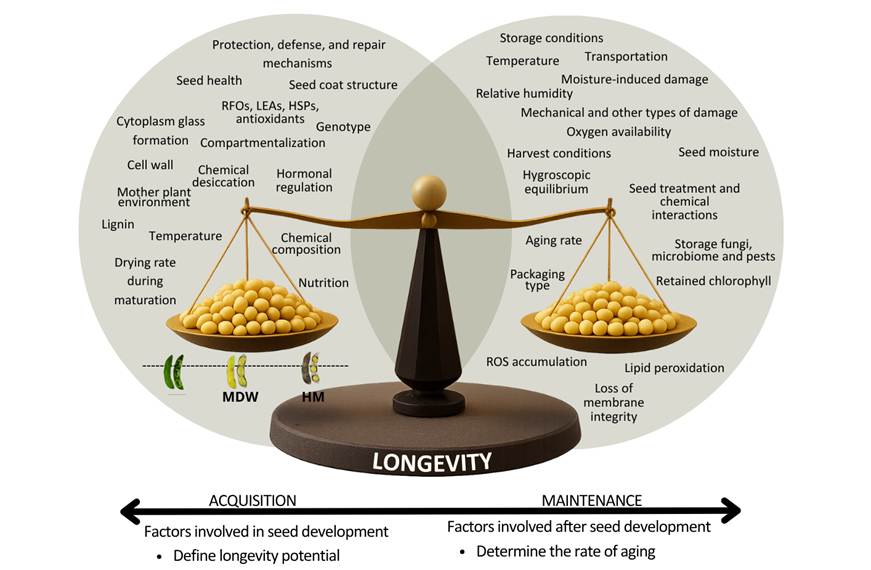
Longevity, therefore, is a complex characteristic, resulting from the interaction between two factors: (i) the intrinsic potential for longevity (explored in this review) and (ii) the intensity of extrinsic factors associated with deterioration, manifested both during the permanence in the field and during storage, which modulate the rate of loss of physiological quality (Figure 1).
In view of the challenges of producing and maintaining high-quality soybean seeds present mainly in the Brazilian scenario, understanding and exploring the intrinsic potential for longevity becomes even more relevant to ensure viability and vigor over time.
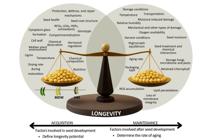
Main factors involved in soybean (Glycine max (L.) Merr.) seed longevity. The diagram illustrates longevity as a result of the interaction between a set of factors: during development and maturation, intrinsic factors related to genotype, chemical composition, structural organization, and metabolic regulation establish the initial longevity potential of seeds (acquisition). After maturity, associated factors such as harvesting, processing, transportation and storage conditions modulate the speed of deterioration, influencing the maintenance of this potential over time. Processes such as accumulation of reactive oxygen species, lipid peroxidation, and loss of membrane integrity are involved in seed deterioration. The bottom row indicates the transition between acquisition and maintenance, highlighting the milestones of maximum dry weight accumulation (MDW) and harvest maturity (HM).
INTRINSIC FACTORS THAT PROMOTE THE LONGEVITY OF SOYBEAN SEEDS
Desiccation tolerance as a prerequisite for longevity
First, for the seed to survive over time in the dry state, it must be able to tolerate this condition. The presence of water is essential to maintain proteins, nucleic acids, and functional membranes, so their removal can be fatal for seeds still intolerant to desiccation. DT is, therefore, the attribute that gives orthodox seeds the ability to survive after partial or almost total removal of cellular water and subsequent rehydration without irreversible damage (Leprince and Buitink, 2010; Dekkers et al., 2015). Although DT and seed longevity are associated, they are distinct attributes: tolerating desiccation does not guarantee the maintenance of viability during storage (Leprince et al., 2017).
To this end, seeds depend on a set of structural, physiological and biochemical properties, promoted by intrinsic protection, defense and repair mechanisms, which in an integrated manner confer the ability to preserve their integrity and resist storage over time (Walters et al., 2010).
Structure and physical stability of the cytoplasm in the glassy state
In the final phase of soybean seed development, with the advancement of dehydration, there is a progressive increase in cell viscosity until the fluid cytoplasm reaches the glassy state, characteristic of completely dry seed (Buitink and Leprince, 2008). This state is decisive for imposing severe restrictions on molecular mobility and deterioration reactions, in addition to stabilizing cellular structures and interactions between organelles (Leopold et al., 1994; Buitink and Leprince, 2004; Ballesteros and Walters, 2011; Walters, 2015).
The structure and stability of the glassy state are crucial factors to preserve the longevity of seeds (Buitink and Leprince, 2004), because, even if solidified, the cytoplasm forms a viscoelastic matrix that maintains the cell structure but that reorganizes itself slowly over time, affecting the speed of aging reactions, such as fermentation, glycation, oxidation and peroxidation, the last-mentioned ones initiated or accelerated by oxygen or free radicals (Bailly et al., 2001; Kranner et al., 2006; Colville et al., 2012; Ballesteros and Walters, 2019; Han et al., 2021).
Small intercellular spaces allow gas diffusion and movement of molecules (Ballesteros and Walters, 2011, Ballesteros and Walters, 2019; Han et al., 2021); therefore, differences in solid structure can affect biochemical reactivity and, consequently, aging rates (Ballesteros and Walters, 2019). For example, the shorter longevity of soybean seeds compared to pea seeds is due to the greater ‘fragility’ of the solidified cytoplasm, which compromises the stability of the cytoplasm during dry storage (Ballesteros and Walters, 2019).
In association, the maintenance of seed viability in the glassy and dry state is strongly associated with the presence of protective compounds, such as LEA (Late Embryogenesis Abundant) proteins, sHSP (small Heat Shock Proteins) and raffinose family oligosaccharides (RFO).
LEA and HSP proteins
LEA and HSP are proteins that accumulate during the late maturation phase of seeds, and their accumulation has been strongly correlated with increased longevity in several species, such as soybean (Valário, 2016; Lima et al., 2017), Medicago truncatula (Chatelain et al., 2012) and Arabidopsis thaliana (Hundertmark et al., 2011).
Although there is consistent evidence, the mechanism of action of LEA proteins in promoting seed longevity is not yet completely elucidated (Ramtekey et al., 2022). However, several indications, such as the accumulation pattern of some types of LEA during late maturation, their physicochemical characteristics and the results of in-vitro studies, suggest that these proteins play a relevant role in maintaining viability (Tunnacliffe et al., 2010). Possible mechanisms of action particularly include the interaction and stabilization of membranes (Eriksson et al., 2011) and the stabilization and prevention of protein aggregation, which contributes to the preservation of cell structure and function (Chakrabortee et al., 2012). In addition, it is possible that LEA favor the formation of a dense and stable glassy matrix, capable of reducing molecular mobility and increasing cell stability during storage (Buitink and Leprince, 2004; Walters et al., 2010; Ballesteros and Walters, 2011).
Regarding HSP (heat shock proteins), they are widely distributed in plants and act as molecular chaperones, helping in the correct folding and stability of other proteins, which ensures cellular structural and functional integrity, both under normal conditions and under stress (Berka et al., 2022; Dündar et al., 2025; Waters and Vierling, 2020). In seeds, it is proposed that they act in an equivalent way to maintain viability during storage, although the exact mechanisms still lack definitions.
For soybean seeds, the induction of sHSP proteins occurs during the late maturation phase and is part of the genetic program associated with seed longevity (see topic 3.1), and its expression is induced by HSFs (Heat Shock Factors), a broad family of transcription factors (Valário et al., 2016; Lima et al., 2017). The overexpression of HSFA9 (Heat Shock Factor 9) in tobacco seeds resulted in a significant increase in the production of certain HSP and sHSP, conferring greater resistance to deterioration during storage at high temperatures (Prieto-Dapena et al., 2006). On the other hand, the repression of the HSFA9 program led to a drastic reduction in the accumulation of HSP, including sHSP, and a significant decrease in seed longevity (Tejedor-Cano et al., 2010).
For a more in-depth analysis of the action of LEA, HSP and sHSP on seed longevity, it is recommended to consult the reviews of Leprince et al. (2017), Nadarajan et al. (2023), and Zinsmeister et al. (2020).
Sugars of the raffinose family (RFOs)
As for raffinose family oligosaccharides (RFOs), which include raffinose, verbascose, and stachyose, these have already been associated with stabilization of the intracellular glassy state (Leopold et al., 1994; Sano et al., 2016). However, Buitink et al. (2000) indicate that RFOs do not directly affect this stability of the intracellular glassy matrix, and their correlation with seed longevity probably occurs through other mechanisms.
Although it is not yet understood exactly how RFOs act in the acquisition and maintenance of viability during storage, there is a vast literature indicating that these sugars are effectively involved with longevity for soybean seeds (Hagely et al., 2013; Lin et al., 2023). Studies conducted in Brazil, with a mutant soybean genotype in the enzymes raffinose synthases (rs2 rs3), important precursors of RFO synthesis, reported a phenotype with ultra-low RFO content and consistently reduced longevity by 20-30% compared to the wild type (RS2 RS3 WT), under different storage conditions, maturation stages and years of production (Cardoso, 2020; Cardoso, 2024).
Oxidative control and the role of the seed coat
In addition to the structural and molecular mechanisms that confer physical stability to the cytoplasm and direct protection to macromolecules, the longevity of seeds also depends on the ability to minimize the generation of reactive oxygen species (ROS) during storage. ROS are highly unstable and reactive molecules that, when unbalanced, trigger damaging oxidative reactions, resulting in loss of membrane phospholipids, changes in transcript levels, protein synthesis, and post-translational modifications (Rajjou and Debeaujon, 2008; Waterworth et al., 2024).
Even with the metabolic suppression characteristic of the glassy state, the formation of ROS can persist due to non-enzymatic reactions (Bailly et al., 2008), i.e., during storage, the seed is still subject to oxidative damage and consequent loss of vigor. Against this, the seed exhibits intrinsic adaptive strategies that contribute to reducing oxidative damage and promoting longevity in the dry state, such as the dismantling of chloroplasts, the protection given by the seed coat and the accumulation of antioxidant compounds, which will be detailed below.
Greenish soybean seeds are characterized by total or partial retention of chlorophyll in the tissues, resulting from failures in the complete degradation of this pigment during maturation. These atypical seeds show a strong reduction in vigor (Teixeira et al., 2020) and longevity, and therefore, even if viability is maintained, it is for a short period (Pádua et al., 2007; Luccas, 2018; Nakajima et al., 2012).
However, as demonstrated by Zinsmeister et al. (2023) in Medicago truncatula seeds, the reduction in longevity does not result from the failure to degrade the chlorophyll itself, nor from the consequent presence of the residual pigment in the dry seed, but rather from the persistence of metabolically active chloroplasts, resulting from the absence of functional shutdown of the photosynthetic apparatus during maturation. The authors highlighted that, when photosynthetic activity is suppressed, even if chlorophyll remains retained, the longevity of the seeds is preserved.
In line with such evidence, the longevity of soybean seeds is established in synchrony with the repression of genes involved in photosynthesis and chloroplast activities (Lima et al., 2017). In this context, the dismantling of chloroplasts during maturation can be interpreted as an adaptive strategy, aimed at preventing damage that compromises seed longevity, mainly by limiting the generation of reactive oxygen species (ROS) and reducing oxidative instability.
Nevertheless, even in yellow soybean seeds that have completed these processes, residual metabolism and the presence of oxygen maintain the risk of oxidation during storage. Increased oxygen pressure results in greater loss of viability (Groot et al., 2012) and volatile compounds released in the process, such as methanol, ethanol, acetaldehyde, pentane, 2-heptanone, n-hexyl formate, 2-propanol, and 2-propenonitrile, can be reabsorbed, intensifying toxic effects and deterioration (Colville et al., 2012; Mira et al., 2016; Han et al., 2021). Therefore, the seed coat acts as an important physiological barrier, regulating the diffusion of gases and volatile compounds between the seed and the external environment (Bewley et al., 2013).
In addition to its physical role, the seed coat also exerts essential biochemical functions in the defense against oxidative damage. Lignin, in addition to conferring structural strength, is associated with reduced oxidative stress and lipid peroxidation, which is reflected in lower levels of activity of antioxidant enzymes, such as superoxide dismutase and peroxidase (Huth et al., 2016). Other compounds with antioxidant functions, such as glutathione, tocopherols, and lipocalins, play an important role in longevity because they limit the oxidation of lipids, proteins, and nucleic acids during storage (Sattler et al., 2004; Boca et al., 2014; Nagel et al., 2015).
Seed coat color, associated with the presence of anthocyanins, can influence seed quality, since these compounds have antioxidant action and can contribute to greater storage tolerance in seeds with dark seed coats (Kuchlan et al., 2010; Abati et al., 2022; Naflath et al., 2023). For an in-depth analysis of its influence on seed quality, we recommend the review by Krzyzanowski et al. (2023).
Repair Mechanisms
Even in the face of several protection and defense mechanisms mentioned, the seed can still accumulate damage gradually over time as a result of deterioration. The initial phase of imbibition is a critical moment, as it is when metabolic reactivation allows the activation of repair mechanisms, which act by restoring damaged cellular components such as DNA, RNA, and proteins, contributing to the maintenance of seed viability and vigor (Rajjou et al., 2008; Waterworth et al., 2015; Ducatti et al., 2022).
The intrinsic longevity of seeds is, therefore, the result of a set of mechanisms that provide protection, repair and stabilization to the seed in a dry state, as described so far. However, seeds develop the potential for intrinsic longevity in a variable way, exhibiting differences both in the constitution and in the activation of these mechanisms; as a consequence, there is wide variability in longevity between orthodox species, between cultivars of the same species and even between lots of the same cultivar.
The following section delves into the acquisition of longevity of soybean seeds throughout the phases of development in integration with the other physiological attributes. Additionally, it discusses how genetic and environmental factors and management decisions modulate the magnitude with which these attributes, especially longevity, are expressed, providing the necessary conceptual basis to interpret the variability observed between genotypes, environments and lots.
ACQUISITION OF LONGEVITY OF SOYBEAN SEEDS
Conceptual evolution of maturation phases in soybean seeds: late maturation as a determining stage for longevity
The development of soybean seeds has been investigated for almost a century, in a continuous trajectory of advances that started from the initial descriptions of maturation and physiological quality and evolved to a broader and deeper understanding of the factors that determine the acquisition of physiological attributes, such as longevity.
Classical research, initiated by Willard (1925), deepened by Delouche (1971) and described by Carvalho and Nakagawa (2000), established a solid experimental basis by documenting, from fertilization to harvest, the variations in moisture content, dry mass, germination and vigor. These studies consolidated the traditional descriptive model of seed development, with emphasis on two main phases: embryogenesis and maturation (or filling).
Embryogenesis, the initial phase of seed development, is marked by intense cell division and differentiation of embryonic tissues, culminating in the definition of the embryo (embryonic axis and cotyledons) and the seed coat (Bewley et al., 2013; Marcos-Filho, 2015). Then, during the maturation phase, the seed increases in size and weight due to the continuous flow of photoassimilates transferred from the mother plant to the point of maximum dry weight and detachment from the pod (Fehr et al., 1971; Egli, 2004).
Since the first physiological descriptions, this point has been interpreted as the physiological maturity milestone, representing the maximum potential quality limit for soybean seeds (Fehr et al., 1971). After this point, subsequent dehydration was limited for decades as an essentially physical, passive process devoid of physiological gains. This interpretation was in line with the context of tropical production conditions, in which the prolonged permanence of mature seeds in pre-harvest significantly increases the risk of deterioration (Vergara et al., 2019). Consequently, the final phase of development came to be seen only as a period of increasing vulnerability.
However, this perspective is reformulated in the light of advances in research. As reviewed by Leprince et al. (2017) and Zinsmeister et al. (2020), the acquisition of physiological quality does not end at the point of maximum accumulation of reserves. Behind dehydration, there is a metabolically active phase called late maturation, essential for the consolidation of longevity in Glycine max (Basso et al., 2018; Lima et al., 2017) and other orthodox species such as Arachis hypogaea (Okada et al., 2021; Oliveira and Silva, 2024), Medicago truncatula (Chatelain et al., 2012), Arabidopsis thaliana (Pellizzaro et al., 2020), and Phaseolus vulgaris (Sanhewe and Ellis, 1996).
The study conducted by Lima et al. (2017) brought decisive results showing that the longevity of soybean seeds is established progressively during the late maturation phase and can double between physiological maturity and the moment the seeds reach the dry state. Through physiological and transcriptomic analyses, the authors detail this advance as a result of the activation of a specific program involving the mechanisms mentioned above, such as the synthesis of HSP and LEA proteins, the accumulation of raffinose family sugars (RFOs), repression of genes associated with photosynthesis and chloroplast metabolism, and differences in the expression of genes related to the cell wall. Twenty-seven transcription factors strongly correlated with longevity were identified, including AP2/EREBP, WRKY and HSFs, which were also described in other legumes, reinforcing the robustness and conservation of these regulatory circuits in this group.
The progression of physiological quality during the late maturation phase is accompanied by continuous changes in the chemical composition of the seed, because even after the end of the maternal input, the metabolism remains active with the reorganization of the previously accumulated reserves. Kambhampati et al. (2021) describe a set of processes that confirm this metabolic activity, including the presence of gluconeogenic pathways, the progressive reduction of lipid and protein contents, and simultaneously the continuous accumulation of structural carbohydrates, such as cell wall polysaccharides (CWPs), and RFOs.
Studies conducted by Cardoso (2020; 2024) reinforce that, even without new sinks, the seed reorganizes its internal carbohydrates; for instance, the accumulation of RFO during the late maturation phase involves the sucrose accumulated previously in the filling phase. Such metabolic reconfiguration is directly associated with the acquisition of longevity and, in addition to the expressive accumulation coinciding with the longevity acquisition phase, the functional relevance of this process is confirmed by the mutant rs2 rs3, as the reduced synthesis of RFOs compromises the longevity of the seeds.
Therefore, it is necessary to redefine the concept of maturity and maximum physiological quality: the point of maximum dry matter no longer represents the end of the seed’s trajectory and starts to constitute the threshold of its determining phase of preparation for survival.
Recognizing late maturation as a physiologically active phase reveals that this stage completes processes that remain incomplete in the earlier phases. However, the physiological quality is not acquired simultaneously or indistinctly. Understanding this dynamic allows us to move on to a fundamental question: how, then, is quality built throughout development?
Physiological sequence of quality acquisition: germination, desiccation tolerance, vigor and longevity.
The attributes that make up the physiological quality in soybean seeds are established through a coordinated series of events in which each attribute depends on the consolidation of the previous one. Such physiological sequence has been demonstrated for the soybean crop, in different genotypes, environments and methodologies by Valário (2016), Rossi (2016), Lima et al. (2017), Basso et al. (2018), Cardoso (2020), Batista et al. (2022) and Cardoso (2024). A comparative synthesis of these studies reveals a highly consistent pattern that will be presented below.
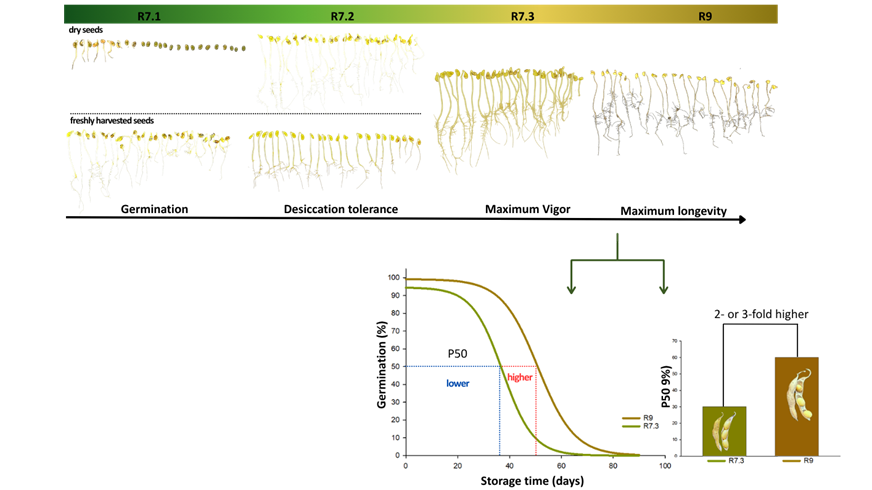
At the R7.1 stage, soybean seeds have full capacity to form normal seedlings when evaluated in the fresh state, an ability not present until then in previous stages. However, when these same seeds are dried to approximately 12% moisture (wet basis), such capacity is drastically reduced to values below 50% (Cardoso, 2020), that is, no matter how much germination is present at this stage, the seeds are still intolerant to desiccation (Figure 2).
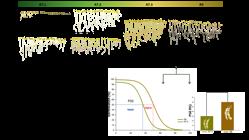
Sequential acquisition of physiological quality in soybean (Glycine max (L.) Merr.) seeds throughout the maturation stages. The top color bar represents the phenotypic transition of the seed coat from R7.1 (green) to R9 (brown/dry), indicating the progression of maturation. The rows of seedlings illustrate the germination performance after storage of seeds harvested at different stages of development (dry seeds, upper row) and newly harvested seeds (newly harvested seeds, lower row), evidencing the progressive gain in vigor with the advance of maturation. The physiological characteristics are acquired in sequence: germination (R7.1), desiccation tolerance (R7.2), vigor (from the perspective of seedling performance such as length and dry matter) (R7.3) and maximum longevity (R9). The lower left panel shows sigmoidal curves of germination survival (%) as a function of storage time (days) at 35 °C and 75% relative humidity for seeds harvested at the R7.3 and R9 stages, with indication of P50 (time required for 50% of the seeds to lose viability). The bar graph (lower right) shows that seeds harvested at the R9 stage have P50 values two to three times higher than those harvested at the R7.3 stage, confirming that late seed maturation is a critical determinant of soybean longevity. Data collected from Lima et al. (2017), Basso et al. (2018), and Cardoso et al. (2024) and images from Cardoso (2020).
The equivalence of the values of normal seedlings originated from seeds in both the fresh and dry states is observed in R7.2, thus characterizing the consolidation of DT at this stage (Figure 2). The establishment of this attribute at this point is decisive because it precedes the intense loss of water of late maturation, when the seed would become unviable if it were still intolerant to desiccation. This ability, therefore, is not inherent to the seed since its formation, so identifying the point in maturation at which its consolidation occurs directs management decisions so as to ensure cellular processes are indispensable to tolerance in the dry state.
In sequence, some parameters related to vigor, such as germination speed, length and dry mass of seedling structures, are acquired progressively, reaching maximum values at R7.3, without additional increments until complete maturation (R9) (Basso et al., 2018; Cardoso, 2020).
Although R7.3 and R9 seeds exhibit physiological equivalence of these characteristics mentioned soon after harvest, Basso et al. (2018) showed that this equality is only momentary. Throughout the storage time, R9 seeds maintained germination speed and seedling elongation capacity for intervals approximately twice as long as those observed for seeds harvested in R7.3, even when stored simultaneously under the same conditions.
As the seedling development performance by the seed depends directly on the mobilization of reserves such as carbohydrates, lipids, and proteins that sustain heterotrophic growth and seedling establishment (Oliveira et al., 2020; Pereira et al., 2015; Wei et al., 2020), it is presumed that the progression and maximum reach of germination performance and seedling elongation at R7.3 occur concomitantly with the maximum accumulation of seed dry matter observed at this stage. However, the data demonstrates that the preservation of physiological performance after dispersal (longevity) depends on additional mechanisms to mass accumulation, which are established from 7.3 progressively up to R9, as previously mentioned.
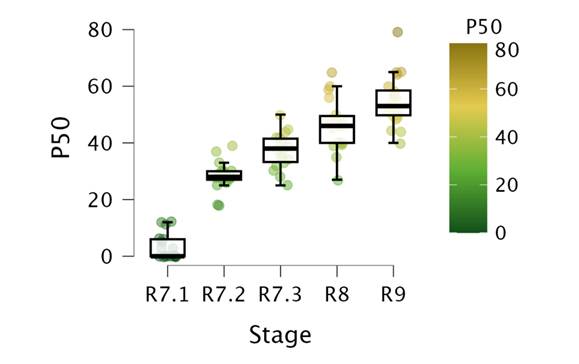
Figure 3 shows a comparative analysis of the longevity values (P50) obtained from soybean seeds of different genotypes and harvests carried out in a tropical environment (Brazil). The results reveal a consistent pattern of progressive increase in seed longevity throughout maturation, where seeds harvested in R9 have P50 values approximately twice as high as those observed in R7.2. When considering the transition between R7.3 and R9, the data indicate a substantial increase with seeds in R9 showing, on average, increments of around 30 to 80% in P50. This behavior was consistently observed in different years, environments, and materials, including commercial cultivars and experimental genotypes. In addition, no cases were identified in the analyzed studies in which seeds harvested in earlier stages (R7.1 to R7.3) had higher longevity than those harvested in R9, reinforcing the critical role of the late maturation phase for the full acquisition of longevity (Figure 3).
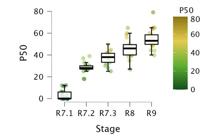
Progressive acquisition of longevity at P50 (time required for 50% reduction of viability) in seeds collected at different stages of development (R7.1, R7.2, R7.3, R8 and R9). A progressive increase in longevity is observed with the advance of maturation, with significantly lower values in R7.1 and a sharp increase from R7.2 onwards. The highest P50 values are recorded in the final stages (R8 and R9), indicating greater storage potential. The variation observed within each stage reflects the influence of genetic and environmental factors in determining seed longevity. Data compiled from Panoff et al. (2013/14), Rossi (2012/13 and 2013/14), Lima (2012/13 and 2013/14), Basso (2014/15 and 2015/16), Cardoso (2017-2021) and Batista (unpublished data).
In summary, the sequential pattern of acquisition of physiological attributes is highly logical, because the soybean seed consolidates first the ability to germinate, then the ability to maintain this germination in the dry state, improves its initial heterotrophic performance with the increase in germination speed and seedling elongation and, finally, establishes mechanisms that regulate longevity in order to preserve all the others after dispersal (Figure 2).
This physiological sequence is not exclusive to soybean, a similar pattern was observed throughout the development of peanut (Arachis hypogaea) seeds, with germination appearing in the early stages, tolerance to desiccation in R7 and longevity progressing to R9 (Oliveira and Silva, 2024), reinforcing that these physiological milestones can be conserved among legume species in general.
Despite the immutability of the sequential order of acquisition of physiological attributes between soybean genotypes and environments, the breadth of the physiological potential of the seed varies among different genetic and environmental contexts (Figure 3). Except for desiccation tolerance, whose phenotypic expression remains relatively stable between genotypes and environments, as reviewed by Leprince et al. (2017), vigor and longevity are plastic characteristics because they exhibit high phenotypic variation as a result of the interaction between genotype and environment, and can also be modulated by management practices (Lima et al., 2017; Cardoso et al., 2024).
Currently, the monitoring of the development of soybean seeds in the field and their management recommendations is mostly based on the traditional phenological classification described by Fehr et al. (1971), which organizes the crop stages based on morphological criteria of the plant, pods and grains. Although this approach is functional for agronomic management, it has limitations when applied to seed production, as it does not explain the physiological processes that are established along maturation, as discussed throughout the review.
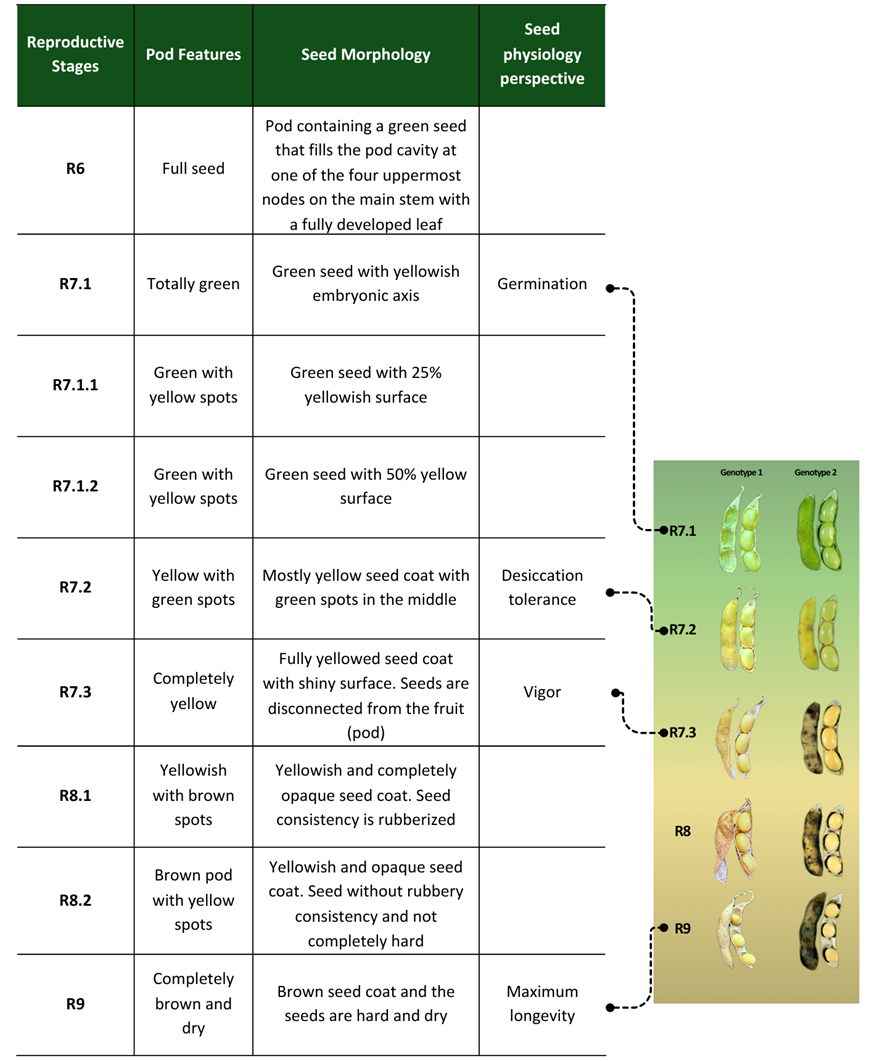
In this context, Figure 4 presents an update of the reproductive scale applied to soybean seed production. The proposal establishes a correspondence between the physiological dynamics of maturation and the morphological markers observable in the field, with the objective of guiding management practices compatible with the moment of establishment of each physiological attribute and explaining the risks associated with interventions carried out at different stages of seed development.
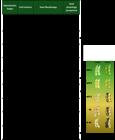
Characterization of the maturation stages of soybean (Glycine max (L.) Merr.) seeds based on morphological features of pods and seeds, as well as physiological quality markers, with photographic representation in two genotypes. The Figure describes the reproductive stages from R6 to R9, including the intermediate substages proposed by Basso et al. (2018). For each stage, the aspects of the pods, the morphology of the seeds and the respective physiological milestone are presented: germination capacity (R7.1), desiccation tolerance (R7.2), maximum vigor (R7.3) and maximum longevity (R9). Photographs on the right illustrate the progression of pod and seed coloration along the same stages for two distinct genotypes (Genotype 1 and Genotype 2), demonstrating that color patterns, although useful as indicators, can vary according to genotype, environmental conditions, and crop management practices. Adapted from Ritchie et al. (1985), Lima et al. (2017), Basso et al. (2018) and Cardoso (2020).
Genetic basis of intrinsic longevity variability in soybean seeds
Seed longevity has wide genetic variability, being characterized as a quantitative trait influenced simultaneously by genetic and environmental factors (Mondoni et al., 2014; Zhang et al., 2019; Naflath et al., 2023).
In soybean seeds produced under Brazilian tropical conditions, marked differences in intrinsic longevity have been observed between commercial cultivars, even when seed production and storage occur under controlled and similar conditions (Luccas 2018; Chamma, 2019; Perissatto, 2019). Evaluations involving 47 cultivars and 113 lines derived from contrasting parents showed variations of more than 60 days in the P50 parameter (time required for the loss of 50% of germination during storage, a parameter used as a comparative measure of longevity) (Perissatto, 2019; Chamma, 2019).
The phenotypic amplitude of these seeds produced simultaneously exposes the genetic basis of longevity, whose variation can be partially explained by heritability, defined as the proportion of total phenotypic variance attributed to genotypic differences in a population (Bianchi et al., 2020). Chamma et al. (2024) demonstrate that P50 was the only physiological trait with significant genotypic variance, having high heritability in contrast to germination and vigor, which showed more reduced heritability. In an evaluation with 26 cultivars produced in two crop years (2017/2018 and 2018/2019), high genotypic heritability (h²g = 0.90) and a relationship between the genetic coefficient of variation (CVg) and the environmental coefficient of variation (CVe) [CVg/CVe] equal to 1.33, were observed, indicating strong genetic control and high experimental precision. However, the high heritability of the G×E interaction (h²g×a = 0.84) showed that longevity, despite being genetically conditioned, is strongly modulated by specific environmental conditions of production and maturation (Chamma, 2024).
Longevity, therefore, has a greater relative genetic contribution than other physiological attributes (Righetti et al., 2015; Leprince et al., 2017). Still, the phenotypic expression of longevity is significantly modulated by the genotype × environment interaction (G×E).
The significant genetic variability among soybean cultivars regarding the acquisition of longevity, therefore, opens concrete opportunities for exploration in genetic improvement programs, both in the selection of parents and in the recommendation of cultivars with greater physiological stability in storage. In addition, this characteristic is decisive for strategies aimed at the conservation of genetic resources in germplasm banks (Walters et al., 2010; Waterworth et al., 2024).
The consistency of the physiological acquisition patterns observed, even in the face of the genetic and environmental heterogeneity of the studies analyzed, reinforces the robustness of the notion that, although genetically conditioned, longevity is modulated by the maturation environment. Understanding this physiological plasticity is essential to support more precise agronomic recommendations guided by the physiology of soybean seeds. Although genetic improvement focusing on the physiological quality of soybean seeds has not yet been fully explored, such investment is imperative in the face of challenging tropical conditions.
Environment and management interfere with longevity acquisition in the field
Although the order of acquisition of physiological attributes during maturation is highly conserved, the final expression of these attributes can be variable. Unlike DT, which is a robust physiological property, that is, rigidly controlled by genetic mechanisms and little sensitive to environmental variations, seed longevity is a highly plastic attribute, which responds sensitively to the variations in the conditions to which the organism is exposed during development, resulting in different levels of final performance for the same genotype (Leprince et al., 2017).
According to Zinsmeister et al. (2020), environmental factors such as temperature and water availability modulate the acquisition of longevity by interfering with maturation programs, the performance of the mother plant, and embryonic tissues, affecting processes associated with cell protection, metabolic stability in the dry state, and the efficiency of antioxidant and repair systems. Environmental stresses during the maturation phase, such as high temperatures and water deficit, significantly reduce the physiological quality of seeds, reinforcing the high sensitivity of this attribute to environmental conditions (Petronilio et al., 2025).
In this topic, the emphasis will be on the relationship between longevity and the management of the production system, addressing, in sequence, the practices related to nutritional availability and soil preparation and to the management of chemical desiccation under tropical conditions. For an in-depth discussion on the isolated environmental influence involving temperature, light, water availability, and the regulatory mechanisms involved, a review by Zinsmeister et al. (2020) is recommended.
Management interferes with longevity acquisition in the field: nutrition and soil preparation
Mineral nutrition is a central component of seed physiology, as it conditions not only crop yield (Amanullah et al, 2025), but also the formation (Grabau et al., 1986), composition (Di Mauro et al., 2023), and longevity of the seeds produced, which will be described below.
In a long-term study with wheat conducted in acidic tropical soil, Silva et al. (2022) observed that lime application did not promote significant changes in germination and initial vigor of the seeds, but resulted in a significant increase in longevity, evaluated by the P50 test. This effect was associated with greater accumulation of key nutrients, such as N, P, K, and Mg, and greater expression of genes related to cellular protection and molecular damage repair, including HSFA9, LEA1, VTE1, and PIMT2.
Similar results were reported by Silva et al. (2023). Although these authors did not find a significant association between soybean seed germination and macronutrient and micronutrient contents of the soil in which the mother plant was produced, they observed a positive correlation between seed longevity and soil N, P, Ca, Cu, and Mn contents, reinforcing that longevity responds sensitively to the conditions of the maternal environment.
Another relationship between mineral nutrition and longevity can be observed in the occurrence of cracks in the seed coat (called genetic crack), characterized by fissures between the cells of the palisade parenchyma (Teixeira et al., 2024). Although the causes of this phenomenon are not completely elucidated, Teixeira et al. (2024) demonstrated that the incidence of cracks in the seed coat is correlated with low concentrations of calcium in this tissue among soybean cultivars.
Calcium is essential for the formation and stability of cell walls, acting on the structural integrity of tissues during seed development (Hepler and Winship, 2010). Transcriptomic studies reinforce this relationship by indicating that genes involved in the synthesis and remodeling of the cell wall have increased expression from the R7.3 stage of maturation, a period that coincides with the beginning of longevity acquisition in soybean seeds (Lima et al., 2017).
Soil tillage practices also influence the acquisition of longevity, as observed by Souza (2021), who demonstrated that soil chiseling, although not promoting an increase in soybean yield, reduced surface compaction and favored the obtaining of seeds with greater vigor and greater longevity, with more pronounced effects under climate stress conditions. In a complementary way, conservation systems such as no-till can also promote greater longevity (Silva et al., 2023), possibly due to the improvement in soil structure over time, greater nutrient cycling, and greater water stability.
Therefore, these results indicate that the soil environment has a strong influence on the acquisition of seed longevity. However, there are still few studies that systematically evaluate management strategies such as supplementation or nutritional enrichment aimed specifically at promoting the longevity of soybean seeds. Considering the complexity of the processes involved and the strong interaction with genotype, environment and management, future research is needed to identify limits, combinations and moments of nutrient supply and their relationship with the acquisition of longevity, without compromising other physiological quality attributes.
Management interferes with longevity acquisition in the field: chemical desiccation
Pre-harvest chemical desiccation of soybean seeds and grains consists of the application of herbicides with defoliant properties aiming at multiple objectives such as advance of harvest (Albrecht et al., 2024), weed control (Ellis et al., 1998), reduction of green stems and increase in the operability of machines (Geiss et al., 2025), but especially for seed production, it aims to reduce the permanence of seeds in the field under adverse conditions and mitigate losses in physiological quality (Albrecht et al., 2022; Bagateli et al., 2025).
Historically, the recommendation for this management was based on the assumption that the seeds would be physiologically ready when reaching the point of maximum dry matter (França-Neto et al., 2016), identified as R7.3 stage (Lima et al., 2017). This interpretation was widely accepted within the tropical agronomic context, in which the prolonged permanence of mature seeds in the field substantially increases the risk of pre-harvest deterioration. Indeed, moisture damage is cited as one of the main factors inducing loss of seed quality (Krzyzanowski et al., 2022), especially in producing regions where rainfall events occur close to harvest.
However, in the light of recent advances in seed physiology, longevity in soybean seeds is not fully defined at the time of maximum dry matter (R7.3 stage), but rather progressively acquired after this stage during the late maturation phase, as presented throughout topic 3. Thus, since desiccation accelerates this phase, an important question arises: how does the acquisition of longevity behave in response to pre-harvest chemical desiccation?
Chamma et al. (2023) evaluated forced maturation with the chemical desiccant paraquat applied at R7.3 and observed that, while desiccation does not reduce initial germination, it can significantly reduce longevity (P₅₀) and accelerate vigor loss during storage, with up to a 20% reduction in P₅₀ when compared to natural maturation. These findings suggest that chemical desiccation applied at R7.3 can interrupt or compromise late maturation processes relevant to post-harvest conservation, even though the short-term physiological attributes (germination and initial vigor) are apparently consolidated.
Complementarily, Cardoso et al. (2024) demonstrated that the metabolic response of soybean seeds during longevity acquisition can be variable depending on the active ingredient applied, even when the application occurs at R7.3, highlighting that the seed is still metabolically responsive. Therefore, although the seed has already ceased the accumulation of dry matter, the maturation metabolism remains active and susceptible to the interference of chemicals.
On the other hand, Bagateli et al. (2025) compared desiccated and non-desiccated seeds and demonstrated that the latter remained in the field for up to 20 days after physiological maturity, being exposed to adverse environmental conditions, such as the occurrence of rainfall, wetting and drying cycles, and variations in temperature and humidity, which resulted in lower longevity. The authors found, through Random Forest models, that such environmental variables explained most of the variation in seed quality and longevity.
In view of the above, the effects of desiccation are not universal, but strongly dependent on the environmental context. Chemical desiccation, as much as it causes a physiological interruption, advancing the end of the reproductive cycle and limiting late stages associated with longevity, can favor the maintenance of longevity in scenarios of high environmental risk, acting as a measure to contain pre-harvest deterioration, but not as a direct promoter of the physiological acquisition of longevity.
Although the current recommendation indicates the application of the desiccant when approximately 70% of the pods reach the R7.3 stage, this scenario is uncommon in cultivars of indeterminate habit, due to their uneven maturation. In plants of indeterminate habit, flowering occurs in a staggered manner along the canopy, resulting in the formation of seeds at different times and, consequently, in different stages of development and maturation within the same plant. This reproductive desynchrony leads to uneven maturation, so at the time of desiccant application, there is coexistence of seeds in multiple physiological stages, not always with a predominance of a single reproductive stage.
In this context, desiccation starts to have distinct effects among the seed fractions present in the plant. For those that have not yet completed the maturation process, the application of the desiccant can interrupt the normal maturation process, prevent the complete degradation of chlorophyll and resulting in the harvest of greenish seeds because they are still immature (Zorato et al., 2007). Chamma et al. (2023) observed a higher incidence of these seeds in desiccated plants, corroborating that early application can lead to the permanence of residual green pigmentation due to the interruption of the biochemical mechanisms of chlorophyll degradation. On the other hand, seeds that have already reached physiological maturity at the time of desiccation, especially in systems with delayed harvest, remain exposed to environmental conditions in the field, which favors deterioration (Vergara et al., 2019).
In addition, the uneven maturation, initially observed at the plant level, tends to expand to the area scale, reflecting the spatial variability inherent to production systems. Factors such as soil heterogeneity, water availability, fertility and microclimate contribute to the formation of zones with different dynamics of development and maturation within the same plot. In this context, decision-making regarding the time of desiccation should incorporate spatial variability through the definition of management zones.
In this context, Figure 4 integrates the physiological dynamics of maturation with morphological markers observable in the field, configuring itself as an auxiliary tool for better decision-making regarding desiccation timing, with the potential to reduce the antagonistic effects in uneven systems and increase the physiological stability of the produced lots.
In summary, chemical desiccation should be approached as an integrated management practice, in which the precise definition of the phenological stage of application, associated with the consideration of the spatial uniformity of the area, is essential to mitigate contrasting physiological responses. The choice of herbicide should be judicious, considering its mode of action and its potential to interfere with the processes associated with the acquisition of physiological quality. In addition, environmental conditions should be considered as a priority, since they are the main determining factor of seed quality and longevity, modulating the magnitude of the effects of desiccation.
LONGEVITY ANALYSIS PERSPECTIVES
Evaluating seed longevity remains one of the main challenges in quality control programs. Methods traditionally employed in the routine, such as germination, tetrazolium, and accelerated aging conducted under humid conditions, are efficient in identifying lots with immediate impairment of physiological quality (França-Neto and Krzyzanowski, 2019; Krzyzanowski et al., 2022). However, these tests have limitations to discriminate lots that, although similar in these parameters, may show contrasting behaviors when subjected to the same storage environment. This contrast explains recurrent situations observed in the seed industry, in which conventional evaluations do not indicate imminent drops in quality, although there are significant reductions in longevity throughout storage.
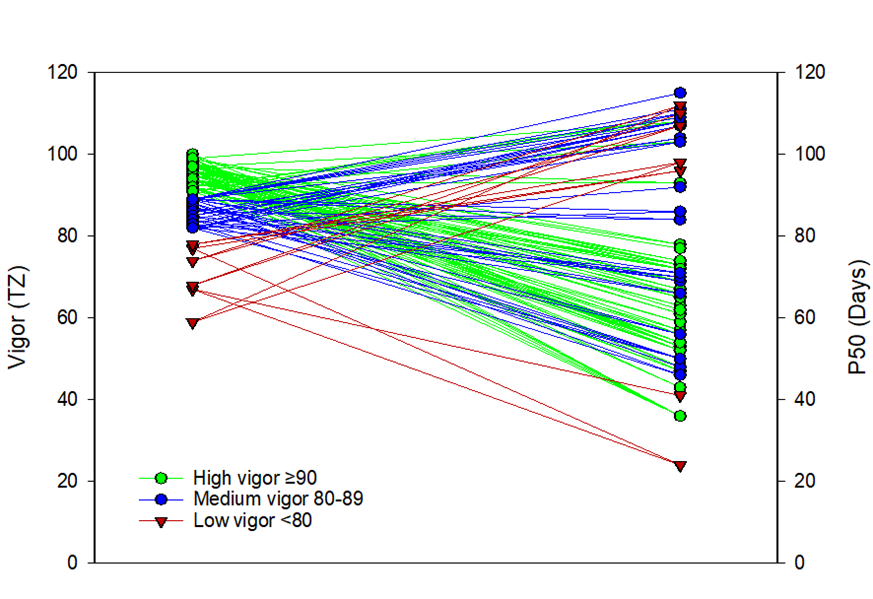
As observed in Figure 5 with data derived from Perissato (2019), the relationship between the initial vigor estimated by the tetrazolium test (TZ) and seed longevity, expressed by P50, reveals a pattern of dissociation between these parameters. Although the lots have relatively similar values of initial vigor, especially concentrated in the medium to high range (80-100%), there is a wide dispersion in the P50 values, indicating marked differences in longevity. Lots classified as high vigor (>90%) do not necessarily maintain greater longevity, showing both upward and downward trajectories in relation to P50. Similarly, medium- and even low-vigor lots can exhibit contrasting behaviors, reinforcing the absence of a consistent linear relationship between initial vigor and storage potential. This pattern, represented by the multiple individual behaviors in the graph, points to the limitation of TZ in predicting longevity and highlights the need for complementary metrics that capture the physiological resilience of seeds over time.
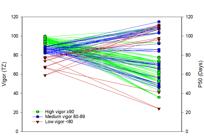
Relationship between the initial vigor of the seeds, evaluated by the tetrazolium test (TZ), and the longevity estimated by the parameter P50. Each line represents a lot, connecting the initial vigor (left axis) to the respective value of P50 (right axis). The points are classified into three categories of vigor: high (≥90), medium (80-89) and low (<80). There is a wide variation in the response among lots, showing that initial vigor is not always directly associated with seed longevity. Data from Perissato (2019).
In line with these observations, Hay et al. (2019) reported that the categorization of lots in terms of longevity can vary significantly depending on the evaluation method adopted. By comparing different aging conditions, including tests conducted under high relative humidity and high temperature, with analyses based on survival curves, the authors demonstrated that the relative classification of lots can change considerably. These results indicate that evaluations based on artificial and one-off conditions may not adequately reflect the behavior of seeds throughout storage, reinforcing the importance of considering the dynamics of loss of viability over time.
The incorporation of the analysis of survival curves and derived parameters, such as P50, defined as the time required for the loss of 50% of viability, thus emerges as a strategic tool to differentiate lots with similar germination, but with contrasting storage potentials. These approaches are particularly relevant for decisions related to prolonged storage, long-distance logistics and management of known sensitive cultivars. However, the interpretation of longevity based on survival curves is intrinsically dependent on the temperature and humidity conditions adopted during experimental aging.
Walters et al. (2010) demonstrated that dry seed deterioration is governed by amorphous matrix physical properties, with nonlinear kinetics dependent on temperature and moisture content, and that changes in the physical state of the cytoplasm alter the predominant aging mechanisms relevant to storage. In this context, the combination of relative humidity and temperature determines the equilibrium moisture content of the seeds and, consequently, the molecular mobility and the dominant deterioration pathways. Accordingly, Zinsmeister et al. (2020) reinforce that the mechanisms that govern the loss of viability differ substantially when the seeds are in the glassy state, typical of dry storage, compared to those evaluated under wetter conditions, in which the cytoplasm has greater mobility and different aging processes come to predominate.
Thus, the incorporation of specific physiological parameters such as P50 represents a more consistent reference for the characterization of physiological quality associated with longevity (Santos et al., 2019), expanding the ability to discriminate between lots with similar performance in conventional vigor tests and supporting safer logistics strategies for transportation, storage, and marketing. Despite that, operational challenges persist for the routine application of these approaches in quality control programs, including the definition of appropriate temperature and humidity combinations that accelerate testing without displacing the seed from the glassy state, the need for technically skilled teams, analytical complexity, and the prolonged use of laboratory infrastructure.
In this scenario, recent technological advances involving computer vision associated with artificial intelligence algorithms have high potential to complement traditional approaches, allowing automated pattern recognition in biological images and reducing the subjectivity of analyses (França-Silva et al., 2023).
Additionally, studies conducted in Brazil using multispectral phenotyping demonstrate that the autofluorescence signature of seeds allows the identification of maturation stages (R7.1 to R9) and segmentation of lots according to the level of physiological maturity (Batista et al., 2022). In perspective, the integration of these technologies with machine learning models can enable more accurate screening systems and, in the medium term, contribute to the prediction of longevity, accelerating decision-making during production and reducing post-harvest losses.
Another possibility is the analysis of total RNA quality performed via capillary electrophoresis. RIN (RNA Integrity Number) calculation is used to standardize the interpretation of integrity, assigning values from 1 (totally degraded) to 10 (intact). High-longevity seeds have electrophoretic profiles with sharp peaks of the ribosomal subunits 18S and 28S. The reduction in RIN value (< 7) indicates RNA fragmentation, which compromises the protein translation necessary for the resumption of metabolism during imbibition, characterizing the initial stage of loss of vigor and viability (Saighani et al., 2021; Tetreault et al., 2024; Walters et al., 2026).
The evaluation of genomic integrity by agarose gel electrophoresis can be used to identify seed lots with high longevity, in which the genomic DNA must present itself as a single band of high molecular weight. Aged seeds can be identified by the presence of a “trace” in the gel, resulting from random breaks in the DNA strand. Additionally, the occurrence of internucleosomal fragmentation, visualized as the “ladder” pattern (DNA laddering), can be used as a marker of Programmed Cell Death (PCD). This phenomenon evidences the enzymatic degradation of DNA by nucleases activated by oxidative stress, signaling the irreversible loss of genomic repair capacity and, consequently, of seed longevity (El-Maarouf-Bouteau et al., 2011).
CONCLUSIONS
Longevity consists of an attribute strongly determined by intrinsic factors, not being defined exclusively by storage conditions, but progressively acquired throughout seed development through the interaction between genotype, environment and management, including aspects such as nutritional availability and chemical desiccation.
In this context, it is necessary to redefine the concept of maturity and maximum physiological quality, since the point of maximum dry matter no longer represents the end of the seed’s trajectory and starts to configure the threshold of a critical phase of preparation for survival in the dry state.
Through the sequence of acquisition of the different physiological quality attributes, it is proposed to update the reproductive scale of soybean with a focus on seed production, in order to guide management decisions, contribute to adequate chemical desiccation and reduce the variability of the survival of the lots produced during storage.
We highlight the importance of expanding quality tests aimed at categorizing lots in terms of potential longevity, in order to promote the predictability of seed performance during storage.
The following measures are encouraged: more in-depth research on the effects of molecules applied in desiccation on longevity, studies that systematically evaluate supplementation or nutritional enrichment strategies aimed specifically at promoting the longevity of soybean seeds, selection of more stable genotypes both under prolonged storage conditions and in the face of various environmental stresses, and inclusion of methods for evaluating longevity on an industrial scale.
REFERENCES
-
ABATI, J.; ZUCARELI, C.; BRZEZINSKI, C.R.; MORAES, L.A.C.; LOPES, I.O.N.; MERTZ-HENNING, L.M.; KRZYZANOWSKI, F.C.; HENNING, F.A. Physiological potential and antioxidant metabolism during storage of soybean seeds contrasting with phenylpropanoid pathway compounds. Bragantia, v.81, e3022, 2022. https://doi.org/10.1590/1678-4499.20210319.
» https://doi.org/https://doi.org/10.1590/1678-4499.20210319 -
ABRASEM. Associação Brasileira de Sementes e Mudas. Semente é tecnologia, anuário 2025 https://www.abrasem.com.br/wp-content/uploads/2025/09/Anuario-Abrasem-2025-com-capa_compactado.pdf?utm_source=chatgpt.com
» https://www.abrasem.com.br/wp-content/uploads/2025/09/Anuario-Abrasem-2025-com-capa_compactado.pdf?utm_source=chatgpt.com - ALBRECHT, L.P.; YOKOYAMA, A.S.; ALBRECHT, A.J.P.; KOSINSKI, R.; MILLEO, R.; SILVA, A.F.M. Glufosinate and diquat in pre-harvest desiccation of soybean at four phenological stages, and their impact on seed quality. Chilean journal of agricultural research, v.82, n.3, p.448-456, 2022.
- ALBRECHT, L.P.; Glufosinate and diquat in pre-harvest desiccation of soybean at four phenological stages, and their impact on seed quality. Chilean journal of agricultural research , v.82, n.3, p.448-456, 2022.
-
ALBRECHT, L.P.; ALBRECHT, A.J.P.; LORENZETTI, J.B.; SILVA, A.F.M.; YOKOYAMA, A.S.; KOSINSKI, R.; MILLEO, R.; KATAKURA, M. Alternative herbicides to paraquat in pre-harvest desiccation of soybean plants. Revista de Ciências Agroveterinárias, v.23, n.2, p.196-202, 2024. https://doi.org/10.5965/223811712322024196.
» https://doi.org/https://doi.org/10.5965/223811712322024196 -
AMANULLAH; KHAN, J.A.; YASIR, M. Improving soybean yield and oil productivity: an integrated nutrient management approach for sustainable soybean production. BMC Plant Biology, v.25, n.1, p.293, 2025. https://doi.org/10.1186/S12870-025-06245-Y
» https://doi.org/10.1186/S12870-025-06245-Y -
ARAÚJO, M.L.S.; SANO, E.E.; BOLFE, É.L.; SANTOS, J.R.N.; SANTOS, J.S.; SILVA, F.B. Spatiotemporal dynamics of soybean crop in the Matopiba region, Brazil (1990-2015). Land Use Policy, v.80, p.57-67, 2019. https://doi.org/10.1016/j.landusepol.2018.09.040.
» https://doi.org/https://doi.org/10.1016/j.landusepol.2018.09.040 -
BAGATELI, J.R.; BAGATELI, R.M.; VEIGA, G.C.; CARVALHO, I.R.; MENEGHELLO, G.E. Pre-harvest desiccation strategies in soybean genotypes with contrasting maturation: effects on seed physiological quality and longevity. Journal of Seed Science, v. 47, 2025. https://doi.org/10.1590/2317-1545v47300335.
» https://doi.org/https://doi.org/10.1590/2317-1545v47300335 -
BAILLY, C.; AUDIGIER, C.; LADONNE, F.; HE, M.; LE Á NE WAGNER, Â. Changes in oligosaccharide content and antioxidant enzyme activities in developing bean seeds as related to acquisition of drying tolerance and seed quality. Journal of Experimental Botany, v.52, p.701-708, 2001. https://doi.org/10.1093/jexbot/52.357.701
» https://doi.org/https://doi.org/10.1093/jexbot/52.357.701 -
BAILLY, C.; EL-MAAROUF-BOUTEAU, H.; CORBINEAU, F. From intracellular signaling networks to cell death: the dual role of reactive oxygen species in seed physiology. Comptes Rendus - Biologies, v.331, n.10, p.806-814, 2008. https://doi.org/10.1016/j.crvi.2008.07.022.
» https://doi.org/https://doi.org/10.1016/j.crvi.2008.07.022 -
BALLESTEROS, D.; WALTERS, C. Detailed characterization of mechanical properties and molecular mobility within dry seed glasses: relevance to the physiology of dry biological systems. The Plant Journal, v.68, n.4, p.607-619, 2011. https://doi.org/10.1111/j.1365-313X.2011.04711.x.
» https://doi.org/https://doi.org/10.1111/j.1365-313X.2011.04711.x -
BALLESTEROS, D.; WALTERS, C. Solid-state biology and seed longevity: A mechanical analysis of glasses in pea and soybean embryonic axes. Frontiers in Plant Science, v.10, 2019. https://doi.org/10.3389/fpls.2019.00920
» https://doi.org/https://doi.org/10.3389/fpls.2019.00920 -
BASSO, D.P.; HOSHINO-BEZERRA, A.A.; MÁRCIA, M.; SARTORI, P.; BUITINK, J.; LEPRINCE, O.; AMARAL SILVA, A. Late seed maturation improves the preservation of seedling emergence during storage in soybean. Journal of Seed Science , v.40, n.2, p.185-192, 2018. https://doi.org/10.1590/2317-1545v40n2191893
» https://doi.org/https://doi.org/10.1590/2317-1545v40n2191893 -
BATISTA, T.B.; MASTRANGELO, C.B.; MEDEIROS, A.D.; PETRONILIO, A.C.P.; OLIVEIRA, G.R.F.; SANTOS, I.L.; CRUSCIOL, C.A.C.; SILVA, E.A.A. A reliable method to recognize soybean seed maturation stages based on autofluorescence-spectral imaging combined with machine learning algorithms. Frontiers in Plant Science , v. 13, 2022. https://doi.org/10.3389/fpls.2022.914287
» https://doi.org/https://doi.org/10.3389/fpls.2022.914287 -
BERKA, M.; KOPECKÁ, R.; BERKOVÁ, V.; BRZOBOHATÝ, B.; ČERNÝ, M. Regulation of heat shock proteins 70 and their role in plant immunity. Journal of Experimental Botany , v.73, n.7, p.1894-1909, 2022. https://doi.org/10.1093/jxb/erab549.
» https://doi.org/https://doi.org/10.1093/jxb/erab549 - BEWLEY, J.D.; BRADFORD, K.J.; HILHORST, H.W.M.; NONOGAKI, H. Seeds: physiology of development, germination and dormancy 3.ed. New York: Springer, 2013. 392p.
-
BIANCHI, M.C.; BRUZI, A.T.; SOARES, I.O.; RIBEIRO, F.D.O.; GESTEIRA, G.D.S. Heritability and the genotype × environment interaction in soybean. Agrosystems, Geosciences and Environment, v.3, e20020, 2020. https://doi.org/10.1002/agg2.20020.
» https://doi.org/https://doi.org/10.1002/agg2.20020 -
BITA, C.E.; GERATS, T. Plant tolerance to high temperature in a changing environment: Scientific fundamentals and production of heat stress-tolerant crops. Frontiers in Plant Science , v.4, p.48753, 2013. https://doi.org/10.3389/fpls.2013.00273.
» https://doi.org/https://doi.org/10.3389/fpls.2013.00273 -
BOCA, S.; KOESTLER, F.; KSAS, B.; CHEVALIER, A.; LEYMARIE, J.; FEKETE, A.; MUELLER, M.J.; HAVAUX, M. Arabidopsis lipocalins AtCHL and AtTIL have distinct but overlapping functions essential for lipid protection and seed longevity. Plant, Cell and Environment, v.37, n.2, p.368-381, 2014. https://doi.org/10.1111/pce.12159.
» https://doi.org/https://doi.org/10.1111/pce.12159 -
BUITINK, J.; HEMMINGA, M.A.; HOEKSTRA, F.A. Is there a role for oligosaccharides in seed longevity? An assessment of intracellular glass stability. Plant Physiology, v.122, n.4, p.1217-1224, 2000. https://doi.org/10.1104/pp.122.4.1217
» https://doi.org/https://doi.org/10.1104/pp.122.4.1217 -
BUITINK, J.; LEPRINCE, O. Glass formation in plant anhydrobiotes: Survival in the dry state. Cryobiology v.48, n.3, p.215-228, 2004. https://doi.org/10.1016/j.cryobiol.2004.02.011.
» https://doi.org/https://doi.org/10.1016/j.cryobiol.2004.02.011 -
BUITINK, J.; LEPRINCE, O. Intracellular glasses and seed survival in the dry state. Comptes rendus Biologies, v.331, n.10, p.788-795, 2008. https://doi.org/10.1016/j.crvi.2008.08.002
» https://doi.org/https://doi.org/10.1016/j.crvi.2008.08.002 -
CARDOSO, C.P.; PERISSATO, S.M.; BIANCHI, L.; RIBEIRO, M.; CHAMMA, L.; SILVA, E.A.A. Characterization of acquisition of physiological quality in soybean seeds from desiccated plants. Journal of Seed Science , v.46, e202446013, 2024. https://doi.org/10.1590/2317-1545v46280620
» https://doi.org/https://doi.org/10.1590/2317-1545v46280620 - CARDOSO, C.P. Contribuição dos oligossacarídeos da família rafinose para a aquisição da qualidade fisiológica em sementes de soja / Carolina Pereira Cardoso. -- Botucatu, 2020, p.130 Dissertação (mestrado) - Universidade Estadual Paulista (Unesp), Faculdade de Ciências Agronômicas, Botucatu.
- CARDOSO, C.P. Is there an association between the raffinose family oligosaccharides and the acquisition of longevity in soybean seeds? / Carolina Pereira Cardoso. Botucatu, 2024 111 p. Tese (doutorado) - Universidade Estadual Paulista (UNESP), Faculdade de Ciências Agronômicas, Botucatu
- CARVALHO, N.M.; NAKAGAWA, J. Sementes: ciência, tecnologia e produção 4.ed. Jaboticabal: FUNEP, 2000. 588p.
-
CHAKRABORTEE, S.; TRIPATHI, R.; WATSON, M.; KAMINSKI SCHIERLE, G.S.; KURNIAWAN, D.P.; KAMINSKI, C.F.; WISE, M.J.; TUNNACLIFFE, A. Intrinsically disordered proteins as molecular shields. Molecular BioSystems (MBS), v.8, n.1, p.210-219, 2012. https://doi.org/10.1039/c1mb05263b
» https://doi.org/https://doi.org/10.1039/c1mb05263b - CHAMMA, L. Fenotipagem de linhagens de soja em relação à qualidade fisiológica de sementes/ Larissa Chamma -- Botucatu, 2019, p.88. Dissertação (mestrado) - Universidade Estadual Paulista (Unesp), Faculdade de Ciências Agronômicas, Botucatu.
- CHAMMA, L. Interação genótipo x ambiente na qualidade de sementes de soja/ Larissa Chamma -- Botucatu, 2024, p.114. Tese (doutorado) - Universidade Estadual Paulista (Unesp), Faculdade de Ciências Agronômicas, Botucatu.
-
CHAMMA, L.; SILVA, G.F.; PERISSATO, S.M.; ALIEVI, C.; CHAVES, P.P.N.; GIANDONI, V.C.R.; CALONEGO, J.C.; SILVA, E.A.A. Does forced plant maturation by applying herbicide with desiccant action influence seed longevity in soybean? Plants, v.12, n.15, 2023. https://doi.org/10.3390/plants12152769
» https://doi.org/https://doi.org/10.3390/plants12152769 - CHAMMA, L. Interação genótipo × ambiente na qualidade de sementes de soja 2024. 112p. Tese (Doutorado em Agricultura) - Faculdade de Ciências Agronômicas, Universidade Estadual Paulista, Botucatu, 2024.
-
CHATELAIN, E.; HUNDERTMARK, M.; LEPRINCE, O.; GALL, S. LE; SATOUR, P.; DELIGNY-PENNINCK, S.; ROGNIAUX, H.; BUITINK, J. Temporal profiling of the heat-stable proteome during late maturation of Medicago truncatula seeds identifies a restricted subset of late embryogenesis abundant proteins associated with longevity. Plant, Cell & Environment, v.35, n.8, p.1440-1455, 2012. https://doi.org/10.1111/j.1365-3040.2012.02501.x.
» https://doi.org/https://doi.org/10.1111/j.1365-3040.2012.02501.x -
COLVILLE, L.; BRADLEY, E.L.; LLOYD, A.S.; PRITCHARD, H.W.; CASTLE, L.; KRANNER, I. Volatile fingerprints of seeds of four species indicate the involvement of alcoholic fermentation, lipid peroxidation, and Maillard reactions in seed deterioration during ageing and desiccation stress. Journal of Experimental Botany , v.63, n.18, p.6519-6530, 2012. https://doi.org/10.1093/jxb/ers307
» https://doi.org/https://doi.org/10.1093/jxb/ers307 -
CORBINEAU, F. The Effects of Storage Conditions on Seed Deterioration and Ageing: How to Improve Seed Longevity. Seeds, v.3, n.1, p.56-75, 2024. https://doi.org/10.3390/seeds3010005
» https://doi.org/https://doi.org/10.3390/seeds3010005 -
DEKKERS, B.J.W.; COSTA, M.C.D.; MAIA, J.; BENTSINK, L.; LIGTERINK, W.; HILHORST, H.W.M. Acquisition and loss of desiccation tolerance in seeds: from experimental model to biological relevance. Planta, v.241, n.3, p.563-577, 2015. https://doi.org/10.1007/s00425-014-2240-x
» https://doi.org/https://doi.org/10.1007/s00425-014-2240-x - DELOUCHE, J.C. Seed maturation In: Handbook of seed technology. Mississipi State University, State College,1971. p.17-21.
-
DI MAURO, G.; SCHWALBERT, R.; PRADO, S.A.; SAKS, M.G.; RAMIREZ, H.; COSTANZI, J.; PARRA, G. Exploring practical nutrition options for maximizing seed yield and protein concentration in soybean. European Journal of Agronomy, v.146, p.126794, 2023. https://doi.org/10.1016/J.EJA.2023.126794
» https://doi.org/https://doi.org/10.1016/J.EJA.2023.126794 -
DUCATTI, K.R.; BATISTA, T.B.; HIRAI, W.Y.; LUCCAS, D.A.; MORENO, L.A.; GUIMARÃES, C.C.; BASSEL, G.W.; SILVA, E.A.A. Transcripts expressed during germination sensu stricto are associated with vigor in soybean seeds. Plants, v.11, n.10, 2022. https://doi.org/10.3390/plants11101310
» https://doi.org/https://doi.org/10.3390/plants11101310 -
DÜNDAR, G.; RAMIREZ, V.E.; POPPENBERGER, B. The heat shock response in plants: new insights into modes of perception, signaling, and the contribution of hormones. Journal of Experimental Botany , v.76, n.7, p.1970-1977, 2025. https://doi.org/10.1093/jxb/erae419.
» https://doi.org/https://doi.org/10.1093/jxb/erae419 - EGLI, D.B. Seed-fill duration and yield of grain crops. Advances in Agronomy, v.83, p.243-279, 2004.
-
EL-MAAROUF-BOUTEAU, H.; MAZUY, C.; CORBINEAU, F.; BAILLY, C. DNA alteration and programmed cell death during ageing of sunflower seed. Journal of Experimental Botany , v.62, n.14, p.5003-5011, 2011. https://doi.org/10.1093/JXB/ERR198
» https://doi.org/https://doi.org/10.1093/JXB/ERR198 - ELLIS, R.H.; ROBERTS, E.H. Improved equations for the prediction of seed longevity. Annals of Botany, v.45, p.13-30, 1980
-
ELLIS, J.M.; SHAW, D.R.; BARRENTINE, W.L. Herbicide combinations for preharvest weed desiccation in early maturing soybean (Glycine max). Weed Technology, v.12, n.1, p.157-165, 1998. https://doi.org/10.1017/S0890037X00042731
» https://doi.org/https://doi.org/10.1017/S0890037X00042731 -
ERIKSSON, S.K.; KUTZER, M.; PROCEK, J.; GRÖBNER, G.; HARRYSON, P. Tunable membrane binding of the intrinsically disordered dehydrin LTI30, a cold-induced plant stress protein. The Plant Cell, v.23, n.6, p.2391-2404, 2011. https://doi.org/10.1105/tpc.111.085183.
» https://doi.org/https://doi.org/10.1105/tpc.111.085183 -
FEHR, W.R.; CAVINESS, C.E.; BURMOOD, D.T.; PENNINGTON, J.S. Stage of development descriptions for soybeans, Glycine Max (L.) Merrill. Crop Science, v.11, n.6, p.929-931, 1971. https://doi.org/10.2135/cropsci1971.0011183x001100060051x
» https://doi.org/https://doi.org/10.2135/cropsci1971.0011183x001100060051x -
FINCH-SAVAGE, W.E.; BASSEL, G.W. Seed vigour and crop establishment: extending performance beyond adaptation. Journal of Experimental Botany , v.67, n.3, p.567-591, 2016. https://doi.org/10.1093/jxb/erv490.
» https://doi.org/https://doi.org/10.1093/jxb/erv490 -
FRANÇA-NETO, J.B.; KRZYZANOWSKI, F.C. Tetrazolium: an important test for physiological seed quality evaluation. Journal of Seed Science , v.41, n.3, p.359-366, 2019. https://doi.org/10.1590/2317-1545v41n3223104
» https://doi.org/https://doi.org/10.1590/2317-1545v41n3223104 - FRANÇA-NETO, J.B.; KRZYZANOWSKI, F.C.; HENNING, A.A.; PADUA, G.P.; LORINI, I.; HENNING, F.A. Tecnologia da produção de semente de soja de alta qualidade In: Documentos, 380, Embrapa Soja. Londrina, 2016, 82p.
-
FRANÇA-SILVA, F.; GOMES-JUNIOR, F.G.; REGO, C.H.Q.; MARASSI, A.G.; TANNÚS, A. Advances in imaging technologies for soybean seed analysis. Journal of Seed Science , v.45, e202345022, 2023. https://doi.org/10.1590/2317-1545V45274098
» https://doi.org/10.1590/2317-1545V45274098 -
GEISS, L.; ORTMEIER-CLARKE, H.J.; ZUBIETA, A.S.; CONLEY, S.P.; MCNEAL, J.; MOSELEY, D.; NAEVE, S.; ORTEL, C.; FONTES, G.P.; ROSS, W.J.; VANN, R. Understanding green stem in soybeans. Crop, Forage & Turfgrass Management, v.11, n.2, e70065, 2025. https://doi.org/10.1002/CFT2.70065
» https://doi.org/https://doi.org/10.1002/CFT2.70065 -
GRABAU, L.J.; BLEVINS, D.G.; MINOR, H.C. P Nutrition during Seed Development: Leaf senescence, pod retention, and seed weight of soybean. Plant Physiology , v.82, n.4, p.1008-1012, 1986. https://doi.org/10.1104/PP.82.4.1008.
» https://doi.org/https://doi.org/10.1104/PP.82.4.1008 -
GROOT, S.P.C.; SURKI, A.A.; VOS, R.C.H.; KODDE, J. Seed storage at elevated partial pressure of oxygen, a fast method for analysing seed ageing under dry conditions. Annals of Botany , v.110, n.6, p.1149-1159, 2012. https://doi.org/10.1093/aob/mcs198
» https://doi.org/https://doi.org/10.1093/aob/mcs198 -
HAGELY, K.B.; PALMQUIST, D.; BILYEU, K.D. Classification of distinct seed carbohydrate profiles in soybean. Journal of Agricultural and Food Chemistry, v.61, n.5, p.1105-1111, 2013. https://doi.org/10.1021/jf303985q
» https://doi.org/https://doi.org/10.1021/jf303985q -
HAN, B.; FERNANDEZ, V.; PRITCHARD, H.W.; COLVILLE, L. Gaseous environment modulates volatile emission and viability loss during seed artificial ageing. Planta, v.253, n.5, p.106, 2021. https://doi.org/10.1007/s00425-021-03620-5
» https://doi.org/https://doi.org/10.1007/s00425-021-03620-5 -
HAY, F.R.; VALDEZ, R.; LEE, J.S.; STA CRUZ, P.C. Seed longevity phenotyping: recommendations on research methodology. Journal of Experimental Botany , v.70, n.2, p.425-434, 2019. https://doi.org/10.1093/jxb/ery358
» https://doi.org/https://doi.org/10.1093/jxb/ery358 -
HEALTH, C.; DAS, A.; MAJEE, M. Molecular timekeepers: the curious alliance of redox, repair, and protective proteins in preserving seed longevity. Crop Health, v.4, n.1, p.3-, 2026. https://doi.org/10.1007/s44297-026-00064-9
» https://doi.org/https://doi.org/10.1007/s44297-026-00064-9 -
HEPLER, P.K.; WINSHIP, L.J. Calcium at the cell wall-cytoplast interface. Journal of Integrative Plant Biology, v.52, n.2, p.147-160, 2010. https://doi.org/10.1111/j.1744-7909.2010.00923.x
» https://doi.org/https://doi.org/10.1111/j.1744-7909.2010.00923.x -
HOEKSTRA, F.A.; GOLOVINA, E.A.; BUITINK, J. Mechanism of plant desiccation tolerance. Trends in Plant Science, v.6, n.9, p.431-438, 2001. https://doi.org/10.1016/S1360-1385(01)02052-0
» https://doi.org/https://doi.org/10.1016/S1360-1385(01)02052-0 -
HUNDERTMARK, M.; BUITINK, J.; LEPRINCE, O.; HINCHA, D.K. The reduction of seed-specific dehydrins reduces seed longevity in Arabidopsis thaliana. Seed Science Research, v.21, n.3, p.165-173, 2011. https://doi.org/10.1017/S0960258511000079
» https://doi.org/https://doi.org/10.1017/S0960258511000079 -
HUTH, C.; MERTZ-HENNING, L.M.; LOPES, S.J.; TABALDI, L.A.; ROSSATO, L.V.; KRZYZANOWSKI, F.C.; HENNING, F.A. Suscetibilidade à deterioração por umidade e ao estresse oxidativo em sementes de soja com variação no conteúdo de lignina no tegumento. Journal of Seed Science , v.38, n.4, p.296-304, 2016. https://doi.org/10.1590/2317-1545v38n4162115
» https://doi.org/https://doi.org/10.1590/2317-1545v38n4162115 -
KAMBHAMPATI, S.; AZNAR-MORENO, J.A.; BAILEY, S.R.; ARP, J.J.; CHU, K.L.; BILYEU, K.D.; DURRETT, T.P.; ALLEN, D.K. Temporal changes in metabolism late in seed development affect biomass composition. Plant Physiology , v.186, n.2, p.874-890, 2021. https://doi.org/10.1093/PLPHYS/KIAB116
» https://doi.org/https://doi.org/10.1093/PLPHYS/KIAB116 -
KRANNER, I.; BIRTIĆ, S.; ANDERSON, K.M.; PRITCHARD, H.W. Glutathione half-cell reduction potential: A universal stress marker and modulator of programmed cell death? Free Radical Biology and Medicine, v.40, n.12, p.2155-2165, 2006. https://doi.org/10.1016/j.freeradbiomed.2006.02.013
» https://doi.org/https://doi.org/10.1016/j.freeradbiomed.2006.02.013 - KRZYZANOWSKI, F.C.; DIAS, D.C.F.S.; FRANÇA-NETO, J.B. Deterioração e vigor da semente In: Circular técnica 191, Embrapa Soja. Londrina, 2022, 19p.
- KRZYZANOWSKI, F.C.; FRANÇA-NETO, J.B.; HENNING, F.A. Importance of the lignin content in the pod wall and seed coat on soybean seed physiological and health performances. Journal of Seed Science , v.45, e202345006, 2023. https://doi.org/10.1590/2317-1545v45268562
-
KUCHLAN, M.K.; DADLANI, M.; SAMUEL, D.V.K. Seed coat properties and longevity of soybean seeds. Journal of New Seeds, v.11, n.3, p.239-249, 2010. https://doi.org/10.1080/1522886X.2010.497960.
» https://doi.org/https://doi.org/10.1080/1522886X.2010.497960 -
LEOPOLD, A.C.; SUN, W.Q.; BERNAL-LUGO, I. The glassy state in seeds: Analysis and function. Seed Science Research , v.4, n.3, p.267-274, 1994. https://doi.org/10.1017/S0960258500002294
» https://doi.org/https://doi.org/10.1017/S0960258500002294 -
LEPRINCE, O.; BUITINK, J. Desiccation tolerance: From genomics to the field. Plant Science, v.179, p.554-564, 2010. https://doi.org/10.1016/j.plantsci.2010.02.011
» https://doi.org/https://doi.org/10.1016/j.plantsci.2010.02.011 -
LEPRINCE, O.; PELLIZZARO, A.; BERRIRI, S.; BUITINK, J. Late seed maturation: drying without dying. Journal of Experimental Botany , v.68, n.4, p.827-841, 2017. https://doi.org/10.1093/jxb/erw363
» https://doi.org/https://doi.org/10.1093/jxb/erw363 -
LIMA, J.J.P.; BUITINK, J.; LALANNE, D.; ROSSI, R.F.; PELLETIER, S.; SILVA, E.A.A.; LEPRINCE, O. Molecular characterization of the acquisition of longevity during seed maturation in soybean. PLoS ONE, v.12, n.7, p.1-25, 2017. https://doi.org/10.1371/journal.pone.0180282
» https://doi.org/https://doi.org/10.1371/journal.pone.0180282 -
LIN, W.; KUANG, H.; BAI, M.; JIANG, X.; ZHOU, P.; LI, Y.; CHEN, B.; LI, H.; GUAN, Y. Multiplex genome editing targeting soybean with ultra-low anti-nutritive oligosaccharides. The Crop Journal, v.11, n.3, p.825-831, 2023. https://doi.org/10.1016/j.cj.2023.01.001
» https://doi.org/https://doi.org/10.1016/j.cj.2023.01.001 - LUCCAS, D.A. Caracterização fisiológica, bioquímica e molecular em sementes de soja (Glycine max (L.) Merr.) com retenção de clorofila/ Daiani Ajala Luccas. -- Botucatu, 2018, 183p. Tese (doutorado) - Universidade Estadual Paulista (UNESP), Faculdade de Ciências Agronômicas, Botucatu.
- MARCOS-FILHO, J. Fisiologia de sementes de plantas cultivadas. Londrina: ABRATES, 2015. 660p.
-
MATILLA, A.J. The orthodox dry seeds are alive: a clear example of desiccation tolerance. Plants, v.11, n.1, p.20, 2021. https://doi.org/10.3390/plants11010020
» https://doi.org/https://doi.org/10.3390/plants11010020 -
MEYER, C.J.; STEUDLE, E.; PETERSON, C.A. Patterns and kinetics of water uptake by soybean seeds. Journal of Experimental Botany , v.58, n.3, p.717-732, 2007. https://doi.org/10.1093/jxb/erl244
» https://doi.org/https://doi.org/10.1093/jxb/erl244 -
MIRA, S.; HILL, L.M.; GONZÁLEZ-BENITO, M.E.; IBÁÑEZ, M.A.; WALTERS, C. Volatile emission in dry seeds as a way to probe chemical reactions during initial asymptomatic deterioration. Journal of Experimental Botany , v.67, n.6, p.1783-1793, 2016. https://doi.org/10.1093/jxb/erv568
» https://doi.org/https://doi.org/10.1093/jxb/erv568 -
MONDONI, A.; ORSENIGO, S.; DONÀ, M.; BALESTRAZZI, A.; PROBERT, R.J.; HAY, F.R.; PETRAGLIA, A.; ABELI, T. Environmentally induced transgenerational changes in seed longevity: maternal and genetic influence. Annals of Botany , v.113, n.7, p.1257-1263, 2014. https://doi.org/10.1093/aob/mcu046
» https://doi.org/https://doi.org/10.1093/aob/mcu046 -
NADARAJAN, J.; WALTERS, C.; PRITCHARD, H.W.; BALLESTEROS, D.; COLVILLE, L. Seed Longevity-The Evolution of Knowledge and a Conceptual Framework. Plants, v.12, n.3, p.471, 2023. https://doi.org/10.3390/plants12030471
» https://doi.org/https://doi.org/10.3390/plants12030471 -
NAFLATH, T.V.; RAJENDRAPRASAD, S.; RAVIKUMAR, R.L. Evaluation of diverse soybean genotypes for seed longevity and its association with seed coat colour. Scientific Reports, v.13, n.1, p.4313-, 2023. https://doi.org/10.1038/s41598-023-31071-3
» https://doi.org/https://doi.org/10.1038/s41598-023-31071-3 -
NAGEL, M.; KRANNER, I.; NEUMANN, K.; ROLLETSCHEK, H.; SEAL, C.E.; COLVILLE, L.; FERNÁNDEZ-MARÍN, B.; BÖRNER, A. Genome-wide association mapping and biochemical markers reveal that seed ageing and longevity are intricately affected by genetic background and developmental and environmental conditions in barley. Plant Cell and Environment, v.38, n.6, p.1011-1022, 2015. https://doi.org/10.1111/pce.12474
» https://doi.org/https://doi.org/10.1111/pce.12474 -
NAKAGAWA, A.C.S.; ARIO, N.; TOMITA, Y.; TANAKA, S.; MURAYAMA, N.; MIZUTA, C.; IWAYA-INOUE, M.; ISHIBASHI, Y. High temperature during soybean seed development differentially alters lipid and protein metabolism. Plant Production Science, v.23, n.4, p. 504-512, 2020. https://doi.org/10.1080/1343943X.2020.1742581
» https://doi.org/https://doi.org/10.1080/1343943X.2020.1742581 -
NAKAJIMA, S.; ITO, H.; TANAKA, R.; TANAKA, A. Chlorophyll b Reductase Plays an Essential Role in Maturation and Storability of Arabidopsis Seeds. Plant Physiology , v.160, n.1, p.261-273, 2012. https://doi.org/10.1104/pp.112.196881
» https://doi.org/https://doi.org/10.1104/pp.112.196881 -
OKADA, M.H.; OLIVEIRA, G.R.F.; SARTORI, M.M.P.; CRUSCIOL, C.A.C.; NAKAGAWA, J.; SILVA, E.A.A. Acquisition of the physiological quality of peanut (Arachis hypogaea L.) seeds during maturation under the influence of the maternal environment. Plos ONE, v.16, n.5, e0250293, 2021. https://doi.org/10.1371/journal.pone.0250293
» https://doi.org/https://doi.org/10.1371/journal.pone.0250293 -
OLIVEIRA, G.R.F.; SILVA, E.A.A. Tropical peanut maturation scale for harvesting seeds with superior quality. Frontiers in Plant Science , v.15, 2024. https://doi.org/10.3389/fpls.2024.1376370
» https://doi.org/https://doi.org/10.3389/fpls.2024.1376370 -
OLIVEIRA, T.F.; OLIVEIRA, H.; SANTOS, D.; APARECIDA CARVALHO, R.; WAKSON SILVA, H.; MARIA OLIVEIRA PIRES, R.; REIS CARVALHO, E. Reserve mobilization in soybean seeds under water restriction after storage. Journal of Seed Science , v.42, e202042024, 2020. https://doi.org/10.1590/2317-1545v42231384
» https://doi.org/https://doi.org/10.1590/2317-1545v42231384 -
PÁDUA, G.P.; FRANÇA-NETO, J.D.B.; CARVALHO, M.L.M.; COSTA, O.; KRZYZANOWSKI, F.C.; COSTA, N.P. Tolerance level of green seed in soybean seed lots after storage. Revista Brasileira de Sementes, v.29, n.3, p.128-138, 2007. https://doi.org/10.1590/S0101-31222007000300015
» https://doi.org/https://doi.org/10.1590/S0101-31222007000300015 -
PELLIZZARO, A.; NEVEU, M.; LALANNE, D.; LY VU, B.; KANNO, Y.; SEO, M.; LEPRINCE, O.; BUITINK, J. A role for auxin signaling in the acquisition of longevity during seed maturation. New Phytologist, v.225, n.1, p.284-296, 2020. https://doi.org/10.1111/nph.16150
» https://doi.org/https://doi.org/10.1111/nph.16150 -
PENG, D.; ZHANG, H.; ZHANG, Y.; YU, L.; CHEN, M.; CHEN, J.M.; YOU, L.; LI, P.; LIU, J.; ZHANG, X; ARVOR, D. Global soybean trade dynamics: Drivers, impacts, and sustainability. The Innovation, v.7, n.2, p.101124, 2026. https://doi.org/10.1016/j.xinn.2025.101124
» https://doi.org/https://doi.org/10.1016/j.xinn.2025.101124 -
PEREIRA, W.A.; PEREIRA, S.M.A.; SANTOS DIAS, D.C.F. Dynamics of reserves of soybean seeds during the development of seedlings of different commercial cultivars. Journal of Seed Science , v.37, n.1, p.63-69, 2015. https://doi.org/10.1590/2317-1545v37n1142202
» https://doi.org/https://doi.org/10.1590/2317-1545v37n1142202 - PERISSATO, S.M. Interação genótipo ambiente na produtividade, qualidade fisiológica e incidência de sementes verdes em soja (Glycine max L.) / Samara Moreira Perissato. -- Botucatu, 2019, 102p. Dissertação (mestrado) - Universidade Estadual Paulista (Unesp), Faculdade de Ciências Agronômicas, Botucatu
-
PETRONILIO, A.C.P.; MASTRANGELO, C.B.; BATISTA, T.B.; OLIVEIRA, G.R.F.; SANTOS, I.L.; SILVA, E.A.A. Smart and accurate: A new tool to identify stressed soybean seeds based on multispectral images and machine learning models. Smart Agricultural Technology, v.12, 2025. https://doi.org/10.1016/j.atech.2025.101042
» https://doi.org/https://doi.org/10.1016/j.atech.2025.101042 -
PIRREDDA, M.; FAÑANÁS-PUEYO, I.; OÑATE-SÁNCHEZ, L.; MIRA, S. Seed Longevity and Ageing: A Review on Physiological and Genetic Factors with an Emphasis on Hormonal Regulation. Plants, v.13, n.1, p.41, 2023. https://doi.org/10.3390/plants13010041
» https://doi.org/https://doi.org/10.3390/plants13010041 -
PRIETO-DAPENA, P.; CASTAÑO, R.; ALMOGUERA, C.; JORDANO, J. Improved resistance to controlled deterioration in transgenic seeds. Plant Physiology , v.142, n.3, p.1102-1112, 2006. https://doi.org/10.1104/pp.106.087817
» https://doi.org/https://doi.org/10.1104/pp.106.087817 -
RAJJOU, L.; DEBEAUJON, I. Seed longevity: Survival and maintenance of high germination ability of dry seeds. Comptes Rendus Biologies, v.331, n.10, p.796-805, 2008. https://doi.org/10.1016/j.crvi.2008.07.021
» https://doi.org/https://doi.org/10.1016/j.crvi.2008.07.021 -
RAJJOU, L.; LOVIGNY, Y.; GROOT, S.P.C.; BELGHAZI, M.; JOB, C.; JOB, D. Proteome-wide characterization of seed aging in Arabidopsis: A comparison between artificial and natural aging protocols. Plant Physiology , v.148, n.1, p.620-641, 2008. https://doi.org/10.1104/pp.108.123141
» https://doi.org/https://doi.org/10.1104/pp.108.123141 -
RAMTEKEY, V.; CHERUKURI, S.; KUMAR, S.; V, S.K.; SHEORAN, S.; K, U.B.; K, B.N.; KUMAR, S.; SINGH, A.N.; SINGH, H.V. Seed longevity in legumes: Deeper insights into mechanisms and molecular perspectives. Frontiers in Plant Science , v.13, p.918206, 2022. https://doi.org/10.3389/fpls.2022.918206
» https://doi.org/https://doi.org/10.3389/fpls.2022.918206 -
RIGHETTI, K.; VU, J.L.; PELLETIER, S.; VU, B.L.; GLAAB, E.; LALANNE, D.; PASHA, A.; PATEL, R.V.; PROVART, N.J.; VERDIER, J.; LEPRINCE, O. Inference of longevity-related genes from a robust coexpression network of seed maturation identifies regulators linking seed storability to biotic defense-related pathways. Plant Cell, v.27, n.10, p.2692-2708, 2015. https://doi.org/10.1105/tpc.15.00632
» https://doi.org/https://doi.org/10.1105/tpc.15.00632 - RITCHIE, S.W.; HANWAY, J.J.; THOMPSON, H.E. How a soybean plant develops Ames: Iowa State University of Science and Technology, Cooperative Extension Service, 1985. 20p. (Special Report, 53).
- ROSSI, R.F. Towards understanding the influence of seed maturation on physiological seed quality in legumes/ Rubiana Falopa Rossi. Botucatu, 2016, 188p. Tese (doutorado) - Universidade Estadual Paulista (UNESP), Faculdade de Ciências Agronômicas, Botucatu
-
SAIGHANI, K.; KONDO, D.; SANO, N.; MURATA, K.; YAMADA, T.; KANEKATSU, M. Correlation between seed longevity and RNA integrity in the embryos of rice seeds. Plant Biotechnology, v.38, n.2, p.277-283, 2021. https://doi.org/10.5511/PLANTBIOTECHNOLOGY.21.0422A
» https://doi.org/https://doi.org/10.5511/PLANTBIOTECHNOLOGY.21.0422A -
SANHEWE, A.J.; ELLIS, R.H. Seed development and maturation in Phaseolus vulgaris II. Post-harvest longevity in air-dry storage. Journal of Experimental Botany , v.47, n.7, p.959-965, 1996. https://doi.org/10.1093/jxb/47.7.959
» https://doi.org/https://doi.org/10.1093/jxb/47.7.959 -
SANO, N.; RAJJOU, L.; NORTH, H.M.; DEBEAUJON, I.; MARION-POLL, A.; SEO, M. Staying Alive: Molecular Aspects of Seed Longevity. Plant and Cell Physiology, v.57, n.4, p.660-674, 2016. https://doi.org/10.1093/pcp/pcv186
» https://doi.org/https://doi.org/10.1093/pcp/pcv186 -
SANTOS, A.R.P.; FARIA, R.Q.; AMORIM, D.J.; GIANDONI, V.C.R.; SILVA, E.A.A.; SARTORI, M.M.P. Cauchy, cauchy-santos-sartori-faria, logit, and probit functions for estimating seed longevity in soybean. Agronomy Journal, v.111, n.6, p.2929-2939, 2019. https://doi.org/10.2134/agronj2018.11.0700
» https://doi.org/https://doi.org/10.2134/agronj2018.11.0700 -
SATTLER, S.E.; GILLILAND, L.U.; MAGALLANES-LUNDBACK, M.; POLLARD, M.; DELLAPENNA, D. Vitamin E is essential for seed longevity and for preventing lipid peroxidation during germination. The Plant Cell , v.16, n.6, p.1419-1432, 2004. https://doi.org/10.1105/tpc.021360
» https://doi.org/https://doi.org/10.1105/tpc.021360 -
SCHWEMBER, A.R.; BRADFORD, K.J. Quantitative trait loci associated with longevity of lettuce seeds under conventional and controlled deterioration storage conditions. Journal of Experimental Botany , v.61, n.15, p.4423-4436, 2010. https://doi.org/10.1093/jxb/erq248
» https://doi.org/https://doi.org/10.1093/jxb/erq248 -
SILVA, G.F.; CHAMMA, L.; LUPERINI, B.C.O.; CHAVES, P.P.N.; CALONEGO, J.C.; NAKAGAWA, J.; SILVA, E.A.A. Physiological quality of soybean seeds as a function of soil management systems and pre-harvest desiccation. Agronomy, v.13, n.3, p.847, 2023. https://doi.org/10.3390/agronomy13030847
» https://doi.org/https://doi.org/10.3390/agronomy13030847 -
SILVA, T.A.; CRUSCIOL, C.A.C.; BATISTA, T.B.; BOSSOLANI, J.W.; OLIVEIRA, G.R.F.; BASSO, D.P.; ALMEIDA CARMEIS FILHO, A.C.; BRAVO, J.P.; SILVA, E.A.A. Liming enhances longevity of wheat seeds produced in acid soils. Scientific Reports , v.12, n.1, 2022. https://doi.org/10.1038/s41598-022-21176-6
» https://doi.org/https://doi.org/10.1038/s41598-022-21176-6 -
SMOLIKOVA, G.; LEONOVA, T.; VASHURINA, N.; FROLOV, A.; MEDVEDEV, S. Desiccation Tolerance as the Basis of Long-Term Seed Viability. International Journal of Molecular Sciences, v.22, n.1, p.101, 2020. https://doi.org/10.3390/ijms22010101
» https://doi.org/https://doi.org/10.3390/ijms22010101 - SOUZA, D.V.L. Efeito da escarificação do solo nos componentes de produção, produtividade e qualidade fisiológica das sementes/ Dennis Vinicius Lopes de Souza. -- Botucatu, 2021, 89p. Dissertação (mestrado) - Universidade Estadual Paulista (Unesp), Faculdade de Ciências Agronômicas, Botucatu.
-
TEIXEIRA, S.B.; SILVA, J.G.; MENEGUZZO, M.R.R.; MARTINS, A.B.N.; MENEGHELLO, G.E.; TUNES, L.V.M. Sementes de soja esverdeada: efeito na qualidade fisiológica. Ciência Rural, v.50, n.2, e20180631, 2020. https://doi.org/10.1590/0103-8478cr20180631
» https://doi.org/https://doi.org/10.1590/0103-8478cr20180631 -
TEIXEIRA, S.B.; PIRES, S.N.; MENEGUZZO, M.R.R.; DEUNER, S.; ZORATO, M.F.; MENEGHELLO, G.E. Chemical and anatomical characterization of soybean seed coats with the presence of cracks. Journal of Seed Science , v.46, e202446034, 2024. https://doi.org/10.1590/2317-1545v46289141
» https://doi.org/https://doi.org/10.1590/2317-1545v46289141 -
TEJEDOR-CANO, J.; PRIETO-DAPENA, P.; ALMOGUERA, C.; CARRANCO, R.; HIRATSU, K.; OHME-TAKAGI, M.; JORDANO, J. Loss of function of the HSFA9 seed longevity program. Plant, Cell & Environment , v.33, n.8, p.1408-1417, 2010. https://doi.org/10.1111/j.1365-3040.2010.02159.x
» https://doi.org/https://doi.org/10.1111/j.1365-3040.2010.02159.x -
TETREAULT, H.M.; REDDEN, R.J.; FLEMING, M.B.; HILL, L.; ZINGERMAN, Z.; WHITEHOUSE, K.; NORTON, S.; WALTERS, C. Evaluating seed longevity: use of RNA integrity to characterize variation within species of legume grains. Seed Science Research , v.34, n.3, p.159-175, 2024. https://doi.org/10.1017/S0960258524000072
» https://doi.org/https://doi.org/10.1017/S0960258524000072 -
TUNNACLIFFE, A.; HINCHA, D.K.; LEPRINCE, O.; MACHEREL, D. LEA proteins: Versatility of form and function. Topics in Current Genetics, v.21, p.91-108, 2010. https://doi.org/10.1007/978-3-642-12422-8_6
» https://doi.org/https://doi.org/10.1007/978-3-642-12422-8_6 -
USDA. United States Department of Agriculture. Oilseeds: World Markets and Trade 2025 https://www.fas.usda.gov/sites/default/files/2025-09/oilseeds.pdf
» https://www.fas.usda.gov/sites/default/files/2025-09/oilseeds.pdf - VALÁRIO, B.P. Estudo da tolerância à dessecação e longevidade em sementes de soja (Glycine max (L.) MERR)/ Bárbara Panoff Valário-- Botucatu, 201, p.95. Tese (doutorado) - Universidade Estadual Paulista (UNESP), Faculdade de Ciências Agronômicas, Botucatu.
-
VERGARA, R.; SILVA, R.N.O.; NADAL, A.P.; GADOTTI, G.I.; AUMONDE, T.Z.; VILLELA, F.A. Harvest delay, storage and physiological quality of soybean seeds. Journal of Seed Science , v.41, n.4, p.506-513, 2019. https://doi.org/10.1590/2317-1545v41n4222413
» https://doi.org/https://doi.org/10.1590/2317-1545v41n4222413 -
WALTERS, C. Orthodoxy, recalcitrance and in-between: describing variation in seed storage characteristics using threshold responses to water loss. Planta, v.242, n.2, p.397-406, 2015. https://doi.org/10.1007/s00425-015-2312-6
» https://doi.org/https://doi.org/10.1007/s00425-015-2312-6 -
WALTERS, C.; BALLESTEROS, D.; VERTUCCI, V.A. Structural mechanics of seed deterioration: Standing the test of time. Plant Science , v.179, n.6, p.565-573, 2010. https://doi.org/10.1016/j.plantsci.2010.06.016
» https://doi.org/https://doi.org/10.1016/j.plantsci.2010.06.016 -
WALTERS, C.; HEINEMAN, K.D.; HILL, L.; TETREAULT, H.; TYLER, P.; ZINGERMAN, Z.; IBRAHIM, S.; MASCHINSKI, J. Aging and longevity in decades-old genebanked seeds from U.S. endangered plant species: Assessments using survival and RNA integrity assays. American Journal of Botany, v.113, n.3, e70169, 2026. https://doi.org/10.1002/ajb2.70169
» https://doi.org/https://doi.org/10.1002/ajb2.70169 -
WATERS, E.R.; VIERLING, E. Plant small heat shock proteins - evolutionary and functional diversity. New Phytologist , v.227, n.1, p.24-37, 2020. https://doi.org/10.1111/nph.16536
» https://doi.org/https://doi.org/10.1111/nph.16536 -
WATERWORTH, W.M.; BRAY, C.M.; WEST, C.E. The importance of safeguarding genome integrity in germination and seed longevity. Journal of Experimental Botany , v.66, n.12, p.3549-3558, 2015. https://doi.org/10.1093/jxb/erv080
» https://doi.org/https://doi.org/10.1093/jxb/erv080 -
WATERWORTH, W.; BALOBAID, A.; WEST, C. Seed longevity and genome damage. Bioscience Report, v.44, n.2, BSR20230809, 2024. https://doi.org/10.1042/BSR20230809
» https://doi.org/10.1042/BSR20230809 -
WEI, X.; KIM, W.-S.; SONG, B.; OEHRLE, N.W.; LIU, S.; KRISHNAN, H.B. Soybean mutants lacking abundant seed storage proteins are impaired in mobilization of storage reserves and germination. ACS Omega, v.5, n.14, p. 8065-8075, 2020. https://doi.org/10.1021/acsomega.0c00128
» https://doi.org/https://doi.org/10.1021/acsomega.0c00128 -
WILLARD, C.J. The time of harvesting soybeans for hay and seed. Agronomy Journal , v.17, n.3, p.157-168, 1925. https://doi.org/10.2134/agronj1925.00021962001700030003x
» https://doi.org/https://doi.org/10.2134/agronj1925.00021962001700030003x -
YU, X.; LI, A.; LI, W. How membranes organize during seed germination: three patterns of dynamic lipid remodelling define chilling resistance and affect plastid biogenesis. Plant Cell and Environment , v.38, n.7, p.1391-1403, 2015. https://doi.org/10.1111/pce.12494
» https://doi.org/https://doi.org/10.1111/pce.12494 -
ZHANG, X.; HINA, A.; SONG, S.; KONG, J.; BHAT, J.A.; ZHAO, T. Whole-genome mapping identified novel “QTL hotspots regions” for seed storability in soybean (Glycine max L.). BMC Genomics, v.20, n.1, p.499, 2019. https://doi.org/10.1186/s12864-019-5897-5
» https://doi.org/https://doi.org/10.1186/s12864-019-5897-5 -
ZINSMEISTER, J.; LALANNE, D.; LY VU, B.; SCHOEFS, B.; MARCHAND, J.; DANG, T.T.; BUITINK, J.; LEPRINCE, O. ABSCISIC ACID INSENSITIVE 4 coordinates eoplast formation to ensure acquisition of seed longevity during maturation in Medicago truncatula Plant Journal, v.113, n.5, p.934-953, 2023. https://doi.org/10.1111/tpj.16091
» https://doi.org/https://doi.org/10.1111/tpj.16091 -
ZINSMEISTER, J.; LEPRINCE, O.; BUITINK, J. Molecular and environmental factors regulating seed longevity. Biochemical Journal, v.477, n.2, p.305-323, 2020. https://doi.org/10.1042/BCJ20190165
» https://doi.org/https://doi.org/10.1042/BCJ20190165 -
ZORATO, M.F.; PESKE, S.T.; TAKEDA, C.; FRANÇA-NETO, J.B. E. DE; AGR, E.; SOJA, E. Presença de sementes esverdeadas em soja e seus efeitos sobre seu potencial fisiológico. Revista Brasileira de Sementes , v.29, n.1, p.11-19, 2007. https://doi.org/10.1590/S0101-31222007000100002.
» https://doi.org/https://doi.org/10.1590/S0101-31222007000100002
No original datasets were generated or analyzed, and all referenced studies are properly cited in the manuscript.