 Respiratory mechanic instability in evaluating the effectiveness of adenotonsillectomy for pediatric obstructive sleep apnea
Objective: Respiratory mechanic instability (RMI) is characterized by irregular chest and abdominal movements due to upper airway collapse or obstruction, frequently observed during obstructive apnea or hypopnea events. This study aims to explore the potential of RMI as a determinant of adenotonsillectomy’s success in treating pediatric obstructive sleep apnea (OSA).
Methods: Medical records of pediatric patients diagnosed with OSA via standard polysomnography who underwent adenotonsillectomy with subsequent follow-up evaluations were retrospectively analyzed. RMI parameters were automatically discerned during polysomnography, and comparisons of sleep scoring data, respiratory events, and RMI metrics (events, index, duration, and % of stage duration) were made pre- and post-surgery.
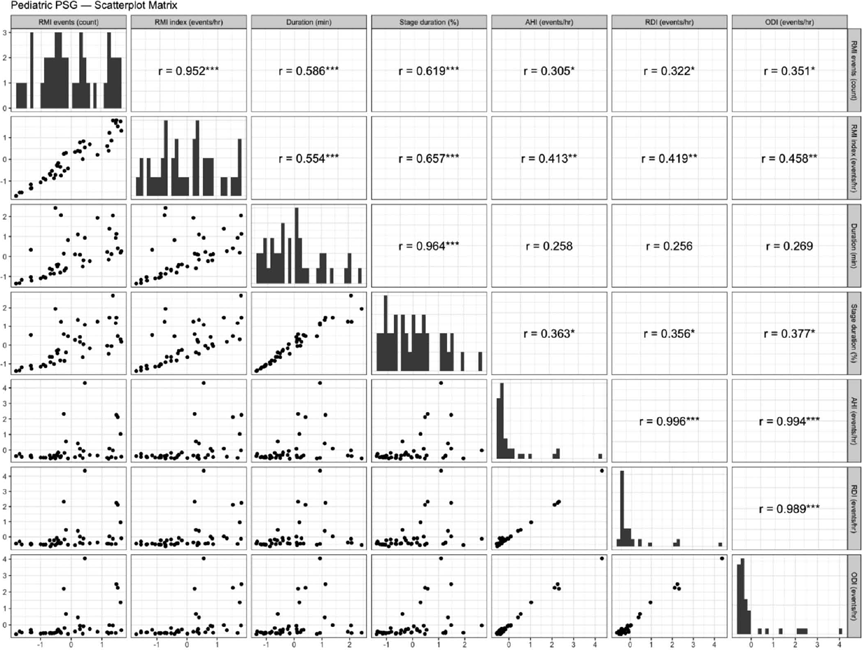
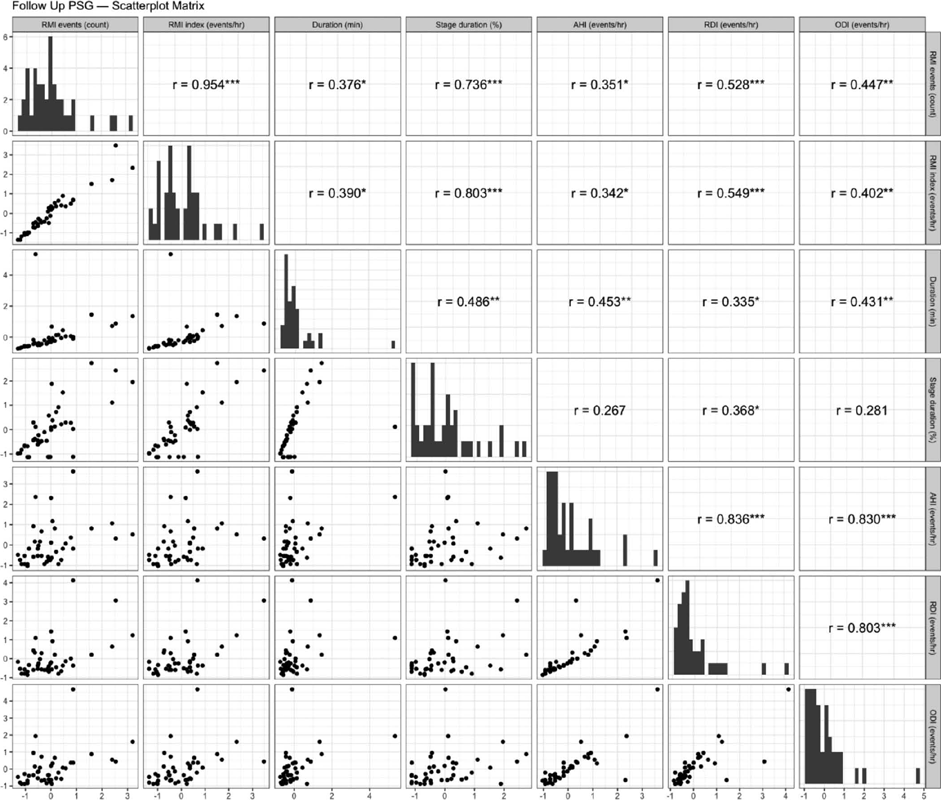
Results: A total of 42 consecutive pediatric patients with OSA (26 boys, 16 girls) were included in the study. Post-adenotonsillectomy, marked improvements were noted in RMI parameters (events [95.6 ± 43.7 vs 58.9 ± 34.7; p < 0.001], index [14.5 ± 7.0 vs 8.5 ± 4.5; p < 0.001], duration [81.2 ± 56.3 vs 42.1 ± 52.0; p = 0.003], and % of stage duration [20.5 ± 13.9 vs 7.6 ± 6.8; p < 0.001]), along with significant improvements in polysomnographic parameters such as arousal index, AHI, RDI, ODI3, mean oxygen saturation, and snoring duration. Significant correlations were observed between respiratory events (AHI, RDI, ODI3) and RMI metrics such as event counts and index, both before and after the procedure.
Conclusion: This study highlights the effectiveness of adenotonsillectomy in improving sleep quality and respiratory stability in pediatric patients with OSA, underscoring the utility of RMI as a promising additional marker in conjunction with conventional polysomnographic measures.
KEYWORDS
Obstructive sleep apnea; Children; Adenotonsillectomy; Respiratory mechanic instability; Polysomnography
 Thumbnail
 Thumbnail