 Highly Efficient Honeycomb Hypocrystalline V-P-C Catalysts for Sustainable Production of Acrylic Acid via Glycerol Dehydration-Oxidation
Abstract
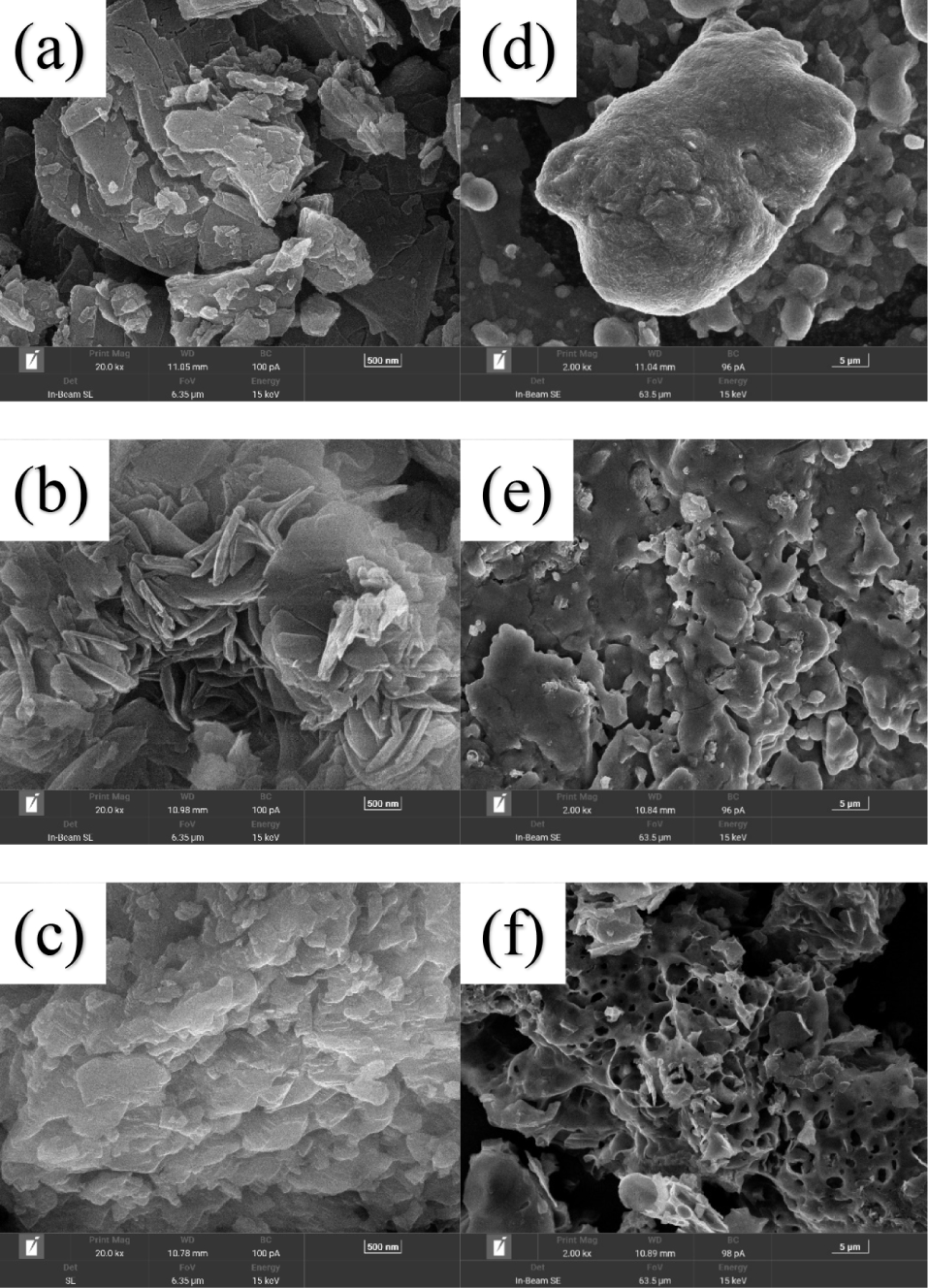
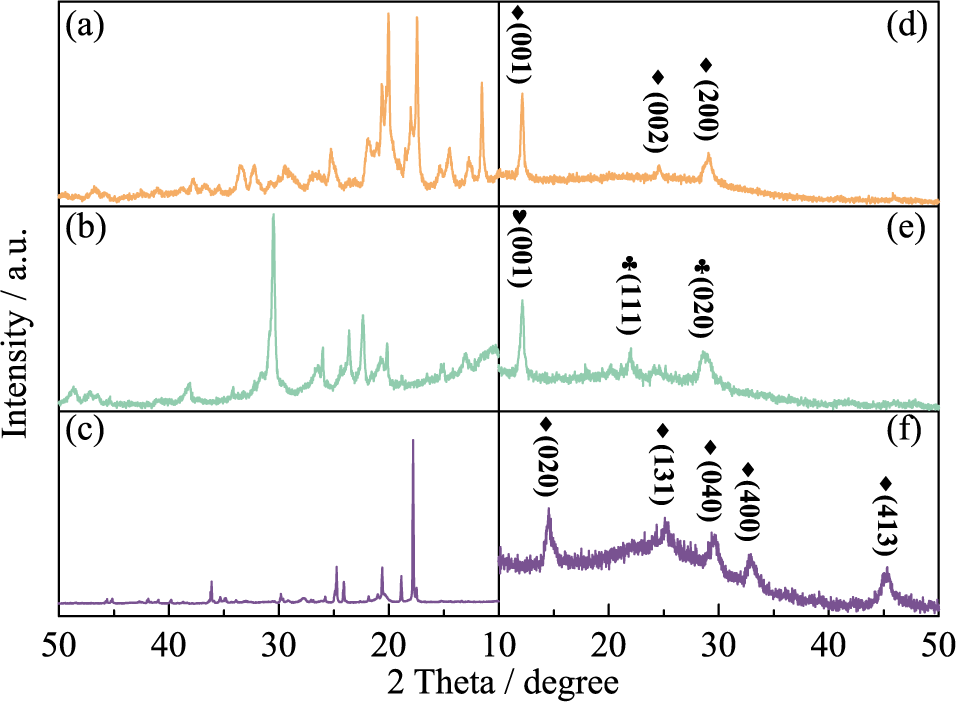
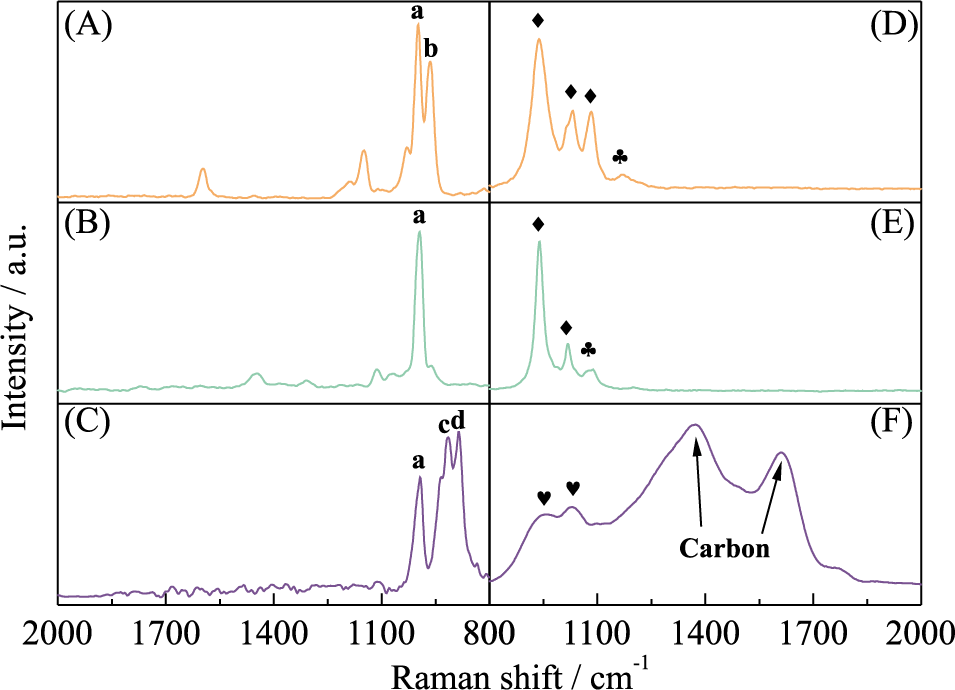
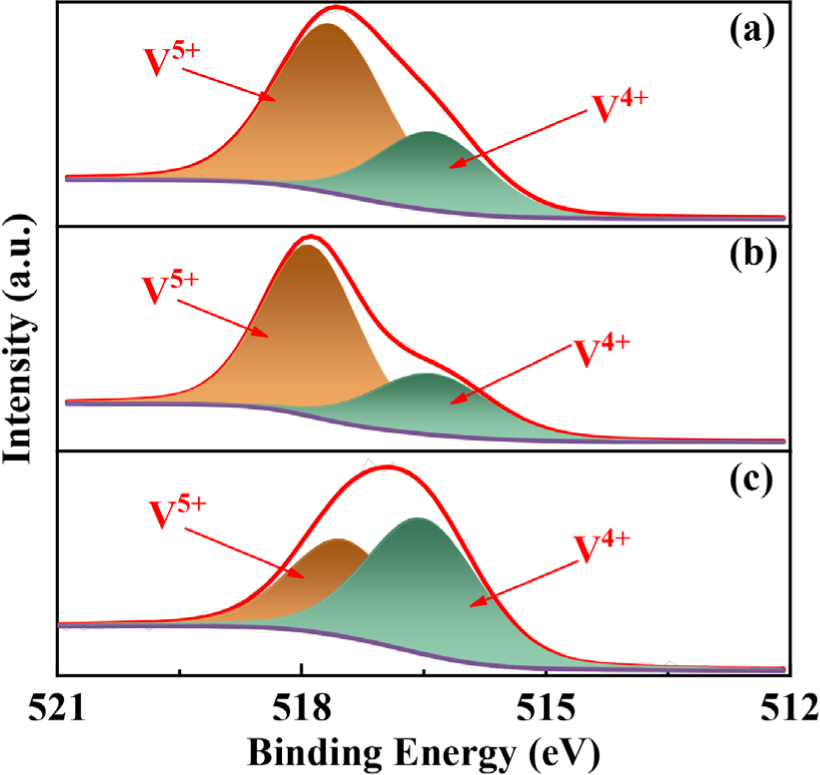
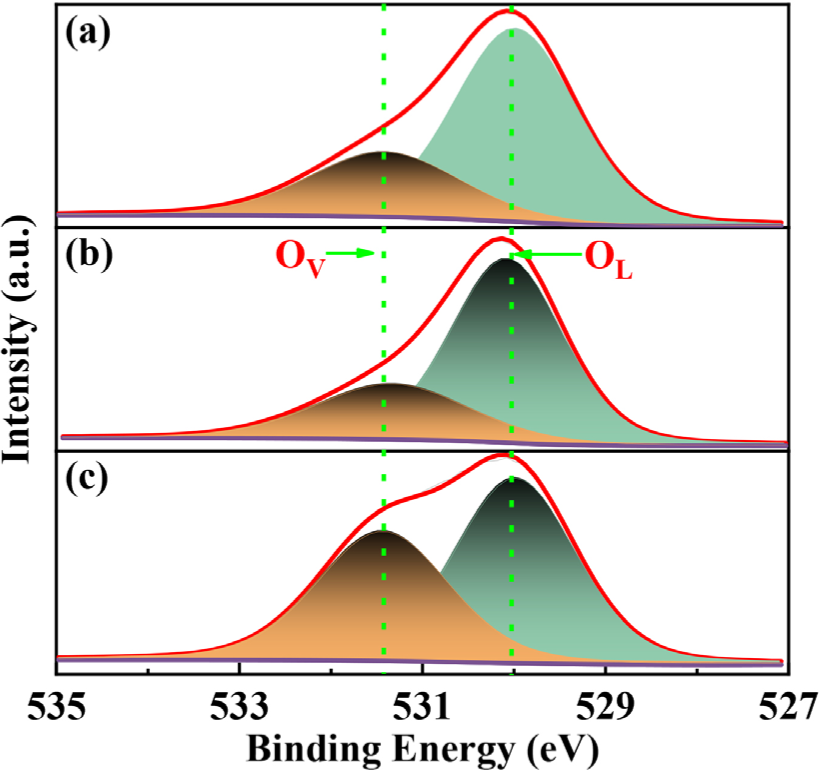
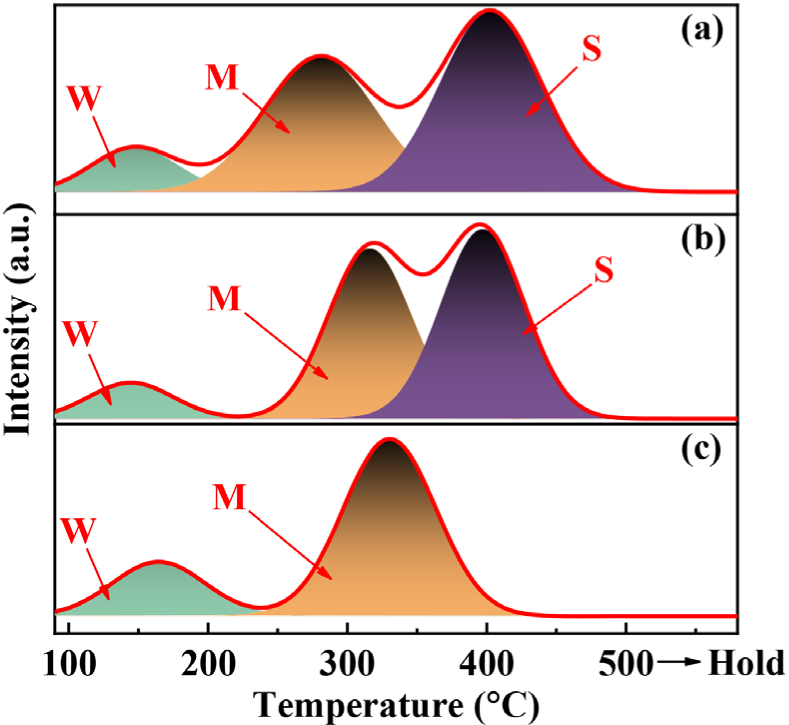
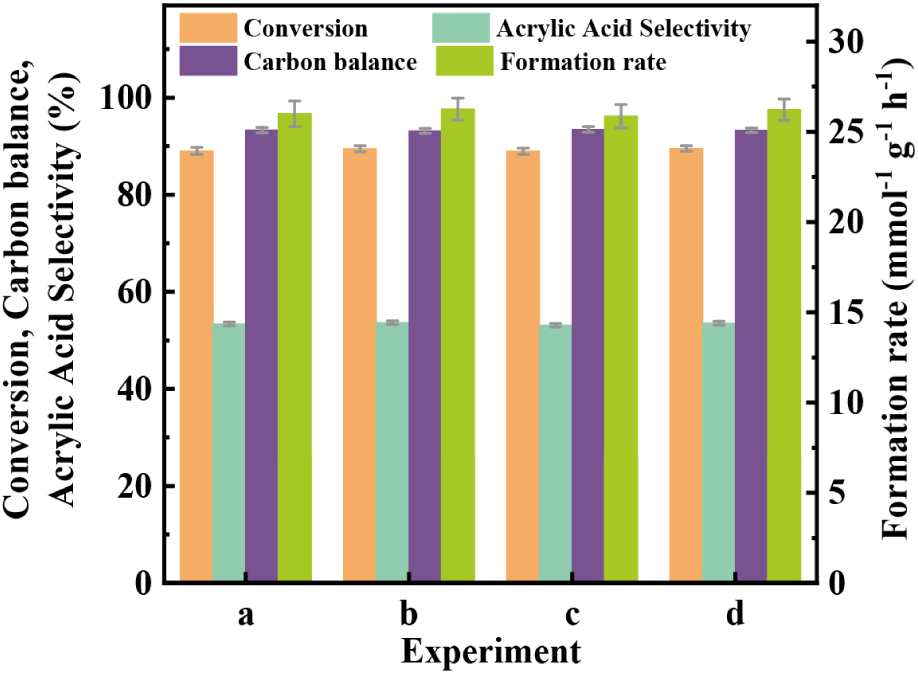
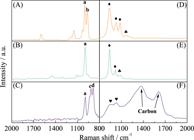
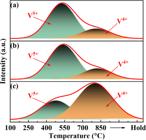
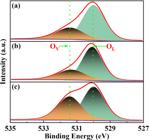
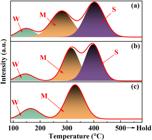
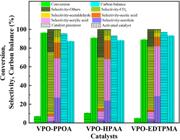
A series of hypocrystalline vanadium-phosphorus-carbon (V-P-C) catalysts, synthesized via a novel organic phosphoric acid-assisted strategy, were developed for the dehydration-oxidation of glycerol to acrylic acid. Among these, the VPO (vanadium-phosphorus oxide)-EDTPMA catalyst, derived from ethylenediamine tetramethylphosphonic acid (EDTPMA) as both phosphorus precursor and structure-directing agent, demonstrated exceptional performance, achieving 90% glycerol conversion with 53.4% selectivity to acrylic acid and 28.7% to acrolein under optimized conditions. Advanced characterization (X-ray diffraction (XRD), Raman, X-ray photoelectron spectroscopy (XPS), H2 temperature-programmed reduction (H2-TPR), scanning electron microscopy (SEM), and temperature-programmed desorption of ammonia (NH3-TPD)) revealed that the thermal decomposition of amino groups in EDTPMA triggered a crystalline-to-hypocrystalline transition, generating a hybrid structure with preserved vanadium-phosphorus oxide phases embedded in an amorphous carbon matrix. This unique architecture introduced abundant oxygen vacancies and medium acid sites, which synergistically facilitated glycerol dehydration to acrolein and subsequent selective oxidation to acrylic acid. The hypocrystalline nature of VPO-EDTPMA enhanced redox cycling via vanadium species while mitigating over-oxidation pathways. This work provides a rational design strategy for multifunctional hypocrystalline catalysts, emphasizing the critical role of defect engineering in biomass valorization processes.
Keywords:
glycerol; acrylic acid; hypocrystalline catalysts; vanadium-phosphorus oxide
 Thumbnail
 Thumbnail
 Thumbnail
 Thumbnail
 Thumbnail
 Thumbnail
 Thumbnail
 Thumbnail
 Thumbnail