 Platinum and other Metals Doped-Manganese Tungstate as a Novel Catalytic Support for NaBH4 Hydrolysis and Hydrogen Evolution Under Mild Conditions
Abstract
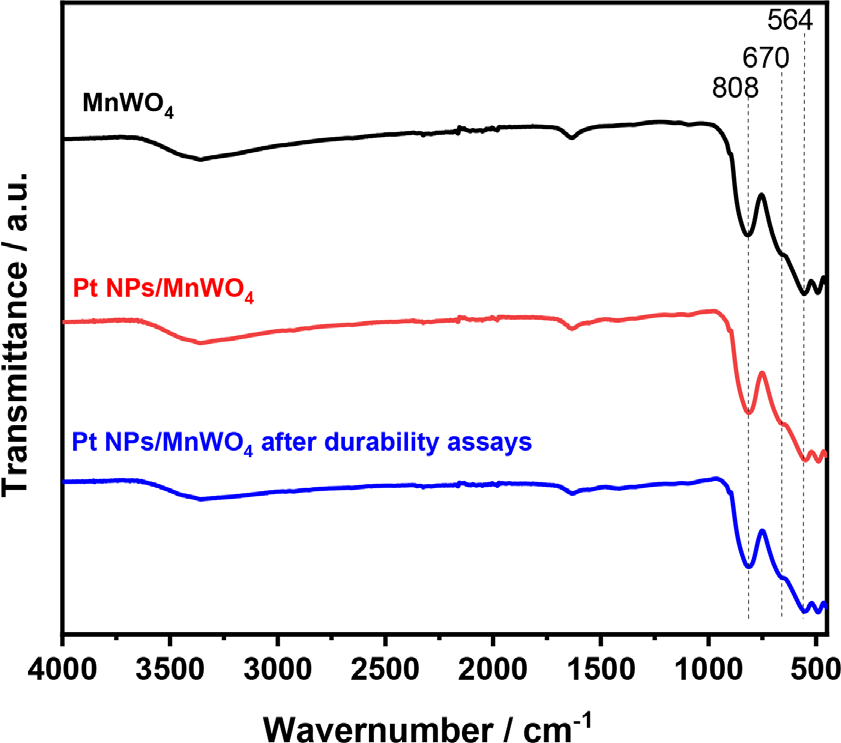
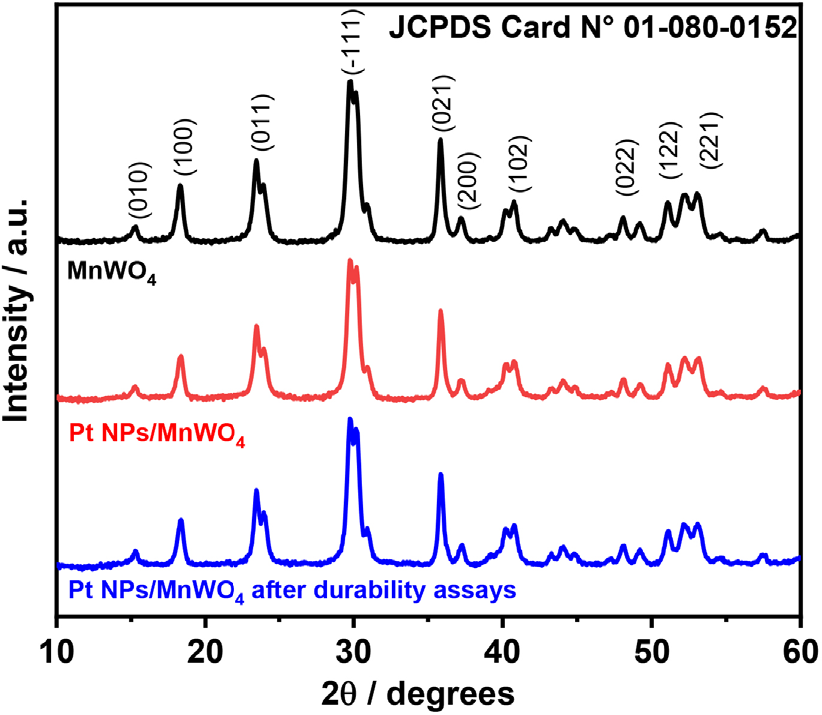
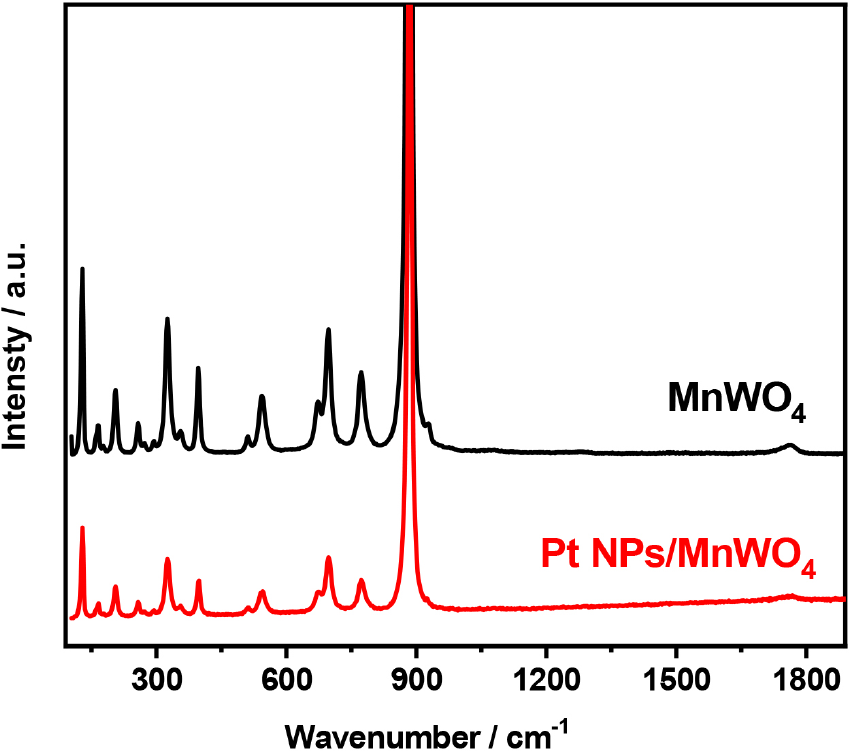
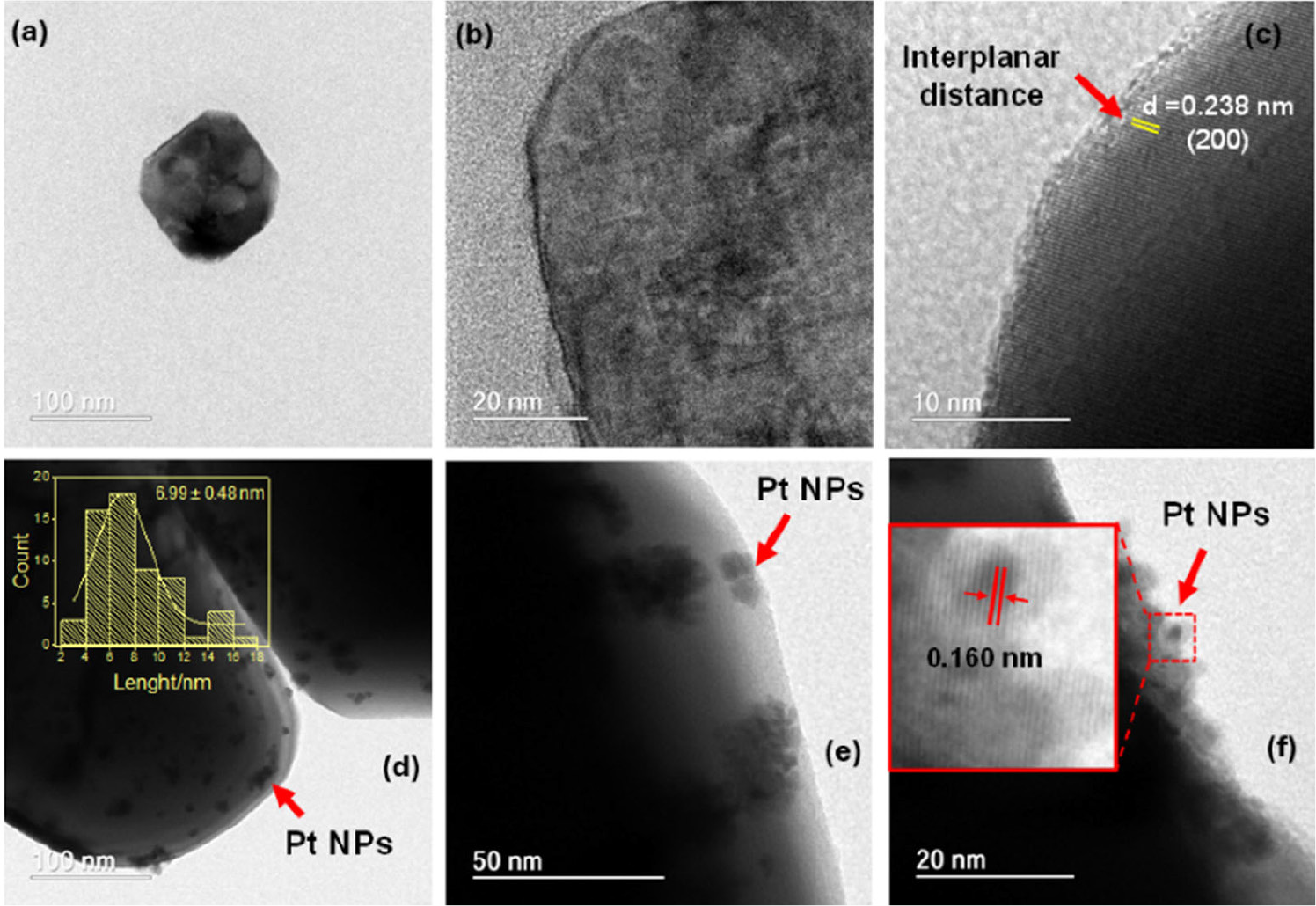
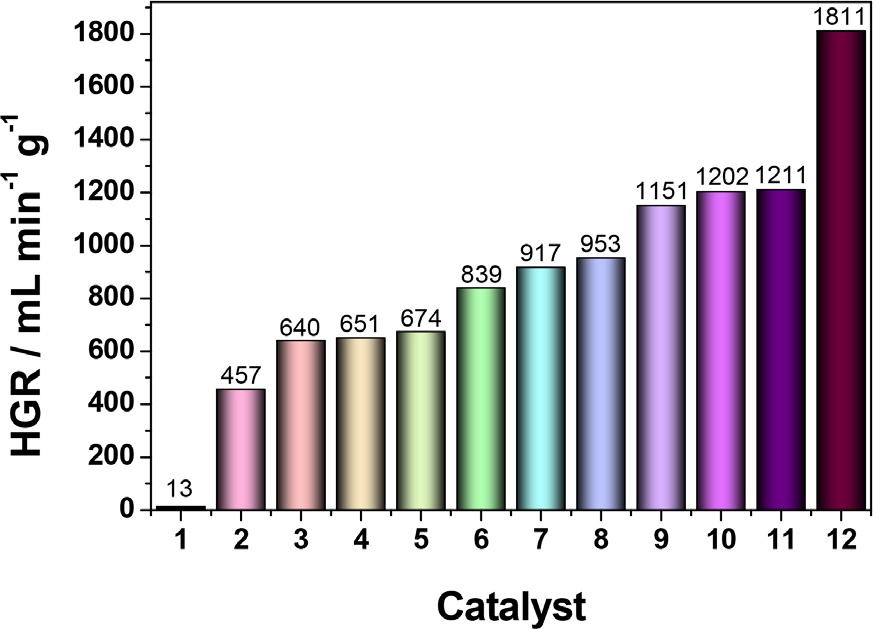
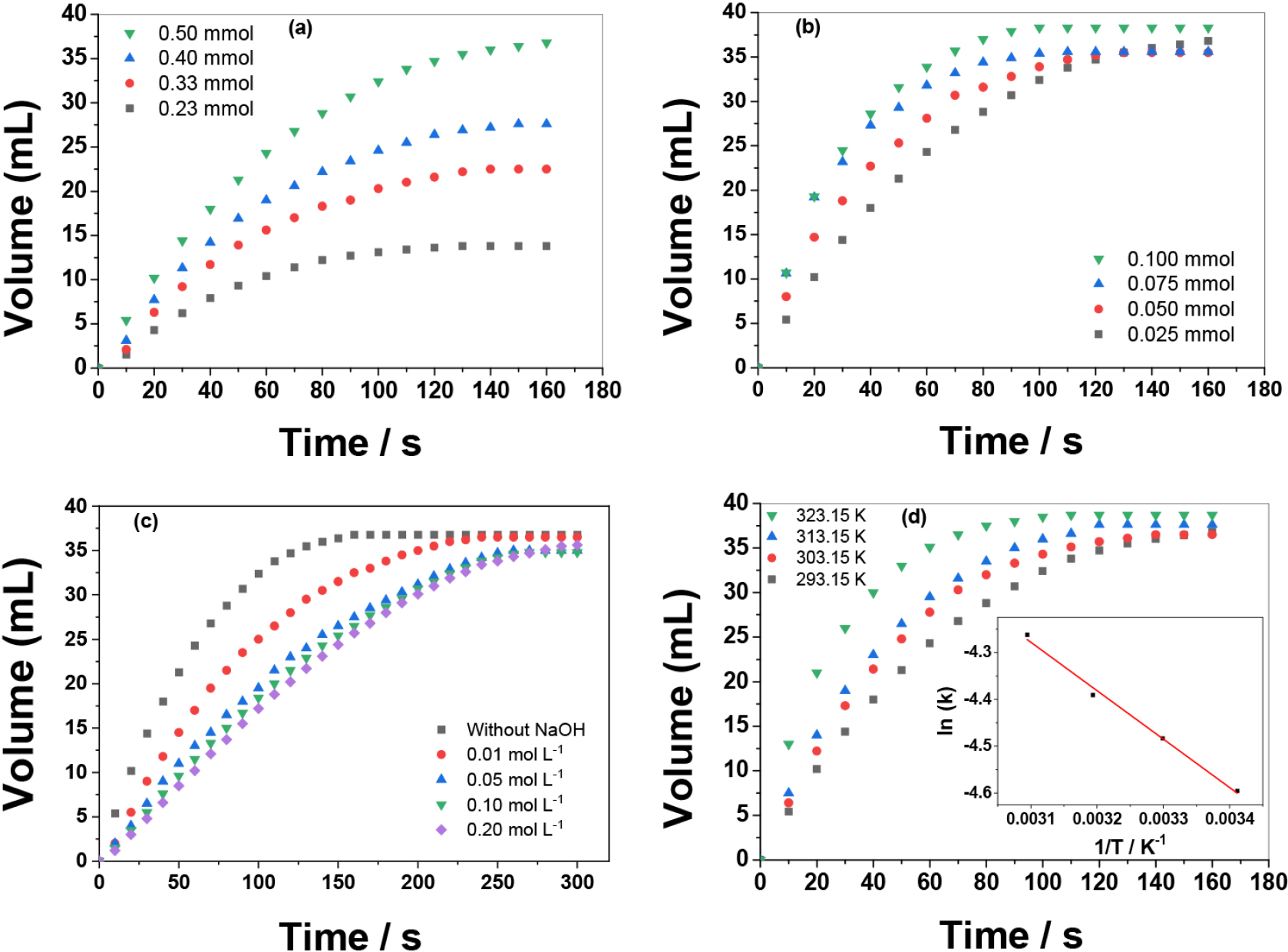
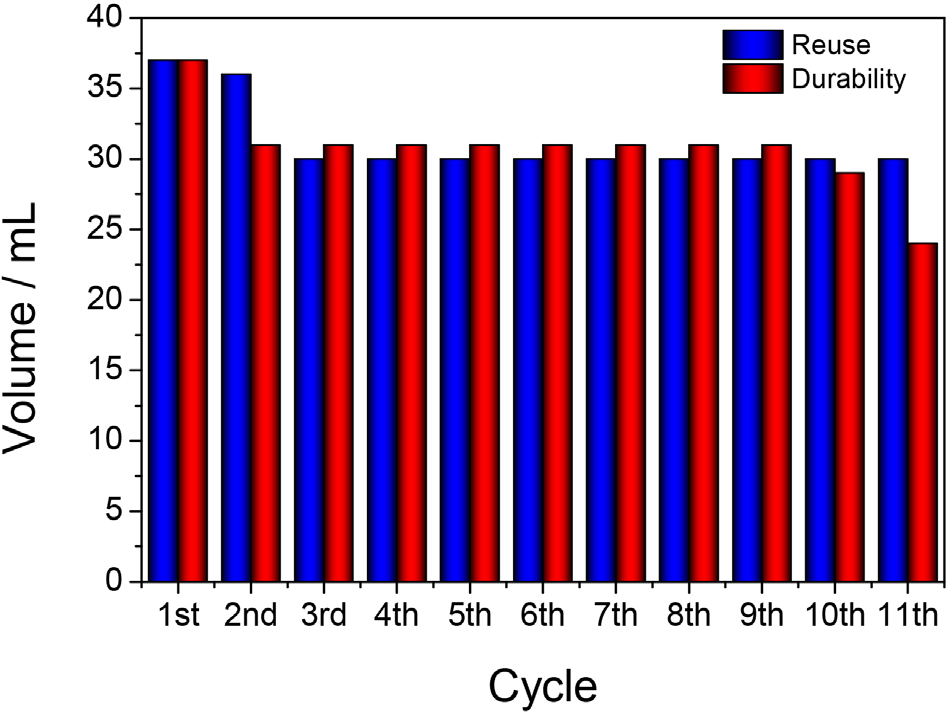
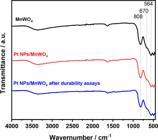
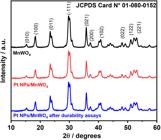
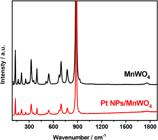
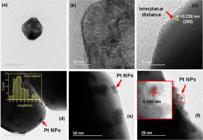
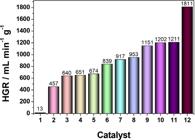
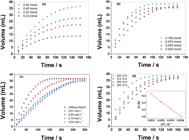
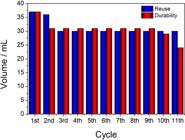
Manganese tungstate (MnWO4) was synthesized using the microwave-assisted hydrothermal method and decorated with platinum nanoparticles (Pt NPs). For the first time, this ceramic material was applied as a catalyst for hydrogen evolution through the hydrolysis of sodium borohydride (NaBH4). The synthesis was confirmed through Fourier transform infrared spectroscopy (FTIR), X-ray diffraction (XRD), and Raman techniques, which revealed that the material crystallizes in a monoclinic structure of the wolframite-type. The presence of Pt NPs was verified by energy-dispersive X-ray spectroscopy (EDS), and their average size of 6.99 ± 0.48 nm was determined by high-resolution transmission electron microscopy (HRTEM), evidencing uniform distribution throughout the support. The material exhibited a hydrogen generation rate (HGR) of 4363 at 293.15 K and 5265 at 323.15 K, with an activation energy of 8.59 kJ mol-1 for a Pt NPs dosage of 0.025 mmol. Furthermore, the catalyst demonstrated satisfactory performance over 11 reuse cycles. This work presented the Pt NPs/MnWO4 composite as an efficient and durable catalyst for H2 production via NaBH4 hydrolysis, highlighting its potential for applications in sustainable energy systems.
Keywords:
MnWO4; hydrogen storage; catalysis; metallic nanoparticles; sustainability; composites
 Thumbnail
 Thumbnail
 Thumbnail
 Thumbnail
 Thumbnail
 Thumbnail
 Thumbnail