 Sorption of Imidacloprid and Hexazinone to Polyethylene Microplastics
Abstract
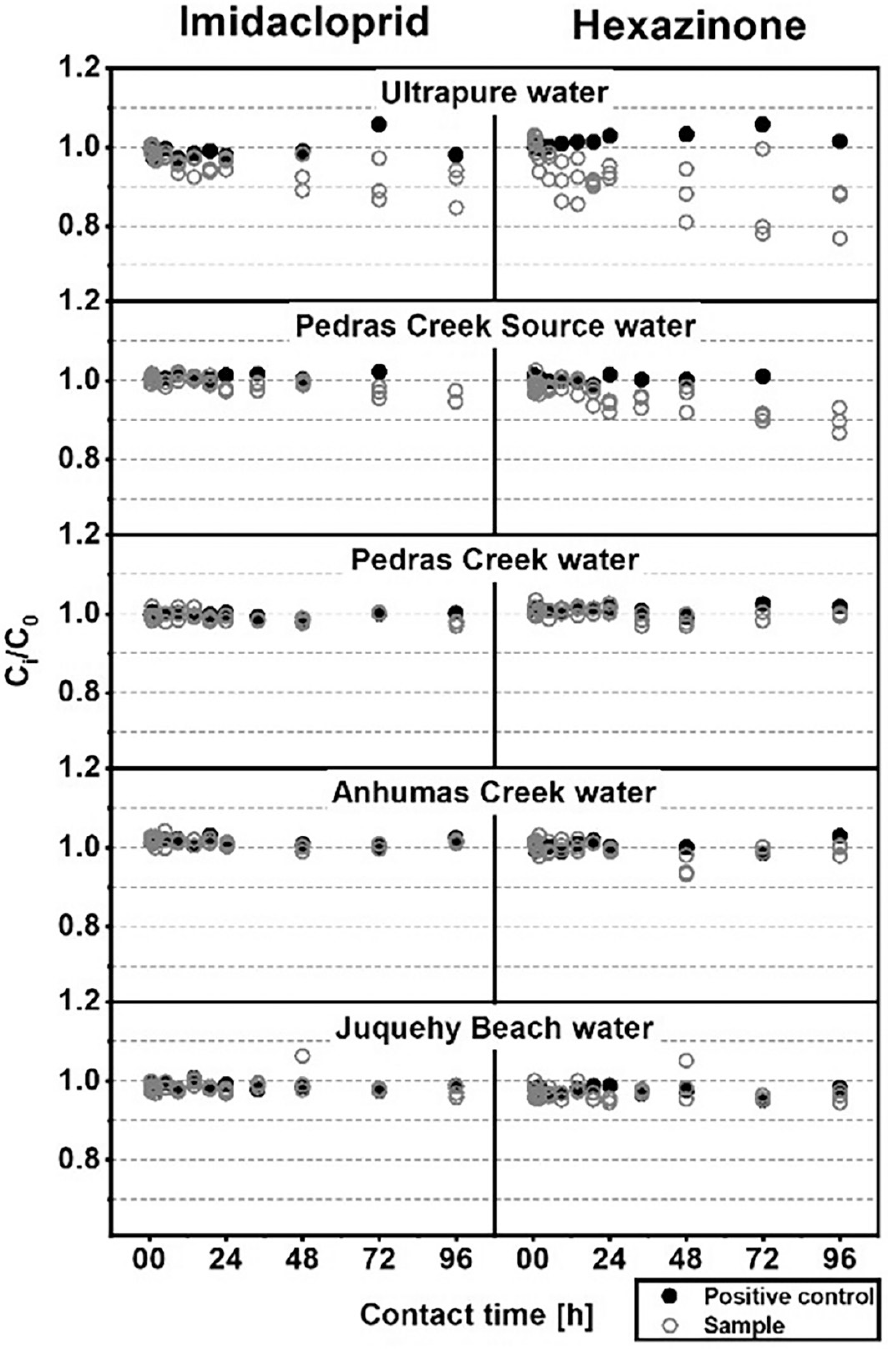
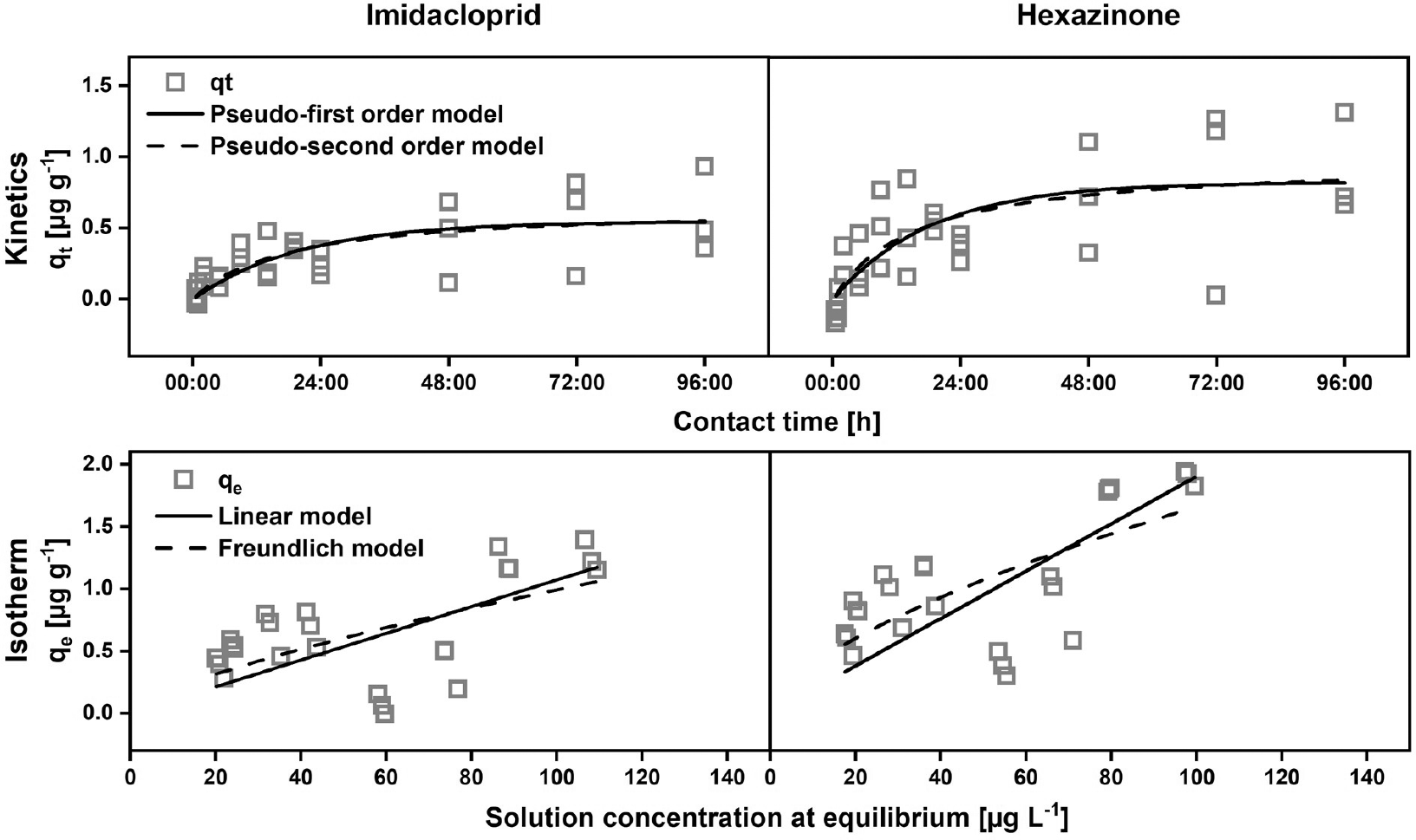
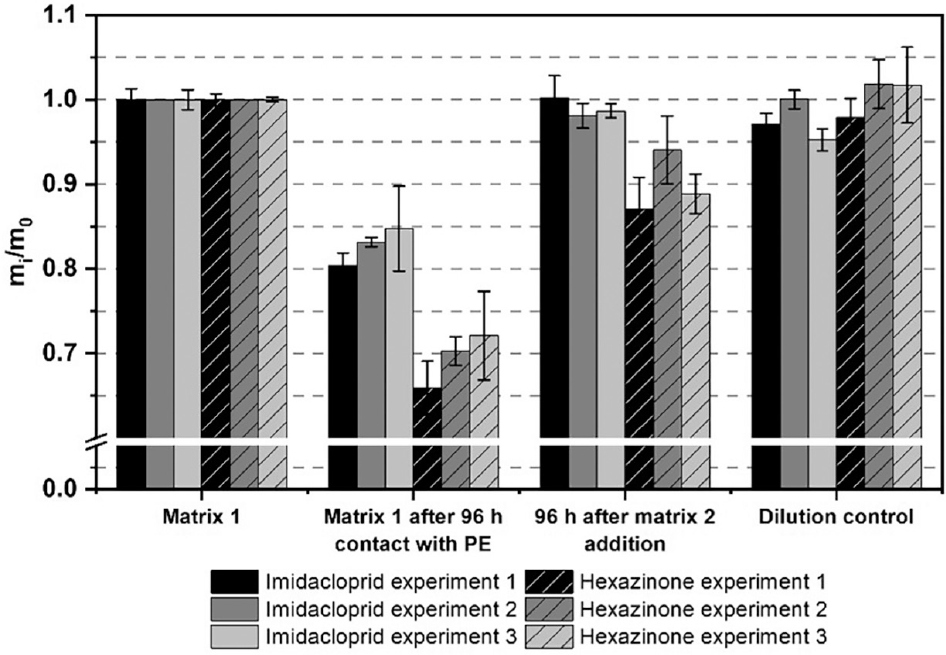
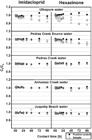
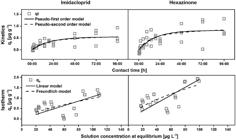
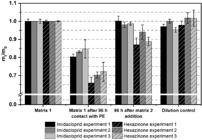
Polyethylene (PE) is among the most abundant plastic contaminant in the environment and has been shown to have high pesticide sorption efficiencies. However, few studies focused on hydrophilic pesticides and real water matrices, with few comparing the interaction differences with naturally occurring sorbents. Herein, we studied the interaction between imidacloprid and hexazinone and PE microplastics (MP) in ultrapure water, spring water, river water, and seawater, evidencing the reduction in the sorption capacities in real water matrices. The lower sorption to a natural sorbent, a sandy soil, demonstrates the potential role of PE MP contamination to increase the sediment retention of these two hydrophilic molecules. The desorption after the dilution of the aqueous solution demonstrated the reversibility of the interaction. This study highlights the importance of including hydrophilic molecules in MP impact studies, as well as real water matrices and natural sorbents, for a better understanding of MP pollution impacts.
Keywords:
environmental fate; water matrices; pesticide
 Thumbnail
 Thumbnail
 Thumbnail