 Aircraft Maintenance Technician Perceptions and Evaluations about the Safety Culture and Responsibility Related Competencies
ABSTRACT
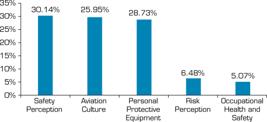
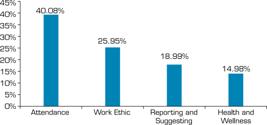
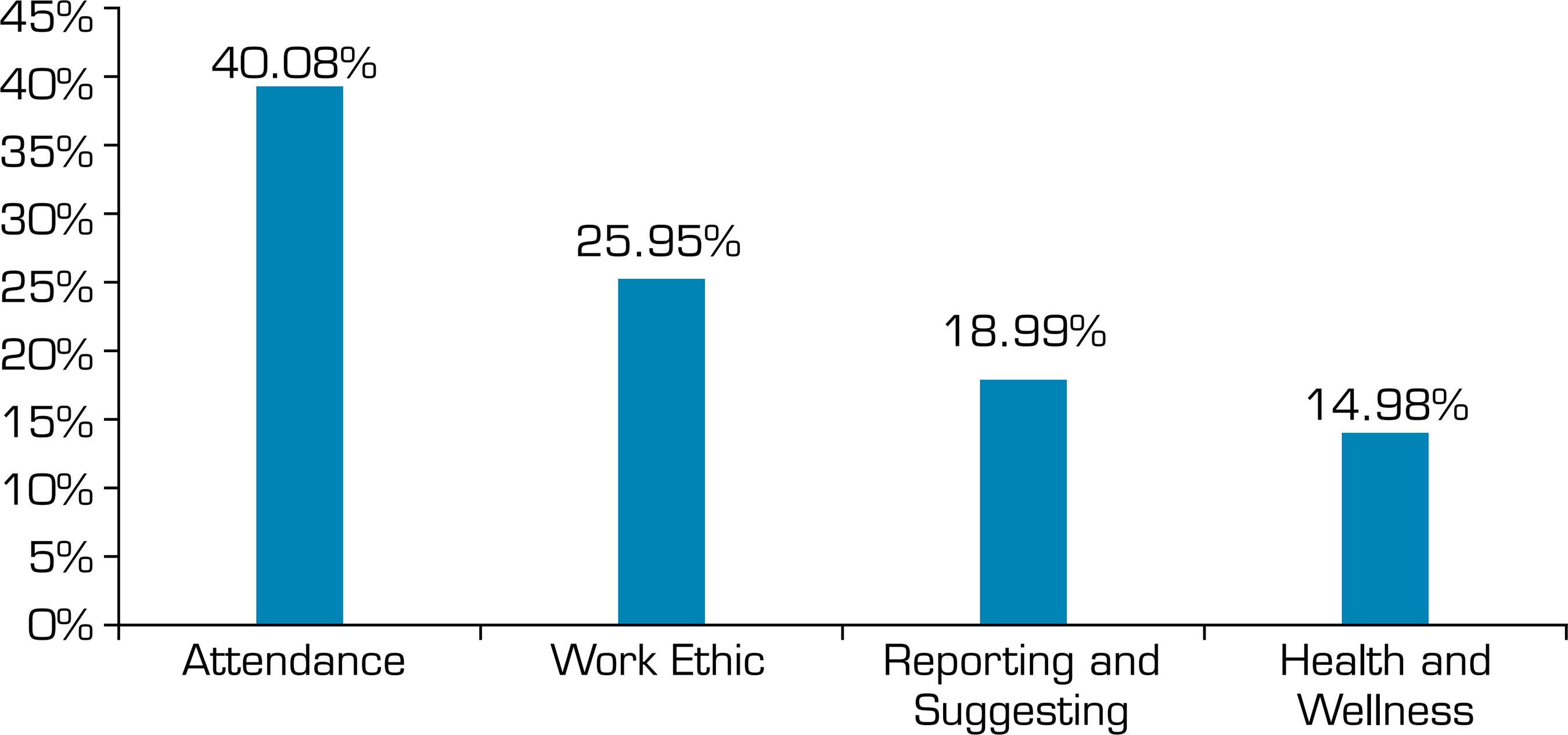
Aircraft maintenance operations are carried out by aircraft maintenance technicians (AMTs) with the necessary competencies and qualifications. The level of competency of maintenance technicians directly affects the safety and effectiveness of maintenance operations and flight operations. The aim of this study is to determine the safety culture and responsibility competencies and assessment methods for AMTs. Data related to the study were collected by conducting individual interviews and focus group discussions with 83 participants. The data were analyzed using the content analysis method and coding technique. As a result of individual interviews and focus group discussions with the participants, it was decided to use “safety perception (30.14%),” “aviation culture (29.58%),” “personal protective equipment (PPE) (28.73%),” “risk perception (6.48%),” and “occupational health and safety (5.07%)” to assess safety culture competency. It was decided to use “attendance (40.08%),” “work ethics (25.95%),” “reporting and suggestion (18.99%),” and “health and wellness (14.98%)” to assess responsibility competency. It has been determined that individuals such as technicians with relevant competencies, human factors specialists, and aviation psychology specialists should take part as assessors, as well as safety management system (SMS), quality, and human resources units in the assessment processes of the competencies.
Keywords
Aircraft maintenance; Aircraft maintenance technicians’ competencies; Safety management; Professional responsibility; Maintenance training
INTRODUCTION
Investment in human resources (HR), which are the most important resource of organizations, holds great importance in terms of protecting and sustaining their existence in the face of increasing competitive conditions, and technological developments. Where the consequences of human error are severe, such as aviation accidents and incidents, it is critical for aviation safety and effectiveness to recruit employees with the appropriate competencies for the right job and to assess and develop competencies after the employment process. Approximately 15-20% of aviation accidents are caused by maintenance errors. In 70-80% of these accidents, human error has a direct or indirect effect (Nkosi et al. 2020). Maintenance errors can be caused by the organization/procedure or by the individual. Individual maintenance errors are classified as perception errors, memory lapses, slips, wrong assumptions, technical misunderstandings, and procedure violations (Hobbs 2008). Aircraft maintenance technicians (AMTs), who are directly involved in the realization of maintenance activities, should be well-educated, technically competent, high in safety and responsibility awareness, and open to development due to the nature of their profession (O*NET 2023). The performance of AMTs while performing maintenance activities directly affects operational flight and technician safety, creating a cost-effective or negative impact on organizations (Gunes et al. 2022). The competencies of HR, and therefore their work performance, are making their place in the air transport system more clear day by day.
The aviation industry is highly intricate and necessitates rigorous safety protocols to avert accidents and incidents. AMTs are crucial in ensuring the safety and operational readiness of aircraft. Most aviation accidents are the result of maintenance-related errors, either directly or indirectly. The effects of maintenance errors can have greater consequences since they are more challenging and complex to monitor than other types of errors.
International Civil Aviation Organization (ICAO) Doc 9859 and ICAO Annex 19 are providing guidance framework for safety management systems (SMS) in aviation (ICAO 2013; 2016). Effective countermeasures against maintenance errors require a systematic approach to not only technician and work environment problems, but also organizational factors such as procedures, task scheduling, and training. Error prevention approaches require continuity to reduce errors that occur in maintenance operations (Hobbs 2008). Quantitative analysis was carried out with the Bayesian network approach for the reliability of human performance in aircraft maintenance activities. Factors influencing the behavior of AMTs are identified using Human Factor Analysis and Classification System-Maintenance Extension (HFACS-ME) (Chen and Huang 2013). Wahbi (2015) analyzed the human factors competencies of AMTs with a survey method. According to the data obtained as a result of the survey, behavioral, functional, and managerial human factors competencies were determined (Wahbi 2015). The “Competency Model Clearing House”, which works on the determination of competencies specific to different professions, has classified the competencies of AMTs under five headings. These are personal effectiveness competencies, academic competencies, workplace competencies, industry-wide technical competencies, and industry-sector technical competencies (USA-DOL 2018). The Civil Aviation Authority (CAA) classified the competencies required of those working in the field of aviation in the document it published; definitions were brought for the competency titles created and the expected behaviors related to the competencies were explained (CAA 2019). In addition to technical competencies, the document also provides information on human factors competencies such as teamwork, attitudes and behaviors, decision-making, and leadership. Gunes et al. (2020) examined the job postings about AMTs published around the world and determined which competencies the organizations demand from their AMTs. As a result of the study, it has been concluded that there is no standard for the competencies sought in similar positions and that competencies such as human factors, safety culture, and responsibility are very few in the job postings and are not clearly explained.
Safety culture and responsibility-related competencies can be aligned with ICAO guidance documents, specifically Doc 9859 and Annex 19. The concept of safety culture is emphasized within the safety promotion pillar, advocating for a proactive approach that highlights reporting, learning, and continuous improvement. A positive safety culture is characterized by shared values, beliefs, and norms. Responsibility competencies encompass the knowledge, skills, and attitudes necessary to perform maintenance tasks safely and efficiently (ICAO 2013; 2016). Determining and evaluating the competencies of AMTs and creating a career plan based on competencies are important for safety and effectiveness. Aviation organizations have recently invested in maintenance technologies, and international aviation authorities and aircraft manufacturers have organized relevant training and published documents to carry out maintenance activities effectively and safely. When job advertisements published by aviation organizations for AMTs are examined, it is observed that the criteria sought for AMTs are created to solve current needs and problems (Gunes et al. 2020).
National and international aviation authorities carry out the licensing processes for AMTs. The licensing guidelines for aviation employees are outlined in Annex 1 by the ICAO. Annex 1 also contains license guidelines for AMTs. Aviation authorities such as the European Aviation Safety Agency (EASA), the Federal Aviation Agency (FAA), and national aviation authorities carry out licensing procedures within the scope of these instructions. According to the ICAO, the applicant must demonstrate knowledge in subjects like air law, airworthiness regulations, natural science, general aviation knowledge, aircraft engineering, aircraft maintenance, and human factors appropriate for the rights and obligations of an aircraft maintenance license holder. Annex 1 also recommends guidelines for the amount of previous aircraft maintenance experience needed to obtain a license (ICAO 2018).
Within the scope of this study, licensing processes were examined, but the focus was determined to be the competencies used in the recruitment and placement processes, as well as the competencies for authorization processes within companies. Individual interviews and focus group discussions were held with field experts, AMTs, technical trainers, airline managers, quality unit employees, HR unit employees, and engineering unit employees to determine safety culture and responsibility competencies, which are more detailed and challenging to assess compared to technical competencies. As a result of interviews with industry stakeholders, solutions were developed to determine and assess the safety culture and responsibility competencies of AMTs.
METHODOLOGY
Due to the workload in maintenance operations and the information-sharing policies of the organizations, qualitative data collection methods were used to obtain the necessary information and data from the participants. On this basis, information and data regarding the AMTs’ competencies were collected. The data for the determination and evaluation of competencies were analyzed using the content analysis technique.
Focus group study
When similar studies on the subject were examined, it was determined that researchers used interview and survey techniques. Considering the working conditions, heavy workload, and information-sharing policies in the aviation industry, it has been observed that studies in this field are carried out with limited working groups and limited data (CAA 2019; Liston 2005; USA-DOL 2018; Wahbi 2015).
It has been determined that interview and survey methods are used in studies on the determination and evaluation of aviation competencies in the similar studies. In studies where the interview method was used, the number of participants ranged from 20 to 45, and the participant groups are focused on a single group such as maintenance managers or AMTs (Liston 2005; Toth 2016). In studies where the survey method was used, it was determined that although the number of participants was high, the opinions of a large part of the industry stakeholders were not taken. In this study, the interview method was used, and interviews were conducted with a large part of the HR that plays a role in aircraft maintenance operations.
Participants
Data for the study were collected through focus group interviews and structured individual interviews with 83 participants. These included employees from various units of an aircraft maintenance company, such as AMTs, managers, engineers, and personnel from quality management, SMS, HR, maintenance planning, and production planning units. Additionally, the study included instructors from aircraft maintenance training institutions and trainees enrolled in technical aircraft maintenance programs (Table 1).
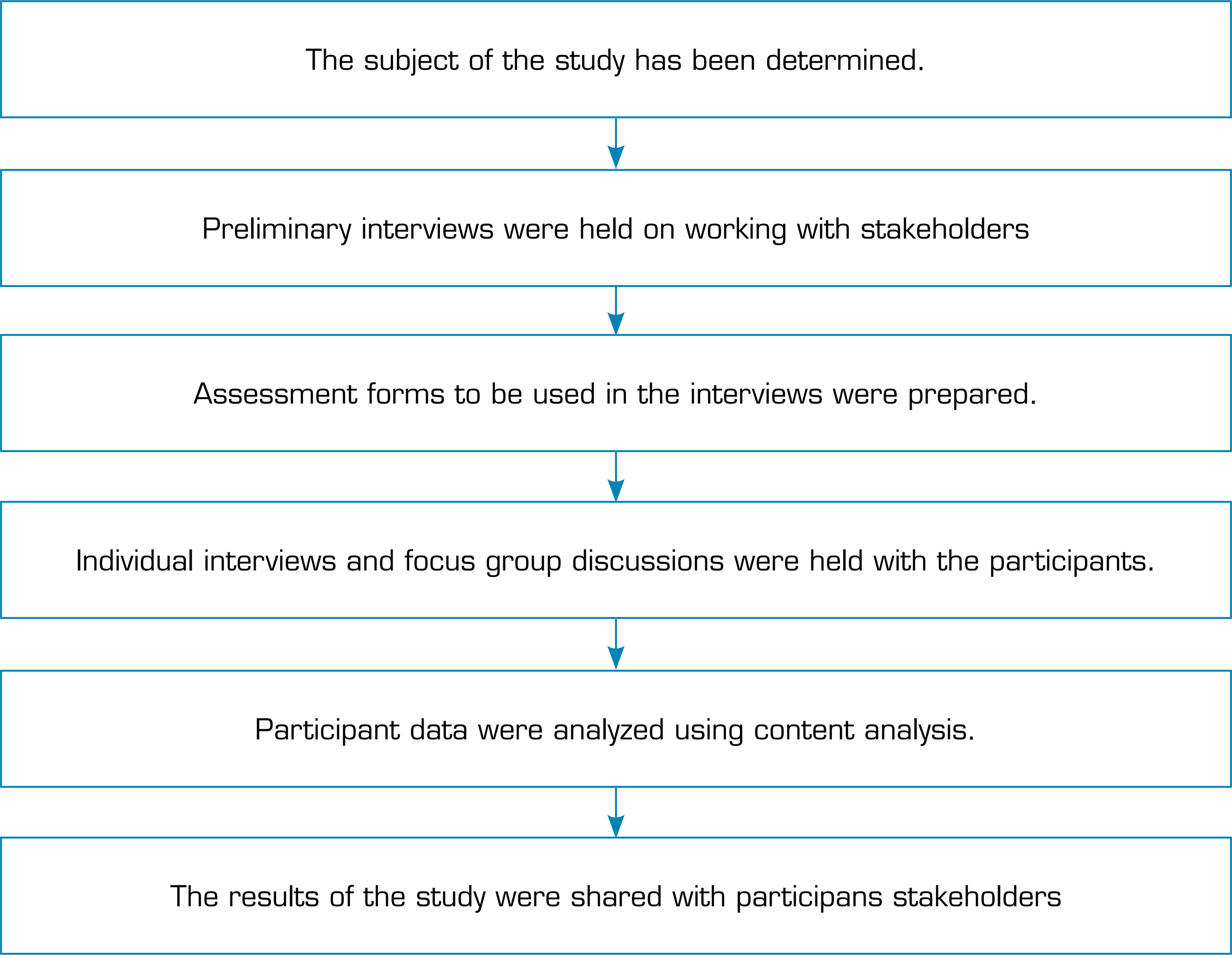
During the process of determining the study’s subject, an extensive literature review was conducted, accompanied by observations in maintenance areas. It was determined that the safety culture and responsibility related competencies that cause maintenance errors are important factors in the recruitment and placement processes, career development stages, and authorization processes, but there is no clear evaluation method for these competencies. Supportive opinions on this issue were also received from industry stakeholders.
After determining the subject of the study, preliminary interviews were held with the managers, AMTs, and technical trainers of the maintenance organizations, and the current practices of the organizations on the subject were examined. Subsequently the participant groups were determined, and evaluation forms were prepared for the individual interviews and focus group interviews. A total of 83 participants, including maintenance operations managers, maintenance chiefs, maintenance experts, technical trainers, engineers, and trainees directly involved in aircraft maintenance activities, participated in the interviews.
Considering the intense workload in the aviation industry and the information-sharing policies of the organizations, this study is of great importance in terms of the diversity of the participant groups and the number of participants. The data obtained from the participants were classified and analyzed using the coding technique within the content analysis method. In this way, the components to be used to assess the safety culture and responsibility competencies were determined. The results of the study were shared with participant groups and stakeholders and positive feedback was received (Fig. 1).

The data were thoroughly analyzed and made meaningful using the content analysis technique. All responses provided by the participants were reclassified according to the questions, and continuous feedback related to the study was given to the participants during the interviews.
RESULTS
During the interviews and focus group interactions, the participants were asked questions about safety culture and responsibility competencies. They were asked which components should be used in the processes of determining and assessing these competencies, at which stages the competencies should be used, and which units or persons should assess the competencies.
Safety culture components
Participants were initially asked to identify the components necessary for determining and assessing safety culture competency. Analysis of their responses revealed that 107 (30.14%) mentioned “safety perception,” 105 (29.58%) mentioned “aviation culture,” 102 (28.73%) mentioned “PPE,” 23 (6.48%) mentioned “risk perception,” and 18 (5.07%) mentioned “occupational health and safety (OHS) awareness” (Fig. 2).
The most important purpose of aircraft maintenance operations is the safe continuation of flight operations and maintenance operations. No matter how good the knowledge, skills, and experience of the AMTs are, unless a safe working environment is provided and the AMTs do not apply the concept of safety as a priority, they will be prone to error, and this may result in undesirable situations such as accidents and incidents.
To be able to determine and assess safety-oriented competency, besides the written exam, interview, and feedback received within the organization, to determine the reactions they will show during practical applications will also be useful in obtaining more concrete and objective information. Assessors, consisting of experts and technicians with the necessary knowledge and experience, will be able to determine and assess the safety perception, OHS awareness, PPE usage perception, risk perception, safety culture, and aviation culture of the participants during practical tasks.
Responsibility components
Participants were asked to identify the components necessary for determining and assessing responsibility competency. Analysis of their responses showed that 190 (40.08%) participants mentioned “attendance,” 123 (25.95%) mentioned “work ethic,” 90 (18.99%) mentioned “reporting and suggestion,” and 71 (14.98%) mentioned “health and wellness” (Fig. 3).
Aircraft maintenance operations are carried out in accordance with the rules and procedures determined by national and international authorities with high safety standards. Even the smallest mistake that may occur during the performance of maintenance activities may result in undesirable situations such as accidents and incidents. For these reasons, technicians who carry out maintenance operations must act with a high sense of responsibility. Maintaining this sense of responsibility whenever the task is performed is vital for the safety of maintenance operations.
Responsibility competency can be determined more concretely and effectively with the help of practical applications, apart from the exams and interviews conducted with trainees and technicians. It can be concluded that technicians who take care of their physical health throughout their working life, avoid arbitrary absences, use the suggestion and reporting systems when necessary, and have a work ethic demonstrate a strong sense of responsibility.
Recruitment and placement stage
Afterward, the participants were asked questions about the necessity of using the safety culture and responsibility competencies in terms of the recruitment and placement stages, career stages, authorization processes, and effectiveness-efficiency assessment processes.
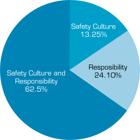
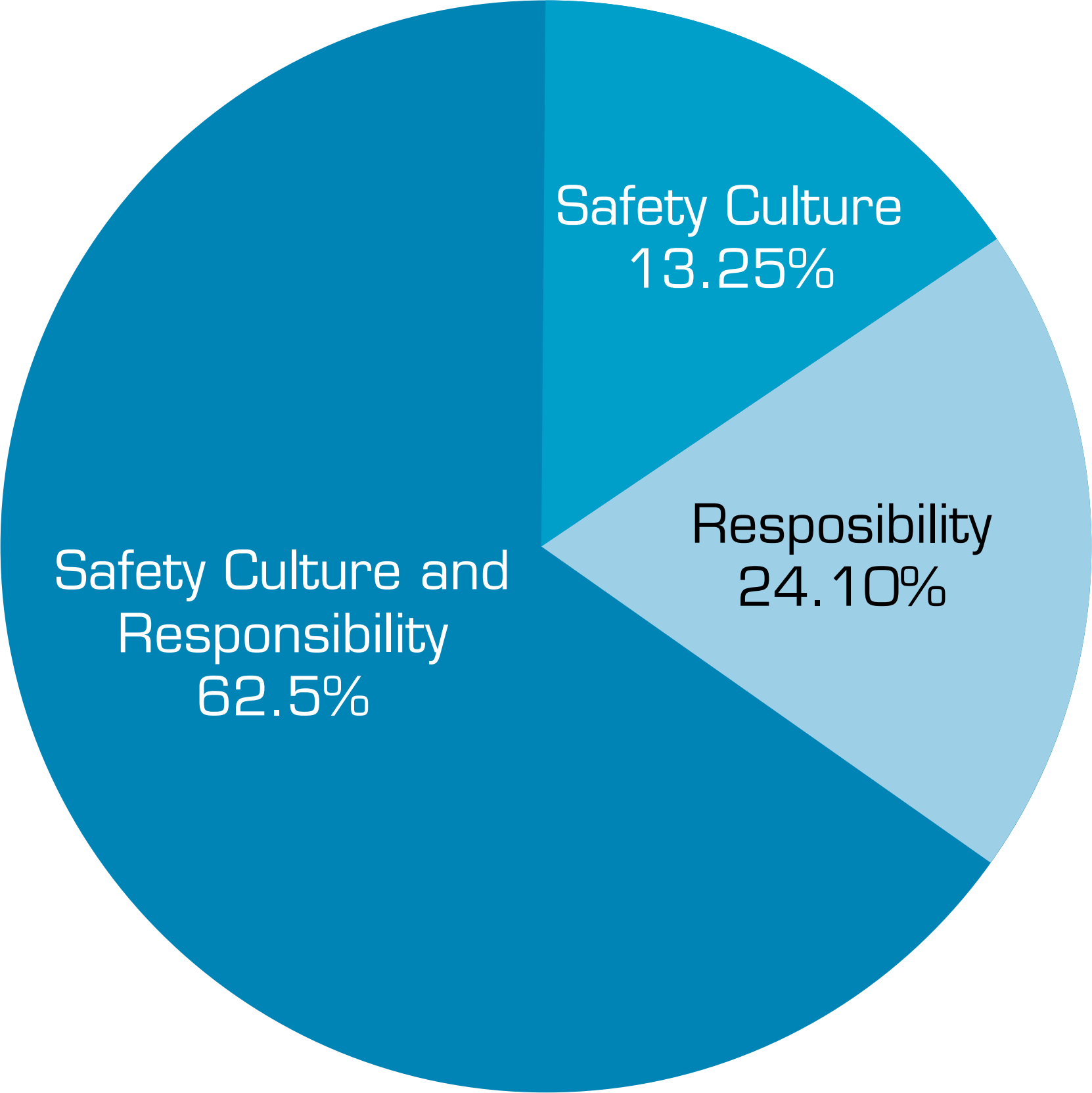
Analysis of the responses revealed that 11 answers (13.25%) were related to determining and assessing safety culture competency at the recruitment and placement stage, 20 answers (24.10%) were related to determining and assessing responsibility competency, and 52 answers (62.55%) addressed the determination and evaluation of both competencies (Fig. 4).
The recruitment and placement processes, which are the first stage of the AMT career stages, are very important for aviation safety and effectiveness. By selecting the right employee for the appropriate job, more effective maintenance operations are performed, maintenance errors are reduced, and safer, more effective maintenance operations are performed. It is one of the duties of the organizations to determine and assess the safety culture and responsibility competencies, which are more difficult and complex to determine and assess according to technical competencies. To determine the safety culture and responsibility competencies of the trainees, maintenance tasks can be applied to the trainees and their behaviors during the task can be observed. During these tasks, it can be observed how they pay attention to the use of safety protective equipment and OHS. Appropriate questions can be asked to determine perceptions of aviation culture and safety.
Career stages
Participants were asked to assess safety culture and responsibility-related competencies during career development stages. Of the responses, 13 (15.66%) were related to determining and assessing safety culture competency, 17 (20.48%) were related to determining and assessing responsibility competency, and 53 (63.86%) were related to determining and assessing both competencies (Fig. 5).

Technicians must complete certain experience periods and module exams to qualify as certifying staff (C/S), as well as complete aircraft type training for the aircraft they will be authorized to work on. Technicians assigned as C/S are expected to have sufficient technical knowledge and experience, as well as adequate safety culture and responsibility competencies. When the policies of the organizations on the subject are examined, it is evident that subjects such as technical knowledge, work experience, and certification training are assessed, but there are deficiencies in the processes for determining and assessing safety culture and responsibility competencies. As the data indicate, aviation safety and effectiveness need to determine and assess both the safety culture and responsibility competencies clearly and effectively in the C/S determination processes.
Authorization stages
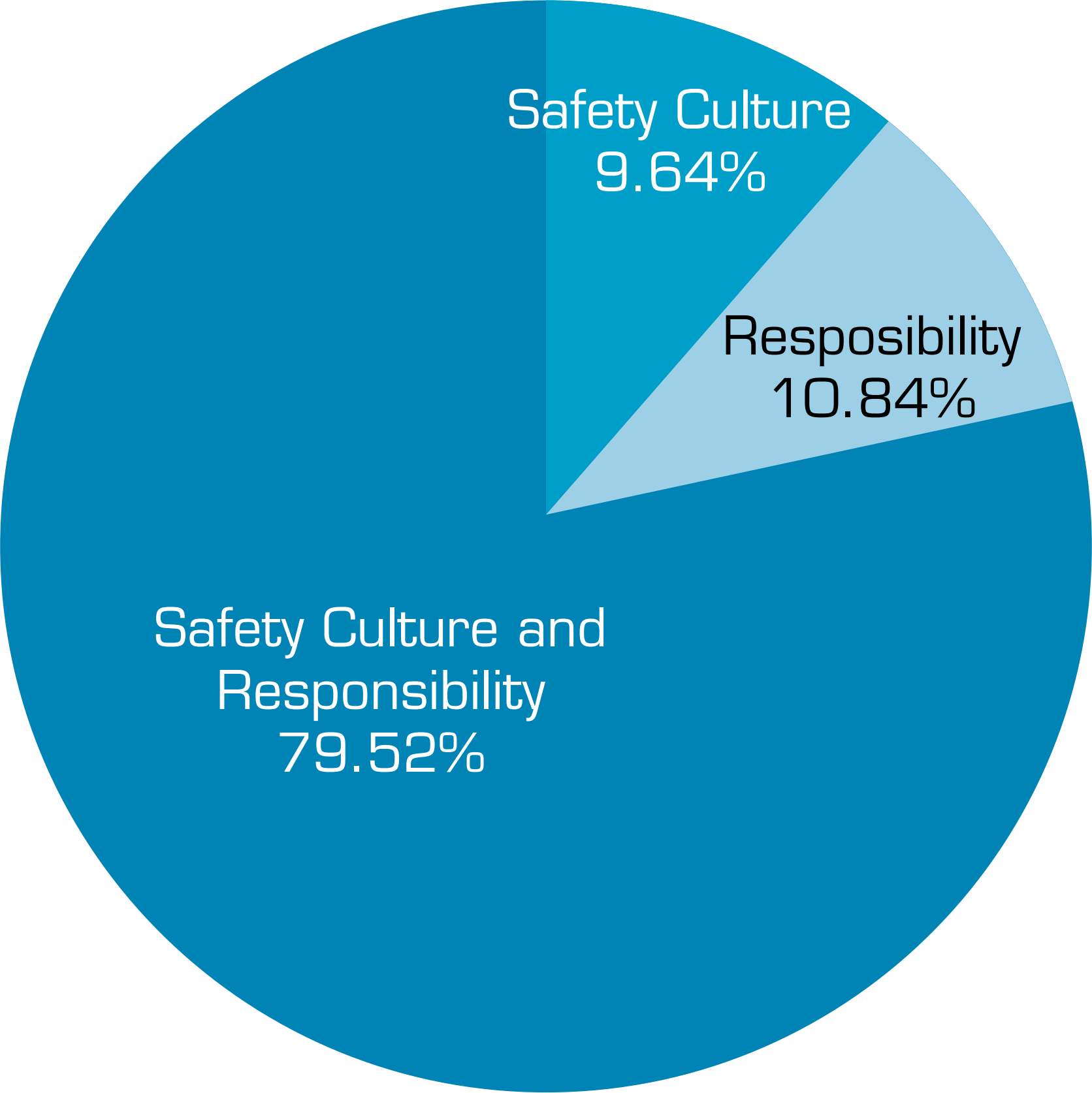
For the authorization stage, eight (9.64%) responses were related to determining and assessing safety culture competency, nine (10.84%) responses were related to determining and assessing responsibility competency, and 66 (79.52%) responses were related to determining and assessing both competencies (Fig. 6).
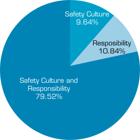
Licensing processes are carried out by national and international aviation authorities. AMTs who have successfully completed the required module exams according to their category and the required period of experience can apply to the relevant aviation authority to obtain an aircraft maintenance license. Companies that assess the competencies of licensed technicians can appoint AMTs as C/S. The authorization process of AMTs is a process that organizations and authorities place an emphasis on. The process of identifying C/S responsible for completing maintenance tasks directly affects flight safety and efficiency. As the data obtained through the research show, the participants stated that the safety culture and responsibility competencies should be assessed together at a high rate in this process. To work as a C/S and be responsible for the completion of maintenance tasks, it is necessary to have the necessary technical competencies and experience, as well as a safety culture and sense of responsibility.
Efficiency and productivity
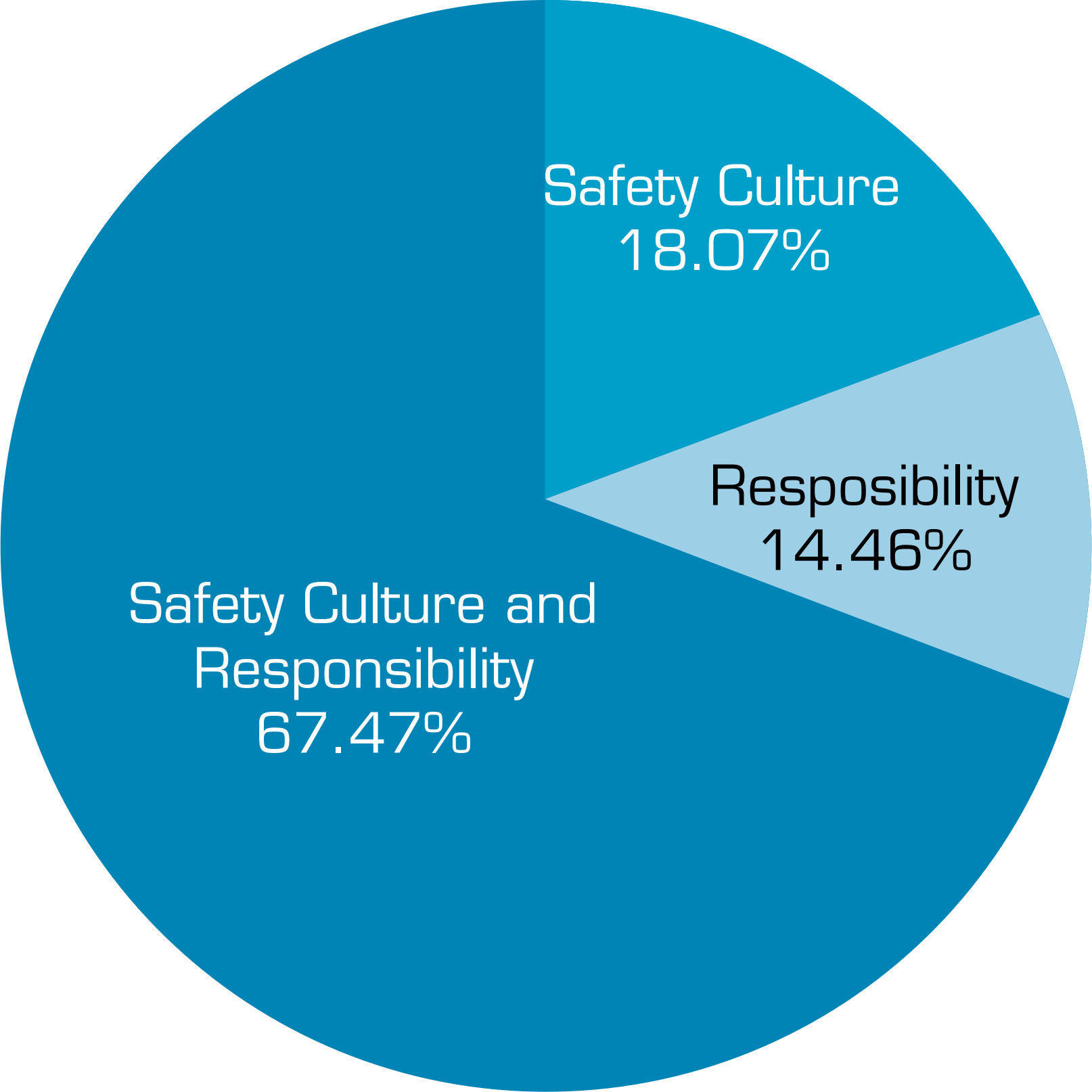
In the competency assessment processes related to effectiveness and efficiency, 15 (18.07%) responses were given regarding the determination and assessment of safety culture competency, 12 (14.46%) were given regarding the determination and assessment of responsibility competency, and 56 (67.47%) responses were given regarding the determination and assessment of both safety culture and responsibility competencies (Fig. 7).
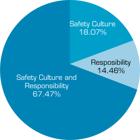
Efficiency and productivity assessments are integral to human resource management practices within organizations. These assessments inform critical processes such as bonuses, promotions, training, rewards, and authorization. Furthermore, it has been observed that during individual interviews, examinations, and analyses of maintenance operations, organizations utilize maintenance records and analyze maintenance errors to assess efficiency and productivity. Although there is no assessment plan on the subject, it has been determined that the safety culture and responsibility competencies, which are more difficult to assess, are not used sufficiently. As stated by the data obtained from the participants, determining, and assessing the safety culture and responsibility competencies in efficiency and productivity assessments will lead to clearer and fairer assessment processes.
Safety culture assessors
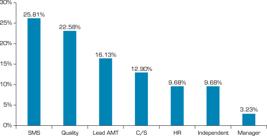
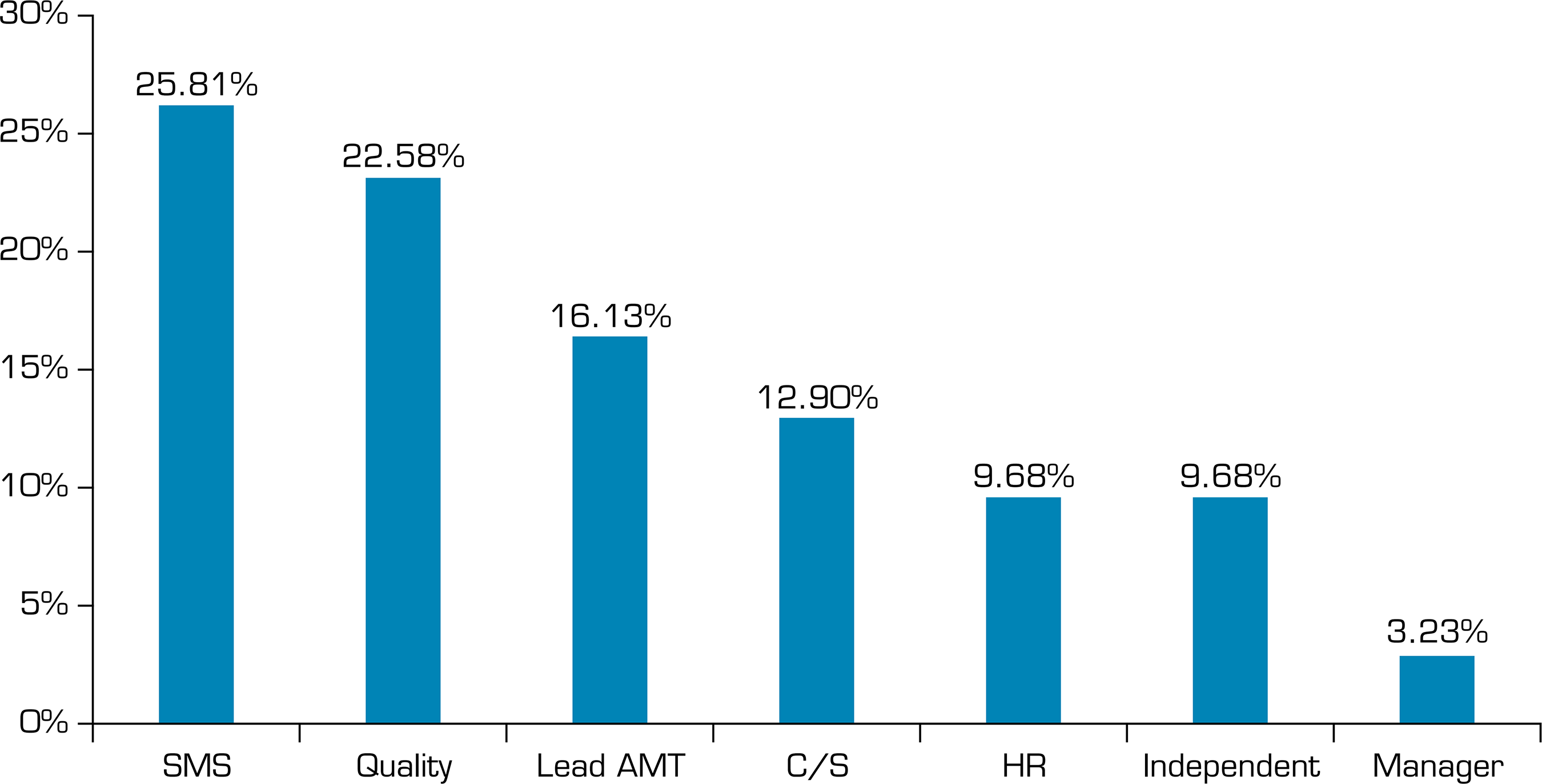
In the final section, participants were asked which unit or individuals should assess the safety culture and responsibility competencies. Regarding the unit or individuals who should assess safety culture competency, eight (25.81%) responses were given for the SMS unit, seven (22.58%) for the quality unit, five (16.13%) for lead AMTs, four (12.90%) for C/S, three (9.68%) for the HR unit, three (9.68%) for independent units, and one (3.23%) for managers (Fig. 8).
Identifying the unit or individuals responsible for assessing competencies is just as critical as defining and assessing the competencies themselves. In particular, the unit or persons who will assess the competencies that are more detailed and difficult to determine and evaluate compared to technical competencies, such as safety culture and responsibility, should also be carefully selected. In the evaluation of safety culture competency, besides the SMS unit, quality unit, and HR unit, which have experts on the subject, competent and qualified technicians experienced in addressing maintenance errors and error prevention should be involved.
Responsibility assessors
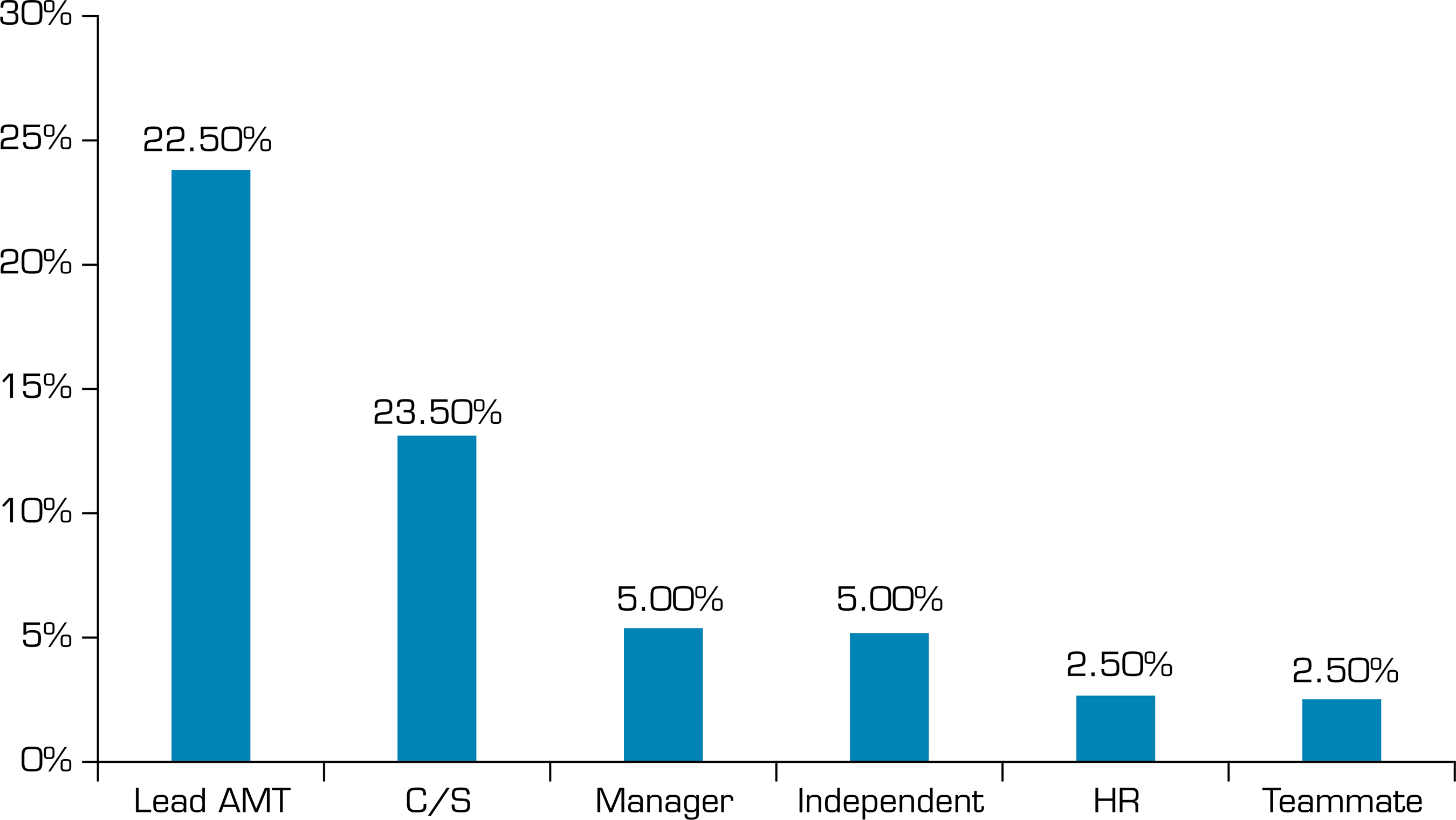
Participants were asked which unit or individuals should assess responsibility competency. The responses were as follows: nine (45%) for lead AMTs, five (25%) for C/S, two (10%) for managers, two (10%) for independents, one (5%) for the HR unit, and one (5%) for teammates (Fig. 9).

Responsibility competency needs to be determined and assessed, which is the subject answered by the participants at a high rate. Responsibility competency was frequently emphasized in the individual meetings held with stakeholders as well as in focus group discussions. It was stated that a clear and effective assessment process should be maintained both for trainees and throughout their career stages. As stated in the responses given by the participants, the participation of independent individuals such as human factors experts and aviation psychology experts in the assessment processes of such competencies is important to ensure fair and effective processes.
CONCLUSION
Determining and assessing personnel competencies in the aviation industry is crucial for both human resource management and ensuring aviation safety and effectiveness. In the studies carried out by researchers and international aviation authorities, it has been stated that determining and assessing the competencies of employees and AMTs working in the aviation industry will enhance aviation safety and effectiveness (Bycroft 2018; CAA 2019; Toth 2016). ICAO, EASA, FAA, CAA, and Civil Aviation Safety Authority (CASA) have recently focused on competency-based training for aviation personnel and have been publishing documents and organizing training on the subject. Authorities define the requirements such as knowledge, skills, and attitudes, for all aviation personnel – especially pilots – and accordingly establish competency titles and update the training they have organized according to the determined competencies (CAA 2019; CASA 2009; Defalque 2017; EASA 2016; Maurino 2019).
Although the aviation authorities, which determine the criteria related to the licensing processes, have established a standard in this regard, they have not established a clear standard for the career stages and authorization processes of the technicians, especially for the recruitment and placement processes. For this reason, determining and assessing the competencies to be used in the selection and placement stages, career stages, and authorization processes of technicians – and establishing a standard in this regard – are of great importance for aviation safety and effectiveness.
As stated by aviation authorities, aviation organizations, and researchers, effective determination and assessment of the competencies of AMTs and other aviation workers, and accordingly, the creation of career plans for technicians starting from the recruitment and placement processes will benefit aviation safety and effectiveness. In addition to the assessment, the technical competencies realized in current practices, safety culture, and responsibility competencies should also be determined and assessed.
Based on the analysis of the data collected from participant interviews, key components for safety culture and responsibility competencies were identified. Maintenance organizations can use these components to make clearer and more effective determinations and assessments. For these components to give clearer results, planned maintenance tasks can be performed, interviews can be organized with support from aviation experts, and tests can be performed. Competencies can be used in job recruitment and placement processes, career stages, authorization processes, efficiency, and productivity processes. Unlike the existing practices, more effective and clear results can be obtained by selecting the assessors from the appropriate individuals and units and including human factors and aviation psychology experts in the process. With the realization of clear and fair processes, there will be no loss of motivation for AMTs, the sense of belonging to the organizations will increase, maintenance errors will be reduced, and safely maintenance tasks will be performed. Consequently, the costs of maintenance will be significantly reduced.
Thanks to the competencies and assessment methods obtained as a result of this study, training institutions that train AMTs will also be able to update their curricula. Trainees will continue their education with safety culture and a sense of responsibility and contribute to the aviation industry. Training aligned with these competencies will result in fewer mistakes, reduced risk-taking, more careful use of safety protective equipment, and strict adherence to documents and procedures.
This study will also constitute an important resource for future studies. There are very few studies on the subject, and thanks to the data, studies that will contribute to the field will also emerge. As a result of the study, with the effective determination and assessment of the competencies, safely and more effective maintenance operations will be carried out, maintenance-related costs will decrease, the number of accidents and incidents will decrease, clearer career plans will be created, and more competent AMTs will be trained.
ACKNOWLEDGEMENTS
Not applicable.
-
FUNDINGNot applicable.
DATA AVAILABILITY STATEMENT
The data will be available upon request.
REFERENCES
- [CAA] UK Civil Aviation Authority (2019) Competency assessment guidance document CAP 1715. Crawley: CAA.
- [CASA] Civil Aviation Safety Authority (2009) Competency based training and assessment in the aviation environment. Civil Aviation Advisory Publication 5.59A-1(0).
- [EASA] European Aviation Safety Agency (2016) Evidence-based and competency-based training. Cologne: EASA.
- [ICAO] International Civil Aviation Organization (2013) Safety management manual (SMM). Doc 9859 AN/474. Montreal: ICAO.
- [ICAO] International Civil Aviation Organization (2016) Annex 19: safety management. Montreal: ICAO.
- [ICAO] International Civil Aviation Organization (2018) Annex 1: personnel licensing. Montreal: ICAO.
-
[O*NET] National Center for O*NET Development (2023) Summary Report for: 49-3011.00 – Aircraft mechanics and service technicians. [accessed May 18 2023]. https://www.onetonline.org/link/summary/49-3011.00
» https://www.onetonline.org/link/summary/49-3011.00 - [USA-DOL] United States Department of Labor (2018) Competency model clearinghouse. Aerospace competency model, employment and training administration. Washington D.C: USA-DOL.
- Bycroft CL (2018) Identification of knowledge, skills, and abilities required for aircraft electronics technicians (doctoral dissertation). Oklahoma: Northeastern State University.
- Chen W, Huang SP (2013) Human reliability analysis in aviation maintenance by a Bayesian network approach. Paper presented 11th International Conference on Structural Safety & Reliability; New York, USA.
- Defalque H (2017) Competency-based training and assessment. Johannesburg: International Civil Aviation Organization.
-
Gunes T, Turhan U, Yoruk AB (2020) The assessment of human factors competencies in selection and recruitment processes for technicians of aircraft maintenance companies. International Human Studies Journal 3(5):179-200. https://doi.org/10.35235/uicd.734064
» https://doi.org/10.35235/uicd.734064 -
Gunes T, Turhan U, Yoruk AB (2022) Improvement of Aircraft Maintenance Manual (AMM) for Cessna 17. Aircr Eng Aerosp Tech 94(7):1078-1086. https://doi.org/10.1108/AEAT-10-2021-0321
» https://doi.org/10.1108/AEAT-10-2021-0321 - Hobbs A (2008) An overview of human factors in aviation maintenance. Canberra: Australian Transport Safety Bureau.
- Liston P (2005) Human factors competence in aircraft maintenance (doctoral dissertation). Dublin: University of Dublin.
- Maurino M (2019) Assessing competencies through scenario-based training: ICAO’s approach. Orlando: International Civil Aviation Organization.
-
Nkosi M, Gupta K, Mashinini M (2020) Causes and impact of human error in maintenance of mechanical systems. MATEC Web of Conferences 312:05001. https://doi.org/10.1051/matecconf/202031205001
» https://doi.org/10.1051/matecconf/202031205001 -
Toth J (2016) An integrated research of aircraft maintenance officer competencies. Scientific Research and Education in the Air Force 2:775-782. https://doi.org/10.19062/2247-3173.2016.18.2.40
» https://doi.org/10.19062/2247-3173.2016.18.2.40 - Wahbi YAI (2015) Impact of human competencies on aviation maintenance employee’s performance (a case study at JALCo) (master’s thesis). Amman: Middle East University.
Edited by
-
Section editor:
Diogo de Oliveira https://orcid.org/0000-0003-2099-843X

 Source: Elaborated by the authors.
 Source: Elaborated by the authors.
 Source: Elaborated by the authors.
 Source: Elaborated by the authors.
 Source: Elaborated by the authors.
 Source: Elaborated by the authors.
 Source: Elaborated by the authors.
 Source: Elaborated by the authors.
 Source: Elaborated by the authors.