
 Obstacle Avoidance Control of Multi-Parafoil Formation Based on Spatial Velocity Vector Method
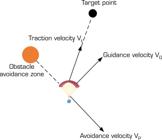
The obstacle avoidance flight of unmanned parafoil formations in complex terrains and under wind disturbances is essential for the success of airdrop missions. This study develops a comprehensive dynamic model of the parafoil and constructs a three-dimensional mountainous simulation environment. An obstacle avoidance algorithm based on the spatial velocity vector method is proposed, which dynamically regulates the parafoil’s motion through traction, avoidance, and guidance velocity vectors, thereby achieving efficient obstacle avoidance in complex wind fields. By incorporating a consensus-based leader-follower formation control strategy, the parafoil formation maintains both geometric configuration and heading stability during obstacle avoidance maneuvers. Simulation results demonstrate that the proposed method effectively enables safe obstacle avoidance and stable formation flight under wind disturbances, confirming the effectiveness of the algorithm.
Keywords
Parafoils; Formation flying; Automatic flight control; Obstacle avoidance; Wind velocity
 Thumbnail
 Thumbnail
 Thumbnail
 Thumbnail
 Thumbnail
 Thumbnail
 Thumbnail
 Thumbnail
 Thumbnail
 Thumbnail
 Thumbnail
 Thumbnail
 Thumbnail
 Thumbnail
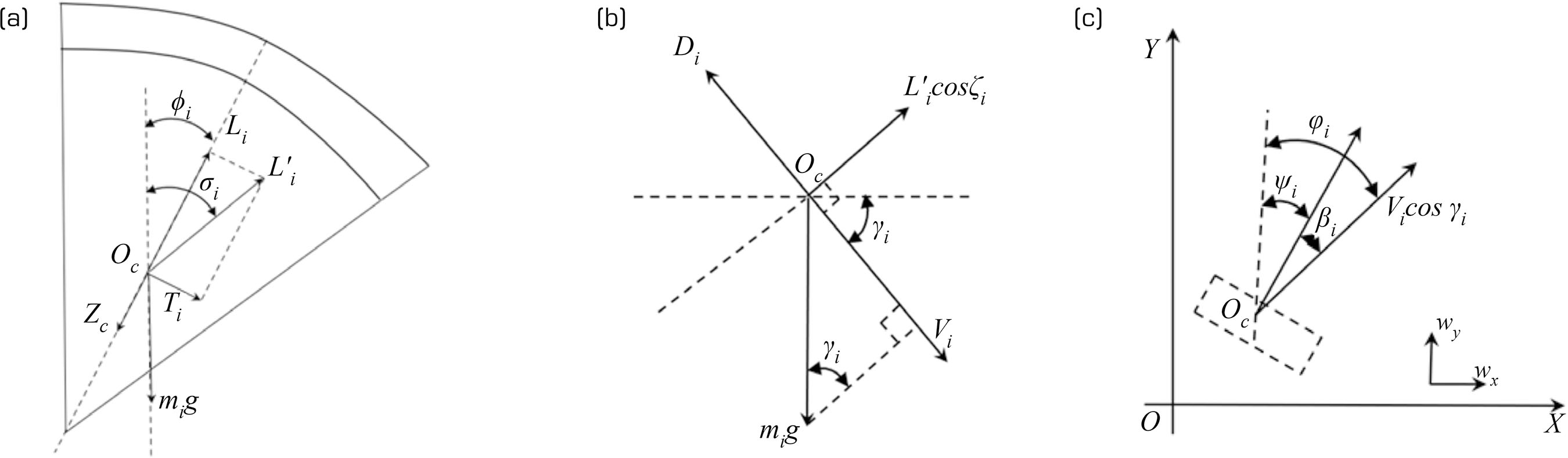 Source: Elaborated by the authors.
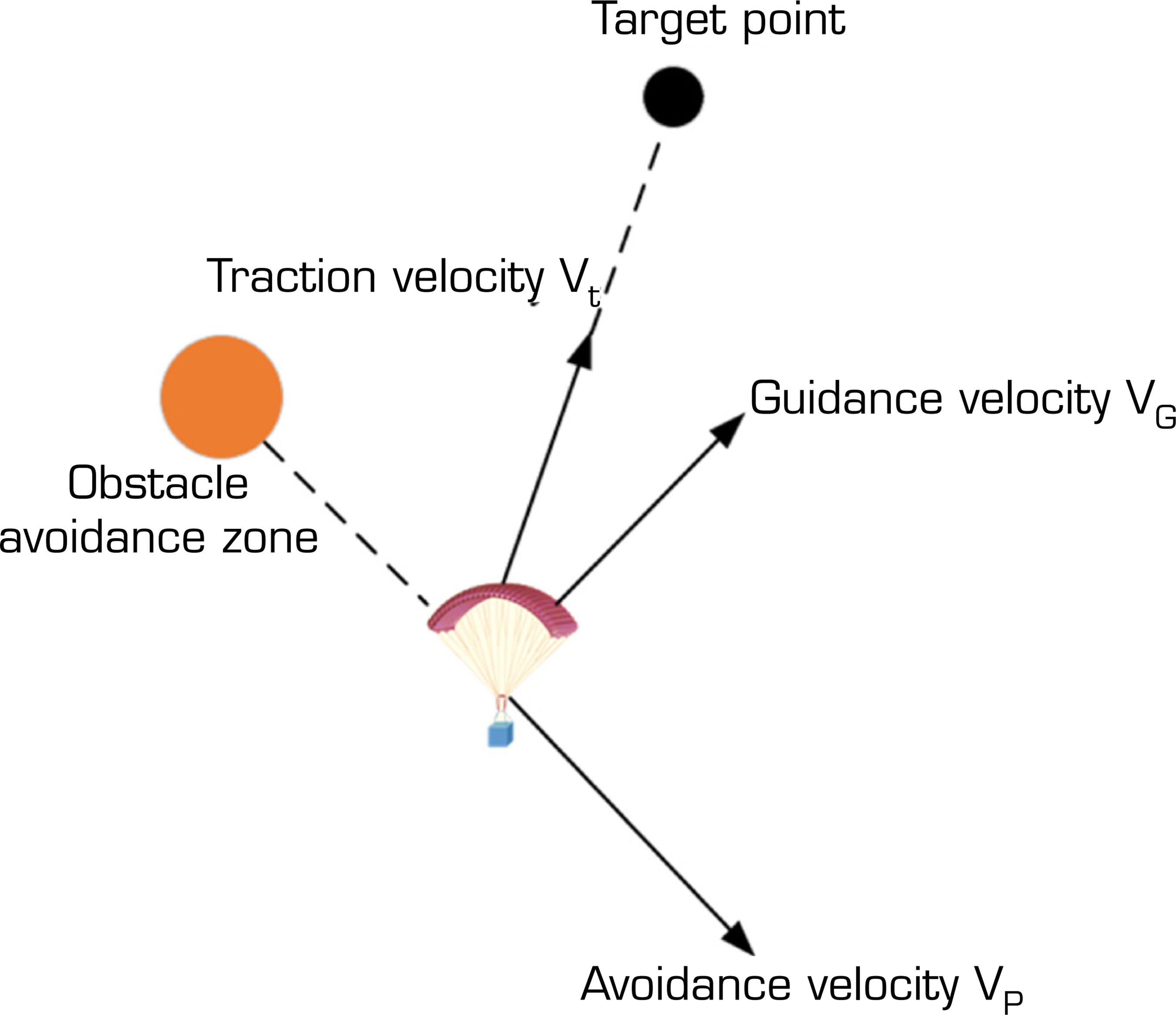 Source: Elaborated by the authors.
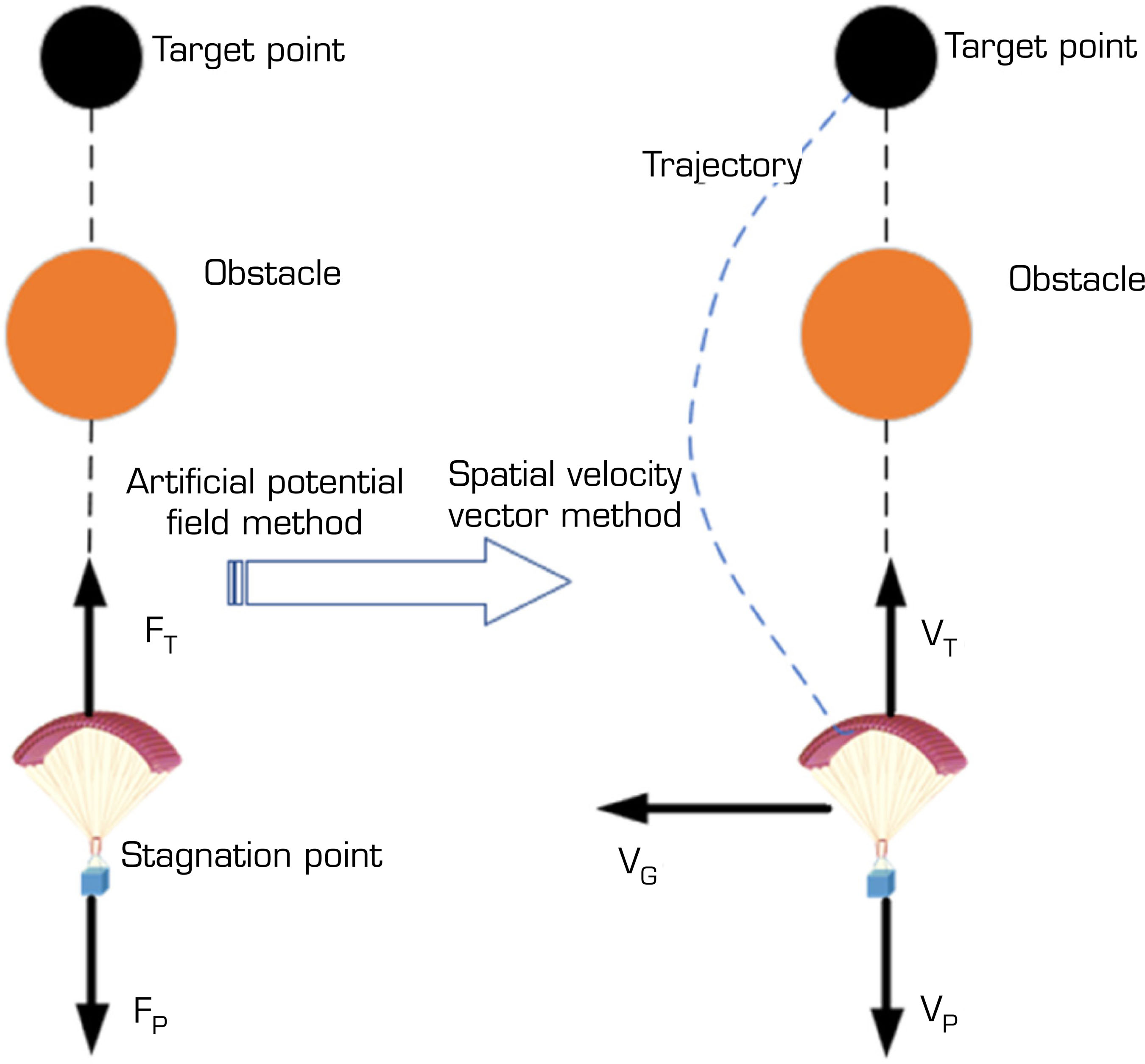 Source: Elaborated by the authors.
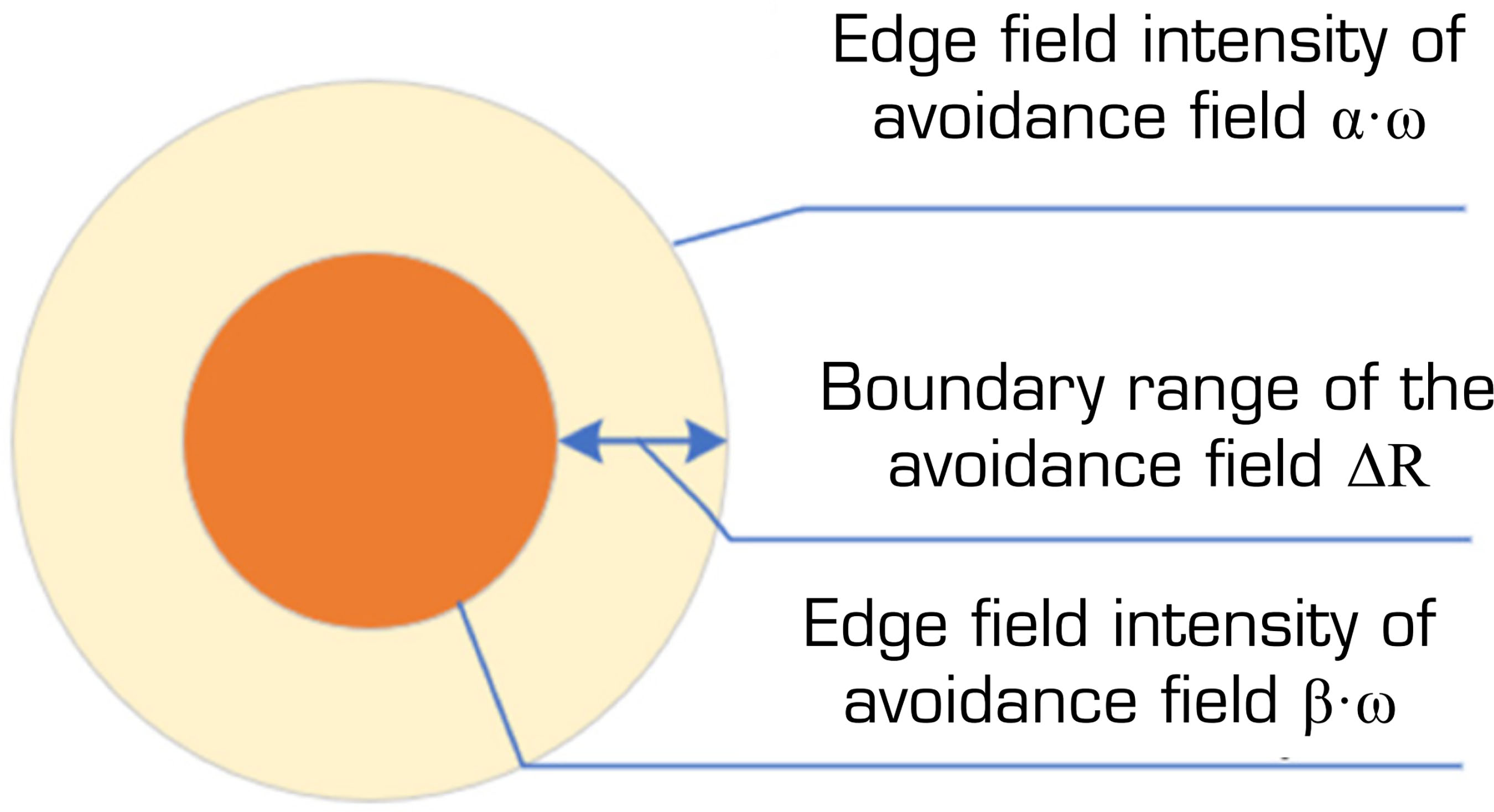 Source: Elaborated by the authors.
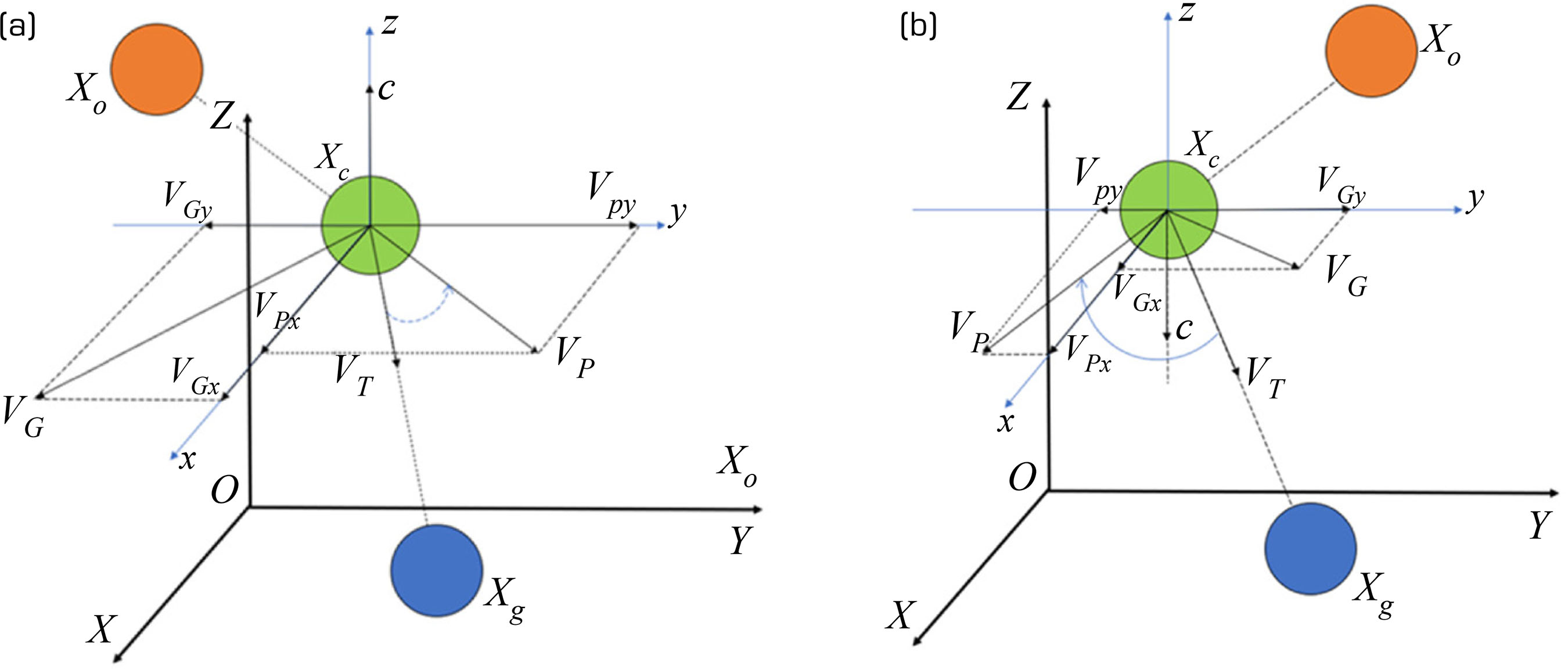 Source: Elaborated by the authors.
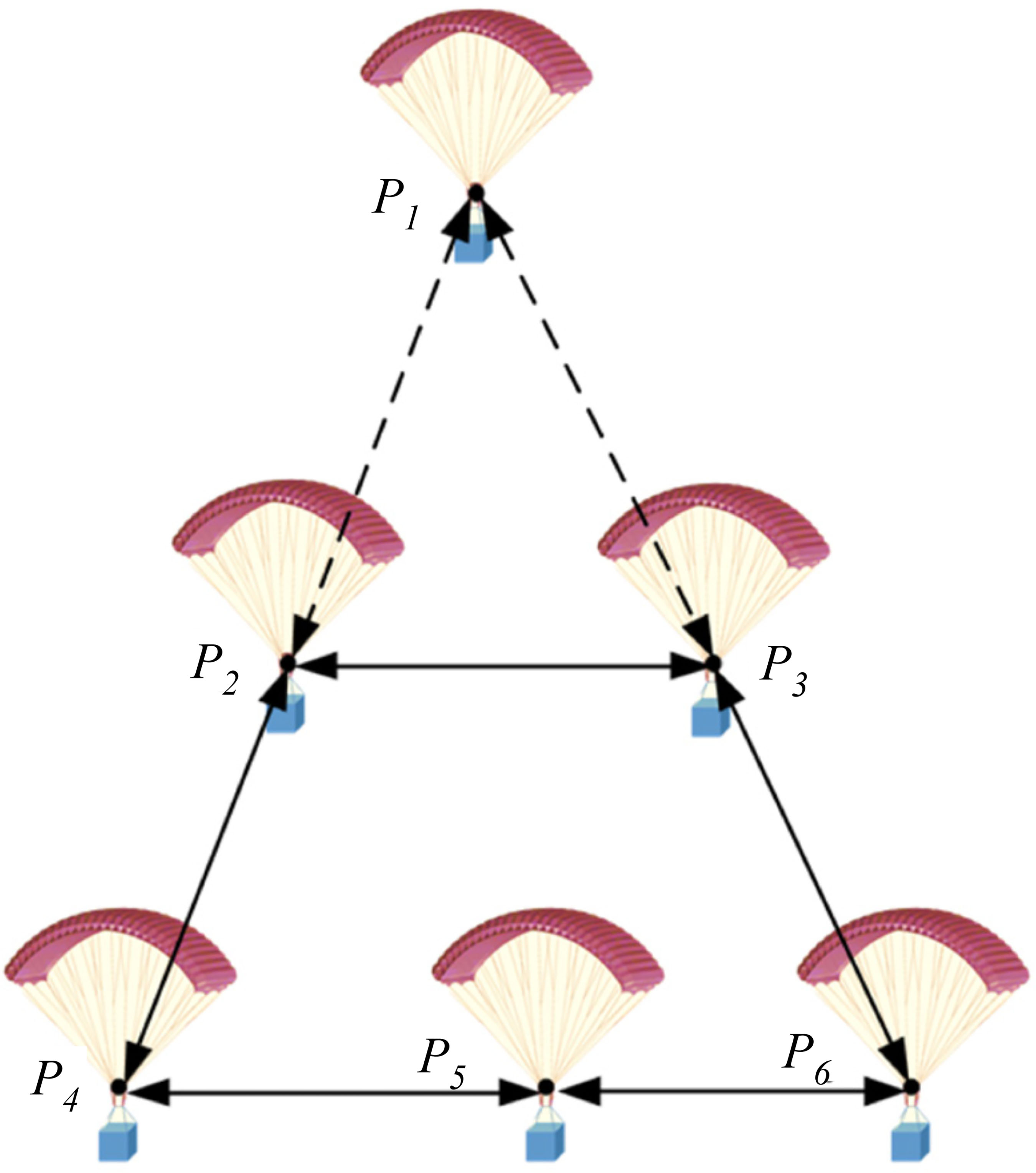 Source: Elaborated by the authors.
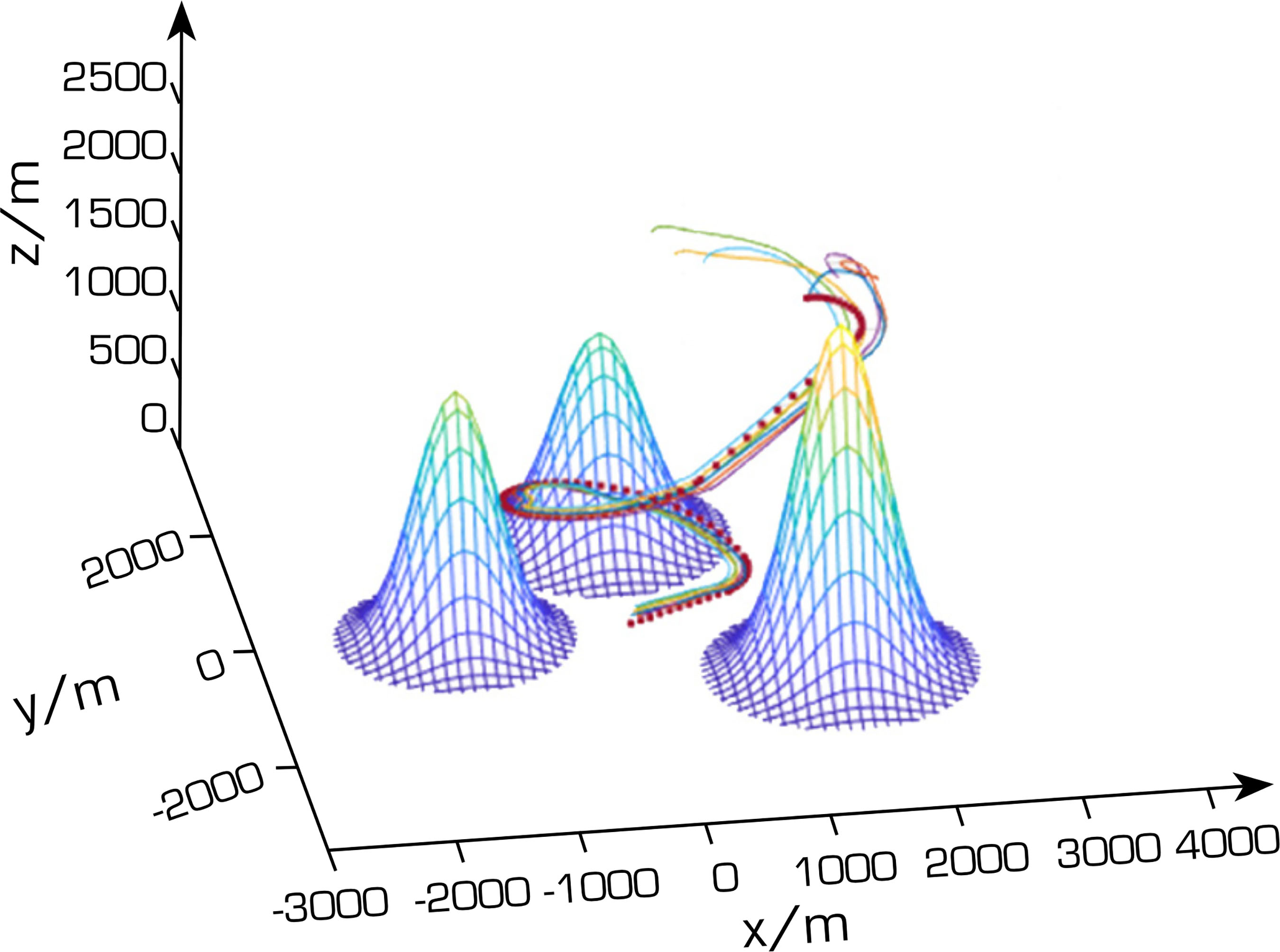 Source: Elaborated by the authors.
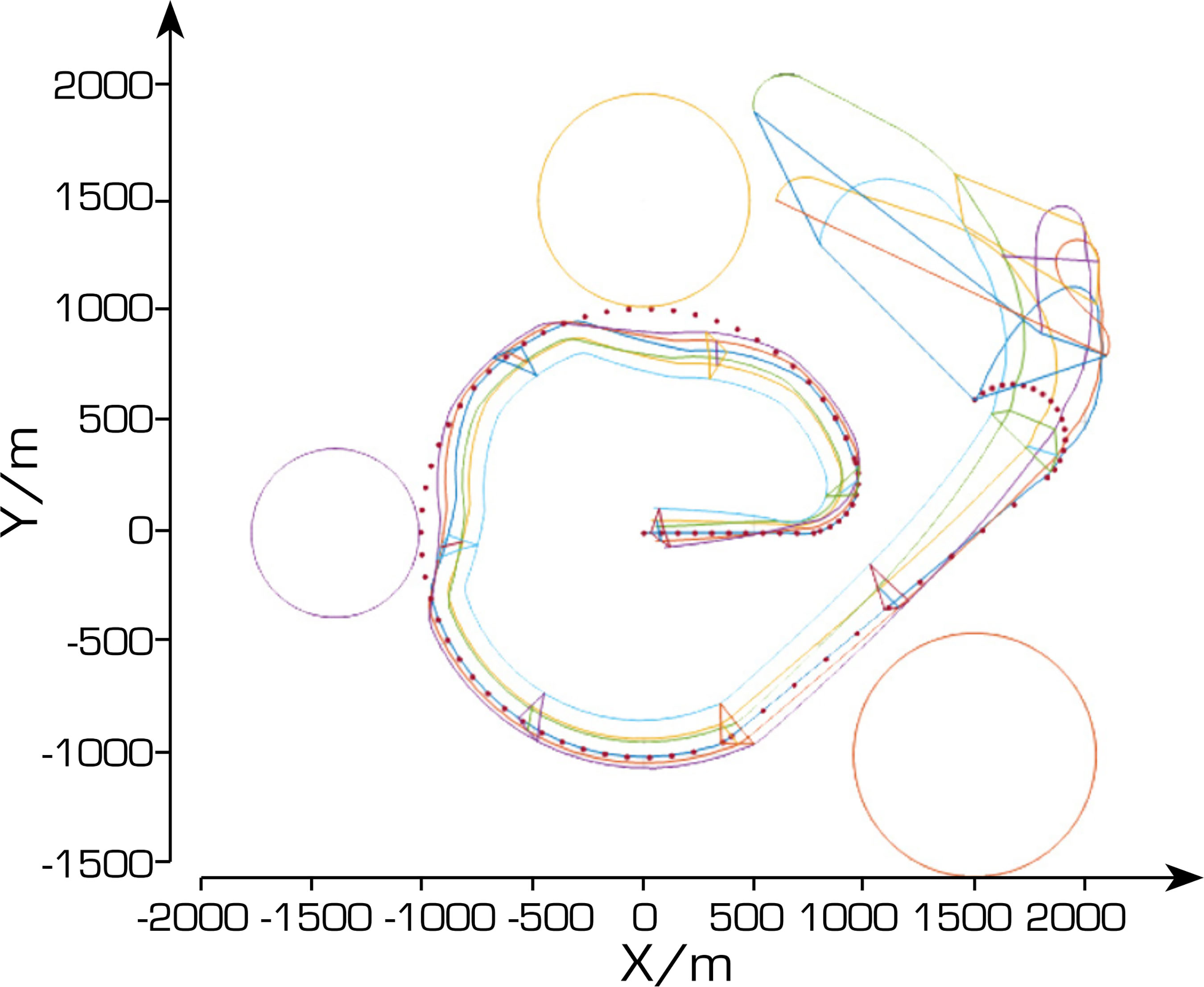 Source: Elaborated by the authors.
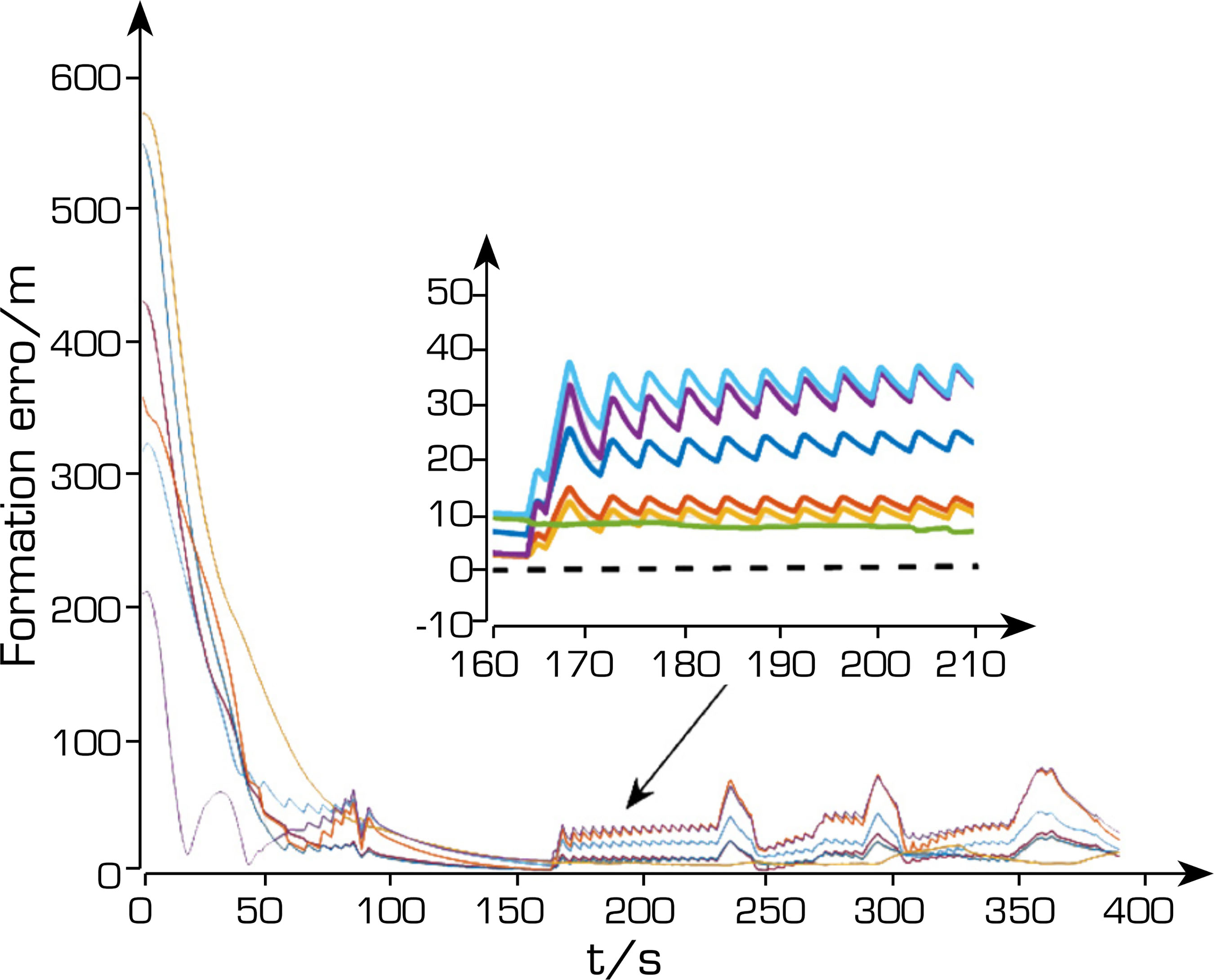 Source: Elaborated by the authors.
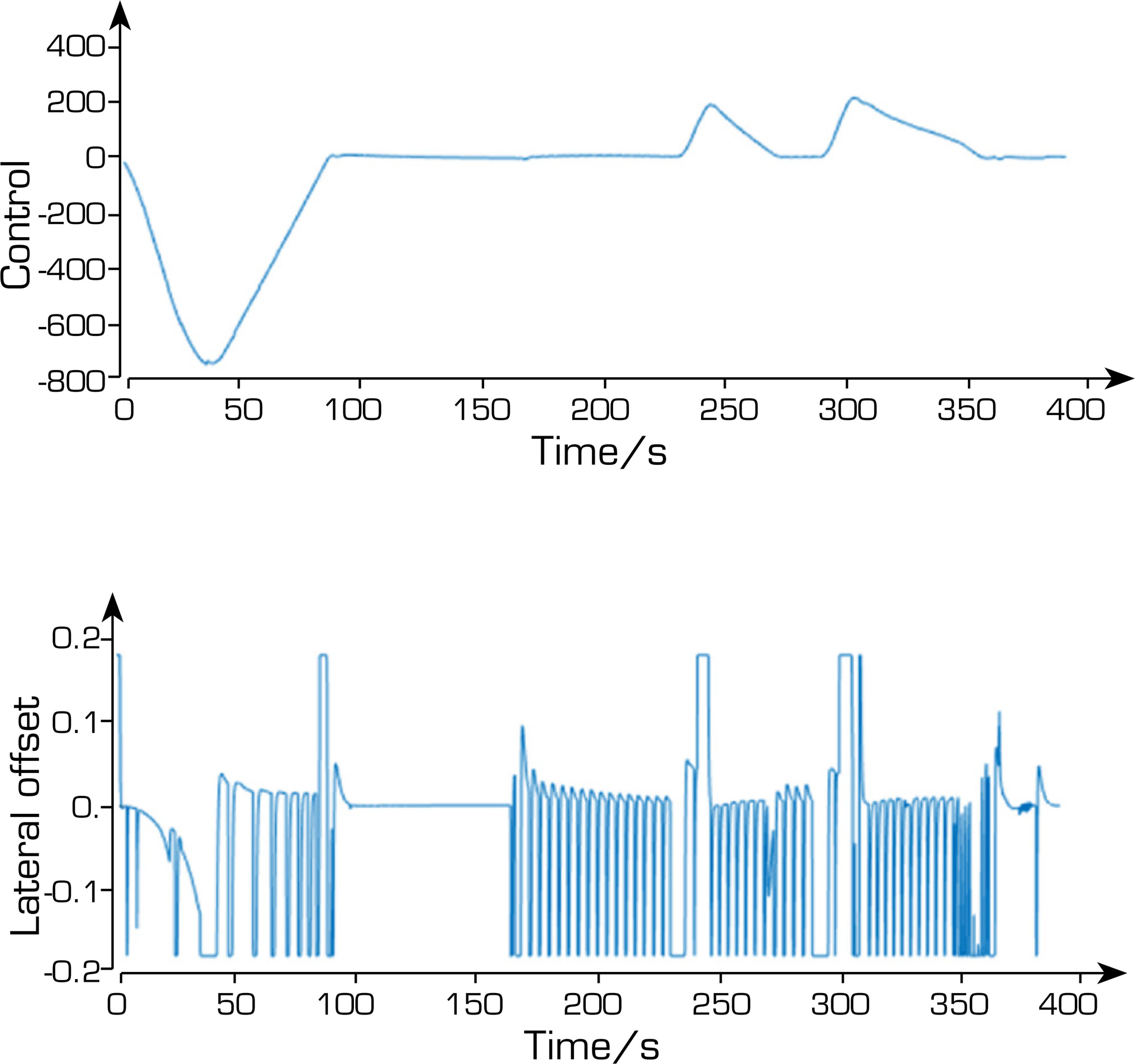 Source: Elaborated by the authors.
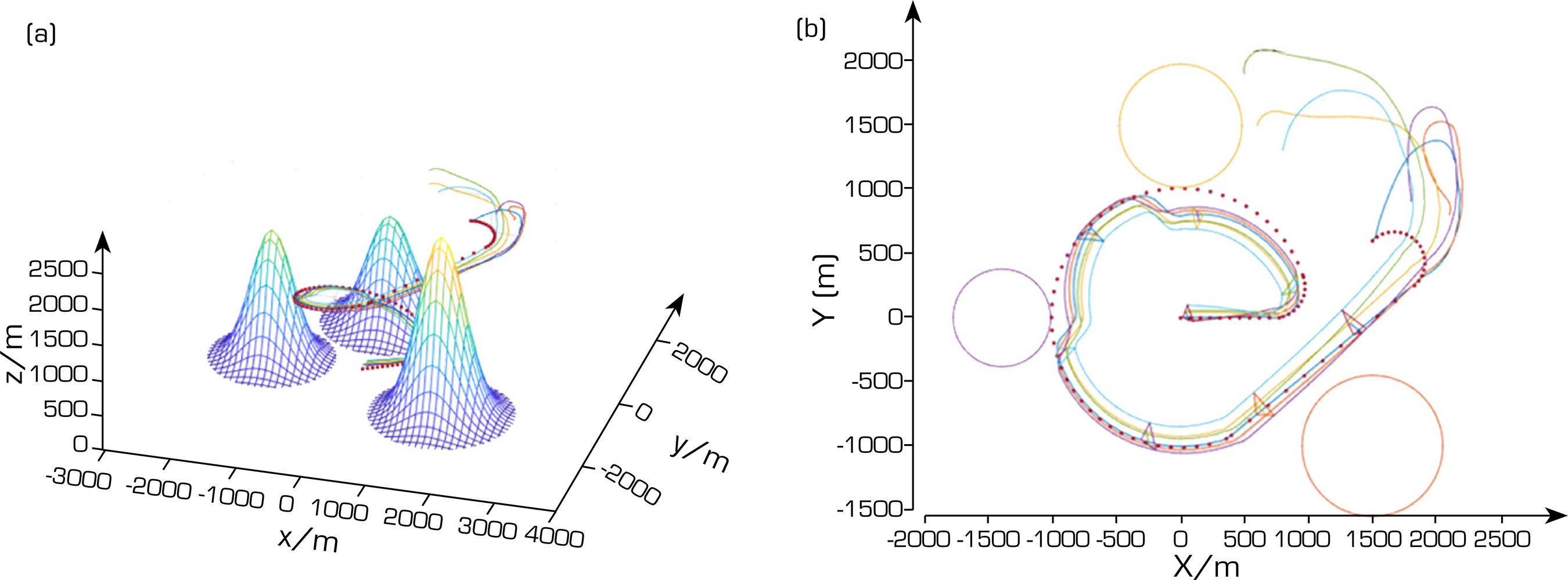 Source: Elaborated by the authors.
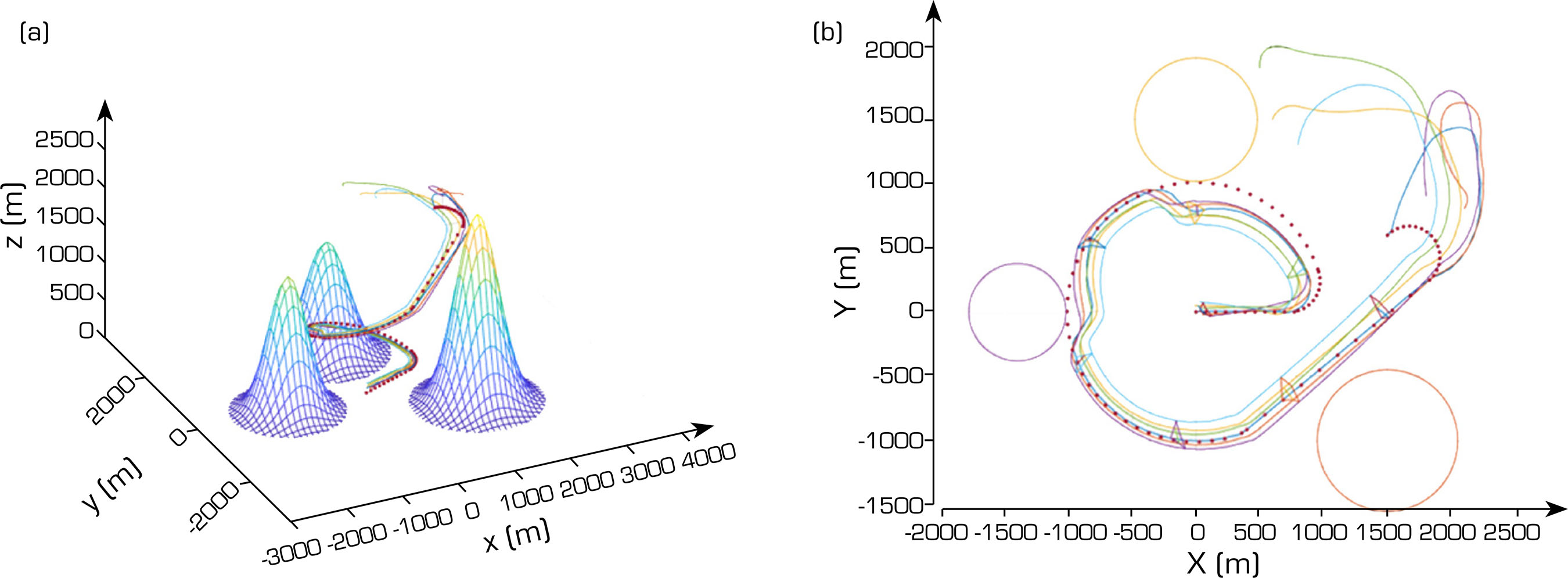 Source: Elaborated by the authors.
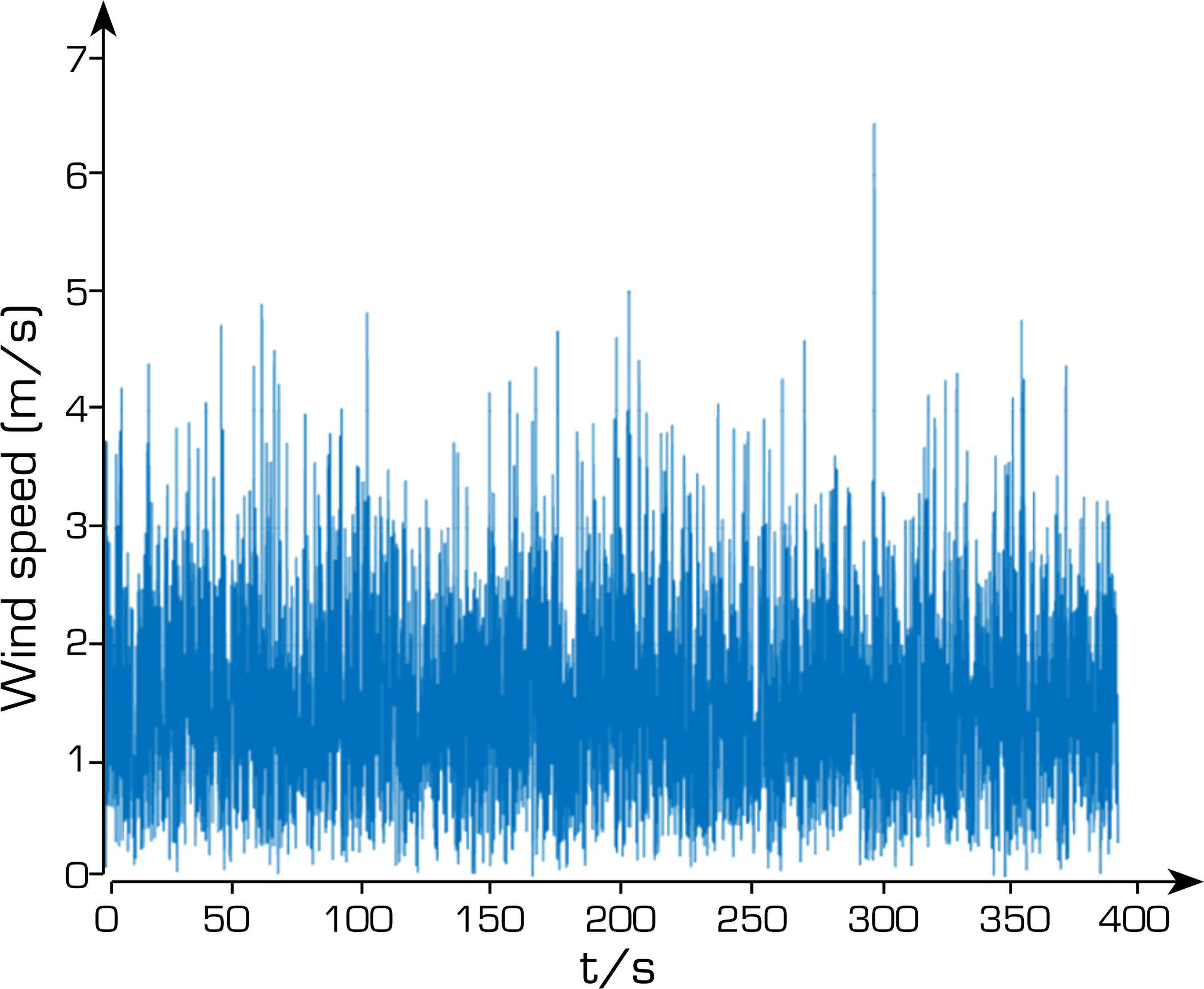 Source: Elaborated by the authors.
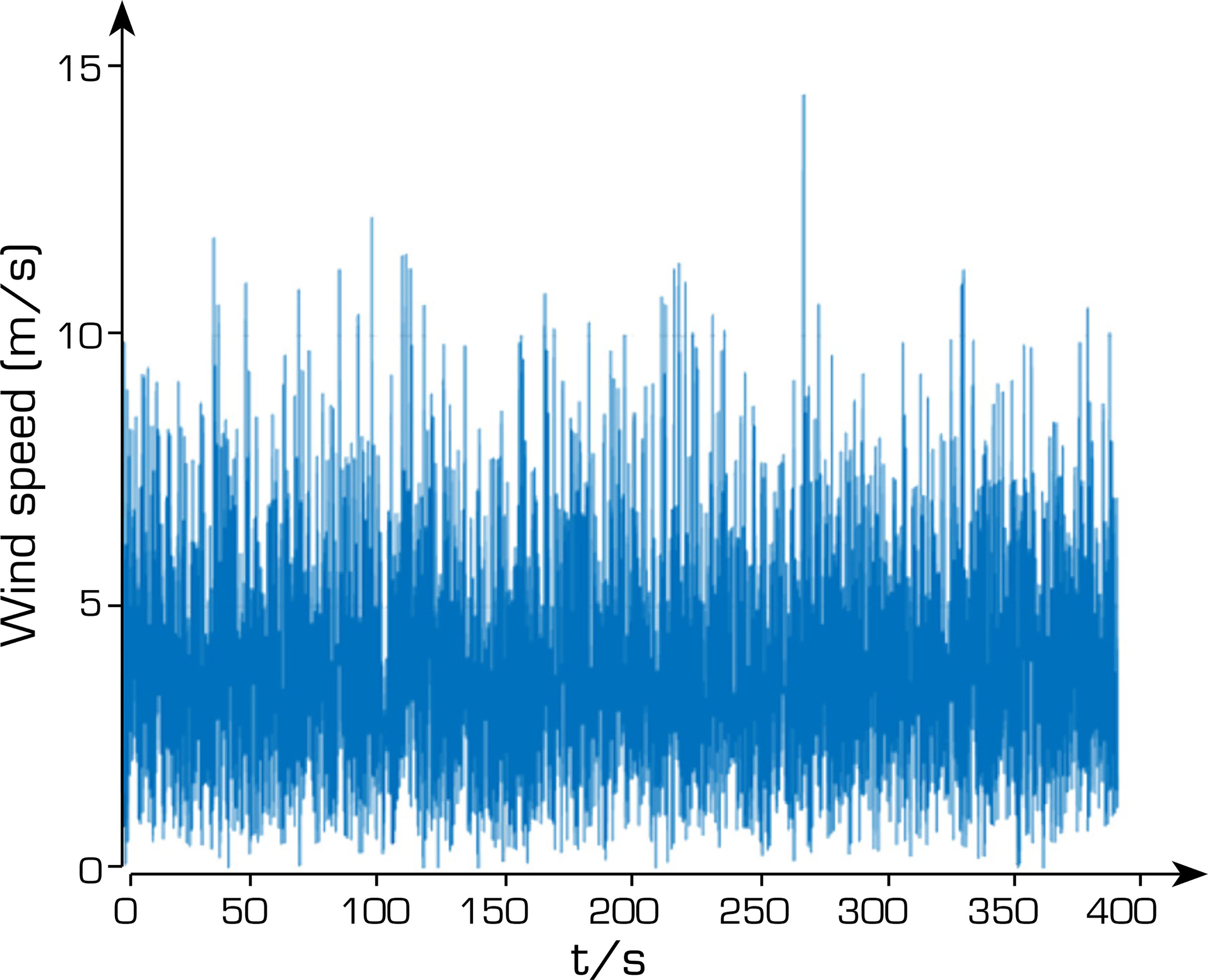 Source: Elaborated by the authors.