| Certification basis |
Powered-lift as “special class” under Federal Aviation Regulations 21.17(b); performance-based standards from Part 23 (normal category airplanes) with vertical lift supplements. Pilot/instructor certification via Special Federal Aviation Regulation (October 2024). |
SC-VTOL, Issue 2, 2025; small-category enhanced for up to nine passengers/5,700 kg maximum takeoff weight. MOC-5, July 2025, emphasizes system safety (DAL 10^{-9} for catastrophic failure). |
RBAC 23 (normal category airplanes) with additional eVTOL-specific airworthiness criteria (e.g., for Eve e-10 model). Type certification process formalized (2022); experimental sandbox for integration (Complementary Law 182/2021). |
| Pilot/operator requirements |
Performance-based OPS; pilots need hybrid training (helicopter + airplane); initial cadre via manufacturer test flights/Part 141/142 schools. OPS under Part 135 for air taxis. |
Pilot on board for enhanced category; continued safe flight/landing post-failure; OPS rules proposed (2022 Opinion) for air taxis, integrated with U-space (unmanned traffic mgmt.). |
RBAC 119 for public transport OPS; eVTOL pilots via RBAC 61/91/135 adaptations. Sandbox testing for vertiport/eVTOL OPS (24-month trials, e.g., Eve/VertiMob, 2025). |
| Vertiport design standards |
Engineering Brief 105A (December 2024, finalized January 2025): Supplemental to Advisory Circular 150/5390-2D (heliport design); for pilot-onboard eVTOL ≤ 12,500 lbs maximum takeoff weight in visual meteorological conditions. Includes obstacle-free volume funnel, markings, lighting, and charging infrastructure. |
Prototype Technical Specs (PTS-VPT-DSN, 2022, updated 2025): Based on CS-ADR/CS-HPT-DSN & International Civil Aviation Organisation Annex 14; funnel-shaped obstacle-free volume; tailored for urban noise/environmental. Restrictions: alternate vertiport requirements for continued safe flight/landing. |
Regulatory sandbox (October 2024 deadline); no finalized RBAC yet; focuses on innovative infra (e.g., vertiports at airports such as Campo de Marte). Draws from International Civil Aviation Organisation; emphasis on eVTOL ecosystem integration via bilateral agreements (e.g., with FAA/EASA). |
| Noise/environmental limits |
Performance-based (aligned with Part 36); vertiport siting considers community noise, but is less prescriptive than EASA. |
Stringent: enhanced category requires low noise for urban OPS; integrated with European Union Green Deal (e.g., < 65 dB average for vertiports). |
Aligned with the International Civil Aviation Organisation Annex 16, the sandbox includes environmental assessments for vertiports; it focuses on sustainable Advanced Air Mobility (e.g., electric charging standards). |
| Airspace integration |
National Airspace System integration via Innovate28 plan (OPS by 2028); enhanced Initial Pilot Program (June 2025) for low-altitude testing in cities (e.g., LA, Dallas, USA). |
U-space for VTOL traffic; VMC OPS with obstacle-free volume; harmonized with FAA via bilateral (Letter of Intent 2023). |
Low-altitude economy strategy; RBAC 91/135 for airspace; sandbox trials for urban routes; bilateral Letters of Intent (2023) with FAA/EASA for mutual recognition. |
| Timeline/status (as of 2025) |
Type certification expected 2026-2027; vertiport guidelines finalized (2025); ~980 global facilities planned by 2029. |
SC-VTOL/MOC fully published (July 2025); OPS rules adopted post-2022 Opinion; vertiport RMT.230 rulemaking ongoing. |
Type certification targeted end-2025 (e.g., Eve); sandbox active (2025-2027); vertiport infrastructure plans (e.g., PRS Aeroportos) advancing. |
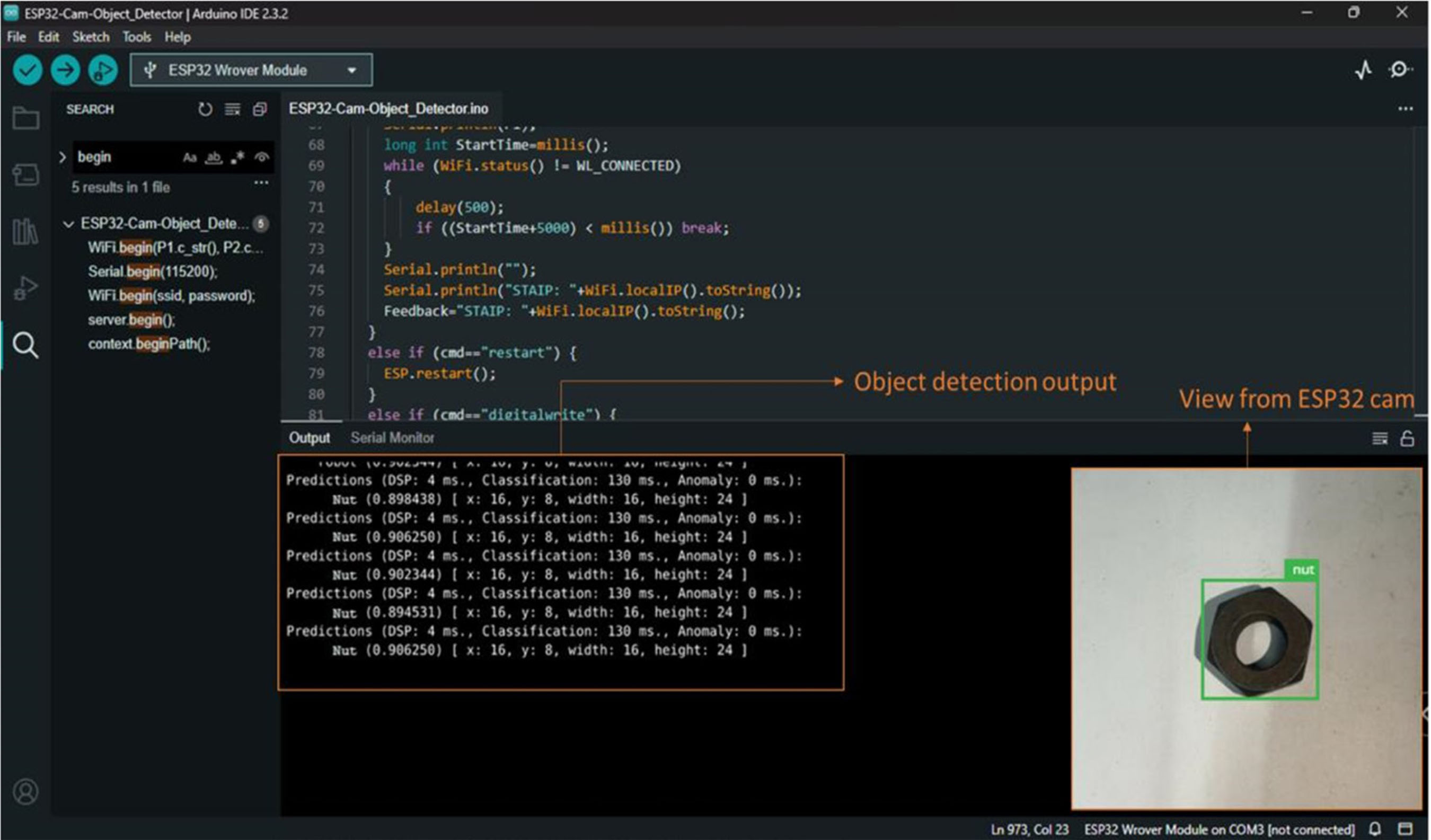
 Improving Airport Safety and Operational Efficiency through an Integrated Comprehensive Foreign Object Debris Management System
 Thumbnail
 Thumbnail
 Thumbnail
 Thumbnail
 Thumbnail
 Thumbnail
 Thumbnail
 Source: Elaborated by the authors.
 Source: Elaborated by the authors.
 Source: Elaborated by the authors.
 Source: Elaborated by the authors.
 Source: Elaborated by the authors.
 Source: Elaborated by the authors.
 Source: Elaborated by the authors.