
 Territorial dynamics of acquired syphilis along the Bioceanic Corridor in Mato Grosso do Sul, 2010-2023
Abstract
Acquired syphilis remains a major public health challenge in Brazil, especially where population movement and rapid socioeconomic changes converge, as seen in the municipalities along the Bioceanic Corridor of Mato Grosso do Sul. This study examined the temporal and spatial dynamics of the disease using data from the Notifiable Diseases Information System (SINAN) and the Brazilian Institute of Geography and Statistics (IBGE). We focused on municipalities directly affected by the route, calculated annual detection rates, and analyzed the sociodemographic profiles of reported cases. The temporal analysis revealed heterogeneous patterns: some areas, such as Campo Grande, Bataguassu, Ribas do Rio Pardo, and Sidrolândia, have experienced significant increases, while others, such as Porto Murtinho, have seen notable declines since 2016. Meanwhile, new epidemiological clusters have emerged - notably in Ribas do Rio Pardo and Guia Lopes da Laguna - whereas Jardim and Bataguassu experienced sharp declines during the pandemic. Most affected individuals were young adults (median age around 30 years), with higher proportions of men and self-declared mixed-race individuals. These findings highlight the need for context-sensitive surveillance and public health strategies tailored to the territorial specificities of the Bioceanic Corridor.
Keywords:
syphilis; epidemiological surveillance; public health; Bioceanic Corridor.
Resumen
A sífilis adquirida permanece como um importante desafio de saúde pública no Brasil, especialmente em contextos de intensa mobilidade populacional e transformação socioeconômica, como ocorre nos municípios inseridos no Corredor Bioceânico de Mato Grosso do Sul. Este estudo analisou a dinâmica temporal e espacial da doença com base em dados do Sistema de Informação de Agravos de Notificação (Sinan) e em estimativas populacionais do Instituto Brasileiro de Geografia e Estatística (IBGE). Foram incluídos municípios diretamente afetados pelo traçado do corredor, com o cálculo das taxas anuais e a avaliação do perfil sociodemográfico dos casos. A análise temporal evidenciou padrões heterogêneos: crescimento expressivo em Campo Grande, Bataguassu, Ribas do Rio Pardo e Sidrolândia, além de reduções significativas em Porto Murtinho após 2016. A distribuição espacial evidenciou a emergência de novos focos epidemiológicos, como Ribas do Rio Pardo e Guia Lopes da Laguna, enquanto localidades como Jardim e Bataguassu registraram quedas abruptas durante o período pandêmico. Predominaram adultos jovens, com medianas próximas de 30 anos, e maior proporção de homens e de pessoas autodeclaradas pardas. Os achados evidenciam a necessidade de estratégias de vigilância epidemiológica e de políticas públicas sensíveis às especificidades territoriais do Corredor Bioceânico.
Resumo
A sífilis adquirida permanece como um importante desafio de saúde pública no Brasil, especialmente em contextos de intensa mobilidade populacional e transformação socioeconômica, como ocorre nos municípios inseridos no Corredor Bioceânico de Mato Grosso do Sul. Este estudo analisou a dinâmica temporal e espacial da doença com base em dados do Sistema de Informação de Agravos de Notificação (Sinan) e em estimativas populacionais do Instituto Brasileiro de Geografia e Estatística (IBGE). Foram incluídos municípios diretamente afetados pelo traçado do corredor, com o cálculo das taxas anuais e a avaliação do perfil sociodemográfico dos casos. A análise temporal evidenciou padrões heterogêneos: crescimento expressivo em Campo Grande, Bataguassu, Ribas do Rio Pardo e Sidrolândia, além de reduções significativas em Porto Murtinho após 2016. A distribuição espacial evidenciou a emergência de novos focos epidemiológicos, como Ribas do Rio Pardo e Guia Lopes da Laguna, enquanto localidades como Jardim e Bataguassu registraram quedas abruptas durante o período pandêmico. Predominaram adultos jovens, com medianas próximas de 30 anos, e maior proporção de homens e de pessoas autodeclaradas pardas. Os achados evidenciam a necessidade de estratégias de vigilância epidemiológica e de políticas públicas sensíveis às especificidades territoriais do Corredor Bioceânico.
Palavras-chave:
sífilis; vigilância epidemiológica; saúde pública; Corredor Bioceânico.
1 INTRODUCTION
The implementation of the Bioceanic Corridor has repositioned Mato Grosso do Sul as a strategic axis of territorial integration by connecting the state to ports in northern Chile and expanding South America’s participation in trade with Asia (Pereira; Abrita; Fonseca, 2021). The planned route is expected to generate significant economic impacts associated with the expansion of agribusiness, the pulp and paper sector, and increased labor-related migratory flows (Abrita et al., 2023). Border municipalities, particularly those undergoing rapid socioeconomic transformation, tend to exhibit poorer health indicators and greater inequalities, reinforcing the need for integrated territorial planning and the strengthening of primary health care services (Zaslavsky; Goulart; Ziegelmann, 2019).
Sexually transmitted infections, such as acquired syphilis (AS), represent an additional public health challenge. It is a chronic systemic infection, highly transmissible in its early stages, with the potential to cause severe complications, including neurosyphilis and vertical transmission (Brasil, 2022). Despite being a long-recognized disease with well-established treatment, AS has shown sustained growth in several countries, including Brazil, where it remains a condition associated with high morbidity (Santos et al., 2021).
In 2020, the World Health Organization estimated 7.1 million new cases of syphilis worldwide, with a higher concentration in middle-income countries such as Brazil, where the disease is classified as epidemic (Astolfo; Andrade; Kehrig, 2024). Since acquired syphilis became a notifiable condition in 2010, national incidence rates increased from 2.0 to 58.1 cases per 100,000 inhabitants by 2017, representing a 2,800% increase (Santos et al., 2021). In 2022, Brazil recorded an incidence rate of 54.9 cases per 100,000 inhabitants, with the Central-West Region having the second-highest incidence nationwide (65.5 per 100,000), only second to the Southern Region (Brasil, 2024).
Mato Grosso do Sul follows this trend, with an incidence rate of 53.7 cases per 100,000 inhabitants in 2022, exceeding the national average. Border municipalities, such as Corumbá and Ponta Porã, frequently report rates above the state average, reflecting social vulnerabilities and pressures arising from their geographic position (Gratão; Menin; Antero, 2024). Although public policies emphasize the prevention of congenital syphilis, the epidemic in the general population - particularly among young men aged 20 to 29 years - remains largely neglected (Santos et al., 2021).
Despite the recognition of the public health importance of AS, territorially disaggregated analyses that integrate epidemiological, structural, and socioeconomic factors remain scarce. In this context, the objective of this study was to analyze temporal trends in AS in municipalities of Mato Grosso do Sul directly impacted by the Bioceanic Corridor, to highlight local heterogeneities and discuss how these territorial specificities are associated with the persistence of the epidemic and the challenges for public health planning.
2 METHODS
This is a descriptive, retrospective epidemiological study based on secondary data from the Notifiable Diseases Information System (Sistema de Informação de Agravos de Notificação - SINAN) and population estimates from the Brazilian Institute of Geography and Statistics (Instituto Brasileiro de Geografia e Estatística [IBGE]). The study included 12 municipalities in Mato Grosso do Sul directly incorporated into the Bioceanic Corridor, according to the territorial characterization proposed by Abrita et al. (2023). These municipalities are distributed along the main highway axes that structure this route within the state - BR-262 and BR-267-and include Três Lagoas, Água Clara, Ribas do Rio Pardo, Bataguassu, Nova Alvorada do Sul, Campo Grande, Sidrolândia, Nioaque, Guia Lopes da Laguna, Jardim, Porto Murtinho, and Santa Rita do Pardo (Figure 1). Submission to a Research Ethics Committee was not required because the analysis relied exclusively on secondary and publicly accessible data, with no possibility of individual identification, in accordance with Resolution No. 510/2016 of the Brazilian National Health Council.

Location of the municipalities in Mato Grosso do Sul included in the Bioceanic Corridor, highlighting the main highways and the corridor alignment
This study was conducted in accordance with the recommendations of the STROBE (Strengthening the Reporting of Observational Studies in Epidemiology) checklist for observational studies, with particular emphasis on ecological study design.
2.1 Variables
The variables of interest included:
-
Annual AS rates - ratio between the number of new cases and the estimated resident population for each municipality and year (per 100,000 inhabitants);
-
Sex (male/female);
-
Age (in completed years, analyzed as a continuous variable and described using the median and percentiles);
-
Race/ethnicity (White, Black, Brown (pardo), Asian, Indigenous, and unknown), according to SINAN categories.
In accordance with the STROBE checklist recommendations, the completeness of the SINAN database and potential sources of bias were assessed. The variables “sex” and “age” showed completeness greater than 99%, with only four missing records. The “race/ethnicity” variable also demonstrated adequate completeness; however, 11.9% of records were classified as “unknown,” which may reduce the precision of analyses stratified by this variable. Additionally, the possibility of underreporting and variability in the quality of notification form completion across municipalities and over time was considered, particularly during the COVID-19 pandemic period, which may have affected case detection and reporting. These limitations are inherent to studies based on secondary data and were considered in the interpretation of the results.
2.2 Data analysis
Annual AS incidence rates were calculated for each municipality and year from 2010 to 2023 as the ratio of new cases to the estimated resident population, multiplied by 100,000 inhabitants. Statistical analyses were performed using SPSS® software version 27.0 (IBM Corp., Armonk, NY, USA), while trend analyses were conducted using the Joinpoint Regression Program version 4.9.1.0 (National Cancer Institute, USA). The Joinpoint model applies segmented log-linear regression to automatically identify inflection points in time series, that is, years in which statistically significant changes in incidence trends occur.
The method fits successive linear models to natural logarithm-transformed rates and applies likelihood ratio tests and Monte Carlo permutation tests to determine the optimal number of segments. For each identified segment, the program estimates the annual percent change (APC) and its 95% confidence interval (95% CI), assuming normally distributed errors and variance-weighted rates. Trends were classified as increasing or decreasing when the p-value was < 0.05 (Gratão; Menin; Antero, 2024). Model fit quality was assessed using the coefficient of determination (R2) and visual inspection of the time series. Analyses were conducted considering the total number of cases per municipality and year.
For the analysis of sociodemographic variables (age, sex, and race/ethnicity), distributions were described according to each municipality. The normality of the age variable was assessed using the Kolmogorov-Smirnov and Shapiro-Wilk tests, which indicated an asymmetric distribution (p < 0.01). Therefore, the median and percentiles were selected as more robust descriptive measures. Differences in proportions between sex and race/ethnicity categories were tested using the chi-square goodness-of-fit test, adopting a significance level of 5%.
For the development of epidemiological maps, representative years of the historical series (2010, 2018, 2020, and 2023) were selected to illustrate different stages of the AS epidemic in municipalities of the Bioceanic Corridor. Cartographic production was performed with QGIS software, version 3.34.13, based on the official cartographic database of the IBGE, using the SIRGAS 2000 reference system.
As the study relied on secondary data, the possibility of underreporting and variability in the completeness of SINAN notification forms across municipalities and over time is acknowledged. These factors may affect the accuracy of the estimates and should be considered when interpreting the results.
3 RESULTS
A total of 15,628 AS cases were analyzed across 12 municipalities located along the Bioceanic Corridor of Mato Grosso do Sul. Temporal analyses of AS incidence rates revealed heterogeneous patterns across municipalities (Table 1). Campo Grande exhibited a significant annual increase of 35.4% between 2010 and 2018. However, in subsequent periods, rates fluctuated without robust evidence of a consistent trend, suggesting possible stabilization or natural variation following the initial growth phase.
Temporal trends of acquired syphilis in municipalities of the Bioceanic Corridor, Mato Grosso do Sul, 2010-2023, according to Joinpoint regression analysis
Bataguassu stood out due to an annual increase of 46.0% between 2010 and 2018, followed by a marked reduction of -37.5% from 2018 to 2023. Ribas do Rio Pardo also showed notable changes, with the most recent segment (2021-2023) presenting a significant increase of 156.4%. In Três Lagoas, growth was concentrated between 2013 and 2021 (APC = 43.1%), with stability observed in the remaining intervals. Nova Alvorada do Sul experienced a 35.8% increase between 2010 and 2015, followed by a stable trend. Água Clara, in turn, did not show statistically significant trends, with fluctuations observed throughout the study period.
Municipalities such as Guia Lopes da Laguna, Jardim, and Nioaque demonstrated continuous and statistically significant growth over the entire study period, with APCs of 17.6%, 9.8%, and 8.1%, respectively. Porto Murtinho recorded a marked increase between 2010 and 2016 (APC = 43.4%), followed by a statistically significant decline of -24.9% from 2016 to 2023. In Sidrolândia, growth was more pronounced in the initial period (2010-2013; APC = 126.7%) and resumed in the final period (APC = 45.5%), with an intermediate phase of stability Santa Rita do Pardo, although exhibiting fluctuations, did not show a statistically robust trend.
In 2023, Ribas do Rio Pardo, Sidrolândia, Campo Grande, Guia Lopes da Laguna, and Jardim stood out by presenting the highest AS incidence rates among the municipalities analyzed (Table 2). Porto Murtinho, after registering increases in previous years, showed a sharp decline, with no rate recorded in the final year. Some municipalities, such as Bataguassu, Porto Murtinho, and Jardim, experienced abrupt declines beginning in 2020, suggesting possible limitations in diagnosis and reporting during the COVID-19 pandemic. In contrast, municipalities such as Campo Grande and Ribas do Rio Pardo continued to show recent increases, highlighting the heterogeneity observed in local epidemiological dynamics.
Annual acquired syphilis incidence rates in municipalities of the Bioceanic Corridor, Mato Grosso do Sul, 2010-2023
Based on the data presented in Table 2, four key years (2010, 2018, 2020, and 2023) were selected for the construction of epidemiological maps (Figure 2). The year 2010 represented the beginning of the historical series, when low rates were observed in nearly all municipalities. The year 2018 corresponded to the period with the highest concentration of epidemic peaks and trend inflection points identified by the Joinpoint model. The year 2020 was included to illustrate potential impacts of the COVID-19 pandemic on surveillance and case reporting. Finally, 2023 reflected the most recent epidemiological situation, highlighting municipalities with increasing AS incidence rates.

Thematic maps of acquired syphilis incidence rates (per 100,000 inhabitants) in municipalities of the Bioceanic Corridor, Mato Grosso do Sul, for the years 2010, 2018, 2020, and 2023
According to Figure 2, heterogeneous patterns of AS incidence across the municipalities of the Bioceanic Corridor were observed throughout the study period. In 2010 (Figure 2A), an initial scenario of low rates was evident, with higher concentrations in Porto Murtinho, Jardim, and Três Lagoas, while several municipalities showed no cases or only incipient notifications. In 2018 (Figure 2B), an intensification of cases was observed in multiple localities, notably Porto Murtinho, Campo Grande, Jardim, and Bataguassu, depicting a more widespread pattern of dissemination that coincided with the epidemic peaks identified by the temporal analysis.
In 2020 (Figure 2C), a period marked by the COVID-19 pandemic, an abrupt reduction in AS incidence rates was observed in municipalities such as Bataguassu, Porto Murtinho, and Jardim, suggesting possible impacts on case reporting. Despite this reduction, Campo Grande maintained high incidence levels, reinforcing its role as an epidemiological hub. In 2023 (Figure 2D), the maps revealed new areas of increase, particularly in Ribas do Rio Pardo and Sidrolândia, which reached the highest rates among municipalities, accompanied by rising trends in Guia Lopes da Laguna and Jardim. In contrast, Porto Murtinho showed a marked decline, with no cases recorded in the final year analyzed.
The age variable exhibited an asymmetric distribution (normality test, p < 0.05) and was therefore described using the median. Across the 12 municipalities, the median age ranged from 25.5 years in Nioaque to 35 years in Bataguassu, Ribas do Rio Pardo, and Santa Rita do Pardo. The state capital, Campo Grande, accounted for the highest absolute number of cases, with a median age of 31 years, reflecting a predominance of young adults (Table 3). Sex distribution revealed a predominance of male cases in most municipalities, particularly in Três Lagoas (64.9%), Campo Grande (64.1%), Nioaque (61.0%), and Água Clara (61.9%).
Sociodemographic profile of acquired syphilis cases in municipalities of the Bioceanic Corridor, Mato Grosso do Sul, 2010-2023
Conversely, in Santa Rita do Pardo, Guia Lopes da Laguna, and Nova Alvorada do Sul, the proportion of cases among women exceeded that among men. Statistically significant differences in sex distribution were identified in Campo Grande, Jardim, Nioaque, Porto Murtinho, and Três Lagoas, all showing a higher proportion of cases among men (p < 0.05). Among females younger than 18 years, an average annual increase of 38% was observed between 2020 and 2023, with the number of cases rising from 16 to 70 across the municipalities analyzed. In the male group aged 50 years or older, an average annual increase of 18.3% was observed between 2021 and 2023, with cases increasing from 93 to 212 in the same locations.
Regarding race/ethnicity, all municipalities showed statistically significant differences in distribution (p < 0.05), with a predominance of individuals self-identified as Brown in most locations (Table 3). The highest proportions of cases among Brown individuals were observed in Água Clara (71.4%), Sidrolândia (71.2%), and Jardim (65.6%). An exception was Campo Grande, where the highest proportion of cases occurred among White individuals (38.2%). The proportion of Indigenous individuals ranged from 0.4% in Campo Grande to 3.7% in Sidrolândia, while the Asian category was minimally represented across all municipalities.
4 DISCUSSION
The temporal analysis of AS in municipalities of Mato Grosso do Sul included in the Bioceanic Corridor revealed heterogeneous trend patterns, with segments of marked growth observed in Campo Grande, Bataguassu, Ribas do Rio Pardo, and Sidrolândia, and significant reductions in Porto Murtinho after 2016. Spatial distribution analyses further reinforced this scenario by highlighting the emergence of municipalities such as Ribas do Rio Pardo and Guia Lopes da Laguna, while localities such as Jardim and Bataguassu experienced abrupt declines during the COVID-19 pandemic period. From a sociodemographic perspective, the predominant profile consisted of young men and individuals self-identified as Brown, along with a concerning increase in cases among females younger than 18 years between 2020 and 2023. Collectively, these findings reflect the persistence of structural vulnerabilities and underscore the influence of territorial transformations associated with the Bioceanic Corridor on the spatial and temporal patterns of AS dissemination.
Between 2010 and 2023, AS incidence rates increased across the municipalities analyzed, albeit heterogeneously. In Campo Grande, a continuous increase was observed from 2010 to 2018, followed by stabilization in subsequent years. Ribas do Rio Pardo showed a recent increase between 2021 and 2023. In contrast, Bataguassu and Porto Murtinho recorded pronounced peaks up to 2018 and 2016, respectively, followed by significant declines. These findings underscore the heterogeneous nature of the epidemic in the region, whose interpretation is strengthened when considered in relation to national and regional trends.
At the national level, AS exhibited sustained growth until 2018, followed by a marked decline in 2020 and a subsequent increase in the following years, a pattern observed even among older adults (Cunha; Santos; Lima, 2024). A study involving blood donors reinforced this trend, showing an increase up to 2019, a decline in 2020, and a renewed rise between 2021 and 2022 (Braga et al., 2025). The Syphilis Epidemiological Bulletin confirms the resumption of national growth after the most critical period of the COVID-19 pandemic (Brasil, 2024). Part of the municipalities evaluated reflected this behavior, with growth up to 2018, an abrupt decline in 2020, followed by renewed increases from 2021 onward, suggesting that local fluctuations were also modulated by broader national-level factors.
Beyond the national panorama, regional studies reinforce this pattern in Brazil’s Central-West region. In the state of Mato Grosso, a marked increase in AS incidence rates was observed between 2010 and 2021, with average annual increases exceeding 50% in some macro-regions, in addition to pronounced variability among municipalities (Astolfo; Andrade; Kehrig, 2024). These findings indicate that, although the Central-West region shows an overall upward trend in AS incidence, municipal-level heterogeneity underscores the need for disaggregated analyses to better understand local determinants.
In the international border region, municipalities followed distinct trajectories. In Porto Murtinho, AS incidence rates increased until 2016 and subsequently declined, whereas in Jardim they remained on an upward trend throughout the entire period. This divergence may be related to underreporting associated with epidemiological vulnerability and weaknesses in surveillance systems in international border cities (Lannoy et al., 2022). In contrast, in Jardim, a more structured primary health care network-with a higher number of teams and services registered in the National Registry of Health Establishments-favors expanded access to rapid testing, thereby increasing AS detection (Roncalli et al., 2021). Thus, the observed divergence appears to be driven more by differences in diagnostic capacity and population mobility than by true differences in transmission dynamics.
In the interstate border area, Três Lagoas showed growth in AS incidence rates until 2021, whereas Bataguassu experienced an increase up to 2018, followed by a subsequent decline. In Três Lagoas, consolidation as a pulp and paper industrial hub attracted workers and intensified migratory flows (Abrita et al., 2023), a condition recognized as a vulnerability factor for sexually transmitted infections (Silva et al., 2023). The heterogeneity observed among municipalities also reflects underlying structural inequalities (Dantas et al., 2023) and differences in diagnostic capacity (Roncalli et al., 2021). Thus, interstate dynamics highlight the interaction between economic factors, population mobility, and health surveillance capacity.
The abrupt increase in AS incidence in Ribas do Rio Pardo between 2021 and 2023 highlights the impact of recent industrialization on local epidemiological dynamics. Industrial implementation initiated in 2021 triggered rapid urbanization, accompanied by an influx of workers and increased population density (Delcol; Heimbach, 2024). This scenario contrasts with Três Lagoas, where industrialization is already consolidated, sustaining high but stable AS incidence rates (Lelis, 2024). From an epidemiological perspective, studies indicate that accelerated urbanization (Patterson-Lomba et al., 2015) and labor mobility disproportionately increase the risk of sexually transmitted infections (Camargo Assis et al., 2024), demonstrating that the timing of industrialization - recent in Ribas do Rio Pardo and consolidated in Três Lagoas - modulates local syphilis dynamics.
During the COVID-19 pandemic, several municipalities experienced an abrupt decline in AS notifications between 2020 and 2021. In some locations, this reduction was followed by partial recovery, whereas in others, near-zero values were observed. These patterns are more indicative of disruptions in the availability of and demand for diagnostic services than of a true reduction in transmission. A similar situation was observed at the national level, where AS incidence rates declined in 2020 and exceeded pre-pandemic levels in subsequent years (Brasil, 2023).
This pattern is supported by the literature, which demonstrates a reduction in syphilis diagnostic capacity during the COVID-19 pandemic. A decline in the use of rapid tests in primary health care settings was reported (Santos; Lima; Bay, 2022), along with a significant reduction in diagnostic and treatment procedures in 2020 (Furlam et al., 2022). International studies similarly indicate that decreases in STI notifications primarily reflected surveillance limitations and service reorganization rather than a true decline in transmission (Sentís et al., 2021; Wright et al., 2022). Thus, the fluctuations observed in 2020-2021 largely represent notification artifacts, whereas the resurgence in 2022-2023 reflects the recovery of diagnostic services and the addressing of pent-up demand (Furlam et al., 2022).
The age profile of AS cases showed a predominance of young adults, with median ages close to 30 years and mean values ranging from 31.0 to 38.8 years. This pattern mirrors national findings indicating a higher concentration of cases among individuals aged 20 to 39 years (Freitas et al., 2021). However, an increase was observed among female adolescents, consistent with the national rise in AS rates among individuals aged 13 to 19 years and with the high prevalence reported in key young populations (Westin et al., 2023), as well as among young women across different Brazilian regions (Avelino et al., 2023). Attention is also warranted regarding the increase among men aged 50 years or older, as demonstrated by national time series showing continuous growth of AS among older adults (Cunha; Santos; Lima, 2024).
The analysis by sex showed a predominance of males in most municipalities, with statistically significant differences observed in Campo Grande, Jardim, Nioaque, Porto Murtinho, and Três Lagoas. This pattern is consistent with national data showing that men account for the majority of AS notifications (Brasil, 2023). In municipalities where the proportion of female cases was higher, the differences did not reach statistical significance, suggesting fluctuations related to small numbers of cases. In these contexts, detection among women may be associated with prenatal screening and the greater availability of rapid testing within this population (Figueiredo et al., 2020).
The analysis by race/ethnicity revealed a predominance of Brown individuals in most municipalities, exceeding 70% in Água Clara and Sidrolândia, a pattern consistent with national evidence indicating that syphilis disproportionately affects Black and Brown populations (Paixao et al., 2023). In Campo Grande and Porto Murtinho, although Brown individuals constitute the majority of the population according to the 2022 Census, reported cases were concentrated among White individuals, highlighting inequalities in access to health services. These distortions reflect barriers faced by Brown and Black populations in primary health care (Soares; Cruz; Dick, 2021) and the persistence of structural discrimination that compromises equity within the Brazilian Unified Health System (Coelho; Rocha; Hone, 2024).
In border regions, intense population mobility increases exposure to STIs and hinders continuity of care, requiring greater problem-solving capacity within primary health care services (Silva-Sobrinho et al., 2017). Border municipalities tend to present poorer health indicators and inequalities that demand tailored strategies (Zaslavsky; Goulart; Ziegelmann, 2019), while regional disparities persist in the availability of rapid tests and benzathine penicillin, revealing weaknesses in the national response to syphilis (Miranda et al., 2020). Ensuring point-of-care diagnosis and immediate treatment with benzathine penicillin within primary health care is therefore essential to interrupt transmission chains (Brasil, 2022).
This study has limitations inherent to the use of secondary data. The quality of SINAN information depends on the completeness and accuracy of notification forms, which are subject to underreporting and incomplete records, particularly for sociodemographic variables. In addition, changes in case definition criteria over time may affect temporal comparability. Heterogeneity in surveillance networks across municipalities - including differences in primary health care coverage and the availability of rapid tests - influences local diagnostic capacity and may lead to overestimation or underestimation of AS detection rates. The absence of individual-level behavioral variables limits the understanding of broader determinants, while the fluctuations observed in 2020 may reflect restricted access to health services during the COVID-19 pandemic.
5 CONCLUSION
The results indicate that municipalities within the Bioceanic Corridor exhibit distinct AS dynamics, influenced by sociodemographic factors and territorial characteristics related to cross-border mobility and industrial expansion. This scenario reinforces the need for differentiated epidemiological surveillance capable of capturing local specificities and guiding more effective prevention and control strategies. Moving forward, it is essential to promote integration among neighboring municipalities, strengthen the health care network through shared protocols, and develop targeted policies for border areas and regions undergoing accelerated economic growth. Such measures are fundamental to reducing inequalities and aligning public health responses with the territorial transformations shaping regional development.
Data availability
The entire dataset supporting the results of this study has been published in the article itself.
REFERENCES
-
ABRITA, M. B.et al. Dynamics of local productive arrangements in the municipalities of Mato Grosso do Sul considering the transformations of the Bioceanic Corridor. PLOS ONE, San Francisco, United States, v. 18, n. 4, p. 1-26, 2023. Doi: https://doi.org/10.1371/journal.pone.0283936
» https://doi.org/10.1371/journal.pone.0283936 -
ASTOLFO, S.; ANDRADE, A. C. S.; KEHRIG, R. T. Temporal analysis and spatial distribution of acquired syphilis in the state of Mato Grosso, Brazil, 2010-2021: an ecological study. Epidemiologia e Serviços de Saúde, Brasília-DF, v. 33, p. 1-14, 2024. Doi: https://doi.org/10.1590/S2237-96222024V33E2023398.EN
» https://doi.org/10.1590/S2237-96222024V33E2023398.EN -
AVELINO, M. E. S. et al. Exposure to Treponema pallidum Infection among Adolescent and Young Adult Women in Roraima, Amazon Region of Brazil. Microorganisms, Basel, Switzerland, v. 11, n. 10, p. 1-7, 2023. Doi: https://doi.org/10.3390/microorganisms11102382
» https://doi.org/10.3390/microorganisms11102382 -
BRAGA, N. A. et al. Syphilis reactivity among blood donors in Brazil: associated factors and implications for public health monitoring. BMC Public Health, London, United Kingdom, v. 25, n. 60, p. 1-11, 2025. Doi: https://doi.org/10.1186/s12889-024-21114-3
» https://doi.org/10.1186/s12889-024-21114-3 - BRASIL. Ministério da Saúde. Boletim Epidemiológico - Sífilis (2023) 1. ed. Brasília-DF: Ministério da Saúde, 2023.
- BRASIL. Ministério da Saúde. Boletim Epidemiológico - Sífilis (2024) 1. ed. Brasília-DF: Ministério da Saúde, 2024.
- BRASIL. Ministério da Saúde. Protocolo Clínico e Diretrizes Terapêuticas para Atenção Integral às Pessoas com Infecções Sexualmente Transmissíveis (IST) 1. ed. Brasília, DF: Ministério da Saúde, 2022.
-
CAMARGO ASSIS, F. et al. Migrations in Latin America: the corridor to the American dream is a public health problem. Revista de Salud Pública, Bogotá, Colombia, v. 26, n. 3, p. 1-8, 2024. Doi: https://doi.org/10.15446/rsap.V25n3.11401
» https://doi.org/10.15446/rsap.V25n3.11401 -
COELHO, R.; ROCHA, R.; HONE, T. Improvements in data completeness in health information systems reveal racial inequalities: longitudinal national data from hospital admissions in Brazil 2010-2022. International Journal for Equity in Health, London, United Kingdom, v. 23, n. 143, p. 1-12, 2024. Doi: https://doi.org/10.1186/s12939-024-02214-3
» https://doi.org/10.1186/s12939-024-02214-3 -
CUNHA, J. A.; SANTOS, M. M.; LIMA, K. C.Acquired syphilis in older people in Brazil from 2010-2020. PLOS ONE, San Francisco, United States, v. 19, n. 9, p. 1-17, 2024. Doi: https://doi.org/10.1371/journal.pone.0296481
» https://doi.org/10.1371/journal.pone.0296481 -
DANTAS, J. D. C. et al. Temporal trend and factors associated with spatial distribution of congenital syphilis in Brazil: an ecological study. Frontiers in Pediatrics, Lausanne, Switzerland, v. 11, p. 1-10, 2023. Doi: https://doi.org/10.3389/fped.2023.1109271
» https://doi.org/10.3389/fped.2023.1109271 -
DELCOL, R. F. R.; HEIMBACH, S. S. Reestruturação produtivo-territorial em Mato Grosso do Sul, Brasil: observações a partir da implantação da Suzano Papel e Celulose em Ribas do Rio Pardo (2021-2023). Geografares, Vitória, p. 1, v. 38, 2024. Doi: https://doi.org/10.47456/geo.v4i38.44802
» https://doi.org/10.47456/geo.v4i38.44802 -
FIGUEIREDO, D. C. M. M. et al. Relação entre oferta de diagnóstico e tratamento da sífilis na atenção básica sobre a incidência de sífilis gestacional e congênita. Cadernos de Saúde Pública, Rio de Janeiro, v. 36, p. 1-12, 2020. Doi: https://doi.org/10.1590/0102-311X00074519
» https://doi.org/10.1590/0102-311X00074519 -
FREITAS, F. L. S. et al. Brazilian Protocol for Sexually Transmitted Infections 2020: acquired syphilis. Revista da Sociedade Brasileira de Medicina Tropical, Uberaba, v. 54, p. 1-8, 2021. Doi: https://doi.org/10.1590/0037-8682-549-2020
» https://doi.org/10.1590/0037-8682-549-2020 -
FURLAM, T. O. et al. Efeito colateral da pandemia de Covid-19 no Brasil sobre o número de procedimentos diagnósticos e de tratamento da sífilis. Revista Brasileira de Estudos de População, São Paulo, v. 39, p. 1-15, 2022. Doi: https://doi.org/10.20947/S0102-3098a0184
» https://doi.org/10.20947/S0102-3098a0184 -
GRATÃO, L. H. A.; MENIN, Í. B. F.; ANTERO, L. Tendência da sífilis adquirida nas cidades de fronteira internacional de Mato Grosso do Sul. Revista de Saúde Pública de Mato Grosso do Sul, Campo Grande, v. 7, n. 1, p. 16-27, 2024. Doi: https://doi.org/10.70630/rspms.v7n1.301
» https://doi.org/10.70630/rspms.v7n1.301 - INSTITUTO BRASILEIRO DE GEOGRAFIA E ESTATÍSTICA [IBGE]. Sistema de Referência Geocêntrico para as Américas - SIRGAS 2000. Rio de Janeiro: IBGE, 2005.
-
LANNOY, L. H. et al. Gestational and congenital syphilis across the international border in Brazil. PLOS ONE, San Francisco, United States, v. 17, n. 10, p. 1-14, 2022. Doi: https://doi.org/10.1371/journal.pone.0275253
» https://doi.org/10.1371/journal.pone.0275253 -
LELIS, L. R. M. O Circuito Espacial Produtivo de Celulose em Mato Grosso do Sul - Brasil. Caminhos de Geografia, Uberlândia, v. 25, n. 99, p. 35-48, 2024. Doi: https://seer.ufu.br/index.php/caminhosdegeografia/article/view/70599
» https://seer.ufu.br/index.php/caminhosdegeografia/article/view/70599 -
MIRANDA, A. E. B. et al. Correlação Entre a Notificação de Sífilis, Disponibilidade de Penicilina e Teste Rápido: uma análise a partir do sistema Retratos da Atenção Primária à Saúde. Revista Brasileira de Inovação Tecnológica em Saúde, Natal, v. 10, n. 2, p. 9-19, 2020. DOI: https://doi.org/10.18816/r-bits.v10i2.23933
» https://doi.org/10.18816/r-bits.v10i2.23933 -
PAIXAO, E. S. et al. Maternal and congenital syphilis attributable to ethnoracial inequalities: a national record-linkage longitudinal study of 15 million births in Brazil. The Lancet Global Health, London, United Kingdom, v. 11, p. 1734-42, 2023. Doi: https://doi.org/10.1016/s2214-109x(23)00405-9
» https://doi.org/10.1016/s2214-109x(23)00405-9 -
PATTERSON-LOMBA, O. et al. Per capita incidence of sexually transmitted infections increases systematically with urban population size: a cross-sectional study. Sexually Transmitted Infections, London, United Kingdom, v. 91, n. 8, p. 610-14, 2015. Doi: https://doi.org/10.1136/sextrans-2014-051932
» https://doi.org/10.1136/sextrans-2014-051932 -
PEREIRA, A. P. C.; ABRITA, M. B.; FONSECA, R. O. Circulação, desenvolvimento econômico e ordenamento territorial: elementos teóricos para análises de pesquisas sobre a Rota de Integração Latino-Americana. Confins, Paris, France, v. 50, p. 1-17, 2021. Doi: https://doi.org/10.4000/confins.37445
» https://doi.org/10.4000/confins.37445 -
RONCALLI, A. G. et al. Efeito da cobertura de testes rápidos na atenção básica sobre a sífilis em gestantes no Brasil. Revista de Saúde Pública, São Paulo, v. 55, n. 94, p. 1-10, 2021. Doi: https://doi.org/10.11606/s1518-8787.2021055003264
» https://doi.org/10.11606/s1518-8787.2021055003264 -
SANTOS, M. M. et al. Weaknesses in primary health care favor the growth of acquired syphilis. PLOS Neglected Tropical Diseases, San Francisco, United States, v. 15, n. 2, p. 1-12, 2021. Doi: https://doi.org/10.1371/journal.pntd.0009085
» https://doi.org/10.1371/journal.pntd.0009085 -
SANTOS, M. M.; LIMA, K. C.; BAY, M. B. Impacto da Pandemia de Covid-19 na Utilização de Testes Rápidos de Sífilis na Rede de Atenção Básica em Saúde. The Brazilian Journal of Infectious Diseases, Belo Horizonte, v. 26, p. 104, 2022. Doi: https://doi.org/10.1016/j.bjid.2021.102187
» https://doi.org/10.1016/j.bjid.2021.102187 -
SENTÍS, A. et al. The impact of the COVID-19 pandemic on Sexually Transmitted Infections surveillance data: incidence drop or artefact? BMC Public Health, London, United Kingdom, v. 21, n. 1637, p. 1-7, 2021. Doi: https://doi.org/10.1186/s12889-021-11630-x
» https://doi.org/10.1186/s12889-021-11630-x -
SILVA, C. A. et al. Conhecer para cuidar: prevalência e fatores associados às Infecções Sexualmente Transmissíveis em imigrantes de Goiás. Revista da Escola de Enfermagem da USP, São Paulo, v. 57, p. 1-9, 2023. Doi: https://doi.org/10.1590/1980-220X-REEUSP-2023-0034pt
» https://doi.org/10.1590/1980-220X-REEUSP-2023-0034pt -
SILVA-SOBRINHO, R. A. et al. Assessment of Primary Health Care in the Treatment of Tuberculosis in a Brazilian Locality of the International Triple Frontier. The open Nursing Journal, Sharjah, United Arab Emirates, v. 11, p. 124-134, 2017. Doi: https://doi.org/10.2174/1874434601711010124
» https://doi.org/10.2174/1874434601711010124 -
SOARES, B. C.; CRUZ, C.; DICK, P. C. Desigualdades de gênero e raciais no acesso e uso dos serviços de atenção primária à saúde no Brasil. Ciência & Saúde Coletiva, Rio de Janeiro, v. 26, n. 9, p. 4021-32, 2021. Doi: https://doi.org/10.1590/1413-81232021269.05732021
» https://doi.org/10.1590/1413-81232021269.05732021 -
WESTIN, M. R. et al. Prevalence of syphilis and sexual behavior and practices among adolescents MSM and TrTGW in a Brazilian multi-center cohort for daily use of PrEP. Cadernos de Saúde Pública, Rio de Janeiro, v. 39, p. 1-13, 2023. Doi: https://doi.org/10.1590/0102-311xen118721
» https://doi.org/10.1590/0102-311xen118721 -
WRIGHT, S. S. et al Impact of the COVID-19 Pandemic on Centers for Disease Control and Prevention-Funded Sexually Transmitted Disease Programs. Sexually Transmitted Diseases, Philadelphia, United States, v. 49, n. 4, p. 1-7, 2022. Doi: https://doi.org/10.1097/olq.0000000000001566
» https://doi.org/10.1097/olq.0000000000001566 -
ZASLAVSKY, R.; GOULART, B. N. G.; ZIEGELMANN, P. K. Cross-border healthcare and prognosis of HIV infection in the triple border Brazil-Paraguay-Argentina. Cadernos de Saúde Pública, Rio de Janeiro, v. 35, n. 9, p. 1-11, 2019. Doi: https://doi.org/10.1590/0102-311X00184918
» https://doi.org/10.1590/0102-311X00184918

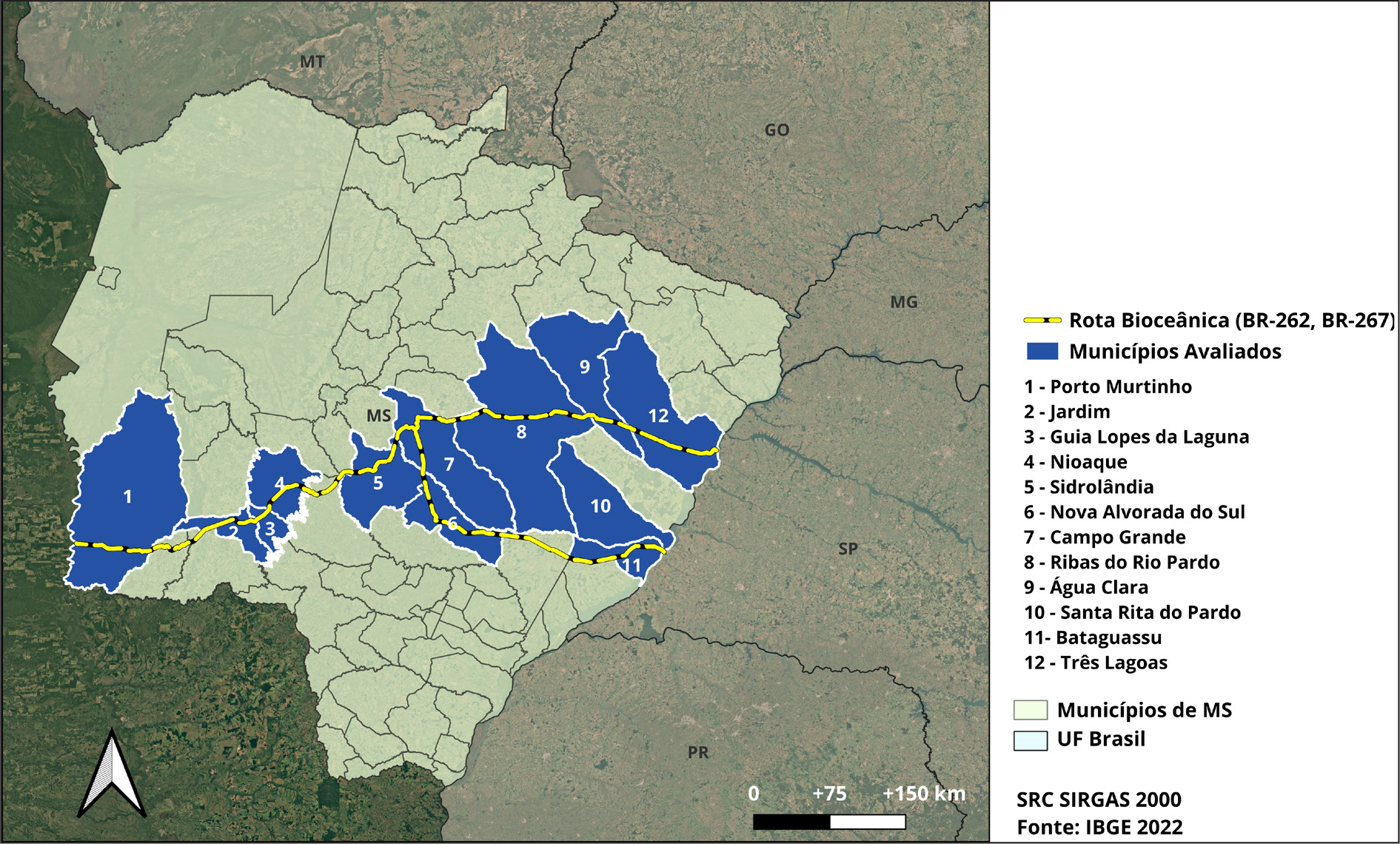 Source: Map prepared by the authors using QGIS software, version 3.34.13, based on cartographic layers from the Brazilian Institute of Geography and Statistics (IBGE), using the SIRGAS 2000 coordinate reference system (CRS).
 Source: Maps prepared by the authors using QGIS software, version 3.34.13, based on cartographic layers from the Brazilian Institute of Geography and Statistics (IBGE), using the SIRGAS 2000 coordinate reference system. AS = Acquired syphilis.