 Protocol for Improving Hypertension and Diabetes Control Through Lifestyle Intervention in a Cluster Randomized Clinical Trial
Abstract
Background: Hypertension and Diabetes Mellitus (DM) are prevalent chronic conditions and major risk factors for cardiovascular diseases. Adequate control of these conditions is challenging, and lifestyle changes are crucial to achieving better management.
Objectives: To evaluate the effectiveness of a multifaceted and multidisciplinary intervention to improve the control of hypertension and DM in the primary care setting.
Methods: This cluster randomized clinical trial focuses on lifestyle modifications for managing hypertension and DM, addressing gaps in current non-pharmacological interventions. Primary care professionals are trained to promote health education on physical activity and nutrition. Support is provided through a telementoring program, including messaging app communication, biweekly online meetings (teletutoring), and asynchronous teleconsultations. Primary care professionals conduct twice-weekly group activities with structured intensity adjustments and biweekly health education sessions using interactive methods like conversations, games, and group dynamics. For patients unable to join group activities, brief counseling and guidance on unsupervised physical activity are offered.
Results: The primary outcomes are blood pressure and glycated hemoglobin values. The innovative intervention program aims to empower primary care professionals and reduce barriers to care through lifestyle changes, improved health education, and support systems for both supervised and unsupervised interventions. Conclusions: Supporting primary care professionals through education and remote assistance can enhance the effectiveness of lifestyle interventions, contributing significantly to the control of hypertension and DM in primary care settings. Trial registration: Previously registered with ClinicalTrials.gov.
Keywords:
Hypertension; Glycemic Control; Exercise; Healthy Diet; Primary Health Care
Cardiovascular Diseases (CVD) remain a leading cause of mortality globally and in Brazil, contributing to nearly one-third of all deaths, imposing considerable social and financial burdens.1,2 It disproportionately impacts the most vulnerable segments of the population, characterized by significant challenges in accessing high-quality healthcare services.
Among the primary contributors to CVD, hypertension and Diabetes Mellitus (DM) stand out as major modifiable risk factors, both categorized as primary health care sensitive conditions.3 However, recent evidence has highlighted inadequate indicators regarding the quality of care for these conditions.4 In addition to hypertension and DM, other modifiable factors like dyslipidemia, poor dietary habits, and sedentary lifestyles play significant roles in the escalating number of deaths linked to CVD,5 mainly among individuals with limited financial resources.1
Regular physical activity contributes to a reduction in mortality from cardiovascular diseases and improves glycemic and blood pressure control.6 Engaging in any amount of PA is beneficial if meeting the minimum requirement of 150 min/week is challenging.6 However, a 2018 study conducted in a national sample of Brazilian adults showed that socioeconomic disparities significantly affected leisure-time physical activity.7

Protocol is a cluster randomized clinical trial evaluating a multifaceted, multidisciplinary intervention to improve hypertension and diabetes control in primary care.
It is also crucial to reduce sedentary behavior, defined as prolonged periods of sitting or lying down with energy expenditure of less than 1.5 MET (metabolic equivalent of task).8 The low muscular activity associated with sedentary behavior affects glucose and triglyceride metabolism, potentially leading to greater systemic inflammation and vascular dysfunction, thereby increasing the risk of CVD,9 and small and regular interruptions in sedentary behavior could potentially mitigate its impact on CVD mortality.8
The eating habits can also contribute to hypertension and DM control. Dietary risks were among the five leading health risk factors worldwide, according to the 2021 Global Burden of Disease (GBD) Study, and it was estimated that 37.6% of the global population was exposed to these risks. Causal relationships between dietary risk factors and hypertension, DM, and CVD can be direct, such as the higher risk of DM due to a diet low in vegetables, but can also occur due to mediation, such as a diet low in fruits leading to high systolic blood pressure, which in turn can lead to ischemic heart disease. Diets high in healthier food groups, such as in natura and minimally processed fruit, vegetables, nuts, legumes, fish, and dairy, are consistently associated with lower risks of mortality, CVD, myocardial infarction, and stroke.
Individuals with hypertension and/or DM should receive counseling on healthy eating from their primary care providers.4 This nutrition counseling should include a variety of unprocessed or minimally processed foods, moderate amounts of salt, fats, and free sugars, and consideration of individual needs, cultural aspects, and food availability.10 Nevertheless, in a study involving a representative sample of Brazilian adults with hypertension and Diabetes Mellitus (DM), the prevalence of healthy eating habits was notably low, and counseling on healthy eating was less frequently provided in public health services.11 In this context, it is essential to reframe health promotion strategies in primary care by leveraging the existing infrastructure and strengthening local teams to deliver sustainable and integrated interventions as part of routine care. It is also important to highlight the use of structured telementoring and teletutoring strategies—these activities are consistently focused on building local capacity through remote mentorship, rather than direct patient monitoring, as implied by "telemonitoring". Telemonitoring, instead, can be defined as "a sub-type of telehealth which uses audio, video, and other telecommunications and electronic information processing technologies to monitor patient status at a distance.12,13 Therefore, the present study aims to describe the development and structure of the lifestyle intervention component of the CHArMING protocol, designed to promote physical activity, healthy eating, and health education for patients with hypertension and DM in primary care within a resource-constrained setting.
Methods/design
Study design
This study is a substudy of the CHArMING Project (Control of Hypertension and Diabetes in Minas Gerais), a large-scale implementation study designed to evaluate the uptake and effectiveness of a multidimensional strategy for managing hypertension and Diabetes Mellitus (DM) in Brazilian primary care.14
The present study describes in detail the development of the component of the protocol focused on lifestyle change through physical activity, healthy eating, and health education for healthier habits in the primary care setting, targeting physical activity and healthy eating to improve hypertension and DM control.
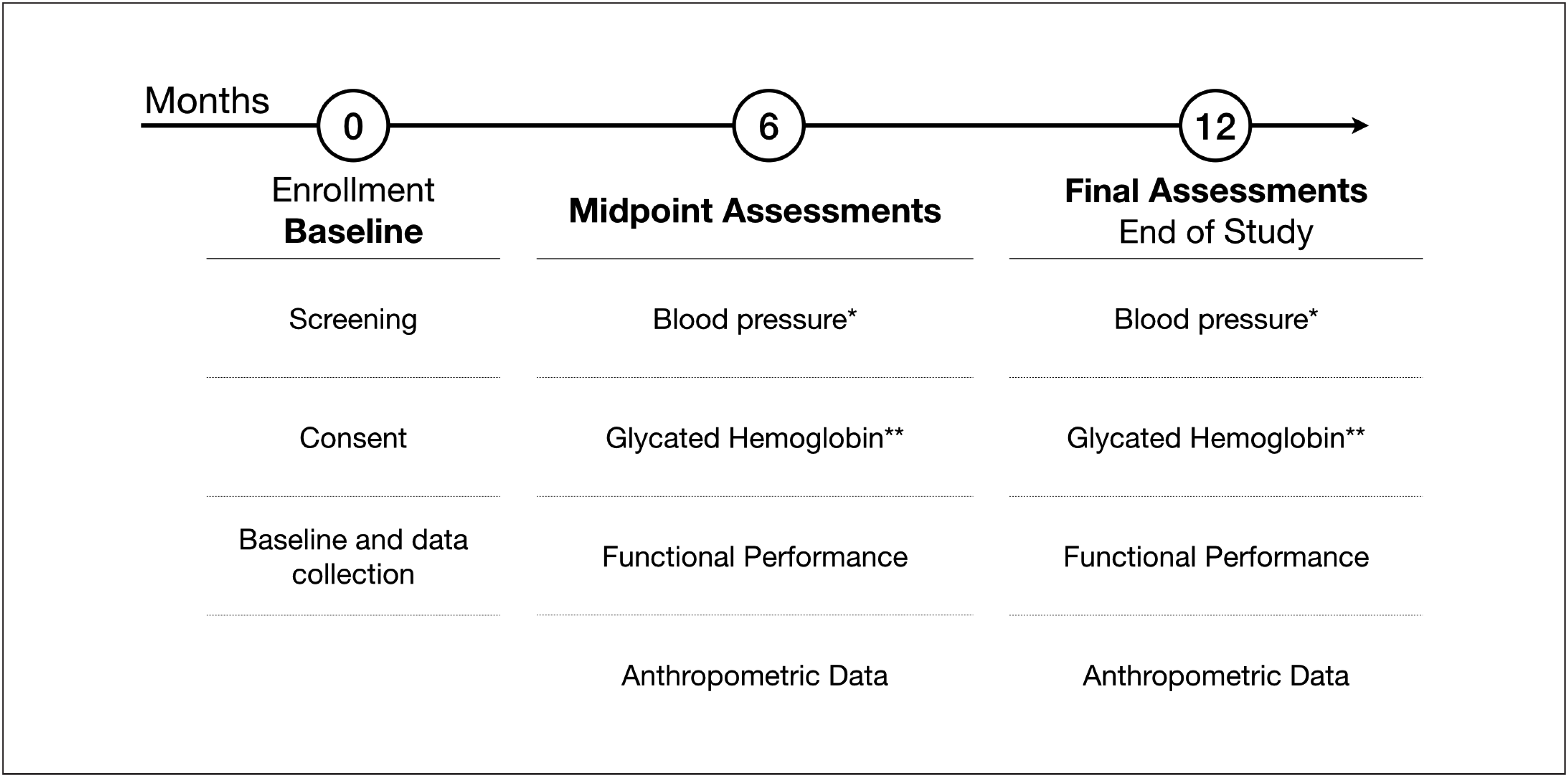
This is a parallel-group randomized controlled trial (RCT) with a 1:1 allocation ratio, designed to assess the superiority of lifestyle interventions over standard care. Data will be collected in community clinics across five underserved municipalities in Minas Gerais, Brazil. Eligible participants are adults aged 18 years and older with diagnosed hypertension or DM, excluding those with severe comorbidities or cognitive impairments. The patient sample size was based on baseline hypertension (33%) and DM (37%) control rates from an unpublished pilot study, targeting a 6% improvement after one year (power 0.80, significance 0.05, intra-cluster correlation 0.026). This required 34 primary care centers (17 per arm) with 148 participants each. With 35 centers across 5 municipalities, one extra unit was added to the intervention arm. Accounting for a 17.8% dropout rate, the expected sample size per unit is 180 participants. Recruitment will be supported by community outreach and local healthcare partnerships, with additional centers from nearby cities included if needed. Interventions may be adjusted or stopped for adverse events or participant requests. The study timeline and assessment schedule are presented in Figure 1.

Study Timeline and Assessment Schedule. This figure shows the timeline for enrollment, interventions, assessments, and visits. Enrollment includes screening, consent, and baseline data collection. The 12-month intervention involves biweekly supervised physical activity and monthly health education for the intervention group, while the control group receives usual care. Assessments at baseline, 6, and 12 months include blood pressure*, glycated hemoglobin, functional performance, and anthropometric data. **All glycated hemoglobin measurements will be processed in a single, centralized laboratory using standardized procedures to ensure consistency and reliability of the results.
Multifaceted approach
Intervention includes physical activity, dietary counseling, and health education over 12 months (Central Illustration). The approach, developed by a diverse team of experts (physicians, nurses, physiotherapists, registered dietitians, physical education professionals, and psychologists), encompasses a variety of strategies aimed at encouraging physical activity, healthy eating, and educational initiatives to foster healthy lifestyle habits. All participants continue their usual antihypertensive and antidiabetic medications. In the intervention arm, the decision-support system may recommend adjustments to pharmacotherapy in response to uncontrolled blood pressure or glycemic excursions. In the control arm, clinicians are free to adjust medications according to standard practice. No study-mandated medication changes occur outside these clinically driven processes.
The strategy for lifestyle modifications is based on the Transtheoretical Model of behavioral change, which considers population and professional readiness to change, emphasizing self-care and mental health to identify individual stages of change and implement strategies for lifestyle modifications.15
The intervention for promoting healthy eating was based on the Dietary Guidelines for the Brazilian Population and the Framework of Reference of Food and Nutrition Education for Public Policies, with adaptations for individuals with hypertension and/or DM.16 Two publications by the Brazilian Ministry of Health also contributed to the healthy eating protocol: the guides on group work methodology for nutrition in primary care and collective obesity management in SUS.17
The primary care professionals participated in workshops18 in which we covered various subjects that should be addressed with group participants, including the NOVA classification of foods.16 Additionally, the healthy eating protocol recommends professionals identify obstacles and facilitators for changing eating habits among patients, pinpoint trustworthy sources for healthy eating information, and integrate meal planning and cooking as key strategies to initiate and maintain healthy eating practices.16-20 Scripts for the group sessions dealing with food and nutrition education were based on guidelines and official publications by the Brazilian Ministry of Health.11,20 Primary care professionals were advised to adapt them according to the local resources and participants’ needs.
The guidelines and activities related to physical activity are based on guidelines and official publications by the Brazilian Ministry of Health.6 Adherence will be monitored via attendance logs, participant diaries, and regular follow-up calls. Regular follow-ups, engagement activities, and support services will help maintain participant retention throughout the trial. Data will be entered electronically with built-in validation rules, securely stored, and encrypted to ensure confidentiality.
The main focus to enhance sustainability is on qualifying primary care professionals, empowering them to lead supervised group sessions for lifestyle changes, including physical activity and food and nutrition education, as well as to provide proper advice for unsupervised physical activities.16,21,22
Evaluation of the patients’ eating habits, physical activity level and sedentary behavior, and brief counseling on physical activity
In-person data collection will be employed for assessing participants’ eating habits, using a validated instrument from the Brazilian Food and Nutrition Surveillance System (SISVAN). Self-reported intake of in natura, minimally processed, and ultra-processed foods will be assessed based on the following food intake markers: (i) beans, fruit, and vegetables (healthy); (ii) burgers, sugar-sweetened beverages, instant noodles, and cookies (unhealthy). Meals eaten on a usual day (breakfast; lunch; dinner; snacks between meals) and the habit of eating in front of screens will also be assessed.
Telephone surveys will be used to assess physical activity and sedentary behavior, and to reinforce adherence to the non-pharmacological intervention among participants of the intervention arm. Each interview will be conducted by trained undergraduate medical or physical education students, under the supervision of the multidisciplinary team. The questionnaire is based on the VIGITEL 2023 survey.23 covering physical activity in leisure, commuting, occupational, and domestic domains, and screen time, which is associated with sedentary behavior (Table 1). Participants from the intervention group will also receive brief counseling to promote their engagement with regular physical activity.
All participants will continue to receive standard care as defined by the Brazilian National Primary Care Health Policy. This includes routine medical check-ups, laboratory tests, medication prescriptions, and other standard medical treatments for hypertension and DM. Interventions may be discontinued due to adverse events, participant requests, or medical contraindications and modified for dose adjustments, intervention intensity, behavioral needs, or disease status changes.
Intervention Description
Physical activity promotion
The non-pharmacological intervention comprises a thorough assessment of the patients, conducted by the primary care professionals, to identify any potential restrictions or contraindications for performing physical activities. All patients will undergo a medical evaluation and will have an electrocardiogram locally recorded and remotely interpreted by the Telehealth Network of Minas Gerais cardiology team.24 The primary care physicians received online training regarding this preparticipation assessment and will have the opportunity to discuss any doubts through teleconsultations with an experienced cardiologist.
All primary care professionals from the intervention group received comprehensive guidance on how to conduct physical activity counseling.21 The physical activity plan was designed to encompass two key components: 1. Supervised sessions conducted by the local physical therapists and physical education professionals; 2. Unsupervised activities performed under the primary care professional's advice. The unsupervised activities allow the patients to engage and promote autonomy and empower participants to incorporate physical activity into their daily lives, encouraging long-term adherence and self-management of healthy behaviors.
Supervised physical activities
The physical activity protocol includes aerobic, resistance, and flexibility exercises. Sessions begin with blood pressure and blood glucose checks (for insulin users), followed by a 10-minute warm-up, 30 minutes of moderate-intensity aerobic exercise, and 15 minutes of resistance training. Resistance exercises consist of three sets of 10 repetitions or two sets of six, targeting major muscle groups in the lower limbs, upper limbs, and core, with 1-minute rests. The final 5 minutes focus on flexibility, balance, and cool-down. Primary care professionals are encouraged to set gradual goals to progressively advance the program. This program intends to enhance the FITT principle (frequency, intensity, time, and type of activity) for optimal results.
The proposed schedule for the supervised physical activity sessions is shown in Table 2. The progression of supervised physical exercise sessions will be based on the guidelines outlined, while the progression of supervised resistance exercises (strength) can be found in Supplementary Table 1. Professionals will be trained in physical training principles: individual differences, overload, reversibility, and specificity.25
To adjust the exercise's intensity and complexity, professionals will be trained to use the Rate of Perceived Exertion (RPE) scale (adapted Borg scale, 0-10)26 and/or the talk test.27 It allows individuals to adjust their exercise intensity based on their ability to hold a conversation comfortably.
For individuals with high cardiovascular risk, light to moderate exercise intensity is recommended, determined in consultation with a healthcare provider. Those with moderate risk can engage in moderate to high intensity, with gradual adaptation leading to increased repetitions or weight while maintaining a consistent Borg scale rating (e.g., intensity level 3). Supervising professionals must document adverse events to the local project committee for review, risk mitigation, and continuous intervention improvement to ensure participant safety.
Unsupervised physical activities
Participants will receive brief counseling21 and motivation from primary care professionals. The recommendation for unsupervised physical activities will be designed to prioritize individuality and autonomy. This counseling will be reinforced during consultations with healthcare professionals, as well as during the domiciliary visits of the Community Health Worker (CHW). Examples of unsupervised activities may include home exercise suggested as "snacks exercise", domestic physical activities (housework, yard work, child care), and active transport (walking or bicycling). The "snacks exercises"28,29 advocates for the integration of brief, moderate to high-intensity physical activities into daily routines, enabling individuals in such areas to reap the benefits of exercise despite the lack of conventional gym infrastructure or certified fitness professionals.
To facilitate understanding, we have developed a set of photos with straightforward guidance (Supplementary Figure 1). This material will be printed and distributed, and will also be available in a digital card format for mobile phones or tablets.
Each participant will complete a monthly calendar indicating daily physical activity, specifying the type (aerobic or strength), duration, and perceived exertion using illustrative drawings. The calendars must be submitted monthly to any primary care team member, regardless of activity type, and will be archived for later analysis by the local committee.
Health education groups
The intervention consists of two 60-minute sessions per week for one year, totaling 96 sessions. The topics will provide participants with knowledge and practical advice to adopt and maintain a healthy lifestyle. Of these, 24 will focus on food and nutrition education, while the others will address healthy habits, such as smoking cessation and alcohol abstinence.
Primary care professionals will lead the group sessions using structured formats. Health professionals involved include nurses, physicians, CHWs, registered dietitians, physical therapists, physical education professionals, and social workers, all of them trained through online and in-person courses. They will apply interactive strategies such as conversation circles, games, group dynamics, brainstorming, cooking demonstrations, taste tests, and case discussions to ensure engaging and practical learning (Supplementary Table 2).17,20 These professionals will tailor activities to participants’ needs, provide continuous support, and ensure safety and effectiveness throughout the intervention.
Nutrition education will address barriers and facilitators to healthy eating, the NOVA food classification, food myths and truths in hypertension/DM, mindful eating, hunger and satiety cues, cooking skills, ingredient moderation (salt, sugar, oils), portion sizes, and personalized action planning. Instead of individual meal plans, the focus is on promoting autonomy and lifestyle changes. General guidance on healthy eating will also be reinforced during individual appointments and home visits.
This intervention trains primary care professionals to promote healthy eating and autonomy among participants with a person-centered approach instead of developing individual dietary prescriptions. Furthermore, all professionals were trained to also provide general information on healthy eating during individual appointments and home visits, and, if necessary, refer the individual for personalized nutrition counseling by registered dietitians when needed.
Teletutoring
Support is provided through a teletutoring program, including biweekly 60-minute videoconferences and communication via messaging app. The sessions will be led by two tutors and a research nurse from the CHArMING Project multidisciplinary team, supporting each municipality's staff in planning and conducting intervention activities, as well as guidance about how to do "brief counseling".21 Participants will include a nurse and one additional staff member (CHW or nurse technician) from each primary care center, selected by local health managers. WhatsApp groups will be created for each municipality. They will be used as a mentoring tool and to share complementary materials, reminders, and videoconference links, along with the tutoring schedule agreed upon with municipal leadership.
Teleconsultation
An asynchronous teleconsultation service will be available for additional support. Teleconsultation involves remote consultations between health professionals using telecommunication tools to address clinical, health-related, and work process questions.24
Healthcare professionals from primary care centers (doctors and nurses) will be able to access teleconsultation with specialists via the "CHArMING Project DSS" software, redirecting them to the https://telessaude.hc.ufmg.br/charming website. Primary care professionals will be able to submit queries for clinical decision-making or theoretical references. Physicians may consult specialists in cardiology, endocrinology, nursing, and nutrition, while nurses may consult nursing and nutrition specialists. Responses will be provided within 72 hours. All data is encrypted and accessible only to authorized personnel, adhering to data protection laws.
Implementation of the intervention
This component of the CHArMING protocol intervention will be implemented through online lectures and workshops. Participants’ inclusion and exclusion criteria and intervention outcomes were described in detail elsewhere.14
Strategies for intervention retention and sustainability
This evidence-based protocol was developed to support sustainable lifestyle changes in PHC, including professional training, biweekly mentoring, community events, and ongoing monitoring. The intervention ends with a local exhibition and dissemination of results through publications, conferences, and an open-access brochure to ensure wide applicability.
Ethics
The study was approved by the Brazilian National Research Ethics Commission (CAAE 55598822.0.0000.5149), registered with ClinicalTrials.gov (NCT05660928), and adheres to the WHO Trial Registration Data Set for transparency and international compliance. All patients and primary care professionals provided written informed consent to participate.
Statistical analysis
Statistical analyses will be performed to evaluate the primary and secondary outcomes of the study, following the intention-to-treat principle. Given the cluster-randomized design, analyses will account for intra-cluster correlation using appropriate methods, such as mixed-effects models or generalized estimating equations, depending on the distribution and structure of the data. Summary statistics (means and standard deviations or medians and interquartile ranges for continuous data, and proportions for counts) will be used to describe baseline characteristics and outcome measures. Additional analyses may include predefined subgroup comparisons and sensitivity analyses, and missing data will be handled using appropriate methods based on the observed patterns. A significance level of 5% (p < 0.05) will be adopted for all hypothesis tests.
Conclusion and outlook
The CHArMING protocol project seeks to improve the management of patients with DM and hypertension in underserved municipalities through a multifaceted intervention that integrates lifestyle promotion, digital health tools, and continuous professional and patient education in primary care. By encouraging changes in lifestyle, the protocol seeks to reduce blood pressure and glycated hemoglobin, ultimately improving health outcomes in regions with low human development indices.
The intervention includes supervised and unsupervised physical activities, health education, autonomy-focused nutrition counseling, and telehealth strategies such as clinical decision support systems, teleconsultations, and patient messaging. This comprehensive approach fosters adherence, empowers patients, and enhances provider decision-making.
Challenges are anticipated, including limited infrastructure, low health literacy, and barriers to access in rural areas. To address these, the protocol incorporates remote training, mentoring, and accessible educational resources for healthcare teams and patients.
If effective, this model may serve as a scalable and sustainable strategy for promoting healthy behaviors in vulnerable populations. It offers practical tools to strengthen primary care, reduce the burden of chronic diseases, and guide future public health policies in similar settings.
Sources of Funding
Study Association
Ethics Approval and Consent to Participate
Use of Artificial Intelligence
Availability of Research Data
The underlying content of the research text is contained within the manuscript.
References
-
1 Brant LCC, Nascimento BR, Veloso GA, Gomes CS, Polanczyk C, Oliveira GMM, et al. Burden of Cardiovascular Diseases Attributable to Risk Factors in Brazil: Data from the "Global Burden of Disease 2019" Study. Rev Soc Bras Med Trop. 2022;55(suppl 1):e0263. doi: 10.1590/0037-8682-0263-2021.
» https://doi.org/10.1590/0037-8682-0263-2021 -
2 Oliveira GMM, Brant LCC, Polanczyk CA, Malta DC, Biolo A, Nascimento BR, et al. Cardiovascular Statistics - Brazil 2023. Arq Bras Cardiol. 2024;121(2):e20240079. doi: 10.36660/abc.20240079.
» https://doi.org/10.36660/abc.20240079 -
3 Oliveira AP, Maia EG, Silva FM, Martins APB, Claro RM. Needed Improvements in Diabetes Prevention and Management in Brazil. Prev Chronic Dis. 2018;15:E153. doi: 10.5888/pcd15.180269.
» https://doi.org/10.5888/pcd15.180269 -
4 Neves RG, Duro SMS, Nunes BP, Facchini LA, Tomasi E. Health Care for People with Diabetes and Hypertension in Brazil: Cross-Sectional Study of Program for Improving Access and Quality of Primary Care, 2014. Epidemiol Serv Saude. 2021;30(3):e2020419. doi: 10.1590/S1679-49742021000300015.
» https://doi.org/10.1590/S1679-49742021000300015 -
5 Ding D, Van Buskirk J, Nguyen B, Stamatakis E, Elbarbary M, Veronese N, et al. Physical Activity, Diet Quality and All-Cause Cardiovascular Disease and Cancer Mortality: A Prospective Study of 346 627 UK Biobank Participants. Br J Sports Med. 2022:bjsports-2021-105195. doi: 10.1136/bjsports-2021-105195.
» https://doi.org/10.1136/bjsports-2021-105195 - 6 Brasil. Ministério da Saúde. Guia de Atividade Física para a População Brasileira. Brasília : Ministério da Saúde, 2021.
-
7 Silva ICM, Mielke GI, Bertoldi AD, Arrais PSD, Luiza VL, Mengue SS, et al. Overall and Leisure-Time Physical Activity among Brazilian Adults: National Survey Based on the Global Physical Activity Questionnaire. J Phys Act Health. 2018;15(3):212-8. doi: 10.1123/jpah.2017-0262.
» https://doi.org/10.1123/jpah.2017-0262 -
8 Lavie CJ, Ozemek C, Carbone S, Katzmarzyk PT, Blair SN. Sedentary Behavior, Exercise, and Cardiovascular Health. Circ Res. 2019;124(5):799-815. doi: 10.1161/CIRCRESAHA.118.312669.
» https://doi.org/10.1161/CIRCRESAHA.118.312669 -
9 Damluji AA, Alfaraidhy M, AlHajri N, Rohant NN, Kumar M, Al Malouf C, et al. Sarcopenia and Cardiovascular Diseases. Circulation. 2023;147(20):1534-53. doi: 10.1161/CIRCULATIONAHA.123.064071.
» https://doi.org/10.1161/CIRCULATIONAHA.123.064071 - 10 World Health Organization. HEARTS Technical Package for Cardiovascular Disease Management in Primary Health Care: Risk Based CVD Management. Geneva: World Health Organization., 2020.
-
11 Szwarcwald CL, Souza PRB Jr, Damacena GN, Stopa SR, Barros MBA, Malta DC. Healthy Lifestyle and Recommendations in Health Care among Hypertensive and Diabetic Patients in Brazil, 2019. Rev Bras Epidemiol. 2021;24(suppl 2):e210017. doi: 10.1590/1980-549720210017.supl.2.
» https://doi.org/10.1590/1980-549720210017.supl.2 -
12 Ehrhardt N, Bouchonville M, Peek ME, Thomas CC, Zou T, Cuttriss N, et al. Telementoring with Project ECHO: A New Era in Diabetes-Related Continuing Education for Primary Care to Address Health Disparities. J Diabetes Sci Technol. 2023;17(4):916-24. doi: 10.1177/19322968231155150.
» https://doi.org/10.1177/19322968231155150 -
13 Jurman P, Shafei I. Investigating Telemonitoring Practice: A Proposed Work-Applied Methodology. J Work-appl Manag. 2016;8(1):29-55. doi: 10.1108/jwam-03-2016-0004.
» https://doi.org/10.1108/jwam-03-2016-0004 -
14 Fonseca SF, Ribeiro ALP, Cimini CCR, Soares TBC, Delfino-Pereira P, Nogueira LT, et al. Scale Up of Implementation of a Multidimensional Intervention to Enhance Hypertension and Diabetes Care at the Primary Care Setting: A Protocol for a Cluster-Randomized Study in Brazil. Am Heart J. 2023;262:119-30. doi: 10.1016/j.ahj.2023.04.006.
» https://doi.org/10.1016/j.ahj.2023.04.006 -
15 Prochaska JO, Di Clemente CC. Transtheoretical Therapy: Toward a More Integrative Model of Change. Psychotherapy. 1982;19(3):276-88. doi: 10.1037/h0088437.
» https://doi.org/10.1037/h0088437 - 16 Brasil. Ministério da Saúde. Guia Alimentar para a População Brasileira.
- 17 Brasil. Ministério da Saúde. Instrutivo de Abordagem Coletiva para Manejo da Obesidade no SUS. Brasília: Ministério da Saúde; 2021.
-
18 Soares TBC, Santos PLC, Moura RMF, Motta-Santos D, Gonçalves R, Pereira PD, Pereira DN, Oliveira CRA et al. Innovative Health Education Strategies: Training Professionals in Hypertension and Diabetes Care in Primary Health Care. Int J Cardiovasc Sci. 2025; 38:e20240211. doi: 10.36660/ijcs.20240211
» https://doi.org/10.36660/ijcs.20240211 - 19 Brasil. Ministério da Saúde. Orientações para Avaliação de Marcadores de Consumo Alimentar na Atenção Básica. Brasília: Ministério da Saúde; 2015.
- 20 Brasil. Ministério da Saúde. Instrutivo: Metodologia de Trabalho em Grupos para Ações de Alimentação e Nutrição na Atenção Básica. Brasília: Ministério da Saúde; 2016.
- 21 Brasil. Ministério da Saúde. Guia de orientação para o aconselhamento breve sobre atividade física na Atenção Primária à Saúde (APS) do Sistema Único de Saúde (SUS). Brasília: Ministério da Saúde: 2022.
- 22 Brasil. Ministério da Saúde. Estratégias para o Cuidado da Pessoa com Doença Crônica: Hipertensão Arterial Sistêmica. Brasília: Ministério da Saúde; 2013.
- 23 Brasil. Ministério da Saúde. Vigitel Brasil 2023: vigilância de fatores de risco e proteção para doenças crônicas por inquérito telefônico: estimativas sobre frequência e distribuição sociodemográfica de fatores de risco e proteção para doenças crônicas nas capitais dos 26 estados brasileiros e no Distrito Federal em 2023. Brasília: Ministério da Saúde; 2023.
-
24 Marcolino MS, Figueira RM, Santos JPA, Cardoso CS, Ribeiro AL, Alkmim MB. The Experience of a Sustainable Large Scale Brazilian Telehealth Network. Telemed J E Health. 2016;22(11):899-908. doi: 10.1089/tmj.2015.0234.
» https://doi.org/10.1089/tmj.2015.0234 -
25 Egan B, Sharples AP. Molecular Responses to Acute Exercise and their Relevance for Adaptations in Skeletal Muscle to Exercise Training. Physiol Rev. 2023;103(3):2057-170. doi: 10.1152/physrev.00054.2021.
» https://doi.org/10.1152/physrev.00054.2021 - 26 Borg GA. Psychophysical Bases of Perceived Exertion. Med Sci Sports Exerc. 1982;14(5):377-81.
- 27 Foster C, Porcari JP, Ault S, Doro K, Dubiel J, Engen M, et al. Exercise Prescription when there is no Exercise Test: The Talk Test. Kinesiology. 2018;50(Suppl 1):33-48.
-
28 Islam H, Gibala MJ, Little JP. Exercise Snacks: A Novel Strategy to Improve Cardiometabolic Health. Exerc Sport Sci Rev. 2022;50(1):31-7. doi: 10.1249/JES.0000000000000275.
» https://doi.org/10.1249/JES.0000000000000275 -
29 Francois ME, Baldi JC, Manning PJ, Lucas SJ, Hawley JA, Williams MJ, et al. ‘Exercise Snacks’ Before Meals: A Novel Strategy to Improve Glycaemic Control in Individuals with Insulin Resistance. Diabetologia. 2014;57(7):1437-45. doi: 10.1007/s00125-014-3244-6.
» https://doi.org/10.1007/s00125-014-3244-6
*Supplemental Materials
For additional information 1, please click here.
Supplementary Table 1
For additional information 2, please click here.
Supplementary Table 2
For Supplementary Figure 1, please click here.