A
Female, 77 years old Asymptomatic patient, with the finding of a 6cm staghorn stone in the left kidney. No pain. No emergency room visits. Performs household tasks and helps care for her grandchildren. CT scan shows kidney with good parenchyma (18mm) and slight dilation. ASA III, Creatinine 0.9 (creatinine clearance 66). Negative urine culture.
B
Female, 40 years old Cystitis (2 to 3 per year) and occasional bilateral lower back pain for a year, uses dipyrone with improvement. Reports finding of kidney stone on routine ultrasound. No emergency room visits but is very worried about her health as she has two young children. CT - left kidney with incomplete 4 cm staghorn stone, good parenchyma (18mm), and slight dilation. Right kidney normal. ASA I, Creatinine 1.0 (creatinine clearance 73). Urine culture with E. coli > 100,000 CFU and resistance to oral medications.
C
Male, 35 years old Right kidney pain for 3 months. Weekly visits to the ER, with worsening in the last two weeks. Using daily home analgesia with severe pain. Unable to work, cries from pain during consultation. Very worried, fears losing his job as he is the family's sole provider. CT with 2.5 cm obstructive right pelviureteric stone, with moderate hydronephrosis, delayed contrast excretion, and significant peri-pelvic inflammation. ASA I, Creatinine 1.4 (creatinine clearance 67). Negative urine culture.
D
Male, 35 years old With right kidney pain for 3 months. Weekly ER visits, with worsening in the last two weeks. During last ER visit 7 days ago, underwent right double J stent placement for colic. Now the pain is controlled, only feels mild discomfort when voiding and hematuria when playing soccer. Using sporadic home analgesia. Has been able to work. Worried as he has a double J and was told it could calcify soon. CT with 3 cm right pelviureteric stone, mild hydronephrosis, and well-placed double J. ASA I, Creatinine 1.4 (creatinine clearance 67). Negative urine culture.
E
Male, 20 years old History of cystine kidney stones since childhood, previously underwent right nephrectomy for renal exclusion due to pyonephrosis, now with intermittent and moderate left lower back pain for 3 months. Takes analgesics with good control but misses college classes 1 to 2 times a week due to pain. The family was very concerned about the possibility of him losing this kidney and becoming dialytic. CT with single left kidney, multiple calyx stones up to 1 cm and a 2 cm pelviureteric stone, parenchyma with areas of retraction, moderate dilation ASA II, Creatinine 2.0 (creatinine clearance 48). Negative urine culture.
F
Female, 56 years old History of recurrent kidney stones for 15 years, with bilateral lower back pain for 1 year and recurrent UTIs. Monthly emergency room visits due to severe pain and infection. Previously underwent bilateral percutaneous nephrolithotomy, having residual stones. Patient depressed as she sees no solution for her case, does not leave the house anymore. CT with incomplete bilateral staghorn stone, parenchyma with areas of retraction and moderate dilation to the left. ASA III, BMI 48, AMI 12 months ago, on clopidogrel, chronic hearth failure with ejection fraction of 50%. Creatinine 2.0 (creatinine clearance 29) and Urine culture with Carbapenem-resistant Escherichia coli.
G
Female, 56 years old History of recurrent kidney stones for 15 years, with bilateral lower back pain for 1 year and recurrent lower UTIs. Had an episode of obstructive pyelonephritis on the left 15 days ago, underwent percutaneous nephrostomy and antibiotic therapy. Patient with mild and constant pain at the nephrostomy site, unable to work, as she is a cook. CT with incomplete bilateral staghorn stone, parenchyma with areas of retraction and well-placed left nephrostomy. ASA II, BMI 42. Creatinine 1.6 (creatinine clearance 38). Negative urine culture.
H
Female, 56 years old. Patient with complete left staghorn stone, underwent PCNL 1 week ago, surgery interrupted by bleeding, currently with nephrostomy. 60% of the calculus mass was treated and new surgery is needed. Has moderate pain at the nephrostomy site and is unable to work. ASA II, BMI 35. Creat 1.2 (creatinine clearance 53), hemoglobin 12, and negative urine culture.
I
Female, 70 years old History of recurrent UTI for 5 years. Had a severe case of pyelonephritis 9 months ago, requiring ICU. CT at the time showed an incomplete 4cm left staghorn stones, obstructive, with signs of acute pyelonephritis. Underwent left double J stent placement and antibiotic therapy, with improvement. Returns now, with mild and occasional lower back pain, uses dipyrone with improvement, and mild but daily hematuria and dysuria. Stroke 5 years ago, partial hemiplegia, moves with difficulty, requires a caregiver at home for regular activities. Family very concerned about the situation, saying the double J was forgotten in the patient and now her condition is worse, and that the hospital should be held responsible. Current CT shows left kidney with the same renal stone, but with a 5 cm double J calcified in the bladder and the kidney, near the stone. ASA III. Creatinine 0.9 (creatinine clearance 69) and urine culture with multi-sensitive Proteus and Candida.
J
Female, 35 years old History of recurrent UTI since childhood. History of myelomeningocele and neurogenic bladder, performs clean intermittent catheterization every 4 hours. Moves with a wheelchair, works, and has one child. No pain and no need for emergency services, but requires frequent consultations that disrupt her daily life. Concerned about the possibility of losing her kidney. CT shows right kidney with complete staghorn stone, moderate hydronephrosis, signs of parenchymal and cortical retraction of 10mm, DMSA of this kidney at 25%. Left kidney without calculi, with good parenchyma. ASA II. Creat 1.1 (creatinine clearance 67) and negative urine culture.
K
Male, 18 years old Right double J placed 1 month ago due to refractory renal colic from a 1cm proximal ureteral stone. History of kidney stones for 2 years, previously underwent 2 shock wave lithotripsies and 1 percutaneous nephrolithotomy. No UTIs. Previous stone analysis confirmed Cystine. Constant and severe pain due to double J, missing classes, and may fail the year in college due to pain absences. Ultrasound with mild right hydronephrosis and multiple calculi up to 2 cm. DMSA right kidney 30% ASA II, BMI 16. Creat 1.8 (creatinine clearance 41), Hb 12, negative urine culture.
L
Male, 46 years old Bilateral renal colic for 30 days, with recurrent hospitalizations due to pain and general condition decline. Double J passed 1 week ago due to acute post-renal renal failure. Constant moderate intensity pain by the catheter, missed work once due to discomfort. CT with bilateral ureteral calculi (7 and 9mm) and well-placed bilateral double J. Right pelviureteric stone of 3 cm. ASA I. Cr 1.1 (creatinine clearance 63). Negative urine culture.
SCQ SCORE
0 - 18
Infecção na inclusão ou enquanto está na lista de espera: sepse, pielonefrite, pionefrose (ITUs baixas são excluídas)
Obstrução do TUS: dilatação moderada ou severa de, ao menos, um cálice renal sem derivação urinária ou apesar de ter derivação. Todos os exames de imagem disponíveis devem ser avaliados.
Tempo de permanência de derivação urinária (duplo-J ou nefrostomia percutânea): desde sua primeira colocação, em meses.
Novas internações ao hospital enquanto está na lista de espera, relacionado ao caso do cálculo
Sintomas na inclusão ou enquanto está na lista de espera, relaciona ao cálculo (sintomas da derivação incluídos): hematúria, dor lombar, ITUs baixas recorrentes, disúria. Inclui pacientes precisando de afastamento ou dependentes de cuidado devido aos cálculos.
Cálculo localizado no ureter
Cálculo em rim único, tanto anatômico ou funcional (FRD < 15%) ou em rim sub-ótimo (FRD < 35%, se não houver DMSA disponível, responder NÃO)
Doença renal crônica (DRC): RFG menor que 60 mL/min. por 3 meses ou mais. RFG calculado usando a equação CKD-EPI, disponível em https://senefro.org/modules.php?name=calcfg
NPC: paciente portando nefrostomia percutânea
S/N - sim/não; DJ - duplo J; FRD - função renal diferencial; TUS - trato urinário superior; ITUs - infecções do trato urinário; CKD-EPI - Chronic Kidney Disease Epidemiology Collaboration
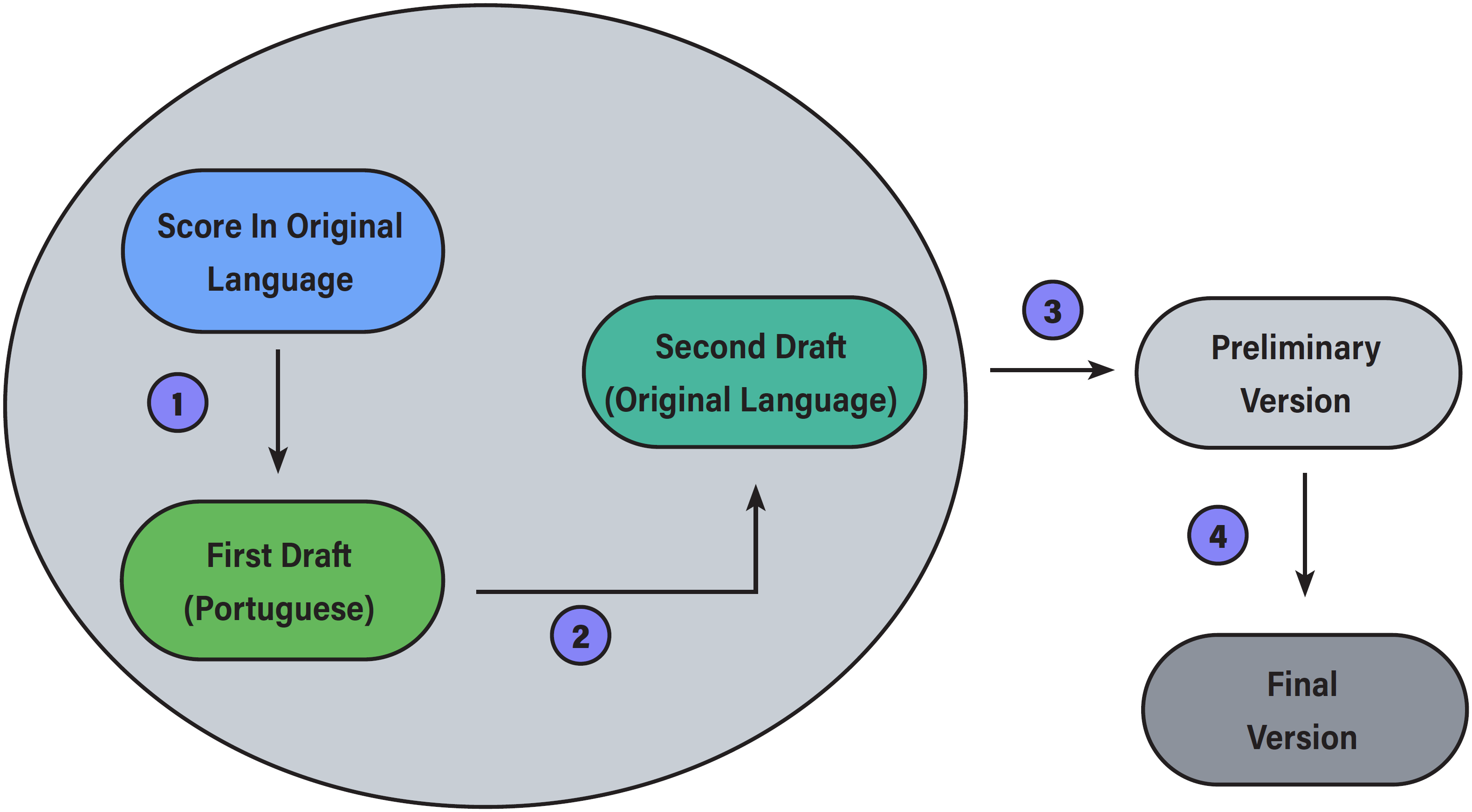
 First Step to Equity and Organization in Waiting Lines for Stone Surgery. Translation of Prioritization Scores
 Thumbnail