 New Evidence on an old Question: a Meta-Analysis of Wallace versus Bricker Anastomoses
Purpose: This meta-analysis compares the efficacy and safety of the Bricker and Wallace techniques, focusing on updating previously unassessed clinical outcomes to inform surgical decision-making.
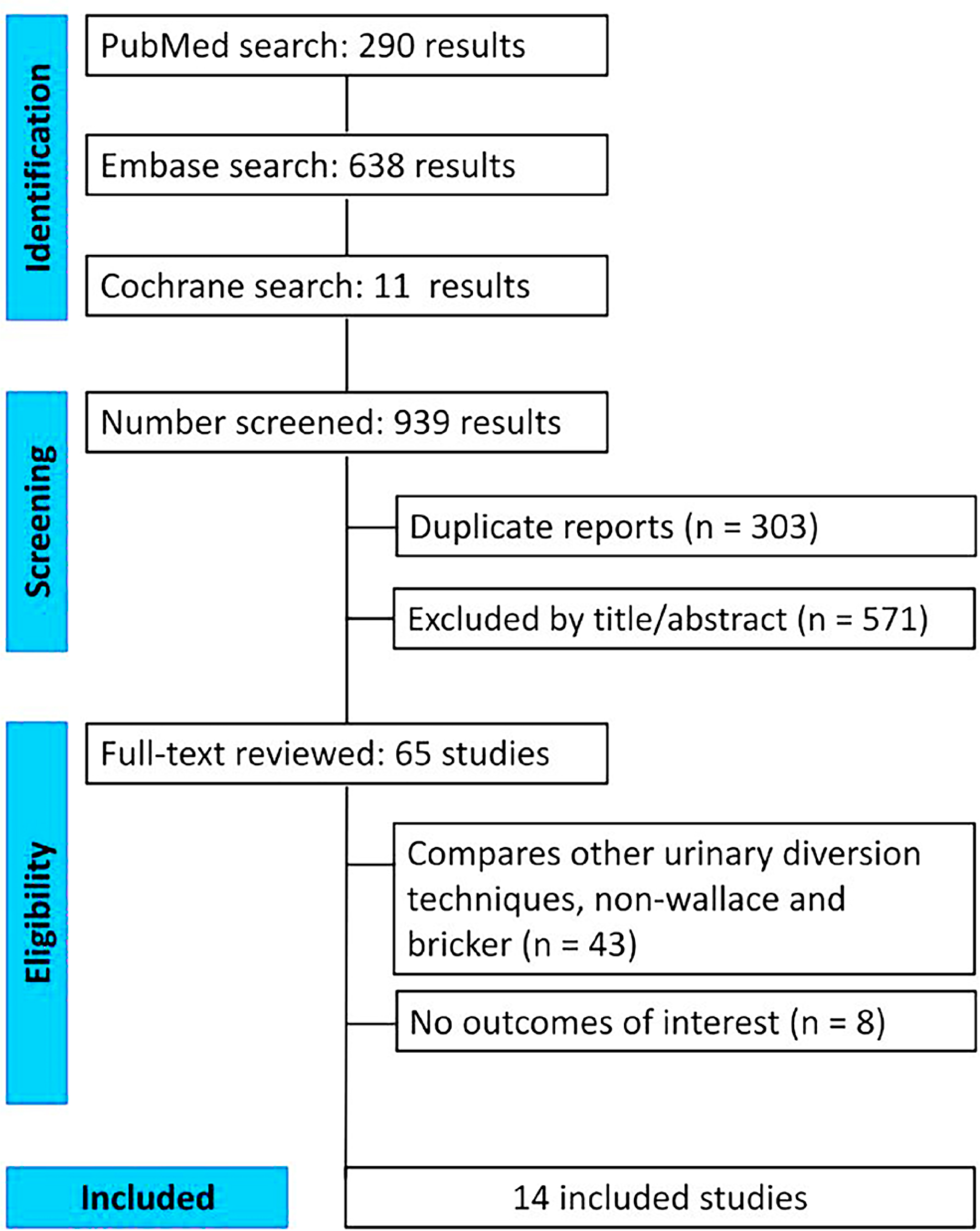
Material and Methods: A systematic review and meta-analysis followed PRISMA and Cochrane guidelines, with the protocol in PROSPERO (CRD42024621076). Searches in MEDLINE/PubMed, EMBASE, and Cochrane Library included Randomized Clinical Trials and cohort studies comparing both anastomosis techniques. Analyses used Odds Ratio (OR) and mean differences with a random-effects model.
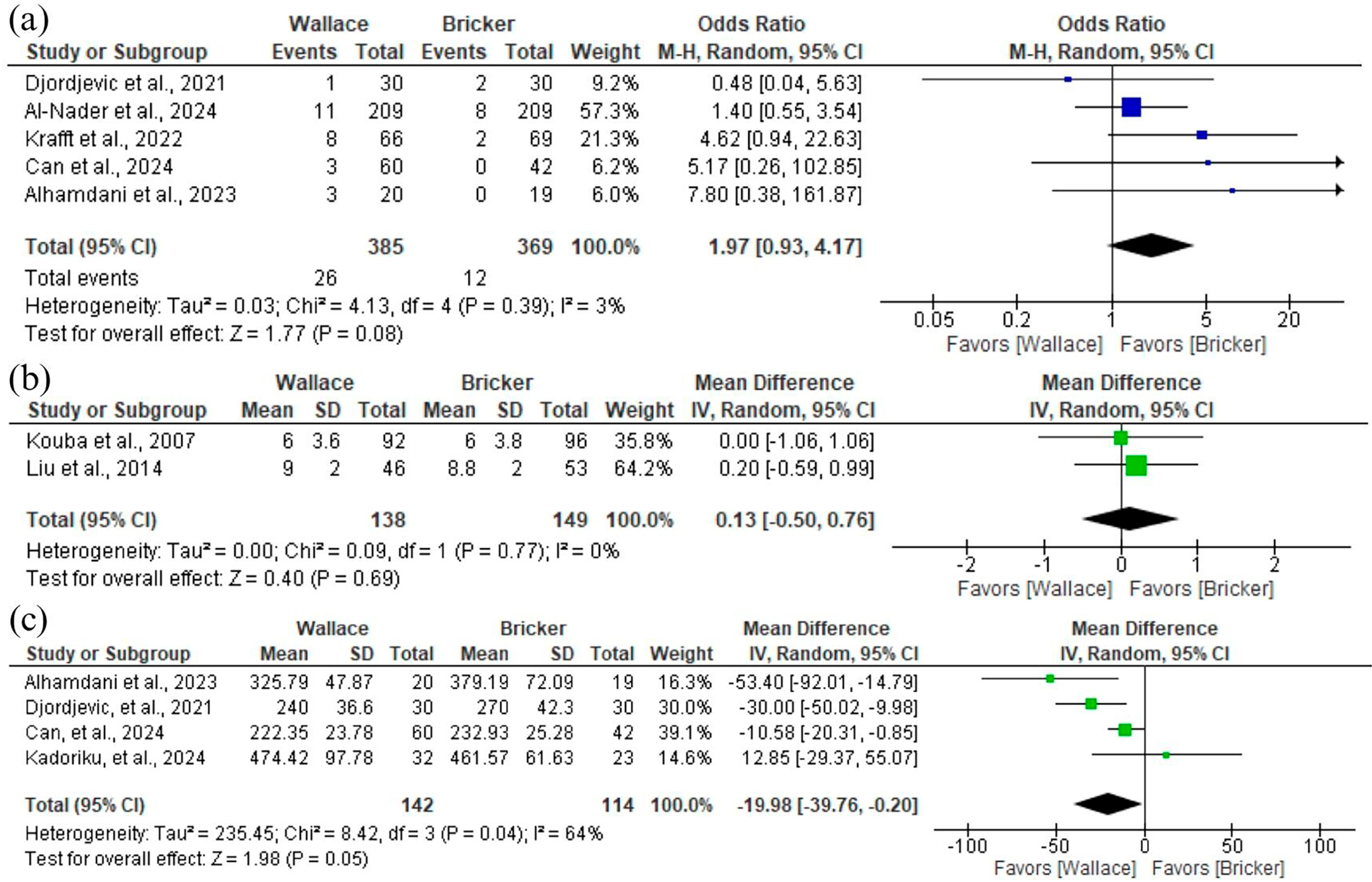
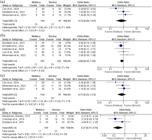
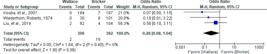
Results: Fourteen studies with 1,903 patients (980 Bricker; 923 Wallace) were included. No significant difference was found in overall stricture rates. However, the Bricker technique had more unilateral strictures (OR 0.47; 95% CI 0.30-0.75; p < 0.01), while the Wallace technique had lower stricture rates in patients who underwent ileal-conduit urinary diversion (OR 0.35; 95% CI 0.19-0.64; p < 0.001), and patients without prior radiotherapy (OR 0.29; 95% CI 0.14-0.61; p < 0.001). Wallace also presented reduced hydronephrosis (OR 0.37; 95% CI 0.17-0.79; p < 0.05). No significant differences were observed in patients undergoing neobladder diversion or those with bladder cancer.
Conclusion: No difference in main analyses of stricture rates was found, supporting that technique choice should rely on surgeon preference and expertise. Therefore, beyond surgeon preference, the choice of technique should consider the patient's history of radiotherapy, and the type of urinary diversion planned, aiming to optimize postoperative outcomes and minimize the risk of specific complications.
Keywords:
Urinary Bladder Neoplasms; Anastomosis, Surgical; Cystectomy
 Thumbnail
 Thumbnail
 Thumbnail
 Thumbnail
 Thumbnail
 Thumbnail
 Thumbnail
 Thumbnail
 Thumbnail
 Thumbnail