 Clinical and hematological profile of patients with philadelphia-negative myeloproliferative neoplasms: First report from the Ecuadorian registry
Introduction Philadelphia-negative myeloproliferative neoplasms are clonal blood disorders characterized by abnormal blood cell production. This study explores the clinical and epidemiological profiles of 111 Ecuadorian patients diagnosed with Philadelphia-negative myeloproliferative neoplasms, including polycythemia vera, essential thrombocythemia, and primary myelofibrosis, between 2014 and 2023.
Methods Patients were treated in different institutions, with clinical data collected on disease progression, complications, and survival.
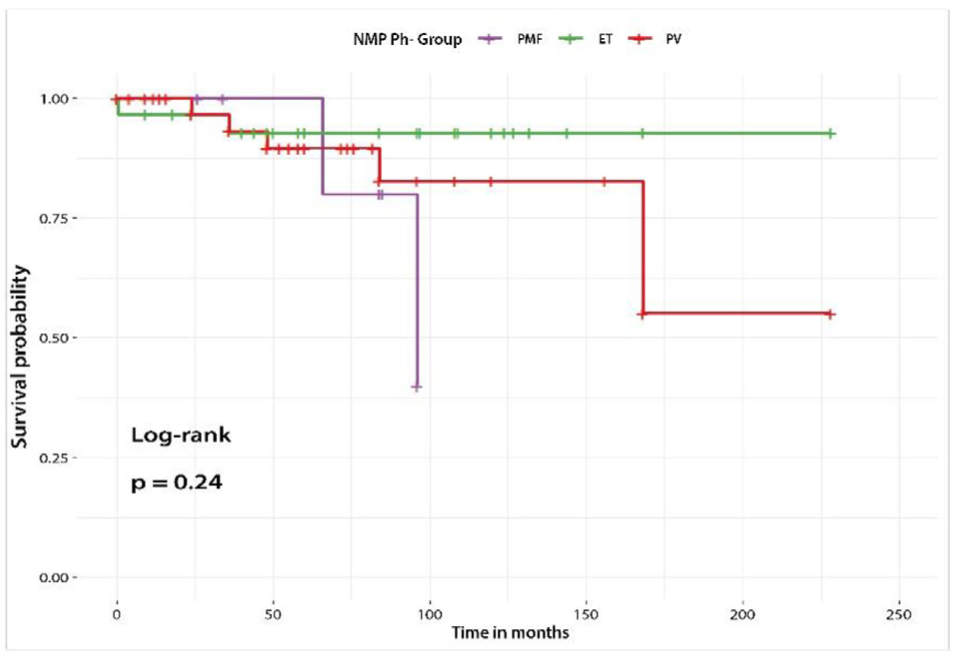
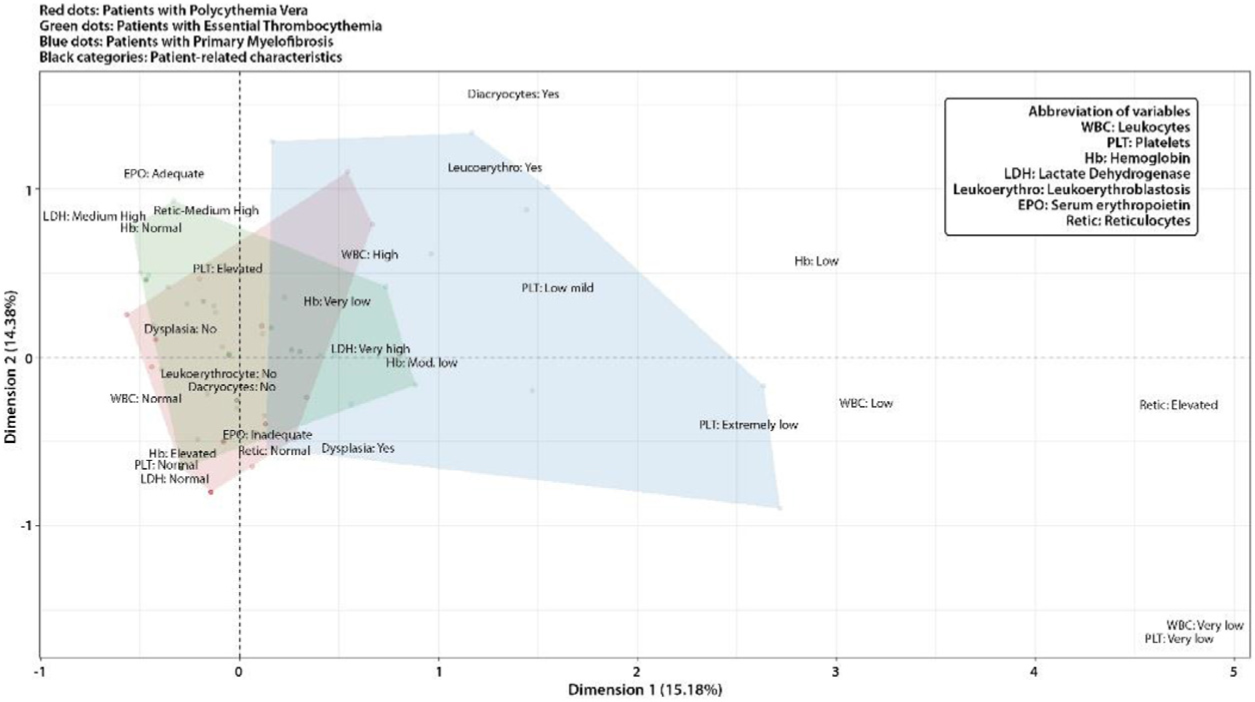
Results Polycythemia vera was the most common subtype (45.9%), followed by essential thrombocythemia (42.3%) and primary myelofibrosis (9%). The JAK2 V617F mutation was most prevalent in essential thrombocythemia (53.2%) and polycythemia vera (41.2%). Hydroxyurea, the most widely used treatment, was prescribed to 77% of the patients. Disease progression to myelofibrosis occurred in three polycythemia vera and two essential thrombocythemia cases, meanwhile One case of primary myelofibrosis and one case of myeloproliferative neoplasm, unclassified, progressed to acute myeloid leukemia. Survival rates varied across the cohort; notably, certain patients with polycythemia vera and essential thrombocythemia achieved survival durations of up to 19 years.
Conclusion These results reveal a relatively homogeneous epidemiological profile across the Latin American region and underscore the need for more multicenter studies to better characterize pH– MPNs in Ecuador and the region, to optimize diagnostic and treatment strategies.
Keywords
Philadelphia-negative myeloproliferative neoplasms; Polycythemia vera; Essential thrombocythemia; Primary myelofibrosis; JAK2 V617F mutation; Treatment; Survival
 Thumbnail
 Thumbnail