 Assessing the genetic profile of cytochrome P450 and glutathione S-transferases of patients diagnosed with acute myeloid leukemia
Objective This study aimed to determine the frequency of genetic alterations as deletions and duplications in cytochrome P450 (CYP450) and glutathione S-transferases (GST) genes, as well as to investigate whether there is a relationship between these alterations and neutrophilic hematologic recovery in adult patients diagnosed with acute myeloid leukemia.
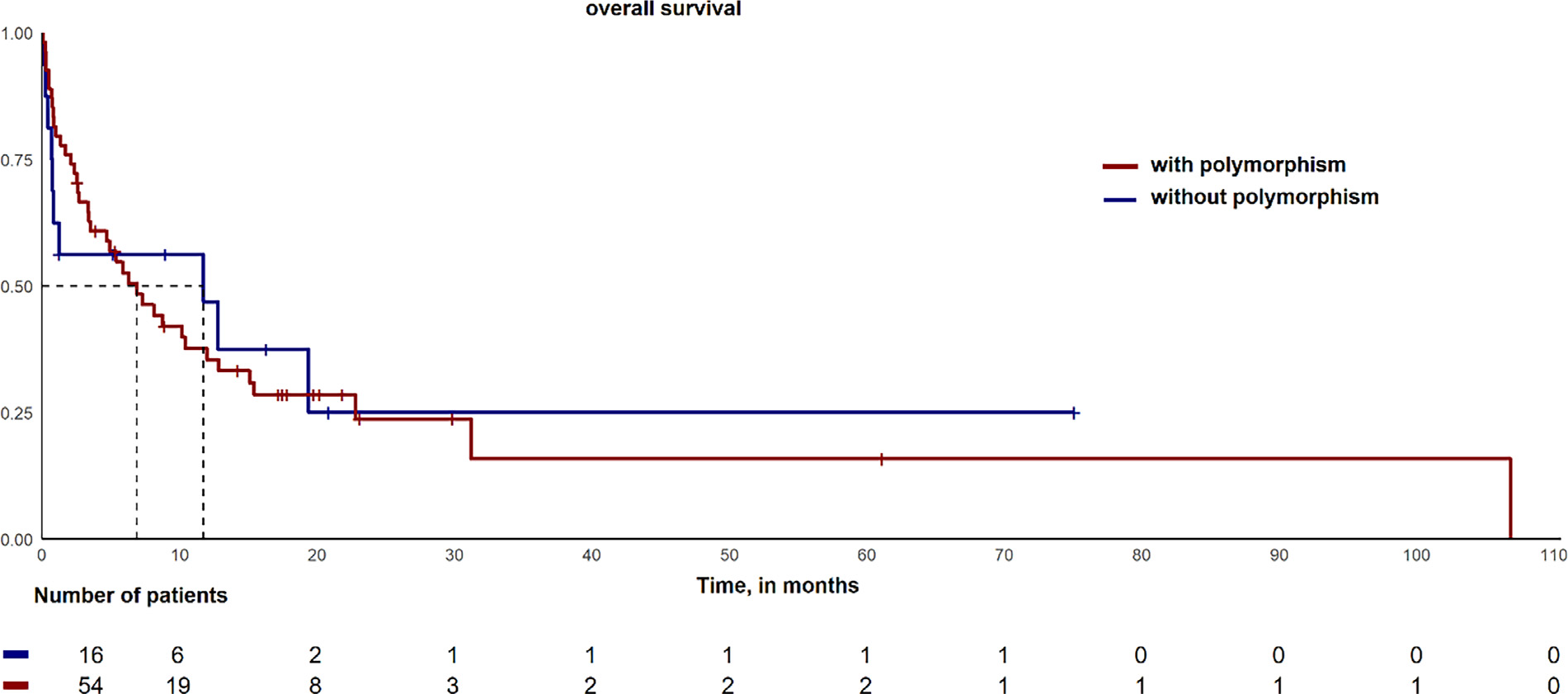
Method DNA samples from 70 patients diagnosed with acute myeloid leukemia were evaluated using the Multiplex Ligation-dependent Probe Amplification technique. The presence or absence of polymorphisms was compared regarding the time to neutrophilic recovery (neutrophil count ≥1.0 × 10⁹/L) using Kaplan-Meier curves, with the comparison between the curves being performed using the non-parametric log-rank test.
Results The median age of the participants was 57 years, with a higher proportion of females (57.2%) and white individuals (61.4%)’. A total of 76 polymorphisms (CYP450 + GST) were identified, comprising 38 deletions and 38 duplications. Kaplan-Meier curves revealed that the neutrophilic recovery time was longer for the group with polymorphisms (p-value = 0.0056).
Conclusion The study demonstrated that CYP450 and GST genes are polymorphic, and these polymorphisms may lead to longer neutrophilic recovery after induction treatment of acute myeloid leukemia remission.
Keywords
Pharmacogenomics; Acute myeloid leukemia; Polymorphism; Glutathione s-transferase; Cytochrome P450
 Thumbnail
 Thumbnail