 Time-dependent trade-offs among intravenous iron formulations for iron-deficiency anemia: a longitudinal systematic review and network meta-analysis
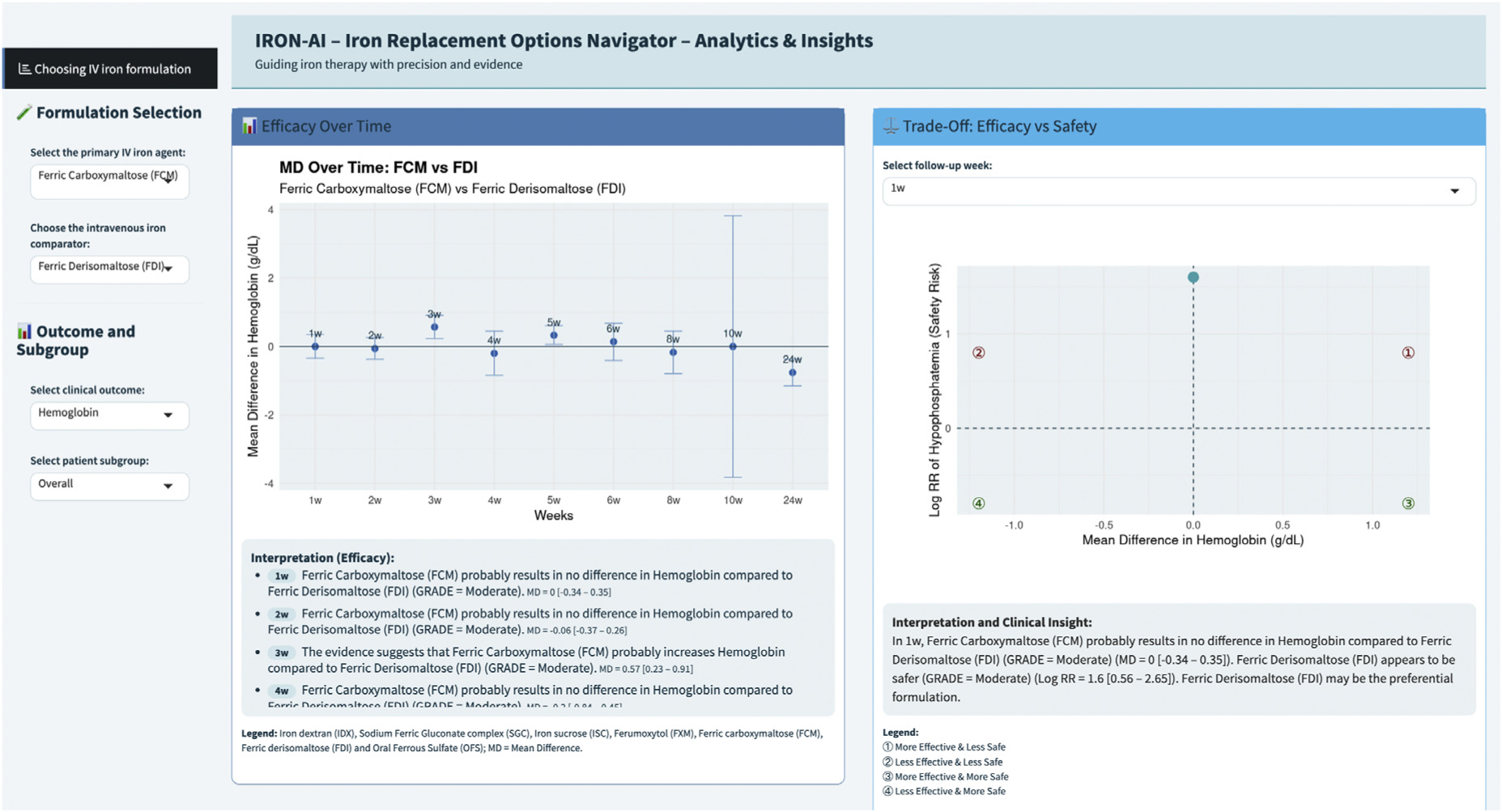
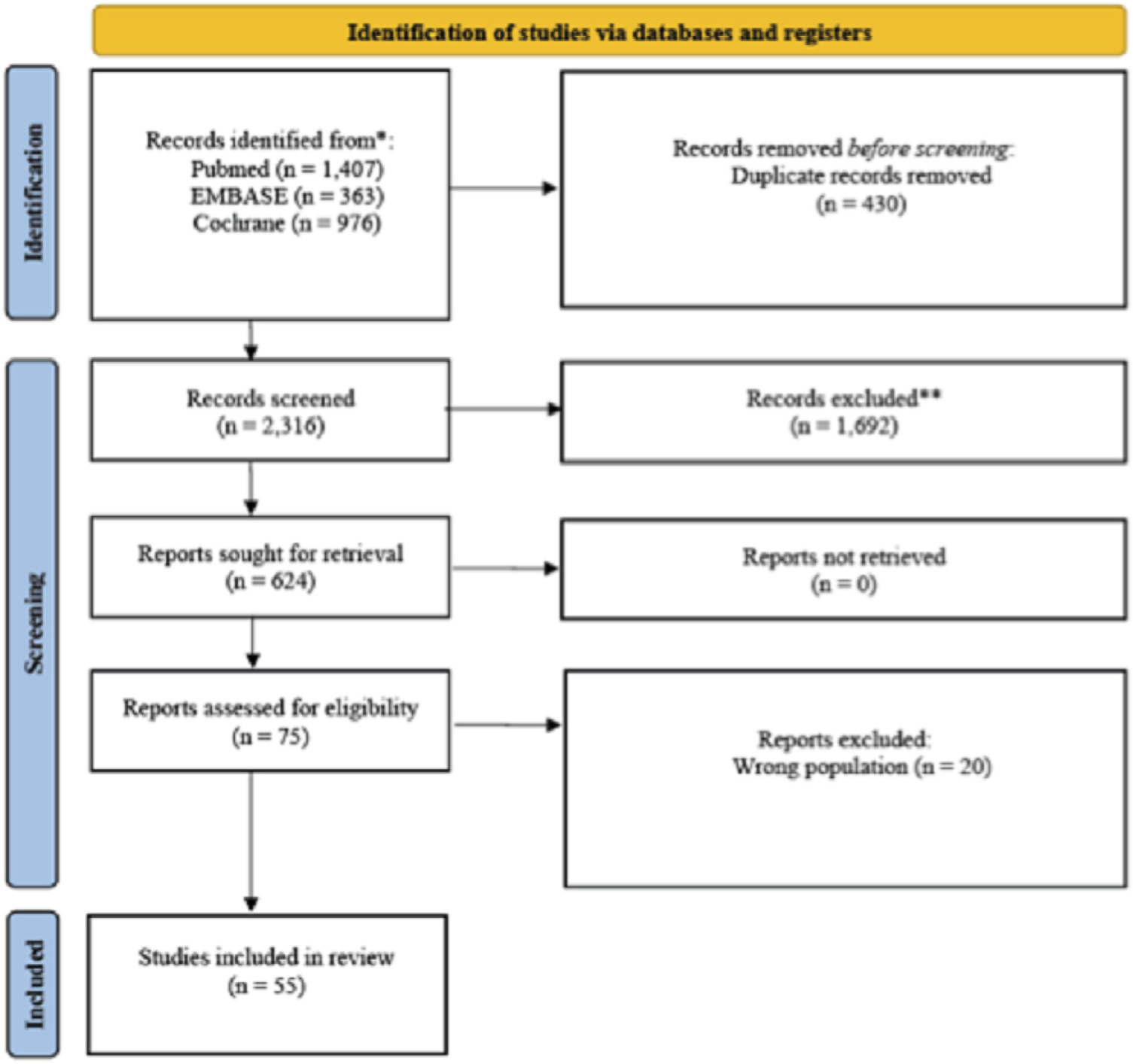
Intravenous iron formulations differ in benefits and risks that evolve across clinically relevant timepoints. A comprehensive network meta-analysis of randomized trials compared different intravenous iron formulations with oral iron and with each other. In addition to overall estimates, results are presented by predefined timepoints (4, 8, 12 and 24 weeks) for hemoglobin, ferritin, transferrin saturation, serious adverse events, and hypophosphatemia. Over 4-8 weeks, ferric carboxymaltose more consistently increased iron stores (ferritin/transferrin saturation) compared with the alternatives at the cost of a higher risk of hypophosphatemia. In 12-24 weeks, differences in iron stores attenuated and safety considerations became the main driver of choice, with ferric derisomaltose and iron sucrose generally favored when mineral safety is prioritized (e.g., for chronic kidney disease and inflammatory bowel disease). Effects on hemoglobin were broadly comparable between ferric carboxymaltose and ferric derisomaltose across most timepoints. These findings support conditional, scenario-specific decisions rather than a single ‘best’ formulation: ferric carboxymaltose when rapid repletion is critical and monitoring for hypophosphatemia is feasible; ferric derisomaltose and iron sucrose when safety predominates, or longer-term maintenance is planned. This windowed presentation facilitates pragmatic evidence translation for clinical decision-making while maintaining transparency through standard network meta-analysis diagnostics and certainty assessments.
Keywords
Anemia; Iron; Hypophosphatemia; Meta-analysis; Decision-making
 Thumbnail
 Thumbnail