
 Combined effects of metals and temperature on terrestrial plants: a systematic review
ABSTRACT
This study carried out the first systematic review on the effects of metals and temperature rise and their interactions on terrestrial plants. For this, the PRISMA protocol (Preferred Reporting Items for Systematic Reviews and Meta-Analysis) was used. In the systematic review, 42 articles met the inclusion criteria, and these were analyzed about the country of publication, year, temperatures tested, test organisms, metals studied, and related effects. The results indicated an increase in awareness among the scientific community about the effects of the association between metals and global warming on terrestrial plants since 2007, with the largest number of studies being carried out on plant species with economic potential, such as Triticum aestivum L.. The most studied metals were cadmium and zinc. In 59,5 % of the articles analyzed, results indicated that temperature elevation was associated with an increase in toxicity or greater accumulation of metal ions for plants.
Keywords:
contamination; soil; toxicity; warming
RESUMO
Este estudo realizou a primeira revisão sistemática sobre os efeitos dos metais e do aumento da temperatura e suas interações em plantas terrestres. Para isso, o protocolo PRISMA (Preferred Reporting Items for Systematic Reviews and Meta-Analysis) foi utilizado. Na revisão sistemática, 42 artigos atenderam aos critérios de inclusão, e estes foram analisados quanto ao país de publicação, ano, temperaturas testadas, organismos-teste, metais estudados e efeitos relacionados. Os resultados indicaram um aumento da conscientização da comunidade científica sobre os efeitos da associação entre metais e aquecimento global em plantas terrestres desde 2007, com o maior número de estudos sendo realizados em espécies vegetais com potencial econômico, como Triticum aestivum L.. Os metais mais estudados foram cádmio e zinco. Em 59,5 % dos artigos analisados, os resultados indicaram que a elevação da temperatura estava associada ao aumento da toxicidade ou maior acúmulo de íons metálicos para as plantas.
Palavras-chave:
aquecimento; contaminação; solo; toxicidade
Introduction
The increase in anthropogenic activities due to population growth and large-scale industrial and agricultural activities results in a high level of chemical compounds being released into the soil. Among the variety of chemical agents released are metals. Metals also circulate naturally in the biosphere. Natural sources of trace metals in soils include rock weathering, volcanic activity, and the incorporation of metal ions by plants and microorganisms (Spiro & Stiglian 2009). Main anthropogenic sources of metal ions in soil include runoff from mining tailings, deposition of sewage sludge and wastewater from treatment plants in soils, irrigation of agricultural land with polluted water, application of agrochemicals and fertilizers, as well as atmospheric deposition of metals present in dust and aerosols released by mining and smelting activities (Yan et al. 2018, Nde et al. 2024). Soil pollution by metals is of particular concern due to their high toxicity, persistence, and bioaccumulation through the food chain, which can negatively affect the structure, functioning, and biodiversity of the terrestrial ecosystem (Xia et al. 2024).
Naturally, plants need chemical elements, including metals, for survival and growth. Some metals are essential for terrestrial plants, as they are part of the constitution of enzymes and proteins (zinc and copper, for example) (Hendrix et al. 2022). However, they can become toxic to organisms when in concentrations above those considered necessary. Other metals have no known function in plant metabolism, inducing toxic effects in minimal concentrations (Ahmad 2016). These observed effects may be due to a variety of interactions at the cellular and/or molecular level. The presence of these elements, depending on the dose and exposure time, can cause damage from germination to the growth and reproduction phase of plants (Feng et al. 2021, Siqueira et al. 2020). In general, metal toxicity to terrestrial plants includes effects on physiological, biochemical, and morphoanatomical characteristics (Ghori et al. 2019, Ur Rahman et al. 2021).
The Intergovernmental Panel on Climate Change’s Special Report on Climate and Land (IPCC 2019) mentions that climate change contributes to soil degradation due to increasing temperatures, intensifying precipitation and droughts, and increasing erosion processes with nutrient leaching through wind erosion, contributing to the removal of topsoil, with the loss of nutrients and organic matter content from the terrestrial ecosystem. In this report, soil degradation is defined as a negative trend in ecosystem conditions, caused by direct or indirect human processes, including anthropogenic climate change, expressed as a long-term reduction or loss of at least one of the following characteristics: biological productivity, ecological integrity, and value to humans. In addition, the impacts of climate events have effects on food production and quality, with consequences for agricultural production, human nutrition, livelihoods, and the well-being of small farmers (IPCC 2023).
Due to their sessile nature, plants are simultaneously affected by biotic (viruses, bacteria, nematodes) and abiotic (metals, salinity, temperature) factors that influence their growth and survival (Mittal et al. 2023). In their natural habitats, plants can be subject to environmental contamination along with unfavorable climatic conditions. Temperature is a central climatic factor, although its relationship with the toxicity of contaminants is not fully understood (Wang et al. 2023). In addition, few studies have been produced on the effects of simultaneous exposure to contaminants and temperature for the plant group compared to research already carried out for animal groups (Wang et al. 2023). The environmental variables and processes that control the toxicological aspects of metals for terrestrial biota include temperature, pH, humidity, organic matter content, mineral fractions, and microbial activities (Hernandez-Soriano & Jimenez-Lopez 2012, Huang et al. 2020). These variables and processes are vulnerable to climate change, including increased incidence of extreme rainfall, long periods of drought, soil erosion, and soil acidification (Biswas et al. 2018). In the climate change scenario, it is essential to anticipate the effects of temperature change, droughts, and rainfall, particularly in combination with metals on terrestrial plants in order to improve management strategies and environmental protection (Öncel et al. 2000).
Systematic reviews on the effects of climate change, including temperature rise and changes in precipitation, on the phenological responses of terrestrial plants (Nascimento et al. 2023), on coffee and banana crops and associated ecosystem services (Bilen et al. 2023), on the yield of horticultural crops (Shah et al. 2024), on the distribution of vascular and non-vascular plants (Gardner et al. 2019) and on the viability of seed banks in tropical and temperate regions (Kiss et al. 2018) have been reported in the literature. As far as we know, systematic reviews that compare and discuss the combined effects of metals and temperature rise on terrestrial plants are lacking. This study aimed to evaluate, by means of a systematic review, how terrestrial plants respond to rising metals and temperatures in combination. The hypothesis developed in this study was that the effect of metals on terrestrial plants will be influenced by an increase in temperature.
Materials and methods
Literature review and selection of articles - Experimental studies on the effects of metal and temperature increase on terrestrial plants were analyzed. Only experimental studies were considered for the manuscript in order to isolate the effects of specific stressors (e.g., photoperiod, water availability) that could not be controlled in field studies.
In this study, the databases available on the Scielo, Science Direct, Web of Science and Google Scholar websites were used to carry out the literature review following the PRISMA protocol (Preferred Reporting Items for Systematic Reviews and Meta-Analysis 2020). The following descriptors were used to search for articles: “metal”, “temperature”, “plants” and “soils”. There were no restrictions on the initial year of publication of the articles, and the search was completed in July 2024. The inclusion criteria were based on: 1) articles that described experimental studies with metals and increased temperature for terrestrial plants, 2) studies that applied a full factorial design, including a defined control treatment (or a treatment considered by the authors to provide non-limiting conditions for any of the variables tested), treatments with one level or more of each variable and combined treatments of the variables and 3) studies with means, sample sizes, standard error and standard deviation included for at least one of the parameters evaluated in the control and treatment groups. Exclusion criteria were: 1) articles with insufficient data for the systematic review; 2) studies presenting data for aquatic organisms, and 3) articles that did not report experimental studies on individual and combined effects of metals and temperature for terrestrial plants. These filters were applied after reading the title and abstract.
After the bibliographic survey phase, the title, abstract, and article were read in full by two independent evaluators, a student, and a researcher, and any discrepancies were discussed. Data extraction was done using an Excel spreadsheet and the following information was extracted from the studies: the first author, year of publication, country, species tested, metal type, value and/or temperature range tested, and the effect observed. Graphs and figures were constructed to analyze the number of publications per year and articles published per country, metals studied, and effects observed on species through combined exposure to high temperatures and metals.
Results and Discussion
A total of 530 articles were evaluated, and duplicates were removed. Next, after reading the title and abstract, 49 articles were selected to read the full manuscripts. Finally, after reading the full text of the remaining articles, 36 articles were selected because they met the inclusion criteria. The literature search was complemented by screening the reference lists of the 36 articles selected and then a further 6 articles were selected for meeting the inclusion criteria, making a total of 42 articles for systematic review.
Based on a temporal analysis of the articles about the effects of metals and temperature alone and in combination for terrestrial plants, this study showed an increase in scientific research on the subject from 2007 onwards (figure 1).

Since 2007, the increase in publications on the topic of metal and temperature-related effects on plants may be due to increased awareness in the scientific community and funding for research on environmental risks at contaminated sites in the context of the climate crisis (Nin & Rodgher 2021, Wang et al. 2023). On the topic of contaminant effects on biota, Ecotoxicology is the science that studies the potentially adverse effects of chemical agents of natural or anthropogenic origin on living organisms. Ecotoxicology emerged in the mid-20th century, and terrestrial ecotoxicology, a field that studies the effects and interactions of chemical agents on the biota of terrestrial ecosystems, is a more recent science compared to aquatic ecotoxicology (Niva & Brown 2019). Thus, research in terrestrial ecotoxicology has improved over the years, and procedures related to the use of native terrestrial species, the development of in situ tests, and interactions between contaminants and abiotic factors in the soil are still the focus of studies for this science (Clasen et al. 2023).
Concerning the countries with the highest number of publications about the effects of metal and temperature alone and in combination for terrestrial plants, it was found that China is in the lead with 15 publications, followed by Australia, Brazil and India with four publications each (figure 2a). The lack of studies in Africa and the scarcity of studies in South America highlight the need for increased investment in research related to the conservation of terrestrial biomes in these regions, with a focus on species representative of tropical rainforests, in the context of the climate crisis (Koch & Kaplan 2022). Species diversity is greater in tropical rainforests than anywhere else on Earth, with this biome found in much of Central America, the Amazon Basin, the Congo, southern West Africa, the eastern side of Madagascar, Southeast Asia, and the northeast coast of Australia. However, much of the rainforest has been destroyed for timber and to make way for agriculture (Relyea & Ricklefs 2021). In warmer and drier climates, the loss of tropical forests can reduce evapotranspiration and release carbon stored in vegetation into the atmosphere, altering atmospheric circulation patterns and exacerbating global warming (Locosselli et al. 2020, Milkorei 2023). In addition, tropical rainforests have been affected by metal pollution (Karmakar et al. 2016, Becerra-Lira et al. 2024). In this context, research on the effects of metal and temperature associations for non-cultivated plants, including those representatives of the tropical rainforest biome, should be expanded.

In the articles reviewed, it was found that the most studied metals were cadmium (Cd) (relative frequency of 27 %), zinc (Zn) and copper (Cu) (with 20 % and 16 % of relative frequency, respectively), and in equal measure, boron (B) and mercury (Hg) (with 6 % of relative frequency). The metals least cited in the studies were antimony (Sb), cobalt (Co), and manganese (Mn), titanium (Ti), and yttrium (Y) (figure 2b). From the point of view of environmental contamination, the metals that attract attention, both in terms of source and effect, are those that are considered essential or non-essential, or both, or those that have a high geochemical content (Shaw et al. 2004). Metals are common soil contaminants, particularly arsenic (As), Cd, Cr, Cu Hg, nickel (Ni), Pb and Zn (Gao et al. 2024). These metals can cause toxic effects on plants, reducing agricultural production, bioaccumulating in the terrestrial food chain, and compromising food safety (Zhao et al. 2022). Zn, Cu, Mn, molybdenum (Mo) and B are considered nutrients for plants at concentrations considered necessary (Tiwari & Lata 2018). However, few or no studies on the metals Al, Ag, As, Co, Fe, Mn, Ni, Sn, and V, which are also present in significant amounts in the soil, highlight the need to expand research on the effects of these elements on plants associated with high-temperature conditions. The lack of studies on the effects of the metals Al, As, Co, Fe, Mn, and Ni associated with rising temperatures was also found in systematic reviews for freshwater biota (Nin & Rodgher 2021).
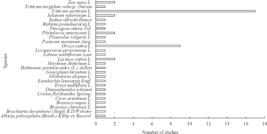
In this study, with regard to the plant species studied, 27 species were cited in the articles, with Triticum aestivum L. (relative frequency of 31 %) and Oryza sativa L. (relative frequency of 16 %) being the most studied regarding the effects of metals and temperature (figure 3). Members of the Fabaceae and Poaceae families are ecologically and economically important, forming the basis of food for countless animals and humans (Shavanov 2021, FAO 2023). According to the United States Department of Agriculture (USDA 2024), China, the European Union, and India will be among the largest wheat producers in 2023, accounting for approximately 16% of global production. Wheat is known worldwide for its economic importance in human food (Suszek-Łopatka et al. 2021, Erenstein et al. 2022), is considered a metal-sensitive species (Haddioui et al., 2016) and is one of the test species commonly recommended by international guidelines for assessing phytotoxicity in soil (OECD 2006, ISO 2021).
Measures of biochemical parameters (activity of the antioxidant enzyme) and fitness parameters (dry weight, germination, metal accumulation, root elongation) in plants were used as response variables in studies reviewed (figure 4a). The effects observed in the toxicity of metals related to the increase in temperature to terrestrial plants were classified as increase in metal toxicity with temperature rise and reduce in metal toxicity with temperature rise. In this sense, 59,5 % of the articles reviewed reported an increase in toxicity with temperature rise and 40,5 % of the articles indicated a decrease in toxicity with temperature rise (figure 4b).

Number of studies per parameters (a) and effect observed (in percent articles) on plants with interaction between metal and temperature rise (b).
Generally, plant development increases linearly with temperature over a broad spectrum. Outside specific temperature ranges considered optimal, plant growth and productivity tend to be severely impacted, and the causes for these impacts are linked to changes in plant biochemical patterns and metabolic processes (Hasanuzzaman et al. 2013, Piao et al. 2019).
Most of the articles reviewed in this study pointed out that the metals toxicity to plants increases in parallel with temperature rise (figure 4b). Studies have discussed the mechanisms of metal toxicity to terrestrial plants under conditions of increasing temperature, observing negative effects on the physiology and biochemical composition of plants that are more pronounced in simultaneous exposures to variables compared to their isolated action, although this seems to be dependent on the metal, the plant species and the test conditions. Interactions between metals and temperature had negative effect on soluble saccharides in Phaseolus vulgaris L. (Gadallah 1994). A significant reduction in the root and shoot length of T. aestivum L. was seen in the combined treatment of Cd and high temperature (with 8 °C and 3 °C rise) (Öncel et al. 2001, Li et al. 2011), affecting negatively the activities of antioxidant enzymes. Ergun et al. (2014) and Ergun et al. (2021) found a significant reduction in chlorophyll levels in T. aestivum L. with temperature rise of 8 °C in the presence of Cr and Cd. The germination rate of Zea mays L. seeds exposed to the Hg was reduced at 40 °C (Deng et al. 2016). Bicalho et al. (2017) observed a reduction in the seed’s germination of Dimorphandra wilsonii Rizzini exposed to Zn with temperature rise of 5 °C. With temperature rise of 5 °C, Zn accumulation was stimulated with deleterious effects on the mitochondria of Pterogyne nitens Tul. (Gomes et al. 2018). Zn toxicity to T. aestivum L. under the high temperature conditions was observed by Suszek-Łopatka et al. (2021). Gong et al. (2022) observed a reduction in the growth of T. aestivum L. in the presence of yttrium at 32 °C.
Studies have also shown that temperature rise may be related to an increase in plant metabolism with the consequent accumulation of metals present in the soil by organisms with increased phytotoxicity. The highest accumulation of Cd and Zn in Lolium multiflorum Lam. was recorded with a 10 °C rise (Alma & Singh 2001). An increase in Cu and Zn content in the leaves of Erica multiflora L. and Globularia alypum L., respectively, was observed in warming conditions (Sardans et al. 2008). A rise of 3°C led to an increase in the leaf concentrations of Cu, Zn and Fe in Solanum tuberosum L. (Li et al. 2012). Temperature rises in the range of 1 and 5 °C induced a significant increase in the absorption and translocation of Cd in O. sativa seedlings (Ge et al. 2015; Ge et al. 2016). The efficiency of Cd accumulation in Lactuca sativa was evidenced with an elevation of 10 °C (Cornu et al. 2016). Increased retention of Cu, Cd and Zn in T. aestivum L. (Dias & Lidon 2009, Li et al. 2011; Wang et al. 2016, Qi et al. 2024) occurred with an increase from 3 °C to 10 °C. Climate warming could therefore increase the risk of metal contamination in plants and, consequently, in animals that depend on plants directly and indirectly for food. While the demand for food security is growing, metal pollution in agricultural soils is becoming a major concern for the economy, public health and the environment in general (Cornu et al. 2016; Xiao et al. 2024).
Based on the systematic review, 31 % of studies indicated that the association between metals and temperature was more positive for the biochemical and fitness parameters for the plant species studied concerning treatments with metals and temperature alone (figure 4b). Previous investigations have revealed stimulation of biochemical activity in combined exposures between metals and temperature. In exposure to Cd and with an elevation of 15 °C, the greater stimulation of the expression of heat shock proteins (HSPs) in Lycopersicon peruvianum L. was related to greater cellular protection against metal toxicity (Neumann et al. 1994). Increased expression of HSPs in Oryza sativa L. had a reducing effect on the phytotoxicity of Cu in the plant species simultaneously exposed to the metal with a 16 °C increase in temperature (Chen et al. 2008). The increase in the activity of the antioxidant enzymes (ascorbate peroxidase and glutathione reductase) in O. sativa L. variant DR-92 and Bh-1 was verified in combined conditions of exposure to Cd in heat stress (elevation of 12 °C) compared to isolated exposures to metal and temperature (Nahakpam & Shah 2011). In the species A. polycephala (Benth.) Killip and P. nitens Tul, Gomes et al. (2018) showed that increasing the temperature increased the subcellular allocation of Zn to the vacuoles of plant cells, and the presence of organic ligands for binding Zn in the organelles reduced the concentrations of the metal to levels considered non-toxic to the species. The ascorbate peroxidase and superoxide dismutase activities in Panicum maximum Jacq. cv Massai were increased in a combined treatment of Cd and warming conditions (Rabêlo et al. 2022).
Some studies have confirmed the increase in growth in some plant species resulting from increased temperature associated with the presence of metals. Kim et al. (2008) reported an increase in growth of Phytolacca americana L. when exposed to metals with an increase of 5 °C in temperature. The growth of wheat seedlings was stimulated in a treatment associating a 5 °C temperature increase and Cu-polluted soils (Fu et al. 2016). According to Fu et al. (2016), bioavailability and metal toxicity in polluted soils is affected by elevated temperature as well as the physical and chemical properties of the soils. Tao et al. (2018), testing the effect of Zn on T. aestivum L. with an increase of 6 °C, found that the metal stimulated nitrate reductase activity and grain protein content favoring wheat yield and flour quality. In O. sativa cultivars, Shahid et al. (2018) found that adding B to the soil reduced the negative effects of exposure to high temperatures (38 °C) in both the vegetative and reproductive stages of rice, due to the role of the metal in stabilizing the cell membrane and increasing the activity of antioxidant enzymes, thus ensuring pollen viability, spikelet fertility, and improved grain production. This response was considered by the authors to be a plant tolerance mechanism, allowing them to survive in environments with high levels of metals under high temperatures. Zn fertilization reduced the negative effects of high temperature (35/30 °C) in two genotypes of Cicer arietinum L. (Ullah et al. 2019). Application of B and Zn regulated the antioxidant enzymes activity in cotton plants, enhanced photosynthetic rate and alleviated heat stress to plant (Han et al. 2020). In the climate change scenario, the presence of essential metals, depending on the bioavailable dose, may have a favorable effect on some groups of terrestrial plants since these elements can enhance defense mechanisms and improve plant performance against environmental stressors (Mittal et al. 2023).
The articles analyzed in this review showed that an increase of 5-10 °C in temperature values could influence the effects of metals on terrestrial plants. Therefore, the temperature ranges studied in the publications contemplate the temperature increase predicted by the IPCC (2021) at the end of the 21st century. Additionally, the influence of rising temperatures on the toxicity of metals to plants emphasizes the need for in situ or laboratory studies to consider standard temperature values (ideal temperature value) and those recorded under natural conditions in the climate change scenario to better predict the associated effects of chemical and physical stressors on terrestrial biodiversity.
Generalizations about the combined effects of metals and temperature on terrestrial plant species are complex and the responses can vary between and within genotypes. Additionally, other environmental factors can interact with metal contamination and temperature in soil, such as pH, nutrient availability, and water stress (Sato et al. 2024). However, we emphasize that the results obtained in the present study added important information on the subject. First, even with the increase in publications in recent decades, there are still gaps to be filled, such as the need to expand studies on the toxicity of metal ions, such as Al, Co, Mn, Ni, and Sn, for types of non-cultivated plants in the context of global warming. Second, under global warming scenarios, the increasing temperature is of growing concern for its potential to increase the metal toxicity to terrestrial plants. In addition, advances in scientific research have contributed to the elucidation of the mechanisms involved in the biological responses of plants, including the various pathways of defense and tolerance responses by plants, which allow these organisms to survive environmental stressors (Schützendübel & Polle 2022, Shah et al. 2024). Considering the tolerance of some plant species to metals at high temperatures, this characteristic would make these species suitable candidates for phytoremediation of soils contaminated with metal ions under conditions of atmospheric warming. Since the uptake of metals by plants can vary considerably at different temperatures, a better understanding of the physiological, biochemical, and molecular mechanisms involved in the tolerance of these organisms to metals and elevated temperatures is still needed (Barbosa et al. 2024).
Conclusion
Most of the studies reviewed in the present study indicated that the temperature rise intensified the metal ions toxicity to terrestrial plants while some studies show opposite results. Generalizations about the combined effects of metals and temperature on terrestrial plant species are complex and the responses can vary between and within genotypes. However, we emphasize that the results obtained in the present study added important information on the subject. First, even with the increase in publications in recent decades, there are still gaps to be filled, such as the need to expand studies on the toxicity of metal ions, such as Al, Co, Mn, Ni, and Sn, for plants in the climate change scenario. New biochemical and physiological studies on types of non-cultivated plants are needed to better understand the effects of exposure to metals in the context of global warming.
Data availability statement
The dataset is contained within the manuscript itself.
Literature cited
- Ahmad, M. 2016. Plant metal interaction. Emerging remediation. Elsevier, Amsterdam.
- Barbosa, G.M., Calixto, R., Nakazato, R.K., Tavares, A.R., Domingos, M. & Rinaldi, M.C.S. 2024. Effects of heavy metals and high temperature on Atlantic Forest species: analysis of their tolerance capacity. Chemosphere 361: 142449.
- Becerra-Lira, E., Rodriguez-Achata, L., Ushñahua, A.M. & Velasquez Ramírez, M.G. 2024. Spatio-temporal trends of mercury levels in alluvial gold mining spoils areas monitored between rainy and dry seasons in the Peruvian Amazon. Environmental Research 245: 118073.
- Bicalho, E.M., Gomes, M.P., Rodrigues-Junior, A.G., Oliveira, T.G.S., Gonçalves, C.A., Fonseca, M.B. & Garcia, Q.S. 2017. Integrative effects of zinc and temperature on germination in Dimorphandra wilsonii rizz.: Implications of climate changes. Environmental Toxicology and Chemistry 36(8): 2036-2042
- Bilen, C., El Chami, D., Mereu, V., Trabucco, A., Marras, S. & Spano, D.A. 2023. Systematic review on the impacts of climate change on coffee agrosystems. Plants 12: 102.
- Biswas, B., Qi, F., Biswas, J.K., Wijayawardena, A., Khan, M.A. & Naidu, R. 2018. The fate of chemical pollutants with soil properties and processes in the climate change paradigm-a review. Soil System 2: 51.
- Chen, P.Y., Lee, K.T., Chi, W.C., Hirt, H., Chang, C.C. & Huang, H.J. 2008. Possible involvement of MAP kinase pathways in acquired metal-tolerance induced by heat in plants. Planta 228(3): 499-509.
- Clasen, B., Storck, T.R., Schneider, S.I., Tiecher, T.L. 2023. Challenges and perspectives in terrestrial ecotoxicological assessment methodologies. Integrated Environmental Assessment and Management 19: 298-299.
- Cornu, J.Y., Denaix, L., Lacoste, J., Sappin-Didier, V., Nguyen, C. & Schneider, A. 2016. Impact of temperature on the dynamics of organic matter and on the soil-to-plant transfer of Cd, Zn and Pb in a contaminated agricultural soil. Environmental Science and Pollution Research International 23: 2997-3007.
- Deng, B., Yang, K., Zhang, Y. & Li, Z. 2016. Can heavy metal pollution defend seed germination against heat stress? Effect of heavy metals (Cu2+, Cd2+ and Hg2+) on maize seed germination under high temperature. Environmental Pollution 216: 46-52.
- Dias, A.S. & Lidon, F.J.C. 2009. Heat stress in Triticum: kinetics of Cd and Zn accumulation. Brazilian Journal of Plant Physiology 21(2): 135-142.
- Erenstein, O., Jaleta, M., Mottaleb, K.A., Sonder, K., Donovan, J. & Braun, H.J. 2022. Global Trends in Wheat Production, Consumption and Trade. In: M.P. Reynolds & H.J. Braun (eds.). Wheat Improvement. Springer, Cham, pp 47-66.
- FAO. 2023. Food and Agriculture Organization. World Food and Agriculture - Statistical Yearbook 2023.
- Feng, Z., Ji, S., Ping, J. & Cui, D. 2021. Recent advances in metabolomics for studying heavy metal stress in plants. TrAC Trends in Analytical Chemistry 143: 116402.
- Fu, Q-L, Nanyan, W, Fujii, M & Zhou, D-Mei. 2018. Temporal variability in Cu speciation, phytotoxicity, and soil microbial activity of Cu-polluted soils as affected by elevated temperature. Chemosphere 194: 285-296.
- Gadallah, M.A.A. 1994. Interactive effect of heavy metals and temperature on the growth, and chlorophyll, saccharides and soluble nitrogen contents in Phaseolus plants. Biologia Plantarum 36(3): 373-382.
- Gao, L., Xue, Z. & Gnanachandrasamy, G. 2024 Visual analysis of contaminated site studies in recent 30 years based on bibliometrics and knowledge graph. Environment, Development and Sustainability.
- Gardner, A.S., Maclean, I.M.D. & Gaston, K.J. 2019. Climatic predictors of species distributions neglect biophysiologically meaningful variables. Diversity and Distributions 25(8): 1318-1333.
- Ge, L., Cang, L., Liu, H. & Zhou, D. 2015. Effects of different warming patterns on the translocations of cadmium and copper in a soil-rice seedling system. Environmental Science and Pollution Research 22: 15835-15843.
- Ge, L-Q., Cang, L., Liu, H. & Zhou, D-M. 2016. Effects of warming on uptake and translocation of cadmium (Cd) and copper (Cu) in a contaminated soil-rice system under Free Air Temperature Increase (FATI). Chemosphere 155: 1-8.
- Ghori, N-H., Ghori, T., Qasim, H., Sameen, I., Imadi, S.R., Gul, A., Altay, V. & Ozturk, M. 2019. Heavy metal stress and responses in plants. International Journal of Environmental Science, 16: 1-22.
- Gomes, M.P., Brito, J.C.M., Silva, J.G., Cruz, F.V.S., Bicalho, E.M., Herken, D.M.D. & Garcia, Q.S. 2018. Temperature effects on Zn-responses and Zn-reclamation capacity of two native Brazilian plant species: Implications of climate change. Environmental and Experimental Botany 155: 89-599.
- Gong, B., Qiu, H., Van Gestel, C.A.M., Peijnenburg, W.J.G.M. & He, E. 2022. Increasing temperatures potentiate the damage of rare earth element yttrium to the crop plant Triticum aestivum L. Journal of Agricultural and Food Chemistry 70(51): 16390-16400
- Haddioui, A., El Rasafi, T., Nouri, M. & Bouda, S. 2016. The effect of Cd, Zn and Fe on seed germination and early seedling growth of wheat and bean. Ekológia (Bratislava), 35(3): 213-223.
- Han, W.L., Huang, L. & Owojori, O.J. 2020. Foliar application of zinc alleviates the heat stress of pakchoi (Brassica chinensis L.). Journal Plant Nutrition 43(2): 194-213.
- Hasanuzzaman, M., Nahar, K., Alam, M.M., Roychowdhury, R., Fujita, M. 2013. Physiological, biochemical, and molecular mechanisms of heat stress tolerance in plants. International Journal of Molecular Sciences 14(5): 9643-84.
- Hernandez-Soriano, M.C. & Jimenez-Lopez, J.C. 2012. Effects of soil water content and organic matter addition on the speciation and bioavailability of heavy metals. Science of The Total Environment 423: 55-61.
- Huang, B., Yuan, Z., Li, D., Zheng, M., Nie, X., Liao, Y. 2020. Effects of soil particle size on the adsorption, distribution, and migration behaviors of heavy metal(loid)s in soil: a review. Environmental Science: Processes and Impacts 22(4): 1596-1615.
- IPCC Intergovernmental Panel on Climate Change 2019. Summary for Policymakers. In: Climate Change and Land: an IPCC special report on climate change, desertification, land degradation, sustainable land management, food security, and greenhouse gas fluxes in terrestrial ecosystems.
- IPCC Intergovernmental Panel on Climate Change 2021. The Physical Science Basis. Contribution of Working Group I to the Sixth Assessment Report of the Intergovernmental Panel on Climate Change Summary for Policymakers. Cambridge University Press. In Press
- IPCC Intergovernmental Panel on Climate Change 2023. Climate change 2023: synthesis report. In: H Lee, J Romero (eds.). Contribution of Working Groups I, II and III to the Sixth Assessment Report of the Intergovernmental Panel on Climate Change Core Writing Team. IPCC, Geneva, Switzerland, pp. 35-115
- ISO 2021. ISO 7970:2021(E) Wheat (Triticum aestivum L.) Specification Vernier, Geneva
- Karmakar, R., Das, I., Dutta, D. & Rakshit, A. 2016. Potential effects of climate change on soil properties: a review. Science International 4(2): 51-73.
- Kim, Y.O., Rodriguez, R.J., Lee, E.J. & Redman, R.S. 2008. Phytolacca americana from contaminated and noncontaminated soils of south korea: effects of elevated temperature, CO2 and simulated acid rain on plant growth response. Journal of Chemical Ecology 34(11): 1501-1509.
- Kiss, R., Deák, B., Péter, T., Béla, T. & Orsi, V. 2018. Grassland seed bank and community resilience in a changing climate: grassland seed bank and climate change. Restoration Ecology 26(52): S141-S150.
- Koch, A. & Kaplan, J.O. 2022. Tropical forest restoration under future climate change. Nature Climate Change 12: 279-283.
- Li, D., Zhou, D., Wang, P. & Li, L. 2011. Temperature affects cadmium-induced phytotoxicity involved in subcellular cadmium distribution and oxidative stress in wheat roots. Ecotoxicology Environmental and Safety 74(7): 2029-35.
- Li, Y., Zhang, Q., Wang, R., Xin, G., Wang, H. & Wang, S. 2012. Temperature changes the dynamics of trace element accumulation in Solanum tuberosum L.. Climatic Change 112: 655-672.
- Locosselli, G.M., Brienen, R.J.W., Leite, M.S., Gloor, M., Krottenthaler, S., Oliveira, A., Barichivich, J., Anhuf, D., Ceccantini, G., Schöngart, J. & Buckeridge, M. 2020. Global tree-ring analysis reveals rapid decrease in tropical tree longevity with temperature. Proceedings of the National Academy of Sciences. 117(52): 33358-33364.
- Mittal, U., Kumar, V., Kukreja, S., Singh, B., Pandey, N.K. & Goutam, U. 2023. Role of beneficial elements in developing resilience to abiotic and biotic stresses in plants: present status and future prospects. Journal of Plant Growth Regulation 42: 3789-3813.
- Nahakpam, S. & Shah, K. 2011. Expression of key antioxidant enzymes under combined effect of heat and cadmium toxicity in growing rice seedlings. Plant Growth Regulation 63: 23-35.
- Nascimento, F.d.S., Rocha, A.d.J., Soares, J.M.d.S., Mascarenhas, M.S., Ferreira, M.d.S., Nde, S.C., Felicite, O.M., Aruwajoye, G.S. & Palamuleni, L.G. 2024. A meta-analysis and experimental survey of heavy metals pollution in agricultural soils. Journal of Trace Elements and Minerals 9: 100180.
- Neumann, D., Lichtenberger, O., Günther, D., Tschiersch, K. & Nover, L. 1994. Heat-shock proteins induce heavy-metal tolerance in higher plants. Planta 194: 360-367.
- Nin, C.J. & Rodgher, S. 2021. Effect of a temperature rise on metal toxicity for the aquatic biota: a systematic review. Brazilian Journal of Environmental Sciences 56(4): 710-720.
- Niva, C.C. & Brown, G.G. 2019. Ecotoxicologia terrestre: métodos e aplicações dos ensaios com oligoquetas. Embrapa, Brasília.
- OECD 2006. Test No. 208: Terrestrial Plant Test: seedling emergence and seedling growth test, OECD Guidelines for the Testing of Chemicals, Section 2, OECD Publishing, Paris.
- Öncel, I., Keleş, Y. & Üstün, A.S. 2000. Interactive effects of temperature and heavy metal stress on the growth and some biochemical compounds in wheat seedlings. Environmental Pollution 107(3): 315-320.
- Piao, S., Liu, Q., Chen, A., Janssens, I.A., Fu, Y., Dai, J., Liu, L., Lian, X., Shen, M. & Zhu, X. 2019. Plant phenology and global climate change: current progresses and challenges. Global Change Biology 25(6): 1922-1940.
- Qi, L., Li, C., Lai, L., Kou, T. & Deng, Y. 2024. Nighttime warming promotes copper translocation from root to shoot of wheat (Triticum aestivum L.) through enlarging root systems. Frontiers in Environmental Science 12: 1284198.
- Rabêlo, F.HS., Gaziola, S.A., Rossi, M.L., Silveira, N.M., Wójcik, M., Bajguz, A., Piotrowska-Niczyporuk, A., Lavres, J., Linhares, F.S., Azevedo, R.A., Vangronsveld, J. & Alleoni, L.R.F. 2021. Unraveling the mechanisms controlling Cd accumulation and Cd-tolerance in Brachiaria decumbens and Panicum maximum under summer and winter weather conditions. Physiologia Plantarum, 173(1): 20-44.
- Relyea, R. & Ricklefs, R. 2021. A Economia da Natureza. 5 ed. Guanabara Koogan, São Paulo
- Sardans, J., Peñuelas, J., Estiarte, M. 2008. Warming and drought change trace element bioaccumulation patterns in a Mediterranean shrubland. Chemosphere 70(5): 874-85.
- Sato, H., Mizoi, J., Shinozaki, K., Yamaguchi-Shinozaki, K. 2024. Complex plant responses to drought and heat stress under climate change. The Plant Journal 117: 1873-1892
- Schützendübel, A. & Polle, A. 2002. Plant responses to abiotic stresses: heavy metal‐induced oxidative stress and protection by mycorrhization. Journal of Experimental Botany 53: 1351-1365.
- Shah, I.H., Manzoor, M.A., Jinhui, W., Li, X., Hameed, M.K., Rehaman, A., Li, P., Zhang, Y., Niu, Q., Niu, Q. & Chang, L. 2024. Comprehensive review: effects of climate change and greenhouse gases emission relevance to environmental stress on horticultural crops and management. Journal of Environmental Management 351.
- Shahid, M., Nayak, A.K., Tripathi, R., Katara, J., Bihari, P., Lal, D.B. & Gautam, P. 2018. Boron application improves yield of rice cultivars under high temperature stress during vegetative and reproductive stages. International Journal of Biometeorology 62(8): 1-13.
- Shavanov, M. 2021. The role of food crops within the Poaceae and Fabaceae families as nutritional plants. IOP Conference Series: Earth and Environmental Science 624(1).
- Shaw, B.P., Sahu, S.K. & Mishra, R.K. 2004. Heavy metal induced oxidative damage in terrestrial plants. In: M.N.V. Prasad (ed.). Heavy Metal Stress in Plants. From Biomolecules to Ecosystems. Springer-Verlag, Berlin Heidelberg, pp. 84-126.
- Siqueira, M.C., Tavares, A.R., Barbosa, J.M., & Santos Junior, N.A. 2020. Copper stress affect seed germination and seedling establishment of Schinus terebinthifolia Raddi. Hoehnea 47: e502020
- Spiro, T.G. & Stigliani, W.M. 2009. Química Ambiental. 2 ed. Pearson Hall, São Paulo.
- Suszek-Łopatka, B., Maliszewska-Kordybach, B., Klimkowicz-Pawlas, A. & Smreczak, B. 2021. The multifactorial assessment of the Zn impact on high and low temperature stress towards wheat seedling growth under diverse moisture conditions (optimal and wet) in three soils. Journal of Hazardous Materials 416.
- Tao, Z-q., Wang, D-m., Chang, X-h., Wang, Y-j., Yang, Y-s. & Zhao G-c. 2018. Effects of zinc fertilizer and short-term high temperature stress on wheat grain production and wheat flour proteins. Journal of Integrative Agriculture 17(9): 1979-1990.
- Tiwari, S. & Lata, C. 2018. Heavy metal stress, signaling, and tolerance due to plant-associated microbes: an overview. Frontiers in Plant Science 452.
- Ullah, A., Romdhane, L., Rehman, A. & Farooq, M. 2019. Adequate zinc nutrition improves the tolerance against drought and heat stresses in chickpea. Plant Physiology and Biochemistry 143: 11-18.
- Ur Rahman, S., Xuebin, Q., Kamran, M., Yasin, G., Cheng, H., Rehim, A., Riaz, L., Rizwan, M., Ali, S., Alsahli, A.A & Alyemeni, M.N. 2021. Silicon elevated cadmium tolerance in wheat (Triticum aestivum L.) by endorsing nutrients uptake and antioxidative defense mechanisms in the leaves. Plant Physiology and Biochemistry 166: 148-159.
- USDA U.S. Department of Agriculture 2024.
- Wang, M., Hou, J. & Deng, R. 2023. Co-exposure of environmental contaminants with unfavorable temperature or humidity/moisture: joint hazards and underlying mechanisms. Ecotoxicology Environmental and Safety 264: 115432.
- Wang, X., Li, Y., Lu, H. & Wang, S. 2016. Combined effects of elevated temperature and CO2 concentration on Cd and Zn accumulation dynamics in Triticum aestivum L.. Journal of Environmental Sciences 47: 109-119.
- Xia, F., Zhao, Z., Niu, X. & Wang, Z. 2024. Integrated pollution analysis, pollution area identification and source apportionment of heavy metal contamination in agricultural soil. Journal of Hazardous Materials 465: 133215.
- Xiao, W., Zhang, Y., Chen, X., Sha, A., Xiong, Z., Luo, Y., Peng, L., Zou, L., Zhao, C. & Li, Q. 2024. The Easily Overlooked Effect of Global Warming: Diffusion of Heavy Metals. Toxics 12(6): 400
- Xu, L., Tian, S., Hu, Y., Zhao, J., Ge, J. & Lu, L. 2023. Cadmium contributes to heat tolerance of a hyperaccumulator plant species Sedum alfredii Journal of Hazardous Materials 441: 129840
- Yan, X., Liu, M., Zhong, J., Guo, J. & Wu, W. 2018. How human activities affect heavy metal contamination of soil and sediment in a long-term reclaimed area of the Liaohe River Delta, North China. Sustainability 10: 338.
- Zhao, H., Wu, Y., Lan, X., Yang, Y., Wu, X & Du, L. 2022. Comprehensive assessment of harmful heavy metals in contaminated soil in order to score pollution level. Scientific Report 12(1): 3552.


