 The survival of Antiquity on the covers and int he drug ads of Eu Sei Tudo magazine, 1917-1958
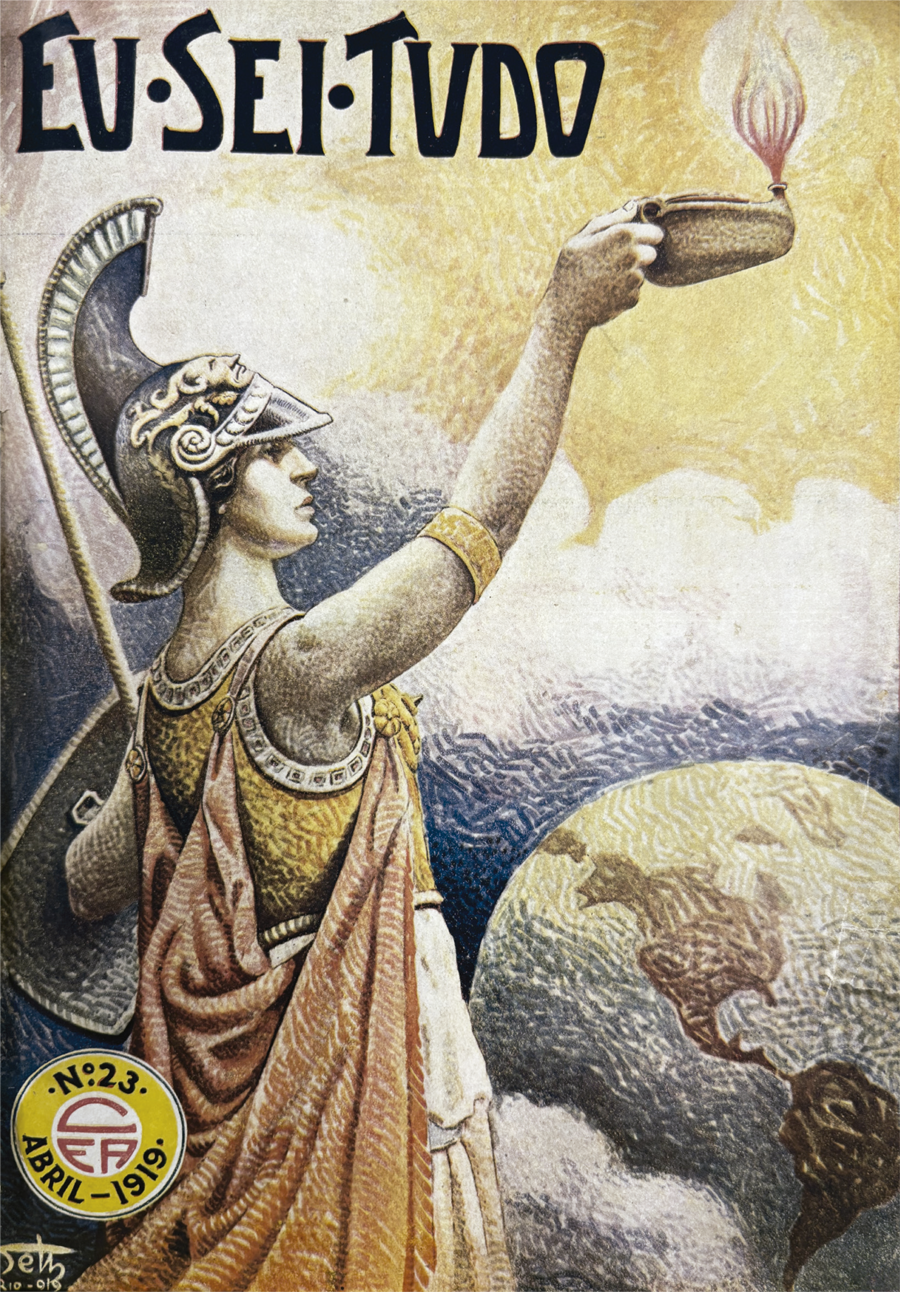
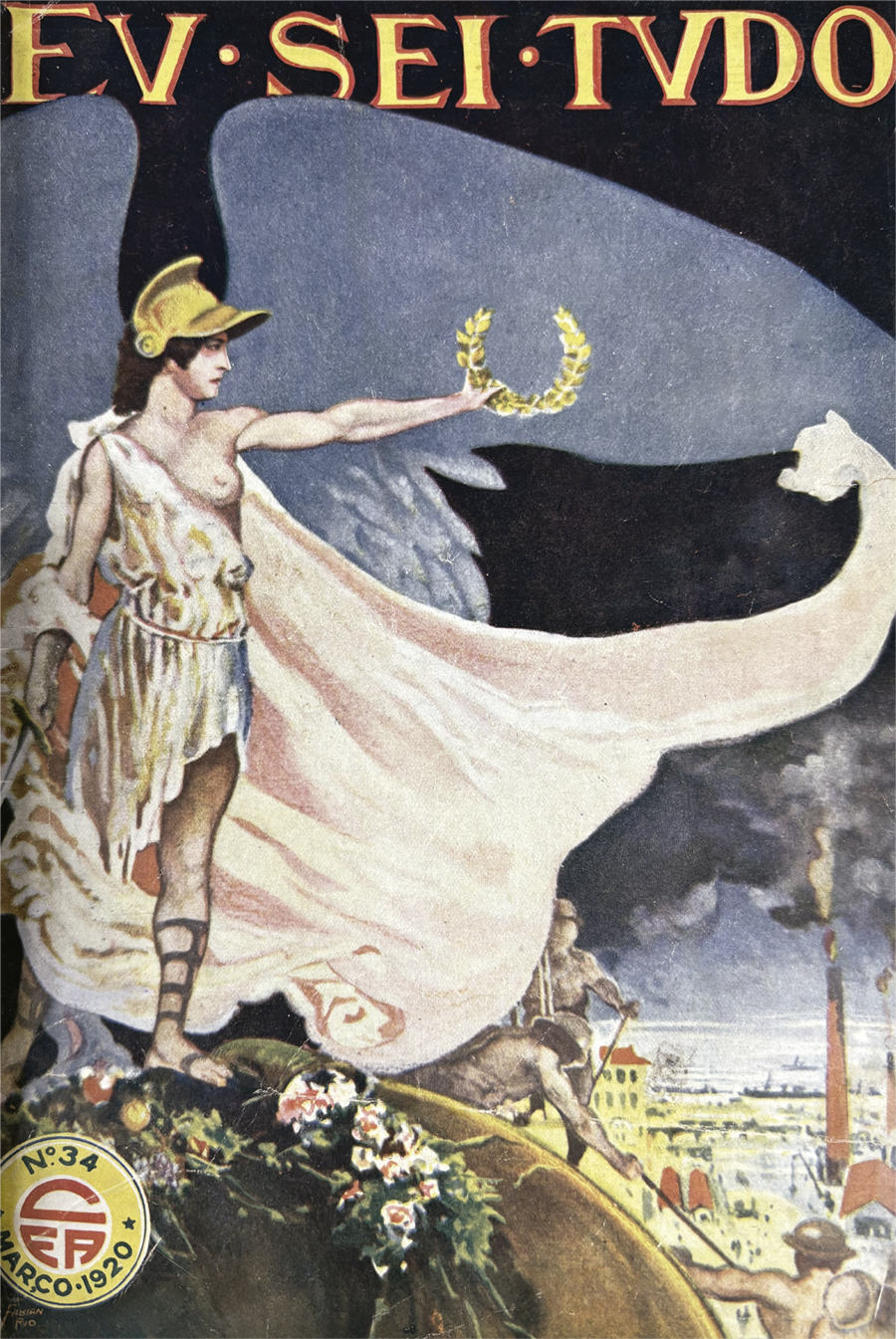
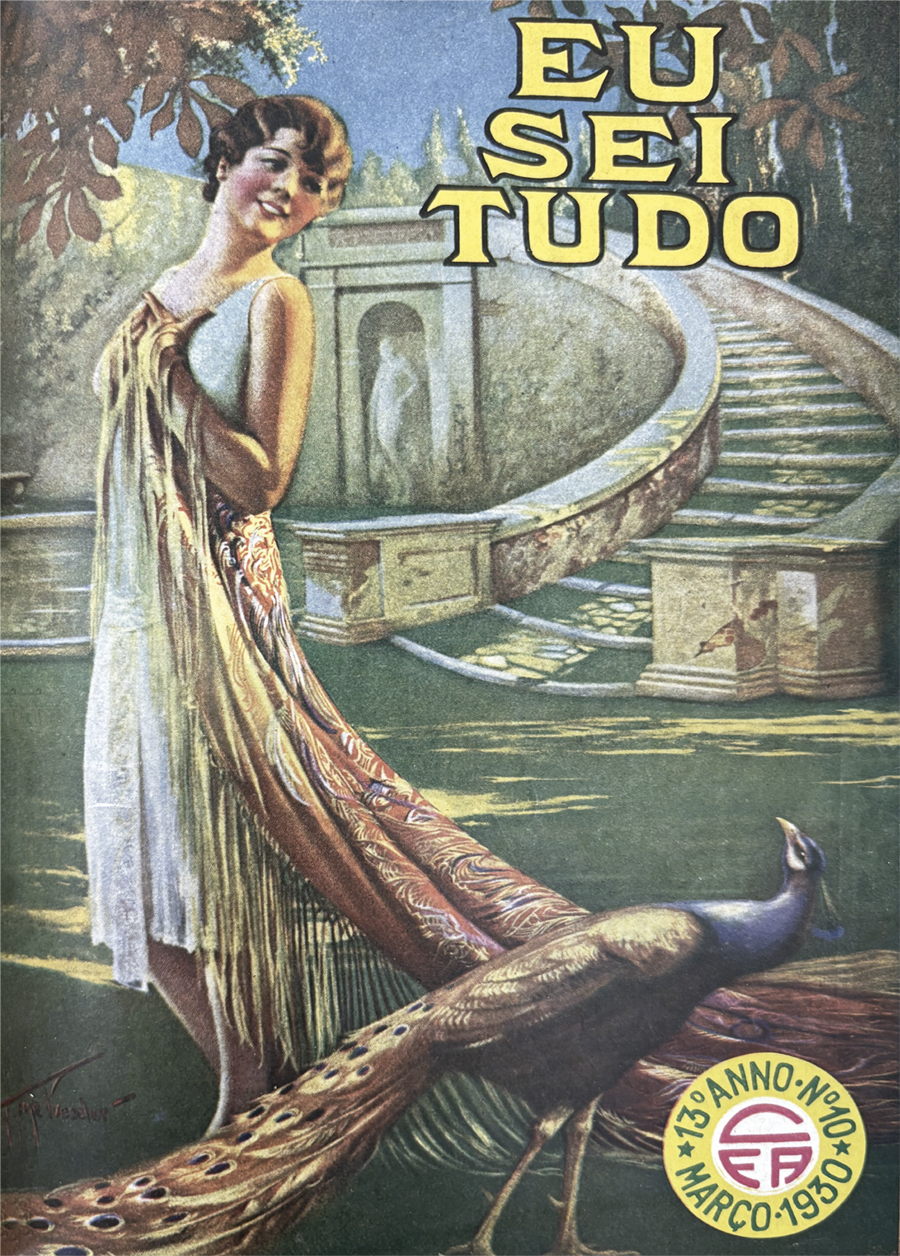
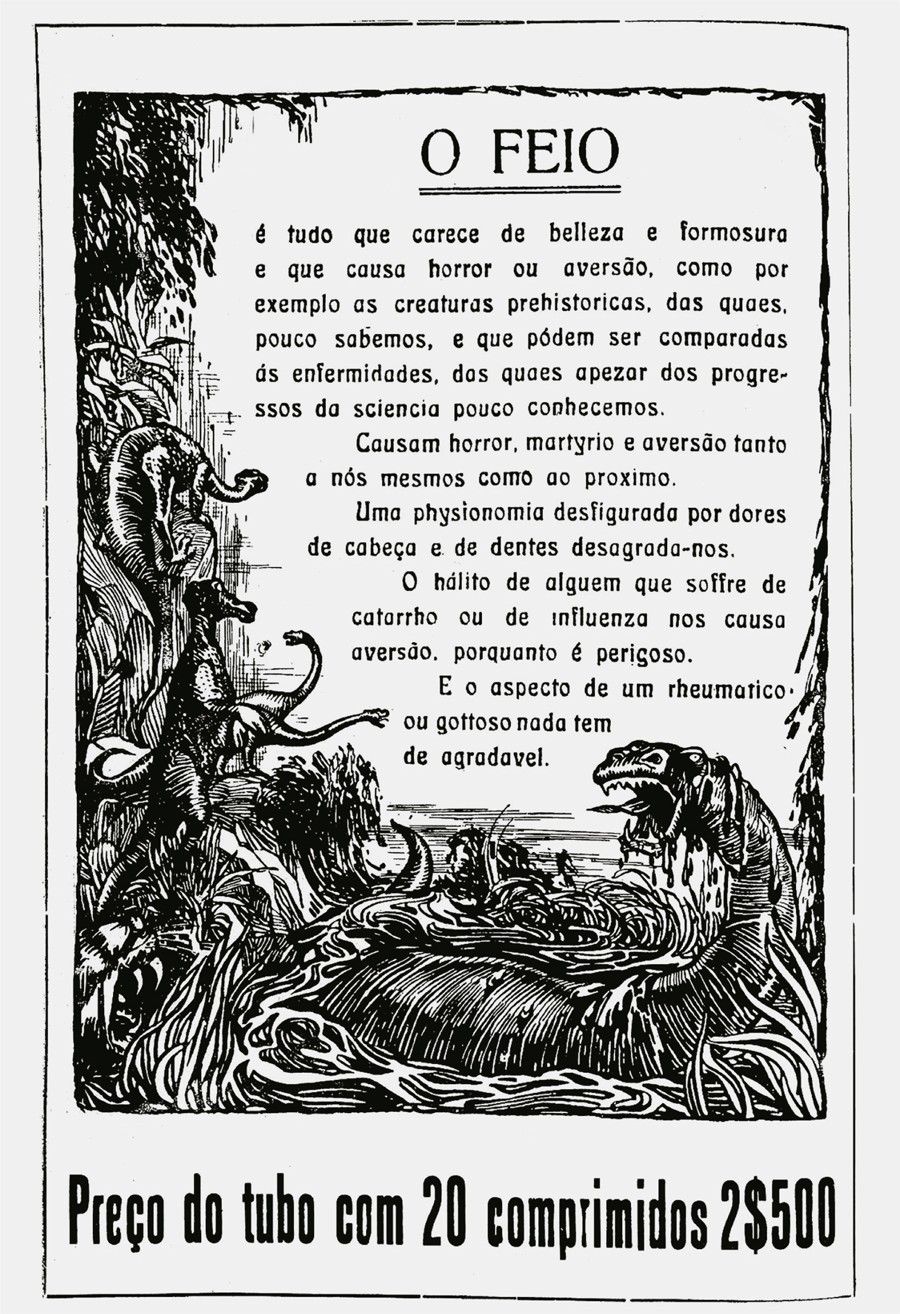
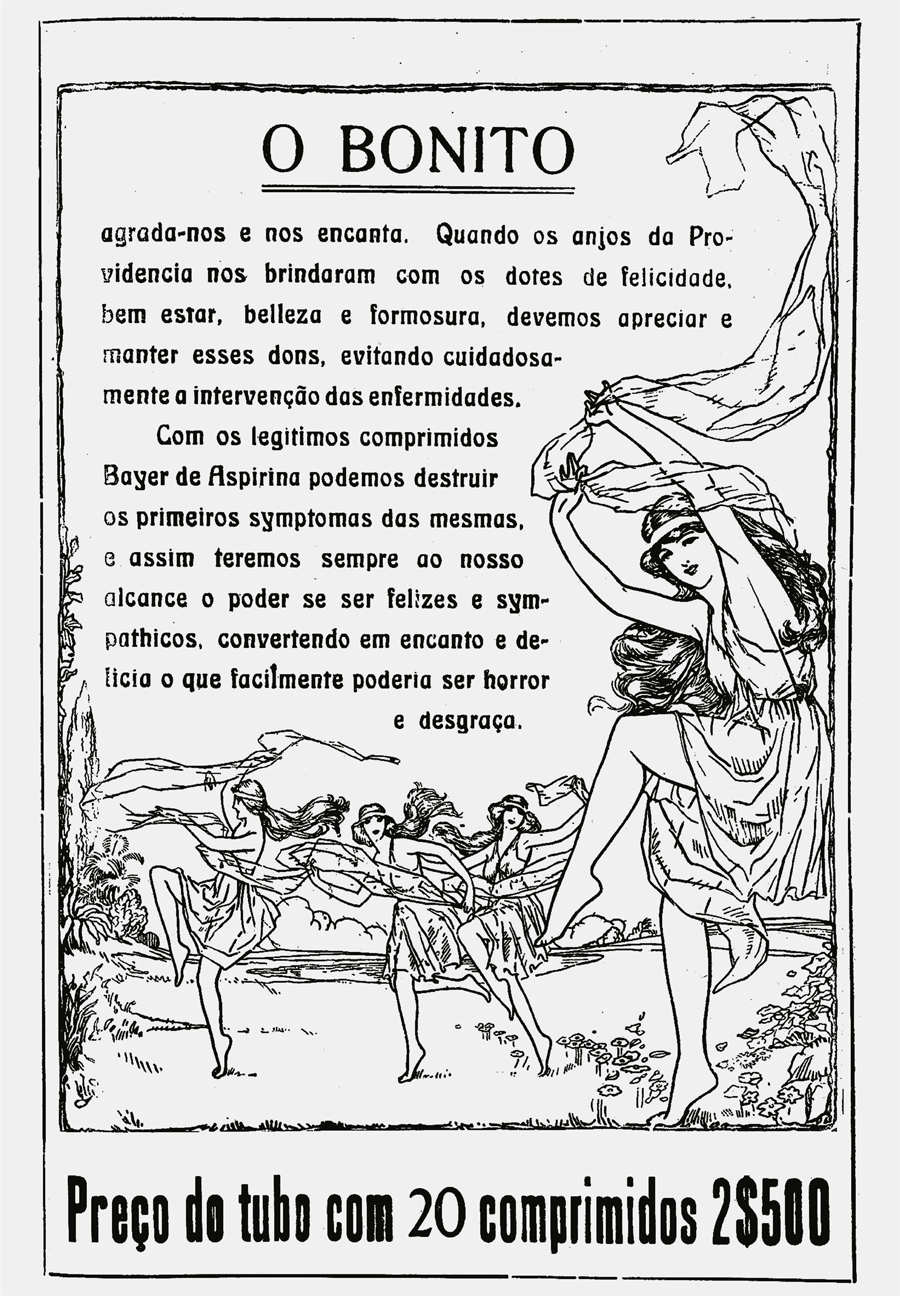
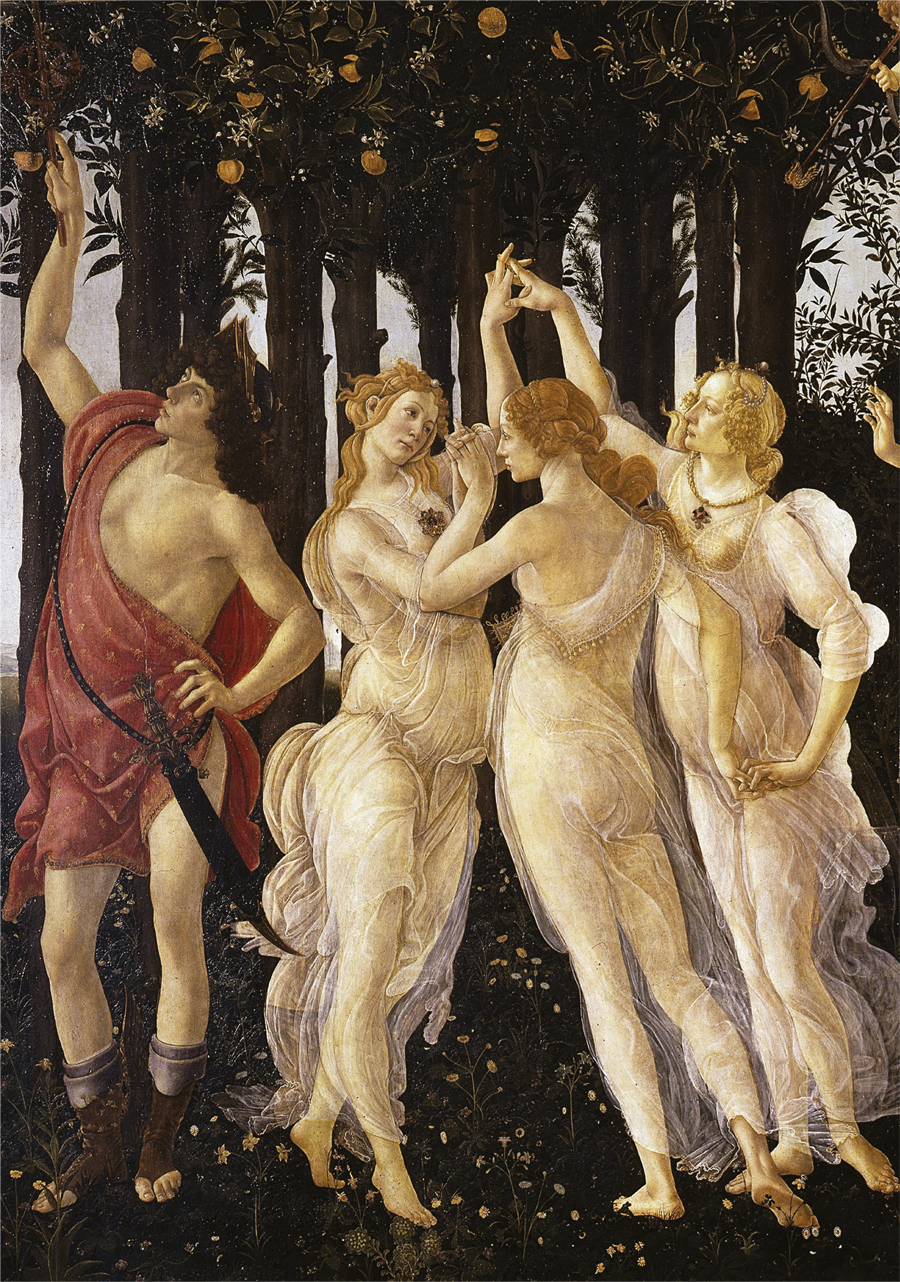
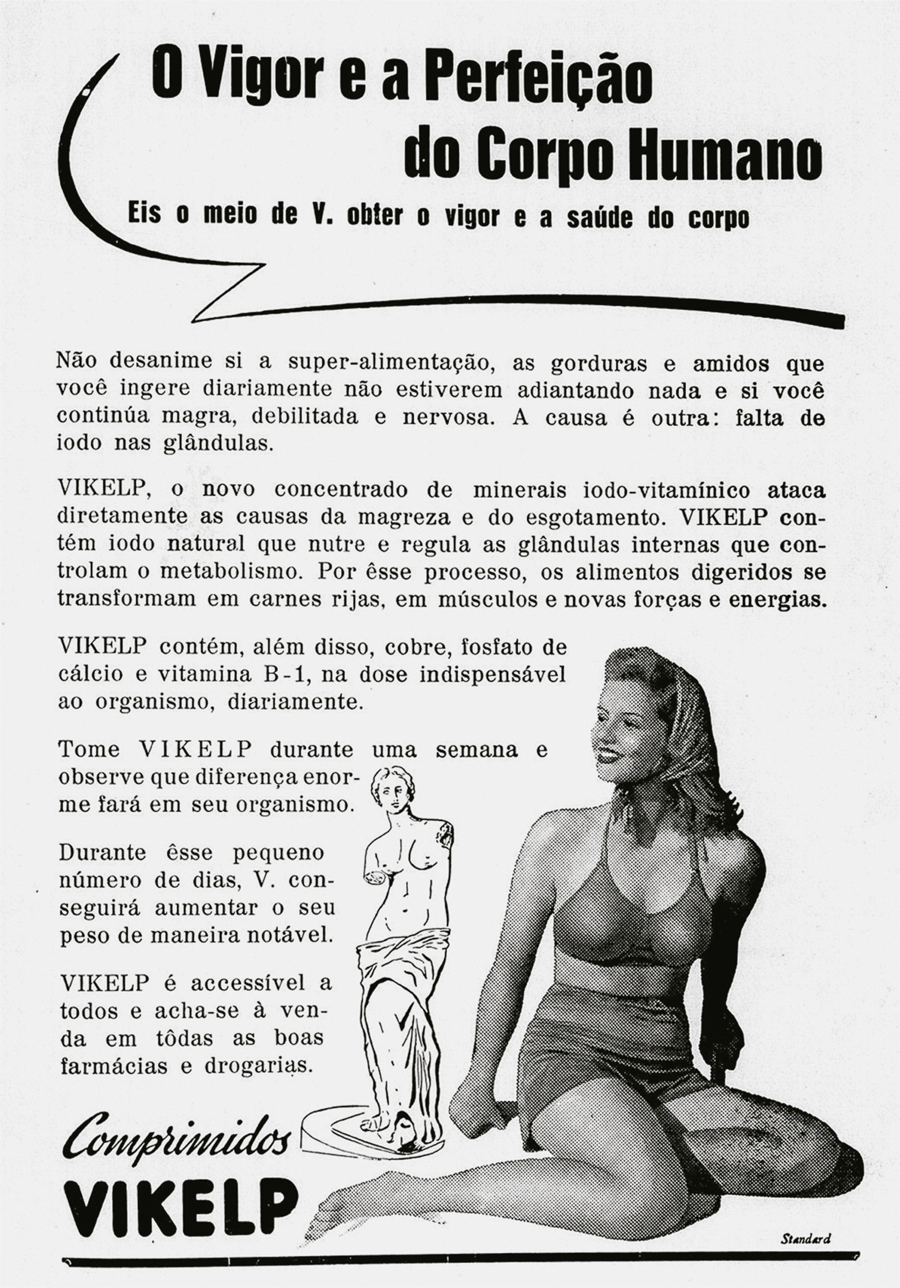
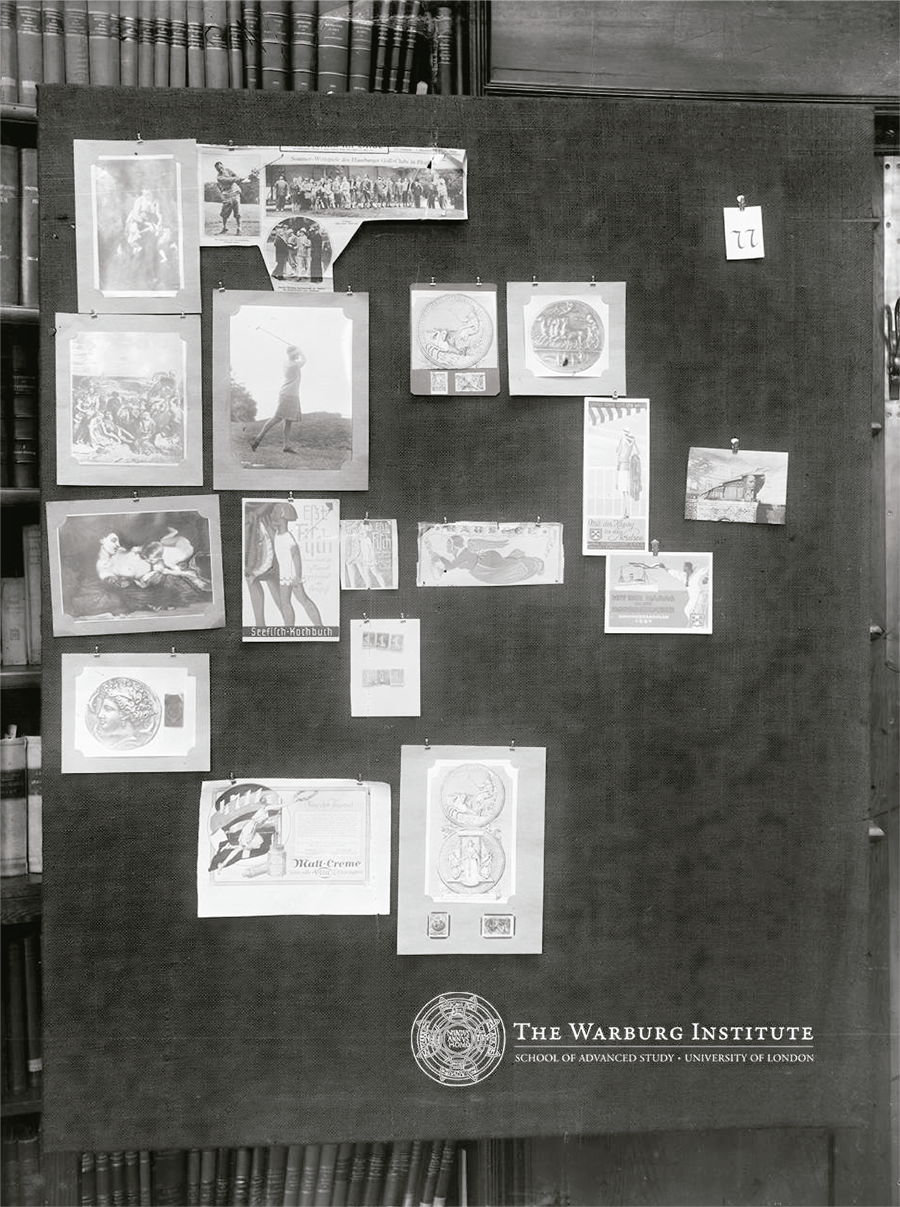
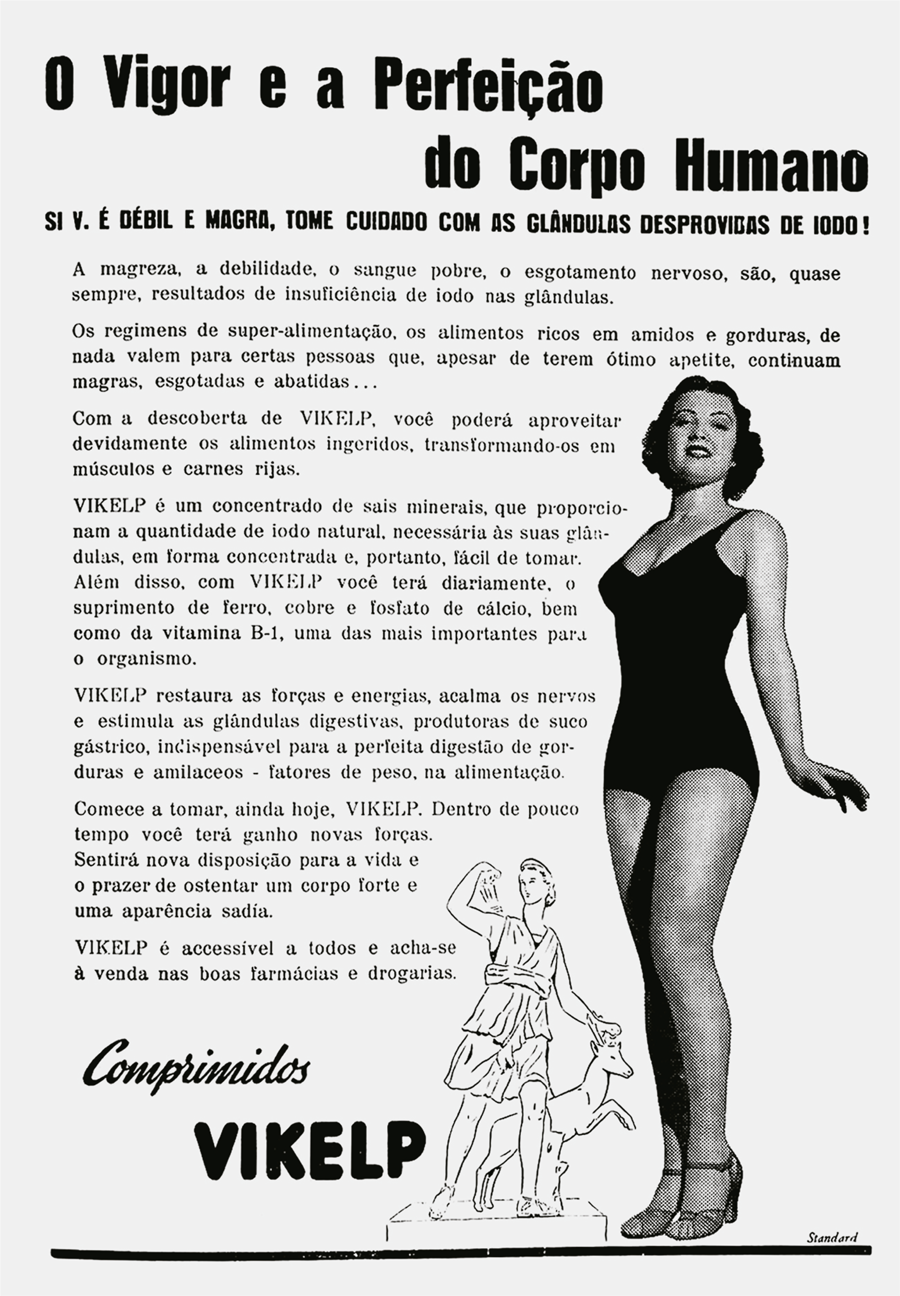
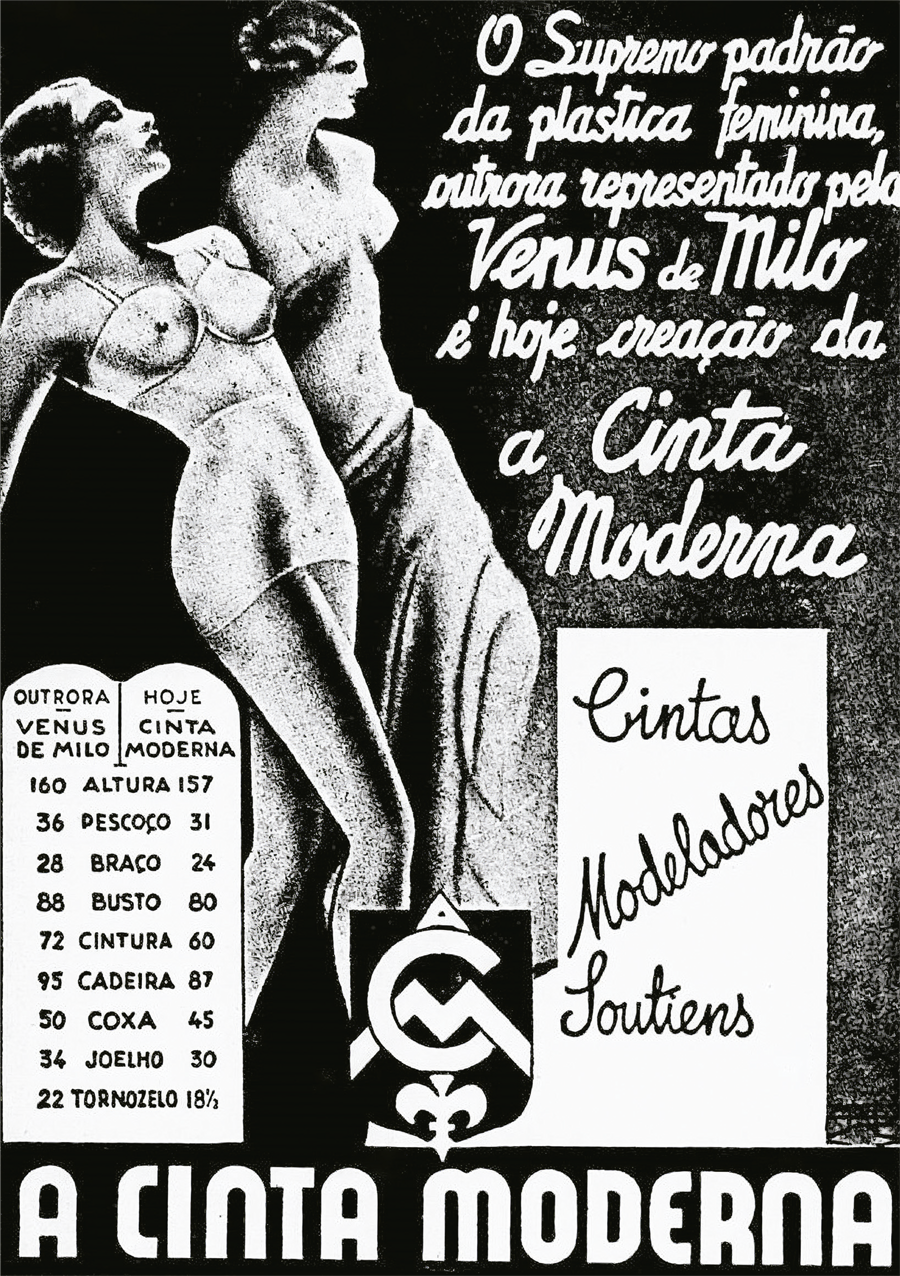
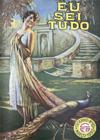
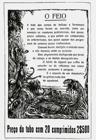
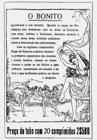
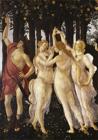
This article explores images from the covers and advertisements for drugs from Bayer and Vikelp in an effort to investigate the survival of Greco-Roman antiquity in the illustrated magazine Eu Sei Tudo, which circulated in Brazil from 1917 to 1958. The analysis utilizes theoretical and methodological references and concepts from Aby Warburg in his analyses on nymphs and Georges Didi-Huberman, who also considered the surviving imagery. We question the presence of divine characters in the magazine, with a focus on the ideals of beauty, perfection and strength propagated by the pharmaceutical industry, as well as Greco-Roman references in modern representations of health and the healthy body.
Keywords:
Visual culture; Antiquity; Body; Pharmaceutical industry; Republican Brazil
 Thumbnail
 Thumbnail
 Thumbnail
 Thumbnail
 Thumbnail
 Thumbnail
 Thumbnail
 Thumbnail
 Thumbnail
 Thumbnail