
 Problem structuring methods in Human Resource Management and Talent Acquisition: a systematic review
Abstract
Abstract This systematic review investigates the application of Problem Structuring Methods (PSM) in Human Resource Management (HRM) and Talent Acquisition. The study aims to identify the prevailing methodologies, evaluate their effectiveness and identify research gaps. Following the PRISMA protocol, the review synthesized 14 studies from Scopus and Web of Science. The search strategy used the PICO structure, with bibliometric analysis (using the Bibliometrix package in R) and qualitative synthesis to evaluate trends and impacts. The inclusion criteria prioritized peer-reviewed articles in English. The Soft Systems Methodology and Cognitive Mapping were identified as main PSM, valued by stakeholder engagement, objective clarification and integration of qualitative-quantitative approaches. Multimethodological approaches improved decision robustness, while the Viable Systems Model improved organizational adaptability. Challenges include contextual dependence, resource intensity and partial methodological implementations. A significant finding was the geographic concentration of publications in the United Kingdom and Brazil, although it may limit the generalizability of the results. This review offers a roadmap for the advancement of hybrid methodologies in operational research within HRM. Provides HR professionals with strategies to tackle complex workforce challenges and directs researchers into underexplored areas such as cross-cultural applications and the integration of Artificial Intelligence.
Keywords:
Human resource management; PRISMA protocol; Problem Structuring Methods; Soft Operational Research; Systematic review; Talent Acquisition
Resumo
Resumo Esta revisão sistemática investiga a aplicação de Métodos de Estruturação de Problemas (PSM) em Gestão de Recursos Humanos (GRH) e Aquisição de Talentos. O estudo visa identificar as metodologias prevalentes, avaliar a sua eficácia e identificar lacunas de investigação. Seguindo o protocolo PRISMA, a revisão sintetizou 14 estudos da Scopus e da Web of Science. A estratégia de busca utilizou a estrutura PICO, com análises bibliométricas (utilizando o pacote Bibliometrix em R) e síntese qualitativa para avaliar tendências e impactos. Os critérios de inclusão priorizaram artigos em inglês revisados por pares. A Soft Systems Methodology e o Mapeamento Cognitivo foram identificados como principais PSM, valorizados pelo engajamento das partes interessadas, esclarecimento objetivo e integração de abordagens qualitativo-quantitativas. As abordagens multimetodológicas melhoraram a robustez da decisão, enquanto o Viable Systems Model melhorou a adaptabilidade organizacional. Os desafios incluem dependência contextual, intensidade de recursos e implementações metodológicas parciais. Um achado significativo foi a concentração geográfica de publicações no Reino Unido e no Brasil, embora possa limitar a generalização dos resultados. Esta revisão oferece um roteiro para o avanço de metodologias híbridas em pesquisa operacional dentro da GRH. Fornece aos profissionais de RH estratégias para enfrentar desafios complexos da força de trabalho e direciona pesquisadores para áreas pouco exploradas, como aplicações interculturais e a integração da Inteligência Artificial.
Palavras-chave:
Gestão de recursos humanos; Protocolo PRISMA; Métodos de Estruturação de Problemas; Pesquisa Operacional Soft; Revisão sistemática; Aquisição de Talentos
1 Introduction
In today’s globalized business environment, effective human resource management (HRM) and Talent Acquisition are critical to organizational success. The appropriate recruitment and selection of candidates with the desired competencies and characteristics significantly contribute to achieving strategic objectives, optimizing productivity, and creating a positive and engaging work environment. At its core, personnel recruitment and selection involve complex decision making, requiring the evaluation of multiple criteria often fraught with uncertainties and subjectivities (Nikolaou & Oostrom, 2015).
Decision-making in complex scenarios benefits significantly from structured methods that facilitate problem analysis and solution selection. Various Problem Structuring Methods (PSM) have been proposed and applied in different fields, including management, engineering, health, and education (Mingers & Rosenhead, 2004; Gomes & Schramm, 2022). These methods provide a systematic framework for identifying relevant problem elements, defining objectives and evaluation criteria, generating alternatives, and analyzing trade-offs among available options (Ackermann, 2012).
The application of PSM to HRM and Talent Acquisition processes offers substantial potential to address the inherent complexity of this decision-making task. PSM can aid in modeling decision-makers’ preferences, structuring hierarchical evaluation criteria, and analyzing interactions between different problem elements (Belton & Stewart, 2010). PSM can help reduce subjectivity, improve process transparency, and provide a basis for justifying decisions, which is especially important in personnel recruitment and selection involving ethical and legal considerations (Franco & Montibeller, 2010).
Despite the potential of PSM for HRM and Talent Acquisition, there is a notable gap in the literature regarding their specific application in this context. A systematic review is necessary to map existing studies, identify methods used, and highlight research gaps (Tranfield et al., 2003).
This article presents a systematic literature review on the application of PSM in HRM and Talent Acquisition, adhering to the Preferred Reporting Items for Systematic Reviews and Meta-Analyses (PRISMA) protocol (Page et al., 2021). The study aims to (1) systematically review PSM applications in strategic HRM and Talent Acquisition; (2) identify methodological trends and unexplored opportunities; and (3) bridge theoretical-practical gaps in Soft Operational Research (Soft OR) for workforce strategy.
Methodologically, we conduct bibliometric analysis using the Bibliometrix package in R (Aria & Cuccurullo, 2017) on literature from Scopus and Web of Science databases. By synthesizing fragmented knowledge, this work equips HR professionals with evidence-based strategies for complex workforce challenges; and guides researchers toward understudied areas (e.g., cross-cultural applications, AI integration).
The remainder of this paper is organized as follows: Section 2 describes the detailed methodology used to perform the systematic review. Section 3 presents the results of the review, including a bibliometric analysis of the selected studies. Section 4 discusses the findings, highlighting research gaps and opportunities for future investigations. Finally, Section 5 concludes the study, summarizing key insights and implications for theory and practice.
2 Methodology
This systematic review began with the formulation of a specific research question to guide the search for pertinent documents on the studied topic. The research question was structured using the PICO framework (Population, Intervention, Comparison and Outcomes), a well established approach in evidence-based research (Schardt et al., 2007). This strategy ensures a comprehensive and focused literature search by clearly defining the key elements of the research question.
The PICO framework aids in deconstructing the research question into its fundamental components:
-
Population: HRM contexts focusing on Talent Acquisition processes;
-
Intervention: Application of PSM;
-
Comparison: Traditional methods in HRM without the application of PSM; and
-
Outcomes: Effectiveness of decision-making processes measured by alignment with organizational goals, stakeholder satisfaction, and improved HRM metrics.
The primary research question that guides this systematic review is as follows: How do PSM influence the effectiveness of decision-making processes in Talent Acquisition within HRM compared to traditional decision-making approaches? Based on the formulated research question, a comprehensive search string was developed, incorporating relevant keywords related to the topic. Boolean operators were used to construct this string, optimizing the retrieval of pertinent literature. The specific composition and application of this search strategy are detailed in Subsection 2.2 of this paper.
2.1 Guiding questions
The guiding questions were carefully formulated to direct the entire review process. These questions helped define the scope of the review, inform the research strategy, and guide the analysis of the included studies. The guiding questions for this research are as follows:
-
Q1: What are the main PSM applied to HRM and Talent Acquisition problems?
-
Q2: How effective are these methods in addressing the complexities of HRM and Talent Acquisition decisions?
-
Q3: What are the key benefits and limitations of using HRM and Talent Acquisition processes?
-
Q4: What are the current trends and future research directions in the application of PSM to HRM and Talent Acquisition?
-
Q5: Who are the main authors and what are the predominant countries and areas of knowledge?
-
Q6: What intellectual frameworks are presented by the authors?
-
Q7: What is the annual scientific production based on the established search string?
The responses to the guiding questions provide a comprehensive overview of the current state of HRM research, illuminating both established knowledge and areas ripe for further exploration. This analysis enables a critical assessment of the relevance and depth of existing knowledge, thus informing the direction of future research and academic endeavors. By focusing on the critical gaps in understanding the implications of applying PSM in HRM decision-making and Talent Acquisition processes, this work aims to contribute to a more nuanced and comprehensive understanding of the field of HRM.
2.2 Search strategy
The methodological framework for the bibliometric analysis in this research comprises four distinct phases, as illustrated in Table 1. This framework follows the standard workflow outlined by Öztürk et al. (2024) which serves as a foundational reference for tailoring the bibliometric analysis.
Scopus and Web of Science were selected for their comprehensive coverage, citation reliability and prominence in academic research, complementing each other in terms of comprehensiveness and rigor of indexing (Birkle et al., 2020; Zhu & Liu, 2020). Table 2 presents the search equation or string used in both electronic databases. These strings were applied to the title, abstract, and keywords of the articles, ensuring a comprehensive approach to identifying relevant works for systematic review.
The use of Boolean operators in the construction of these search equations allowed for precise and efficient retrieval of the literature, as recommended in systematic review methodologies. This approach aligns with best practices that emphasize the importance of combining key terms and logical operators to improve search sensitivity and precision. Asterisk as a wildcard was used to ensure more comprehensive search results.
The search carried out in the Scopus database yielded a total of 86 results, including articles, conference papers, books, and book chapters. In contrast, the search in the Web of Science database returned 16 results, comprising articles and proceeding papers. It should be noted that no literature review articles related to the research theme were found.
2.3 Eligibility criteria
In this study, strict inclusion (I) and exclusion (E) criteria were established, limiting the consideration of language, document type and scope of documents. To ensure the systematic review concentrated on primary and high-quality research, we prioritized peer reviewed sources.
The decision to prioritize peer-reviewed sources and exclude gray literature was fundamental to ensure the high quality and primary and updated character of the evidence included. This choice minimizes potential biases and supports the scientific rigor of the research, allowing an analysis focused on the most relevant PSM in the field.
The restriction to articles in English aimed to ensure consistency in data interpretation and analysis, given that the main academic databases (Scopus and Web of Science) and the vast majority of high-impact scientific literature in this field are predominantly in English.
This approach secured direct and current information, minimizing potential bias and upholding the investigation's scientific rigor. Moreover, this strategy facilitated a focused analysis of the most relevant PSM within the field. To further maintain the study's integrity and scientific rigor, we excluded documents classified as gray literature. Table 3 presents the criteria adopted.
2.4 Selection process
Figure 1 was created using the PRISMA2020 R package and Shiny app, as proposed by Haddaway et al. (2022), and illustrates the screening process in three stages, according to the PRISMA protocol (Page et al., 2021). In the identification stage, the search string was applied to the Scopus and Web of Science databases, resulting in a total of 102 records. After removing eight duplicate records, 94 documents went to the next stage of the protocol.

During the screening phase, these 94 documents were evaluated against the established inclusion and exclusion criteria. As a result, 3 documents were eliminated because they were not written in English. In addition, 6 works were excluded because they did not qualify as articles, conference papers, or proceeding papers.
In the inclusion phase, the alignment and relevance of the titles and abstracts of the remaining documents were evaluated. The exclusion of 71 articles in this stage was the result of a careful evaluation of their titles and abstracts, focused on their direct adherence to the scope of the research. Although these documents might mention terms such as PSM or HRM, an in-depth analysis revealed that they did not address the specific intersection of the PSM applied to GRH and Talent Acquisition as a main focus. For example, some studies could focus on PSM in other contexts, while others focused on HRM without the application of PSM, or its application was tangential or without direct relevance to the objectives of this review.
This rigorous filtering ensured that the 14 selected articles accurately and thoroughly represented the literature directly relevant to the research question formulated, optimizing the quality of synthesis. The papers and conference papers included in the systematic review are presented in Table 4 include an explanation: “all citations and references of the documents included in this systematic review, after the selection process, are marked with *”.
2.5 Quantitative and qualitative assessment
After the selection process detailed in Section 2.4, a comprehensive quantitative and qualitative evaluation of the included studies was conducted with the aim of answering the guiding questions of this systematic review and achieving its objectives of identifying methodological trends, unexplored opportunities and theoretical-practical gaps. In bibliometric research, two primary analytical approaches are utilized: performance analysis, which provides a comprehensive overview of the field based on scientific outputs, and science mapping, which examines the interconnections among authors, papers, concepts, and citations (Cobo et al., 2011; Gutiérrez-Salcedo et al., 2018).
Performance analysis focused on evaluating the publications and citation metrics of researchers, institutions, countries, and journals (Öztürk & Dil, 2022). This process involved evaluating scientific output through both qualitative and quantitative indicators related to the entities (authors, journals, countries, institutions) present in the data set obtained for this specific research. This type of analysis was fundamental to address the guiding question on annual scientific production (Q7) and identify the main contributors and their impact over time.
As suggested by Öztürk et al. (2024), this study used the Bibliometrix package to perform a bibliometric analysis of the included works (Aria & Cuccurullo, 2017). To evaluate the quality of the studies, the total citations, a widely used academic metric, was employed to assess the productivity and impact of the researchers. The detailed results of this analysis are presented in Section 3, particularly in subsections 3.5 and 3.7.
To gain a comprehensive understanding of the interactions among various scientific entities, such as authors, publications, journals, concepts, institutions, countries, and citations, science mapping techniques were utilized (van-Eck & Waltman, 2014). This approach visualizes the network of relationships and collaborations between these scientific elements, facilitating the mapping of the pertinent literature in the field (Öztürk et al., 2024). The mapping of science was crucial to answer the guiding questions on the main authors, predominant countries and areas of knowledge (Q5), as well as on the intellectual frameworks presented by the authors (Q6). The resulting visualizations and analyses, which detail these interconnections and collaborations, are presented in Section 3, with a focus on subsections 3.5 and 3.6.
2.6 Assessment of risk and study bias
The assessment of risk of bias is a fundamental and critical step in any systematic review to ensure the reliability and validity of findings (Siddaway et al., 2019). Bias in the study refers to any systematic deviation from results or inferences of truth, which may occur at any stage of the review, from the selection of studies to the interpretation of data. To adhere to the best practices in systematic reviews of the literature and minimize the introduction of biases, this study implemented a rigorous methodology.
In accordance with the recommendations put forth by Siddaway et al. (2019), this study implemented best practices for systematic literature reviews employing two distinct approaches carried out by independent researchers during the manuscript search, screening, and inclusion processes. This process of double and independent review was applied exhaustively during the phases of search, screening (screening) and inclusion of manuscripts, crucial steps that directly impact the final composition of the studies analyzed. This methodology was designed to improve the reliability of evaluations and mitigate potential biases in the analyses, ensuring the objectivity and robustness of the results.
By having two independent evaluators of articles, under the previously established inclusion and exclusion criteria (detailed in Section 2.3), individual subjectivity in making decisions about which studies should be included is minimized. This helps prevent the final sample of 14 articles from being influenced by preferences or isolated interpretations, reducing selection bias.
The agreement between reviewers in the identification, screening and inclusion phases, as documented in the PRISMA flow diagram (Figure 1), increases the reliability that the selection process was systematic and replicable. Any disagreements between the reviewers were resolved by discussion or, when necessary, by the intervention of a third party to reach a consensus.
Ensuring that studies are selected in an impartial manner contributes directly to the internal validity of the review, by ensuring that conclusions are based on a consistent and high-quality body of evidence. Adherence to this practice, in line with the PRISMA protocol (Page et al., 2021), reinforces the commitment of this review to provide a transparent, rigorous and as free of bias as possible analysis, allowing the research’s guiding questions to be answered with greater credibility.
3 Analysis and visualization
This section presents the research findings, aiming to address the guiding questions. Figure 2 provides key insights into the imported data set, revealing an annual growth rate of 2.34% for the topic and a rate of 7.14% of international co-authorship. This figure indicates a growing interest from the global scientific community in this subject area, while also highlighting considerable opportunities for further development.

3.1 What are the main PSM applied to HRM and Talent Acquisition problems?
The application of Problem Structuring Methods (PSM) in Human Resource Management (HRM) and Talent Acquisition addresses complex, multifaceted challenges by fostering stakeholder engagement, clarifying objectives, and generating actionable insights. These methods facilitate stakeholder engagement, clarify objectives and generate actionable insights (Smith & Shaw, 2019). Numerous methodologies have been developed to address complex problem situations, as shown in Table 5.
The PSM are supported by philosophical premises distinct from the traditional methodologies of Operational Research, organized in four pillars: ontological, epistemological, axiological and methodological (Smith & Shaw, 2019). The most recognized and widely used PSM include the Soft Systems Methodology (SSM), the Strategic Choice Approach (SCA) and the Strategic Options Development Analysis (SODA). Table 6 summarizes the main MSP identified in the literature and their applications in contexts of HRM and Talent Acquisition.
Some research has only partially employed specific PSMs or related techniques, such as VFT (*Andrade et al., 2019), Rich Pictures (*Hassani et al., 2013), and SSM (*Zheng et al., 2019). These studies have not fully explored the underlying axioms of these PSMs. Furthermore, it is important to note the absence of studies mentioning the traditional PSM, the Strategic Choice Approach (Friend & Hickling, 2005). These gaps highlight significant opportunities for further exploration within the literature on PSMs applied to HRM processes and Talent Acquisition.
3.2 How effective are these methods in addressing the complexities of HRM and Talent Acquisition decisions?
The application of PSM in HRM and Talent Acquisition has shown significant effectiveness to deal with the complexity inherent to these domains. PSM as Cognitive Mapping, SODA, SSM, VFT, VSM, VFB and Rich Pictures offer systematic approaches to understand and structure complex problems, thus facilitating decision-making (*Abuabara et al., 2017). Key Characteristics that Contribute to the Effectiveness of MSP in HRM and Talent Acquisition:
-
Multidimensional approach: MSP allows for the consideration of multiple factors and perspectives, which is vital in HRM where decisions involve diverse stakeholders and potentially conflicting interests.
-
Flexibility and Adaptability: In complex and dynamic environments, PSM provides the necessary flexibility to adapt HRM and Talent Acquisition strategies to changes in the organizational context. VSM, for example, is used to improve flexibility and adaptability by integrating interconnected systems.
-
Promotion of Participation and Trust: The application of MSP, such as SSM and Cognitive Mapping, together with facilitation techniques (ex: VFT and VFB), promotes democratic participation and trust among stakeholders, resulting in more effective and widely accepted strategies.
-
Fostering Continuous Learning: MSP not only helps solve immediate problems, but also promotes a culture of continuous learning and improvement within the organization.
Several challenges have been identified. For example, the implementation of theoretical HRM models requires organizational acceptance (*Núñez-Ríos et al., 2020). Organizational policies, such as communication and training, significantly impact integration and development functions, confirming the contextual nature of HRM (*Budhwar & Budhwar, 2000). A holistic perspective is essential for integrating “soft” and “hard” systems to improve processes and generate competitive advantages (*Núñez-Ríos et al., 2020). In summary, PSM are valuable tools in Human Resource Management and Talent Acquisition, offering flexible, participatory, and multidimensional approaches to address the complexity and dynamics of modern organizational environments (*Abuabara et al., 2017). Table 7 details how different PSM and their combinations have been effective in various aspects of HRM and Talent Acquisition.
Therefore, PSM are valuable tools in Human Resource Management and Talent Acquisition, offering flexible, participatory and multidimensional approaches to address the complexity and dynamics of modern organizational environments.
3.3 What are the key benefits and limitations of using PSM in HRM and Talent Acquisition processes?
This research highlights key benefits of PSM in this context of HRM and Talent Acquisition, as follows.
-
Better Understanding of Complexity: PSM such as Cognitive Mapping and Rich Pictures help to visualize and structure complex problems, considering multiple perspectives and interrelated factors (*Abuabara et al., 2017; *Castellini & Paucar-Caceres, 2019). This allows HR managers to better understand the dynamics at play and make more informed decisions (*Abuabara et al., 2017).
-
Value Elicitation and Structuring: Methods such as VFT help to structure objectives and analyze decisions with multiple criteria, improving understanding of values, the context of the decision, and facilitating the prioritization of actions (*Abuabara et al., 2017; *Andrade et al., 2019).
-
Stakeholder Engagement: PSM such as SSM and VFB promote democratic participation and trust among stakeholders, resulting in more effective and widely accepted human resources strategies (*Abuabara et al., 2017; *Castellini & Paucar-Caceres, 2019).
-
Flexibility and Adaptability: In dynamic environments, PSM such as the VSM and SODA provide the flexibility to adapt human resources strategies to changes in the organizational context (*Abuabara et al., 2017; *Castellini & Paucar-Caceres, 2019; *Aguilar-Fernández et al., 2024).
-
Continuous Improvement and Learning: The application of PSM not only helps in solving immediate problems, but also fosters a culture of learning and continuous improvement within the organization (*Abuabara et al., 2017; *Castellini & Paucar-Caceres, 2019; *Núñez-Ríos et al., 2020; *Pulyaeva et al., 2024).
-
Integration of “Soft” and “Hard” perspectives: The combination of “soft” (qualitative) and “hard” (quantitative) approaches allows a more holistic and comprehensive view of human resources challenges, integrating different organizational elements to generate competitive advantages (*Núñez-Ríos et al., 2020).
In contrast, this research identified the limitations of PSM in HRM and Talent Acquisition as follows.
-
Implementation and Acceptance: The implementation of HRM theoretical models may face resistance and difficulties of acceptance by the organization (*Núñez-Ríos et al., 2020).
-
Complexity and Resources: The application of PSM can be complex and require significant resources, including time, expertise and stakeholder involvement (*Abuabara et al., 2017; *Castellini & Paucar-Caceres, 2019; *Núñez-Ríos et al., 2020).
-
Subjectivity and Bias: The interpretation and modeling of problems in PSM can be influenced by the participants’ subjectivity and bias, which can compromise the objectivity of the solutions (*Abuabara et al., 2017; *Castellini & Paucar-Caceres, 2019; *Núñez-Ríos et al., 2020).
-
Contextual Nature: The solutions generated by PSM are highly contextual and may not be generalizable to other organizations or situations (*Abuabara et al., 2017; *Castellini & Paucar-Caceres, 2019; *Núñez-Ríos et al., 2020).
-
Excessive focus on the internal: Some models of HRM may neglect the relationships and impacts of the external environment in people management (*Núñez-Ríos et al., 2020).
-
Difficulty in Measuring Results: Measuring the results and impact of applying PSM to HRM can be challenging, especially in terms of tangible and financial indicators (*Núñez-Ríos et al., 2020).
The PSM are valuable tools to address the complexity of HRM and Talent Acquisition; however, it is crucial to be aware of their limitations and carefully consider the organizational context and available resources when choosing and implementing these methodologies. In addition, the review identified that some studies have only partially implemented PSM (*Hassani et al., 2013; *von-Meding et al.,2016; *Ismagilova et al., 2017; *Zheng et al., 2019; *Andalib et al., 2019), or applied traditional techniques to structure decision problems, frequently integrating them with other multicriteria decision methods (MCDM) (*Andrade et al., 2019). This partial use approach raises questions about the methodological fidelity and the total impact of the application of PSM, which may dilute its axiomatic principles and potentially distort the decision-making process, especially when the justification for such simplification is not explained.
However, it is important to consider that in some contexts, such as conference papers, conciseness may limit the detailed description of methodological application. In addition, the integration of PSM with MCDM approaches, although it may lead to methodological simplifications at certain stages, can also be justified by expanding the scope of the analysis, allowing the consideration of both qualitative aspects of problem structuring and quantitative alternatives evaluation in a synergistic way. This duality highlights an important theoretical space for future research, aiming to better understand the conditions under which the partial or hybrid use of PSM is more beneficial or problematic and how to communicate this methodological choice in a transparent way.
3.4 What are the current trends and future research directions in the application of PSM to HRM and Talent Acquisition?
The application of PSM in HRM and Talent Acquisition is constantly developing, driven by changes in the labor market and technological advances. Figure 3 provides a detailed analysis of the topics of interest identified in the keywords. It is possible to observe that SSM and Cognitive Mapping appear as the principal PSM applied in HRM and Talent Acquisition.

The sources included in this research reveal the following current research trends:
-
Multimethodological approach: The current trend in the field of OR is the use of various methodologies, methods, and techniques in combination (*Castellini & Paucar-Caceres, 2019). The combination of methods can provide new insights and make the results more reliable (*Castellini & Paucar-Caceres, 2019). The combination of SODA and VFT has been the focus of some recent articles (*Abuabara et al., 2017).
-
Emphasis on Stakeholder Participation: There is a growing recognition of the importance of working interactively with stakeholders in organizations (*Castellini & Paucar-Caceres, 2019). Participation of the work team in the decision-making process helps involve them in the implementation of agreed solutions (*Abuabara et al., 2017).
-
Use of Soft OR for Complex Problems: The OR community has accepted many terms to deal with complex and unstructured problems, such as Soft OR, Soft Systems, PSM and Facilitated Structuring Methods (*Abuabara et al., 2017).
-
Focus on Adaptability and Flexibility: HRM models must align with dynamic environments, focusing on effective communication, feedback, and a systemic approach to human capital management (*Aguilar-Fernández et al., 2024).
-
The articles analyzed brought the following Directions for future Research, as follows.
-
Behavioral Evaluation: The evaluation of actors’ behavior along the methodology used can be a source for future studies, highlighting the growing number of publications in Behavioral Operations Research (BOR) (*Abuabara et al., 2017).
-
Integration of Perspectives: Advance systemic thinking and promote collaborative capabilities in HRM (*Aguilar-Fernández et al., 2024).
-
Empirical Studies: Need for more empirical studies on integration and decentralization practices in HRM to provide useful insights to practitioners (*Budhwar & Budhwar, 2000). Research on the main determinants of integration and decentralization will help to highlight the specific nature of the HRM context (*Budhwar & Budhwar, 2000).
-
Impact of Organizational Policies: More research is needed to confirm the impact of organizational policies on integration and decentralization functions and to examine other organizational policies as possible determinants of HRM functions in different contexts (*Budhwar & Budhwar, 2000).
-
Environmental Analysis: Deeper analysis of the immediate and future environment when applying HRM models (*Aguilar-Fernández et al., 2024).
-
Intercultural Comparison: The influence of national factors, such as culture, institutions and dynamic business environment, on integration and decentralization practice deserves to be examined in future studies (*Budhwar & Budhwar, 2000).
-
Adoption of Cognitive Methodologies: The adoption of cognitive methodologies can be a useful tool to examine and highlight the thinking of the main actors on integration and decentralization practices (*Budhwar & Budhwar, 2000). Cognitive maps can be used to train and give feedback to employees (*Budhwar & Budhwar, 2000).
-
Social Skills Modeling: Study various approaches to understand social skills and perform social skills modeling using various tools, including cognitive maps (*Pulyaeva et al., 2024).
-
Adaptive Complex Systems: HRM can benefit from further analysis through the lens of adaptive complex systems, allowing for more effective adaptation to environmental and organizational changes (*Aguilar-Fernández et al., 2024).
-
Emphasis on Sustainability: Integration of sustainable human resource management practices, considering the dialog and complexity within organizations (*Aguilar-Fernández et al., 2024).
-
Viable Systems Models: Exploration of viable system models to ensure that HRM practices promote organizational adaptability and resilience in complex environments (*Aguilar-Fernández et al., 2024).
-
Consider the Theory of Autopoiesis: The application of the theory of autopoiesis (Limone & Bastias, 2006) can be relevant to generate constant processes of adaptation, instead of depending on the capacity for planning and strategies (*Núñez-Ríos et al., 2020).
-
Value-Focused Thinking: the partial application of the VFT method may not provide a complete understanding of the boundary conditions of decision problems (*Andrade et al., 2019). In this sense, research is needed that advances the full implementation of VFT, in order to understand the problems of HR in depth.
This review positions PSM as vital tools for navigating the complexities of modern HRM, offering structured yet flexible approaches to talent acquisition and workforce strategy. While challenges such as contextual dependency and implementation barriers persist, the growing academic interest, evidenced by rising publication trends, signals a paradigm shift toward participatory, systems-oriented HRM practices. Future research must address methodological gaps and expand the empirical foundation to fully realize the transformative potential of PSM in this domain.
In summary, current trends point to a more integrated, participatory and adaptable approach in the application of PSM in HRM and Talent Acquisition. Future research directions suggest the need to thoroughly explore contextual factors, behavioral dynamics and cognitive methodologies to improve the effectiveness of these approaches and ensure that they promote sustainability and organizational resilience.
3.5 Who are the main authors and what are the predominant countries and areas of knowledge?
Figure 4 provides a detailed analysis of the relationships between authors, their countries, and the main keywords associated with their research. This visualization reveals key insights into the geographical distribution of research within the field of PSM applied to HRM and Talent Acquisition.

Key authors, affiliation and countries. Source: The authors, according to Aria & Cuccurullo (2017).
Figure 5 shows the scientific production by country and collaboration world map, demonstrating that collaboration only occurred individually between the United Kingdom and Argentina, Brazil and China, and between Malaysia and Saudi Arabia. Researchers from other countries did not maintain international collaboration.

The analysis identifies the main contributors of scientific literature in the field of study, mainly from the UK, which stands out as a central country in this research field. It is essential to highlight that this geographical concentration in a few countries, notably the UK, Brazil, Finland, Malaysia, Australia, China and Mexico, is not a reflection of an incomplete search, rather a direct result of the exhaustive systematic review in the Scopus and Web of Science databases. This finding is therefore a relevant result of the study, indicating the main poles of knowledge production on the application of PSM in HRM and Talent Acquisition. The dominance of the UK, for example, suggests a strong academic interest and research tradition in this methodological and thematic intersection. Although this concentration may impact the generalization of results to other geographic and cultural contexts, it provides a clear picture of the current state of global research in this emerging area.
Although Iran and Malaysia are not among the countries with the highest scientific productivity in this field, they are among those most cited worldwide, as can be seen in Figure 6. This may indicate the relevance of the work developed by *Hassani et al. (2013) and *Andalib et al. (2019).

The main research themes, as indicated by the keywords, include HRM, Performance, Cognitive Mapping, Value-Focused Thinking, Cognition, PSM, Decision Making, and Quality management. These keywords reflect a broad range of methodologies and frameworks used to tackle decisionmaking problems, particularly in complex environments.
The presence of specific keywords such as Quality Management and Cognition underscores the adaptability of PSM methodologies in addressing complex decision-making scenarios, particularly in Talent Acquisition processes. These insights provide a valuable context for further research and exploration of PSM in human resources.
3.6 What intellectual frameworks are presented by the authors?
The authors of the articles included in this systematic review present different intellectual frameworks to address complex decision-making problems of HRM and Talent Acquisition decision making problems. Figure 7 shows the thematic map designed for this research. The main emphasis is on the motor themes, such as Cognitive Mapping and SSM, and emerging themes such as VFT and personnel selection, indicating scientific interest in these topics.
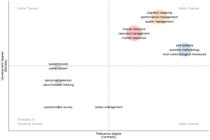
The VFT method is presented as a fundamental approach to guide and integrate decisionmaking activities, with emphasis on creating alternatives that are aligned with strategic values (*Andrade et al., 2019), and stands out for its ability to structure complex decisions, providing valuable insights that enrich the decision-making process and prioritizing the identification of values over pre-existing alternatives (*Andrade et al., 2019). In addition, the VFT is recognized as a robust tool to analyze behavioral aspects in multi-criteria analysis, guiding decision-makers in the evaluation of alternatives and criteria, which promotes greater acceptance of proposed solutions (*Abuabara et al., 2017).
*Budhwar & Budhwar (2000) uses questionnaires, in-depth interviews and Cognitive Mapping to reveal that strategic integration of HRM and transfer of responsibility are influenced by organizational policies, not just variable contingencies. The works of *Ismagilova et al. (2017), *von-Meding et al. (2016), and *Uotila (2015) also emphasize the relevance of cognitive maps.
*Abuabara et al. (2017) have put forward a systemic framework for the team work strategy, which combines several “soft” OR methods to redesign the strategy of a departmental management team in an aircraft manufacturing organization in Brazil. *Abuabara et al. (2017) used elements of the SSM, SODA, VFT and VFB to facilitate the discussion, development and implementation of a new departmental strategy. In addition, the methodology used by *Aguilar-Fernández et al. (2024) includes to design a viable HRM model based on the VSM.
The Soft Systems Methodology is used to identify holistic systems that influence the productivity of knowledge workers, taking into account both the organizational and individual perspective (*Bolton & Gold, 1994). SSM seeks to formulate models of intentional activities for complex systems, considering the different perspectives of stakeholders (*Núñez-Ríos et al., 2020). The SSM is often applied in conjunction with other methodologies to facilitate the understanding of complex problems and the development of change-oriented actions (*Abuabara et al., 2017). In addition, the SSM serves as a basis for the creation of instruments to measure performance, through the integration of methods and techniques throughout the different phases of research (*Andalib et al., 2019; *Zheng et al., 2019).
3.7 What is the annual scientific production based on the established search string?
The analysis of the annual scientific production, as shown in Figure 8, indicates an inexpressive publication of papers on this topic until 2012. From that year, there was a simple positive variation in the number of articles published, and 2019 was the most expressive. However, in the period of the Covid 19 pandemic there was a drop in scientific production in this area.

This behavior may reflect trends in research on Problem Structuring Methods in HRM and Talent Acquisition, perhaps influenced by external factors, such as the COVID-19 pandemic in 2020-2021, which may have affected scientific production. The recovery in 2024 suggests a resumption of interest or greater adaptation of researchers to the current context.
This pattern may indicate that the field is emerging with variations that may be associated with external factors, but also with the growing relevance of the topic. The recent increase may indicate a strengthening of this research area, making it a fertile field for future investigations.
4 Discussion
The systematic review of PSM in HRM and Talent Acquisition reveals critical insights into the evolving role of these methodologies in addressing complex decision-making challenges. By synthesizing findings from 14 studies, this review bridges theoretical and practical gaps, offering a nuanced understanding of how PSM enhance HRM processes while highlighting areas requiring deeper exploration.
4.1 Key contributions and theoretical implications
The predominance of the SSM and Cognitive Mapping across the reviewed studies underscores their utility in structuring ill-defined HRM problems. These methods align with the ontological and epistemological assumptions of “soft” OR, which prioritize stakeholder engagement and subjective interpretation over rigid quantitative models (Checkland, 1981; Eden, 2004). For instance, SSM’s iterative process of modeling “human activity systems” (Checkland & Scholes, 1990) enables HR practitioners to reconcile divergent stakeholder perspectives, as demonstrated in career management interventions (*Bolton & Gold, 1994) and post-disaster project planning (*von-Meding et al., 2016). Similarly, Cognitive Mapping’s visualization of mental models (Eden, 1992) has proven effective in capturing CEO performance cognitions (*Uotila, 2015) and diagnosing gaps between HR policy and practice (*Budhwar & Budhwar, 2000).
The emergence of multimethodological approaches, such as the integration of SSM with VFT or SODA, reflects a broader shift in OR toward hybrid frameworks (Mingers & Rosenhead, 2004). This trend addresses the limitations of singular methodologies by combining participatory deliberation (SSM) with value-driven prioritization (VFT) to improve the robustness of decisions (*Abuabara et al., 2017). Such integrations resonate with Franco & Montibeller (2010) advocacy for pluralism in OR, where methodological flexibility accommodates the dynamic, multi-actor nature of HRM contexts.
4.2 Practical implications
For HR professionals, this review underscores the value of PSM in promoting transparency, adaptability, and stakeholder alignment. The VSM, for example, offers a cybernetic framework to balance HR processes with external complexities (*Aguilar-Fernández et al., 2024), allowing organizations to build resilience in turbulent environments. Similarly, the VFB merges creativity with strategic alignment, responding to the Keeney (2012) call for decision processes that prioritize organizational values over predefined alternatives.
However, the implementation of PSM demands careful consideration of contextual factors. While methods like Rich Pictures (Bell & Morse, 2013) democratize problem solving by incorporating visual narratives, their success depends on the organizational willingness to invest time, expertise, and resources (*Núñez-Ríos et al., 2020). Practitioners must also navigate the subjectivity inherent in qualitative PSM, ensuring that stakeholder biases do not compromise decision objectivity (*Castellini & Paucar-Caceres, 2019).
To make the practical contribution even more evident and robust for HR professionals, it is crucial to observe how these methodologies directly address complex problems. The predominance of the Soft Systems Methodology (SSM) and Cognitive Mapping across the reviewed studies underscores their utility in structuring such dilemmas. In practice, SSM has proven effective in reconciling divergent stakeholder perspectives, as demonstrated in career management interventions (*Bolton & Gold, 1994). Similarly, Cognitive Mapping is valuable for capturing CEO performance cognitions (*Uotila, 2015) and for diagnosing gaps between HR policy and practice (*Budhwar & Budhwar, 2000). Furthermore, the robustness of decisions is significantly enhanced by the emergence of multimethodological approaches, such as the integration of SSM with VFT or SODA. These combinations allow for the reconciliation of participatory deliberation (SSM) with value-based prioritization (VFT), strengthening the soundness of choices in dynamic, multi-actor HR contexts (*Abuabara et al., 2017).
4.3 Limitations and research gaps
Despite its contributions, this review has limitations. Although a rigorous systematic search was conducted, the final sample of 14 studies and the geographical concentration observed (predominantly in the UK and Brazil), which reveal the main research centers in the area, restrict the generalizability of the findings. Cultural and institutional nuances, such as variations in HRM practices between collectivist and individualist societies (*Budhwar & Budhwar, 2000), justify further exploration. Furthermore, the exclusion of gray literature and non-English studies may have omitted innovative applications of PSM in underrepresented regions.
The adoption of PSM is deeply influenced by a complex web of institutional and political factors, which go beyond its technical applicability. Organizational acceptance is a significant obstacle; the implementation of theoretical models of HRM can face resistance and difficulties of acceptance (*Núñez-Ríos et al., 2020). This resistance often stems from internal political dynamics, established hierarchies and aversion to change, which can undermine the support needed for the implementation of PSM. In addition, the organizational willingness to invest time, expertise and resources is a crucial political decision (*Abuabara et al., 2017; *Castellini & Paucar-Caceres, 2019; *Núñez-Ríos et al., 2020). The lack of this institutional commitment, often dictated by competing priorities or restricted budgets, can prevent the depth and success of the methods.
Organizational policies also play a decisive role. Communication and training policies, for example, directly impact HRM integration and development functions, confirming the contextual nature of HRM (*Núñez-Ríos et al., 2020; *Budhwar & Budhwar, 2000; *Abuabara et al., 2017). Thus, the absence of policies that support participation and collaboration inherent to PSM can severely limit its effectiveness. At a broader level, the influence of national factors such as culture and institutions needs to be examined (*Aguilar-Fernández et al., 2024; *Budhwar & Budhwar, 2000). The geographical concentration of studies (mainly UK and Brazil) suggests that PSM may be more receptive in certain institutional and cultural contexts. Solutions generated by PSM are highly contextual and may not be generalizable to other organizations or situations, requiring a political and cultural adaptation that many systems may not be prepared to offer (*Abuabara et al., 2017; *Castellini & Paucar-Caceres, 2019; *Núñez-Ríos et al., 2020). The subjectivity and biases of stakeholders can also be politically exploited, compromising the objectivity and acceptance of proposed solutions.
Notably, the partial application of PSM in several studies (e.g., *Hassani et al., 2013; *Zheng et al., 2019) raises questions about methodological fidelity. For example, *Andrade et al. (2019) employed the VFT without fully exploiting its axiomatic principles, potentially diluting its impact. Although this practice can be seen as a limitation to the methodological integrity of pure PSM, it is crucial to analyze the context and possible justifications.
Some of these papers are conference articles, where extension restrictions may prevent an exhaustive and detailed description of all the methodological steps involved. Additionally, the integration of PSM with MCDM approaches, as observed in some cases, may be an intentional strategy to broaden the scope of analysis, combining the problem structuring power of PSM with the evaluation capacity of alternatives of MCDM. In these hybrid scenarios, certain methodological simplifications may be justified to facilitate the interconnection of methodologies and the treatment of complex problems that require multiple perspectives and complementary techniques.
However, the absence of a clear and transparent explanation on the reasons and impacts of these simplifications still highlights the need for strict reporting standards in PSM applications, especially in hybrid approaches. This is essential to ensure that flexibility in application does not compromise the robustness, validity and transparency of the decision-making process, and for future researchers to fully understand methodological choices and their implications.
5 Conclusion
This systematic review synthesizes the evolving role of PSM in addressing the complexities of HRM and Talent Acquisition. By adhering to the PRISMA protocol, the study analyzed 14 highquality publications to map methodological trends, evaluate effectiveness, and identify gaps in the application of PSM within HRM contexts. The findings underscore the transformative potential of PSM in enhancing decision-making processes, while also revealing critical challenges and avenues for future research.
Key insights highlight the dominance of SSM and Cognitive Mapping as foundational tools for structuring ill-defined HRM problems. These methods facilitate stakeholder engagement, clarify objectives, and integrate qualitative and quantitative perspectives, aligning with the dynamic, multi-criteria nature of HRM decisions. Multimethodological approaches, such as combining SSM with VFT or SODA, demonstrate increased robustness in addressing complex scenarios, fostering both strategic alignment and participatory deliberation. The VSM further emerges as a critical framework for enhancing organizational adaptability, particularly in volatile environments.
However, the review also exposes limitations inherent in PSM applications, including contextual dependency, resource intensity, and challenges in measuring tangible outcomes. The geographic concentration of publications, which emerged as a result of the review, and the exclusion of non-English studies may limit the generalizability of the findings, while partial methodological implementations in some works underline the need for a more rigorous adherence to PSM axioms.
In the future, this study calls for empirical and cross-cultural research to validate the efficacy of PSM across diverse institutional and cultural landscapes. Integration with emerging technologies, such as AI-driven analytics, could mitigate resource barriers and enhance scalability. Additionally, embedding sustainability and ethical considerations into HRM frameworks, guided by PSM, offers a pathway to align talent strategies with global Sustainable Development Goals.
For academia, this review consolidates fragmented knowledge, providing a roadmap for advancing Behavioral Operational Research and hybrid methodologies in HRM. For practitioners, it offers actionable insights into leveraging PSM for transparent, resilient, and stakeholder-centric decision-making. As organizations navigate an increasingly complex and globalized workforce, the systematic application of PSM stands as a vital enabler of strategic HRM, bridging theory and practice to foster sustainable organizational success.
By illuminating both the promise and pitfalls of PSM in HRM, this study not only advances Operational Research theory but also equips HR professionals with the tools to thrive in a rapidly evolving landscape. Future research must build on this foundation to fully unlock the transformative potential of PSM in shaping the future of HRM.
Acknowledgments
We thank the Coordination of Improvement of Higher Education Personnel (CAPES-Brazil) for their support in this research.
Statement on Data Availability
All data from this research are fully available in the manuscript itself. There is no additional data in external repositories.
-
Financial support:
This study was financed in part by the Coordination of Improvement of Higher Education Personnel (CAPES-Brazil) – Finance Code 001.
-
How to cite:
Silva, C. E. J., Pereira, I. B., Pereira Júnior, E. L., Salles Neto, L. L. & Santos, M. (2026). Problem structuring methods in Human Resource Management and Talent Acquisition: a systematic review. Gestão & Produção, 33, e1625, https://doi.org/10.1590/1806-9649-2025v33e1625
References
-
Abuabara, L., Paucar-Caceres, A., Neyra Belderrain, M. C., & Burrowes-Cromwell, T. (2017). A systemic framework based on Soft OR approaches to support teamwork strategy: an aviation manufacturer Brazilian company case. The Journal of the Operational Research Society, 69(2), 220-234. https://doi.org/10.1057/s41274-017-0204-9
» https://doi.org/10.1057/s41274-017-0204-9 -
Ackermann, F. (2012). Problem structuring methods ‘in the Dock’: arguing the case for Soft OR. European Journal of Operational Research, 219(3), 652-658. https://doi.org/10.1016/j.ejor.2011.11.014
» https://doi.org/10.1016/j.ejor.2011.11.014 - Ackermann, F., & Eden, C. (2001). SODA: journey making and mapping in practice. In J. Mingers & J. Rosenhead (Eds.), Rational analysis for a problematic world revisited: problem structuring methods for complexity, uncertainty and conflict (pp. 43-61). Chichester: John Wiley & Sons.
-
Ackermann, F., & Eden, C. (2020). Strategic options development and analysis. In M. Reynolds & S. Holwell (Eds.), Systems approaches to making change: a practical guide. London: Springer. https://doi.org/10.1007/978-1-4471-7472-1_4
» https://doi.org/10.1007/978-1-4471-7472-1_4 -
Ackermann, F., Franco, L. A., Rouwette, E., & White, L. (2014). Special issue on problem structuring research and practice. EURO Journal on Decision Processes, 2(3), 165-172. https://doi.org/10.1007/s40070-014-0037-6
» https://doi.org/10.1007/s40070-014-0037-6 -
Aguilar-Fernández, M., Salgado-Escobar, G., & Barragán-Hernández, A. D. (2024). Human resource management in complex environments: a viable model based on systems thinking. Systems, 12(11), 489. https://doi.org/10.3390/systems12110489
» https://doi.org/10.3390/systems12110489 -
Almeida, I. D. P., Hermogenes, L. R. S., Costa, I. P. A., Moreira, M. A. L., Gomes, C. F. S., Santos, M., Costa, D. O., & Gomes, I. J. A. (2022). Assisting in the choice to fill a vacancy to compose the PROANTAR team: applying VFT and the CRITIC-GRA-3N methodology. Procedia Computer Science, 214, 478-486. https://doi.org/10.1016/j.procs.2022.11.202
» https://doi.org/10.1016/j.procs.2022.11.202 - Andalib, T. W., Azizan, N. A., & Halim, H. A. (2019). Case matrices and connections of entrepreneurial career management module. International Journal of Entrepreneurship, 23(3), 1-10.
-
Andrade, F. S., Albuquerque, C. E. P., Alencar, M. H., Ferreira, R. J., & Costa, A. P. C. S. (2019). Multicriteria analysis for strategic risk mitigation in the Federal Police of Brazil. In Proceedings of the 29th European Safety and Reliability Conference (ESREL) (pp. 1780-1785). Bruxelles: European Safety and Reliability Association. https://doi.org/10.3850/978-981-11-2724-3_0650-cd
» https://doi.org/10.3850/978-981-11-2724-3_0650-cd -
Aria, M., & Cuccurullo, C. (2017). Bibliometrix: an R-tool for comprehensive science mapping analysis. Journal of Informetrics, 11(4), 959-975. https://doi.org/10.1016/j.joi.2017.08.007
» https://doi.org/10.1016/j.joi.2017.08.007 -
Beer, S. (1984). The viable system model: its provenance, development, methodology and pathology. The Journal of the Operational Research Society, 35(1), 7-25. https://doi.org/10.1057/jors.1984.2
» https://doi.org/10.1057/jors.1984.2 -
Bell, S., & Morse, S. (2013). Rich Pictures: a means to explore the ‘Sustainable Mind’? Sustainable Development, 21(1), 30-47. https://doi.org/10.1002/sd.497
» https://doi.org/10.1002/sd.497 -
Bell, S. (2012). DPSIR = a problem structuring method? An exploration from the “Imagine” approach. European Journal of Operational Research, 222(2), 350-360. https://doi.org/10.1016/j.ejor.2012.04.029
» https://doi.org/10.1016/j.ejor.2012.04.029 -
Belton, V., & Stewart, T. (2010). Problem structuring and multiple criteria decision analysis. In M. Ehrgott, J. Figueira & S. Greco (Eds.), Trends in multiple criteria decision analysis (International Series in Operations Research & Management Science, No. 142). Boston: Springer. https://doi.org/10.1007/978-1-4419-5904-1_8
» https://doi.org/10.1007/978-1-4419-5904-1_8 -
Birkle, C., Pendlebury, D. A., Schnell, J., & Adams, J. (2020). Web of Science as a data source for research on scientific and scholarly activity. Quantitative Science Studies, 1(1), 363-376. https://doi.org/10.1162/qss_a_00018
» https://doi.org/10.1162/qss_a_00018 -
Bolton, R., & Gold, J. (1994). Career management: matching the needs of individuals with the needs of organizations. Personnel Review, 23(1), 6-24. https://doi.org/10.1108/00483489410052976
» https://doi.org/10.1108/00483489410052976 -
Budhwar, P. S., & Budhwar, P. S. (2000). Strategic integration and devolvement of human resource management in the UK manufacturing sector. British Journal of Management, 11(4), 285-302. https://doi.org/10.1111/1467-8551.00174
» https://doi.org/10.1111/1467-8551.00174 -
Castellini, M. A., & Paucar-Caceres, A. (2019). A conceptual framework for integrating methodologies in management: partial results of a systemic intervention in a textile SME in Argentina. Systems Research and Behavioral Science, 36(1), 20-35. https://doi.org/10.1002/sres.2552
» https://doi.org/10.1002/sres.2552 - Checkland, P. (1981). Systems thinking, systems practice (Vol. 1). New York: John Wiley & Sons.
- Checkland, P., & Scholes, J. (1990). Soft systems methodology in action. New York: John Wiley & Sons.
-
Cobo, M. J., López-Herrera, A. G., Herrera-Viedma, E., & Herrera, F. (2011). Science mapping software tools: review, analysis, and cooperative study among tools. Journal of the American Society for Information Science and Technology, 62(7), 1382-1402. https://doi.org/10.1002/asi.21525
» https://doi.org/10.1002/asi.21525 - Eden, C., & Ackermann, F. (2001). SODA: the principle. In J. Rosenhead & J. Mingers (Eds.), Rational analysis for a problematic world revisited: problem structuring methods for complexity, uncertainty and conflict. Hoboken: Wiley.
-
Eden, C. (1992). On the nature of cognitive maps. Journal of Management Studies, 29(3), 261-265. https://doi.org/10.1111/j.1467-6486.1992.tb00664.x
» https://doi.org/10.1111/j.1467-6486.1992.tb00664.x -
Eden, C. (1994). Cognitive mapping and problem structuring for system dynamics model building. System Dynamics Review, 10(2-3), 257-276. https://doi.org/10.1002/sdr.4260100212
» https://doi.org/10.1002/sdr.4260100212 -
Eden, C. (2004). Analyzing cognitive maps to help structure issues or problems. European Journal of Operational Research, 159(3), 673-686. https://doi.org/10.1016/S0377-2217(03)00431-4
» https://doi.org/10.1016/S0377-2217(03)00431-4 -
Eden, C., Jones, S., & Simms, D. (2007). Messing About problems. R & D Management, 15(3), 255-255. https://doi.org/10.1111/j.1467-9310.1985.tb00550.x
» https://doi.org/10.1111/j.1467-9310.1985.tb00550.x -
Esteves, F. M. S., Moreira, M. A. L., Costa, I. P. A., Joaquim, G. P., Gomes, C. F. S., & Santos, M. (2022). Demand prioritization on supply chain by the integration of value-focused thinking approach and THOR 2 method. Procedia Computer Science, 214, 248-256. https://doi.org/10.1016/j.procs.2022.11.172
» https://doi.org/10.1016/j.procs.2022.11.172 -
Franco, L. A., & Montibeller, G. (2010). Facilitated modelling in operational research. European Journal of Operational Research, 205(3), 489-500. https://doi.org/10.1016/j.ejor.2009.09.030
» https://doi.org/10.1016/j.ejor.2009.09.030 -
Françozo, R. V., & Belderrain, M. C. N. (2022). A problem structuring method framework for value-focused thinking. EURO Journal on Decision Processes, 10, 100014. https://doi.org/10.1016/j.ejdp.2022.100014
» https://doi.org/10.1016/j.ejdp.2022.100014 - Friend, J. K., & Hickling, A. (2005). Planning under pressure: the strategic choice approach Abingdon: Butterworth-Heinemann.
-
Gomes, A. A., Jr., & Schramm, V. B. (2022). Problem structuring methods: a review of advances over the last decade. Systemic Practice and Action Research, 35(1), 55-88. https://doi.org/10.1007/s11213-021-09560-1
» https://doi.org/10.1007/s11213-021-09560-1 -
Gutiérrez-Salcedo, M., Martínez, M. Á., Moral-Munoz, J. A., Herrera-Viedma, E., & Cobo, M. J. (2018). Some bibliometric procedures for analyzing and evaluating research fields. Applied Intelligence, 48, 1275-1287. https://doi.org/10.1007/s10489-017-1105-y
» https://doi.org/10.1007/s10489-017-1105-y -
Haddaway, N. R., Page, M. J., Pritchard, C. C., & McGuinness, L. A. (2022). PRISMA2020: an R package and Shiny app for producing PRISMA 2020-compliant flow diagrams, with interactivity for optimised digital transparency and Open Synthesis. Campbell Systematic Reviews, 18(2), e1230. https://doi.org/10.1002/cl2.1230 PMid:36911350.
» https://doi.org/10.1002/cl2.1230 -
Hang, Y., Wenzhao, Z., Tianyu, Z., Xiaobing, L., & Chunfu, X. (2019). Research on human resource allocation of nuclear EPC general contracting projects. The Proceedings of the International Conference on Nuclear Engineering, 2019.27(27), 1182. https://doi.org/10.1299/jsmeicone.2019.27.1182
» https://doi.org/10.1299/jsmeicone.2019.27.1182 - Hassani, S. A., Mobaraki, H., Bayat, M., & Mafimoradi, S. (2013). Right place of human resource management in the reform of health sector. Iranian Journal of Public Health, 42(1), 56-62. PMid:23515234.
-
Howard, N., Bennet, P., Bryant, J., & Bradley, M. (1993). Manifesto for a theory of drama and irrational choice. The Journal of the Operational Research Society, 44(1), 99-103. https://doi.org/10.1057/jors.1993.19
» https://doi.org/10.1057/jors.1993.19 -
Ismagilova, L. A., Frants, M. V., & Kulmukhametov, M. B. (2017). A dynamic model for assessing nonproduction (labor) losses of an enterprise. Business Info, 39(1), 14-24. https://doi.org/10.17323/1998-0663.2017.1.14.24
» https://doi.org/10.17323/1998-0663.2017.1.14.24 - Keeney, R. L. (1992). Value-focused thinking: a path to creative decisionmaking. Cambridge: Harvard University Press.
-
Keeney, R. L. (2012). Value-Focused Brainstorming. Decision Analysis, 9(4), 303-313. https://doi.org/10.1287/deca.1120.0251
» https://doi.org/10.1287/deca.1120.0251 -
Keisler, J., Turcotte, D. A., Drew, R., & Johnson, M. P. (2014). Value-focused thinking for community-based organizations: objectives and acceptance in local development. EURO Journal on Decision Processes, 2(3), 221-256. https://doi.org/10.1007/s40070-014-0032-y
» https://doi.org/10.1007/s40070-014-0032-y - Kotler, P. (1994). Marketing management: analysis, planning, implementation and control London: Prentice-Hall International.
-
Limone, A., & Bastias, L. (2006). Autopoiesis and knowledge in the organization: conceptual foundation for authentic Knowledge Management. Systems Research and Behavioral Science, 23(1), 39-49. https://doi.org/10.1002/sres.745
» https://doi.org/10.1002/sres.745 -
Mingers, J., & Rosenhead, J. (2004). Problem structuring methods in action. European Journal of Operational Research, 152(3), 530-554. https://doi.org/10.1016/S0377-2217(03)00056-0
» https://doi.org/10.1016/S0377-2217(03)00056-0 -
Mitroff, I. I., & Emshoff, J. R. (1979). On strategic assumption-making: a dialectical approach to policy and planning. Academy of Management Review, 4(1), 1-12. https://doi.org/10.2307/257398
» https://doi.org/10.2307/257398 -
Nikolaou, I., & Oostrom, J. K. (Eds.). (2015). Employee recruitment, selection, and assessment: contemporary issues for theory and practice Hove: Psychology Press.. https://doi.org/10.4324/9781315742175
» https://doi.org/10.4324/9781315742175 -
Núñez-Ríos, J. E., Sánchez-García, J. Y., & Tejeida-Padilla, R. (2020). Human capital management in tourism smes from a cyber-systemic approach. Systemic Practice and Action Research, 33(5), 527-559. https://doi.org/10.1007/s11213-019-09499-4
» https://doi.org/10.1007/s11213-019-09499-4 -
Öztürk, O., & Dil, E. (2022). Bibliometric analysis of organizational ecology theory (OET): to review past for directing the future of the field. Ege Akademik Bakış, 22(2), 195-212. https://doi.org/10.21121/eab.980638
» https://doi.org/10.21121/eab.980638 -
Öztürk, O., Kocaman, R., & Kanbach, D. K. (2024). How to design bibliometric research: an overview and a framework proposal. Review of Managerial Science, 18(11), 3333-3361. https://doi.org/10.1007/s11846-024-00738-0
» https://doi.org/10.1007/s11846-024-00738-0 -
Page, M. J., McKenzie, J. E., Bossuyt, P. M., Boutron, I., Hoffmann, T. C., Mulrow, C. D., Shamseer, L., Tetzlaff, J. M., Akl, E. A., Brennan, S. E., Chou, R., Glanville, J., Grimshaw, J. M., Hróbjartsson, A., Lalu, M. M., Li, T., Loder, E. W., Mayo-Wilson, E., McDonald, S., McGuinness, L. A., Stewart, L. A., Thomas, J., Tricco, A. C., Welch, V. A., Whiting, P., & Moher, D. (2021). The PRISMA 2020 statement: an updated guideline for reporting systematic reviews. BMJ (Clinical Research Ed.), 372(71), n71. https://doi.org/10.1136/bmj.n71 PMid:33782057.
» https://doi.org/10.1136/bmj.n71 - Pulyaeva, V. N., Ponomareva, M. A., & Gagarina, M. A. (2024). Development of a cognitive map of youth social competencies. European Journal of Contemporary Education, 13(2), 411-422.
-
Rosenhead, J. (1980). Planning under uncertainty: II. A methodology for robustness analysis. The Journal of the Operational Research Society, 31(4), 331-341. https://doi.org/10.1057/jors.1980.60
» https://doi.org/10.1057/jors.1980.60 -
Schardt, C., Adams, M. B., Owens, T., Keitz, S., & Fontelo, P. (2007). Utilization of the PICO framework to improve searching PubMed for clinical questions. BMC Medical Informatics and Decision Making, 7(1), 16. https://doi.org/10.1186/1472-6947-7-16 PMid:17573961.
» https://doi.org/10.1186/1472-6947-7-16 - Schoemaker, P. J. H. (1995). Scenario planning: a tool for strategic thinking. MIT Sloan Management Review, 36(2), 25-50.
-
Shaw, D., & Blundell, N. (2010). WASAN: the development of a facilitated methodology for structuring a waste minimisation problem. European Journal of Operational Research, 207(1), 350-362. https://doi.org/10.1016/j.ejor.2010.04.002
» https://doi.org/10.1016/j.ejor.2010.04.002 -
Siddaway, A. P., Wood, A. M., & Hedges, L. V. (2019). How to do a systematic review: a best practice guide for conducting and reporting narrative reviews, meta-analyses, and meta syntheses. Annual Review of Psychology, 70(1), 747-770. https://doi.org/10.1146/annurev-psych-010418-102803 PMid:30089228.
» https://doi.org/10.1146/annurev-psych-010418-102803 -
Silva, C. E. J., Salles, L. L., No., & Santos, M. (2024). Ranking of instructors in a Brazilian Air Force School using the AHP and TOPSIS Methods. Pesquisa Operacional, 44, e274249. https://doi.org/10.1590/0101-7438.2023.043.00274249
» https://doi.org/10.1590/0101-7438.2023.043.00274249 -
Smith, C. M., & Shaw, D. (2019). The characteristics of problem structuring methods: a literature review. European Journal of Operational Research, 274(2), 403-416. https://doi.org/10.1016/j.ejor.2018.05.003
» https://doi.org/10.1016/j.ejor.2018.05.003 -
Sterman, J. D. (2001). System dynamics modeling: tools for learning in a complex world. California Management Review, 43(4), 8-25. https://doi.org/10.2307/41166098
» https://doi.org/10.2307/41166098 -
Tranfield, D., Denyer, D., & Smart, P. (2003). Towards a methodology for developing evidence-informed management knowledge by means of systematic review. British Journal of Management, 14(3), 207-222. https://doi.org/10.1111/1467-8551.00375
» https://doi.org/10.1111/1467-8551.00375 - Ulrich, W. (1983). Critical heuristics of social planning: a new approach to practical philosophy New York: John Wiley & Sons.
- Uotila, T. P. (2015). Exploring the CEOs’ performance cognitions. In Proceedings of European Conference on Knowledge Management (pp. 983-990). Reading: Academic Conferences & Publishing International.
-
van-Eck, N. J., & Waltman, L. (2014). Visualizing bibliometric networks. In Y. Ding, R. Rousseau & D. Wolfram (Eds.), Measuring scholarly impact (pp. 285-320). Cham: Springer. https://doi.org/10.1007/978-3-319-10377-8_13
» https://doi.org/10.1007/978-3-319-10377-8_13 -
von-Meding, J., Wong, J., Kanjanabootra, S., & Tafti, M. T. (2016). Competence-based system development for post-disaster project management. Disaster Prevention and Management, 25(3), 375-394. https://doi.org/10.1108/DPM-07-2015-0164
» https://doi.org/10.1108/DPM-07-2015-0164 -
Web of Science. (2025). Retrieved in 2025, March 11, from https://www.webofscience.com/wos/woscc/summary/ae837aa7db93-4059-a432-4c75c7762f6c-0146f93afc/relevance/1
» https://www.webofscience.com/wos/woscc/summary/ae837aa7db93-4059-a432-4c75c7762f6c-0146f93afc/relevance/1 -
Zheng, Y., Wang, W., Liu, W., & Mingers, J. (2019). A performance management framework for the public sector: the balanced stakeholder model. The Journal of the Operational Research Society, 70(4), 568-580. https://doi.org/10.1080/01605682.2018.1448247
» https://doi.org/10.1080/01605682.2018.1448247 -
Zhu, J., & Liu, W. (2020). A tale of two databases: the use of Web of Science and Scopus in academic papers. Scientometrics, 123(1), 321-335. https://doi.org/10.1007/s11192-020-03387-8
» https://doi.org/10.1007/s11192-020-03387-8
-
Editor-in-Chief
Pedro Munari


