 Application of Hybrid Project Management as a success enhancer in industries
Abstract
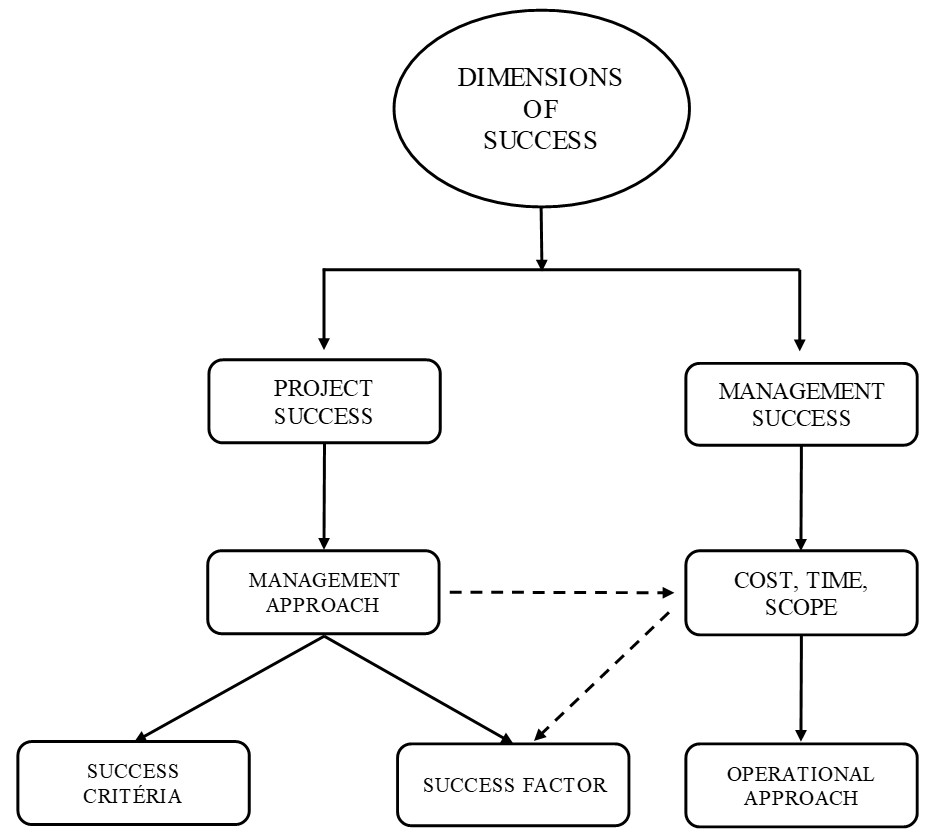
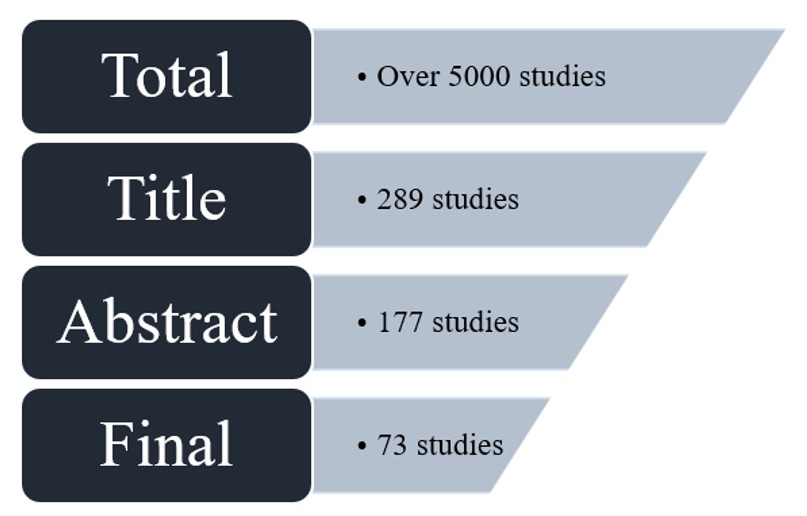
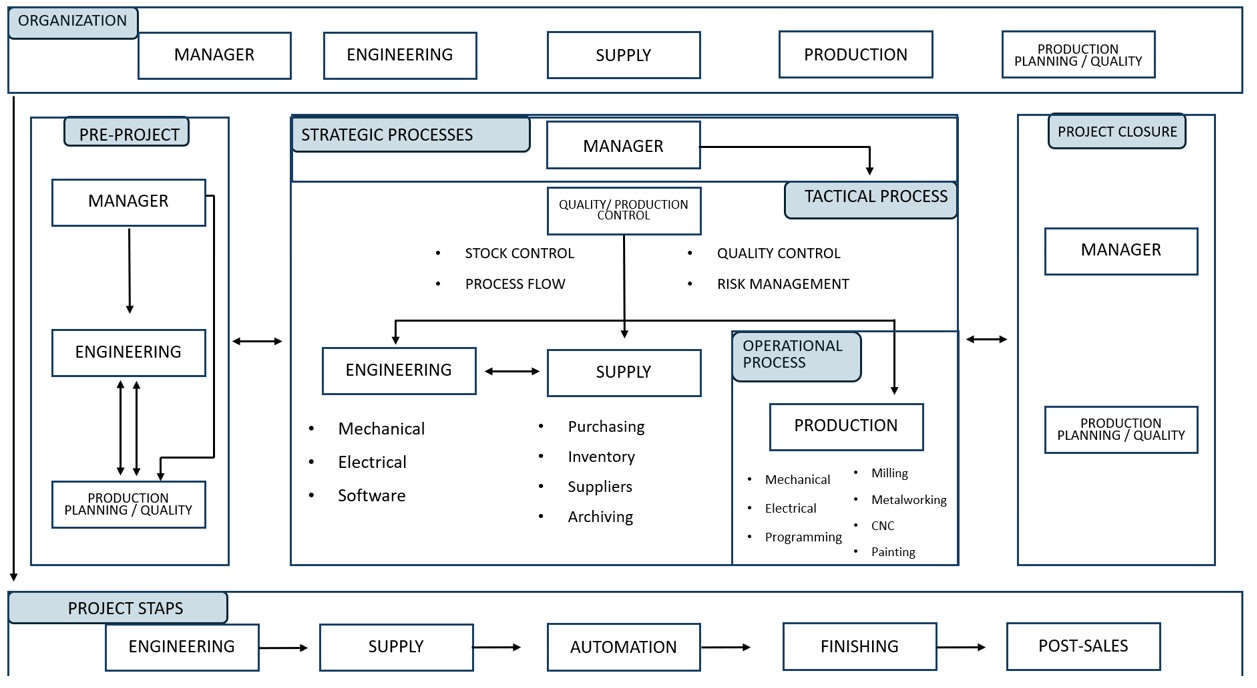
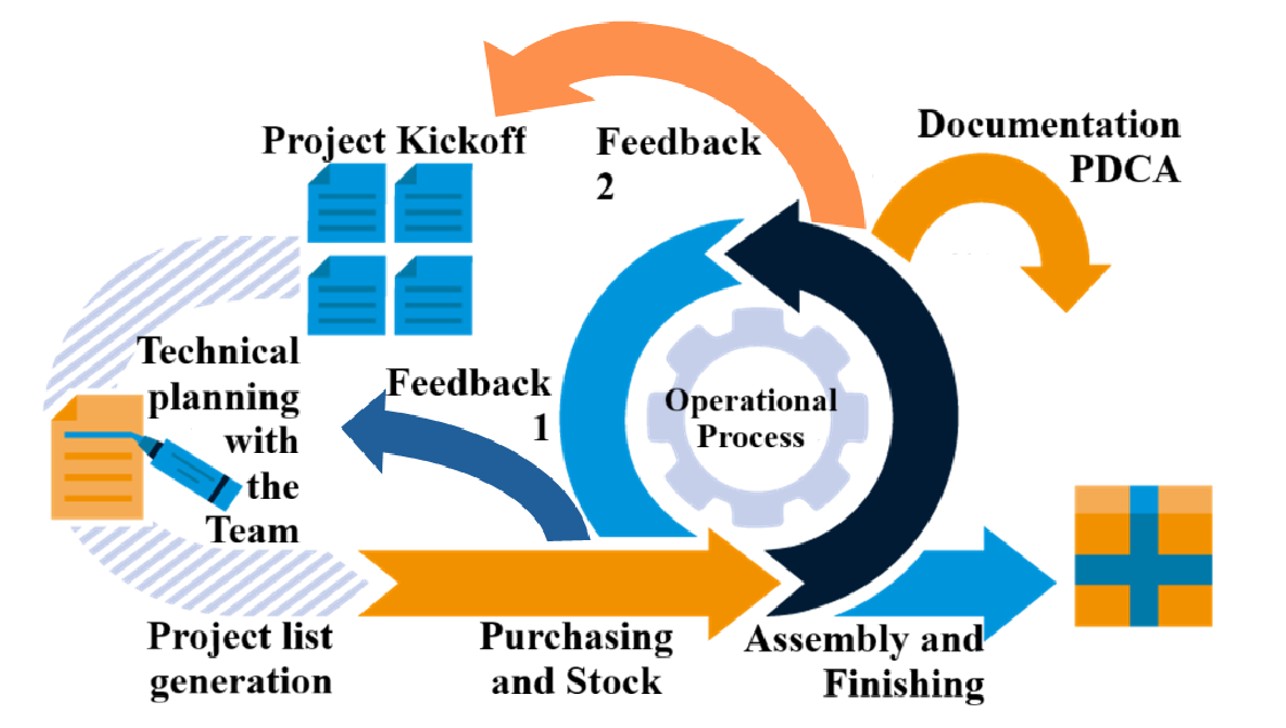
Abstract Project management sought levels of improvement with the advancement of production processes, in order to visualize forms of iterative and concrete improvement in agile management. The application of this methodology requires efficient and targeted participation on the part of management, seeking fundamental factors for the success of the project and management, in order to empirically apply the hybrid management methodology. Regarding methodology, this study seeks to answer what makes the hybrid model effective, and how to measure success within organizations that use this methodology. Thus, through bibliometrics, 5 main critical success factors were listed, applying them empirically and creating a success metric based on the parameters Time, Cost and Scope. The results indicate that the actions of hybrid management, based on critical success factors, help in an improvement far above expectations, in order to corroborate the observed parameters, while creating tools for applying hybrid models. Finally, this article contributes to the current debate regarding hybrid management models in mechanical projects, while providing robust results from the application of hybrid management in the Agile-Stage-Gate model.
Keywords:
Hybrid Project Management; Critical success factors; Agile-Stage-Gate; Project success
 Thumbnail
 Thumbnail
 Thumbnail
 Thumbnail