
 Impact of pineapple monoculture on the preservation of fruit species native to the Caatinga and the environmental perception of farmers and public agents in Itaberaba/BA
Abstract:
The article addresses the relevance of native fruit species in the Caatinga ecosystem and their interaction with socio-environmental dynamics in Itaberaba, Bahia. The region is notable for fruits such as ouricuri, umbu, wild passion fruit, and jabuticaba, which have high nutritional value, benefiting both the human population and local fauna, especially during water scarcity periods. Ouricuri is vital for community subsistence, while other species generate income and recover degraded areas, strengthening ecosystem services. However, pineapple monoculture restricts the distribution of these native fruits, harming socio-environmental diversity. The article analyzes the importance of rescuing and preserving these species in the Caatinga of Itaberaba. Using a qualitative-quantitative methodology, including literature review and field research, the study assessed the impacts of pineapple monoculture on the ecosystem and local communities, as well as residents’ environmental awareness. The results indicate a preference for agricultural diversification and sustainable practices to balance economic development and environmental conservation.
Keywords:
Environmental conservation; Diversity; Sustainability
Resumo
O artigo aborda a relevância de espécies frutíferas autóctones no ecossistema da Caatinga e sua interação com a dinâmica socioambiental em Itaberaba, Bahia. A região destaca-se por frutas como ouricuri, umbu, maracujá do mato e jabuticaba, que possuem alto valor nutricional, beneficiando tanto a população humana quanto a fauna local, especialmente em períodos de escassez hídrica. O ouricuri é vital para a subsistência das comunidades, enquanto outras espécies geram renda e recuperam áreas degradadas, fortalecendo serviços ecossistêmicos. A monocultura do abacaxi, entretanto, restringe a distribuição dessas frutas nativas, prejudicando a diversidade socioambiental. O artigo analisa a importância de resgatar e preservar essas espécies na Caatinga de Itaberaba. Utilizando metodologia quali-quantitativa, incluindo revisão bibliográfica e pesquisa de campo, o estudo avaliou os impactos da monocultura do abacaxi no ecossistema e nas comunidades locais, além da percepção ambiental dos habitantes. Os resultados indicam preferência pela diversificação agrícola e práticas sustentáveis para equilibrar desenvolvimento econômico e conservação ambiental.
Palavras-chave:
Conservação ambiental; diversidade; sustentabilidade
Resumen:
El artículo aborda la relevancia de especies frutales autóctonas en el ecosistema de la Caatinga y su interacción con la dinámica socioambiental en Itaberaba, Bahía. La región destaca por frutas como ouricuri, umbu, maracuyá silvestre y jabuticaba, que poseen alto valor nutricional, beneficiando tanto a la población humana como a la fauna local, especialmente en períodos de escasez hídrica. El ouricuri es vital para la subsistencia de las comunidades, mientras que otras especies generan ingresos y recuperan áreas degradadas, fortaleciendo servicios ecosistémicos. La monocultura de piña, sin embargo, restringe la distribución de estas frutas nativas, perjudicando la diversidad socioambiental. El artículo analiza la importancia de rescatar y preservar estas especies en la Caatinga de Itaberaba. Utilizando metodología cualitativa-cuantitativa, incluyendo revisión bibliográfica e investigación de campo, el estudio evaluó los impactos de la monocultura de piña en el ecosistema y las comunidades locales, además de la percepción ambiental de los habitantes. Los resultados indican preferencia por la diversificación agrícola y prácticas sostenibles para equilibrar desarrollo económico y conservación ambiental.
Palabras clave:
Conservación ambiental; Diversidad; Sostenibilidad
Introduction
The Caatinga-one of the exclusively Brazilian biomes-is ecologically notable for being dominated by seasonally dry tropical forests, being characterized by rich biodiversity, particularly in terms of flora. However, in the scientific literature, its plant species are still little known and studied and, consequently, undervalued (Lima Araújo et al., 2007). Scarce academic research on native fruit species-such as ouriuri (Syagrus coronata), umbu and cajá-umbu (Spondias tuberosa and Spondias sp., respectively), wild passion fruit (Passiflora cincinnata), and jabuticaba (Plinia trunciflora)-contributes to their undervaluation, despite their significant nutritional and ecological potential (Meir; Pennington, 2011).
These species are vital for the sustainability of local ecosystems and have multiple applications, including direct consumption and use in environmental recovery. Furthermore, Brazil, as the third-largest fruit producer in the world, plays a relevant role in the global fruit farming landscape; however, its limited participation in international trade suggests a focus on domestic consumption, which underscores the need for higher valuation and exploitation of native species (Pellegrina, 2022).
Climate change (Aragão; Duarte, 2023) and human interventions, including agriculture and forest fires, represent significant threats to the biodiversity of the Caatinga. Recent studies show that up to 99% of the biome’s plant species could be lost due to these changes by 2060, impacting not only the flora but also the fauna. Vegetation homogenization resulting from these changes is a growing concern, as it can lead to the loss of animal species and a reduction in ecosystem heterogeneity (Santos et al., 2014; Mertens et al., 2016; Silva et al., 2019; Jacob; Araujo de Medeiros; Albuquerque, 2020; Santos-Neves et al., 2024).
Pineapple (Ananas comosus) monoculture, similarly to other intensive monoculture practices, has caused significant negative impacts on the biodiversity of ecosystems such as the Caatinga. Monocultures often require intensive use of agrochemicals, which can lead to water source contamination, soil degradation, and local biodiversity elimination. In addition, the use of pesticides and herbicides in large quantities can be harmful to both the environment and human health. These factors contribute to ecosystem homogenization, reducing the diversity of plant and animal species (Caballero et al., 2023).
In this context, it is important to adopt forest conservation and management policies that include local populations, large farmers, agricultural companies, and agribusinesses. Preserving and valuing native fruit-bearing species of the Caatinga is fundamental for the resilience of the ecosystems and for the maintenance of the unique biodiversity of the biome. The integration of knowledge about these species and the implementation of sustainable practices are essential to inform society about the importance of protecting and valuing the regional biological wealth.
Materials and methods
Research location
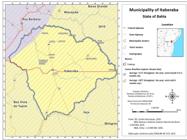
The municipality of Itaberaba (Figure 1), in the state of Bahia (BA), in northeastern Brazil, is located in the Paraguaçu Piedmont region, near the Diamantina Plateau. Its population, according to the 2022 census, conducted by the Brazilian Institute of Geography and Statistics (IBGE), is 65,073 inhabitants, with a territorial area of 2,386.390 km². Located in the caatinga biome with a semi-arid zone, its average annual temperature is 29°C, with neighboring municipalities being Boa Vista do Tupim, Ipirá, and Ruy Barbosa, all within the state of Bahia (IBGE, 2022).
Theoretical and field approaches
This study adopted a qualitative-quantitative, descriptive, and explanatory approach, focusing on the valuation of native fruit species and the impacts of pineapple monoculture, in the Caatinga biome, in the macro-region of Itaberaba. Initially, we used the SCIELO and Google Scholar scientific databases, selecting relevant national and international scientific articles after analyzing titles and abstracts. We included only publications in Portuguese or English that discuss fruit-bearing species that are native to the region and related topics.
The inclusion criteria were defined to ensure source relevance and quality, focusing on articles that discussed fruit-bearing species native to Itaberaba/BA and the impacts of pineapple monoculture. Article selection was based on keywords relevant to the topic, including “Caatinga biodiversity,” “pineapple monoculture,” and “sustainable agricultural practices.”
Primary data collection used field research in the rural area of Testa Branca, in the municipality of Itaberaba/BA, where a good portion of the farmers are concentrated, applying 42 semi-structured questionnaires, with open and closed questions. These questionnaires obtained information about agricultural practices and their environmental impacts, such as deforestation and soil degradation. The collected information was supplemented with data from the IBGE, which indicate pineapple production increase from 2014 to 2020. Also, we interviewed public agents from the municipality, including the municipal secretary of agriculture and two technicians.
The research adopted a mixed methodology to explore the perceptions of public agents and farmers in Itaberaba/BA on pineapple monoculture and the preservation of native fruit-bearing species. First, we conducted surveys with direct response questions (Yes or No), for a quantitative assessment of the participants’ knowledge and opinions on environmental and agricultural issues. This binary questionnaire method provided the collection of clear and direct data, facilitating objective quantitative analysis. Subsequently, we conducted a guided interview to collect qualitative data relevant to the issue to be discussed.
Notably, all research stages strictly followed ethical aspects. The research project was approved by the Research Ethics Committee (CEP) of the Federal University of Amapá (UNIFAP), ensuring that all procedures followed the necessary ethical standards, especially regarding informed consent from participants and the confidentiality of the collected information.
Data analysis
The questionnaire responses were compiled and statistically analyzed in Excel®, presented in the format of bar charts, spider charts, and heat maps. The quantitative analysis focused on identifying trends and patterns in the responses, providing a quantitative overview of participant perceptions. The questions addressed topics such as knowledge of native fruit-bearing species, impacts of pineapple monoculture, technical knowledge about fruit cultivation, family income dependence on pineapple production, and changes in the community’s economy.
In parallel, we conducted detailed subjective interviews and questions with both farmers and public agents to obtain data. The interviews were faithfully transcribed and submitted to discourse analysis. The discourse analysis applied to the article is based on the French-orientation Discourse Analysis, as proposed by Orlandi (2001; 2003; 2017), which understands discourse as a practice permeated by ideology and the position of subjects in a given historical and social context.
To facilitate this analysis and visualize the main emerging issues and concerns, we used word cloud tools, specifically the Mentimeter® website, considering the cutoff point for words equal to the number of respondents divided by two (n=22.5). This approach enabled us to identify and highlight the most frequent words and phrases in the respondents’ answers, providing a visual and intuitive understanding of the participants’ emphases and concerns.
The combination of quantitative and qualitative analyses provided a comprehensive view of the participants’ attitudes and perceptions. The quantitative analysis provided an overview of the trends, while the qualitative analysis, supported by the word cloud, showed the depth and complexity of the individual opinions and experiences. This mixed method provided insights into the local perspectives, contributing significantly to the discussion on sustainable agricultural practices and biodiversity conservation in Itaberaba.
Results
The Caatinga biodiversity is rich and unique, but it is facing significant challenges. A study conducted in the region showed substantial losses of forest cover and expansion of shrub areas due to human activities, indicating a sharp decline in biodiversity. Only about 11.04% of native vegetation persists in the region, with 4.34% being forest cover, while forest degradation is characterized by a dramatic expansion of shrubs, agriculture, and non-vegetated areas, which includes desertification. These land-use changes, rather than climatic conditions, are the main factors for this degradation (Santos et al., 2011).
In addition, another study notes that 99% of the biome’s plant communities could lose species by 2060 due to climate change and human activities, such as mining, agriculture, and forest fires. Vegetation homogenization can cause loss of fauna species and negatively affect biodiversity. Climate change is expected to affect about 40% of the biodiversity in the semi-arid portion of northeastern Brazil by 2060, highlighting the urgent need for large-scale conservation plans to mitigate the adverse effects of climate change and human activities such as deforestation and soil degradation (Silva et al., 2022).
The literature review on pineapple monoculture and its impact on biodiversity, specifically in the Caatinga biome, shows that while no studies directly related to pineapple are found, there is significant evidence on the negative impacts of monoculture in general. Studies indicate that monoculture can lead to intensive pesticide use, negatively affect pollinators, reduce biodiversity, and cause soil degradation. This suggests that similar monoculture practices, including pineapple monoculture, should have negative impacts on the Caatinga biodiversity, underscoring the importance of sustainable and diversified agricultural practices for ecosystem conservation.
The pineapple production in Itaberaba, although leading production in the state of Bahia, faces significant challenges. Time-series analysis shows a peak in production between 2008 and 2010 (80 million fruits/year), followed by a sharp and continuous decline that stabilizes, but at a much lower level than the initial one (75% drop in production; 20 million fruits/year). This drastically reduced production is directly associated with the incidence of fusariosis, a disease that compromises plantations.
Even maintaining its prominent position in the state of Bahia, the disease strongly impacts the local economy and shows the importance of effective phytosanitary management strategies. Therefore, addressing fusariosis is essential for recovering productivity and long-term sustainability of the region’s agriculture, reiterating the need for integrated approaches that include prevention, control, and even crop diversification for mitigating future risks (IBGE, 2023).
After questionnaire application and data tabulation, objective responses were analyzed for primary data analysis. The data obtained with a questionnaire in Itaberaba/BA provided a detailed perspective on the local population’s attitudes and perceptions on environmental issues, especially concerning native fruit-bearing species and pineapple monoculture.
The majority of research respondents showed substantial knowledge about the native fruit-bearing species of the municipality, reflecting the valuation and familiarity with the local flora. This recognition is a positive indicator of the environmental reality in the community, although the small number of negative responses suggests the existence of gaps in knowledge about local biodiversity (Figure 2).

According to the graph, we can infer that the impact of pineapple monoculture on biodiversity divides opinions, with a majority recognizing its potential negative impact. This situation shows the need for deeper analyses of the ecological effects of this agricultural practice, especially considering the economic importance of the monoculture for the local populations.
The first question of the form addressed the community’s knowledge of native fruit-bearing species. The majority of the respondents (39 of 41) said they were familiar with such species, showing a high degree of awareness and valuation of the local flora. This situation can be attributed to direct interaction with the local ecosystem, in which such species are both part of the natural heritage and a crucial resource for subsistence.
The second question addressed the perception of the influence of pineapple monoculture. The majority of the respondents (34 of 42) believe that pineapple monoculture has a negative impact, indicating concern about the sustainability of agricultural practices and their effects on local biodiversity. This reflects the growing awareness of how unsustainable agricultural practices can negatively affect species diversity and ecosystem health.
As for technical knowledge about fruit cultivation, 24 collaborators said they have mastery of the subject. This aspect is crucial, as technical expertise can be fundamental for the implementation of more sustainable agricultural practices and for the preservation of fruit-bearing species diversity. Regarding income, most (31 of 42) indicated that their family income depends on pineapple production. This shows not only the economic importance of this culture in the region, but also indicates a possible economic vulnerability associated with the dependence on a monoculture.
Diversifying income sources, especially through the cultivation of various native fruit-bearing species, could provide more sustainable and resilient alternatives. All 42 respondents recognized changes in the community’s economy, possibly as a result of agricultural practices. This result suggests significant economic change, potentially associated with monoculture practices. The consistency of the answers shows the need to assess the economic consequences of these agricultural practices, both in the short and long term.
The analysis of the first five questions shows a strong connection between the Itaberaba inhabitants and their natural environment, along with the knowledge about the impacts of current agricultural practices. The answers show the need for agricultural strategies that not only protect local biodiversity but also ensure the economic sustainability of communities. The dependence on monocultures, such as pineapple, although economically significant, presents risks of ecological imbalances and economic vulnerabilities.
Therefore, it is imperative to promote more holistic approaches that balance economic needs with environmental conservation, integrating local knowledge and sustainable practices. The research shows the importance of public policies and community initiatives that support agricultural diversification, environmental education, and the development of sustainable agricultural practices, thus ensuring the long-term well-being of the communities and ecosystem in Itaberaba (Rodríguez Echavarría; Prunier, 2020).
The data also show critical knowledge about human responsibility in current environmental problems, with most participants considering man as the main cause of these problems. This understanding emphasizes the urgency of promoting responsible and sustainable actions to mitigate adverse environmental impacts.
On the other hand, the absence of experience or the lack of programs, projects, and actions related to environmental preservation and conservation in the municipality show a significant area for the development of environmental education and initiatives. This suggests the need to boost environmental knowledge in the region, fostering the implementation of sustainable agricultural practices and the conservation of local biodiversity.
Analyses of the answers also indicate a general tendency toward recognizing the importance of the environmental issues addressed. However, the divergent perceptions on the impact of pineapple monoculture and the apparently scarce environmental programs reinforce the need for more robust educational and conservation strategies. These strategies are essential for balancing the economic needs of the community with environmental preservation, ensuring the sustainability and health of local ecosystems.
Continuing with the analyses, the sixth question addressed the importance of species preservation. Unanimously (42 affirmative answers), the collaborators affirmed that the preservation of native species is fundamental, showing collective knowledge about environmental diversity. This widespread recognition suggests deep appreciation and concern for the region’s ecological integrity, as well as the need to protect local biodiversity.
Regarding human responsibility for environmental problems, most participants (37 affirmative answers) indicate the clear perception that human actions are determining factors in contemporary environmental challenges. This result indicates the recognition of the direct influence of human activities on environmental degradation, emphasizing the need for responsible and sustainable actions for mitigation of these impacts.
In contrast, most respondents (33 negative and 9 affirmative answers) show a lack of knowledge or the absence of environmental programs in the municipality. This gap in knowledge or in the initiative of programs geared toward the environment suggests a significant opportunity for the development of environmental education and community engagement strategies in the region.
Regarding the presence of native fruit-bearing species, most participants (29 affirmative and 12 negative answers) are aware of their existence, indicating familiarity with local biodiversity. However, the presence of negative responses may indicate the need to broaden the knowledge and valuation of the diversity of fruit-bearing species in the community.
The sum of objective responses, with 218 affirmative and 69 negative answers, shows a general tendency toward recognition and concern for the environmental issues addressed in the form, as shown by the radar chart or spider chart, which presents the data obtained from the farmers in Itaberaba/BA (Figure 3).
The spider or radar chart based on the quantitative data of the research conducted in Itaberaba provides a unique visual representation of the participants’ objective answers. This graph, characterized by its radial shape, illustrates the percentages of affirmative answers (“Yes”) for each questionnaire question (Jeyanthi; Devi, 2014).
Each graph axis represents a specific research question, and the distance from the graph center to the axis point indicates the proportion of affirmative answers. Thus, the farther from the center, the higher the percentage of “Yes” answers to that question. This approach enables immediate comparison between the different questions, showing the areas of greatest and least agreement between participants.
The analysis of the graph shows some notable tendencies. One of the axes shows a strong tendency toward knowledge of native fruit species among participants, indicating a significant connection and awareness of local biodiversity. Another notable point is the concern about the impact of pineapple monoculture. The proximity of this axis to the outer edge of the graph suggests that most respondents perceive negative effects of this agricultural practice. The graph also shows the economic dependence of several families on pineapple production and the noticeable changes in the local economy resulting from agricultural practices.
The graph not only synthesizes the data but also provides a visual platform for more in-depth discussions on the socioeconomic and environmental implications of agricultural practices in Itaberaba. It emphasizes the importance of sustainable approaches and the need to balance economic development with biodiversity conservation.
To enhance data visualization, the use of heat maps was also proposed. The adjusted heat map provides a distinct perspective on research answers, focusing exclusively on the percentages of affirmative and negative answers. This visual approach, which uses color gradients to represent data intensity, provides quick and intuitive analysis of tendencies prevailing in the answers. Warmer colors (red-orange) indicate a higher percentage of affirmative answers, highlighting questions that had a high degree of agreement among participants.
In contrast, cooler colors (blue) highlight areas with lower agreement. This graphical representation (Figure 4) not only facilitates comparison between different research questions but also provides a quick understanding of the Itaberaba community’s attitudes and perceptions on agricultural practices and the preservation of native fruit-bearing species. Therefore, using the heat map enriches the data presentation, providing a modern and effective reading of the research results (Deboer, 2015).

After the quantitative analyses were exhausted, we conducted qualitative studies and analysis of the interviews with public agents and of the subjective answers from the questionnaires applied to farmers in Itaberaba. This result provided a deep insight into the perceptions and concerns of these groups concerning agricultural practices, especially pineapple monoculture and the preservation of native fruit-bearing species in the Caatinga ecosystem. In order to synthesize and visualize the predominant themes that emerged from these surveys, we prepared a word cloud, a tool that highlights the words and phrases most frequently mentioned by agents and farmers.
The word cloud is a graphical representation of the collected data, with the objective of systematizing collective thought and community priorities. The words with the most prominence in the cloud indicate the topics and concepts that are most significant to the participants. They reflect the prevailing concerns, knowledge, and attitudes regarding the environmental and socioeconomic issues affecting the region. The words and phrases that appear most frequently in the cloud were extracted directly from the respondents’ answers, providing unfiltered primary information about the opinions and experiences of technicians and farmers.
These terms may include specific references to plant species, agricultural practices, challenges faced by the community, and hopes or strategies for the future. The word cloud provides initial insights into the complexities and nuances of the interactions between the Itaberaba inhabitants, their agricultural livelihoods, and the natural environment in which they live. This visual tool helps capture the essence of the conversations, supporting more in-depth discussions and informed initiatives in the context of the Caatinga biodiversity and the agricultural sustainability in Itaberaba (Figure 5).
Figure 5 presents the frequency analysis for terms in interviews with public agents and the subjective answers of farmers, providing valuable information about the environmental and economic priorities and concerns of the Itaberaba region. Notably, the term “pineapple” was frequently cited, reinforcing the significant contribution of pineapple cultivation to the local economy. This recurrence reflects not only the agricultural relevance of pineapple but also its incorporation into Itaberaba’s identity and economy.
The mentions of “native fruit-bearing species” and “drought” show the environmental concerns faced in the region, particularly the challenges posed by water scarcity and the pressure on local biodiversity. This discussion demonstrates the need for environmental awareness and preservation measures primarily by farmers and public officials who play a fundamental role in changing this situation. Due to the cutoff point established in the development of the word cloud (number of participants/2; i.e., n=22.5), the word “deforestation” (n=17) was eliminated from the word cloud; however, due to its relevance to the theme under discussion, we decided to include in the text its occurrence in the interviews.
The National Rural Learning Service (SENAR), the Brazilian Agricultural Research Corporation (EMBRAPA), and the State Agency for Agricultural Defense of Bahia (ADAB) are noted as key partners in initiatives geared toward sustainable agricultural development and natural pesticide use, indicating a move towards more aware and responsible agricultural practices.
The expressions “family farming,” “fusariosis,” and “pesticides” appear in the context of agricultural production and its challenges. This suggests a complex interaction between local agricultural practices, phytosanitary challenges, and the use of agrochemicals, emphasizing the importance of balanced and sustainable management of agricultural resources.
“Species protection legislation” and “biodiversity” are mentioned within the scope of environmental conservation. This topic shows the crucial role of public policies in preserving the region’s biological diversity and promoting sustainable development. Thus, the terms “income” and “economic impact” underscore the significant influence of pineapple cultivation on income generation and economic development in Itaberaba.
This aspect demonstrates the interdependence between agricultural activities and economic prosperity in the region. The frequency of these terms in the interviews provides a comprehensive overview on the interactions between agriculture, environmental conservation, and economic development in Itaberaba, showing the multiple dimensions and challenges faced by the regional population.
Thus, the form results show significant environmental awareness in Itaberaba, particularly as to the preservation and conservation of native fruit-bearing species and the impact of pineapple monoculture. The scarcity of environmental programs and the divided opinions on the impact of monoculture on biodiversity demonstrate the need to support environmental education and conservation initiatives in the region.
Furthermore, the data suggest that pineapple monoculture, although economically relevant in the municipality, may be in conflict with the conservation of local biodiversity, showing the importance of integrating sustainable agricultural practices and biodiversity promotion strategies to balance economic needs with environmental preservation.
Discussion
The comparison between the study in Itaberaba/BA and other international studies on the effects of pineapple monoculture shows common patterns and concerns in different global contexts. Several articles have addressed the environmental impacts of pineapple monoculture, noting issues such as deforestation, biodiversity loss, and environmental degradation.
For example, a study in Costa Rica, one of the world’s largest pineapple producers, found significant consequences of pineapple monoculture expansion, including lost natural habitats and reduced biodiversity. The intensive use of pesticides and fertilizers, common in this form of agriculture, has resulted in soil and water contamination, negatively affecting local species and ecosystems (Cornwell, 2014; Rodríguez Echavarría; Prunier, 2020).
Similarly, studies in Asia, particularly in the Philippines, have shown how pineapple monoculture can lead to soil depletion and reduced agricultural diversity. This has implications not only for environmental sustainability but also for local food security, as communities that depend on monocultures are vulnerable to market fluctuations and pests (Bartholomew; Malézieux, 1994).
The Itaberaba case is consistent with these international studies, emphasizing the impact of pineapple monoculture on the reduction of forest cover and the loss of native fruit-bearing species. Thus, as observed in other countries, monoculture in Itaberaba also raises concerns about long-term sustainability, ecosystem health, and the well-being of local communities. These comparisons underscore the need for more sustainable approaches in agriculture, which balance economic production with environmental preservation. The adoption of practices such as diversified agriculture, agroforestry, and sustainable soil management can be vital for mitigating the negative impacts of monoculture and promoting a more sustainable future for global agriculture (Girres et al., 2023).
The practice of monoculture, widely adopted in modern agricultural systems, has exhibited profoundly negative impacts on soil sustainability. This phenomenon is particularly alarming, considering that soil health is fundamental to the sustainability of terrestrial ecosystems. Studies have consistently found that monoculture leads to decreased soil microorganism diversity, which is essential for ecological processes such as organic matter decomposition, nutrient cycling, and plant disease suppression.
Monoculture, often characterized by continuous use of agrochemicals and lack of crop rotation, can destabilize these processes, resulting in less fertile and resilient soils. Furthermore, the loss of soil microbial biodiversity can have cascading effects on other ecosystem components, affecting plant health, crop productivity, and even greenhouse gas dynamics (Macêdo Carvalho et al., 2024).
Therefore, the challenge of finding sustainable alternatives to monoculture becomes decisive, not only for the conservation of soil biodiversity but also for the maintenance of ecological integrity in agricultural and natural ecosystems (Wang et al., 2022; Figuerola et al., 2015; Cai et al., 2017; Liu et al., 2021).
Monoculture plantations, commonly observed in regions such as the Caatinga for crops such as pineapple, have a significant impact on the reduction of pollinator populations. Studies indicate that the uniformity of large-scale crops, combined with intensive pesticide use, creates hostile environments for essential pollinators, such as bees, butterflies, and other insects.
These pollinators play a crucial role in maintaining plant biodiversity, not only through the pollination of agricultural crops but also by sustaining natural ecosystems. Monoculture limits the availability of suitable floral elements and habitats, while pesticides can be toxic to pollinators, affecting their health and reproductive capacity. The loss of pollinator biodiversity can have drastic implications for ecosystem health and agricultural production, especially in sensitive biomes such as the Caatinga, where biodiversity is unique and fragile.
Therefore, it is essential to develop and implement agricultural practices that promote diversity and sustainability, minimizing pesticide use and fostering polyculture systems, so as to protect and preserve pollinator populations and biodiversity in general (Gurr; Wratten; Luna, 2003; Paiva et al., 2020; Nicholls; Altieri, 2013).
The conversion of areas with plant diversity into monocultures represents significant changes in local and regional hydrological patterns, as indicated by studies. Monoculture, especially on a large scale, tends to require intensive irrigation systems, which can affect both water availability and quality in surrounding areas. This increased water use for irrigation can lead to the depletion of groundwater and surface water sources, altering the natural hydrological balance (Marcillo et al., 2022).
Furthermore, monoculture can contribute to water quality degradation, mainly due to the runoff of fertilizers and pesticides. These chemicals, upon reaching water bodies, can cause eutrophication, resulting in excessive algae growth and declined water quality, negatively affecting aquatic life and biodiversity. The deterioration of water quality can have cascading effects, affecting not only aquatic ecosystems but also terrestrial species that depend on these water resources (Liu; Kuchma; Krutovsky, 2018).
Furthermore, changes in soil surface water runoff and infiltration patterns can occur in monoculture areas, affecting aquifer recharge processes and water-dependent ecosystem dynamics. These hydrological cycle changes can have significant implications for local and regional ecosystem sustainability, as well as for agriculture and water supply for human communities (Foster; Chilton, 2003; Mojid; Mainuddin, 2021).
Thus, sustainable agricultural management-including the adoption of water conservation techniques and the reduction of agrochemical use-is crucial for mitigating the negative impacts of monoculture on aquatic and terrestrial ecosystems. The diversification of crops and the implementation of agricultural practices that are consistent with natural biodiversity patterns, with the addition of native fruit-bearing trees, can help preserve hydrological cycles and sustain biodiversity in various regions, including sensitive ecosystems such as the Caatinga.
Thus, the preservation of native fruit-bearing species from the Caatinga biome demonstrates their importance for biodiversity and the sustainability of local populations. Firstly, these species are essential for maintaining the ecosystem’s biological diversity, functioning as a food source and habitat for various life forms. Furthermore, they are fundamental for the local economy, providing food and resources for the rural population, especially during periods of scarcity.
The conversion of native areas into monocultures, such as pineapple cultivation, threatens this biodiversity. These agricultural practices not only degrade the soil and alter the hydrological cycle, but also reduce the availability of native species, affecting local fauna. The loss of biodiversity can have irreversible consequences, not only environmental consequences but also sociocultural and economic consequences (Girres et al., 2023).
Thus, it is vital to integrate environmental conservation practices with sustainable development. Initiatives such as the promotion of environmental education, the adoption of agricultural techniques that respect ecological balance, and the valuation of local traditional knowledge are essential. Such measures would guarantee the preservation of these species, maintaining the health of the Caatinga ecosystem and ensuring the livelihood and well-being of the communities that depend directly on these natural elements.
Conclusion
The study conducted in Itaberaba/BA, on the impacts of pineapple monoculture and the preservation of native fruit-bearing species, provides valuable data on the complex interactions between agricultural practices and environmental sustainability. As a complementary methodological strategy, we used the word cloud technique, with the support of textual analysis tools, in order to identify recurring terms and visually highlight the most frequent lexical-discursive elements in the analyzed corpus. This technique enabled an initial exploratory approach to the data, supporting the identification of emerging themes and discursive patterns. We found community knowledge about the negative consequences of pineapple monoculture. These consequences include biodiversity loss, altered local economy, and economic dependence on monocultures.
Comparing these results with similar studies in other regions of the world, such as Costa Rica and the Philippines, there is a global pattern of concern regarding monoculture practices. Although these practices may provide short-term economic benefits, they entail significant risks to the ecosystem health, biological diversity, and long-term sustainability of agricultural communities.
This research demonstrates the urgent need for more sustainable and diversified agricultural approaches. The integration of methods such as agroforestry, diversified cultivation practices, and sustainable soil management can provide viable alternatives to balance economic needs with environmental preservation. Furthermore, community awareness and engagement, as demonstrated in Itaberaba, are crucial for the adoption and success of these sustainable practices.
This study emphasizes the need to value and preserve native fruit-bearing species of the Caatinga biome as viable alternatives to pineapple monoculture, which has been affected by serious phytosanitary issues, such as fusariosis. Valuing these species is essential not only as an economic diversification strategy, but also as a means to support ecological resilience in the face of the significant increase in pineapple monoculture that is expected after the effective control of fusariosis.
Therefore, the preservation of native fruit-bearing trees becomes a crucial element for maintaining biodiversity and supporting local communities. Monoculture can have adverse effects on biodiversity, soil health, and hydrological patterns, reinforcing the need for more sustainable agricultural practices. This research underscores the importance of integrating local knowledge, fostering environmental education, and applying conservation strategies that balance economic demands with environmental preservation, thus ensuring the sustainability of regional ecosystems and the well-being of present and future generations.
In conclusion, this study reinforces the idea that biodiversity preservation and environmental sustainability should be considered as fundamental aspects of agricultural practices. The challenge lies in finding the balance between economic productivity and ecological responsibility, ensuring a sustainable future for both local communities and the ecosystems that sustain them.
References
-
ARAGÃO, Maria Letícia; DUARTE, Cristiana Coutinho (2023). Dinâmica climática, eventos extremos e impactos associados no município do Jaboatão dos Guararapes, Pernambuco, Brasil. Revista Brasileira de Geografia Física, v. 16, n. 2, p. 818-836. https://doi.org/10.26848/rbgf.v16.2.p818-836
» https://doi.org/10.26848/rbgf.v16.2.p818-836 - CABALLERO, Cassia Brocca; BIGGS, Trent Wade; VERGOPOLAN, Naomi; WEST, Thales A.P.; RUHOFF, Anderson. Transformation of Brazil’s biomes: The dynamics and fate of agriculture and pasture expansion into native vegetation. Science of The Total Environment, v. 896, p. 166323, 2023.
- CAI, Feng; PANG, Guan; LI, Rui-Xia; LI, Rong; GU, Xiao-Long; SHEN, Qi-Rong; CHEN, Wei. Bioorganic fertilizer maintains a more stable soil microbiome than chemical fertilizer for monocropping. Biology and Fertility of Soils, v. 53, p. 861-872, 2017.
- CORNWELL, Emma. Effects of different agricultural systems on soil quality in Northern Limón province, Costa Rica. Revista de Biologia Tropical, v. 62, n. 3, p. 887-897, 2014.
- DEBOER, Mike. Understanding the heat map. Cartographic Perspectives, n. 80, p. 39-43, 2015.
- FIGUEROLA, Eva L. M.; GUERRERO, Leandro D.; TÜRKOWSKY, Dominique; WALL, Luis G.; ERIJMAN, Leonardo. Crop monoculture rather than agriculture reduces the spatial turnover of soil bacterial communities at a regional scale. Environmental Microbiology, v. 17, n. 3, p. 678-688, 2015.
- FOSTER, Stephan; CHILTON, P. John. Groundwater: the processes and global significance of aquifer degradation. Philosophical Transactions of the Royal Society of London, v. 358, n. 1440, p. 1957-1972, 2003. (Series B: Biological Sciences).
- GIRRES, Jean-François; PRUNIER, Delphine; RODRIGUEZ, Tania; POTTIER, Auréa; LÉONARD, Eric; AUDIC, Victor; HELLARD, Maëlane; MAGNAUDET, Jean-Albert. Analysis of the spatial extension of pineapple monocultures in northern Costa Rica using heterogeneous geographic data. Advances in Cartography and GIScience of the ICA, v. 4, p. 9, 2023.
- GURR, M. Gurr; WRATTEN, Stephan D.; LUNA, John Michael. Multi-function agricultural biodiversity: pest management and other benefits. Basic and Applied Ecology, v. 4, n. 2, p. 107-116, 2003.
-
IBGE. Censo sobre lavouras temporárias. 2022-2023. Disponível em: https://cidades.ibge.gov.br/brasil/ba/itaberaba/pesquisa/14/10193?ano=2010&indicador=10196&tipo=ranking Acesso em: 12 maio 2023.
» https://cidades.ibge.gov.br/brasil/ba/itaberaba/pesquisa/14/10193?ano=2010&indicador=10196&tipo=ranking - JACOB, Michelle Cristine Medeiros; ARAUJO DE MEDEIROS, Maria Fernanda; ALBUQUERQUE, Ulysses Paulino. Biodiverse food plants in the semiarid region of Brazil have unknown potential: a systematic review. PLoS One, v. 15, n. 5, p. e0230936, 2020.
- JEYANTHI, Pe; DEVI, Saratha T. Edge pair sum labeling of spider graph. Journal of Algorithms and Computation, v. 45, n. 1, p. 25-34, 2014.
- LIMA ARAÚJO, Elcida; CASTRO, Cibele Cardoso; ALBUQUERQUE, Ulysses Paulino. Dynamics of Brazilian Caatinga-a review concerning the plants, environment and people. Functional Ecosystems and Communities, v. 1, n. 1, p. 15-28, 2007.
- LIU, Corsa Lok Ching; KUCHMA, Oleksandra; KRUTOVSKY, Konstantin. Mixed-species versus monocultures in plantation forestry: Development, benefits, ecosystem services and perspectives for the future. Global Ecology and Conservation, v. 15, p. e00419, 2018.
- LIU, Qianwen; WANG, Shixi; LI, Kun; QIAO, Jun; GUO, Yinshan; LIU, Zhendong; GUO, Xiuwu. Responses of soil bacterial and fungal communities to the long-term monoculture of grapevine. Applied Microbiology and Biotechnology, v. 105, p. 7035-7050, 2021.
- MACÊDO CARVALHO, Chrislanne B. de; MELLO, Alexandre C. L. de; CUNHA, Márcio V. da; APOLINÁRIO, Valéria X. de Oliveira; DUBEUX JÚNIOR, José C. B.; SILVA, Valdson J. da; MEDEIROS, Aurielle Silva; IZIDRO, José L. P. S.; BRETAS, Igor L. Ecosystem services provided by silvopastoral systems: a review. The Journal of Agricultural Science, p. 1-68, 2024.
- MARCILLO, José Luis Muñoz; MEZA, Arturo Cristhian Vélez; GONZÁLES, Betty; ARÉVALO, María Cadme. Hydrological degradation due to the effect of banana and cocoa monocultures in the canton of Valencia, Ecuador. Revista Científica Interdisciplinaria Investigación y Saberes, v. 12, n. 3, 2022.
- MEIR, Patrick; PENNINGTON, R. Toby. Climatic change and seasonally dry tropical forests. In: DIRZO, Rodolfo; YOUNG, Hillary S.; MOONEY, Harold A.; CEBALLOS, Gerardo. (ed.). Seasonally Dry Tropical Forests: Ecology and Conservation. Washington: Island Press, 2011. p. 279-299.
- MERTENS, Jan; GERMER, Jörn; SIQUEIRA FILHO, José Alves de; SAUERBORN, Joachim. Spondias tuberosa Arruda (Anacardiaceae), a threatened tree of the Brazilian Caatinga? Brazilian Journal of Biology, v. 77, n. 3, p. 542-552, 2016.
- MOJID, Mohammed A.; MAINUDDIN, Mohammed. Water-saving agricultural technologies: regional hydrology outcomes and knowledge gaps in the Eastern Gangetic Plains-a review. Water, v. 13, n. 5, p. 636, 2021.
- NICHOLLS, Clara I.; ALTIERI, Miguel A. Plant biodiversity enhances bees and other insect pollinators in agroecosystems. A review. Agronomy for Sustainable Development, v. 33, p. 257-274, 2013.
- ORLANDI, Eni Pulcinelli. Discurso e texto: formulação e circulação dos sentidos. Pontes, 2001.
- ORLANDI, Eni Puccinelli. A análise de discurso em suas diferentes tradições intelectuais: o Brasil. Seminário de Estudos em Análise de Discurso, v. 1, p. 8-18, 2003.
- ORLANDI, Eni Puccinelli. Análisis de Discurso: principios y procedimientos. Lom ediciones, 2017.
- PAIVA, Iris Guedes; AUAD, Alexander Machado; VERÍSSIMO, Bruno Antonio. Differences in the insect fauna associated with a monocultural pasture and a silvopasture in Southeastern Brazil. Scientific Reports, v. 10, n. 1, p. 12112, 2020.
- PELLEGRINA, Heitor S. Trade, productivity, and the spatial organization of agriculture: Evidence from Brazil. Journal of Development Economics, v. 156, p. 102816, 2022.
- RODRÍGUEZ ECHAVARRÍA, Tania; PRUNIER, Delphine. Agricultural extractivism, border and migrant workforce: The expansion of pineapple monoculture in Costa Rica. Frontera Norte, v. 32, 2020.
- SANTOS, Jean Carlos; LEAL, Inara Roberta; ALMEIDA-CORTEZ, Jarcilene Silva; FERNANDES, G. Wilson; TABARELLI, Marcelo. Caatinga: the scientific negligence experienced by a dry tropical forest. Tropical Conservation Science, v. 4, n. 3, p. 276-286, 2011.
- SANTOS, Mauro G.; OLIVEIRA, Marciel T.; FIGUEIREDO, Karla V.; FALCÃO, Hiram M.; ARRUDA, Emília C. P.; ALMEIDA-CORTEZ, Jarcilene; SAMPAIO, Everardo V. S. B.; OMETTO, Jean P. H. B.; MENEZES, Rômulo S. C.; OLIVEIRA, Antônio F. M.; POMPELLI, Marcelo F.; ANTONINO, Antônio C. D. Caatinga, the Brazilian dry tropical forest: can it tolerate climate changes? Theoretical and Experimental Plant Physiology, v. 26, n. 1, p. 83-99, 2014.
- SANTOS-NEVES, P. S.; BEZERRA-SILVA, Alexsandro; GOMES, Maria Thereza Dantas; FAGUNDES, A. C. A.; OLIVEIRA, M. I. U.; VOEKS, Robert A.; COSTA NETO, E. M.; FUNCH, Ligia Silveira. Biocultural heritage of the Caatinga: a systematic review of Myrtaceae and its multiple uses. Biological Reviews, v. 99, n. 5, p. 1791-1805, 2024.
- SILVA, Alexandro Medeiros; SILVA, Richarde Marques da; SANTOS, Celso Augusto Guimarães; LINHARES, Franklin Mendonça; XAVIER, Ana Paula Campos. Modeling the effects of future climate and land-use changes on streamflow in a headwater basin in the Brazilian Caatinga biome. Geocarto International, v. 37, n. 26, p. 12436-12465, 2022.
- SILVA, Jéssica Luiza Souza e; CRUZ- NETO, Oswaldo; PERES, Carlos A.; TABARELLI, Marcelo; LOPES, Ariadna Valentina. Climate change will reduce suitable Caatinga dry forest habitat for endemic plants with disproportionate impacts on specialized reproductive strategies. PLoS One , v. 14, n. 5, p. e0217028, 2019.
- SCHAFFER, Bruce; ANDERSEN, Peter. Pineapple: Handbook of Environmental Physiology of Fruit Crops. New York: CRC Press, 1994.
- WANG, Shuzhen; CHEN, Wenwen; GAO, Qianqian; ZHOU, Chuifan. Dynamic changes of Rhizosphere soil microbiome and functional genes involved in carbon and nitrogen cycling in Chinese fir monoculture. Forests, v. 13, n. 11, p. 1906, 2022.
All the data supporting the results of this study were published in the article itself.


