Sprouting and biochemical changes during pecan bud dormancy under mild winter conditions
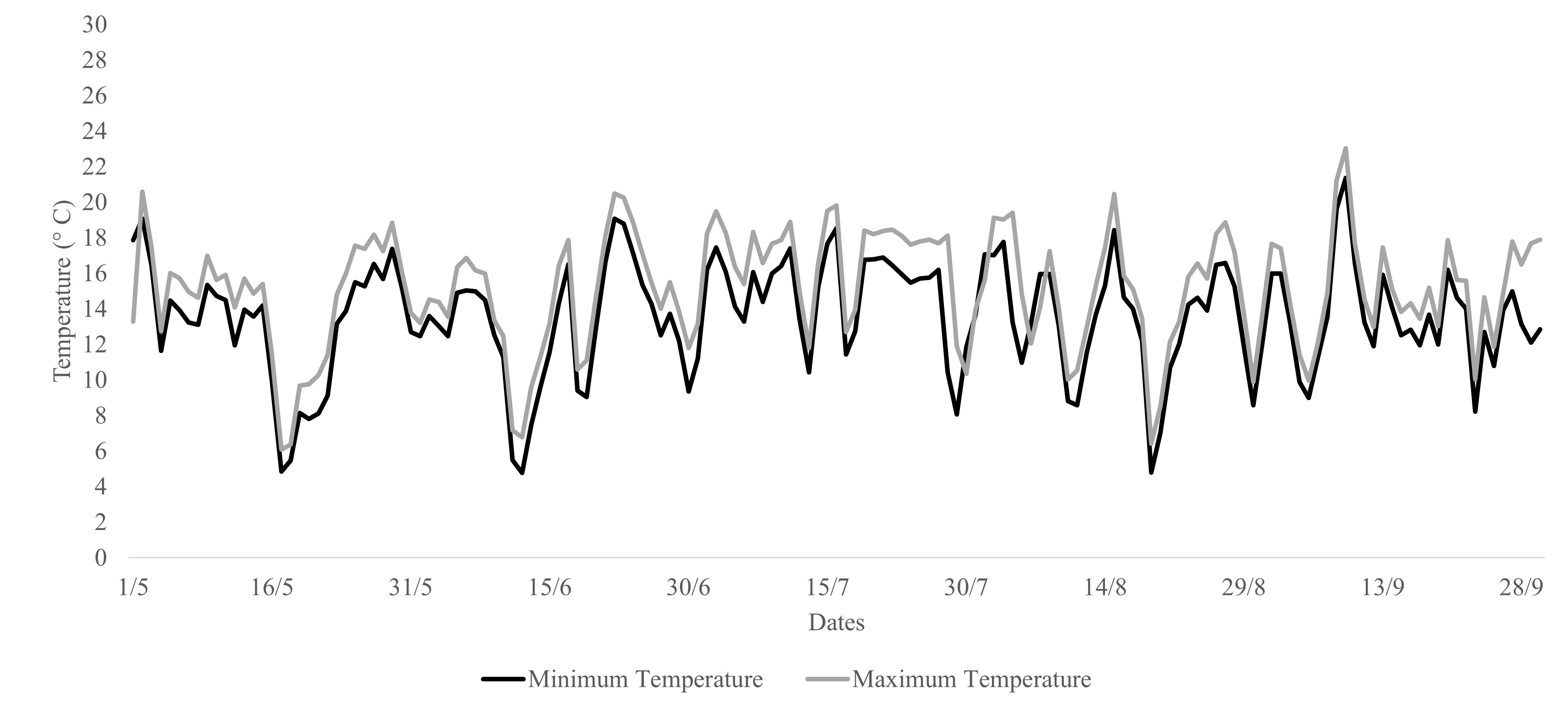
The pecan tree is a temperate-climate species that requires the accumulation of chilling hours (CH) to overcome dormancy. This process is still not well understood, especially under mild winter conditions. Therefore, the objective of this research was to deepen the understanding of budburst and the biochemical changes occurring in pecan tree buds during dormancy in a subtropical climate. The experiment was conducted using buds from the cultivars Pitol 2 (Importada), Pitol 1 (Melhorada), and Barton, grown in Guarapuava, PR, southern Brazil. Two experiments were carried out: one in the laboratory with different amounts of artificial chilling at 7 °C (0, 168, 336, 504, and 672 CH), and another in the field with different natural accumulations of CH (15, 94, 179, 214, and 258 CH). Dormancy was evaluated using a biological test with isolated node cuttings. Respiratory activity was assessed using the tetrazolium test, and peroxidase (POD) enzyme activity was also measured. The cultivars showed different dormancy dynamics in response to the amount and timing of cold accumulation. POD enzyme activity and bud respiratory activity were inversely associated with dormancy level, both being lower when buds were deeply dormant, with a longer average time to budburst and a lower budburst rate. The chilling requirement of the cultivars was not precisely determined; however, it was observed that ‘Barton’ pecan trees have a higher requirement than ‘Melhorada’, which, in turn, has a higher requirement than ‘Importada’.
Index terms
Carya illinoinensis
; chilling hours; peroxidase; budburst; pecan
 Thumbnail