 Morphophysiological and Biochemical Responses of Peltophorum Dubium Under Glyphosate Drift
Abstract
The object of this research was to determine the sensitivity and bioindicator potential of the plant species Peltophorum dubium to glyphosate drift contamination by monitoring the effects of this herbicide in forests adjoining agricultural areas where it was applied. Sub dose glyphosate concentrations of 2%, 4%, 8%, 16%, and 32% of the recommended commercial dose of 1440 g ha-1 in simulated drift exposure tests revealed P. dubium intoxication to be very low (<4%) at doses lower than 115.2 g ha-1 and reached 40% when exposed to 460.8 g ha-1. In plants exposed to a dose of 460.8 g ha-1 there was a reduction in photosynthetic rate, transpiration, and stomatal conductance of 22.7%, 18.1%, and 33%, respectively, contrasted to the control dose. The morphophysiological responses of P. dubium indicate low sensitivity to glyphosate drift at lower exposure doses as well as the species’ survival capacity in areas contaminated by this herbicide.
Keywords:
leaves; stomatal conductance; underdose; aerial part; root; bioindicator
1. INTRODUCTION
The use of herbicides in weed management is one of the most important practices in agriculture. These products are also applied in non-agricultural and forest restoration areas, benefiting the establishment of native species (Araújo et al., 2025). However, inappropriate use can cause environmental problems and affect non-target organisms, leading to contamination of soil (Wołejko et al., 2022), water (Javaid et al., 2023), and nearby forests (Carpenter et al., 2020; Ferreira et al., 2023). Herbicide use is frequent in extensive crop areas (Ofosu et al., 2023), where drift during application may occur, with particles carried by wind to adjacent sites (Cruz et al., 2021), transferring herbicides to non-target organisms and polluting nearby environments.
In Brazil, reforested areas and pastures often occur in heavily impacted biomes, as large lands are used for agriculture, mainly soybean and other commodities. Most agricultural activity is concentrated in the Cerrado, representing about 48% of Brazil’s soybean area (Mapbiomas, 2023). This biome is now fragmented, surrounded by monocultures, and directly exposed to herbicide effects.
The herbicide most extensively used globally is Glyphosate (Novotny, 2022). In 2022, its commercialization rose to approximately 231 tons of the active ingredient in Brazil alone (IBAMA, 2022). Glyphosate acts by inhibiting the action of 5-enolpyruvyl-shikimate-3-phosphate synthase (EPSPS), the enzyme responsible for catalyzing the transformation of shikimate-3-phosphate into 5-enolpyruvyl-shikimate-3-phosphate (Cruvinel et al., 2019). EPSPS suppression deregulates carbon flow, causes shikimate accumulation, and prevents the synthesis of aromatic amino acids required for protein production and plant growth (Kisvarga et al., 2023).
The widespread use of glyphosate in weed management across a variety of crops demonstrates the importance of this herbicide for agriculture. Among the benefits of using glyphosate in weed management are its broad spectrum of action, low cost compared to other molecules, and low potential for animal toxicity and environmental damage (Duke & Powles, 2008), primarily because it lacks soil activity. Yet, application can contaminate neighboring areas through drift, especially under unfavorable weather conditions such as strong winds or with inadequate spraying technology (Dupont et al., 2018; Lucadamo et al., 2018).
Studies on glyphosate effects in non-target organisms and bioindicator plants have been reported (Oliveira et al., 2021; Rezende-Silva et al., 2022). Using plants for biomonitoring is an effective tool to assess herbicide impact (Cruz et al., 2021; Silva et al., 2022). The plant responses to herbicide exposure serve as biomarkers, allowing species to be identified as bioindicators (Lima et al., 2017). The main biomarkers used in biomonitoring include visual symptoms such as chlorosis and necrosis, photosynthetic rate, stomatal conductance, transpiration rate, photosynthetic pigment content, shikimic acid accumulation (Freitas-Silva et al., 2020; Cruz et al., 2021), concentration of phenolic compounds, proteins, and amino acids (Rezende-Silva et al., 2019), and catalase and ascorbate peroxidase activities (Silva et al., 2022).
Peltophorum dubium (Spreng.) Taub is a tree species native to the Cerrado biome, frequently used to restore degraded areas and planted in areas designated for permanent preservation (Carnevali et al., 2016). Its wide distribution (Silva et al., 2023) and occurrence near agricultural fields make it a suitable candidate for biomonitoring herbicide drift (Seiler et al., 2014), especially glyphosate.
The hypothesis of this study is that P. dubium is sensitive to glyphosate, which may pose a risk to the conservation of the species and its permanence in fragmented areas of the Brazilian Cerrado, a fragile biome considered to be the most threatened by the expansion of agriculture in Brazil (Schwaida et al., 2023; Cima et al., 2023;). If the species is sensitive to glyphosate, it can be used in biomonitoring the impact of this herbicide in the environment. Therefore, this study aims to determine the sensitivity of P. dubium to glyphosate drift and evaluate the bioindicator potential of P. dubium in monitoring contamination by this herbicide in the Brazilian Cerrado biome.
2. MATERIAL AND METHODS
2.1. Location of the experiment and obtaining Peltophorum dubium seedlings
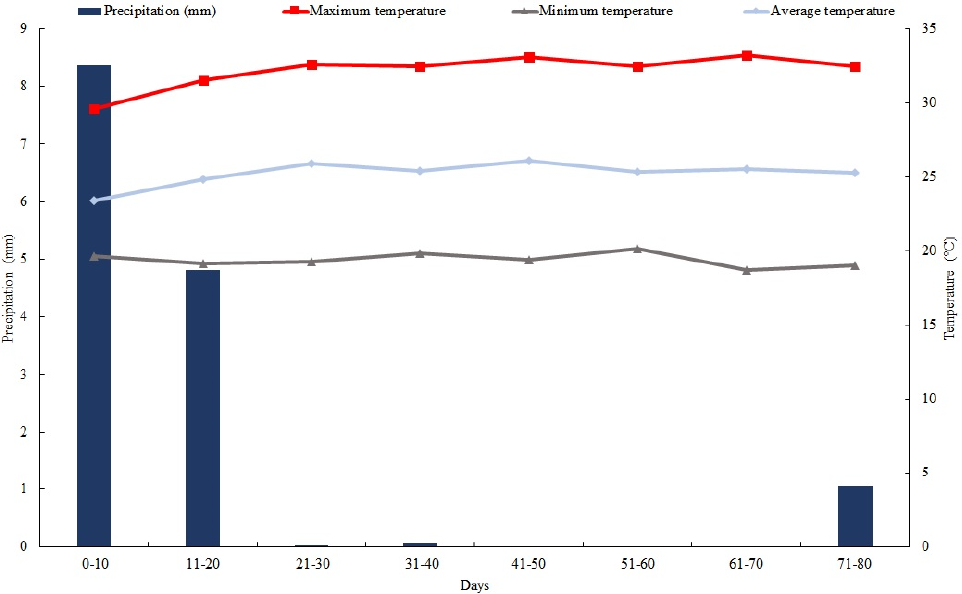
The study was conducted in Montes Claros, Minas Gerais, which has an Aw climate (Climate-Data, 2023), between January and April 2023. The average temperature and rainfall every ten days during the experimental period are shown in (Figure 1) and were obtained from a weather station located about 675 m from the experimental area.
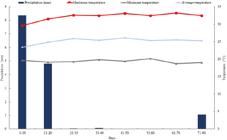
Climatic characterization of the experimental area, from January to April 2023, between transplanting the Peltophorum dubium (Spreng.) Taub seedlings and the end of the experiment, with average temperature (oC) and rainfall (mm) every ten days.
Seedlings of P. dubium were grown in 290 cm³ tubes containing commercial BIOPLANT® substrate (33.3% charcoal grind, 33.3% tanned bovine manure, and 33.4% vegetable fiber substrate + vermiculite), plus 75 g of P2O5 and 15 g of K2O per cubic meter of substrate. The seeds used to produce the seedlings were collected from trees located in an area of Cerrado. The P. dubium seedlings remained in the nursery for 108 days, watered daily and fertilized fortnightly with 10 g L-1 of the commercial formulation NPK 04:20:12.
At approximately 3 months of growth the seedlings were screened and graded in terms of vigor and height and then transplanted into 12-liter pots filled with substrate in a 3:1:1 ratio (soil: sand: cattle manure). During the cultivation of P. dubium in these pots, the soil was kept moist via regular daily irrigations, keeping the field capacity moisture level between 80% and 100%. The plants were fertilized every fortnight with 3 g of urea (45% N) and 3 g of potassium chloride (60% K2O).
2.2. Experimental design and application of glyphosate in simulated drift tests on Peltophorum dubium seedlings
The study used randomized blocks with six replications with each experimental test plot represented by a P. dubium plant. To simulate drift, the plants were subjected to applications of 28.8, 57.6, 115.2, 230.4, and 460.8 g e. a. ha-1 of glyphosate (Roundup Original® Mais), and the control dosage (no herbicide application). The doses applied refer to sub doses simulating herbicide drift, and correspond to 2%, 4%, 8%, 16%, and 32% of the 1440 g e. a. ha-1 dose of glyphosate, the herbicide which is often used to control weeds in soybean, corn, cotton, and eucalyptus crops (Agrofit, 2024).
The herbicide mixture was applied 40 days after the P. dubium seedlings were transplanted into the 12-liter pots. At the time of application, the plants were approximately 43 cm in height and 0.97 cm thick stem diameter. The environmental conditions were 20.54oC average temperature, 77.2% relative humidity, and 3.3 Km h-1 wind speed at the time of application. A knapsack sprayer (model PJH, Jacto do Brasil SA, Pompeia, Brazil) was used to spray the plants, the extension wand equipped with a spray tip (model TTI11002, Teejet, Wheaton, Illinois, USA) and a constant pressure regulating valve at 200 kPa (model U7466.00, Guarany, Itu, Brazil), calibrated to apply 116 L ha-1 of spray.
2.3. Analysis of the physiological characteristics of Peltophorum dubium under glyphosate drift
At 4 and 7 days after application (DAA) of the herbicide, photosynthetic rate, stomatal conductance, and transpiration rate were assessed using an infrared gas analyzer - IRGA (Lcpro-SD, Analyctical Development Co. Ltd, Hoddesdon, UK) with a 1200 μmol m-2s-1 coupled light source. Chlorophyll a and chlorophyll b were measured using a chlorophyll meter (CFL1030, Falker, Porto Alegre, Brazil). The quantum yield of photosystem II (Ф PSII) and the electron transport rate (ETR) were evaluated using the Y (II) meter fluorometer (PSK, Opti-Sciences, Hudson, USA). Water use efficiency (WUE) was calculated using the ratio of photosynthesis to transpiration. The physiological assessments were carried out on leaflets located on the upper third of the plant, on fully expanded leaves, between 8 and 10 am.
2.4. Analysis of the morphological characteristics and intoxication of Peltophorum dubium under glyphosate drift
The plants were evaluated for glyphosate intoxication at 15, 30, and 45 DAA of the herbicide using a scale of 0% to 100%, where 0% corresponds to the absence of visible symptoms and 100% to plant death (ALAM, 1974). Three trained assessors carried out the intoxication assessments, and the values per plot were determined using the arithmetic mean of the three observations. The symptoms of glyphosate intoxication in P. dubium plants were described and photographed to correctly record the action of the herbicide.
The plants’ height (cm) was measured with a graduated ruler from the soil surface to the stem apex. Stem diameter (mm) was obtained with a caliper, measured two centimeters from the soil surface at 0 and 45 (DAA). The increase in height (cm) and diameter (mm) of the P. dubium saplings was obtained from the difference between the values obtained for each variable at 45 DAA and immediately before the glyphosate application.
At 45 DAA, the P. dubium plants were cut to determine the dry mass of the aerial part, roots, and total mass of the saplings. The material was separated, placed in Kraft bags, and dried in an oven with air circulation at 65°C for 72 hours.
2.5. Analysis of the concentration of sugars and starch in Peltophorum dubium under glyphosate drift
The concentration of sugars and starch present in the aerial part and root of P. dubium plants was determined following the methodology adapted from McCready et al. (1950). The samples were ground using a knife mill (CE-340/MACRO, Cienlab, Campinas, Brazil), after which a 0.2 g fraction of the sample was taken, and 1.5 mL of boiling 80% ethanol was added to remove soluble sugars, mono, di, and trisaccharides. Afterward, the material was centrifuged at 3000 rpm for 10 min. The procedure was repeated four times and the supernatants were collected in a 100 mL volumetric flask and topped up with distilled water, where they were reserved for analysis of soluble sugars. The precipitate was then resuspended in 1.5 mL of 30% perchloric acid, stirred for 2 min in a whirlpool, and left to stand for 30 min, followed by centrifugation at 3000 rpm for 10 min, a procedure repeated three times. The supernatants obtained were collected in a volumetric flask and topped up with distilled water for quantification of the starch and sugar content by reaction with anthrone (Fales, 1951), and the absorbance at 620 nm was measured using a spectrophotometer (model 1600 UV, Nova Instruments, Piracicaba, Brazil).
2.6. Data analysis
The symptoms of intoxication of P. dubium plants were presented descriptively. The response of P. dubium plants subjected to glyphosate drift in terms of growth, physiological, biochemical and intoxication variables was considered normal by the Shapiro-Wilk test and with homogeneous variance by the ONeill and Mathews test and submitted to analysis of variance by the F test (p ≤ 0.05). Where appropriate, linear and non-linear regressions were fitted at 5% probability as a function of the doses of glyphosate tested in simulated drift. Statistical analyses were conducted using R software (R Core Team, 2022).
3. RESULTS
3.1. Characteristic symptoms of glyphosate intoxication in Peltophorum dubium
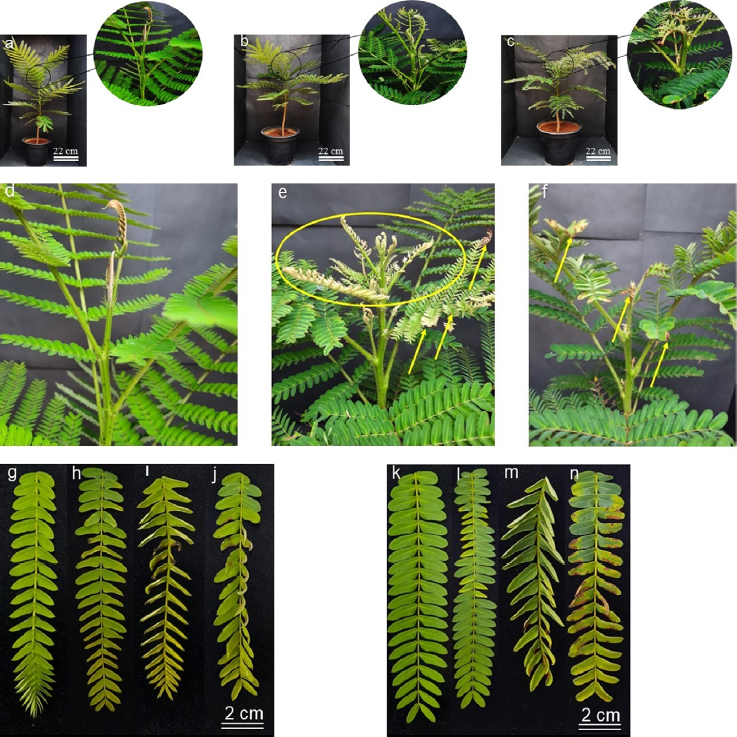
The P. dubium plants exposed to simulated drift of glyphosate showed characteristic symptoms of intoxication caused by the action of the herbicide (Figure 2), but mainly in the stem apex and in the leaves of the upper third of the plant. The visual symptoms of glyphosate poisoning observed were chlorosis, spots of necrosis, leaf wilting, leaf wrinkling, uneven leaflet development (Figure 2 g - n), uncharacteristic sprouting and yellowing of the stem apex (Figure 2 e - f), as well as reduced growth in height and diameter. The harm caused by intoxication was greater in the dose of 230.4 g e. a. ha-1 of glyphosate. In contrast, at lower test doses the plants showed few symptoms of intoxication, with signs of recovery over the 45 days of evaluation.
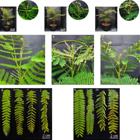
Symptoms of intoxication in Peltophorum dubium plants at 7 and 14 days after application (DAA) of sub doses of glyphosate in simulated drift. General aspects at 45 days after application of glyphosate sub doses (a) Non-treated control, (b) 230.4 g e. a. ha-1 of glyphosate, (c) 460.8 g e. a. ha-1 of glyphosate. General view of plants not treated with herbicide (d); overgrowth and chlorosis at the stem apex (circle) (e); chlorosis and necrosis on the leaflets and at the stem apex (arrows) (e) and (f). General leaf appearance of untreated plants “g” and “k”; symptoms of drift intoxication in plants exposed to 115.2 g e. a. ha-1 of glyphosate “h” and “l”; 230.4 g e. a. ha-1 of glyphosate “i” and “m”; 460.8 g e. a. ha-1 of glyphosate “j” and “n”.
3.2. Intoxication rate and growth of P. dubium subjected to glyphosate drift
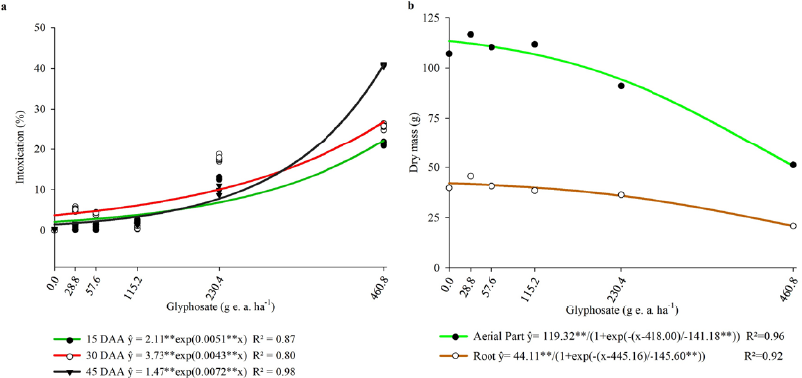
In regard to the intoxication of P. dubium plants, intoxication (<4%) was observed at doses lower than 115.2 g e. a. ha-1 of glyphosate; on the other hand, plants exposed to 460.8 g e. a. ha-1 of glyphosate showed 40% intoxication caused by the action of glyphosate at 45 DAA (Figure 3 a). This intoxication impacted the accumulation of dry mass in the aerial parts and roots of the plants, and this reduction in dry mass was inversely proportional to the increase in doses. The dry mass of the aerial part was the most affected, with a 55.29% reduction in plants exposed to a dose of 460.8 g e. a. ha-1 of glyphosate compared to the control (Figure 3 b).
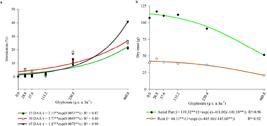
(a) Intoxication rate at 15, 30 and 45 days after application (DAA) and accumulation of dry mass of the aerial part and root (b) of Peltophorum dubium plants exposed to sub doses of glyphosate, in simulated drift. ** significant by T-test (p ≤ 0.01).
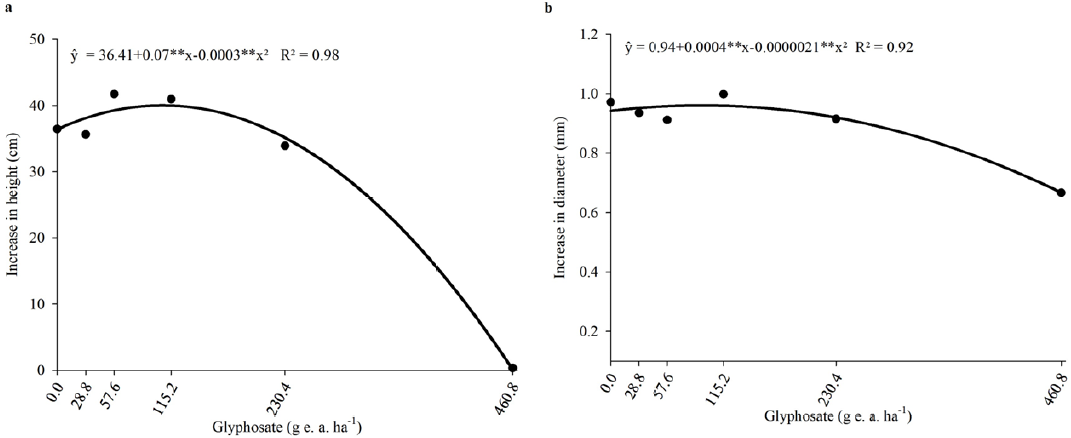
The resulting height and stem diameter of the glyphosate treated P. dubium plants was directly influenced by the intoxication caused by the 230.4 g e. a. ha-1 dose of glyphosate. Compared to the control dose, plants exposed to a dose of 460.8 g e. a. ha-1 of glyphosate showed an 86.38% reduction in height increment (Figure 4 a). The increase in diameter was also affected by intoxication caused by glyphosate at a dose of 460.8 g. e. a. ha-1 of glyphosate. This measurement was 28.72% lower than that observed in the control (Figure 4 b).
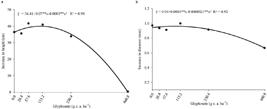
Increase in height (a) and increase in stem thickness (b) in Peltophorum dubium plants exposed to simulated glyphosate drift at 45 days after application (DAA) of the herbicide. **Significant by t-test (p ≤ 0.01).
3.3. Physiological and metabolic response of Peltophorum dubium to glyphosate drift
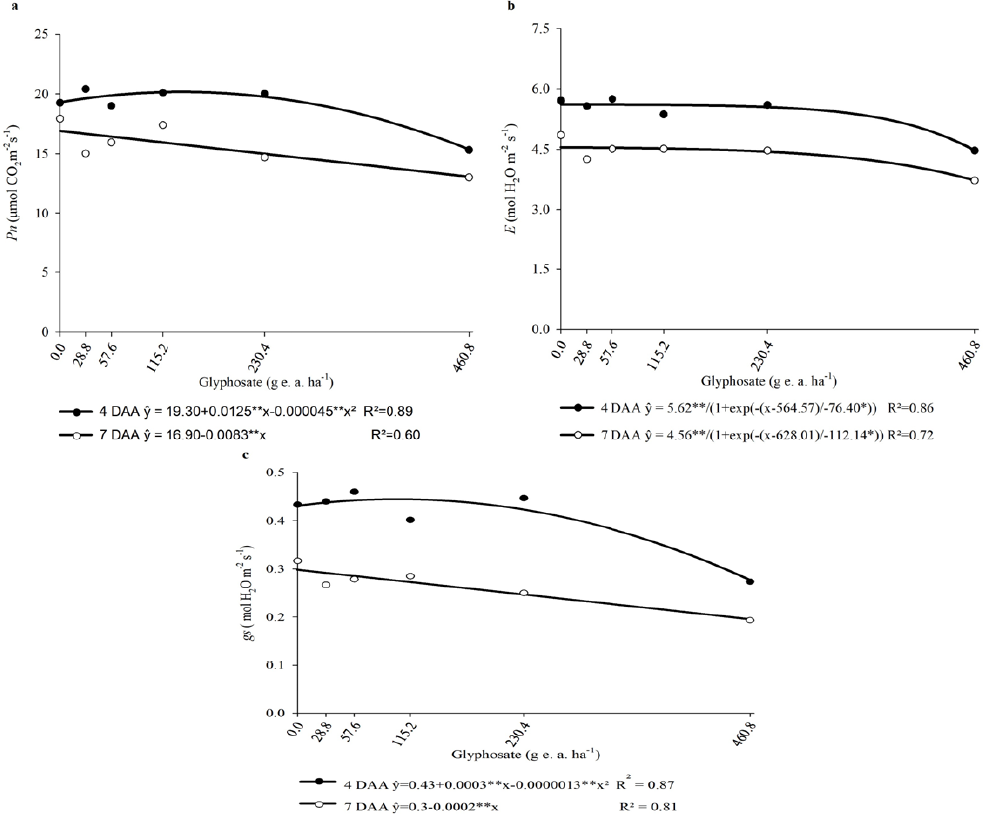
The simulated drift of glyphosate on P. dubium plants caused a reduction in photosynthesis (Pn), transpiration rate (E), and stomatal conductance (gs) at 4 and 7 DAA. This reduction was more pronounced in the dose of 230.4 g e. a. ha-1 of glyphosate. When only the plants exposed to the 460.8 g e. a. ha-1 dose of glyphosate at 7 DAA, were considered, a reduction of 22.66%, 18.06%, and 33.33% was observed in photosynthesis, transpiration, and stomatal conductance, respectively, compared to the control (Figure 5 a-c).
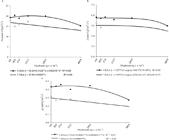
a - Photosynthetic rate (Pn), b - Transpiration (E) and c - Stomatal conductance (gs) in Peltophorum dubium plants exposed to sub doses of the herbicide glyphosate, in simulated drift. **; * significant by T-test at (p≤0.01) and (p≤ 0.05), respectively.
The water use efficiency (WUE) results, photosystem II quantum yield (Ф PSII), electron transport rate, chlorophyll a, and chlorophyll b did not show a regression fit as a function of glyphosate doses in simulated drift. However, P. dubium plants exposed to sub doses of glyphosate showed a higher average value of ФPSII and chlorophyll b than plants not treated with the herbicide, with the other variables remaining unchanged (Table 1).
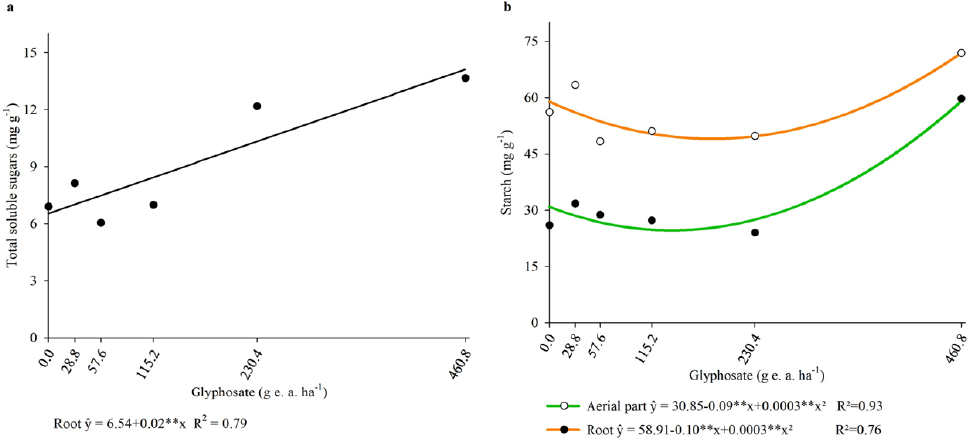
The average accumulation of soluble sugars in the aerial part for the control plant was 33.91 mg g-1 with a standard error of 1.65 mg g-1. In contrast, for the plants exposed to glyphosate, the average accumulation of soluble sugars was 34.62 mg g-1 with a standard error of 0.45 mg g-1. As a result of glyphosate drift, there was an increase in the accumulation of total soluble sugars in the roots (Figure 6 a). Starch accumulation was influenced by the simulated drift, both in the aerial part and in the root of P. dubium (Figure 6 b). At doses of 230.4 g e. a. ha-1 and 460.8 g e. a. ha-1 of glyphosate, soluble sugars in the root were 70.48% and 141%, respectively, higher than that accumulated in the control. The quadratic polynomial equations adjusted for starch accumulation in the aerial part and root indicated greater accumulation at the dose of 460.8 g e. a. ha-1 of glyphosate.
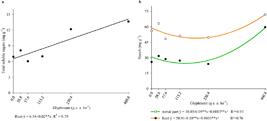
Accumulation of soluble sugars in the root (a) and accumulation of starch in the aerial part and root (b) in Peltophorum dubium plants under simulated glyphosate drift. ** significant by t-test (p ≤ 0.01).
4. DISCUSSION
Peltophorum dubium plants showed sensitivity to glyphosate from 230.4 g e.a. ha⁻¹. At lower doses, they exhibited mild intoxication and signs of recovery over time. The main symptoms were chlorosis and necrosis, which intensified with higher doses and time after exposure. Doses above 230.4 g e.a. ha⁻¹ also caused leaf wrinkling, uneven development, abnormal sprouting, yellowing of the stem apex, and reduced height and stem diameter. According to Córdova et al. (2020), this dose is within the range of glyphosate underdoses that cause phytotoxicity up to 400 m from the target area in rice crops. The authors observed death and reduced productivity in rice plants up to 150 m from the application site, with an estimated drift rate of 268.8 g e. a. ha-1 of glyphosate, and symptoms of poisoning at distances between 200 and 400 m, with a drift rate of 249.6 g e. a. ha-1 and 96 g e. a. ha-1 of glyphosate, respectively.
Symptoms such as chlorosis and necrosis have also been reported in plants exposed to glyphosate drift, including Amburana cearensis (Borges et al., 2021), Handroanthus chrysotrichus (Freitas-Silva et al., 2020), Pouteria torta (Rezende-Silva et al., 2019), Eucalyptus urophylla (Tuffi antos et al., 2006), and growth reduction in Theobroma cacao (Adu-Yeboah et al., 2023), Cedrela odorata (Pereira et al., 2015), and Eucalyptus urograndis (Tuffi Santos et al., 2007).
The intoxication rate increased from 230.4 g e.a. ha⁻¹, accompanied by reduced dry mass in shoots and roots. This behavior has been observed in other species, such as Caryocar brasiliense Camb. (Silva et al., 2016), Genipa americana L. (Gusmão et al., 2011), Aspidosperma desmanthume (Rondon-Neto et al., 2011) and Jatropha curcas (Costa et al., 2009).
The results regarding the increase in height and stem diameter reinforce the results observed in the intoxication and dry mass evaluations. Glyphosate interfered negatively in the growth of P. dubium plants. At 45 DAA, there was a difference in the height and stem diameter growth between the untreated control plants and the plants exposed to doses of more than 230.4 g e. a. ha-1 of glyphosate. The reduced growth at the 460.8 g e. a. ha-1 dose of glyphosate may be related to the severity of the damage caused by this dose and the time needed for recovery (Adu-Yeboah et al., 2023). Yamada & Castro (2007) similarly observed reduced growth of the aerial part and root in glyphosate-intoxicated plants.
The stress caused by the herbicide suggests that impaired metabolism interferes with the utilization of available energy sources (Orcaray et al., 2012), reducing photosynthetic potential (Ferreira et al., 2015). Glyphosate blocks the shikimate pathway by inhibiting EPSPS enzyme, which negatively affects photosynthesis (Rezende-Silva et al., 2022). In this study, doses higher than 230.4 g a.e. ha-1 reduced photosynthetic rate (Pn), transpiration (E), and stomatal conductance (gs), confirming photosynthetic damage. The reduction in photosynthetic rate may have been caused by stomatal limitation, evidenced by the decrease in stomatal conductance and transpiration values, since photosynthesis depends directly on the flow of CO2 into the cell and in turn, the flow of CO2 depends on stomatal opening (Messinger et al., 2006). CO2 absorption and H2O loss in plants occur through the stomata, and stomatal movement is essential for controlling gas exchange (Nascentes et al., 2018). The gas exchange control mechanism in plants allows stomata to open, which prevents water stress and, at the same time, maximizes carbon fixation by balancing CO2 absorption and water loss through transpiration (Nascentes et al., 2018). Thus, stomatal closure directly impacts the rate of photosynthesis and transpiration.
Chlorophyll fluorescence parameters help assess stress by analyzing energy flow in the photosynthetic system (Strasserf et al., 1995; Lazár, 1999). Chlorophyll molecules are responsible for absorbing light energy, which can be used to maintain the leaf’s photosynthetic activity, dissipated as heat or re-emitted as fluorescence. These three possible destinations for the energy provided by light compete with each other, and an increase in one is achieved due to a decrease in the others (Maxwell & Johnson, 2000).
The electron transport rate (ETR), another important parameter of chlorophyll fluorescence, reflects photosystem photochemical activity and is sensitive to environmental variation (Pimentel et al., 2011). The flow of electrons from photosystem II generally indicates the rate of photosynthesis and the occurrence of damage to photosystem II, constituting the first manifestation of stress in the plant leaf (Maxwell & Johnson, 2000). In this study, plants exposed to glyphosate drift did not show a reduction in ETR compared to control plants.
The absence of ETR reduction suggests that glyphosate did not inhibit EPSPS. This protein catalyzes the formation of 5-enolpyruvylshikimate-3-phosphate from shikimate-3-phosphate and phosphoenolpyruvate. It, therefore, does not interrupt the synthesis of aromatic amino acids - phenylalanine, tyrosine, and tryptophan (Barker & Dayan, 2019). The amino acid tyrosine acts as a precursor of plastoquinone (Maeda & Dudareva, 2012), an important electron acceptor in the electron transport chain between photosystems II and I (Buchanan & Wolosiuk, 2017), and erythrose-4-phosphate (Maeda & Dudareva, 2012), an essential compound in the regeneration of ribulose-1,5-biphosphate in the Calvin-Benson cycle (Buchanan & Wolosiuk, 2017), participate in the shikimate pathway.
Regarding biochemical parameters, P. dubium plants exposed to 460 g e.a. ha⁻¹ showed higher soluble sugar concentration in roots and starch accumulation in both shoots and roots, with greater accumulation in roots.
Sugars produced by photosynthesis are transported via the phloem to non-photosynthetic tissues. Hence, the accumulation of sugars in the drain tissues discourages the rate of photosynthesis and the mobilization of carbohydrates (Taiz & Zeiger, 2013). Thus, reduced growth likely increased sugar and starch accumulation in glyphosate-treated plants. Yanniccari et al. (2012) note that, even with inhibited photosynthesis, glyphosate affects growing tissues, reducing photoassimilate demand and causing carbohydrate buildup. Conversely, larger starch reserves can aid recovery from intoxication (Tuffi Santos et al., 2004).
From the effects observed on the morphological, physiological, and biochemical parameters of P. dubium as a function of glyphosate sub doses, it can be seen that the species is sensitive to the herbicide, predominantly at doses above 230.4 g e. a. ha-1 of glyphosate, an amount compatible with the observed contamination by herbicide drift (Córdova et al., 2020). However, at doses of less than 230.4 g e. a. ha-1 of glyphosate, the symptoms of intoxication are barely perceptible, and this certain tolerance to glyphosate is important for the survival of the species since it is present in Cerrado areas subject to contamination by glyphosate via drift.
The glyphosate doses used in this study, in simulated drift, did not lead to plant death, even at the highest dose tested, indicating some tolerance of P. dubium to the molecule. However, glyphosate negatively affects the growth variables and physiology of P. dubium plants, and this may be exacerbated by contact with higher doses of glyphosate.
Peltophorum dubium is suitable for restoring degraded areas (Carnevali et al., 2016) as well as producing timber in commercial plantations (Bertolini et al., 2015). In these areas, herbicides are necessary to control weeds and ensure better growing conditions for the species of interest. It is necessary to choose products that are selective for the species of interest in restoration or cultivation (Araújo et al., 2025; Oliveira et al., 2024). Thus, the differential tolerance to glyphosate shown by the P. dubium is relevant, as it makes it safer to use this herbicide to control weeds in these areas under targeted application. On the other hand, the low sensitivity of the species to glyphosate makes it challenging to use it in biomonitoring, given that the doses via drift are low. Therefore, it is recommended to search for plant species that are more sensitive to low doses of glyphosate, especially in areas adjacent to agricultural production, where the use of glyphosate is more intense.
5. CONCLUSIONS
Glyphosate drift on P. dubium causes changes in morphological, physiological, and biochemical parameters only at doses above 230.4 g e. a. ha-1 of glyphosate, impacting the initial growth of plants but not causing death.
Glyphosate drift presents a low risk of damaging P. dubium, and the tolerance of the species reveals its ability to survive in areas subject to contamination by the herbicide, as well as the possibility of using the product in plantations of Peltophorum dubium. However, the species’ low sensitivity to glyphosate makes it difficult to use it for biomonitoring environmental contamination by drift.
DATA AVAILABILITY
The entire dataset supporting the results of this study was published in the article itself.
REFERENCES
-
Adu-Yeboah P, Samuel TL, Maame AS, Sampson K, Prince P. Physiological and Growth Responses of Cacao to Glyphosate Exposure. Journal of Environmental Science and Health, Part B 2023; 58(2): 91-99. https://doi.org/10.1080/03601234.2023.21699523
» https://doi.org/10.1080/03601234.2023.21699523 - ALAM - Asóciacion Latinoamericana de Malezas. Recomendaciones sobre unificación de los sistemas de avaluacion en ensayos de control de malezas. ALAM, Bogotá, 1974. v. 1, n. 1, p. 35-38.
-
Agrofit-Sistemas de Agrotóxicos Fitossanitários. Ministério da Agricultura, Pecuária e Abastecimento (MAPA) do Brasil. 2024. https://agrofit.agricultura.gov.br/agrofit_coms/principal_agrofit_cons
» https://agrofit.agricultura.gov.br/agrofit_coms/principal_agrofit_cons -
Araújo FV, Amaral WG, Pereira IM, Santos JB. Herbicides in forest restoration: Selectivity and adequate dose as key factors for the management of Urochloa decumbens. Ecological Engineering 2025; 216: 107641. https://doi.org/10.1016/j.ecoleng.2025.107641
» https://doi.org/10.1016/j.ecoleng.2025.107641 -
Barker AL, Dayan FE. Fate of Glyphosate during Production and Processing of Glyphosate-Resistant Sugar Beet (Beta Vulgaris). Journal of Agricultural and Food Chemistry 2019; 67(7): 2061-65. https://doi.org/10.1021/acs.jafc.8b05672
» https://doi.org/10.1021/acs.jafc.8b05672 -
Bertolini ÍC, Debastiani AB, Brun EJ. Caracterização Silvicultural da Canafístula (Peltophorum dubium (Sprengel) Taubert). Scientia Agraria Paranaensis 2015; 14(2): 67-76. https://doi.org/10.18188/1983-1471/sap.v14n2p67-76
» https://doi.org/10.18188/1983-1471/sap.v14n2p67-76 -
MPS, Silva DV, Souza MF, Silva TS, Teófilo TMS, Silva CCS, Pavão QS, Passos ABRJ, Santos JB Glyphosate Effects on Tree Species Natives from Cerrado and Caatinga Brazilian Biome: Assessing Sensitivity to Two Ways of Contamination. Science of The Total Environment 2021; 769: 144113. https://doi.org/10.1016/j.scitotenv.2020.144113
» https://doi.org/10.1016/j.scitotenv.2020.144113 - Buchanan BB, Wolosiuk RA. Fotossíntese: Reacões de Carboxilacão. In: Taiz L, Zeiger E, Moller I A, Murphy A, editors. Fisiologia e Desenvolvimento Vegetal. Porto Alegre, Artmed; 2017, p. 203-243.
-
Carnevali NHS, Etenaldo FS, Daloso DM, Carnevali TO, Oliveira MT. Sobrevivência e crescimento inicial de espécies arbóreas nativas implantadas em pastagem degradada. Floresta 2016; 46(2): 277-286. https://doi.org/10.5380/rf.v46i2.42881
» https://doi.org/10.5380/rf.v46i2.42881 -
Carpenter DJ, Mathiassen SK, Boutin C, Strandberg B, Casey CS, Damgaard C. Effects of Herbicides on Flowering. Environmental Toxicology and Chemistry 2020; 39(6): 1244-56. https://doi.org/10.1002/etc.4712
» https://doi.org/10.1002/etc.4712 -
Cima IS, Amaral S, Massi KG. Mapping Cerrado Remnants in an Anthropized Landscape in Southeast Brazil. Remote Sensing Applications: Society and Environment 2023; 32:101032. https://doi.org/10.1016/j.rsase.2023.101032
» https://doi.org/10.1016/j.rsase.2023.101032 -
Climate-Data.org, Dados climáticos para cidades mundiais. 2023. https://pt.climate-data.org/america-do-sul/brasil/minas-gerais/montes-claros-2886/014..07416
» https://pt.climate-data.org/america-do-sul/brasil/minas-gerais/montes-claros-2886/014..07416 -
Córdova RA, Tomazetti M, Refatti JP, Agostinetto D, Avila LA, Camargo ER. Drift Distance in Aircraft Glyphosate Application Using Rice Plants as Indicators. Planta Daninha 2020; 38:e020223422. https://doi.org/10.1590/s0100-83582020380100048
» https://doi.org/10.1590/s0100-83582020380100048 -
Costa NV, Erasmo EAL, Queiroz PA, Dornelas DF, Dornelas BF. Efeito da Deriva Simulada de Glyphosate No Crescimento Inicial de Plantas de Pinhão-Manso. Planta Daninha 2009; 27: 1105-10. https://doi.org/10.1590/S0100-83582009000500024
» https://doi.org/10.1590/S0100-83582009000500024 -
Cruvinel GT, Neves HI, Spira B. Glyphosate Induces the Synthesis of ppGpp. Molecular Genetics and Genomics 2019; 294(1): 191-98. https://doi.org/10.1007/s00438-018-1499-1
» https://doi.org/10.1007/s00438-018-1499-1 -
Cruz CES, Freitas-Silva L, Ribeiro C, Silva LC. Physiological and Morphoanatomical Effects of Glyphosate in Eugenia Uniflora, a Brazilian Plant Species Native to the Atlantic Forest Biome. Environmental Science and Pollution Research 2021; 28(17): 21334-46. https://doi.org/10.1007/s11356-020-12003-4
» https://doi.org/10.1007/s11356-020-12003-4 -
DUKE SO, POWLES SB. Glyphosate: A once-in-a-century herbicide. Pest Management Science 2008; 64(4): 319-325. https://doi.org/10.1002/ps.1518
» https://doi.org/10.1002/ps.1518 -
Dupont YL, Strandberg B, Damgaard C. Effects of Herbicide and Nitrogen Fertilizer on Non-Target Plant Reproduction and Indirect Effects on Pollination in Tanacetum Vulgare (Asteraceae). Agriculture, Ecosystems & Environment 2018; 262: 76-82. https://doi.org/10.1016/j.agee.2018.04.014
» https://doi.org/10.1016/j.agee.2018.04.014 -
Fales FW. The Assimilation and Degradation of Carbohydrates by Yeast Cells. Journal of Biological Chemistry 1951; 193(1):113-24. https://doi.org/10.1016/S0021-9258(19)52433-4
» https://doi.org/10.1016/S0021-9258(19)52433-4 -
Ferreira EA, Matos CC, Barbosa EA, Silva DV, Santos JB, Pereira GAM, Faria AT, Silva CT. Respostas Fisiológicas Da Mandioca à Aplicação de Herbicidas. Semina: Ciências Agrárias 2015; 36(2):645-656. https://doi.org/10.5433/1679-0359.2015v36n2p645
» https://doi.org/10.5433/1679-0359.2015v36n2p645 -
Ferreira MF, Torres C, Bracamonte E, Galetto L. Glyphosate Affects the Susceptibility of Non-Target Native Plant Species According to Their Stage of Development and Degree of Exposure in the Landscape. Science of The Total Environment 2023; 865:161091. https://doi.org/10.1016/j.scitotenv.2022.161091
» https://doi.org/10.1016/j.scitotenv.2022.161091 -
Freitas-Silva L, Araújo TO, Nunes-Nesi A, Ribeiro C, Costa AC, Silva LC. Evaluation of Morphological and Metabolic Responses to Glyphosate Exposure in Two Neotropical Plant Species. Ecological Indicators 2020; 113:106246. https://doi.org/10.1016//j.ecolind.2020.1062 46
» https://doi.org/10.1016//j.ecolind.2020.1062 46 -
Gusmão GA, Rondon Neto RM, Yasmashita OM. Deriva simulada de glyphosate em plantas jovens de jenipapo (Genipa americana L.). Revista Brasileira de Herbicidas 2011; 10(1):13-19. https://doi.org/10.7824/rbh.v10i1.91
» https://doi.org/10.7824/rbh.v10i1.91 -
Ibama- Instituto Brasileiro do Meio Ambiente e dos Recursos Naturais Renováveis. Painéis de informações de agrotóxicos, 2022. https://www.gov.br/ibama/t-br/assuntos/químicos-e-biologicos/agrotoxicos/paineisde-infomacoes-deagrotoxicos/painéis-de-informacoes-deagrotoxicos#Painel-comercializacao
» https://www.gov.br/ibama/t-br/assuntos/químicos-e-biologicos/agrotoxicos/paineisde-infomacoes-deagrotoxicos/painéis-de-informacoes-deagrotoxicos#Painel-comercializacao -
Javaid Z, Ghazala, Ibrahim M, Mahmood A, Bajwa AA. Pesticide Contamination of Potable Water and Its Correlation with Water Quality in Different Regions of Punjab, Pakistan. Water 2023; 15(3):543. https://doi.org/10.3390/w15030543
» https://doi.org/10.3390/w15030543 -
Kisvarga S, Hamar-Farkas D, Horotán K, Inotai K, Mörtl M, Neményi A, Székács A, Orlóci L. Morphological, Histological, and Glyphosate Residue Analysis of Helianthus Annuus l. Plants Treated with Glyphosate. Agriculture 2023; 13(5):1014. https://doi.org/10.3390/agriculture13051014
» https://doi.org/10.3390/agriculture13051014 -
Lazár D. Chlorophyll a Fluorescence induction. Biochimica et Biophysica Acta (BBA) - Bioenergetics 1999; 1412(1):1-28. https://doi.org/10.1016/S0005-2728(99)00047-X
» https://doi.org/10.1016/S0005-2728(99)00047-X -
Lima DA, Müller C, Costa AC, Batista PF, Dalvi VC, Domingos M. Morphoanatomical and Physiological Changes in Bauhinia Variegata L. as Indicators of Herbicide Diuron Action. Ecotoxicology and Environmental Safety 2017; 141: 242-50. https://doi.org/10.1016/j.ecoenv.2017.03.038
» https://doi.org/10.1016/j.ecoenv.2017.03.038 -
Lucadamo L, Corapi A, Gallo L. Evaluation of Glyphosate Drift and Anthropogenic Atmospheric Trace Elements Contamination by Means of Lichen Transplants in a Southern Italian Agricultural District”. Air Quality, Atmosphere & Health 2018; 11(3): 325-39. https://doi.org/10.1007/s11869-018-0547-7
» https://doi.org/10.1007/s11869-018-0547-7 -
Maeda H, Dudareva N. The Shikimate Pathway and Aromatic Amino Acid Biosynthesis in Plants. Annual Review of Plant Biology 2012; 63(1):73-105. https://doi.org/10.1146/annurev-arplant-042811-105439
» https://doi.org/10.1146/annurev-arplant-042811-105439 -
MapBiomas. Área de agropecuária no Brasil cresceu 50% nos últimos 38 anos; 2023. https://brasil.mapbiomas.org/2023/10/06/area-de-agropecuaria-no-brasil-cresceu-50-nos-ultimos-38-anos/
» https://brasil.mapbiomas.org/2023/10/06/area-de-agropecuaria-no-brasil-cresceu-50-nos-ultimos-38-anos/ -
Maxwell K, Johnson GN. Chlorophyll Fluorescence-a Practical Guide. Journal of Experimental Botany 2000; 51(345):659-68. https://doi.org/10.1093/jexbot/51.345.659
» https://doi.org/10.1093/jexbot/51.345.659 -
McCready RM, Guggolz J, Silviera V, Owens HS. Determination of Starch and Amylose in Vegetables. Analytical Chemistry 1950; 22(9):1156-58. https://doi.org/10.1021/ac60045a016
» https://doi.org/10.1021/ac60045a016 -
Messinger SM, Buckley TN, Mott KA. Evidence for Involvement of Photosynthetic Processes in the Stomatal Response to CO2. Plant Physiology 2006; 140(2): 771-78. https://doi.org/10.11104/pp.105.073676
» https://doi.org/10.11104/pp.105.073676 -
Nascentes RF, Carbonari CA, Simões PS, Brunelli MC, Velini ED, Duke SO. Low Doses of Glyphosate Enhance Growth, CO2 Assimilation, Stomatal Conductance and Transpiration in Sugarcane and Eucalyptus. Pest Management Science 2018; 74(5): 1197-1205. https://doi.org/10.1002/ps.4606
» https://doi.org/10.1002/ps.4606 -
Novotny E. Glyphosate, Roundup and the Failures of Regulatory Assessment. Toxics 2022; 10(6): 321. https://doi.org/10.3390/toxics10060321
» https://doi.org/10.3390/toxics10060321 -
Ofosu R, Agyemang ED, Márton A, Pásztor G, Taller J, Kazinczi G. Herbicide Resistance: Managing Weeds in a Changing World. Agronomy 2023; 13(6):1595. https://doi.org/10.3390/agronomy13061595
» https://doi.org/10.3390/agronomy13061595 -
Oliveira APA, Crispim-Filho AJ, Santos VRS, Costa AC, Silva KLF. Physiological and morphoanatomic responses of Bowdichia Virgilioides Kunth. (Fabaceae) to Glyphosate. Revista Árvore 2021; 45:e4528. https://doi.org/10.1590/1806-908820210000028
» https://doi.org/10.1590/1806-908820210000028 -
Oliveira JAM, Santos LDT, Ruas MAO, Donato LMS, Oliveira VAV, Guimarães YSS, Souza RF, Pegoraro RF. Picloram drift in Peltophorum dubium, a species native to the Brazilian Cerrado. Ecotoxicology 2024; 33, 317-331. https://doi.org/10.1007/s10646-024-02841-0
» https://doi.org/10.1007/s10646-024-02841-0 -
Orcaray L, Zulet A, Zabalza A, Royuela M. Impairment of Carbon Metabolism Induced by the Herbicide Glyphosate. Journal of Plant Physiology 2012; 169(1):27-33. https://doi.org/10.1016/j.jplph.2011.08.009
» https://doi.org/10.1016/j.jplph.2011.08.009 -
Pereira MRR, Souza GSFS, Fonseca ED, Martins D. Subdoses de glyphosate no desenvolvimento de espécies arbóreas nativas. Bioscience Journal 2015; 31(2):326-32. https://doi.org/10.14393/bj-v31n2a2015-21924
» https://doi.org/10.14393/bj-v31n2a2015-21924 -
Pimentel C, Oliveira RF, Ribeiro RV, Santos MG, Machado EC. Características fotossintéticas de Phaseolus vulgaris L. Hoehnea 2011; 38(2):273-80. https://doi.org/10.1590/S2236-89062011000200007
» https://doi.org/10.1590/S2236-89062011000200007 -
R Core Team. R: A Language and Environment for Statistical Computing. R Foundation for Statistical Computing, Vienna, Austria. 2022. https://www.R-project.org/
» https://www.R-project.org/ -
Rezende-Silva SL, Costa AC, Pedroso ANV, Batista PF, Crispim-Filho AJ, Almeida GM, Nascimento KJT, Ferreira LL, Domingos M, Silva AA. Morphophysiological Indicators of the Glyphosate Action on Brazilian Savanna Plants: A Multivariate Analysis. Acta Physiologiae Plantarum 2022; 44(73):1-16. https://doi.org/10.1007/s11738-022-03409-3
» https://doi.org/10.1007/s11738-022-03409-3 -
Rezende-Silva SL, Costa AC, Dyszy FH, Batista PF, Crispim-Filho AJ, Nascimento KJT, Silva AA. Pouteria Torta ss a remarkable native plant for biomonitoring the glyphosate effects on Cerrado vegetation. Ecological Indicators 2019; 102:497-506. https://doi.org/10.1016/j.ecolind.2019.03.003
» https://doi.org/10.1016/j.ecolind.2019.03.003 -
Rondon Neto RM, Benetti E, Yamashita OM, Gusmão GA. Fitotoxidade de Peroba-Mica (Aspidosperma Desmanthum) submetidas à deriva de glyphosate. Revista Brasileira de Herbicidas 2011; 10(2):103-109. https://doi.org/10.7824/rbh.v10i2.108
» https://doi.org/10.7824/rbh.v10i2.108 -
Schwaida SF, Cicerelli RE, Almeida T, Sano EE, Pires CH, Ramos APM. Defining priorities areas for biodiversity conservation and trading forest certificates in the Cerrado Biome in Brazil. Biodiversity and Conservation 2023; 32(6):1807-20. https://doi.org/10.1007/s10531-023-02578-y
» https://doi.org/10.1007/s10531-023-02578-y -
Seiler LK, Decoteau DR, Davis DD. Evaluation of Ailanthus Altissima as a Bioindicator to Detect Phytotoxic Levels of Ozone. Northeastern Naturalist 2014; 21(4):541-53. https://doi.org/10.1656/045.021.0405
» https://doi.org/10.1656/045.021.0405 -
Silva LQ, Araújo ACF, Almeida GM, Crispim Filho AJ, Costa AC, Jakelaitis A. Modificações fisiológicas em folhas de pequi (Caryocar brasiliense) causadas pela aplicação de glyphosate. Revista Brasileira de Herbicidas 2016; 15(2):165-74. https://doi.org/10.7824/rbh.v15i2.472
» https://doi.org/10.7824/rbh.v15i2.472 -
Silva FB, Costa AC, Müller C, Almeida GM, Nascimento KJT, Batista PF, Vital RG, Silva DG, Megguer CA, Jakelaitis A, Domingos M. Searching for biomarkers of early detection of 2,4-D effects in a native tree species from the brazilian Cerrado biome. Journal of Environmental Science and Health, Part B 2022; 57(1):71-80. https://doi.org/10.1080/03601234.2022.2028528
» https://doi.org/10.1080/03601234.2022.2028528 -
Silva TS, Rando JG, Carvalho DAS. Peltophorum in Flora e Funga do Brasil. Jardim Botânico do Rio de Janeiro. 2023. https://floradobrasil.jbrj.gov.br/FB83567
» https://floradobrasil.jbrj.gov.br/FB83567 -
Strasserf RJ, Srivastava A, Govindjee. Polyphasic chlorophyll a fluorescence transient in plants and cyanobacteria. Photochemistry and Photobiology 1995; 61(1):32-42. https://doi.org/10.1111/j.1751-1097.1995.tb09240.x
» https://doi.org/10.1111/j.1751-1097.1995.tb09240.x - Taiz L, Zeiger E. Fisiologia vegetal. 5ª edição. Porto Alegre: Editora Artmed; 2013.
-
Tuffi Santos LD, Machado AFL, Viana RG, Ferreira LR, Ferreira FA, Souza GVR. Crescimento do eucalipto sob efeito da deriva de glyphosate. Planta Daninha 2007; 25(1):133-37. https://doi.org/10.1590/S0100-83582007000100014
» https://doi.org/10.1590/S0100-83582007000100014 -
Tuffi Santos LD, Ferreira LR, Ferreira FA, Duarte WM, Tiburcio RAS, Machado AFL. Intoxicação de eucalipto submetido à deriva simulada de diferentes herbicidas. Planta Daninha 2006; 24(3):521-26. https://doi.org/10.1590/S0100-83582006000300014
» https://doi.org/10.1590/S0100-83582006000300014 -
Tuffi Santos LD, Meira RMSA, Santos IC, Ferreira FA. Efeito do glyphosate sobre a morfoanatomia das folhas e do caule de Commelina diffusa E C. benghalensis. Planta Daninha 2004; 22(1):101-107. https://doi.org/10.1590/S0100-83582020380100048
» https://doi.org/10.1590/S0100-83582020380100048 -
Wołejko E, Wydro U, Odziejewicz JI, Koronkiewicz A, Jabłońska-Trypuć A. Biomonitoring of Soil Contaminated with Herbicides. Water 2022; 14(10): 1-19. https://doi.org/10.3390/w14101534
» https://doi.org/10.3390/w14101534 -
Yamada T, Castro PRC. Efeitos do glifosato nas plantas: implicações fisiológicas e agronômicas. Encarte do informações agronômicas Nº 119. 2007. http://www.ipni.net/publication/iabrasil.nsf/0/55DAE8ADB2C488C183257AA1005EE59B/$FILE/Jornal-119.pdf
» http://www.ipni.net/publication/iabrasil.nsf/0/55DAE8ADB2C488C183257AA1005EE59B/$FILE/Jornal-119.pdf -
Yanniccari M, Tambussi E, Istilart C, Castro AM. Glyphosate effects on gas exchange and chlorophyll fluorescence responses of two Lolium perenne L. biotypes with differential herbicide sensitivity. Plant Physiology and Biochemistry 2012; 57:210-17. https://doi.org/10.1016/j.plaphy.2012.05.027
» https://doi.org/10.1016/j.plaphy.2012.05.027