 Line Sampling with Probability Proportional to The Geometrical Average Area Per Tree in The Stand
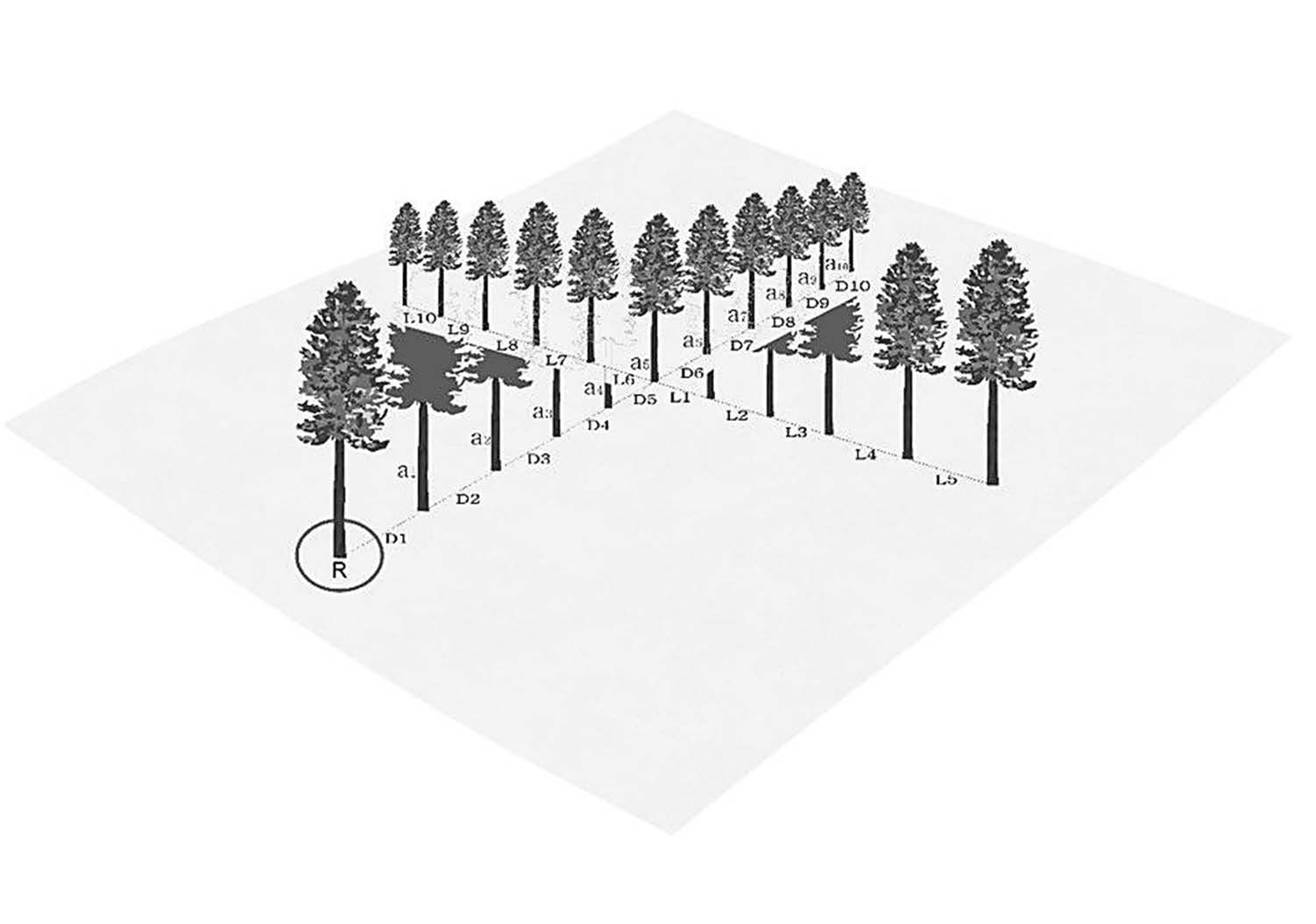
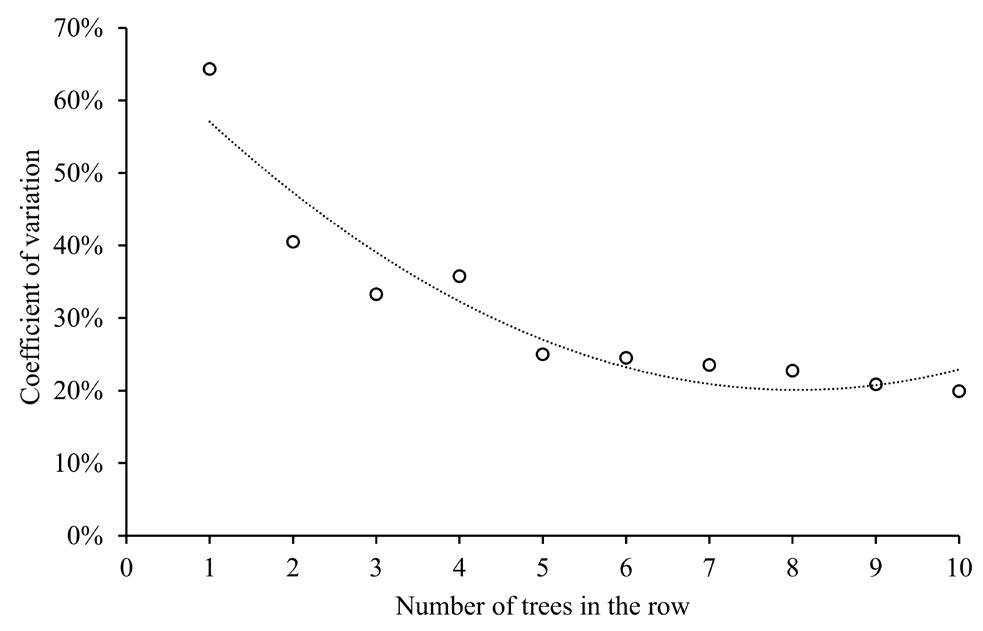
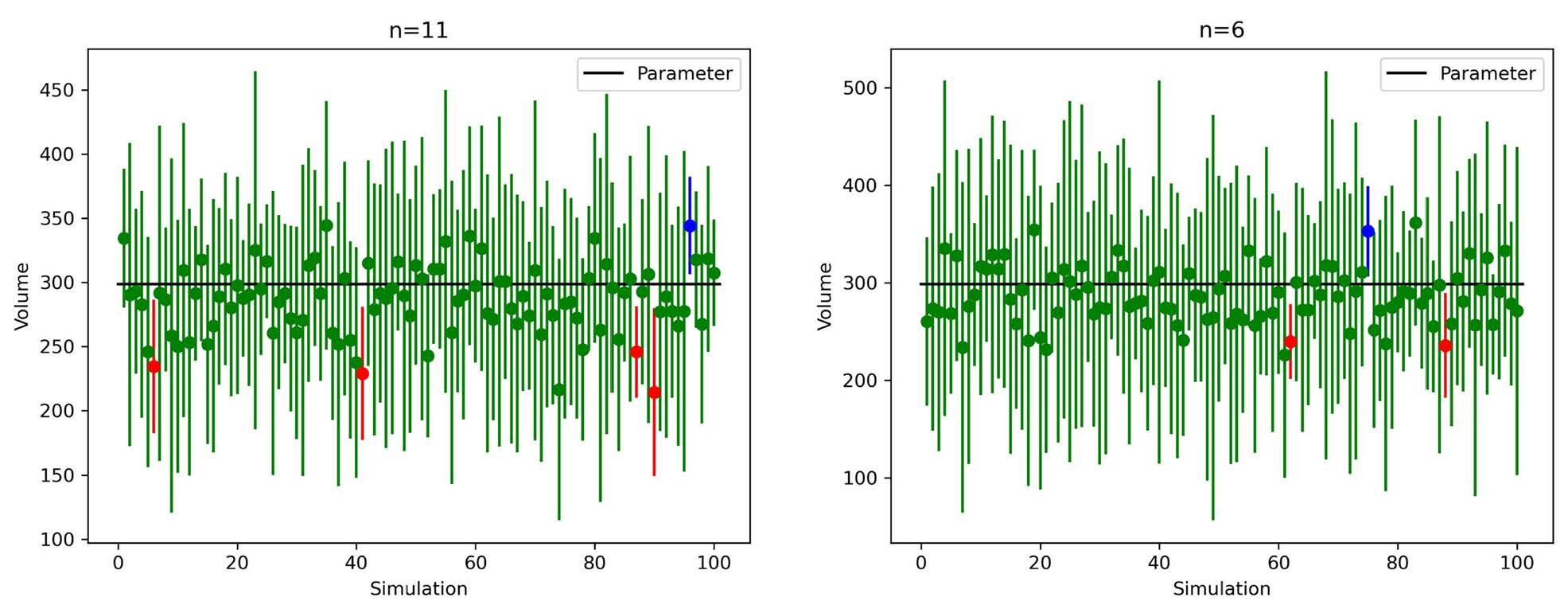
The study proposes a sampling method, termed the probability proportional to the average geometric area of occupation, method in which a set of trees along a row is selected as the sampling unit with a probability proportional to the geometrical average area per tree - PPGA. An experiment was conducted in Pinus taeda stands under three management regimes to compare estimates of density, basal area, and wood volume per hectare obtained from the proposed method and those from a conventional forest inventory. Additionally, the results were evaluated through sampling simulations using census data from Eucalyptus sp. stands. Sample estimators were developed based on PPGA within the sampling unit. Since the mean geometrical average area per tree varies among randomly distributed sampling units, the method is classified as probability proportional to size sampling and referred to as probability proportional to the average geometric area of occupation. The probability proportional to the average geometric area of occupation method proved effective across various ages and management conditions in both pine and eucalyptus stands.
Keywords:
Forest inventory; regular geometric patterns; pine stand; eucalyptus stand; Euclidean distances
 Thumbnail
 Thumbnail
 Thumbnail
 Thumbnail