
 Rain gardens as sustainable solutions: advances in research in the world and the state of technology in Brazil
ABSTRACT
This article presents a systematic and critical analysis of rain gardens in both global and Brazilian contexts. A systematic literature review was conducted, following the Preferred Reporting Items for Systematic Reviews and Meta-Analyses (PRISMA) protocol, with analysis of 43 articles published between 2014 and 2024, retrieved from the ScienceDirect, Web of Science, and SciELO databases. Quantitative synthesis indicates that hydrological efficiency is directly proportional to soil profile depth: optimized systems (> 1.2 m) achieve volume retention exceeding 80% (compared to 44% in shallow profiles), while infiltration rates reported in Brazil average 312 mm/h. Despite their proven effectiveness in pollutant removal and runoff control, the review identified clear gaps, including premature clogging caused by sediment accumulation, vegetation selection based on aesthetic criteria rather than root-mediated treatment capacity, and the inappropriate replication of design parameters from temperate to tropical climates. The study concludes that Brazil remains at an experimental validation stage, in contrast to the consolidated application of rain gardens in international public policies. The primary scientific contribution of this work lies in proposing a tropicalization agenda for engineering guidelines, emphasizing the need for long-term monitoring and the integration of modeling tools to achieve more robust technical outcomes.
Keywords:
sustainable stormwater management; green infrastructure; environmental impact mitigation
RESUMO
Este artigo apresenta uma análise sistemática e crítica sobre jardins de chuva no cenário global e brasileiro. Uma revisão sistemática de literatura foi conduzida, seguindo o protocolo Preferred Reporting Items for Systematic Reviews and Meta-Analyses (PRISMA), com análise de 43 artigos publicados entre 2014 e 2024, recuperados das bases ScienceDirect, Web of Science e SciELO. A síntese quantitativa evidencia que a eficiência hidrológica é diretamente proporcional à profundidade do perfil do solo: sistemas otimizados (> 1,2 m) alcançam retenção de volume superior a 80% (contra 44% em perfis rasos), enquanto as taxas de infiltração no Brasil apresentam média de 312 mm/h. Apesar da comprovada eficácia na remoção de poluentes e no controle de escoamento, a revisão identificou lacunas objetivas: a colmatação prematura por sedimentos, a seleção de vegetação por critérios estéticos em detrimento da capacidade radicular de tratamento e a replicação indevida de parâmetros de design de climas temperados para tropicais. O estudo conclui que o Brasil se encontra em estágio de validação experimental, distinto da aplicação consolidada em políticas públicas internacionais. O principal avanço científico deste trabalho reside na proposição de uma agenda de tropicalização das diretrizes de engenharia, enfatizando a necessidade de monitoramento de longo prazo e a integração de ferramentas de modelagem para alcançar resultados técnicos mais robustos.
Palavras-chave:
gestão sustentável de águas pluviais; infraestruturas verdes; mitigação de impactos ambientais
INTRODUCTION
Rapid urbanization and population growth pose critical challenges to environmental management, particularly with regard to stormwater runoff control and the preservation of water quality. Urban expansion, characterized by a high proportion of impervious surfaces such as pavements and rooftops, leads to a significant increase in the volume of stormwater directed to drainage systems. In many regions, these systems already operate under overload conditions, frequently resulting in flooding, erosion, and the degradation of receiving water bodies (Nordman et al., 2018).
This issue extends beyond physical environmental deterioration, representing substantial risks to public health and urban infrastructure. Diffuse pollution—carrying nutrients, heavy metals, microplastics, and fecal contaminants—is transported by runoff directly into rivers and lakes (Silva et al., 2014; Johansson et al., 2024). The situation is further exacerbated by the increasing frequency and intensity of extreme precipitation events, potentially associated with climate change, which intensify peak flows and flood occurrences (Tang et al., 2024).
In response to this scenario, a broad consensus has emerged that stormwater management must evolve beyond the conventional model, which focuses exclusively on peak flow reduction for flood control (Chocat et al., 2001). The adoption of stormwater control measures is imperative, not only to manage runoff volumes but also to minimize excessive groundwater abstraction and reduce dependence on external water supply sources, thereby mitigating water scarcity faced by many countries (Ashoori et al., 2019; Hering et al., 2013). Within this context, the concept of low impact development (LID) has become established as an effective strategy, employing green infrastructure to maximize infiltration and retain runoff close to its source (Blagojevic et al., 2023). Studies indicate that the large-scale adoption of these practices significantly reduces both runoff volumes and pollutant loads (Essamlali, Nhaila and El Khaili, 2024; Zhang et al., 2024).
Among green infrastructure strategies — which include permeable pavements, vegetated swales, constructed wetlands, and green roofs (Li et al., 2019; Schmitter et al., 2016; Vijayaraghavan, 2016) — bioretention stands out as one of the most effective. Often referred to as biofiltration systems, bioswales, or rain gardens (notwithstanding subtle technical distinctions), this technique integrates both water quantity and quality control (Dagenais, Brisson and Fletcher, 2018; Liu et al., 2022; Yang et al., 2010). From a construction perspective, a typical bioretention system consists of surface vegetation, followed by layers of engineered soil media (filter media), drainage material, and an underdrain (Figure 1). This configuration enables the collection, infiltration, and treatment of stormwater, removing pollutants and suspended solids through physical and biological processes within the soil matrix (Randelovic et al., 2016).

However, the implementation of these systems faces technical challenges. Although established design guidelines exist, they have been developed for specific geographic regions, generally characterized by temperate climates (Goh et al., 2019; Roy-Poirier, Champagne and Filion, 2010). The direct adoption of these models without appropriate adaptation to local infrastructure and climatic conditions has led to operational failures. Wang et al. (2017), for example, indicate that the low efficiency of bioretention systems in tropical countries often results from the use of design parameters unsuitable for local conditions.
Despite these challenges, green infrastructure remains closely aligned with the United Nations Sustainable Development Goals (SDGs), particularly SDG 6 (Clean Water and Sanitation) and SDG 11 (Sustainable Cities and Communities). By reintegrating water into its natural cycle and enhancing climate resilience, rain gardens contribute to cities that are better adapted to contemporary environmental demands (Han et al., 2021).
This study aims to outline, through a systematic literature review conducted on the ScienceDirect, Web of Science, and Scientific Electronic Library Online (SciELO) platforms, the state of the art in international research on rain gardens, synthesizing evidence of their effectiveness in runoff control and pollutant removal. Additionally, this work seeks to address the regional knowledge gap by presenting, in a dedicated section, a detailed analysis of the development and application of these technologies within the Brazilian context.
MATERIALS AND METHODS
This systematic literature review was conducted following the Preferred Reporting Items for Systematic Reviews and Meta-Analyses (PRISMA) guidelines, which guided the identification, selection, and inclusion of studies to ensure transparency and methodological rigor (Liberati et al., 2009). The article selection stages, detailed in Figure 2, followed the identification method (the initial database search with predefined search strings), screening (removal of duplicates and screening of titles, keywords, and abstracts based on inclusion criteria), eligibility (full-text analysis of articles applying exclusion and quality criteria), and inclusion (final selection of relevant articles for review analysis).
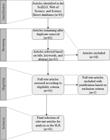
Preferred Reporting Items for Systematic Reviews and Meta-Analyses (PRISMA) method diagram.
A comprehensive search of the recent literature was conducted, resulting in a total of 81 identified records. The initial management of these articles was carried out using the StArt software (State of the Art through Systematic Review), in which a preliminary reading of titles, keywords, and abstracts was conducted during the screening phase. Duplicate articles were removed, and studies that met the initial relevance criteria were selected for the eligibility phase, which involved full-text reading. After rigorous application of the inclusion and exclusion criteria during the complete article analysis, 43 publications were selected for the systematic review.
Research Protocol
In order to ensure clarity and reproducibility in the formulation of the review question and the search strategy, the PICO framework (Population, Intervention, Comparison, Outcome) was adopted to delineate the scope of the systematic review. The PICO framework has been widely recommended in systematic review methodology to operationalize research questions and eligibility criteria, providing a structured basis for inclusion and exclusion decisions. This approach has been discussed in the literature as an effective tool for organizing search concepts and enhancing the transparency of evidence synthesis (Baker, Hutchins and Miller, 2021; Cumpston et al., 2020). Table 1 presents the definition of the PICO elements applied in this study.
Next, specific research questions were formulated to guide the search and selection of studies (Table 2). The article search was conducted in broad-coverage electronic databases, including SciELO, Web of Science, and ScienceDirect, using keywords and synonyms, with translations into English, since selected studies were preferably in this language. Table 3 summarizes the keywords, their synonyms, and translations used to broaden the scope of the research.
The search strategies were implemented through specific search strings, as illustrated in Table 4. These strings were adjusted for each database to maximize the precision and relevance of the results.
To ensure the inclusion of relevant and high-quality studies, inclusion criteria (IC) and exclusion criteria (EC) were established, as presented in Table 5.
Data Sources
For the construction of this systematic literature review, articles published from 2014 onwards were selected, aiming to focus on the most recent studies and reflect the current state of research on rain gardens as strategies for the containment and mitigation of volume of stormwater runoff, as well as for the purification of stormwater infiltrating the soil. In total, 43 publications were included, spanning eleven years (2014–2024), as shown in Figure 3. The temporal analysis reveals a growing trend in the number of publications over the years, with a significant increase between 2020 and 2024. This growth, especially in 2024, which accounted for 14 articles, demonstrates rising interest in the application of rain gardens as green infrastructure solutions. This increase may be associated with the growing need for sustainable solutions for stormwater management in urban contexts, particularly in the search of climate change adaptation and the achievement of the SDGs.

The geographic origin of the publications also reveals a significant concentration of studies across various regions, reflecting global interest in the use of rain gardens for urban flood control and groundwater purification. Among the selected articles, most are from China, with 12 publications, followed by the United States, with 5 studies. India stands out next, with 3 articles, followed by Australia, Brazil, Singapore, and Ukraine, each with 2 publications. Other countries with smaller yet important contributions include Canada, Colombia, Germany, France, Greece, Morocco, Norway, New Zealand, Poland, the Netherlands, Italy, Serbia, Switzerland, and Taiwan. These data show the international scope of the topic and highlight the growing interest in adopting sustainable practices for stormwater management across different geographical contexts. The distribution of articles by country of origin is shown in Figure 4.

RESULTS AND DISCUSSION
Advances in rain garden research and applications in Brazil
Research on rain gardens and bioretention in Brazil is still incipient compared to other countries. The first publication addressing bioretention among other green infrastructures (such as rain gardens, bioswales, green roofs, and stormwater ponds) was authored by Cormier and Pellegrino (2008). The authors highlighted how, in cities like Seattle and Portland, urban landscaping has been used not only for aesthetic purposes but as a network of open spaces that incorporate high-performance technologies to address issues related to water, climate, and urban ecology. These initiatives help create a local identity and more stimulating and sustainable public spaces, which, with proper care and adaptation to environmental and social differences, could inspire similar interventions in Brazil.
Souza, Cruz and Tucci (2011) investigated the effectiveness of LID systems in stormwater management under Brazilian climatic and soil conditions. They adapted a hydrological model to simulate the behavior of bioretention and other LID devices. The results indicated that bioretention systems are effective at intercepting the first flush but have limited control over subsequent runoff. This is because rain gardens store the first flush in a depression, while the prepared soil promotes slow infiltration, resulting in more gradual control of the subsequent flow.
Melo et al. (2014) evaluated a pilot rain garden at the Federal University of Pernambuco (UFPE) for urban stormwater management, highlighting its retention, infiltration, and storage functions. They observed that the thickness of the storage layer increases with the duration of rainfall and the return period: for events up to 10 minutes, the difference between 2- and 5-year return periods was up to 19%; for events between 10 and 25 years, up to 16.5%. The natural soil showed an initial infiltration rate of 327.5 mm/h, which dropped to around 37.94 mm/h, close to its saturated hydraulic conductivity. The rain garden, in turn, had an average infiltration rate of 312 mm/h, indicating high infiltration capacity. Costs varied according to the design rainfall and return period: for 60-minute events, the cost was R$ 301.55 (25 years) and R$ 300.66 (2 years), with an 11% increase for longer return periods (2014 values). The study concluded that the rain garden is effective for stormwater management, maintaining performance even under heavy rain due to high surface infiltration.
Reis and Ilha (2014) compared the hydrological performance of an infiltration well and a rain garden, with flow rates of 2.27 mm/h (return period of 3 years) and 2.83 mm/h (return period of 10 years), both with a 10-minute duration. With 2.27 mm/h, the well infiltrated 100% of the water without overflow, while the garden overflowed after 7 min and 10 sec, retaining about 60% of the water, 13.5% below expectations. For 18-minute rain events, the well overflowed at 14 min and 50 sec, attenuating the peak by 16%, and the garden overflowed at 22 minutes.
Saatkamp (2019) designed a bioretention system in a residential development in the Rubem Berta neighborhood of Porto Alegre (total area: 21.553.73 m2; permeable area: 8.318.80 m2), comparing it to an existing stormwater detention basin. The soil, a Dystrophic Red Argisol with low infiltration, contributed to high surface runoff. The basin cost R$ 513,468.38 and the bioretention system, R$ 78,839.88 (2019 values).
Barros et al. (2024) built a pilot rain garden on the Benfica campus of the Polytechnic School of the University of Pernambuco, in Recife. The structure measured 2 m × 3 m with a depth of 1.35 m, consisting of 10 cm of coarse sand at the bottom, a geotextile layer, 90 cm of recycled coarse aggregate for retention and storage, another geotextile layer, 17 cm of soil/substrate, and 90 seedlings of species such as Ixora coccinea, Dianella tasmanica, and Evolvulus glomeratus. Five intense rain simulations were conducted, with depths ranging from 17.85 mm to 89.28 mm. In all simulations, the maximum internal level remained below 70 cm, and storage use did not exceed 80% of the available 90 cm. In the most extreme simulation (156.63 mm/h), the directed volume (5 m3) was five times greater than the minimum effective volume (1.04 m3), demonstrating the system’s efficiency during intense rainfall.
Vegetation, as the surface component of bioretention systems, performs critical functions that extend beyond aesthetic considerations. In terms of influent treatment, plants play a key role in improving runoff quality by contributing to the removal of nutrients, heavy metals, total suspended solids, and organic matter. From a hydrological perspective, vegetation helps maintain system permeability by preventing substrate clogging and influencing preferential flow paths, while also reducing the final water volume through evapotranspiration. Additionally, vegetative cover promotes a diverse ecosystem of insects and amphibians, enhances the aesthetic value of urban spaces, provides habitat for local biodiversity, and contributes to improved air quality. It should be noted that plant species used in bioretention systems that are native to specific regions may not perform well when introduced to different climatic or geographic contexts (Muerdter, Wong and Lefevre, 2018; Payne et al., 2018). The main criteria used for vegetation selection in bioretention systems are summarized in Figure 5.

Regarding plant selection for rain gardens in Brazil, Santos, Enokibara and Fontes (2022) emphasized the importance of considering the country’s vast climatic and ecological diversity and prioritizing native species, as they are adapted to local conditions and contribute to biodiversity preservation. The authors, through a bibliographic review, identified native species suitable for seasonally flooded areas (such as rain gardens, bioswales, or bioretention systems): Agrostis montevidensis (mimoso grass), Allamanda cathartica (golden trumpet), Alternanthera brasiliana (Brazilian joyweed), Arachis repens (peanut grass), Bacopa sp. (Vick), Begonia reniformis (grape-leaf begonia), Cyperus giganteus (Brazilian papyrus), Daucus carota (carrot), Drosera spp. (sundew), Handroanthus umbellatus (yellow ipe), Pilocarpus pennatifolius (jaborandi), Rhynchanthera grandiflora (quaresmeira), Typha latifolia (cattail), and Ischaemum minus (broadleaf grass).
Ferreira (2017) noted that Brazil lacks manuals promoting the use of compensatory techniques in urban drainage, although there are manuals that address various source-control methods, such as São Paulo’s Manual of Drainage and Stormwater Management. According to the author, Brazil is not keeping up with countries that offer better quality of life to their citizens (such as the United States, Australia, and Canada), as these countries have treated stormwater as a public service for decades, whereas in Brazil, few cities prioritize stormwater management.
Santos (2020) analyzed how community-led landscaping interventions can contribute to urban resilience. The study focused on the rain garden at Largo das Araucárias in São Paulo, highlighting residents’ active participation in transforming a degraded area into a functional green space. The initiative created a rain garden that collects stormwater from an area of approximately 900 m2, mitigating localized ponding and promoting aquifer recharge. In addition to environmental benefits, the project improved local quality of life by offering shade, rest areas, and promoting biodiversity with the introduction of native species from the Atlantic Forest and Cerrado biomes. The author emphasized that community participation is essential in implementing nature-based solutions, strengthening cities’ resilience to climate and urban challenges.
Through a comprehensive analysis of studies available in the ScienceDirect, Web of Science, and SciELO databases, the selected articles were organized into thematic categories that reflect the contributions and challenges of this green infrastructure. The topics addressed include runoff control and volume reduction, pollutant removal and water quality, and the adoption and public perception of rain gardens. The following discussion explores consolidated evidence, synthesizes advances in knowledge, and identifies gaps and opportunities for future research on the role of rain gardens in urban sustainability and stormwater management.
Runoff Control and Volume Reduction
Runoff control and volume reduction are primary functions of rain gardens, especially in urban areas where soil impermeabilization intensifies surface runoff, increasing the risk of flooding and overloading drainage systems. Implemented as a nature-based solution, rain gardens mimic the natural hydrological cycle by promoting infiltration and retention of rainwater. This process helps control runoff volume and reduce peak flows, mitigating the negative impacts of urban storms (Zhang, Ye and Shibata, 2020).
The performance of bioretention systems is directly dependent on the characteristics of the substrate and its interaction with vegetation. Consequently, the careful selection of the filter media (substrate) becomes a determining factor for system functionality, as this component governs not only plant health and development but also infiltration rates, pollutant retention potential, and overall structural stability (Fassman-Beck et al., 2015). In addition, the substrate must exhibit resilience to extreme climatic variations, maintaining its properties during both prolonged dry periods and intense precipitation events. Figure 6 summarizes the key desirable properties of bioretention media. Given the complexity and diversity of these requirements, it is technically unfeasible for a single material to independently meet all the necessary criteria for an ideal substrate, often requiring the formulation of composite mixtures.

Another parameter with a critical influence on hydrological efficiency and remediation capacity is the depth of the substrate layer. Li et al. (2015), investigating this variable under real rainfall conditions over 10 to 15 months, demonstrated that cells with greater depths (1.2 m) were able to reduce the total volume of influent surface runoff by approximately 80%. In contrast, shallower systems (0.5–0.6 m) showed lower storage capacity, retaining only 44% of the total volume of water received during the monitored period. It is worth noting that these indices reflect cumulative performance against a wide range of rainfall events, and not just an isolated flow rate. However, determining the ideal substrate thickness must balance this efficiency gain with technical and economic considerations, such as the depth of the local water table, excavation and construction costs, and the root development needs of the selected plant species.
Essamlali, Nhaila and El Khaili (2024) evaluated the effectiveness of LID practices — including rain gardens, green roofs, and permeable pavements — in reducing runoff and pollution in Bouznika, Morocco. Using the Storm Water Management Model (SWMM), the study simulated various scenarios to assess the impacts of these practices, both individually and combined, on runoff volume and pollutant reduction. Results showed that combining multiple LID practices led to the greatest pollutant reduction, with green roofs standing out as the most effective individual intervention. The research concluded that integrating multiple LID techniques into urban development planning can substantially reduce surface runoff and pollution levels, contributing to more sustainable urban systems.
Performance results of a rain garden in a red soil region in southern China, specifically in Nanchang city, based on nearly two years of field data from the study by Chen et al. (2023), showed that the rain garden retained approximately 78.9% of the annual rainfall volume — an impressive efficiency for an area with soil characteristics unfavorable to infiltration. These data meet the technical guidelines for sponge city construction in Nanchang, providing a solid basis for the use of rain gardens in areas with low infiltration capacity.
Chen et al. (2024) investigated the hydrological performance and temperature mitigation capacity of 15 rain gardens located in various cities in Taiwan. These gardens were monitored using sensors that recorded temperature, rainfall, and groundwater levels. The results revealed high water retention efficiency, with nearly 100% of captured precipitation retained on-site, preventing excessive runoff. However, the authors noted that when underground storage tanks reach capacity and the stored water is not utilized, the system overflows during subsequent rain events.
Welker et al. (2023) conducted a quantitative analysis of the water balance of a rain garden in Pennsylvania, investigating groundwater recharge and evapotranspiration during events of varying magnitudes. For the 14 smaller events analyzed during the growing season, recharge was minimal, with no overflow recorded. The average recharge was 2.8 m3, representing 17% of the inflow volume, while the average evapotranspiration volume was 11.3 m3 (22% of precipitation). Evapotranspiration consistently exceeded recharge during these events. In seven medium-magnitude events, the rain garden had a notable impact on the groundwater table elevation, with increases up to 0.45 m. Although no overflow occurred, recharge was significant, and evapotranspiration volumes varied, confirming the rain garden’s direct influence on rising groundwater levels. Only one large event occurred during the study period, resulting in a recharge of 22.9 m3, similar to the volumes observed in medium events. Evapotranspiration volume was significantly higher — about 60.9 m3 — representing 42% of total inflow.
In the study by Reis and Ilha (2019), although the initial sizing of a rain garden underestimated its capacity by about 14%, the system provided better attenuation than an infiltration well under extreme conditions, reducing peak flow by 17.2 to 22%. Meanwhile, an infiltration well managed to retain and infiltrate 100% of the projected runoff volume, reducing peak flow by 13 to 16%. Regarding rainfall volume and the garden’s efficiency in retaining and filtering water, Fu et al. (2021) analyzed the effectiveness of green infrastructure under different climatic event intensities. Results showed that during moderate rainfall events, green solutions (rain gardens, bioswales, permeable areas, green roofs) were highly effective in reducing surface runoff and improving water quality. During extreme events, green infrastructure complemented traditional infrastructure by easing pressure on existing drainage networks.
Fowdar et al. (2022) analyzed 22 plant species — including trees, shrubs, grasses, and herbaceous plants — selected based on their presence in urban environments and their potential contributions to stormwater management. Results showed that species with deep root systems performed better in absorbing and retaining large volumes of water. Grasses and herbaceous plants showed superior performance in reducing surface runoff, especially when combined with other species to create a diversified water management system. Particularly, grasses proved effective in areas where rapid infiltration is necessary. Kavehei et al. (2018) found that rain gardens have considerable carbon sequestration potential due to the combination of surface vegetation and organic-rich soils, which promote carbon storage. Native species well adapted to local climatic conditions were highlighted as preferable due to their resilience and effectiveness in runoff control (Li et al., 2023; Zhao et al., 2024).
In an economic-financial analysis of green infrastructure, Nordman et al. (2018) found that preserved natural areas had the highest net present value (NPV), at US$ 109/m3 of reduced water quality volume (WQv), followed by street trees (US$ 46/m3), rain gardens (US$ 37/m3), and porous asphalt (US$ 21/m3). Bioretention basins and green roofs had negative NPVs of - US$ 3.76/m3 and - US$ 47.17/m3, respectively. The unit US$/m3 WQv represents the cost-benefit of practices in terms of stormwater quality improvement, indicating the economic return per cubic meter of treated water. Positive NPVs indicate financially advantageous long-term practices; negative NPVs suggest that costs outweigh direct financial benefits, although non-monetized environmental and social gains may still be present. It is important to note that the authors studied more structured bioretention basins designed for larger scales, with additional detention and temporary retention functions. Thus, every rain garden can be a bioretention system, but not every bioretention basin is a simple rain garden. Melo et al. (2014) calculated that the cost of building a rain garden varied depending on the design storm duration and return period. For a 5-minute rainfall event in Recife, with a return period of two years, the cost was R$ 419.64 (US$ 178.11 in 2014), while for a 25-year return period, the cost rose to R$ 562.61 (US$ 239.41 in 2014), demonstrating that the technique is financially viable even for more intense rainfall scenarios.
Some studies address the optimization of rain garden size and design to maximize retention and water quality. An example is the study by Han et al. (2021), which investigated the ideal proportion of a rain garden area in the urban layout. According to the results, the optimal rain garden area in built cities is approximately 4% of the total catchment area. This value was considered ideal for balancing flood control and water quality benefits without exceeding the resources needed for construction and maintenance. Gao et al. (2021) showed that rain gardens covering between 5 and 15% of the total catchment area had remarkable efficiency in reducing surface runoff, with reduction rates between 30 and 50%, depending on climate conditions and soil type. The optimal proportion, however, varied according to urban density and the rainfall of each event. Infiltration gardens studied by Hlushchenko et al. (2022) to drain highway stormwater demonstrated high efficiency, with infiltration rates above 300 mm/h in areas with well-prepared soil and appropriate vegetation, while Shreewatsav and Sheriff (2022) reported up to a 30% reduction in runoff peaks during heavy rains on the studied highway. According to McGauley et al. (2023), with 5% uncertainty, approximately three years of continuous data are needed to assess a garden’s performance.
Regarding the materials used in rain gardens, Venvik and Boogaard (2020) observed that substrates with higher sand content and lower clay content showed greater infiltration rates, while clayey substrates limited water absorption, especially under prolonged saturation conditions. Their research also showed that in areas where rain gardens were installed, groundwater levels gradually increased, especially during periods of frequent rainfall, leading to the conclusion that rain gardens contribute to groundwater recharge—an important benefit in areas facing declining groundwater levels.
Liang et al. (2024) applied analytical decision-making methods to evaluate the benefits of bioretention systems for soil improvement in urban areas. Using the Analytic Hierarchy Process - Criteria Importance Through Intercriteria Correlation (AHP-CRITIC) model, they comprehensively assessed the environmental and structural benefits of these green infrastructures and suggested that the application of the model can assist decision-makers in identifying ideal sites for implementing such systems and selecting vegetation types that maximize the benefits.
From a social perspective, Gramaglia et al. (2024) explored the barriers and enabling factors for implementing ecological stormwater management in urban areas in southern France. The main findings showed that the imperviousness of urban soil is a significant challenge to surface water quality. Identified obstacles included restrictive urban planning regulations, lack of funding, and technical limitations, as well as limited awareness of the benefits of sustainable practices. As solutions, the study highlighted the importance of integrated public policies, financial incentives, and cooperation between local authorities and the community.
Considering all these factors, designing and optimizing a substrate that combines all the desirable characteristics is a challenging task. For example, the use of smaller particles with a high organic matter content can increase water retention and absorption capacity, but conversely, it can impair infiltration rates and cause leaching. Even so, it is crucial to find a balance between these parameters by testing different organic and inorganic components. This is essential to guarantee, in the long term, both the success of bioretention systems and the stability of surrounding plants.
Furthermore, published studies on the long-term performance of these systems are still very limited. Therefore, more research is needed, focusing especially on tests over extended periods and on older installations that have been in operation for some time.
Pollutant Removal and Water Quality
The growing urbanization and the consequent soil sealing generate significant volumes of surface runoff that carry contaminants into surface and groundwater bodies. This process is responsible for increasing pollution levels in urban areas, degrading water quality and threatening public health and biodiversity. In response to these challenges, rain gardens have emerged as effective solutions for mitigating contamination by promoting pollutant removal from surface runoff through infiltration and biological treatment processes (Essamlali, Nhaila and El Khaili, 2024; Randelovic et al., 2016). However, studies evaluating the role of bioretention systems composed of multiple plant species in the removal of water pollutants are still in their early stages. Key findings range from the effectiveness in nutrient retention to the removal of microbiological contaminants, as demonstrated in studies by Ancion et al. (2014) and Silva et al. (2014), which analyze both treatment efficiency and environmental factors affecting system performance.
Studies show that rain gardens and bioretention systems contribute to the retention and removal of nutrients, heavy metals, and organic micropollutants, allowing for a significant improvement in the quality of infiltrated and treated runoff water, with reduction rates of up to 82.5% for suspended solids and nutrients (Liu et al., 2022; Nordman et al., 2018; Zhang, 2024). In a more in-depth study, Jayalakshmamma et al. (2024) observed that microplastics measuring 250 μm to 5 mm are predominantly retained in the upper soil layer of the garden (up to 5 cm depth), while smaller particles (< 125 μm) can infiltrate deeper, reaching depths of up to 15 cm. In terms of horizontal distribution, the highest concentration of microplastics is found near the water inlet, decreasing with distance. However, Lange et al. (2020) showed that continuous accumulation of microplastics can impact the long-term efficiency of the systems, requiring periodic maintenance strategies. A similar study by Kumar and Singh (2024) compared vegetated and unvegetated rain gardens, finding that vegetated gardens achieved up to 80% reduction in total suspended solids, whereas unvegetated gardens achieved only about 50%.
Techniques such as the use of activated carbon in substrates and the modification of rain garden designs to optimize retention time and filtration have shown advances in increasing the efficiency of nutrient and specific pollutant removal, such as phosphorus (P), nitrogen (N), and organic substances (Fajardo-Herrera, Valdelamar-Villegas and Bello, 2019; Hlushchenko et al., 2022; Yue, Li and Johnston, 2018). Fowdar et al. (2022) observed that herbaceous plants and grasses were effective in removing pollutants like N and P from stormwater. In Zhang, Ye and Shibata (2020), a 60–80% reduction in the concentration of these pollutants was observed.
Pennino, McDonald and Jaffe (2016) studied the impacts of green infrastructure on water quality at the watershed scale in the Mid-Atlantic region of the USA. Their research revealed that rain gardens and other LID practices significantly reduce N and P loads, contributing to more balanced hydrology and ecological health of local water bodies. Wang, Chua and Shanahan (2021) also addressed the efficiency of rain gardens in removing N from stormwater, using mathematical models and simulations. Modeling showed that efficient N removal depends on factors such as soil type, substrate depth, and water retention time. The study tested various bioretention configurations, varying the composition of substrate layers (e.g., mixtures of sand, soil, and organic compounds) and the inclusion of saturated zones. Results indicated that adding a saturated zone at the base of the bioretention system significantly improved N removal through anaerobic denitrification processes. Furthermore, plants with deep and efficient root systems helped improve nutrient uptake and facilitate biological processes in the soil.
A number of materials have been examined for enhancing the removal of P by bioretention media (Marvin, Passeport and Drake, 2019). Nevertheless, further investigations are required to examine their compatibility with different types of vegetation, modes of application, and their long-term effects on water and soil quality.
Kravchenko, Trach et al. (2024) investigated the efficiency of rain gardens in removing petroleum hydrocarbons, with removal rates ranging from 60 to 85%, depending on substrate materials and garden composition. Layers of sand, organic soil, and activated carbon were tested, with the latter being the most effective, raising the removal rate up to 85%. Sand and organic soil achieved reductions between 60 and 70%. Short-chain hydrocarbons such as benzene were more easily removed, while heavier compounds like motor oil required more specialized substrates for effective removal.
A literature review showed that assessments have focused primarily on shrubs and ground cover plants, with few studies on tree growth in bioretention systems. However, the use of trees presents great potential, as they provide shade — essential for sidewalks — although leaf fall requires attention, as it can add nutrients to the drained water (Selbig, 2016). Furthermore, due to their larger size and longer lifespan, trees offer other ecological benefits, such as improved air quality, shelter for wildlife, and milder temperatures.
It is crucial to ensure the long-term stability of the vegetation in these systems, as well as the health and structure of neighboring street trees. These important aspects of environmental sustainability are often overlooked. In addition, vegetation is expected to withstand adverse conditions, such as high levels of pollution and salts present in street runoff. Therefore, future research should consider all these criteria and potential limitations before selecting plants for bioretention projects. For example, vegetation with thick, extensive roots, combined with a large above-ground structure, helps to remove contaminants more effectively. It is also desirable to select plants based on their natural cleaning capacity, aiming to improve the treatment of urban stormwater.
Modeling
Computational modeling constitutes a powerful tool for bioretention research, enabling the prediction and assessment of both hydrological behavior and water quality under a wide range of operational conditions (Wang et al., 2019; Zhang et al., 2018). This approach allows for the simulation of complex scenarios and the generation of data that would often be impractical or unfeasible to obtain solely through physical experimentation. Such predictions are essential for risk mitigation, providing engineers, managers, and policymakers with the technical confidence required regarding system performance prior to infrastructure investment decisions. However, the reliability of the results is directly dependent on the appropriate selection of the modeling tool, which must be capable of accurately representing local specificities and the adopted design criteria. The literature offers a wide array of validated simulators; Table 6 provides a synthesis of the main models applied to bioretention systems.
Tang et al. (2024) used the SWMM program to evaluate water quality in LID infrastructures and concluded that rain gardens and green belts show the best performance in terms of robustness and efficiency in treating urban stormwater compared to conventional systems. Kravchenko, Wrzesinski et al. (2024) also used SWMM to examine the quality of infiltrated water and found that the water column model helps reduce the amount of pollutants carried by stormwater. Laboratory and field tests showed that pollutant concentrations in infiltrated water were within safety limits for groundwater, ensuring that rain gardens could be implemented without compromising the quality of underground water resources.
Petschek et al. (2024) investigated how integrating Building Information Modeling (BIM) with stormwater runoff models can enhance the design of nature-based solutions for sustainable landscapes. The integration of BIM and modeling resulted in time savings and reduced design and construction costs.
There is a wide variety of models available to predict how bioretention cells affect the quantity and quality of runoff. However, there is still a great opportunity to improve these stormwater management tools. This can be done by including the analysis of new types of contaminants and their biochemical processes, comparing model predictions with real data collected in the field, and improving the connection with calibration methods.
Adoption of Rain Gardens and Public Perception
The implementation of rain gardens as a sustainable solution for stormwater management in urban areas depends not only on their technical effectiveness but also on public acceptance and participation. According to several studies, community perception and individuals’ willingness to adopt such green infrastructures are critical factors for the long-term success of nature-based interventions.
Fu, Hopton and Wang (2021) highlighted that green infrastructure, including rain gardens, plays a crucial role in urban resilience, offering social and aesthetic benefits that can increase public acceptance. However, the community engagement and the perception of the benefits of such solutions vary significantly, as illustrated in different geographic and cultural contexts.
In the tropical context, Singapore’s ABC Waters Programme, evaluated by Lim and Lu (2016), demonstrates how well-structured government initiatives can promote the adoption of sustainable stormwater management practices. The program emphasizes community involvement, educating the public on the benefits of green infrastructure, which has been essential for its acceptance and success in a region with specific climatic conditions and challenges.
Similarly, Blagojevic et al. (2023) explored the application of nature-based solutions in southeastern Serbia, using spatial analysis to identify suitable areas for implementing rain gardens and other LID practices, emphasizing the importance of considering local and cultural factors to foster acceptance and public participation in adopting these solutions.
In Poland, Boguniewicz-Zablocka and Capodaglio (2020) analyzed sustainable alternatives for stormwater management in small urban areas and observed that financial incentives and visible benefits, such as flood reduction, are essential to motivate homeowners to implement rain gardens, especially in regions where upfront costs can be a significant barrier.
Bagiouk, Sotiriadis and Katsifarakis (2024) examined the combination of Pocket Parks (a concept that establishes a new model of open space: a compact mini-park implemented in unused urban lots, vacant lands, or leftover public areas) with ecological stormwater management techniques in densely populated urban environments, arguing that integrating rain gardens into public spaces enhances positive community perception, transforming urban areas into more livable and aesthetically pleasing environments.
Finally, Jahnke and Barnes (2023) investigated the longevity of rain gardens in Minnesota, USA, highlighting that homeowner motivation and satisfaction are key factors for the ongoing maintenance and success of these systems. The research revealed that perceived benefits, such as flood reduction and aesthetic improvement, encourage residents to adopt and maintain these infrastructures over time.
CONCLUSIONS
The systematic literature review made it possible to consolidate the state of the art on rain gardens, confirming their technical feasibility for stormwater management while revealing significant disparities in technological maturity between the international context and the Brazilian scenario.
The analysis of the 43 selected studies shows that the hydrological effectiveness of rain gardens is highly dependent on design variables, particularly the depth of the filter media and the composition of the substrate. Evidence indicates that optimizing substrate depth (> 1.2 m) is a determining factor in maximizing volume retention, reaching levels above 80%, whereas efficiency in aquifer recharge and evapotranspiration varies substantially according to the magnitude of rainfall events.
Despite the proven benefits, the review identified persistent technical limitations that hinder the widespread adoption of this technology. Premature clogging caused by fine sediments and the failure of exotic vegetation introduced under incompatible climatic conditions were reported as the main causes of performance decline. In addition, the direct application of design guidelines developed for temperate regions in tropical countries has led to undersized systems or operational failures, highlighting the need for careful adaptation of hydraulic parameters.
In most projects, vegetation selection is primarily based on local availability, aesthetic appeal, and drought tolerance. However, fundamental criteria — such as the ability of plant species to enhance water treatment and influence drainage behavior — are rarely considered. It is also observed that the use of shrubs and ground cover predominates, while trees and deep-rooted species, which could remove contaminants far more effectively, are often neglected.
A clear imbalance is observed in the level of bioretention implementation worldwide. While countries such as China (within the Sponge Cities framework) and Singapore have already integrated rain gardens as a consolidated large-scale public policy, in Brazil the technology remains at an experimental validation stage. National initiatives, although promising and exhibiting high infiltration rates in pilot projects (e.g., Recife and Porto Alegre), still lack long-term monitoring and unified engineering guidelines to support design practice beyond the academic environment.
Design, construction, and operation guidelines for bioretention systems developed for temperate regions are not directly applicable to tropical areas due to marked differences in rainfall intensity, duration, and frequency. Consequently, systematic and regionally tailored field investigations are essential over a minimum monitoring period of 18 months (Vijayaraghavan et al., 2021). Such extensive monitoring is required to generate scientifically robust data on water quality and quantity before and after treatment. Only on the basis on this empirical evidence will it be possible to develop technical standards specifically adapted to local bioretention systems.
For advancements in bioretention research in Brazil and worldwide, a transition from isolated feasibility studies to the monitoring of interconnected green infrastructure networks is recommended. Future research agendas should prioritize: the establishment of regionalized (tropicalized) design frameworks; the development of low-cost maintenance protocols to ensure system longevity; and the integration of advanced modeling tools — such as BIM and calibrated SWMM, HYDRUS, and RECARGA models — to predict system behavior under extreme events, particularly those intensified by climate change.
DATA AVAILABILITY STATEMENT
The datasets generated and/or analyzed during the current study are available from the corresponding author upon reasonable request.
REFERENCES
-
ANCION, Pierre-Yves; LEAR, Gavin; NEALE, Martin; ROBERTS, Kelly; LEWIS, Gillian D. Using biofilm as a novel approach to assess stormwater treatment efficacy. Water Research, v. 49, p. 406–415, 2014. https://doi.org/10.1016/j.watres.2013.10.023
» https://doi.org/10.1016/j.watres.2013.10.023 -
ASHOORI, Negin; TEIXIDO, Marc; SPAHR, Stephanie; LEFEVRE, Gregory H.; SEDLAK, David L.; LUTHY, Richard G. Evaluation of pilot-scale biochar-amended woodchip bioreactors to remove nitrate, metals, and trace organic contaminants from urban stormwater runoff. Water Research, v. 154, p. 1–11, 2019. https://doi.org/10.1016/j.watres.2019.01.040
» https://doi.org/10.1016/j.watres.2019.01.040 -
BAKER, Henry J.; HUTCHINS, Michael G.; MILLER, James D. How robust is the evidence for beneficial hydrological effects of urban tree planting? Hydrological Sciences Journal, v. 66, n. 8, p. 1306-1320, 2021. https://doi.org/10.1080/02626667.2021.1922692
» https://doi.org/10.1080/02626667.2021.1922692 -
BAGIOUK, Stavros; SOTIRIADIS, Dimitrios; KATSIFARAKIS, Konstantinos L. Combining pocket parks with ecological rainwater management techniques in high-density urban environments. Environmental Processes, v. 11 n. 1, 2024. https://doi.org/10.1007/s40710-024-00690-x
» https://doi.org/10.1007/s40710-024-00690-x -
BARROS, Edenia Nascimento; CABRAL, Jaime Joaquim da Silva Pereira; PALECHOR, Erwin Ulises Lopez; TAVARES, Paulo Roberto Lacerda; MENEZES, Lucas Amorim Amaral; SILVA JUNIOR, Marcos Antonio Barbosa. Jardins de chuva para mitigação dos alagamentos urbanos: análise de um projeto piloto. Revista Brasileira de Geografia Física, v. 17 n. 2, p. 1396–1411, 2024. https://doi.org/10.26848/RBGF.V17.2.P1396-1411
» https://doi.org/10.26848/RBGF.V17.2.P1396-1411 -
BLAGOJEVIC, Borislava; VASILEVSKA, Ljiljana; ANDELKOVIC, Dimitra; BOGOJEVIC, Aleksandar; LOUSADA, Sérgio. A framework for assessing nature-based urban stormwater management solutions: a preliminary spatial analysis approach applied to southeast Serbia. Water, v. 15 n. 20, e3604, 2023. https://doi.org/10.3390/w15203604
» https://doi.org/10.3390/w15203604 -
BOGUNIEWICZ-ZABLOCKA, Joanna; CAPODAGLIO, Andrea G. Analysis of alternatives for sustainable stormwater management in small developments of polish urban catchments. Sustainability, v. 12 n. 23, e10189, 2020. https://doi.org/10.3390/su122310189
» https://doi.org/10.3390/su122310189 -
CHEN, Chi-Feng; CHEN, Yi-Wei; LIN, Cheng-Han; LIN, Jen-Yang. Field performance of 15 rain gardens in different cities in Taiwan. Science of The Total Environment, v. 947, N. 11, e174545, 2024. https://doi.org/10.1016/j.scitotenv.2024.174545
» https://doi.org/10.1016/j.scitotenv.2024.174545 -
CHEN, Chunli L.; LI, Yangi Q.; LE, Wencai C.; YOU, Chengyun Y.; LIU, Zhenzhong Z.; LIU, Wei; ZHANG, Ru. Field performance of rain garden in red soil area in southern China. Water, v. 15 n. 2, e267, 2023. https://doi.org/10.3390/w15020267
» https://doi.org/10.3390/w15020267 -
CHOCAT, Bernard; KREBS, Peter; MARSALEK, Jiri; RAUCH, Wolfgang; SCHILLING, Wolfgang. Urban drainage redefined: from stormwater removal to integrated management. Water Science & Technology, v. 43, n. 5, p. 61–68, 2001. https://doi.org/10.2166/wst.2001.0251
» https://doi.org/10.2166/wst.2001.0251 -
CUMPSTON, Miranda S.; MCKENZIE, Joanne E.; THOMAS, James; BRENNAN, Sue E. The use of ‘PICO for synthesis’ and methods for synthesis without meta-analysis: protocol for a survey of current practice in systematic reviews of health interventions. F1000 Reseach, v. 9, e678, 2020. https://doi.org/10.12688/f1000research.24469.2
» https://doi.org/10.12688/f1000research.24469.2 -
CORMIER, Nathaniel S.; PELLEGRINO, Paulo Renato Mesquita. Infraestrutura verde: uma estratégia paisagística para a água urbana. Paisagem e Ambiente, n. 25, p. 127–142, 2008. Available from: https://revistas.usp.br/paam/article/view/105962 Accessed on: Aug. 25, 2024.
» https://revistas.usp.br/paam/article/view/105962 -
DAGENAIS, Danielle; BRISSON, Jacques; FLETCHER, Tim D. The role of plants in bioretention systems; does the science underpin current guidance? Ecological Engineering, v. 120, p. 532–545, 2018. https://doi.org/10.1016/j.ecoleng.2018.07.007
» https://doi.org/10.1016/j.ecoleng.2018.07.007 -
ESSAMLALI, Ismail; NHAILA, Hasna; EL KHAILI, Mohamed. Optimizing runoff and pollution mitigation through strategic low-impact development (LID) integration in the Bouznika city development plan. Case Studies in Chemical and Environmental Engineering, v. 10, n. 100838, 2024. https://doi.org/10.1016/j.cscee.2024.100838
» https://doi.org/10.1016/j.cscee.2024.100838 -
FAJARDO-HERRERA, Reinaldo J.; VALDELAMAR-VILLEGAS, Juan C.; BELLO, Javier Mouthon. A rain garden for nitrogen removal from storm runoff in tropical cities. Revista de Ciencias Ambientales, v. 53 n. 2, p. 132–146, 2019. https://doi.org/10.15359/rca.53-2.7
» https://doi.org/10.15359/rca.53-2.7 -
FASSMAN-BACK, Elizabeth; WANG, Simon; SIMCOCK, Robyn; LIU, Ruifen. Assessing the effects of bioretention’s engineered media composition and compaction on hydraulic conductivity and water holding capacity. Journal of Sustainable Water in the Built Environment, v. 1, n. 4, 0401503, 2015. https://doi.org/10.1061/JSWBAY.0000799
» https://doi.org/10.1061/JSWBAY.0000799 - FERREIRA, Lucas Tardelly Mariz. Avaliação do funcionamento de um dispositivo de biorretenção: monitoramento e modelagem. 2017. 83 p. Dissertação (Mestrado em Recursos Hídricos e Saneamento) – Centro de Tecnologia, Programa de Pós-Graduação em Recursos Hídricos e Saneamento, Universidade Federal de Alagoas, Maceió, 2017.
-
FOWDAR, Harsha; PAYNE, Emily; DELETIC, Ana; ZHANG, Kefeng; MCCARTHY, David. Advancing the Sponge City Agenda: Evaluation of 22 plant species across a broad range of life forms for stormwater management. Ecological Engineering, v. 175, n. 106501, 2022. https://doi.org/10.1016/j.ecoleng.2021.106501
» https://doi.org/10.1016/j.ecoleng.2021.106501 -
FU, Xin; HOPTON, Matthew E.; WANG, Xinhao. Assessment of green infrastructure performance through an urban resilience lens. Journal of Cleaner Production, v. 289, n. 125146, 2021. https://doi.org/10.1016/j.jclepro.2020.125146
» https://doi.org/10.1016/j.jclepro.2020.125146 -
GAO, Jianping; PAN, Junkui; HU, Ning; XIE, Chengzuo. Hydrologic performance of bioretention in an expressway service area. Water Science and Technology, v. 77, n. 7, p. 1829–1837, 2018. https://doi.org/10.2166/wst.2018.048
» https://doi.org/10.2166/wst.2018.048 -
GAO, Jiayu; LI, Jiake; LI, Yajiao; XIA, Jun; LV, Peng. A Distribution optimization method of typical LID facilities for sponge city construction. Ecohydrology & Hydrobiology, v. 21 n. 1, p. 13–22, 2021. https://doi.org/10.1016/j.ecohyd.2020.09.003
» https://doi.org/10.1016/j.ecohyd.2020.09.003 -
GOH, Hui Weng; LEM, Khe Sin; AZIZAN, Nor Ariza; CHANG, Chun Kiat; TALEI, Amin; LEOW, Cheng Siang; ZAKARIA, Nor Azazi. A review of bioretention components and nutrient removal under different climates - future directions for tropics. Environmental Science and Pollution Research, v. 26, n. 15, p. 14904–14919, 2019. https://doi.org/10.1007/s11356-019-05041-0
» https://doi.org/10.1007/s11356-019-05041-0 -
GRAMAGLIA, Christelle; RIO, Marlène; SALLES, Christian; TOURNOUD, Marie-George. Reducing the imperviousness of urban soils to enhance the quality of surface water: obstacles and levers to implementing ecological runoff management in the south of France. Journal of Hydrology, v. 636 n. 131168, 2024. https://doi.org/10.1016/j.jhydrol.2024.131168
» https://doi.org/10.1016/j.jhydrol.2024.131168 -
GÜLBAZ, Sezar; KAZEZYILMAZ-ALHAN, Cevza Melek. An evaluation of hydrologic modeling performance of EPA SWMM for bioretention. Water Science Technology, v. 76, n 11, p. 3035–3043, 2017. https://doi.org/10.2166/wst.2017.464
» https://doi.org/10.2166/wst.2017.464 -
HAN, Ruixiang; LI, Jiake; LI, Yajiao; XIA, Jun; GAO, Xujun. Comprehensive benefits of different application scales of sponge facilities in urban built areas of northwest China. Ecohydrology & Hydrobiology, v. 21 n. 3, p. 516–528, 2021. https://doi.org/10.1016/j.ecohyd.2021.08.008
» https://doi.org/10.1016/j.ecohyd.2021.08.008 -
HERING, Janet G.; WAITE, T. David; LUTHY, Richard G.; DREWES, Jörg E.; SEDLAK, David L. A changing framework for urban water systems. Environmental Science & Technology, v. 47, n. 19, p. 10721–10726, 2013. https://doi.org/10.1021/es4007096
» https://doi.org/10.1021/es4007096 -
HLUSHCHENKO, Roman; TKACHENKO, Tetiana; MILEIKOVSKYI, Viktor; KRAVETS, Vasyl; TKACHENKO, Oleksii. “Green structures” for effective rainwater management on roads. Production Engineering Archives, v. 28 n. 4, p. 295–299, 2022. https://doi.org/10.30657/pea.2022.28.37
» https://doi.org/10.30657/pea.2022.28.37 -
IMTEAZ, Monzur A.; AHSAN, Amimul. MUSIC for cost optimisation of stormwater treatment systems. International Journal of Water, v. 9, n. 3, p. 302–314, 2015. https://doi.org/10.1504/IJW.2015.070362
» https://doi.org/10.1504/IJW.2015.070362 -
JAHNKE, Linda B.; BARNES, Michael R. Longevity of rain gardens in Minnesota (US) as a stormwater solution: a question of homeowner motivation and satisfaction. Frontiers in Sustainable Cities, v. 5 n. 1277066, 2023. https://doi.org/10.3389/frsc.2023.1277066
» https://doi.org/10.3389/frsc.2023.1277066 -
JAYALAKSHMAMMA, Meghana Parameswarappa; NAGARA, Viravid Na; BORGAONKAR, Ashish; SARKAR, Dibyendu; OBROPTA, Christopher; BOUFADEL, Michel. Temporal and spatial distribution of microplastics in green infrastructures: Rain gardens. Chemosphere, v. 362 n. 142543, 2024. https://doi.org/10.1016/j.chemosphere.2024.142543
» https://doi.org/10.1016/j.chemosphere.2024.142543 -
JOHANSSON, Glenn; FEDJE, Karin Karlfeldt; MODIN, Oskar; HAEGER-EUGENSSON, Marie; UHL, Wolfgang; ANDERSSON-SKÖLD, Yvonne; STRÖMVALL, Ann-Margret. Removal and release of microplastics and other environmental pollutants during the start-up of bioretention filters treating stormwater. Journal of Hazardous Materials, v. 468, n. 133532, 2024. https://doi.org/10.1016/j.jhazmat.2024.133532
» https://doi.org/10.1016/j.jhazmat.2024.133532 -
KAVEHEI, Emad; JENKINS, G. A.; ADAME, Fernanda.; LEMCKERT, Charles. Carbon sequestration potential for mitigating the carbon footprint of green stormwater infrastructure. Renewable and Sustainable Energy Reviews, v. 94, p. 1179–1191, 2018. https://doi.org/10.1016/j.rser.2018.07.002
» https://doi.org/10.1016/j.rser.2018.07.002 -
KIM, Hwansuk; MALLARI, Kristine Joy B.; BAEK, Jongrak; PAK, Gijung; CHOI, Hyun Il; YOON, Jaeyoung. Considering the effect of groundwater on bioretention using the Storm Water Management Model. Journal of Environmental Management, v. 231, n. 8, p. 1270–1276, 2019. https://doi.org/10.1016/j.jenvman.2018.03.032
» https://doi.org/10.1016/j.jenvman.2018.03.032 -
KRAVCHENKO, Maryna; TRACH, Yullia; TRACH, Roman; TKACHENKO, Tetiana; MILEIKOVSKYI, Viktor. Behaviour and peculiarities of oil hydrocarbon removal from rain garden structures. Water, v. 16 n. 13, e1802, 2024. https://doi.org/10.3390/w16131802
» https://doi.org/10.3390/w16131802 -
KRAVCHENKO, Maryna; WRZESINSKI, Grzegorz; PAWLUK, Katarzyna; LENDO-SIWICKA, Marzena; MARKIEWICZ, Anna; TKACHENKO, Tetiana; MILEIKOVSKYI, Viktor; ZHOVKVA, Olga; SZYMANEK, Sylwia; PIECHOWICZ, Konrad. Improving urban stormwater management using the hydrological model of water infiltration by rain gardens considering the water column. Water, v. 16 n. 16, e2339, 2024. https://doi.org/10.3390/w16162339
» https://doi.org/10.3390/w16162339 -
KUMAR, Sandeep; SINGH, Krishna Kumar. Pollutant removal efficiency of bare and planted rain gardens with diverse planting mixtures. Water Science and Technology, v. 89 n. 12, p. 3226–3236, 2024. https://doi.org/10.2166/wst.2024.192
» https://doi.org/10.2166/wst.2024.192 -
LANGE, Katharina; ÖSTERLUND, Heléne; VIKLANDER, Maria; BLECKEN, Godecke-Tobias. Metal speciation in stormwater bioretention: removal of particulate, colloidal and truly dissolved metals. Science of The Total Environment, v. 724 n. 138121, 2020. https://doi.org/10.1016/j.scitotenv.2020.138121
» https://doi.org/10.1016/j.scitotenv.2020.138121 -
LI, Chuan; CHEN, Lingling L.; LI, Huan; MIAO, Zimei M.; YANG, Rui; CHU, Lei; MAO, Lingfeng F. Effects of different types of plants on runoff reduction and suspended solids removal in rain gardens. Journal of Environmental Engineering and Landscape Management, v. 31 n. 2, p. 113–120, 2023. https://doi.org/10.3846/jeelm.2023.19016
» https://doi.org/10.3846/jeelm.2023.19016 -
LI, Chunhui; PENG, Cong; CHIANG, Pen-Chi; CAI, Yanpeng; WANG, Xuan; YANG, Zhifeng. Mechanisms and applications of green infrastructure practices for stormwater control: a review. Journal of Hydrology, v. 568, p. 626–637, 2019. https://doi.org/10.1016/j.jhydrol.2018.10.074
» https://doi.org/10.1016/j.jhydrol.2018.10.074 -
LI, Z. Y.; LAM, Kit Ming. Statistical evaluation of bioretention system for hydrologic performance. Water Science Technology, v. 71, n. 11, p. 1742–1749, 2015. https://doi.org/10.2166/wst.2015.131
» https://doi.org/10.2166/wst.2015.131 -
LIANG, Hui; WU, Meng; JIA, Xingli L.; YANG, Qi. Comprehensive evaluation of soil improvement benefits of biological retention facilities based on AHP-CRITIC. Buildings, v. 14 n. 3, e780, 2024. https://doi.org/10.3390/buildings14030780
» https://doi.org/10.3390/buildings14030780 -
LIBERATI, Alessandro; ALTMAN, Douglas G.; TETZLAFF Jennifer; MULROW, Cynthia; GØTZSCHE, Peter C.; IOANNIDIS, John P.; CLARKE, Mike; DEVEREAUX, Philip James; KLEIJNEN, Jos; MOHER, David. The PRISMA statement for reporting systematic reviews and meta-analyses of studies that evaluate health care interventions: explanation and elaboration. PLoS Medicine, v. 6, n. 7, e100100, 2009. https://doi.org/10.1371/journal.pmed.1000100
» https://doi.org/10.1371/journal.pmed.1000100 -
LIM, Hwee Swan; LU, Xi Xi. Sustainable urban stormwater management in the tropics: An evaluation of Singapore’s ABC Waters Program. Journal of Hydrology, v. 538, p. 842–862, 2016. https://doi.org/10.1016/j.jhydrol.2016.04.063
» https://doi.org/10.1016/j.jhydrol.2016.04.063 - LIU, Weija J.; PEI, Qingbao B.; DONG, Wenbiao B.; CHEN, Pengfan F. Study on the purification capacity of rain garden paving structures for rainfall runoff pollutants. Archives of Environmental Protection, v. 48 n. 3, p. 28–36, 2022.
-
MARVIN, Jeffrey T.; PASSEPORT, Elodie; DRAKE, Jennifer. State-of-the-Art review of phosphorus sorption amendments in bioretention media: a systematic literature review. Journal of Sustainable Water in the Built Environment, v. 6, n. 1, 2019. https://doi.org/10.1061/JSWBAY.0000893
» https://doi.org/10.1061/JSWBAY.0000893 -
MCGAULEY, Matthew W.; AMUR, A.; SHAKYA, Matina; WADZUK, Bridget M. A complete water balance of a rain garden. Water Resources Research, v. 59 n. 12, 2023. https://doi.org/10.1029/2023WR035155
» https://doi.org/10.1029/2023WR035155 -
MELO, Tássia dos Anjos Tenório de; COUTINHO, Artur Paiva; CABRAL, Jaime Joaquim da Silva Pereira; ANTONINO, Antônio Celso Dantas; CIRILO, José Almir. Jardim de chuva: sistema de biorretenção para o manejo das águas pluviais urbanas. Ambiente Construído, v. 14, n. 4, p. 147–165, 2014. https://doi.org/10.1590/S1678-86212014000400011
» https://doi.org/10.1590/S1678-86212014000400011 - MOHER, David; LIBERATI, Alessandro; TETZLAFF, Jennifer; ALTMAN, Douglas G. Preferred reporting items for systematic reviews and meta-analyses: the PRISMA Statement. International Journal of Surgery, v. 8 n. 5, p. 336–341, 2010.
-
MUERDTER, Claire P.; WONG, Carol K.; LEFEVRE, Gregory H. Emerging investigator series: the role of vegetation in bioretention for stormwater treatment in the built environment: pollutant removal, hydrologic function, and ancillary benefits. Environmental Science: Water Research & Technology, v. 4, n. 5, p. 592-612, 2018. https://doi.org/10.1039/c7ew00511c
» https://doi.org/10.1039/c7ew00511c -
NORDMAN, Erik E..; ISELY, Elaine; ISELY, Paul; DENNING, Rod. Benefit-cost analysis of stormwater green infrastructure practices for Grand Rapids, Michigan, USA. Journal of Cleaner Production, v. 200, p. 501–510, 2018. https://doi.org/10.1016/j.jclepro.2018.07.152
» https://doi.org/10.1016/j.jclepro.2018.07.152 -
PAYNE, Emily G. I.; PHAM, Tracey; DELETIC, Ana; HATT, Belinda E.; COOK, Perran L. M.; FLETCHER, Tim D. Which species? A decision-support tool to guide plant selection in stormwater biofilters. Advances in Water Resources, v. 113, p. 86–99, 2018. https://doi.org/10.1016/j.advwatres.2017.12.022
» https://doi.org/10.1016/j.advwatres.2017.12.022 -
PENNINO, Michael J.; MCDONALD, Rob I.; JAFFE, Peter R. Watershed-scale impacts of stormwater green infrastructure on hydrology, nutrient fluxes, and combined sewer overflows in the mid-Atlantic region. Science of The Total Environment, v. 565, p. 1044–1053, 2016. https://doi.org/10.1016/J.SCITOTENV.2016.05.101
» https://doi.org/10.1016/J.SCITOTENV.2016.05.101 -
PETSCHEK, Peter; AUNG, Aye P. P.; SUWANARIT, Asan; IRVINE, Kim N. Integration of Building Information modeling and stormwater runoff modeling: enhancing design tools for nature-based solutions in sustainable landscapes. Sustainability, v. 16 n. 9, e3694, 2024. https://doi.org/10.3390/su16093694
» https://doi.org/10.3390/su16093694 -
RANDELOVIC, Anja; ZHANG, Kefeng; JACIMOVIC, Nenad; MCCARTHY, David; DELETIC, Ana. Stormwater biofilter treatment model (MPiRe) for selected micro-pollutants. Water Research, v. 89, p. 180–191, 2016. https://doi.org/10.1016/j.watres.2015.11.046
» https://doi.org/10.1016/j.watres.2015.11.046 -
REIS, Ricardo Prado Abreu; ILHA, Marina Sangoi de Oliveira. Comparação de desempenho hidrológico de sistemas de infiltração de água de chuva: poço de infiltração e jardim de chuva. Ambiente Construído, v.14, n. 2, p. 79–90, 2014. https://doi.org/10.1590/S1678-86212014000200006
» https://doi.org/10.1590/S1678-86212014000200006 -
REIS, Ricardo Prado Abreu; ILHA, Marina Sangoi de Oliveira. Influência das condições de instalação do sistema predial de água pluvial nas soluções de drenagem na fonte. Ambiente Construído, v. 19 n. 1, p. 129–141, 2019. https://doi.org/10.1590/s1678-86212019000100297
» https://doi.org/10.1590/s1678-86212019000100297 -
ROY-POIRIER, Audrey; CHAMPAGNE, Pascale; FILION, Yves. Review of bioretention system research and design: Past, present, and future. Journal of Environmental Engineering, v. 136, n. 9, 2010. https://doi.org/10.1061/(ASCE)EE.1943-7870.0000227
» https://doi.org/10.1061/(ASCE)EE.1943-7870.0000227 -
ROY-POIRIER, Audrey; FILION, Yves; CHAMPAGNE, Pascale. An event-based hydrologic simulation model for bioretention systems. Water Science Technology, v. 72, n. 9, p. 1524–1533, 2015. https://doi.org/10.2166/wst.2015.368
» https://doi.org/10.2166/wst.2015.368 -
SANTOS, Elis Cristina Morales dos. O papel das comunidades para a construção de cidades resilientes: o caso do Jardim de chuva do Largo das Araucárias, Pinheiros-SP. LABVERDE, v. 10 n. 1, e171431, 2020. https://doi.org/10.11606/issn.2179-2275.labverde.2020.171431
» https://doi.org/10.11606/issn.2179-2275.labverde.2020.171431 -
SANTOS, Maria Fernanda Nóbrega dos; ENOKIBARA, Marta; FONTES, Maria Solange Gurgel de Castro. Repertório vegetal em Infraestrutura Verde: uma revisão das espécies recomendadas para as tipologias de manejo de águas pluviais. Revista Nacional de Gerenciamento de Cidades, v. 1 n. 75, p. 69–87, 2022. https://doi.org/10.17271/23188472107520223139
» https://doi.org/10.17271/23188472107520223139 - SAATKAMP, Gabriela de Almeida. Jardim de chuva: estudo comparativo de um sistema de biorretenção de uma bacia de amortecimento pluvial. 2019. 97 p. Trabalho de Conclusão de Curso (Bacharelado em Engenharia Civil) – Escola de Engenharia, Universidade Federal do Rio Grande do Sul, Porto Alegre, 2019.
-
SCHMITTER, Petra; GOEDBLOED, Albert; GALELLI, Stefano; BABOVIC, Vladan. Effect of catchment-scale green roof deployment on stormwater generation and reuse in a tropical city. Journal of Water Resources Planning and Management, v. 142, n. 7, e05016002, 2016. https://doi.org/10.1061/(ASCE)WR.1943-5452.0000643
» https://doi.org/10.1061/(ASCE)WR.1943-5452.0000643 -
SELBIG, William R. Evaluation of leaf removal as a means to reduce nutrient concentrations and loads in urban stormwater. Science of The Total Environment, v. 571, p. 124–133, 2016. https://doi.org/10.1016/j.scitotenv.2016.07.003
» https://doi.org/10.1016/j.scitotenv.2016.07.003 -
SHREEWATSAV, Malavica; SHERIFF, Vaseem Anjum. Augmentation of the Urban Green Infrastructure Using Stormwater Surface Runoff as a Resource in the Nice Expressway, Karnataka, India. Journal of Environmental Engineering and Landscape Management, v. 30, n. 1, p. 165–178, 2022. https://doi.org/10.3846/jeelm.2022.16394
» https://doi.org/10.3846/jeelm.2022.16394 -
SILVA, Marcia R.; BRAVO, Hector R.; CHERKAUER, Douglas; KLUMP, J. Val; KEAN, William; MCLELLAN, Sandra L. Effect of hydrological and geophysical factors on formation of standing water and FIB reservoirs at a Lake Michigan beach. Journal of Great Lakes Research, v. 40, n. 3, p. 778–789, 2014. https://doi.org/10.1016/j.jglr.2014.06.003
» https://doi.org/10.1016/j.jglr.2014.06.003 - SOUZA, Christopher Freire; CRUZ, Marcus Aurélio Soares; TUCCI, Carlos Eduardo Morelli. Adapting a rainfall-runoff model to simulate LID stormwater systems. In: CONFERÊNCIA INTERNACIONAL DE DRENAGEM URNBANA, 12., 2011, Porto Alegre. Proceedings […]. Porto Alegre, 2011. p. 10–15.
-
TANG, Shuangcheng; SONG, Yongbo; WANG, Yani; JIA, Zhonghua; GAO, Xing; CHENG, Na; LU, Taotao. Optimizing stormwater runoff treatment: The role of two-stage tandem rain gardens. Environmental Research, v. 262, n. 11, e119831, 2024. https://doi.org/10.1016/j.envres.2024.119831
» https://doi.org/10.1016/j.envres.2024.119831 -
TIVERON, Thomas; GHOLAMREZA-KASHI, Soheil; JOKSIMOVIC, Darko. A USEPA SWMM integrated tool for determining the suspended solids reduction performance of bioretention cells. Journal of Water Management Modeling, v. 26, 2018. https://doi.org/10.14796/JWMM.C443
» https://doi.org/10.14796/JWMM.C443 -
VENVIK, Guri; BOOGAARD, Floris C. Infiltration capacity of rain gardens using full-scale test method: effect of infiltration system on groundwater levels in Bergen, Norway. Land, v. 9, n. 12, 2020. https://doi.org/10.3390/land9120520
» https://doi.org/10.3390/land9120520 -
VIJAYARAGHAVAN, Kuppusamy. Green roofs: A critical review on the role of components, benefits, limitations and trends. Renewable and Sustainable Energy Reviews, v. 57, p. 740–752, 2016. https://doi.org/10.1016/j.rser.2015.12.119
» https://doi.org/10.1016/j.rser.2015.12.119 -
VIJAYARAGHAVAN, Kuppusamy; BISWAL, Basanta Kumar; ADAM, Max Gerrit; SOH, Soon Hong; TSEN-TIENG, Daryl Lee; DAVIS, Allen P.; CHEW, Soon Hoe; TAN, Puay Yok; BABOVIC, Vladan; BALASUBRAMANIAN, Rajasekhar. Bioretention systems for stormwater management: Recent advances and future prospects. Journal of Environmental Management, v. 292, n. 112766, 2021. https://doi.org/10.1016/j.jenvman.2021.112766
» https://doi.org/10.1016/j.jenvman.2021.112766 -
WANG, Jia; CHUA, Lloyd Hock Chye; SHANAHAN, Peter. Modeling and designing for nitrogen removal in bioretention basins. Environmental Modelling & Software, v. 146 n. 105212, 2021. https://doi.org/10.1016/j.envsoft.2021.105212
» https://doi.org/10.1016/j.envsoft.2021.105212 -
WANG, Juan; EIJKEL, Jan Cornelis Titus; JIN, Mingliang; XIE, Shuting; YUAN, Dong; ZHOU, Guofu; VAN DEN BERG, Albert; SHUI, Lingling. Microfluidic fabrication of responsive hierarchical microscale particles from macroscale materials and nanoscale particles. Sensors and Actuators B: Chemical, v. 247, p. 78–91, 2017. https://doi.org/10.1016/j.snb.2017.02.056
» https://doi.org/10.1016/j.snb.2017.02.056 -
WANG, Xuan; ZHANG, Jingjie; BABOVIC, Vladan; GIN, Karina Yew Hoong. A comprehensive integrated catchment-scale monitoring and modelling approach for facilitating management of water quality. Environmental Modelling & Software, v. 120, n. 104489, 2019. https://doi.org/10.1016/j.envsoft.2019.07.014
» https://doi.org/10.1016/j.envsoft.2019.07.014 -
WELKER, Andrea; BAGHALIAN, Sara; FARNSWORTH, Megan; TRAVER, Robert. Quantitative analysis of the water budget of a rain garden in Pennsylvania. Journal of Sustainable Water in the Built Environment, v. 10 n. 2, 2023. https://doi.org/10.1061/JSWBAY.SWENG-545
» https://doi.org/10.1061/JSWBAY.SWENG-545 -
YANG, Hanbae; MCCOY, Edward L.; GREWAL, Parwinder S.; DICK, Warren A. Dissolved nutrients and atrazine removal by column-scale monophasic and biphasic rain garden model systems. Chemosphere, v. 80 n. 8, p. 929–934, 2010. https://doi.org/10.1016/j.chemosphere.2010.05.021
» https://doi.org/10.1016/j.chemosphere.2010.05.021 -
YUE, Chaoyang; LI, Loretta Y.; JOHNSTON, Chris. Exploratory study on modification of sludge-based activated carbon for nutrient removal from stormwater runoff. Journal of Environmental Management, v. 226, p. 37–45, 2018. https://doi.org/10.1016/j.jenvman.2018.07.089
» https://doi.org/10.1016/j.jenvman.2018.07.089 -
ZHANG, Fan; WU, Youbing; ZHANG, Liang; SUN, Xin; DANG, Zhuoxin; GAO, Feng; YANG, Yu; MA, Xin. Optimizing Sponge Construction Scheme for abandoned mines: Sustainable Assessment Model Framework and practical implications. Journal of Water Process Engineering, v. 63, n. 10, e105557, 2024. https://doi.org/10.1016/j.jwpe.2024.105557
» https://doi.org/10.1016/j.jwpe.2024.105557 -
ZHANG, Lei; LU, Qing; DING, Yongfu; PENG, Pan; YAO, Yu. Design and performance simulation of road bioretention media for sponge cities. Journal of Performance of Constructed Facilities, v. 32, n. 5, 2018. https://doi.org/10.1061/(ASCE)CF.1943-5509.0001209
» https://doi.org/10.1061/(ASCE)CF.1943-5509.0001209 -
ZHANG, Linying Y.; YE, Zehao H.; SHIBATA, Shozo. Assessment of rain garden effects for the management of urban storm runoff in Japan. Sustainability, v. 12 n. 23, e9982, 2020. https://doi.org/10.3390/su12239982
» https://doi.org/10.3390/su12239982 -
ZHAO, Zejia J.; CHEN, Jian; HAN, Songlei L.; DING, Lei; ZHAO, Xiaoging Q.; LIU, Xueming M.; DENG, Hong. A study on plant selection for low-carbon rain gardens based on an AHP-TOPSIS model. Sustainability, v. 16 n. 5, e2097, 2024. https://doi.org/10.3390/su16052097
» https://doi.org/10.3390/su16052097
Edited by
-
Editor:
Rodrigo Moruzzi http://orcid.org/0000-0002-1573-3747

 Source: the authors (2025).
 Source: adapted from
  Source: the authors (2025).
 Source: the authors (2025).
 Source: the authors (2025).
 Source: the authors (2025).