
 Health, development, and sovereignty: the trajectory of Brazilian public health and the strategic role of the Health Economic-Industrial Complex (Ceis)
This article analyzes the evolution of public health in Brazil and its relationship with economic development, with an emphasis on the Health Economic-Industrial Complex (Heic). It presents a historical overview from the early 20th century—marked by unsanitary conditions, lack of sanitation, and high mortality rates—to the advancements resulting from sanitary policies, vaccination campaigns, and investments in science. The study highlights the Sanitary Reform, the 1988 Constitution, and the creation of the SUS (Unified Health System) as milestones in universalizing access to health care, evidencing their strategic role, particularly in primary care, system organization, and national immunization policies. It points out challenges such as external dependence on supplies and productive fragility, both highlighted by the COVID-19 pandemic. Finally, the article advocates for the strengthening of the Heic through greater state involvement, investment in innovation, and the use of public procurement power to integrate health, economy, and technology, thereby ensuring sovereignty, the sustainability of the SUS, and greater international competitiveness.
Keywords
Social Policy; Public Health; SUS; Health Economic-Industrial Complex; Economic Development
 Thumbnail
 Thumbnail
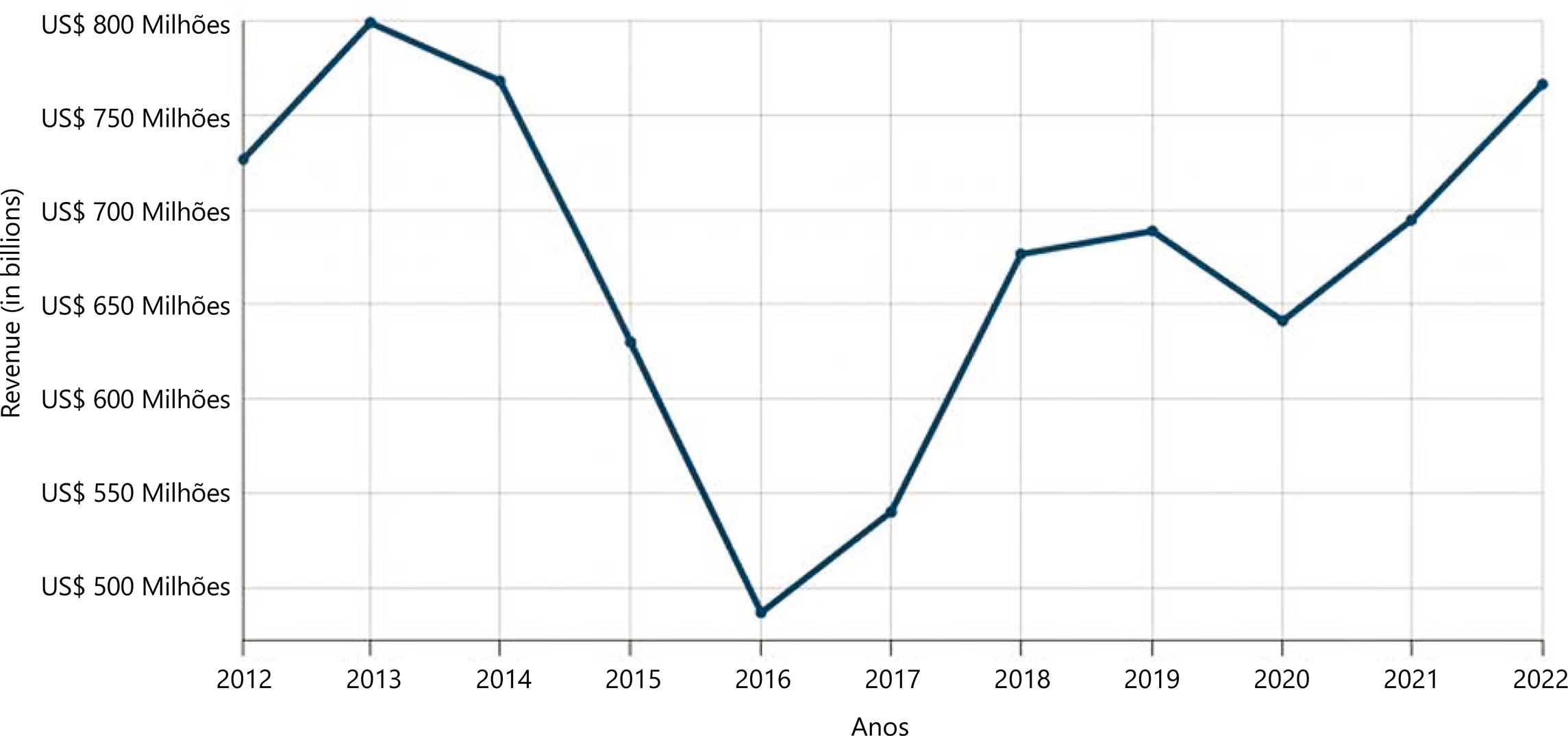 *All figures are in millions of dollars (USD) as represented.Fonte: Elaboração própria a partir dos dados disponíveis no portal Comex Stat (Brasil, 2026a)
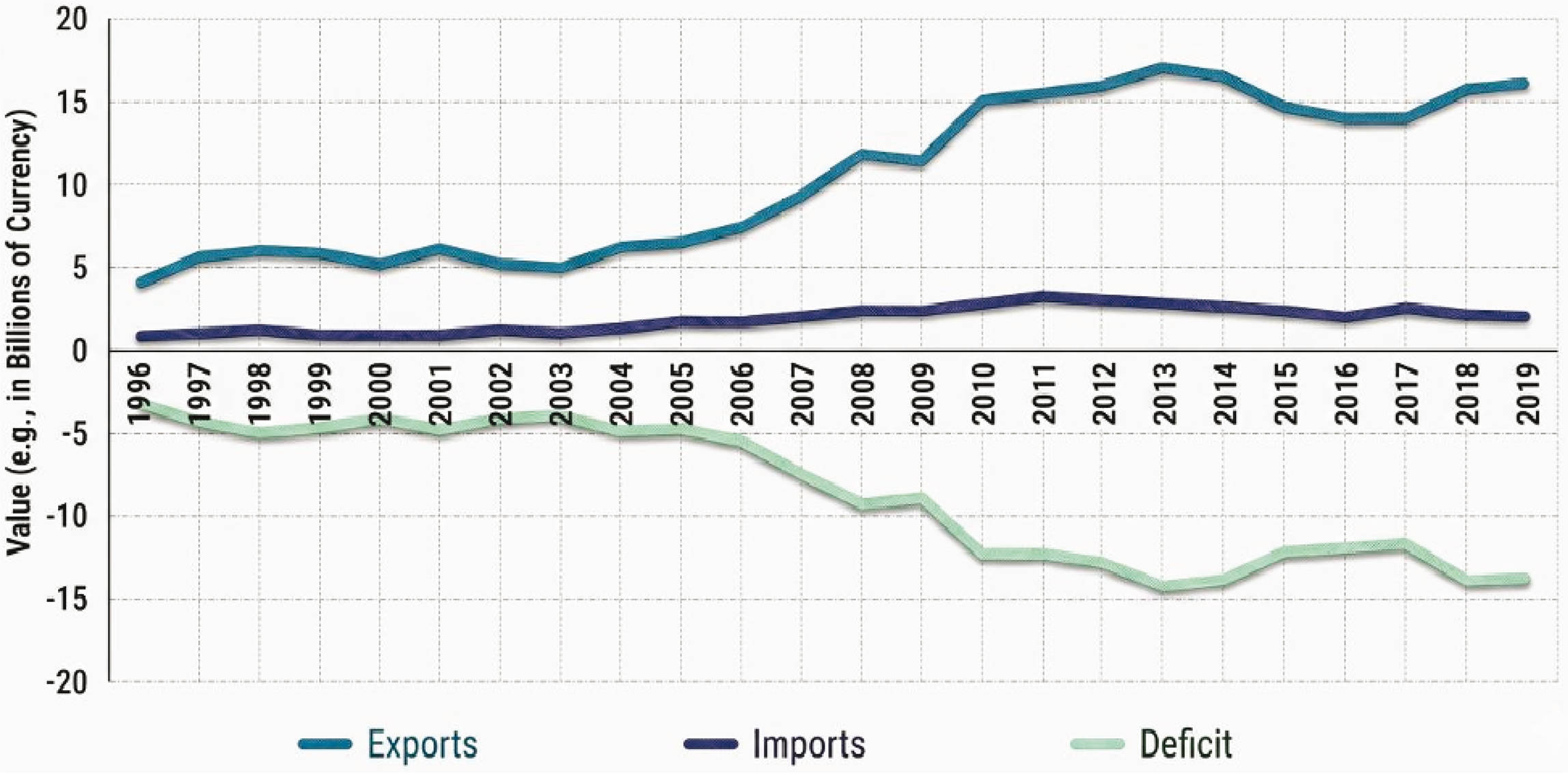 Fonte: Elaboração própria a partir de