
 ANALYSIS OF THE ACCESSIBILITY OF VIRTUAL MUSEUMS FOR BLIND VISITORS: A CASE STUDY IN ALAGOAS, BRAZIL
Objective: To analyze the accessibility of virtual museums for blind visitors in the state of Alagoas (a federative unit of Brazil).
Methods: This applied exploratory study began with a narrative literature review to establish the conceptual background and identify accessibility needs of people with visual impairments in virtual museums. Interviews with seven blind participants collected qualitative data on web navigation experiences. Virtual museums related to the state of Alagoas were evaluated using WCAG-based automated tools, and one was selected as a case study to implement accessibility improvements. An experiment with ten blind participants validated the adapted museum.
Results: Seven virtual museums related to Alagoas were identified. The analysis revealed that on a scale of 0 to 10, the accessibility of most virtual museums is below 6.0, with an overall average of 5.4. In the selected case study, corrections increased the average accessibility score from 7.1 to 9.97. Validation with ten blind participants confirmed the museum’s accessibility.
Conclusions: Since the accessibility conditions of real museums are critical, virtual museums are an alternative for disabled people to access culture and leisure. Therefore, we proposed a method to evaluate the accessibility of virtual museums for visually impaired visitors.
KEYWORDS:
Accessibility; Virtual Museum; Visually Impaired People; Blind People; WCAG Guidelines.
 Thumbnail
 Thumbnail
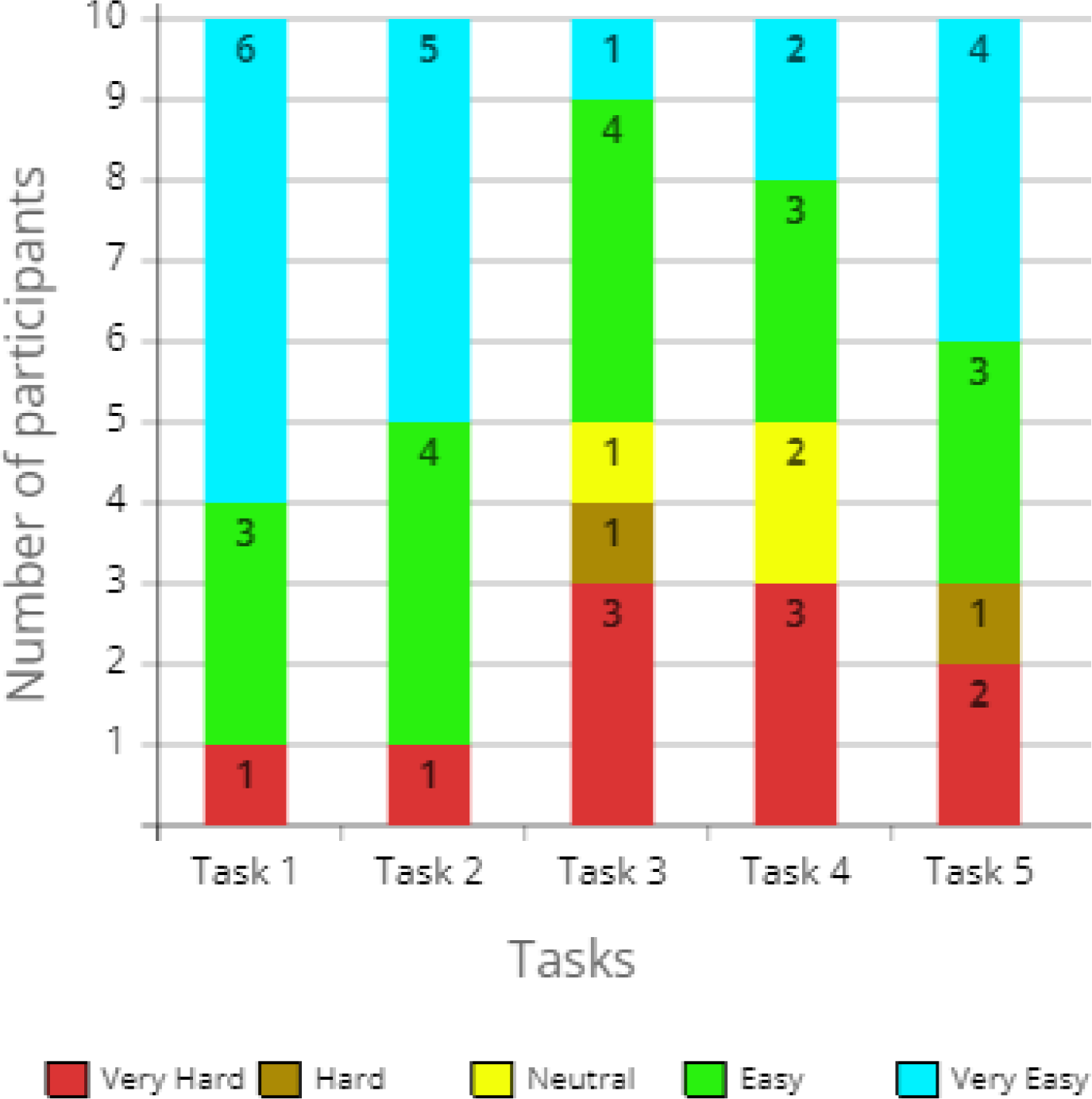 Source: Developed by the research authors (2025)
 Source: Developed by the research authors (2025)