 Performance and emission of a diesel engine fueled with beef tallow biodiesel blends
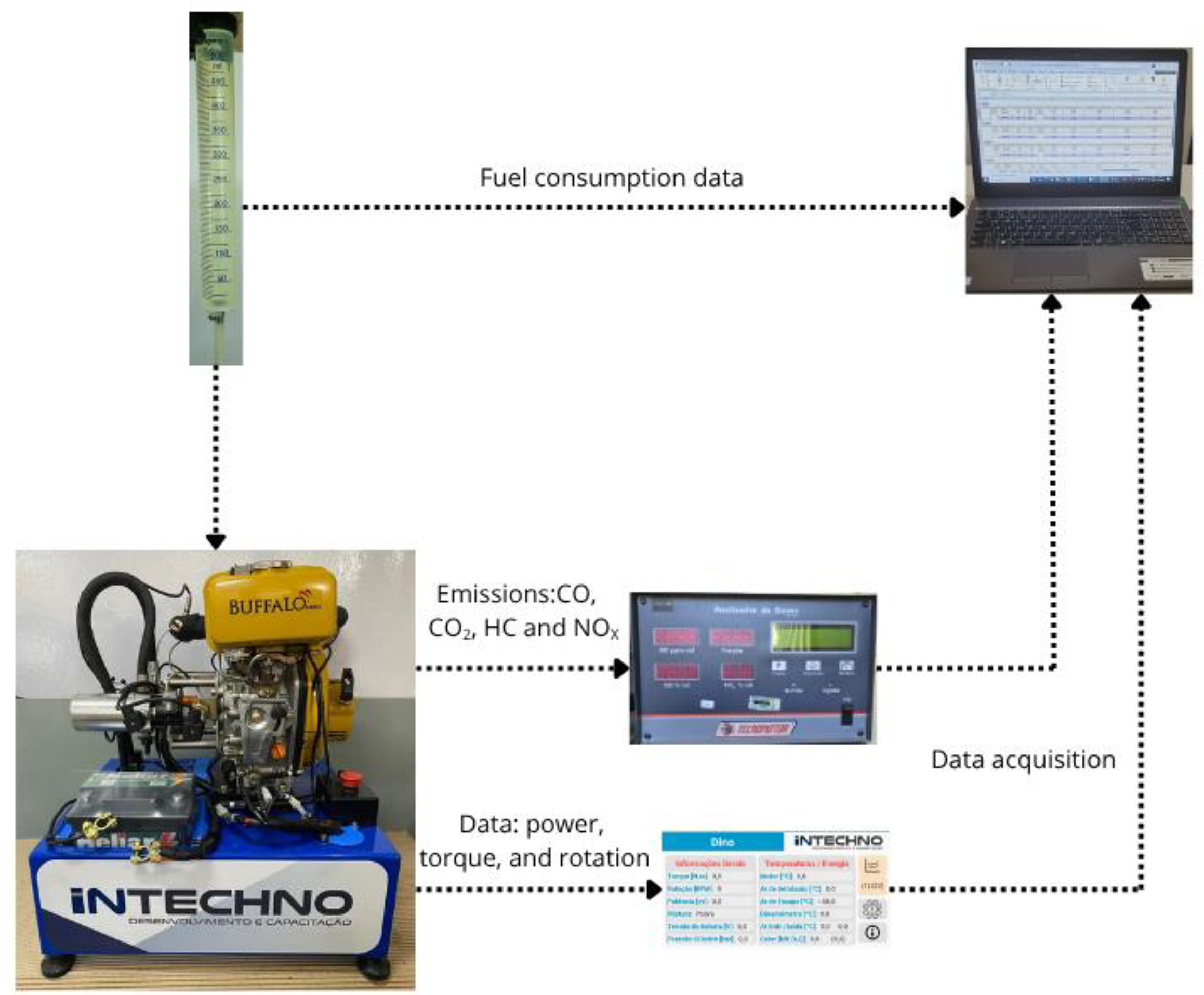
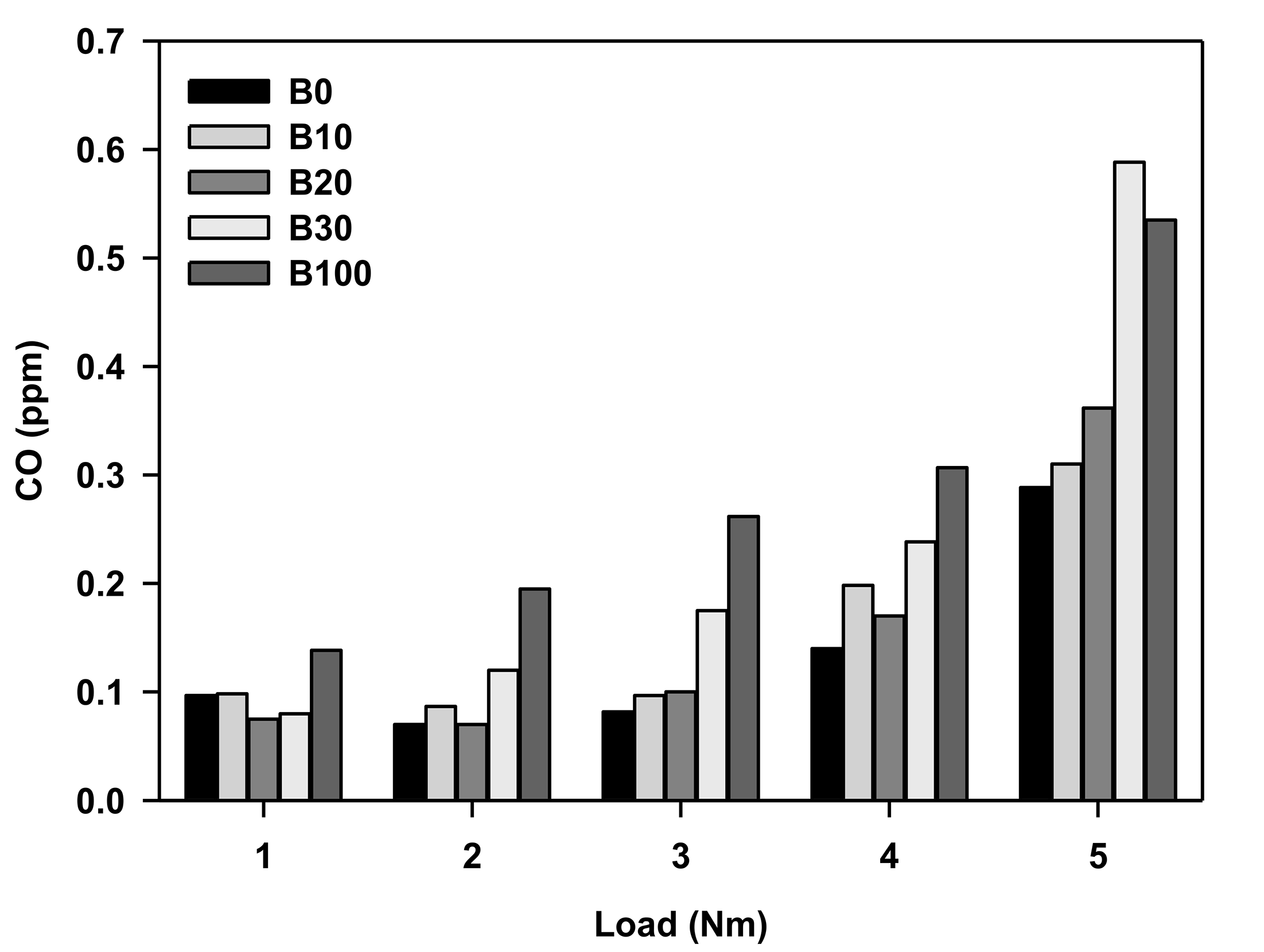
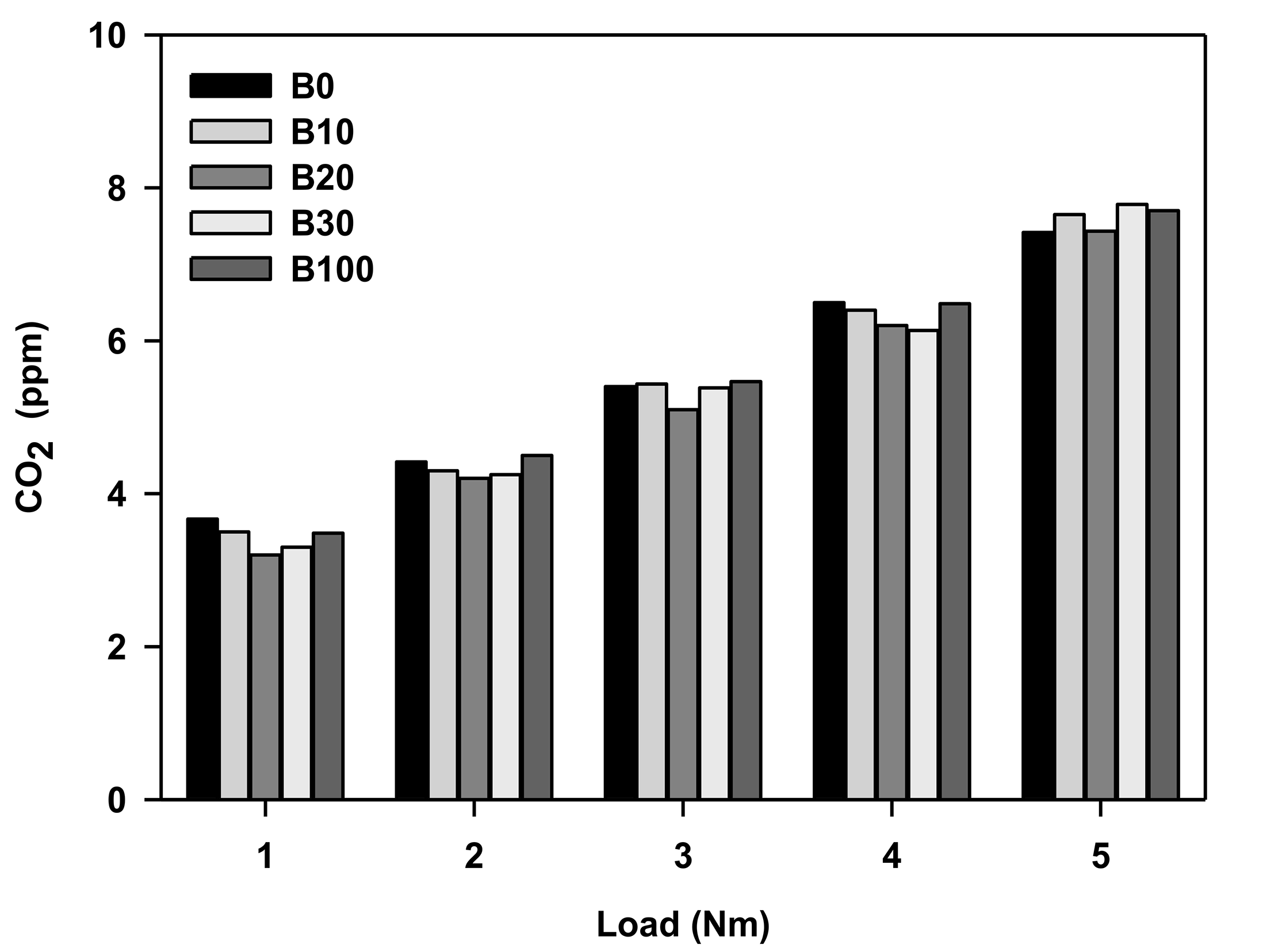
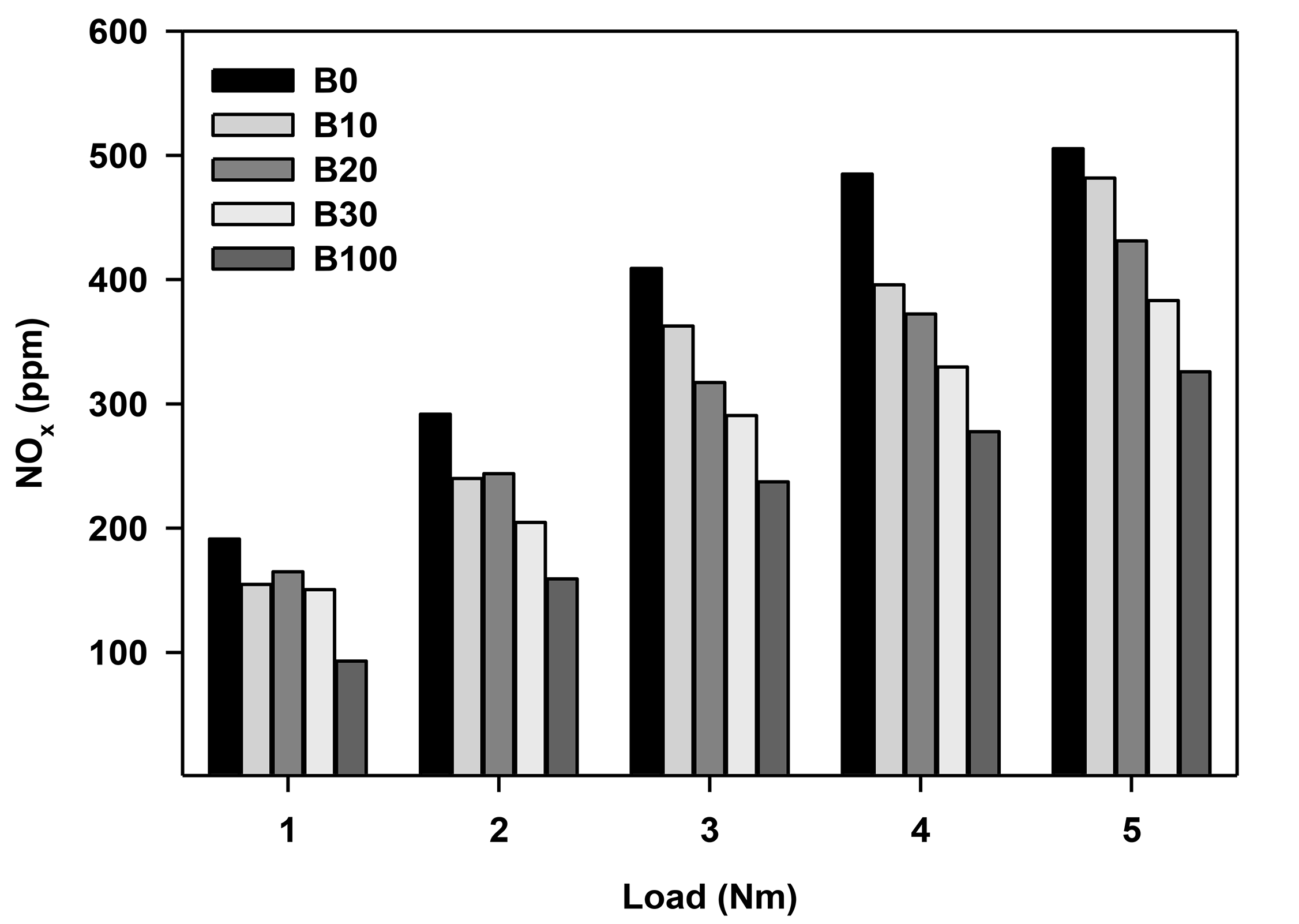
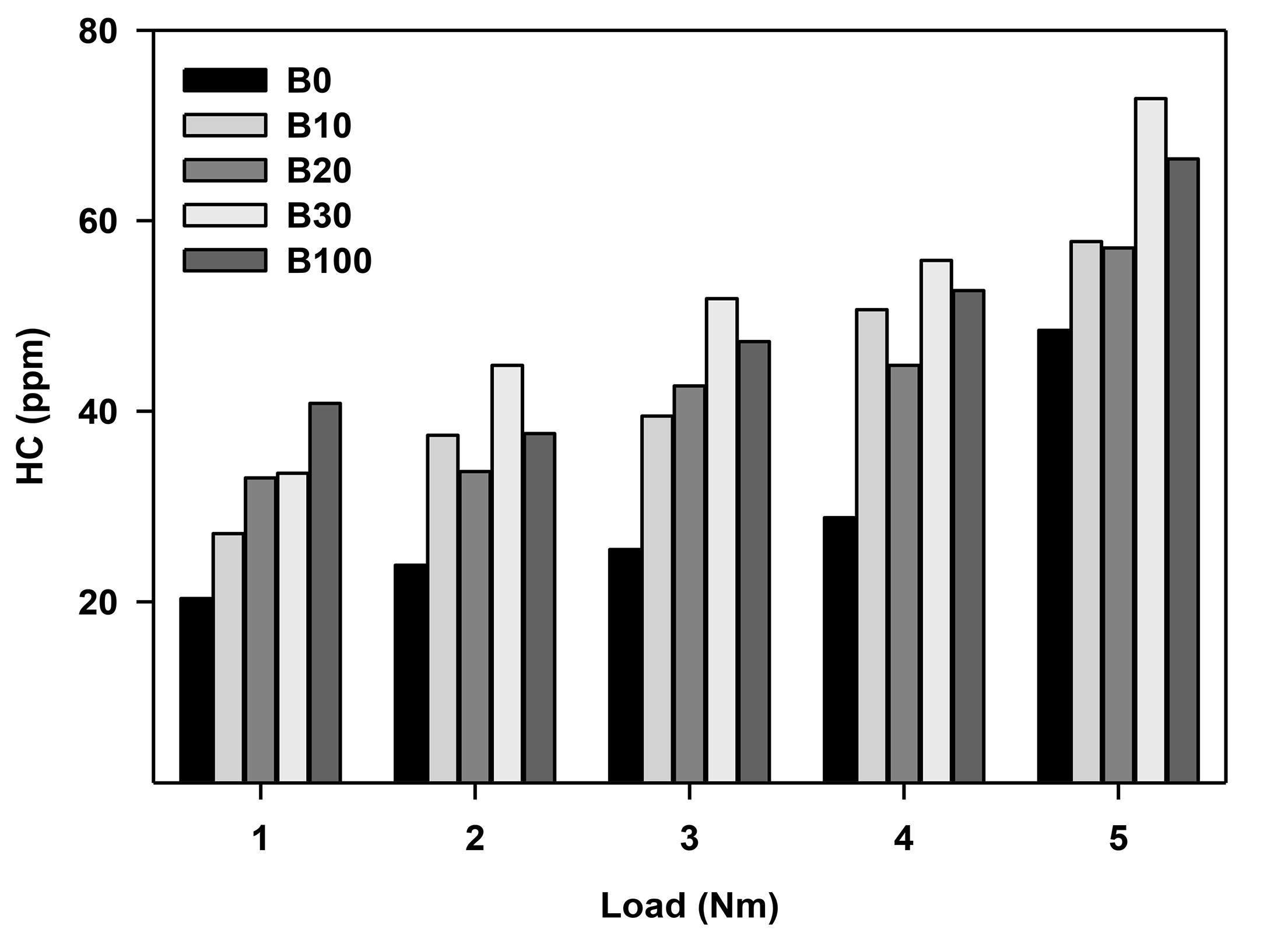
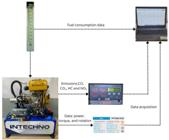
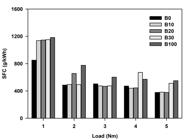
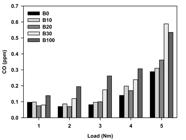
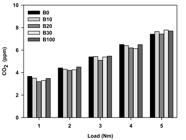
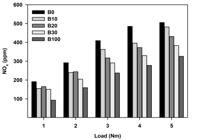
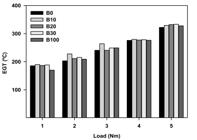
Beef tallow is the second major feedstock used for biodiesel production in Brazil; however, studies on its performance and emissions in diesel engines remain limited. This study evaluates the performance and emissions of a single-cylinder diesel engine operating on beef tallow biodiesel blends (B10, B20, B30, and B100) under varying load conditions. Engine tests were conducted using a hydraulic dynamometer at loads ranging from 1 to 5 Nm. The specific fuel consumption (SFC), exhaust gas temperature (EGT), nitrogen oxides (NOx), hydrocarbons (HC), carbon monoxide (CO), and carbon dioxide (CO2) were measured. The biodiesel blends exhibited higher SFC than diesel due to their lower energy content, although SFC decreased at higher engine loads. Beef tallow biodiesel consistently produced lower NOx emissions than diesel fuel across all operating conditions, indicating a potential environmental benefit associated with its higher degree of saturation. In general, the B10 and B20 blends exhibited the most balanced overall performances, combining moderate fuel consumption and controlled emissions. These results demonstrate that beef tallow biodiesel is a technically viable alternative for small diesel engines, supporting its use as a renewable substitute for fossil fuels in practical applications.
Keywords:
biofuel feedstocks; renewable energy; alternative fuels; fuel consumption
 Thumbnail
 Thumbnail
 Thumbnail
 Thumbnail
 Thumbnail
 Thumbnail
 Thumbnail