 Estimation of Rapeseed Maturity via Fusion of Spectral and Texture Information from a UAV
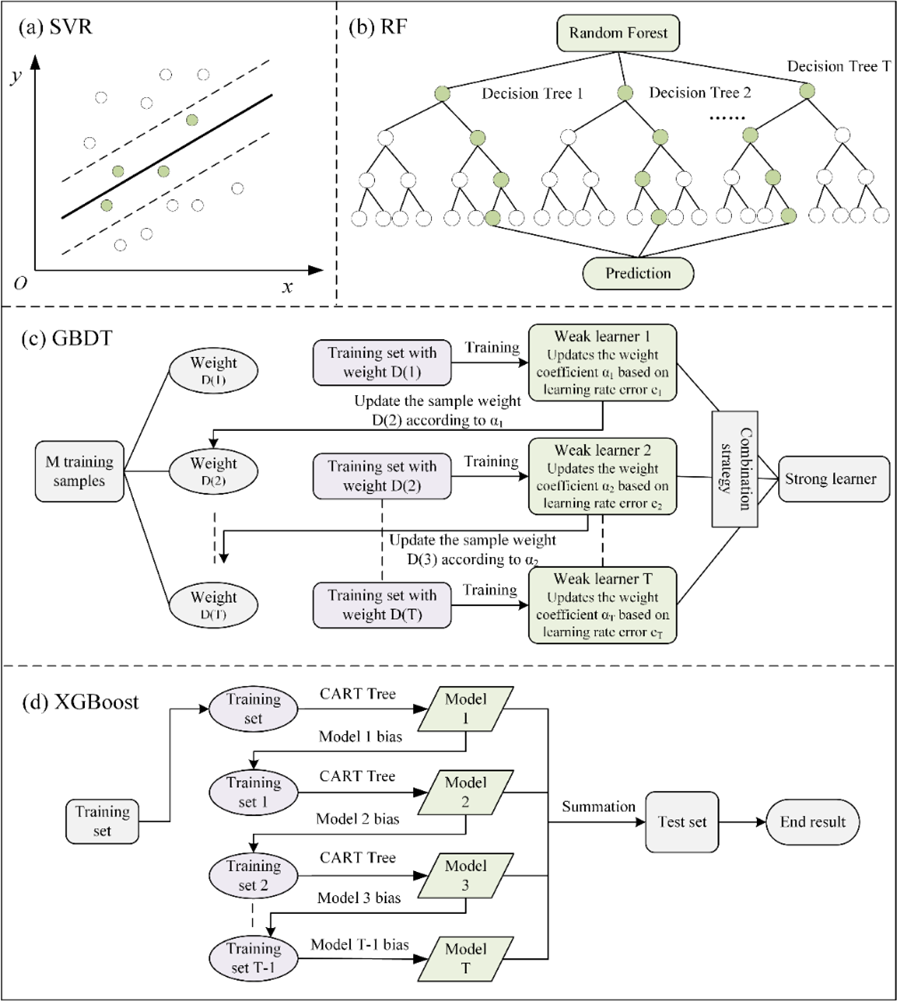
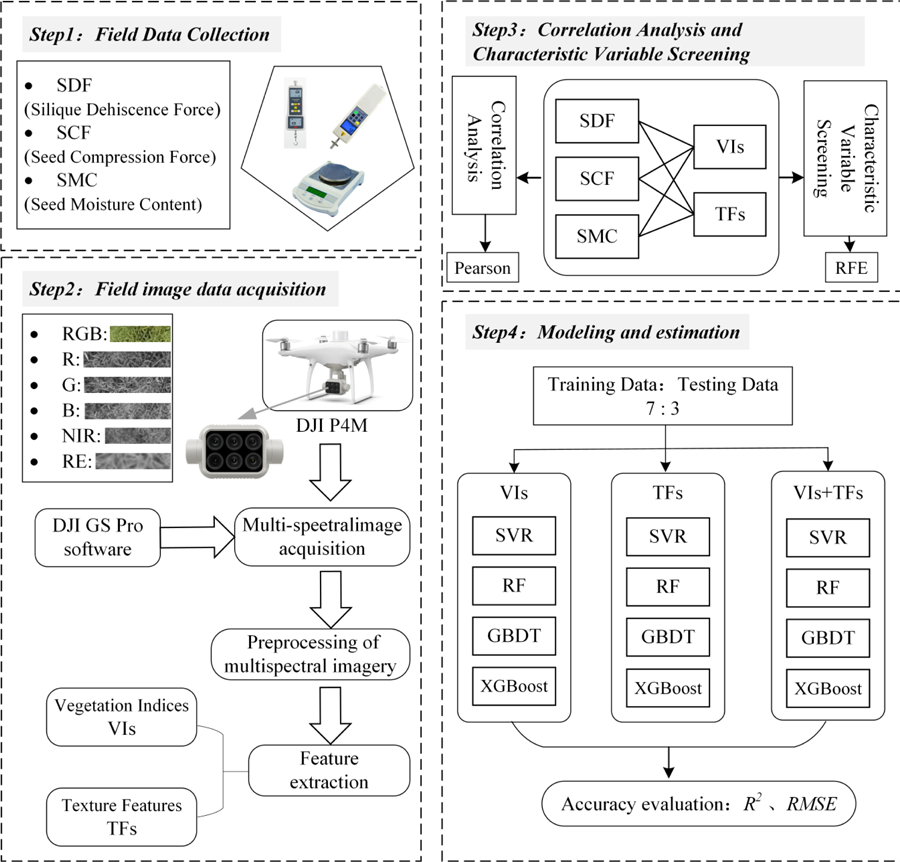
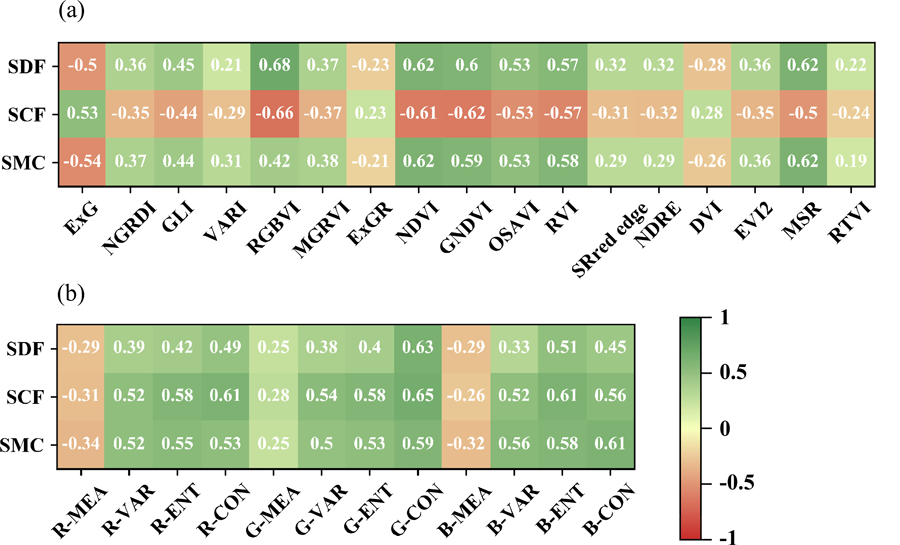
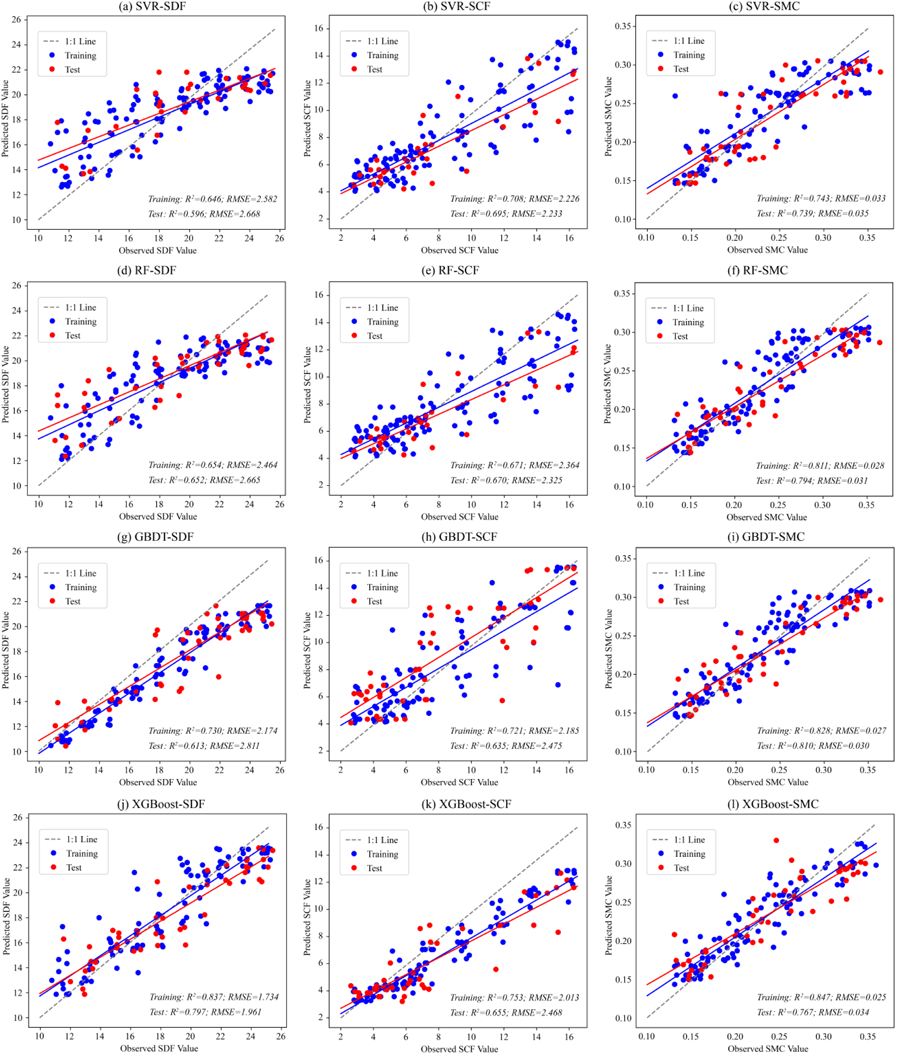
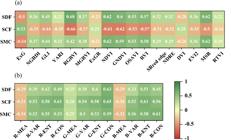
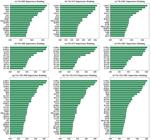
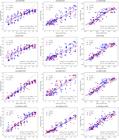
Accurate monitoring of crop growth at the field scale is essential for the development of farm management measures for plant protection, machine harvesting, and other agricultural processes. In this study, 17 vegetation indices and four texture features were gathered from canopy spectral data collected by a UAV. Using the recursive feature elimination method, redundant variables were removed. Four regression algorithms, namely SVR, RF, GBDT, and XGBoost, were used to build inverse models of the silique dehiscence force, seed compression force, and seed moisture content of rapeseed based on vegetation indices, texture features, and their fusion, and the differences between them were compared. The results showed that the seed moisture content had a higher sensitivity and was superior when used to estimate inversion compared to the silique dehiscence force and seed compression force. The seed moisture content estimation model developed with XGBoost achieved the highest accuracy (R2=0.847, RMSE=0.025). Of the 12 inversion models, the XGBoost/seed moisture content model based on the fusion of vegetation indices and texture features yielded increases in accuracy of 26% and 10% compared to the vegetation indices and texture features models, respectively. In summary, a seed moisture content inversion model based on the fusion of UAV spectral and texture information offers a feasible and accurate solution for timely machine harvesting of rapeseed.
Keywords:
rapeseed; UAV multispectral remote sensing; maturity; texture feature; machine learning
 Thumbnail
 Thumbnail
 Thumbnail
 Thumbnail
 Thumbnail
 Thumbnail
 Thumbnail