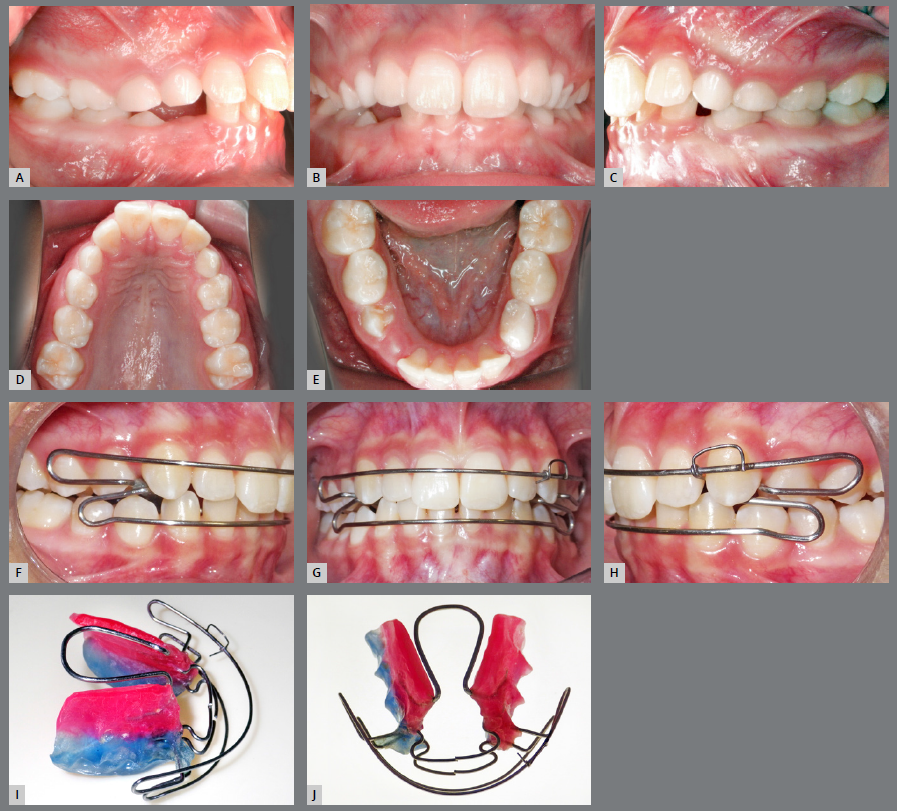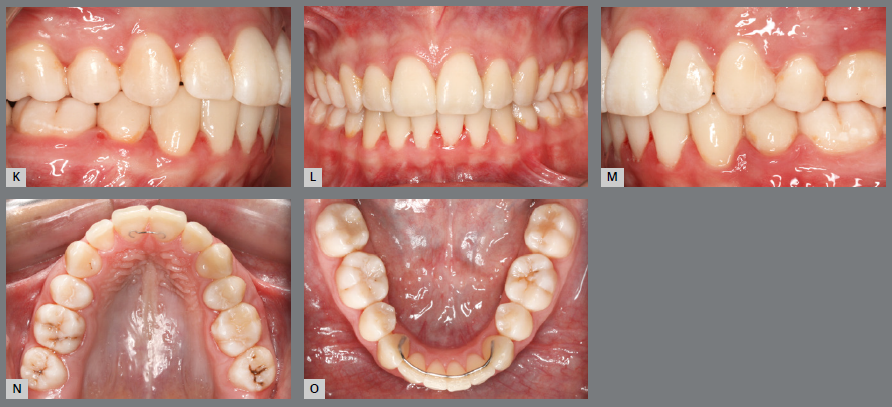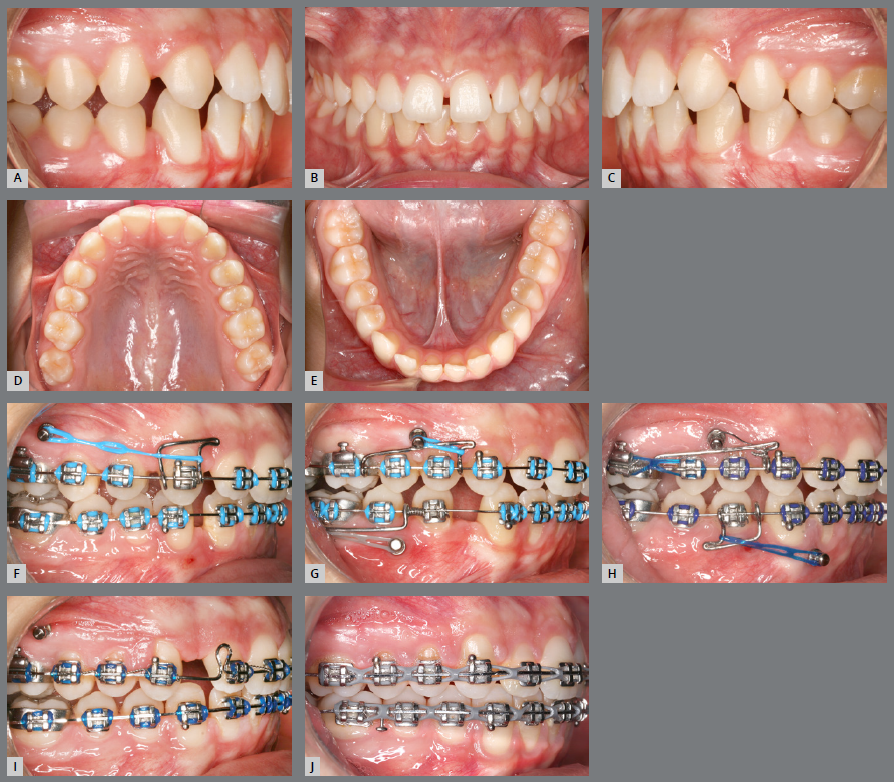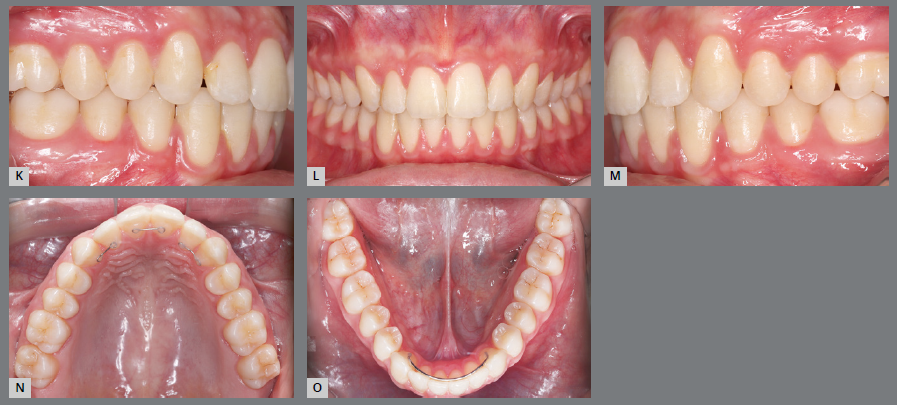
 Selected clinical approaches for the treatment of classic Class II, division 1 malocclusion
Introduction: Class II, division 1 malocclusion is the most common sagittal discrepancy, marked by distal positioning of the lower teeth, upper incisor protrusion, maxillary constriction, and facial profile imbalance. Its multifactorial etiology-skeletal, dental, and functional - results in diverse clinical presentations and treatment approaches.
Objective: This article aims to present a series of clinical approaches for the management of classic Class II, division 1 malocclusion, underlining how different treatment modalities -selected according to individual patient characteristics- can lead to effective outcomes.
Considerations: Treatment strategies for Class II, division 1 malocclusion include growth modification, headgear therapy, maxillary molar distalization with temporary anchorage devices (TADs), premolar extractions, clear aligner therapy, and orthodontic-surgical approaches for severe skeletal cases. Advances in biomechanics and skeletal anchorage have expanded non-extraction and less invasive options. However, careful case selection remains essential. Diagnosis must assess skeletal, dental, functional, and psychosocial factors, with treatment choices balancing esthetics, biomechanics, stability, and patient cooperation, customized to individual needs
Keywords:
Class II malocclusion; Orthodontic treatment planning; Temporary anchorage devices; Tooth extraction; Orthognathic surgery; Diagnosis; Biomechanics
 Thumbnail
 Thumbnail
 Thumbnail
 Thumbnail
 Thumbnail
 Thumbnail
 Thumbnail
 Thumbnail
 Thumbnail
 Thumbnail
 Thumbnail
 Thumbnail
 Thumbnail
 Thumbnail
 Thumbnail
 Thumbnail
 Thumbnail
 Thumbnail
 Thumbnail