 Selective Kanji agraphia in crossed aphasia after right-hemisphere infarction: a case report
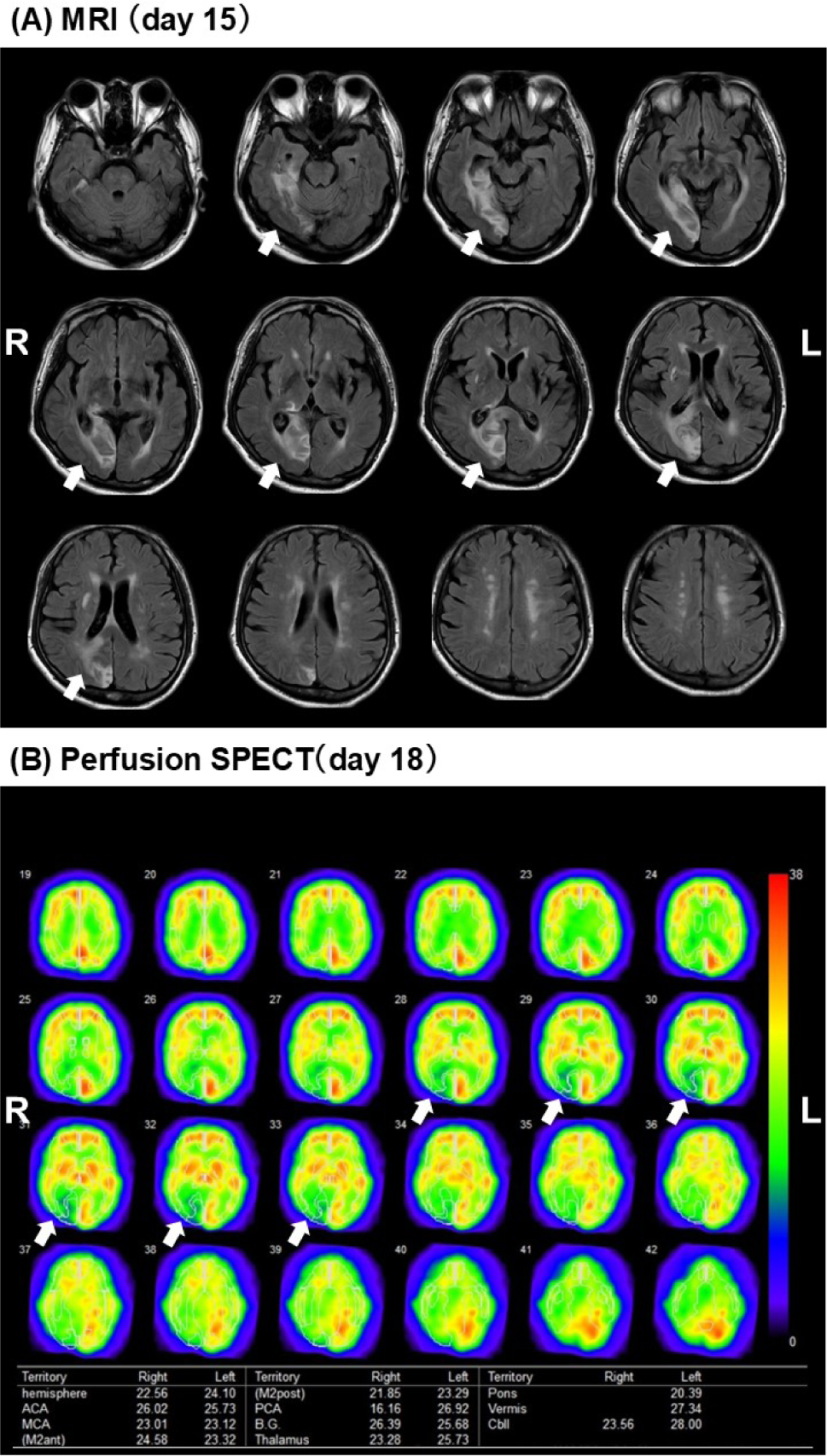
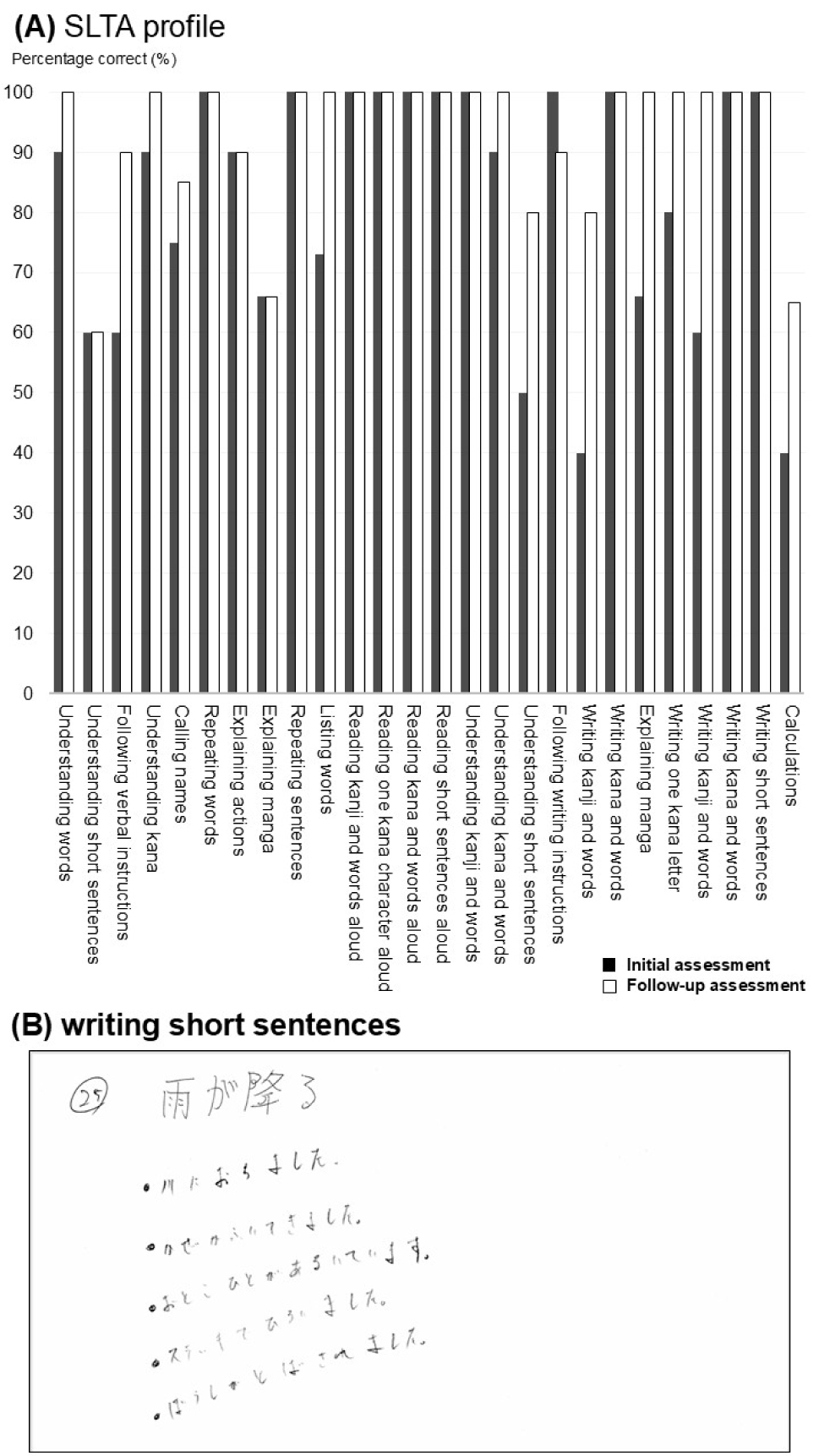
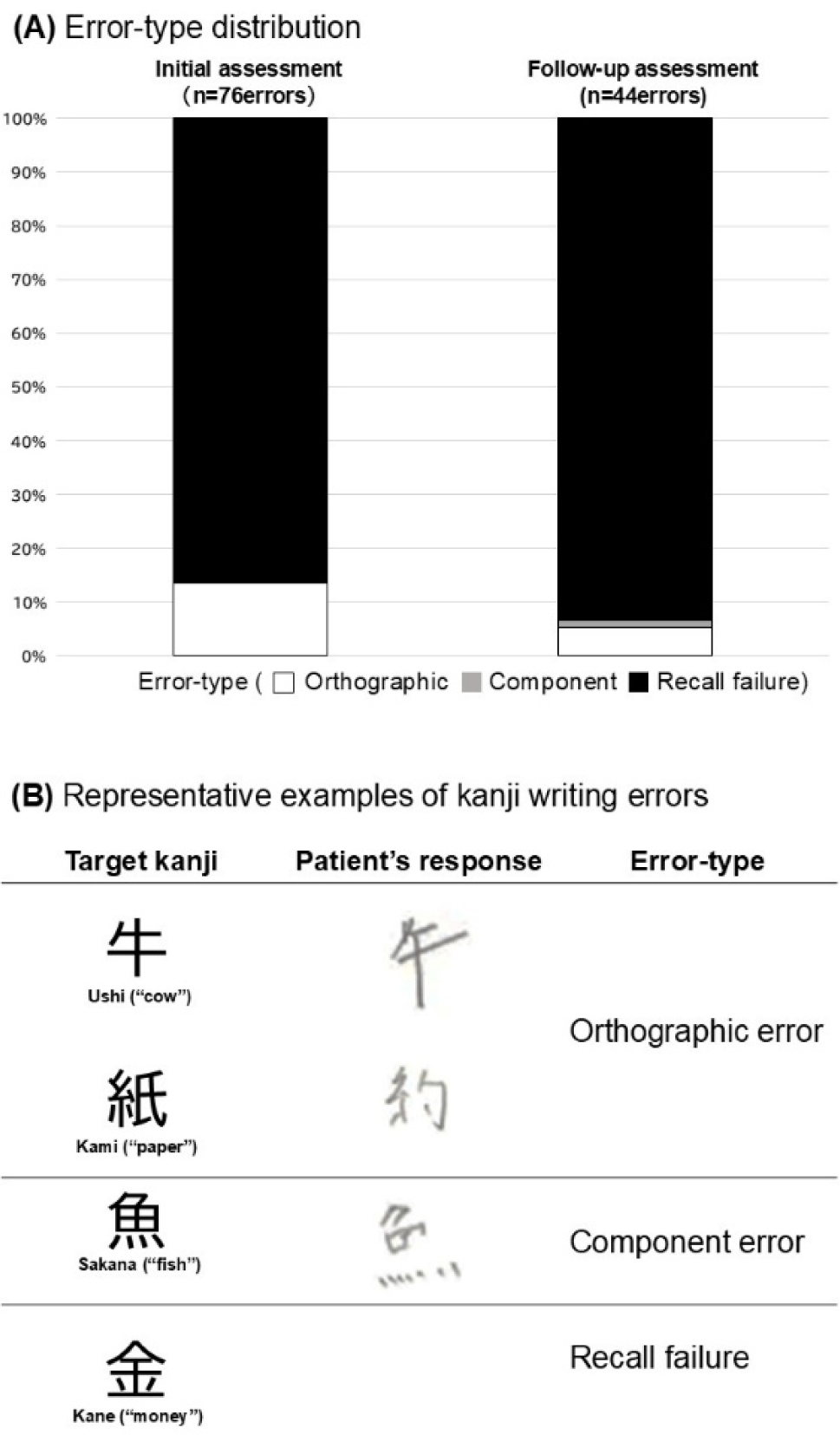
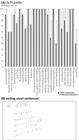
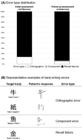
Crossed aphasia is a rare form of aphasia in right-handed individuals with right-hemisphere lesions. We report a man aged 67 years who developed crossed aphasia after a right posterior cerebral artery infarction involving the occipital lobe, thalamus, and medial parietal lobe. Neurological and neuropsychological examinations revealed mild anomic aphasia with preserved repetition and comprehension, left homonymous hemianopia, unilateral spatial neglect, prosopagnosia, and no apraxia. Writing showed a marked script-specific dissociation: kana writing was intact, whereas kanji writing was severely impaired and dominated by recall-failure errors (>90%), with few orthographic or component errors. One-year follow-up using the same language and writing tasks demonstrated partial improvement in accuracy but a stable error profile dominated by recall failures. This rare case indicates that selective kanji agraphia can occur in crossed aphasia due to right-hemisphere lesions and suggests impaired access to the visual orthographic lexicon with atypical hemispheric lateralization of writing functions in Japanese.
Keywords:
Aphasia; Agraphia; Dominance, Cerebral; Infarction, Posterior Cerebral Artery
 Thumbnail
 Thumbnail
 Thumbnail