 Neuroplasticity in autism spectrum disorder: a systematic review
The brain's ability to adapt in response to stimuli is called neuroplasticity.
Objective: This study investigates neuroplasticity in autistic individuals, focusing on neurobiological aspects, clinical correlations, and therapeutic interventions.
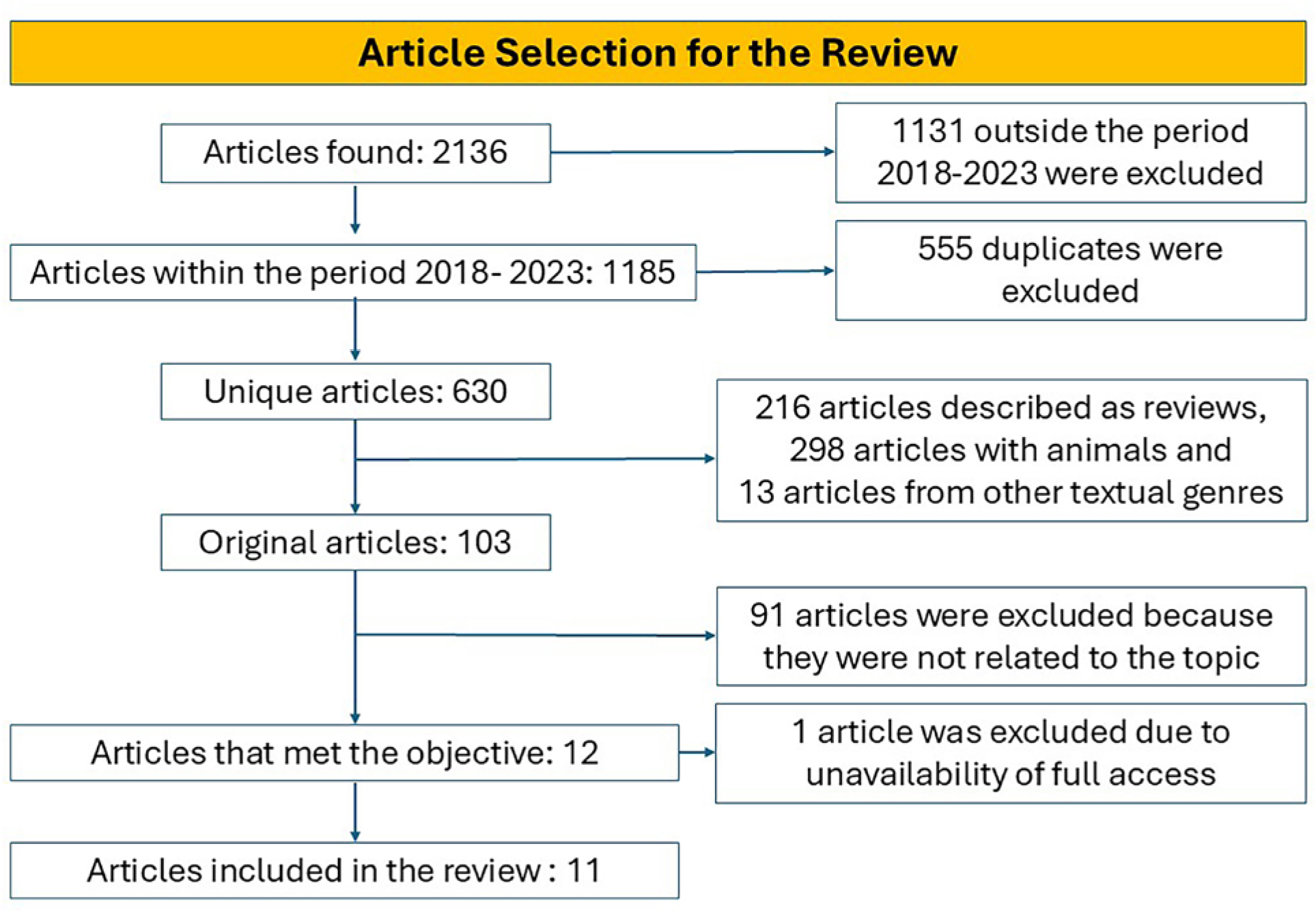
Methods: This systematic review, registered in the International Prospective Register of Systematic Reviews—PROSPERO (ID: CRD42024522425) and guided by Preferred Reporting Items for Systematic Reviews and Meta-Analyses—PRISMA (2020) criteria, searched databases like Web of Science, Scopus, United States National Library of Medicine/ Medical Literature Analysis and Retrieval System Online (PubMed/Medline), Latin American and Caribbean Health Sciences Literature (LILACS), and Scientific Electronic Library Online (SciELO) for original articles published in 2018–2023.
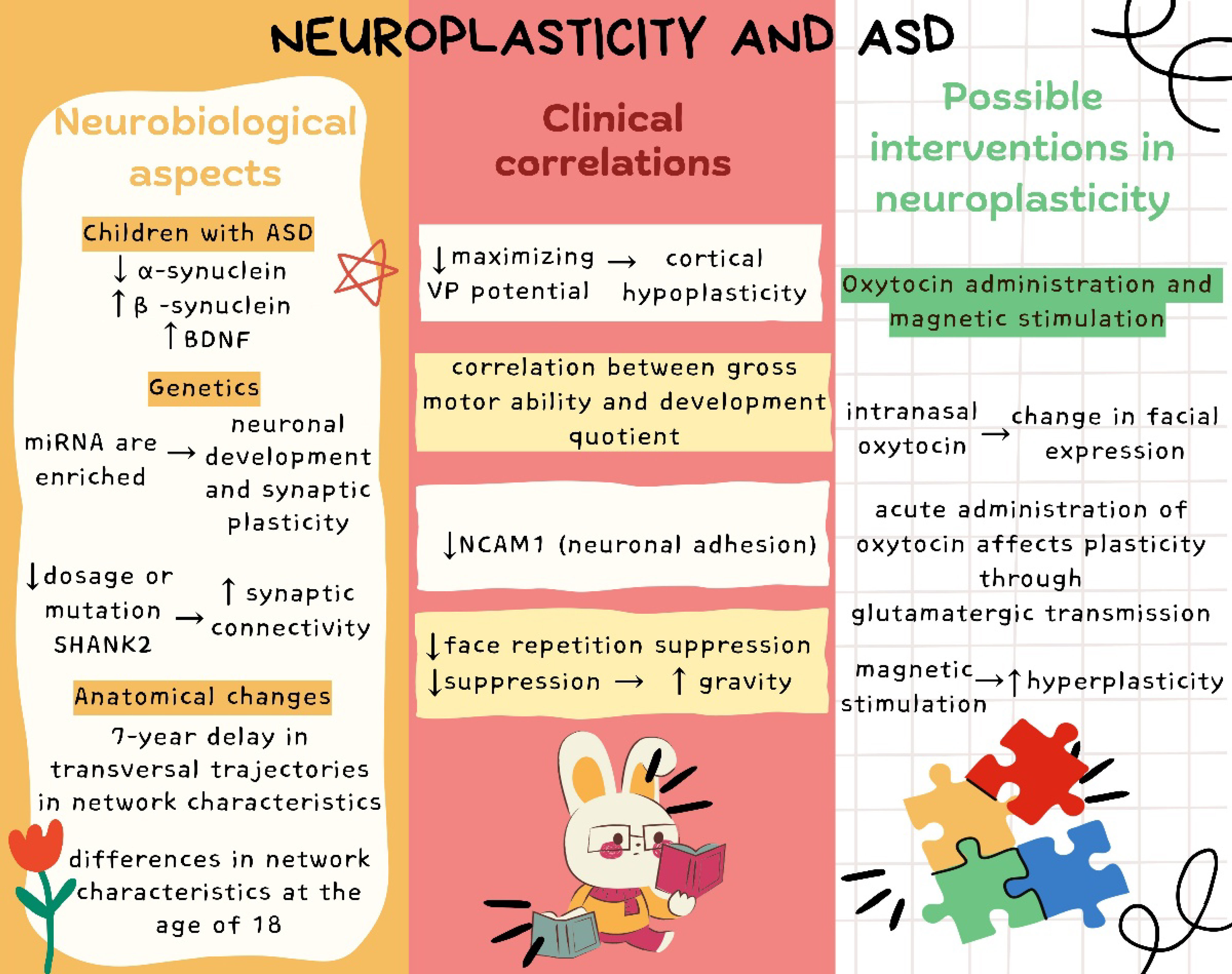
Results: Of the 2,316 studies found, 11 were selected, involving 1,943 autistic individuals, both children and adults. Most studies were classified as high/moderate quality using the Newcastle-Ottawa and Jadad scales. Observations included variations in SHANK2 gene expression, lower concentrations of α-synuclein, higher β-synuclein in children with autism spectrum disorder (ASD), correlations between NCAM1 expression and motor skills, and higher brain-derived neurotrophic factor (BDNF) concentration compared to non-autistic children.
Conclusions: Alterations in SHANK2, α-synuclein, β-synuclein, NCAM1, and BDNF in ASD suggest biomarkers and therapeutic targets for more effective interventions, improving care for autistic individuals.
Keywords:
Autism Spectrum Disorder; Neuronal Plasticity; Neurobiology; Psychiatry; Neurodevelopmental Disorders
 Thumbnail
 Thumbnail