
 Meanings attributed to caring for an older person in the family
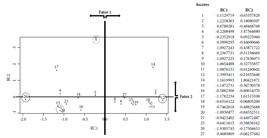
The scope of this study was to understand, together with elderly family caregivers, the significance attributed to caring for an elderly person in the family. The qualitative approach involved a semi-structured interview with three guiding questions for elderly family caregivers. The participants of the research sample were older family members who care for their relatives over 60 years of age, who are sick and/or dependent, selected for convenience, according to the eligibility criteria. Of the 51 participants, 23 were chosen to compose the qualitative study sample. The two categories suggested in the categorical thematic content analysis were also confirmed through factor analysis. The first dimension, “aspects related to care”, referred to the chronicity of the health of the older adult being cared for. In the second dimension, “aspects related to the caregiver’s quality of life”, the category referring to the condition of the elderly caregiver predominated. Therefore, these two categories identified shed light on the significance attributed to the process of caring for a sick elderly family member, including the importance of the elderly caregiver’s role as an essential agent in the relationship between him/her and the elderly person being cared for, as well as in the caring process.
Key words:
Caregivers; Family; Elderly adults; Quality of life
 Thumbnail
 Thumbnail
 Fonte: Adaptado de Bardin
 Fonte: Factor Analysis