
 Setbacks in achieving tobacco control targets: a temporal trends analysis and projections for 2030
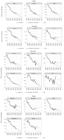
This study aims to analyze the trend in cigarette consumption among the adult population in Brazilian capitals from 2006 to 2023 and estimate the projections of this trend through 2030. This time trend study used data from Vigitel. The prevalence of cigarette use was calculated for the total population and stratified by sociodemographic variables. Trend analysis was performed using the joinpoint regression model. The exponential smoothing model was applied to estimate the prevalence projections, considering prevalence from 2015 to 2023. Overall, cigarette use decreased from 15.7% in 2006 to 9.3% in 2023 (AAPC: -3.3). This trend was observed across all sociodemographic strata. However, in the capitals, Goiânia was the only one with a stable prevalence. The trend analysis revealed a slowdown in the decline or even stagnation of prevalence after 2015. The projections indicate that the target of a 40% reduction by 2030 will not be achieved, as the projected prevalence is 7.96%, higher than the expected prevalence of 6.24%. These results point to setbacks in anti-tobacco policies in the country. Therefore, it is urgent to resume and expand several actions, considering the changes in context and the weaknesses of the policies, in order to reverse this situation.
Key words:
Tobacco Use Disorder; Health Status Indicators; Sustainable Development Goals; Health Surveys; Time Series Studies
 Thumbnail
 Note: A 40% reduction target, according to the DANT Plan.Source: Authors.