
 Setbacks in achieving tobacco control targets: a temporal trends analysis and projections for 2030
Abstract
This study aims to analyze the trend in cigarette consumption among the adult population in Brazilian capitals from 2006 to 2023 and estimate the projections of this trend through 2030. This time trend study used data from Vigitel. The prevalence of cigarette use was calculated for the total population and stratified by sociodemographic variables. Trend analysis was performed using the joinpoint regression model. The exponential smoothing model was applied to estimate the prevalence projections, considering prevalence from 2015 to 2023. Overall, cigarette use decreased from 15.7% in 2006 to 9.3% in 2023 (AAPC: -3.3). This trend was observed across all sociodemographic strata. However, in the capitals, Goiânia was the only one with a stable prevalence. The trend analysis revealed a slowdown in the decline or even stagnation of prevalence after 2015. The projections indicate that the target of a 40% reduction by 2030 will not be achieved, as the projected prevalence is 7.96%, higher than the expected prevalence of 6.24%. These results point to setbacks in anti-tobacco policies in the country. Therefore, it is urgent to resume and expand several actions, considering the changes in context and the weaknesses of the policies, in order to reverse this situation.
Key words:
Tobacco Use Disorder; Health Status Indicators; Sustainable Development Goals; Health Surveys; Time Series Studies
Resumo
Este estudo tem como objetivo analisar a tendência do consumo de cigarros entre a população adulta das capitais brasileiras no período de 2006 a 2023 e estimar as projeções dessa tendência até 2030. Trata-se de um estudo de tendências temporais com dados do Vigitel. A prevalência do uso de cigarros foi calculada para a população total e estratificada por variáveis sociodemográficas. Realizou-se análise de tendências pelo modelo de regressão por pontos de inflexão (joinpoint regression model). Estimou-se as projeções das prevalências pelo modelo de suavização exponencial, considerando as prevalências de 2015 a 2023. O tabagismo diminuiu de 15,7% para 9,3% (AAPC: -3,3), e este comportamento de decréscimo foi observado em todos os estratos sociodemográficos. Goiânia foi a única capital onde a prevalência permaneceu estável. A análise das tendências revelou uma desaceleração na queda ou até mesmo estagnação das prevalências após 2015. As projeções indicam que a meta de redução de 40% até 2030 não será alcançada, uma vez que a prevalência projetada é de 7,96%, superior à prevalência esperada, ou meta, de 6,24%. Estes resultados apontam para retrocessos das políticas antitabaco no país. Torna-se urgente retomar e expandir ações diversas.
Palavras-chave:
Tabagismo; Indicadores Básicos de Saúde; Objetivos do Desenvolvimento Sustentável; Inquéritos Epidemiológicos; Estudos de Séries Temporais
Resumen
Este estudio tiene como objetivo analizar la tendencia del consumo de cigarrillos en la población adulta de las capitales brasileñas entre 2006 y 2023 y estimar las proyecciones de esta tendencia hasta 2030. Se trata de un estudio de tendencias temporales con datos del Vigitel. Se calculó la prevalencia de consumo de cigarrillos para la población total y estratificada por variables sociodemográficas. Se realizó un análisis de tendencias mediante el modelo de regresión por puntos de inflexión (joinpoint regression model). Para estimar las proyecciones de prevalencia, se utilizó el modelo de suavización exponencial y se consideraron las prevalencias de 2015 a 2023. En general, el consumo de cigarrillos disminuyó del 15,7% en 2006 al 9,3% en 2023 (AAPC: -3,3). Este comportamiento se observó en todos los estratos sociodemográficos. Sin embargo, en las capitales, Goiânia fue la única donde la prevalencia permaneció estable. El análisis de las tendencias reveló una desaceleración en la caída o incluso una estancación de la prevalencia después de 2015. Las proyecciones indican que no se alcanzará la meta de una reducción del 40% para 2030, ya que la prevalencia proyectada es del 7,96%, superior a la prevalencia esperada del 6,24%. Estos resultados indican retrocesos en las políticas antitabaco en el país. Por lo tanto, es urgente retomar y expandir diversas acciones.
Palabras clave:
Tabaquismo; Indicadores de Salud; Objetivos de Desarrollo Sostenible; Encuestas Epidemiológicas; Estudios de Series Temporales
Introduction
The health risks associated with cigarette smoking are widely recognized and documented in the scientific literature1-3. Smoking is a risk factor for chronic noncommunicable diseases (NCDs), cardiovascular diseases, cancer (lung, oral cavity, breast, among others), chronic respiratory diseases, and, in pregnant women, predisposition to premature birth and intrauterine growth retardation, among others1-4. The adverse effect of tobacco use on health results from both the direct consumption of tobacco products (smoked, inhaled, or chewed) and exposure to secondhand tobacco use2. Cigarette smoking poses a problem for the healthcare system, increasing social, economic, and healthcare costs5.
According to estimates from the Global Burden of Disease (GBD) study, the global prevalence of current smokers among individuals aged 15 and older decreased from 27.8% (95%CI, 27.5-28.1%) in 1990 to 20.1% (95%CI, 19.8-20.4%) in 20171. However, population growth and aging have increased the burden of disease attributed to tobacco use, especially in low- and middle-income countries. Furthermore, tobacco use remained the second leading risk factor for premature death and disability worldwide in 20216.
The World Health Organization (WHO) has coordinated several efforts and policies to reduce preventable adverse effects of tobacco use. Notable among these initiatives are the Framework Convention on Tobacco Control (FCTC) and its protocols, ratified by 40 countries, including Brazil, which signed the treaty in 2003 and ratified it in 20057; the Global Action Plan for the Prevention and Control of NCDs, launched in 2013, which aims to reduce tobacco use by 30% by 20253; and the inclusion of tobacco control targets in the United Nations 2030 Agenda for Sustainable Development (SDGs)8.
In Brazil, the “Strategic Action Plan to Tackle Noncommunicable Diseases (NCD) in Brazil 2011-2022 (DCNT Plan)” represented a national milestone by establishing several monitoring and regulatory measures, in addition to setting the goal of reducing tobacco use by 30% in the country during the period9. The “Strategic Actions Plan for Takle Chronic Diseases and Noncommunicable Diseases in Brazil 2021-2030 2021-2030 (DANT Plan)” reiterated the national commitment and set the goal of reducing tobacco use prevalence by 40% by 2030, corresponding to a decline from 12.8% to 7.7%, relative to the 2019 base year10.
Although the country has witnessed a significant reduction in the prevalence of tobacco use over the last three decades - from 34.8% in 198911 to 12.8% in 201912 - its use in Brazil is responsible for approximately 162,000 deaths annually, representing about 13% of all deaths in the country13. This reduction, in absolute terms, highlights the epidemiological significance of this habit and can be assigned to important regulatory measures implemented in Brazil, in conjunction with cost-effective interventions for the prevention of NCDs recommended by the WHO14, such as increased taxes on tobacco products and their prices, the ban on tobacco use in public places, the inclusion of labeling with warnings about the dangers of tobacco use, and the prohibition of advertising, sponsorship, and other activities promoting tobacco use.
Recent evidence indicates the emergence of new threats, such as the use of electronic cigarettes and hookahs, especially among young people15. These devices are associated with an increased risk of starting to smoke conventional cigarettes16 and may be impacting the trend of tobacco use prevalence in the country.
Thus, it seems quite pertinent to draw on the emphasis given by Gilmore et al.17 to the commercial determinants of health, which place industry interests above Public Health and whose agents are mobilizing to weaken national regulations. Brazil sees a clear and growing pressure from industry and political stakeholders for the approval of new legislation permitting the sale of electronic smoking devices (ESDs), which have been banned since 2009, as per resolution of the National Health Surveillance Agency (ANVISA)18, ratified in 202419-21.
Therefore, analyses of the magnitude and temporal behavior of tobacco use prevalence can contribute to understanding the event and provide evidence to support the evaluation of current strategies and the development and implementation of new ones. From this perspective, data from national health surveys, particularly from the Surveillance of Risk and Protective Factors for Chronic Diseases by Telephone Survey (Vigitel)22, are fundamental elements for enabling the production of indicators of health risk factors, such as tobacco use, and their monitoring in the country.
Given the epidemiological and social relevance of the topic, the present study aimed to analyze the temporal trend of cigarette consumption among the adult population of Brazilian capitals from 2006 to 2023 and estimate the projections of this trend until 2030 in order to identify the attainment of the Brazilian reduction target.
Methods
Study design
This study is characterized as a historical series study using data from the Surveillance System for Risk and Protection Factors for Chronic Diseases by Telephone Survey (Vigitel) from 2006 to 2023.
Ethical aspects
The current work uses public, de-identified data and does not require CEP approval for these analyses. However, the National Human Research Ethics Committee of the Ministry of Health approved Vigitel (CAAE: 65610017.1.0000.0008) under Opinion No. 4324071. Informed consent was obtained verbally during telephone contact with respondents of the interview.
Data source
Vigitel is a population-based telephone survey conducted annually by the Ministry of Health in Brazilian state capitals to collect information on Chronic Noncommunicable Diseases (NCDs) and their main risk and protective factors. Until 2021, Vigitel’s sampling procedures were designed to obtain, in each of the capitals of the 26 Brazilian states and the Federal District, probability samples of the adult population (aged 18 and older) living in households with at least one landline telephone line. Between 2006 and 2019, the minimum sample size was approximately 2,000 individuals per city. However, in 2020 and 2021, due to the difficulties imposed by the COVID-19 pandemic, the sample size was reduced to approximately 1,000 interviews per city. For 2023, due to operational reasons and the rapid deterioration of landline telephone coverage in the country, a new reduction was made, with a minimum of 800 interviews per location, 400 conducted by landline and 400 by mobile phone22.
Variable and indicator analyzed
This study analyzed the prevalence of current conventional cigarette use among Brazilian adults based on responses collected in the Vigitel survey during the study period. Individuals who answered “yes” to the question “Do you currently smoke?” were considered smokers, regardless of the number of cigarettes smoked per day, tobacco use frequency, or duration, and comprised the sample for this study22.
Further details about the questionnaire and methodology are provided in the Vigitel report22.
Data analysis
The prevalence estimates were calculated using R-Studio software version 2024.09, and Joinpoint Trend Analysis software, version 5.2.0, was employed to conduct the JoinPoint regression model.
The prevalence of smokers was calculated for the total population and stratified by gender (female and male); age group (18-24; 25-34; 35-44; 45-54; 55-64; and 65 and over); schooling level (0-8; 9-11; and 12 or more study years); regions (North, Northeast, Midwest, Southeast, and South); and Brazilian capitals for all years.
A joinpoint regression model was adopted to analyze trends in the prevalence of adult smokers. Joinpoint regression allows us to identify different patterns of behavior over time. It is based on the premise that the time series is composed of continuous linear segments with varying slopes, joined by inflection points, or points in time where the trend changes (joinpoints)23. The technique identifies the number/amount and location of these trend change points and calculates the percentage change for each segment23. Notably, each regression point reflects a significant change in the indicator’s prevalence trajectory. Therefore, each indicator may have a different period depending on its data. To measure these changes, the Annual Percent Change (APC) was calculated for each identified period, and the Average Annual Percent Change (AAPC) was employed for the entire time series. The fitted line slope (on the logarithmic axis) over a given period indicates the continuous growth rate, which is then transformed into a percentage (APC) for more straightforward interpretation. A positive APC indicates growth, and a negative APC indicates decline. The AAPC summarizes the several APCs into a single value, providing an overall estimate of the trend over the entire analyzed period, even when there are changes in the growth or decline patterns23. A trend was considered significant when APC and AAPC were significantly different from 0, i.e., when the p-value of the unpaired Student’s t-test was equal to or less than 5%, rejecting the null hypothesis of absence of trend.
An exponential smoothing model was used to estimate prevalence projections up to 2030 and verify whether the target of a 40% reduction in tobacco use prevalence, as set out in the DANT Plan, will be achieved, considering prevalence rates from 2015 to 2023. This model is grounded in the theory that events closer in time are more representative for predicting the future, using smoothing coefficients that decay exponentially as the data moves further into the past. This intuitive and straightforward approach avoids overestimating random variations in short time series, providing robust and efficient projections, even in contexts with limited data24. Although the DANT Plan (2022-2030) establishes 2019 as the base year for monitoring the tobacco reduction target, this study opted to expand the time frame, adopting 2015 as the starting point for the series. This decision aims to align the analysis period with the base year of the Sustainable Development Goals (SDGs) and the WHO Global Plan, besides incorporating more points in the time series, providing greater analytical robustness to the estimates.
All analyses considered Vigitel weighting factors, considering the unequal probability that individuals living in households with more telephone lines or fewer residents had of participating in the sample. The application of these factors corrects for potential over- or underestimation of the Vigitel sample, resulting from the uneven coverage of the Brazilian landline telephone services, through the post-stratification procedure of each individual by gender, age, and schooling level. This allows for comparability between each capital city, year by year, considering the distinct sociodemographic distributions.
Results
Table 1 presents trends in the prevalence of adult smokers in the general population of Brazilian capital cities, stratified by sociodemographic variables. Overall, cigarette use decreased between 2006 and 2023, from 15.7% to 9.3% (AAPC: -3.3%). A similar backdrop was observed across all sociodemographic strata. Among males, the prevalence decreased from 19.5% in 2006 to 11.7% in 2023 (AAPC: -3.1%), while among females, it fell from 12.4% in 2006 to 7.2% in 2023 (AAPC: -3.5%). Regarding schooling, the decline was observed in all strata: among those with 0-8 study years, the prevalence fell from 19.3% to 12.2% (AAPC: -2.5); among those with 9-11 study years, it decreased from 13.8% to 8.9% (AAPC: -2.5); and among those with 12 study years or over, it dropped from 10.8% to 7.4% (AAPC: -2.8). In the age groups, the prevalence of cigarette use also declined: in those aged 18-24 years, from 12.1% to 6.7% (AAPC: -3.9); those aged 25-34 years, from 14.0% to 9.8% (AAPC: -3.4); those aged 35-44, from 18.7% to 10.4% (AAPC: -3.5); those aged 45-54 years, from 22.8% to 9.1% (AAPC: -5.4); in those aged 55-64 years, from 15.0% to 9.7% (AAPC: -2.5); and among those aged 65 years or older, from 9.6% to 9.1% (AAPC: -0.1).
A decreasing prevalence was also observed in all regions, namely: Midwest (14.7% in 2006 to 10.0% in 2023; AAPC: -2.5); Northeast (13.1% to 6.9%; AAPC: -3.7); North (15% to 7.2%; AAPC: -4.5); Southeast (16.8% to 10.1%; AAPC: -3.3); and South (19.1% to 13.7%; AAPC: -3.4). Regarding the capitals, only Goiânia had a stable prevalence (AAPC: -1.0). The capitals with the most significant decline in prevalence were Aracaju (-6.3%); Manaus (-6.3%); Porto Velho (-5.9%); Palmas (-5.3%); and Teresina (-5,3%) (Table 2).
Table 3 presents the trend of the prevalence of smokers over the time segments given by the joinpoint regression. Considering the total population, we observed that the most considerable drop occurred from 2010 to 2014 (APC=-6.9%; p<0.001). Women showed a stability in the first period (2006-2010), followed by the most significant decrease from 2010 to 2014 (APC=-9.5%; p=0.007). Men showed a decline in the first two periods, and the most significant decline was from 2010 to 2014 (APC=-7.2%; p=0.022), with a stability in the last period (2014-2023). Regarding schooling, a significant reduction was observed from 2011 to 2014 for the population with 0-8 study years (APC=-7.3%; p=0.001) and from 2006 to 2015 for those with 9-11 study years (APC=-4.2%; p=0.047). The rates remained stable in the other periods. Regarding the age group, a declining prevalence was observed in almost all groups, except for the population aged 65 and over, whose rate remained stable throughout the analyzed period. The younger age groups - 18-24 years and 35-44 years - showed a decrease only until 2013 and 2015, respectively. The most significant decline was recorded among individuals aged 45-54 years (APC=-7.9%; p<0.001). All regions of the country showed a downward trend, albeit with temporal variations. In the Midwest, Northeast, and North, the reductions occurred mainly in the initial and intermediate periods, with subsequent stabilization from 2016/2017 onward.
Considering trends from 2015 to 2023, projections indicate that tobacco use prevalence rates in the adult population - by gender, schooling level, age group, and region - will remain above expected values. This suggests that the reduction targets projected for 2030 will likely not be achieved, except for adults aged 45-54 years, who show a trend consistent with achieving the target (Figure 1, Table 4).
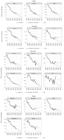
Trends and projections of tobacco use prevalence in the adult population by gender, schooling, age group, and region. Brazil, 2006-2030.
Discussion
The study analyzed trends in the prevalence of adult smokers in Brazilian capitals from 2006 to 2023 and identified a decline throughout the period. However, trends varied by sociodemographic variables and the period analyzed, with the 2010-2014 period generally showing the most significant decline. However, stability was observed in the subsequent period. If the prevalence trends observed in the most recent period (2015-2023) continue, national and global tobacco reduction targets are unlikely to be achieved in Brazil by 2030, as the projected prevalence (7.96%) is higher than the expected prevalence (6.24%).
The study reveals a higher prevalence of tobacco use among men and individuals with low schooling levels. The higher prevalence among men is consistent with global results. It can be explained by historical and cultural contexts, sexism, and intense tobacco industry advertising, which for decades has associated tobacco products with images of strength, virility, and power25. Furthermore, socioeconomic inequalities related to tobacco use appear to be established in youth, associated with academic delay or even dropout, which are markers of low educational attainment and, therefore, of lower current and future socioeconomic status26,27. In this sense, the higher prevalence of tobacco use among less educated individuals could be explained by a lack of information or a reduced ability to understand information about the health risks of tobacco use and use it, either to prevent initiation or to quit28.
The study used joinpoint regression, an important tool for data analysis in epidemiological surveillance, which provides a better understanding of the temporal evolution of the event of interest. This study identified changes in tobacco use prevalence over time, allowing for the evaluation of different periods and thus highlighting the effectiveness of adopted regulatory policies, their failures, and their exhaustion.
Although the first institutional measures to control tobacco use in Brazil were adopted in the 1990s, most notably Law No. 9,294/1996, which restricted advertising, established warning messages on tobacco products, and prohibited tobacco use in enclosed public spaces, except in tobacco use rooms29,30. This study focuses on the analysis of the 2006-2023 period. Therefore, three distinct time periods are highlighted (2006-2010, 2011-2014, and 2015-2023), which coincide with the implementation of important regulatory frameworks. The aim is to contribute to understanding the specificities of tobacco control policies in each period and how they may have influenced the observed variations in tobacco use prevalence.
The first period marks the onset of continuous monitoring surveys on tobacco use prevalence and the inclusion of the issue on the elected democratic-popular government’s priority political agenda. This period was marked by significant initiatives, such as the Senate’s approval of the Framework Convention on Tobacco Control in 200630,31. In 2009, ANVISA banned the sale of e-cigarettes and intensified anti-smoking mobilizations and campaigns, among other actions18. During this period, a decline in smoking prevalence was observed across several demographic strata, including gender, age group, and region.
The second period was marked by important public policies, such as the launch of the Strategic Action Plan to Combat NCDs 2011-2022 in 2011, which defined the priorities for tobacco use surveillance and monitoring9. In that same year, Law No. 12,546 was also passed, establishing a minimum cigarette price policy32. In 2014, Presidential Decree No. 8,262 regulated tobacco-free environments, expanding health warnings on cigarette packaging, limiting advertising of smoking products at points of sale33, in addition to supporting and granting credit to small tobacco producers for crop diversification, combating illegal tobacco trade, expanding access to tobacco treatment within the Unified Health System (SUS) network, and increasing anti-smoking campaigns13,30. This period saw significant progress in the regulatory framework, with international recognition, including WHO awards for the work conducted in Brazil13. As a result, the regulatory initiatives implemented during this period generated the most significant declines in tobacco use prevalence, reflected across different strata, such as gender, age group, schooling level, and regions of the country.
Setbacks in regulatory initiatives characterized the third and final period. The years 2015 and 2016 were marked by the impeachment of President Dilma Rousseff by parliament, political and economic crises, the implementation of fiscal austerity measures, budget cuts, and the approval of Constitutional Amendment 95, which reduced resources allocated to public policies34-36. These measures resulted in the rapid deterioration of the population’s health, with worse social and economic indicators and an increase in poverty and extreme poverty34-36. Furthermore, the period was marked by a lack of investment in regulatory measures and a freeze on tobacco prices, and even proposals by ministers to reduce cigarette prices37. There was also the abolition of the Ministry of Agrarian Reform, the end of the allocation of resources to support the diversification of crops by small tobacco farmers, and a reduction in investments in inspection and control of tobacco smuggling38. Furthermore, from 2016 to 2022, the National Commission for the Implementation of the Framework Convention on Tobacco Control (CONICQ), the intersectoral body responsible for coordinating these policies on several fronts, weakened its performance. This situation was reflected in fewer meetings, fewer representatives from several ministries, and a smaller range of topics covered39, and was further exacerbated by the COVID-19 pandemic. Studies during the pandemic (2020 and 2021) revealed that tobacco consumption increased among smokers, elevating the tobacco burden40. Therefore, after 2016, the Brazilian government’s regulatory role weakened, tobacco product prices were stable, oversight was reduced, and illegal trade and tobacco use burden rose13. These factors may explain the change observed in tobacco use indicators, which stabilized after a significant period of decline in virtually all segments.
Notably, new products such as electronic smoking devices (ESDs) can change tobacco use prevalence trends in the country. These products have escalated among young adults and may change the behavior of more recent cohorts41. A study using data from the National School Survey (PeNSE), which analyzed the consumption of all tobacco products by Brazilian adolescents, found that the prevalence increased from 10.4% in 2015 to 14.8% in 2019, a 40% increase attributed to the use of other tobacco products, such as e-cigarettes and hookahs, while the consumption of regular cigarettes remained stable (6.8%) in the same period15.
Notably, a point of concern is that the tobacco industry has been operating globally on several fronts and using several strategies to sell the idea that ESDs can be used as an alternative treatment for reducing consumption or harm reduction19. The strong presence on social media seeks to attract young audiences and disseminate new behavior patterns, in addition to using strategies to change national regulatory policies16. In Brazil, the industry has used legislative agents to seek to pass laws that would allow the sale of e-cigarettes42 or the use of hookahs in closed spaces. For example, Bill 5,008/2023, which aims to regulate production, sale, inspection, and advertising, is already underway42. Furthermore, false arguments are used, in addition to economic pressure, to establish new behavioral parameters, including changing local culture, values, and current legislation. On the other hand, Collegiate Board Resolution (RDC) No. 855/2024, published by the National Health Surveillance Agency (ANVISA) on April 23, 2024, reinforces Brazil’s ban on ESDs, such as e-cigarettes and vapes. This resolution expands the restrictions established by RDC N°46/2009, covering not only the marketing and import, but also the manufacture, distribution, storage, transportation, and advertising of these products throughout the country.
Regarding this topic, the literature refers to the industry’s approach to changing consumption patterns and increasing profits as “commercial determinants of health”43. The tobacco industry has long been active in marketing, encouraging the consumption of tobacco/nicotine products or promoting smoking. Between the late 1920s and mid-1950s, movie stars received large sums from tobacco companies to appear smoking in films44,45. With the advancement of anti-smoking policies in recent decades, strategies have become more sophisticated. Not only does cinema continue to promote smoking, but cigarettes and ESDs have also come under the spotlight of other contemporary media, reaching people of all ages through “likes and shares”. According to the “Where There is Smoke” project, from the Tobacco Free Kids Campaign, social media has become the primary marketing tool for tobacco companies, promoting smoking as part of the lifestyle of so-called influencers. As of September 2021, this content had been viewed more than 25 billion times worldwide, 8.8 billion of which were in the US46. The Global Tobacco Industry Interference Index assesses how governments protect themselves from industry influence in public policy. In 2023, Brazil scored 66 on this index, indicating significant tobacco industry interference in the country47.
Despite the efforts of technical groups committed to tobacco control, the areas where the National Tobacco Control Policy faces the most significant obstacles are those that affect economic interests, whether tax-related, industrial, or commercial (legal or illegal). It is crucial to advance measures related to taxation, with higher taxes on tobacco products and directing these resources to the Unified Health System (SUS); coordination of tobacco control with other SUS policies (NCD prevention, healthcare); containment of ESD marketing; promotion of crop diversification in tobacco-growing areas; elimination of illicit trade in tobacco products; and protection of policies against tobacco industry pressures41. The complex tobacco control policy requires intense intersectoral coordination, expanded state regulation in the face of changes in business strategies, and continued expansion of initiatives in areas where there are still weaknesses, to avoid the risk of setbacks and harm to the population’s health.
This study has some limitations, such as the use of self-reported data, which can lead to under- or overestimating prevalence rates and affect the accuracy and validity of the estimates. However, validation studies of the Vigitel questionnaire indicate good reproducibility and validity. The Vigitel sample, which until 2021 consisted only of adults residing in capital cities and the Federal District with a landline, may compromise representativeness. However, this bias is mitigated by the use of weighting factors calculated using the rake method. Furthermore, changes in the sampling plan over the Vigitel rounds may affect the historical comparability of the data, requiring caution in interpreting trends. Further studies to validate and analyze the impact of these changes are advisable.
Conclusion
The results of this study indicate that Brazil, after a long period of declining adult tobacco use prevalence in Brazilian capital cities, has begun to stabilize, jeopardizing the achievement of the national DANT Plan target and the goals of international agreements. These findings change the tobacco use scenario in the country, bringing it back as a central issue that deserves the attention of public policymakers and highlighting the need for additional measures to address the emerging facets of this problem.
References
-
1 Institute for Health Metrics and Evaluation. GBD Compare. Viz Hub [Internet]. University of Washington; 2021 [cited 2024 dez 9]. Available from: https://vizhub.healthdata.org/gbd-compare/.
» https://vizhub.healthdata.org/gbd-compare -
2 World Health Organization (WHO). WHO report on the global tobaco epidemic 2021: addressing new and emerging products [Internet]. 2021 [cited 2024 dez 8]. Available from: https://iris.who.int/bitstream/handle/10665/343287/9789240032095-eng.pdf?sequence=1&isAllowed=y
» https://iris.who.int/bitstream/handle/10665/343287/9789240032095-eng.pdf?sequence=1&isAllowed=y - 3 World Health Organization (WHO). Global action plan for the prevention and control of noncommunicable diseases, 2013-2020. Geneva: WHO; 2013.
- 4 Doll R, Peto R, Boreham J, Sutherland I. Mortality in relation to smoking: 50 years' observations on male British doctors. BMJ 2004; 328(7455):1519-1528.
- 5 World Health Organization (WHO). Economics of tobacco toolkit: assessment of the economic costs of smoking [Internet]. Geneva: WHO; 2011 [cited 2024 dez 8]. Available from: https://www.who.int/publications/i/item/economics-of-tobacco-toolkit-assessment-of-the-economic-costs-of-smoking.
- 6 GBD 2021 Risk Factors Collaborators. Global burden and strength of evidence for 88 risk factors in 204 countries and 811 subnational locations, 1990-2021: a systematic analysis for the Global Burden of Disease Study 2021. Lancet 2024; 403(10440):2162-2203.
- 7 Instituto Nacional de Câncer José Alencar Gomes da Silva (INCA). Convenção-Quadro para Controle do Tabaco: texto oficial. Rio de Janeiro: INCA; 2015.
- 8 United Nations (UN). Transforming our world: the 2030 agenda for sustainable development. New York: UN; 2015.
- 9 Brasil. Ministério da Saúde (MS). Departamento de Análise de Situação de Saúde de Vigilância em Saúde. Plano de ações estratégicas para o enfrentamento das Doenças Crônicas Não Transmissíveis (DCNT) no Brasil 2011-2022. Brasília: MS; 2011.
- 10 Brasil. Ministério da Saúde (MS). Departamento de Análise de Situação de Saúde de Vigilância em Saúde. Plano de Ações Estratégicas para o Enfrentamento das Doenças Crônicas e Agravos não Transmissíveis no Brasil 2021-2030. Brasília: MS; 2021.
- 11 Monteiro CA, Cavalcante TM, Moura EC, Claro RM, Szwarcwald CL. Population-based evidence of a strong decline in the prevalence of smokers in Brazil (1989-2003). Bull World Health Organ 2007; 85(7):527-534.
- 12 Malta DC, Gomes CS, Andrade FMD, Prates EJS, Alves FTA, Oliveira PPV, Freitas PC, Pereira CA, Caixeta RB. Tobacco use, cessation, secondhand smoke and exposure to media about tobacco in Brazil: results of the National Health Survey 2013 and 2019. Rev Bras Epidemiol 2021; 24(Supl. 2):e210006.
-
13 Instituto de Efectividad Clinica y Sanitaria. Tabaquismo en Brasil [Internet]. [acceso 2025 maio 22]. Disponible en: https://tabaco.iecs.org.ar/documentos-brasil/.
» https://tabaco.iecs.org.ar/documentos-brasil - 14 World Health Organization (WHO). Tackling NCDs: "best buys" and other recommended interventions for the prevention and control of noncommunicable diseases [Internet]. Geneva: WHO; 2017 [cited 2024 dez 8]. Available from: https://www.who.int/publications/i/item/WHO-NMH-NVI-17.9.
- 15 Malta DC, Morais ÉAH, Silva AG, Souza JB, Gomes CS, Santos FM, Pereira CA. Mudanças no uso do tabaco entre adolescentes brasileiros e fatores associados: Pesquisa Nacional de Saúde do Escolar. Cien Saude Colet 2024; 29(9):e08252023.
- 16 Barufaldi LA, Guerra RL, Albuquerque RCR, Nascimento AD, Chança RD, Souza MC, Almeida LM. Risco de iniciação ao tabagismo com o uso de cigarros eletrônicos: revisão sistemática e meta-análise. Cien Saude Colet 2021; 26(12):6089-6103.
- 17 Gilmore AB, Fabbri A, Baum F, Bertscher A, Bondy K, Chang HJ, Demaio S, Erzse A, Freudenberg N, Friel S, Hofman KJ, Johns P, Abdool Karim S, Lacy-Nichols J, Carvalho CMP, Marten R, McKee M, Petticrew M, Robertson L, Tangcharoensathien V, Thow AM. Defining and conceptualising the commercial determinants of health. Lancet 2023; 401(10383):1194-1213.
- 18 Brasil. Ministério da Saúde (MS). Agência Nacional de Vigilância Sanitária (Anvisa). Resolução no 46, de 28 de agosto de 2009. Proíbe a comercialização, a importação e a propaganda de quaisquer dispositivos eletrônicos para fumar, conhecidos como cigarro eletrônico. Diário Oficial da União; 2009.
- 19 Brasil. Ministério da Saúde (MS). Agência Nacional de Vigilância Sanitária (Anvisa). Diretoria Colegiada. Resolução da Diretoria Colegiada - RDC no 855, de 23 de abril de 2024. Proíbe a fabricação, a importação, a comercialização, a distribuição, o armazenamento, o transporte e a propaganda de dispositivos eletrônicos para fumar. Diário Oficial da União; 2024.
- 20 Scholz JR, Malta DC, Fagundes Júnior AAP, Pavanello R, Bredt Júnior GL, Rocha MS. Brazilian Society of Cardiology Position Statement on the Use of Electronic Nicotine Delivery Systems - 2024. Arq Bras Cardiol. 2024; 121(2):e20240063.
-
21 Chioro A, Costa H, Silva JAA, Temporão JG, Felipe JS, Serra J, Mandetta LH, Teich N. Cigarro eletrônico é ameaça à saúde pública [Internet]. Folha de São Paulo; 2024 [acessado 2024 dez 9]. Disponível em: https://www1.folha.uol.com.br/opiniao/2024/04/cigarro-eletronico-e-ameaca-a-saude-publica.shtml
» https://www1.folha.uol.com.br/opiniao/2024/04/cigarro-eletronico-e-ameaca-a-saude-publica.shtml - 22 Brasil. Ministério da Saúde (MS). Departamento de Análise Epidemiológica e Vigilância de Doenças Não Transmissíveis. Vigitel Brasil 2023: vigilância de fatores de risco e proteção para doenças crônicas por inquérito telefônico: estimativas sobre frequência e distribuição sociodemográfica de fatores de risco e proteção para doenças crônicas nas capitais dos 26 estados brasileiros e no Distrito Federal em 2023. Brasília: MS; 2023.
- 23 Kim HJ, Fay MP, Feuer EJ, Midthune DN. Permutation tests for joinpoint regression with applications to cancer rates. Stat Med 2000; 19(3):335-351.
- 24 Hyndman RJ, Athanasopoulos G. Forecasting: Principles and Practice. 3ª ed. Melbourne: OTexts; 2021.
- 25 Apelberg B, Aghi M, Asma S, Donaldson E, Yeong CC, Vaithinathan R. Prevalence of tobacco use and factors influencing initiation and maintenance among women. In: Samet JM, Soon-Young Y, organizadores. Gender, women, and the tobacco epidemic. Geneva: WHO; 2010. p. 29-50.
- 26 Wendt A, Costa CS, Costa FS, Malta DC, Crochemore-Silva I. Análise temporal da desigualdade em escolaridade no tabagismo e consumo abusivo de álcool nas capitais brasileiras. Cad Saude Publica 2021; 37(4):e00050120.
- 27 Barreto SM, Figueiredo RC, Giatti L. Socioeconomic inequalities in youth smoking in Brazil. BMJ Open 2013; 3:e003538.
- 28 Martin LT, Haas A, Schonlau M, Derose KP, Rosenfeld L, Rudd R, Buka SL. Which literacy skills are associated with smoking? J Epidemiol Community Health 2012; 66:189-192.
- 29 Brasil. Lei no 9.294, de 15 de julho de 1996. Dispõe sobre as Restrições ao Uso e à Propaganda de Produtos Fumígeros, Bebidas Alcoólicas, Medicamentos, Terapias e Defensivos Agrícolas, nos Termos do § 4º do art. 220 da Constituição Federal. Diário Oficial da União; 1996.
- 30 Portes LH, Machado CV, Turci SRB. Trajetória da política de controle do tabaco no Brasil de 1986 a 2016. Cad Saude Publica 2018; 34(2):e00017317.
- 31 Brasil. Decreto nº 5.658, de 2 de janeiro de 2006. Promulga a Convenção-Quadro sobre Controle do Uso do Tabaco, adotada pelos países membros da Organização Mundial de Saúde em 21 de maio de 2003 e assinada pelo Brasil em 16 de junho de 2003. Diário Oficial da União; 2006.
- 32 Brasil. Lei nº 12.546, de 14 de dezembro de 2011. Institui o Regime Especial de Reintegração de Valores Tributários para as Empresas Exportadoras (Reintegra); dispõe sobre a redução do Imposto sobre Produtos Industrializados (IPI) à indústria automotiva; altera a incidência das contribuições previdenciárias devidas pelas empresas que menciona; altera as Leis nº 11.774, de 17 de setembro de 2008, nº 11.033, de 21 de dezembro de 2004, nº 11.196, de 21 de novembro de 2005, nº 10.865, de 30 de abril de 2004, nº 11.508, de 20 de julho de 2007, nº 7.291, de 19 de dezembro de 1984, nº 11.491, de 20 de junho de 2007, nº 9.782, de 26 de janeiro de 1999, e nº 9.294, de 15 de julho de 1996, e a Medida Provisória nº 2.199-14, de 24 de agosto de 2001; revoga o art. 1º da Lei nº 11.529, de 22 de outubro de 2007, e o art. 6º do Decreto-Lei nº 1.593, de 21 de dezembro de 1977, nos termos que especifica; e dá outras providências. Diário Oficial da União; 2011.
- 33 Brasil. Decreto nº 8.262, de 31 de maio de 2014. Altera o Decreto nº 2.018, de 1º de outubro de 1996, que regulamenta a Lei nº 9.294, de 15 de julho de 1996. Diário Oficial da União; 2014.
- 34 Massuda A, Hone T, Leles FAG, Castro MC, Atun R. The Brazilian health system at crossroads: progress, crisis and resilience. BMJ Glob Health 2018; 3(4):e000829.
- 35 Rasella D, Basu S, Hone T, Paes-Sousa R, Ocké-Reis CO, Millett C. Child morbidity and mortality associated with alternative policy responses to the economic crisis in Brazil: A nationwide microsimulation study. PLoS Med 2018; 15(5):e1002570.
- 36 Malta DC, Duncan BB, Barros MBA, Katikireddi SV, Souza FM, Silva AG, Machado DB, Barreto ML. Medidas de austeridade fiscal comprometem metas de controle de doenças não transmissíveis no Brasil. Cien Saude Colet 2018; 23(10):3115-3122.
-
37 ACT Promoção da Saúde. Carta aberta ao Ao Excelentíssimo Senhor Doutor Sergio Fernando Moro Ministro da Justiça e Segurança Pública [Internet]. 2019 [acessado 2024 dez 8]. Disponível em: https://actbr.org.br/uploads/arquivos/CARTA_MORO_FINAL-(1).pdf
» https://actbr.org.br/uploads/arquivos/CARTA_MORO_FINAL-(1).pdf -
38 Roza G. Políticas públicas de fortalecimento agricultura familiar sob ataque [Internet]. 2022 [acessado 2024 dez 8]. Disponível em: https://br.boell.org/pt-br/2022/10/13/desestruturacao-das-politicas-publicas-de-fortalecimento-da-agricultura-familiar
» https://br.boell.org/pt-br/2022/10/13/desestruturacao-das-politicas-publicas-de-fortalecimento-da-agricultura-familiar - 39 Portes LH, Pinho, M, Machado CV, Silva VLC, Turci SRB, Tourinho C. A Política de Controle do Tabaco no Brasil de 2016 a 2022: continuidades, retrocessos e desafios. Cien Saude Colet 2025; 30(Supl. 2):e14942023.
- 40 Malta DC, Gomes CS, Souza Júnior PRB, Szwarcwald CL, Barros MBA, Machado ÍE, Romero DE, Lima MG, Silva AGD, Prates EJS, Cardoso LSM, Damacena GN, Werneck AO, Silva DRPD, Azevedo LO. Factors associated with increased cigarette consumption in the Brazilian population during the COVID-19 pandemic. Cad Saude Publica 2021; 37(3):e00252220.
- 41 Bertoni N, Cavalcante TM, Souza MC, Szklo AS. Prevalence of electronic nicotine delivery systems and waterpipe use in Brazil: where are we going? Rev Bras Epidemiol 2021; 24(Supl. 2):e210007.
-
42 Brasil. Senado Federal. Atividade Legislativa. Projeto de Lei nº 5.008, de 2023. Dispõe sobre a produção, importação, exportação, comercialização, controle, fiscalização e propaganda dos cigarros eletrônicos, e dá outras providências [Internet]. [acessado 2025 jan 10]. Disponível em: https://www25.senado.leg.br/web/atividade/materias/-/materia/160523
» https://www25.senado.leg.br/web/atividade/materias/-/materia/160523 - 43 Kickbusch I, Allen L, Franz C. The commercial determinants of health. Lancet Glob Health 2016; 4(12):e895-e896.
- 44 Lum KL, Polansky JR, Jackler RK, Glantz SA. Signed, sealed and delivered: "big tobacco" in Hollywood, 1927-1951. Tob Control 2008; 17(5):313-323.
- 45 Charlesworth A, Glantz SA. Tobacco and the movie industry. Clin Occup Environ Med 2006; 5(1):73-84.
-
46 Sudré L. As novas velhas estratégias para camuflar a publicidade do cigarro [Internet]. 2021 [acessado 2025 jan 10]. Disponível em: https://ojoioeotrigo.com.br/2021/09/as-novas-velhas-estrategias-para-camuflar-apublicidade-do-cigarro/.
» https://ojoioeotrigo.com.br/2021/09/as-novas-velhas-estrategias-para-camuflar-apublicidade-do-cigarro -
47 Global Center for Good Governance in Tobacco Control. The Global Tobacco Industry Interference Index [Internet]. 2025 [cited 2025 jan 10]. Available from: https://globaltobaccoindex.org/report-summary
» https://globaltobaccoindex.org/report-summary
-
Funding
This research was funded by the National Institute for Health and Care Research (NIHR) (NIHR134801), using the UK Government Grant for Global Health Research, and by the Ministério da Saúde (Brazilian Ministry of Health), via Decentralized Execution Term (TED) 67 of 2023. The opinions expressed in this publication are those of the author(s) and not necessarily those of the funding institutions. This work was also backed by the Conselho Nacional de Desenvolvimento Científico e Tecnológico (CNPq), via a research productivity grant.
-
Data availability statement
The data sources adopted in the research are indicated in the article’s body.
The data sources adopted in the research are indicated in the article’s body.

 Note: A 40% reduction target, according to the DANT Plan.Source: Authors.