
 EPIDEMIOLOGICAL PROFILE OF SPINAL TUBERCULOSIS AND TREATMENT PERFORMED IN A SUS REFERENCE SERVICE FROM 2005 TO 2024
Objective: To detail the epidemiological profile, clinical presentation, and treatment approach for patients diagnosed with spinal tuberculosis treated at the Department of Orthopedics and Traumatology of UNIFESP - Hospital São Paulo.
Methods: This was an observational, descriptive, and retrospective study conducted with patients diagnosed with spinal tuberculosis between 2005 and 2024 at the Department of Orthopedics and Traumatology of the Universidade Federal de São Paulo/Paulista School of Medicine (UNIFESP).
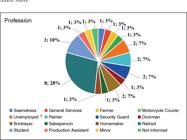
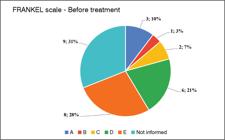
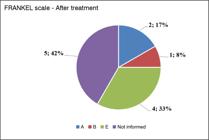
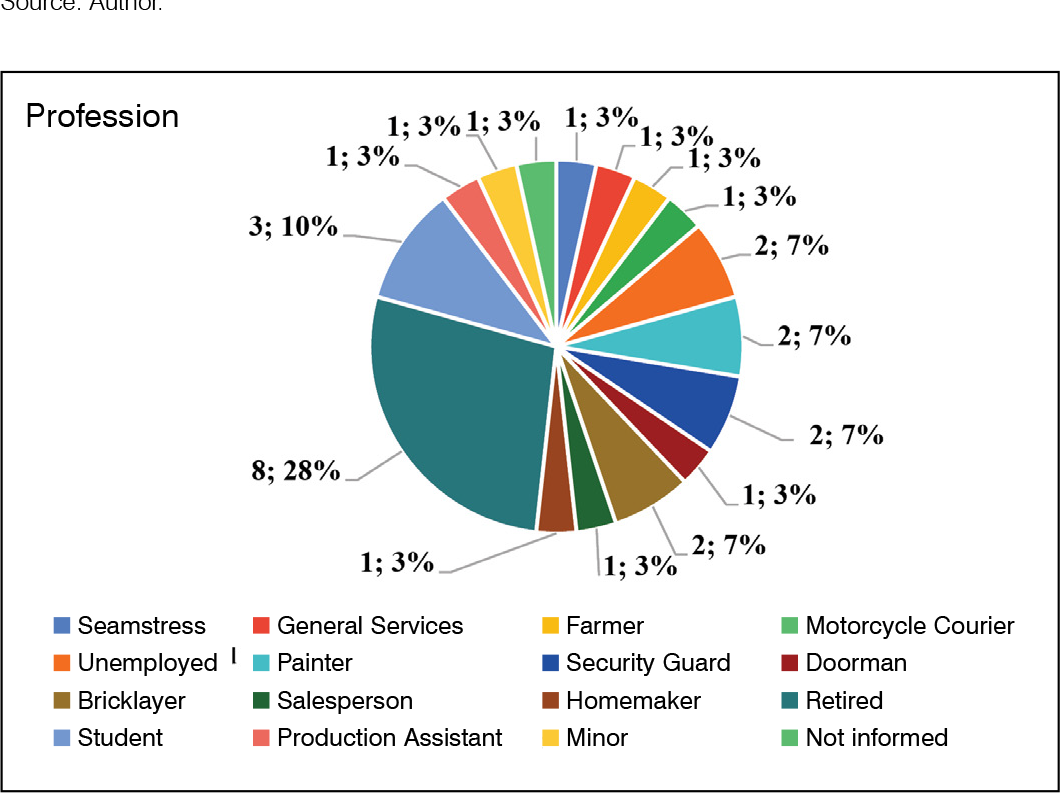
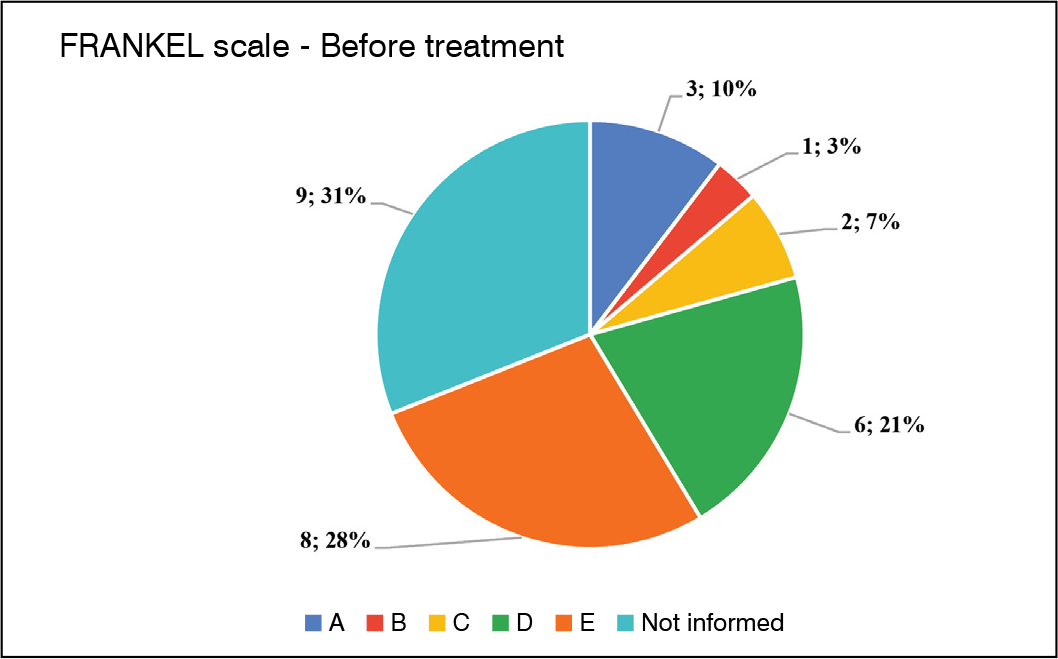
Results: The study evaluated 29 patients with spinal tuberculosis, with a mean age of 43.28±19.48 years, predominantly male (65.5%), over 50 years old (37.9%), of mixed ethnicity (58.6%), single (55.2%), with incomplete primary education (48.3%), and residing in the countryside of São Paulo (44.8%). Most were retired (28.0%) or students (10.0%). Regarding comorbidities, 34.6% had preexisting diseases, mainly infectious, metabolic/endocrine conditions, and substance use (13.8% each), while 24.1% were smokers. The thoracic segment was the most affected (48.3%), with moderate kyphosis (20° to 40°) in 34.5% of cases. Diagnosis was predominantly through surgical biopsy (44.8%), and clinical treatment was the most commonly adopted approach (55.2%). In the preoperative Frankel classification, 31.0% had no recorded information, while grades E (28.0%) and D (21.0%) were the most frequent. In the postoperative period (n = 13), 42.0% lacked classification records, with grade E (33.0%) being the most prevalent.
Conclusions: Spinal tuberculosis presents an epidemiological profile associated with specific socioeconomic and clinical factors, requiring early diagnosis and a multidisciplinary approach to optimize therapeutic and functional outcomes. Level of Evidence II; Retrospective Study.
Keywords:
Tuberculosis; Spinal; Diagnosis; Disease Management; Epidemiology.
 Thumbnail
 Thumbnail
 Thumbnail
 Source: Author.
 Source: Author.
 Source: Author.