
 Use of mindfulness in the treatment of tinnitus: consensus based on the opinion of Brazilian experts
Purpose To develop a consensus among otolaryngologists, speech-language-hearing pathologists, and physical therapists regarding the criteria for recommending and using mindfulness in the treatment of tinnitus.
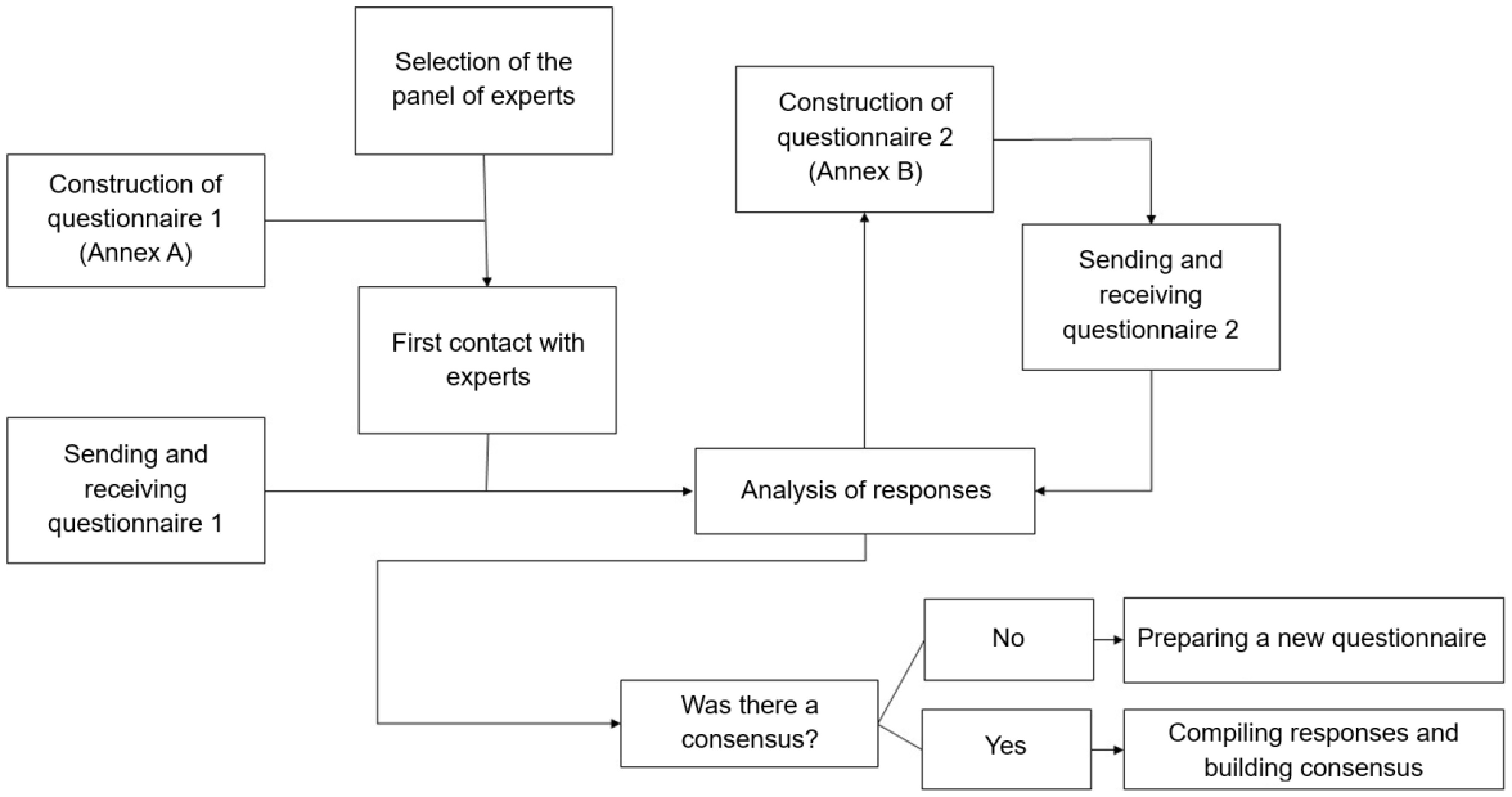
Methods Observational, descriptive, quantitative, cross-sectional study conducted online. The convenience sample initially consisted of 23 specialists. The Delphi method was applied in two stages, providing feedback with anonymous responses. The first stage consisted of objective and subjective questions. The second stage involved 10 participants, who evaluated 34 statements derived from the initial stage. The specialists analyzed each item and demonstrated their agreement on a 5-point Likert scale. The content validity coefficient (CVC) was used to investigate the degree of interrater agreement and select the final items.
Results There was consensus on 25 of the 34 items (CVC ≥ 0.70). The specialists consider mindfulness to be a therapeutic resource for tinnitus, but not as monotherapy. There was consensus on recommending application once a week, for at least 30 minutes, with daily home practice. Follow-up therapy after 8 weeks can be done using scales such as the Tinnitus Handicap Inventory and the Visual Analogue Scale.
Conclusion There is consensus on the combined (not alone) use of mindfulness in the treatment of tinnitus with a weekly protocol (8 weeks), lasting 30 minutes per session, monitored using the THI and VAS. These recommendations should be explored in clinical trials, investigating the short- and long-term effects to provide scientific evidence and standardize clinical protocols.
Keywords:
Tinnitus; Mindfulness; Delphi Technique; Consensus; Complementary Therapies
 Thumbnail
 Thumbnail
 Caption: Mcvci = Mean of the content validity coefficients of the questionnaire items; Mpei = mean of the errors of the questionnaire items
 Source: Honorato (2025)