 Sleep quality and risk of oropharyngeal dysphagia in older people in intensive care units
Purpose To associate the risk of oropharyngeal dysphagia with poor sleep quality in older adults in intensive care units.
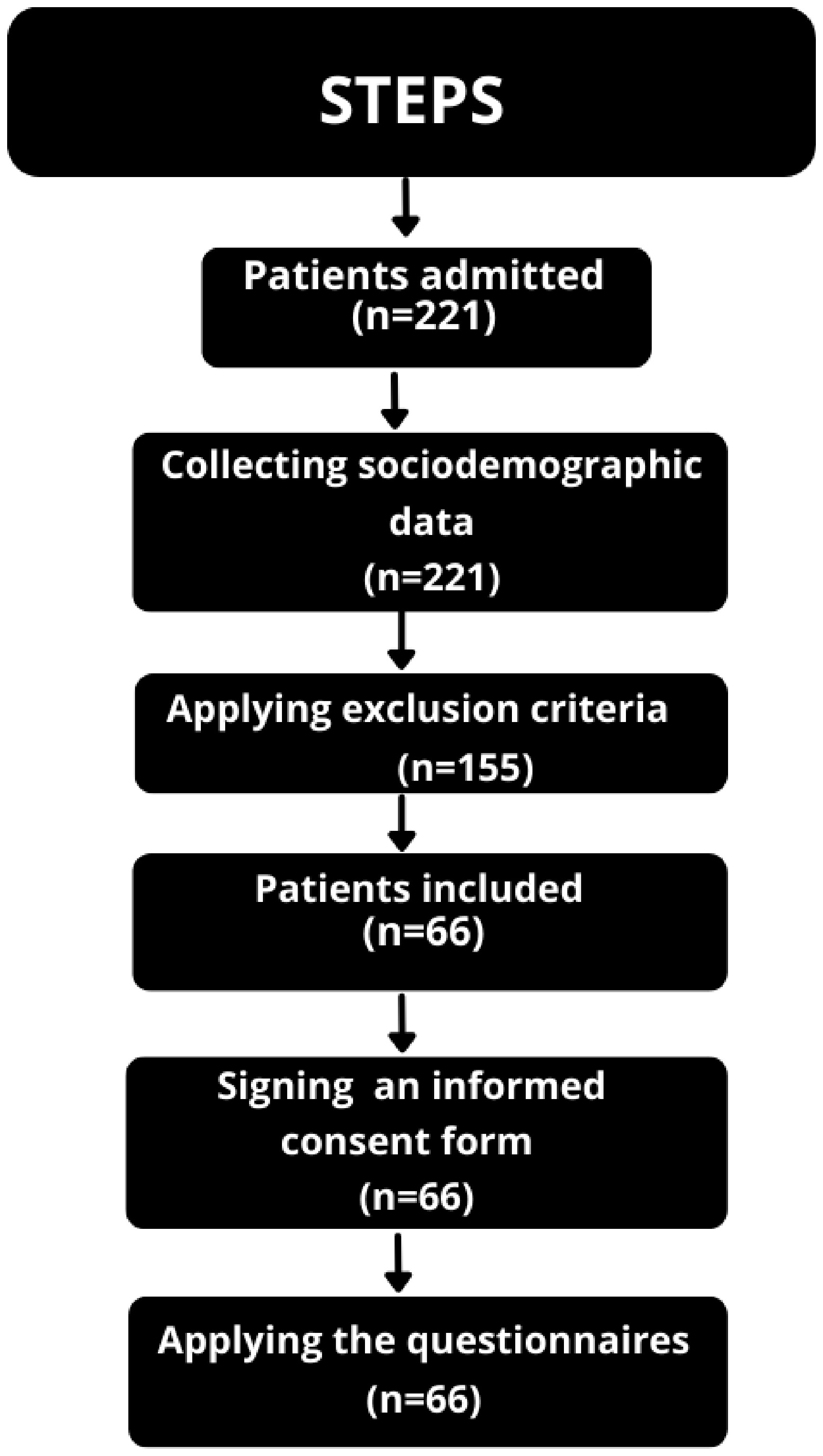
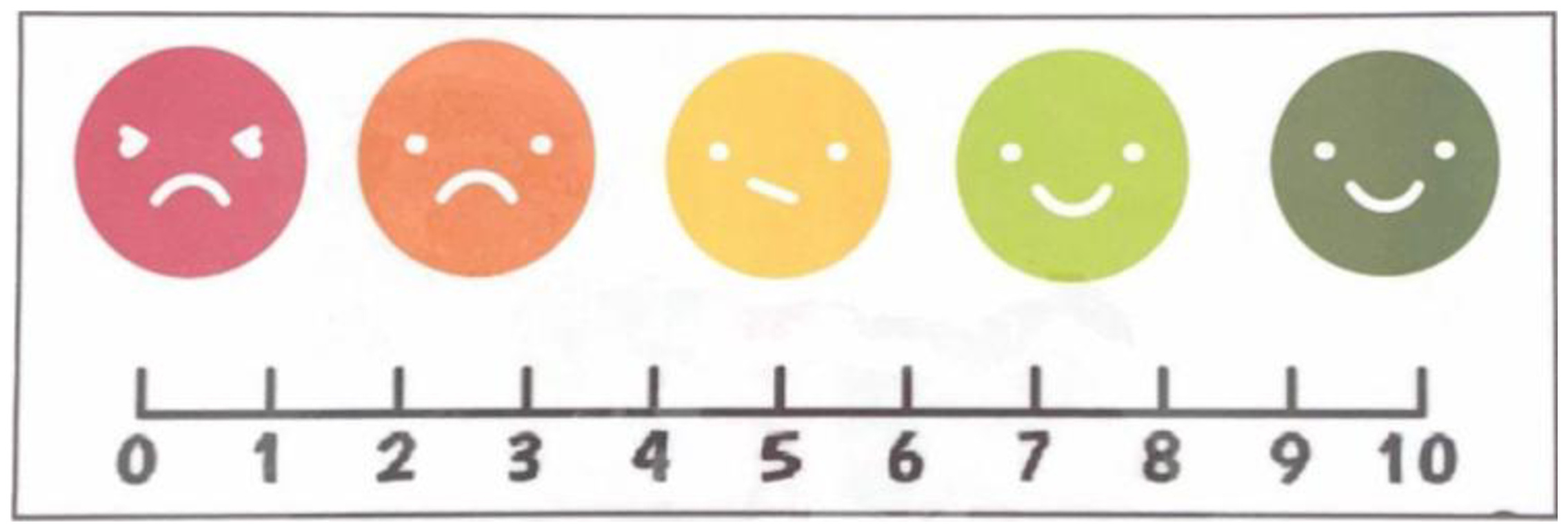
Methods Analytical, observational, cross-sectional study carried out in intensive care units with purposive sampling. A screening form was completed daily for patients admitted during the research period, totaling 221 participants. The inclusion criteria were older individuals (> 60 years old) with preserved cognitive status, communication skills, and physical and emotional stability; based on these criteria, the sample comprised 66 participants. The study used the Richards-Campbell Sleep Questionnaire to assess sleep quality, item 4 of the Sleep in ICU Questionnaire to assess daytime sleepiness, and the Oropharyngeal Dysphagia Screening in Hospitalized Older Adults to assess the risk of dysphagia.
Results There was a predominance of females (65.2%) and of the age group of 60-70 years (66.7%). Of these, 30.3% were hospitalized due to respiratory problems. Most of the sample (62.1%) reported good sleep quality, while 37.9% had poor sleep. Sleep depth and time to sleep lowest scores, reflecting increased sleep latency and reduced sleep depth. Also, 16.7% scored at risk for oropharyngeal dysphagia during hospitalization, with choking (24.2%) and respiratory incoordination (22.7%) being the most prevalent risk signs in the study population. The risk of oropharyngeal dysphagia was not significantly associated with poor sleep quality (p > 0.05).
Conclusion Sleep quality was not associated with the risk of dysphagia in older adults admitted to intensive care units.
Keywords:
Deglutition Disorders; Intensive Care Units; Sleepiness; Sleep Quality; Aged
 Thumbnail
 Thumbnail