FOX, MD; BUCKNER, RL et al
(2014)
|
PNAS PLUS
DOI:
10.1073/pnas.1405003111 |
A. CONCEPTUAL OR THEORETICAL
Invasive and Noninvasive Brain Stimulation in Psychiatric and Neurological Disorders
|
Identify diseases treated with invasive and non-invasive stimulation, list the stimulation sites considered most effective in each disease using resting-state functional connectivity MRI. |
- The literature search revealed 14 different psychiatric or neurological diseases with published reports of efficacy for both invasive brain stimulation and non-invasive brain stimulation.
- Correlations between DBS regions and all other brain voxels were computed and related to sites with evidence of efficacy as targets for non-invasive brain stimulation (TMS or tDCS). |
- Diseases and stimulation areas:
Alzheimer's disease - DBS (fornix), TMS or tDCS (bilateral DLPFC + parietal/temporal),
Depression - DBS (subgenual, VC/VS, NA, MFB, habenula), TMS or tDCS (e-DLPFC, d-DLPFC),
Epilepsy - DBS (thalamus (AN, CM), MTL), TMS or tDCS (EEG active focus, cerebellum),
Pain - DBS (PAG, thalamus (VPL/VPM)), TMS or tDCS (M1),
Parkinson's disease - DBS (STN, GPi), TMS or tDCS (M1, SMA),
and others. |
This work supports a network perspective for understanding and treating neuropsychiatric diseases, highlighting the therapeutic potential of the brain as a target for network modulation. |
MITERKO, LN ; BAKER, KB et al (2019)
|
The Cerebellum
DOI: 10.1007/s12311-019-01041-5 |
Consensus Article: Experimental Neurostimulation of the Cerebellum |
Report the most advanced techniques for manipulating cerebellar circuits in humans and animal models and define the main obstacles and issues for moving forward. |
-Recent paradigms of animal and human stimulation that utilized the cerebellum were presented, identifying key successes and failures, which are essential for improvements in human therapy.
Important obstacles were outlined and possible ways to overcome them were suggested.
|
- Recently described anatomical connections between the cerebellum and basal ganglia expand the potential applications of cerebellar tDCS in dystonias and other disorders.
- Cerebellar tDCS modifies cerebellar cortex excitability with minor side effects.
- Cerebellar anodal tDCS improves the kinematics of handwriting and circle-drawing tasks in patients with writing dystonia and promotes the rehabilitation of speech and language deficits. |
- Anodal tDCS increased the ability to learn from mistakes, as well as form and retain motor memory. The cerebellum also has a broad influence and contributes significantly to non-motor domains, such as cognition.
- Positive results of anodal tDCS on verbal fluency and pain perception in healthy individuals and cognitive symptoms in Parkinson's patients.
|
|
|
|
|
|
|
|
MANTO,M, et al
(2022) |
The Cerebellum
DOI:
10.1007/s12311-021-01344-6
|
New Directions and Next Steps in the Non-Invasive Approach to Cerebellar Brain Stimulation in Health and Disease
|
To report advances made in the use of cerebellar NIBS and reach consensus on future steps to move forward.
|
- Use of TMS to explore cerebellar neurophysiology; current knowledge on cerebello- cerebellar tDCS; the role of animal models in cerebellar applications of NIBS; clinical application of cerebellar NIBS (motor learning, stroke recovery, speech and language functions, neuropsychiatric and movement disorders, and pain syndromes).
|
- Functional neuroimaging has shown a cerebellar role in verbal fluency in neurostimulation research. Anodal cerebellar tDCS (right posterolateral cerebellum) improved phonemic fluency. Lin et al. - Nineteen patients with SCA underwent neuronavigated cTBS (right cerebellum vs. sham stimulation) producing sustained vowels while perceiving the pitch change in their voice. Compared to sham, cerebellar cTBS led to smaller magnitudes of vocal compensations for pitch disturbances, demonstrating that cerebellar NIBS can modulate abnormal auditory-vocal integration in SCA. |
Non-invasive cerebellar stimulation represents a promising tool for therapeutic purposes, both in motor, cognitive, and psychiatric pathological conditions.
Targeting tDCS to the cerebellum to indirectly affect cortical and subcortical activity may be effective in alleviating symptoms of various pathologies, as well as improving cognitive functions or motor learning in healthy individuals.
|
MONTEMURRO,NALIAGA,N et al
(2022) |
International Journal of
Environmental Research and Public Health
DOI:
10.3390/ijerph19148799 |
New targets and new technologies in the treatment of Parkinson's disease |
The aim of this narrative review is to show new targets in DBS surgery, as well as new technologies that are under study and have shown promising results to date. |
Literature review of databases for an overview of new therapeutic targets for PD, as well as their limitations. Review research that will become effective and routine treatments for PD in the near future. |
- Non-invasive modulation of spontaneous neuronal activity with electric current (1–2 mA) by two or more electrodes on the scalp for the regulation of neuronal membrane potentials, changes in neurotransmitters, glia and microvessels.
- Provides neuronal plasticity by generating long-term synapses (BDNF)
- (tDCS) affects the motor symptoms of the disease, with the most prominent results being related to rehabilitation. |
Progress in device development is reflected in increasingly personalized treatments and the targeting of new targets.
These new devices offer the advantage of being lower cost and minimally invasive or non-invasive.
|
SALUJA, A; GOYAL,V; DHAMIJA, RK
(2022) |
Indian Academy of Neurology - Neuro‑Rehabilitation Supplement
DOI:
10.4103/aian.aian_164_22 |
Multimodal rehabilitation therapy in Parkinson's disease and related disorders |
To evaluate and summarize current evidence on rehabilitation strategies in PD and atypical parkinsonian syndromes. Highlight evidence and advances in the rehabilitation of patients with parkinsonism. |
-A literature search was conducted in MEDLINE (PubMed) and Cochrane. Relevant results from the full text and abstracts of the studies were reviewed.
Randomized clinical trials (RCTs), trial protocols,
consensus guidelines, cohort studies, systematic reviews,
meta-analyses, review articles, pilot studies, case reports, observational
studies, and pre-post studies. |
- Speech and Language Rehabilitation in PD - 89% of PD patients may develop speech and voice disorders (reduced volume, monotonous voice, and breathy quality), articulation (imprecise consonants and vowel centralization), and frequency (increased, decreased, and variable).
Speech-language therapy improved sound pressure levels during sustained phonation, reduced Voice Handicap Index scores, and improved reading of the Rainbow Passage and monologue. |
Incorporating rehabilitation strategies, particularly early in the disease course, can improve motor and non-motor symptoms, along with the Quality of Life of patients with PD.
|
WEISMER, G et al
(2023) |
Brain Sciences
DOI:
10.3390/brainsci13050768
|
Nonverbal oromotor performance and speech motor control: theory and review of empirical evidence |
Outline general issues related to non-speech oromotor tasks and their relationship to speech production |
- Twelve studies were found on the relationships between nonverbal oromotor performance and speech production measures in healthy individuals (3 with positive results; 2 with mixed results; 7 with negative results).
- 19 studies on the relationships between nonverbal oromotor performance and speech production measures in neurologically based speech disorders (3 with positive results, 5 with mixed results, and 11 with negative results).
|
Transcranial direct current stimulation (tDCS) was applied to jaw movements associated with speech, maximum syllable repetition, and chewing. The relationship between nonverbal oromotor performance and speech production measures was negative. The results showed that the effects of tDCS are task-dependent. |
To advance the research and clinical disciplines of speech motor control, the study of speech production and its goal of providing listeners with linguistically relevant, time-varying acoustic signals is necessary and (I believe) sufficient.
|
BAIG, FN
(2023) |
Brain Stimulation
DOI:10.1016/j.brs.2023.01.354 |
B. SYSTEMATIC REVIEW
RS: Update on the therapeutic efficacy of non-invasive brain stimulation for dysarthria recovery: a systemic review
|
To collect evidence of the usefulness of NIBS in the treatment of dysarthria through the systematic evaluation of original research articles. |
DATABASES: Google Scholar, Embase, Scopus, PubMed, Cochrane, and Web of Science.
KEYWORDS:
Dysarthria, tDCS, TMS, neurological disorder |
Fourteen of the 9.244 studies were included. Nine used TMS and five evaluated tDCS.
Adjunctive speech-language therapy (SLP) to NIBS was offered in six studies. Dysarthria resulted from cerebral palsy, stroke, PD, cerebellar ataxia, traumatic brain injury, and supranuclear palsy. 83% of the studies found positive effects of NIBS.
The significant post-treatment difference between the sham and treatment groups was associated only with the sequential movement rate (Hedges' g = 0.79, 95% CI [0.075, 1.50] P = 0.03), favoring tDCS. |
Most studies that have identified the benefits of SBNI have not provided evidence for complete recovery from dysarthria.
Large-scale clinical investigations are needed to evaluate the effectiveness of SBNI in treating dysarthria.
|
BALZANA, P et al
(2022)
|
Annals of Physical and Rehabilitation Medicine
DOI: 10.1016/j.rehab.2021.101580 |
RS: Non-invasive brain stimulation for the treatment of neurogenic dysarthria. |
To examine the evidence base for non-invasive central and peripheral stimulation to improve speech-related functions in people with dysarthria and determine the effects of an intervention. |
DATABASES:
MEDLINE PsychINFO EMBASE CINAHL Linguistics and Language Behavioral Abstracts Web of Science The Cochrane Register of Controlled Trials and 2 trial registries were completed.
KEYWORDS:
Brain and electrical stimulation, Dysarthria, and
Research design.
|
A total of 6,186 studies were identified; 10 studies (6 randomized controlled trials and 4 crossover studies) met the inclusion criteria.
The 10 studies (268 adults with Parkinson's disease, stroke, and neurodegenerative cerebellar ataxia) focused on NIBS (6 TMS; 3 tDCS; and 1 tACS).
Most trials reported one or more positive effects of stimulation on dysarthria-related features.
All 3 studies provided anodal stimulation over the cerebellum or M1, with a current intensity of 2 mA. tDCS was administered for 20 (n=2) or 30 (n=1) min. In all trials, stimulation was administered 5 times per week for a total of 10 sessions. |
The evidence for the use of noninvasive brain stimulation in the treatment of dysarthria remains inconclusive. Research trials that provide reliable and replicable results are needed. |

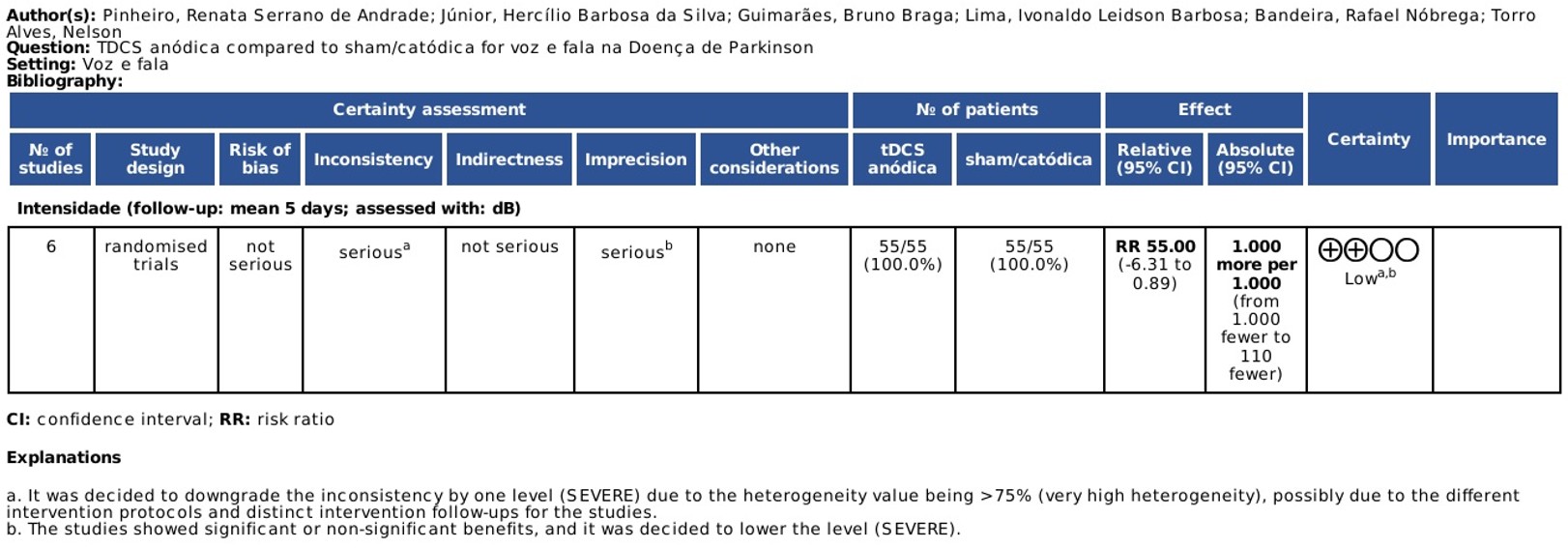
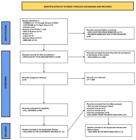
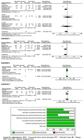
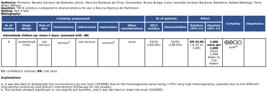
 Effects of Transcranial Direct Current Stimulation on Speech and Voice Changes in Parkinson's Disease: a Systematic Review with Meta-Analysis
 Thumbnail
 Thumbnail
 Thumbnail
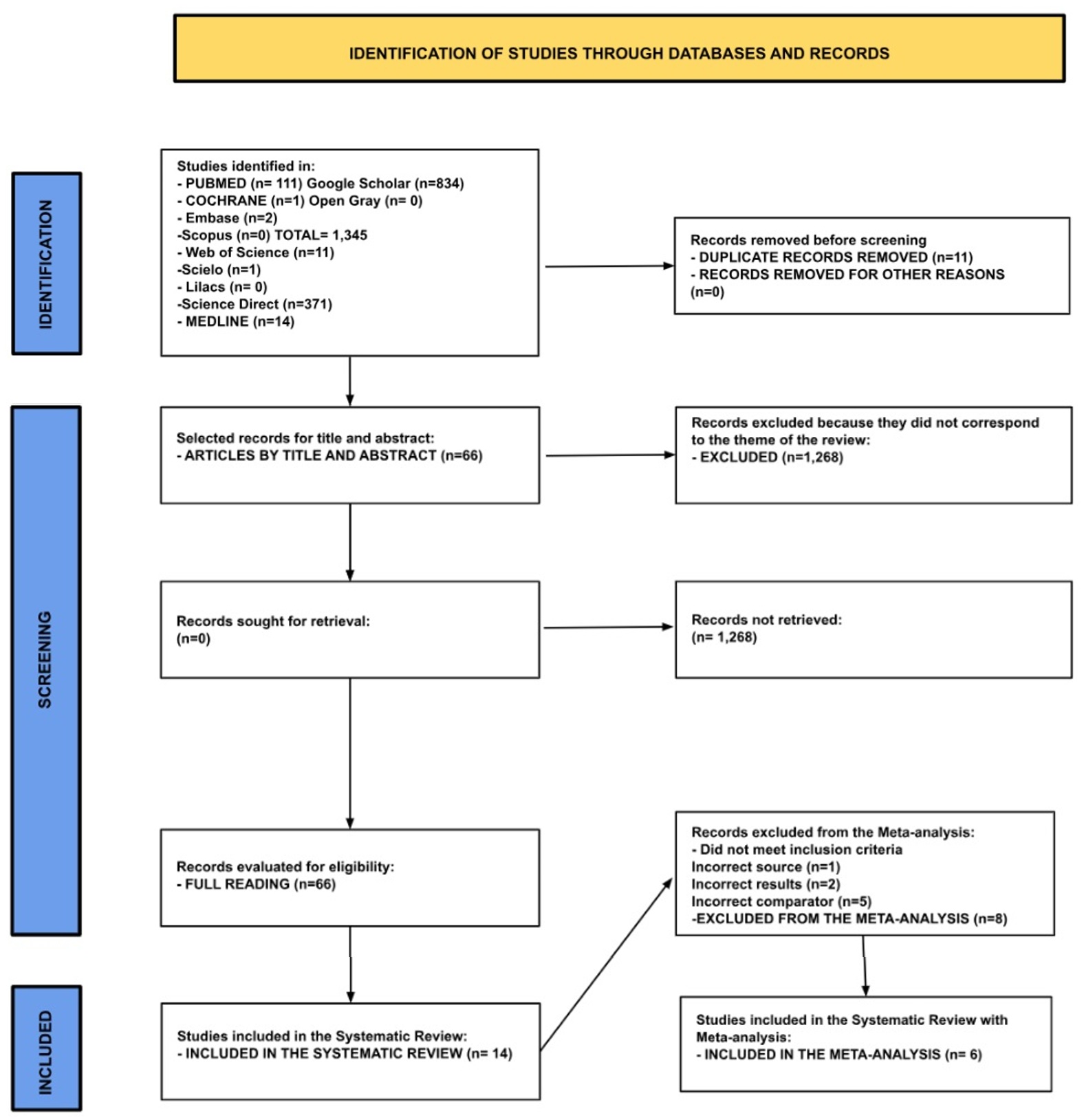
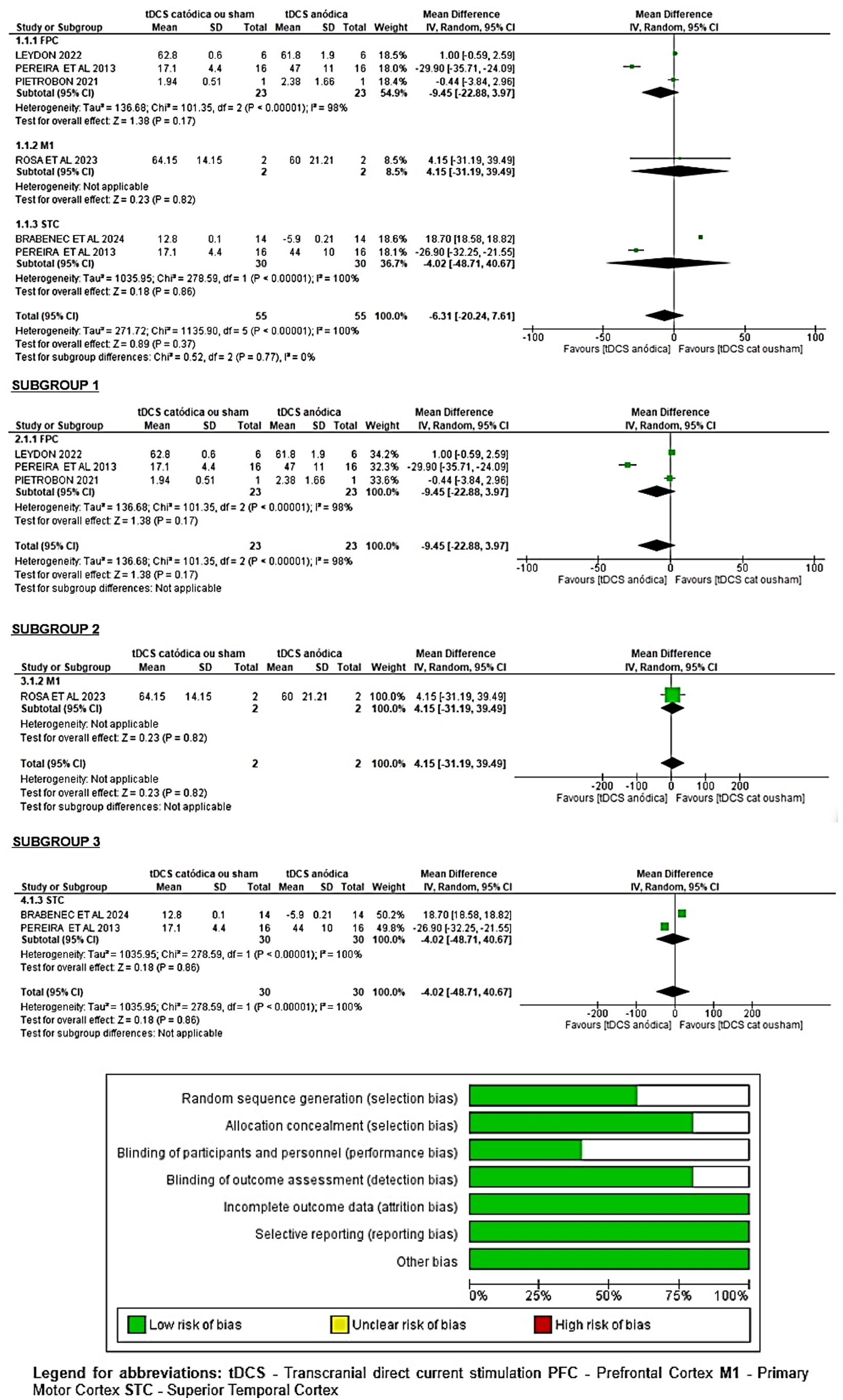 Caption: tDCS - Transcranial direct current stimulation PFC - Prefrontal Cortex M1 - Primary Motor Cortex STC - Superior Temporal Cortex.