 Effectiveness of a therapeutic program with chin tuck against resistance exercises compared to the chin-down maneuver in Parkinson's disease: a randomized controlled pilot trial
Purpose Investigate the effectiveness of a therapeutic program with chin tuck against resistance (CTAR) exercises, compared to the chin-down (CD) maneuver, on signs suggestive of dysphagia, maximum isometric tongue pressure, and therapeutic efficacy in individuals with Parkinson’s disease (PD).
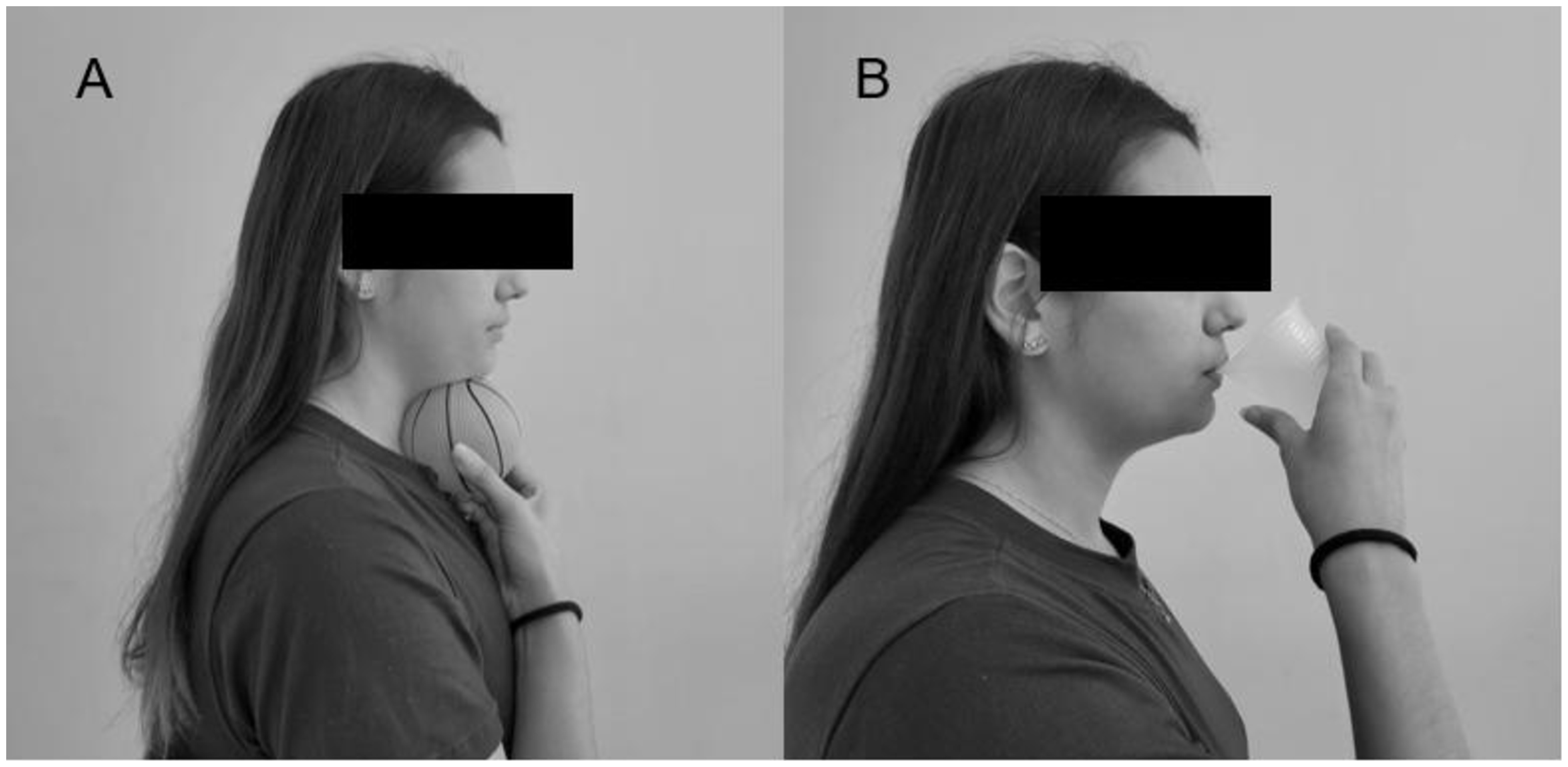
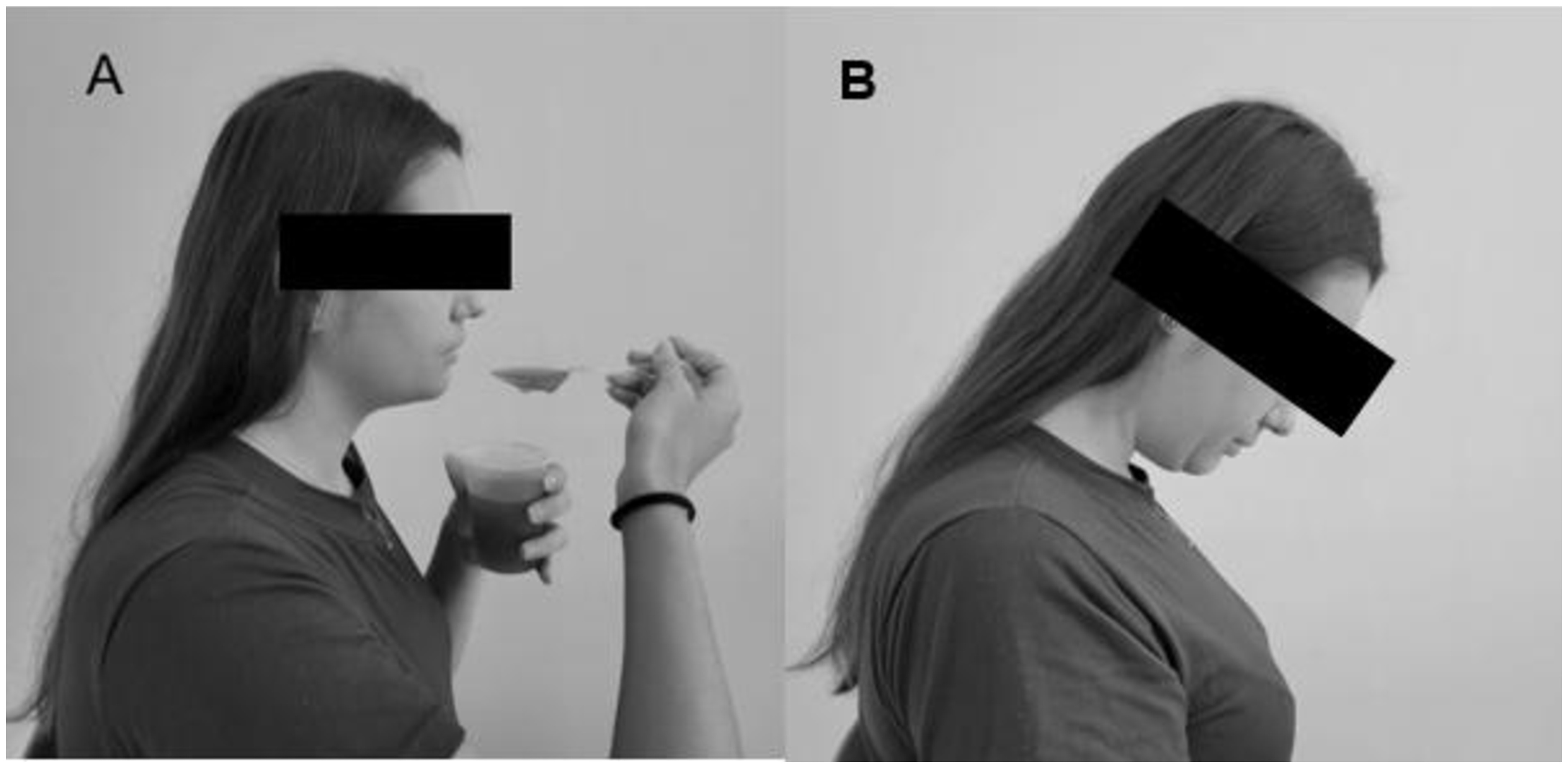
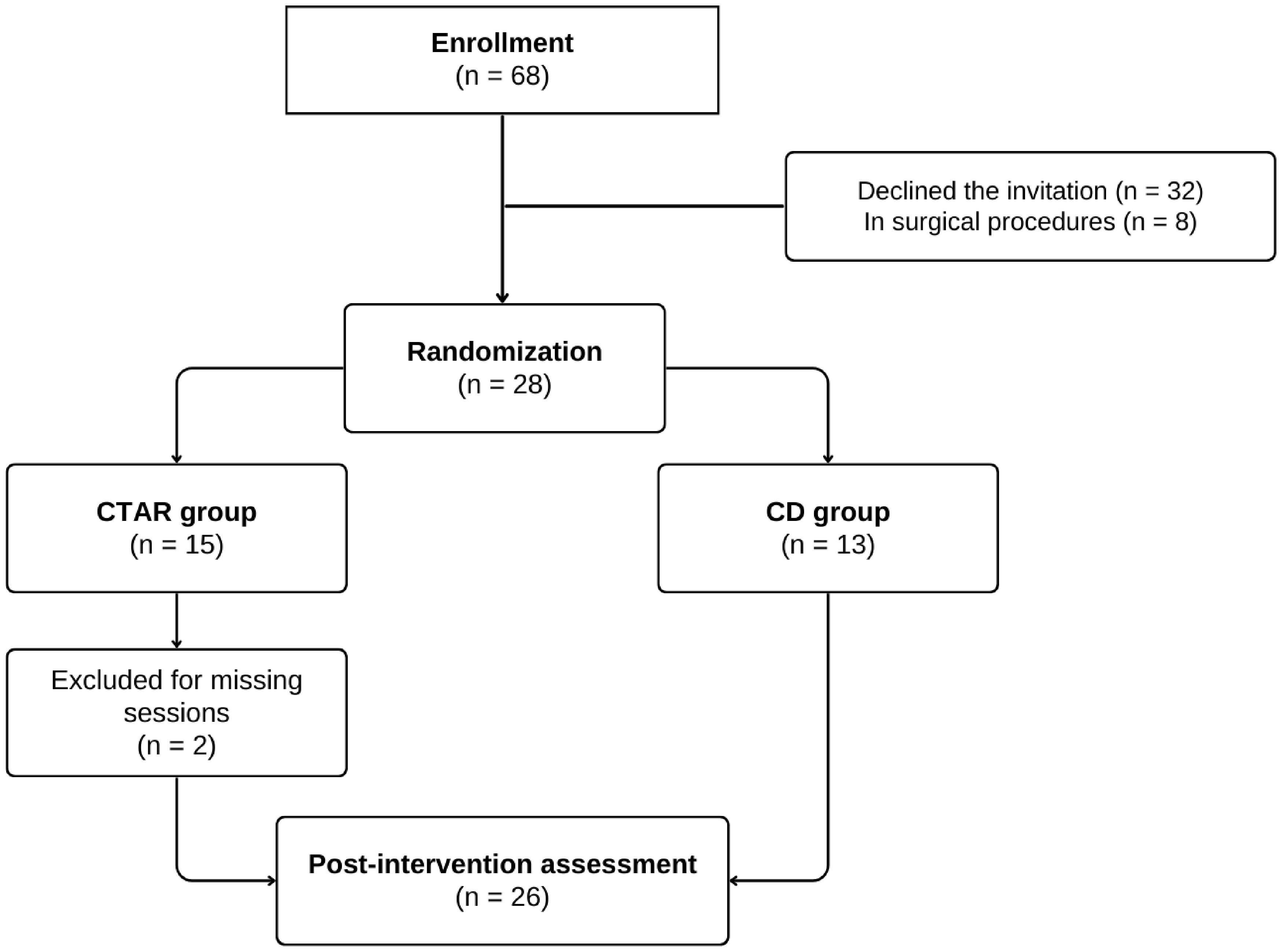
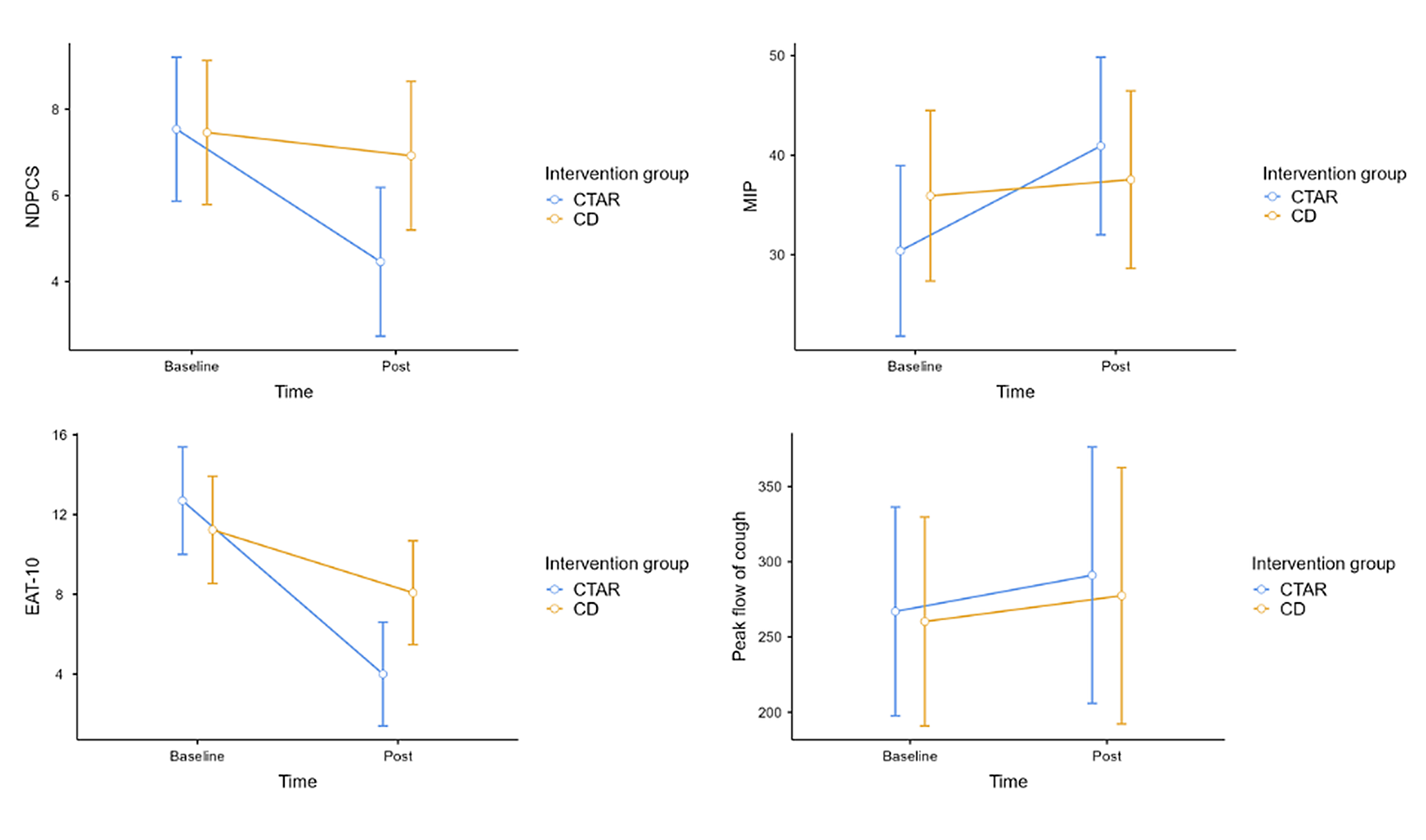
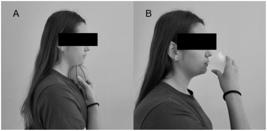
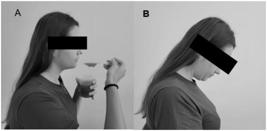
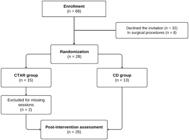
Methods 26 individuals with primary PD were randomly assigned to two intervention groups for four weeks (one session per week). Group A performed the CTAR exercises (n = 13), and Group B performed the CD postural maneuver with swallowing training with different food consistencies (n = 13). The outcomes assessed were signs suggestive of dysphagia using the Northwestern Dysphagia Patient Check Sheet (NDPCS), maximum isometric tongue pressure (MIP), the Eating Assessment Tool (EAT-10) to monitor therapeutic efficacy, and peak cough flow, before and after the intervention period.
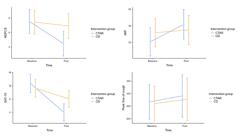
Results The CTAR group showed a significant improvement in items related to the NDPCS, MIP, and EAT-10 compared to the CD group (p < 0.05). There was no significant difference in peak cough flow in either group.
Conclusion PD patients who underwent an intervention program with CTAR exercises showed an improvement in signs suggestive of dysphagia and an increase in maximum isometric tongue pressure, compared to those who underwent the therapeutic program with the CD postural maneuver.
Keywords:
Deglutition Disorders; Deglutition; Parkinson's Disease; Exercise; Swallowing Rehabilitation
 Thumbnail
 Thumbnail
 Thumbnail
 Thumbnail