
 Immediate effects of photobiomodulation on maximum tongue pressure: a randomized clinical study
Purpose To verify the immediate effects of infrared laser photobiomodulation on maximum tongue pressure.
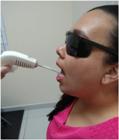
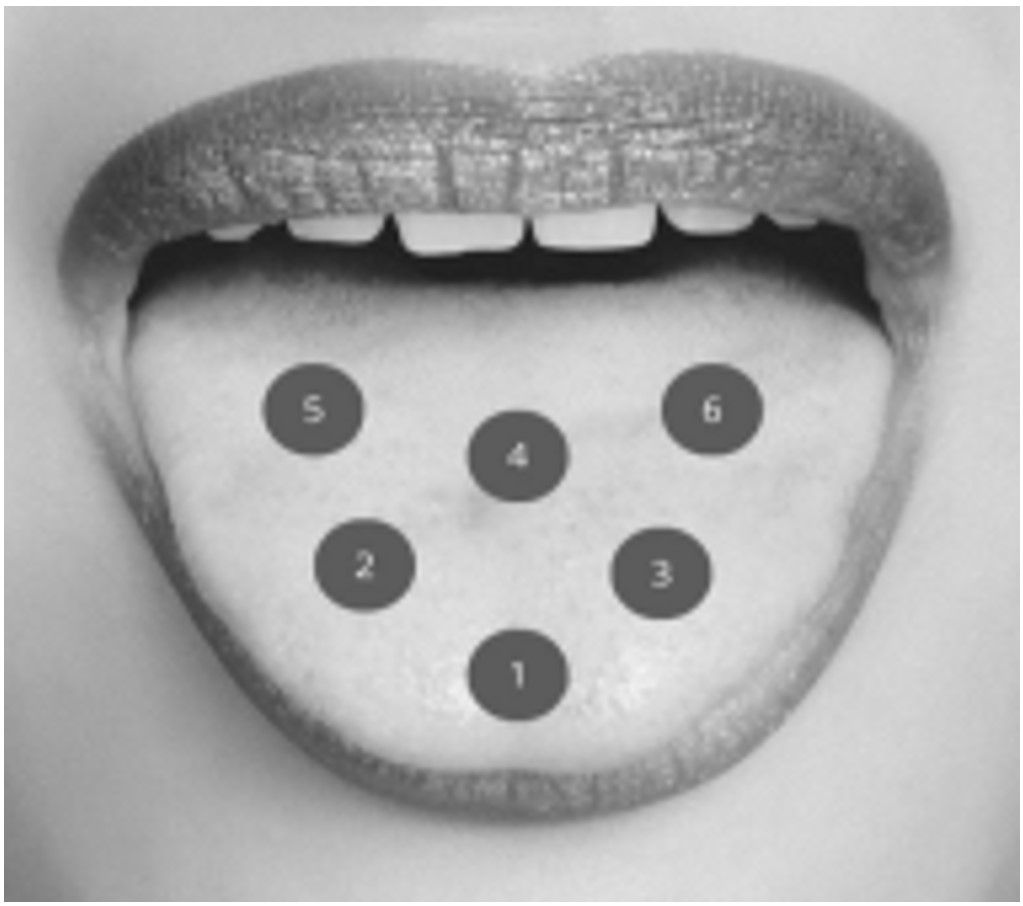
Methods This is a randomized clinical study with 72 healthy adults of both sexes, with a mean age of 24.6 years, standard deviation of 4.6, no craniofacial anomalies, no signs or symptoms of temporomandibular disorder, no contraindications to phototherapy, and who did not continuously use muscle relaxant or anti-inflammatory medications. Participants with lingual frenulum changes were excluded from the sample. Maximum tongue pressure was measured using the Iowa Oral Performance Instrument (IOPI) before and after irradiating low-level laser at a wavelength of 808 nm on three points on the anterior portion and three on the posterior portion of the tongue. Participants were randomly allocated into four groups of 18 individuals each: G4, irradiated with 4 J per point; G7, irradiated with 7 J per point; CG, which did not receive irradiation; and PG, subjected to the same procedures as G4 and G7, but without laser activation – i.e., without irradiation.
Results no statistically significant differences were found between the maximum anterior and posterior tongue pressures when comparing pre- and post-intervention values. Although without statistical significance, the mean values increased slightly in the groups that received irradiation and decreased in the non-irradiated groups.
Conclusion no differences were found between the maximum anterior and posterior tongue pressures when comparing the pre- and post-intervention pressure values.
Keywords:
Low-Level Light Therapy; Muscle Strength; Speech, Language and Hearing Sciences; Stomatognathic System; Tongue
 Thumbnail
 Thumbnail
 Source: Pexels(
 Source: Author’s files (2023)