
 Executive, behavioural and emotional functioning in Spanish children with dyslexia
Purpose Dyslexia is a specific learning disorder that affects reading and is associated with emotional and behavioral problems. Previous research indicates that children with dyslexia are at greater risk of developing anxiety, depression, and difficulties in executive functions, which affect their academic performance and well being.
Methods This study explored and compared behavioral, emotional, and executive functioning profiles in children with dyslexia and in neurotypical children in a sample of 120 children aged 8 to 10, divided into a dyslexia group and a control group. The BASC-3, SENA, and ENFEN were used for assessments, and data were analyzed using t-tests, Levene’s test, and mediation analyses.
Results Children with dyslexia showed significantly higher levels of aggressiveness, anxiety, depression, and attention problems. In addition, they exhibited difficulties in executive functions such as resistance to interference and verbal fluency, highlighting the impact of dyslexia in these areas.
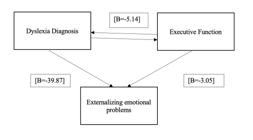
Conclusion Mediation analyses suggest that dyslexia is a potential indicator of difficulties in executive functioning and behavior, as well as influencing internalized and externalized emotional problems. These findings underscore the need to implement comprehensive educational and therapeutic strategies to address the needs of this vulnerable population.
Keywords:
Dyslexia; Executive Functions; Anxiety; Depression; Behavioral Disorder
 Thumbnail
 Thumbnail

