 Brugada pattern changes during tilt table test with high precordial leads. An exploratory data to better understand the dynamic profile
Introduction Brugada Syndrome (BrS) typically manifests with a dynamic type 1 Brugada pattern (Br1ECGp) that depends on the dominance of the sympathetic or parasympathetic nervous system. This pattern is more prominent during activities that stimulate the vagus nerve, such as sleeping and after meals. By conducting the tilt table test and adding high precordial leads to the standard protocol, it is possible to provoke sympathetic or parasympathetic responses, providing valuable information.
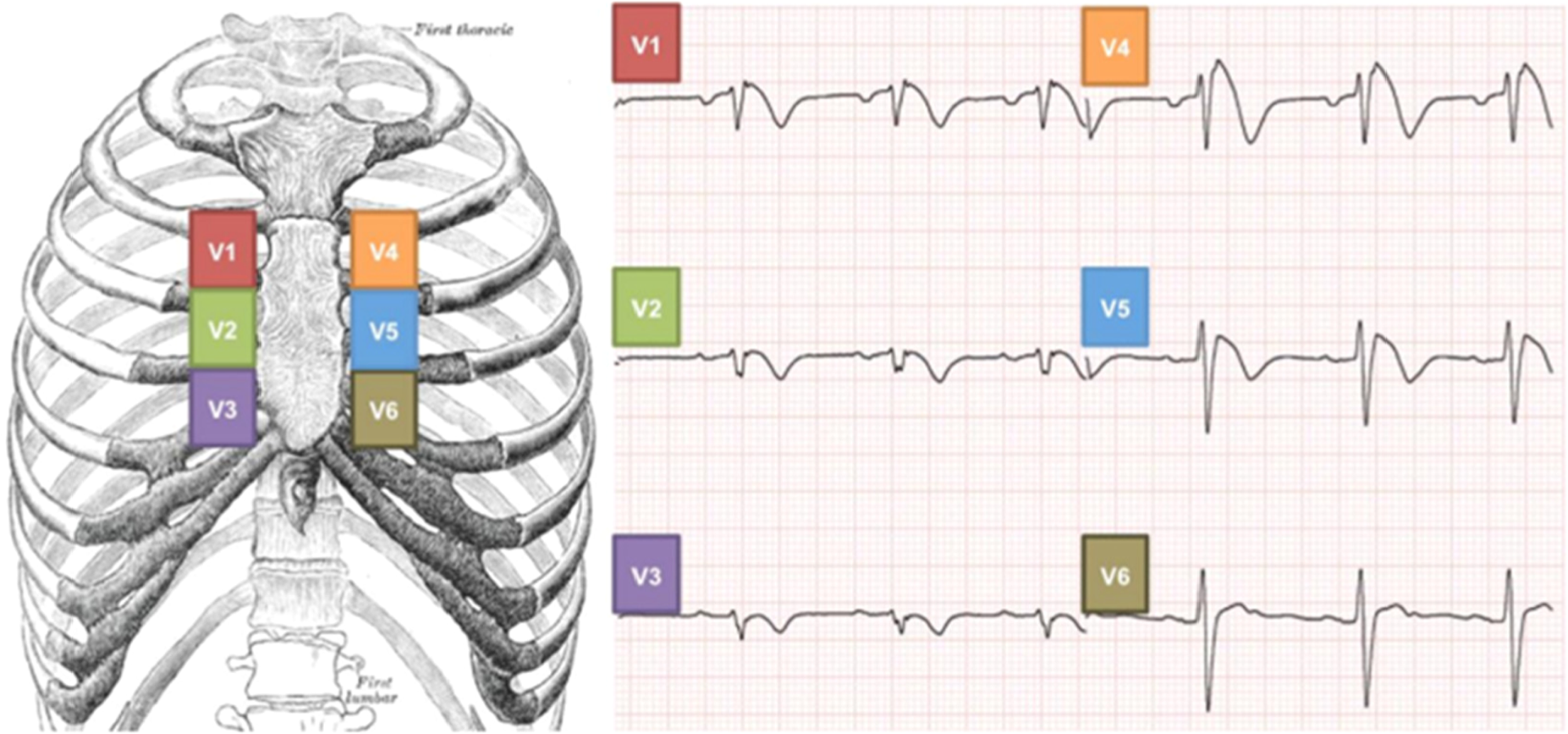
Materials and methods This was an observational, cross-sectional and hypothesis-generating pilot study. The tilt table test was performed with high precordial leads on three Brugada patients to assess the Br1ECGp during the test. The ECG features were continuously recorded to analyze variations during all phases of the test.
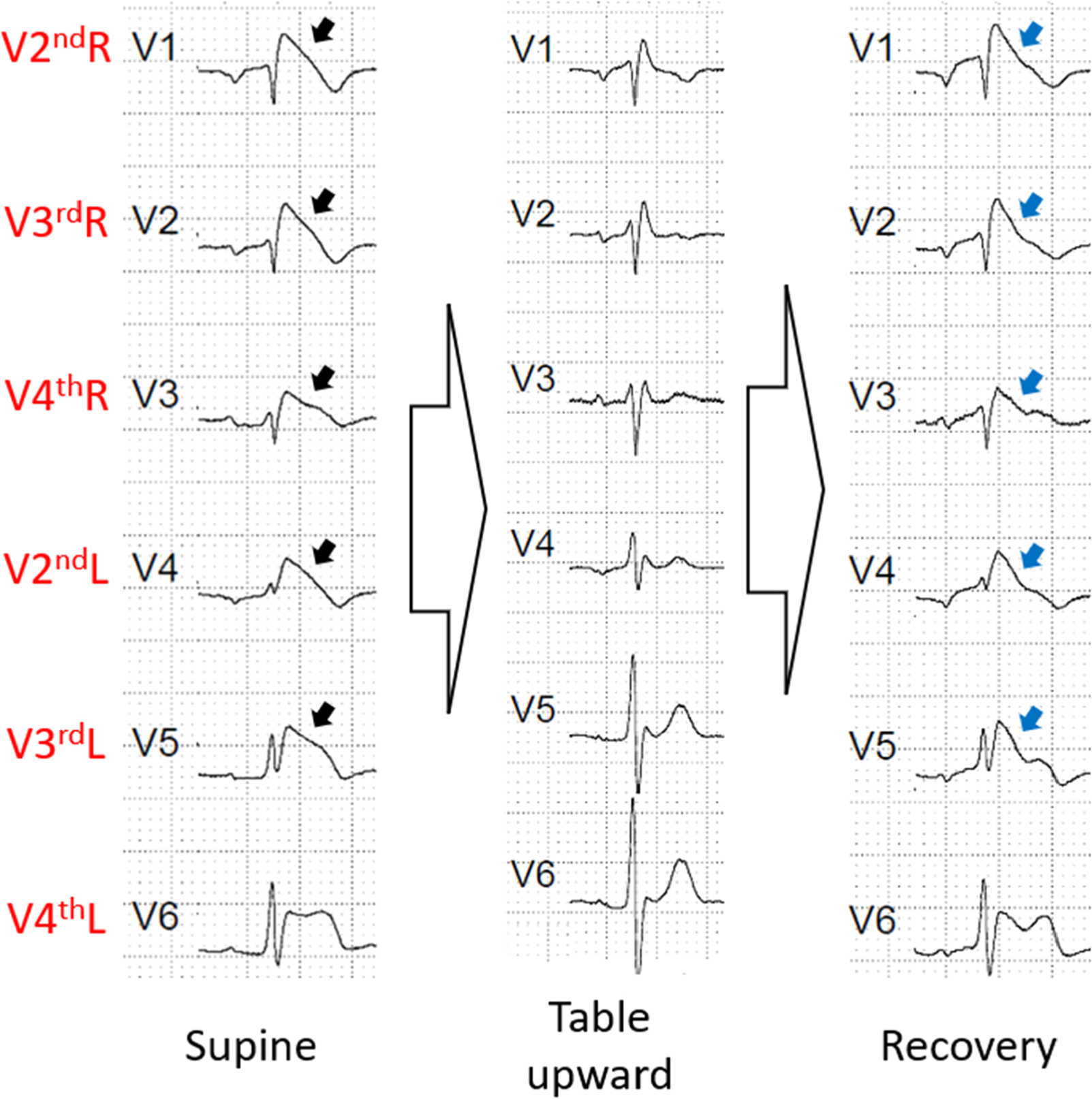
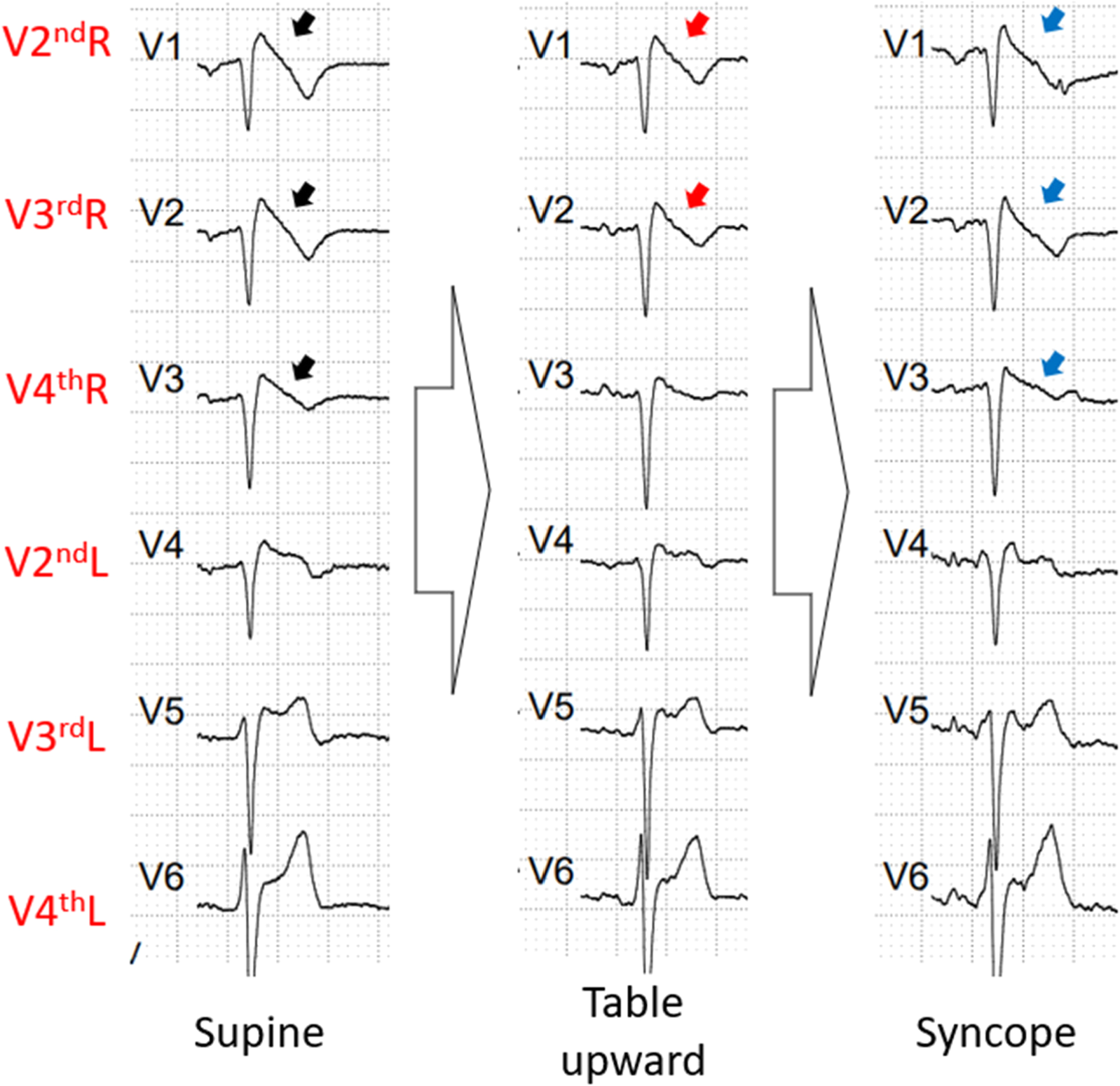
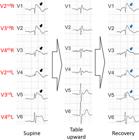
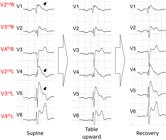
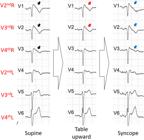
Results The first patient exhibited a significant Br1ECGp that disappeared during the upward phase of the tilt table test and reappeared during the recovery phase. The second patient had a Br1ECGp in three leads that persisted during both the upward and recovery phases of the tilt table test. The third patient displayed a Br1ECGp in three leads, which was maintained during the upward phase in two leads and recovered during the recovery phase. The third patient was the only one to experience cardioinhibitory syncope.
Conclusion This study provided insights into the dynamics of the Br1ECGp during the tilt table test when enhanced by high precordial leads. It reaffirmed that the Brugada ECG pattern is influenced by sympathetic or parasympathetic dominance.
Keywords
Brugada syndrome; ST-segment elevation; Autonomic nervous system; Tilt table test
 Thumbnail
 Thumbnail
 Thumbnail
 Thumbnail