 Causal effects of gut microbiome on aortic dissection: A mendelian randomization study
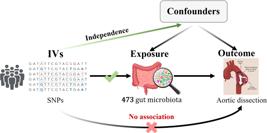
Introduction Aortic Dissection (AD) is a severe vascular disease with high mortality. While its progression is rapid, the development of AD is a chronic disease process. The gut microbiome may play a crucial role in this process. This study aims to explore the potential causal association between gut microbiome and AD using Mendelian Randomization (MR).
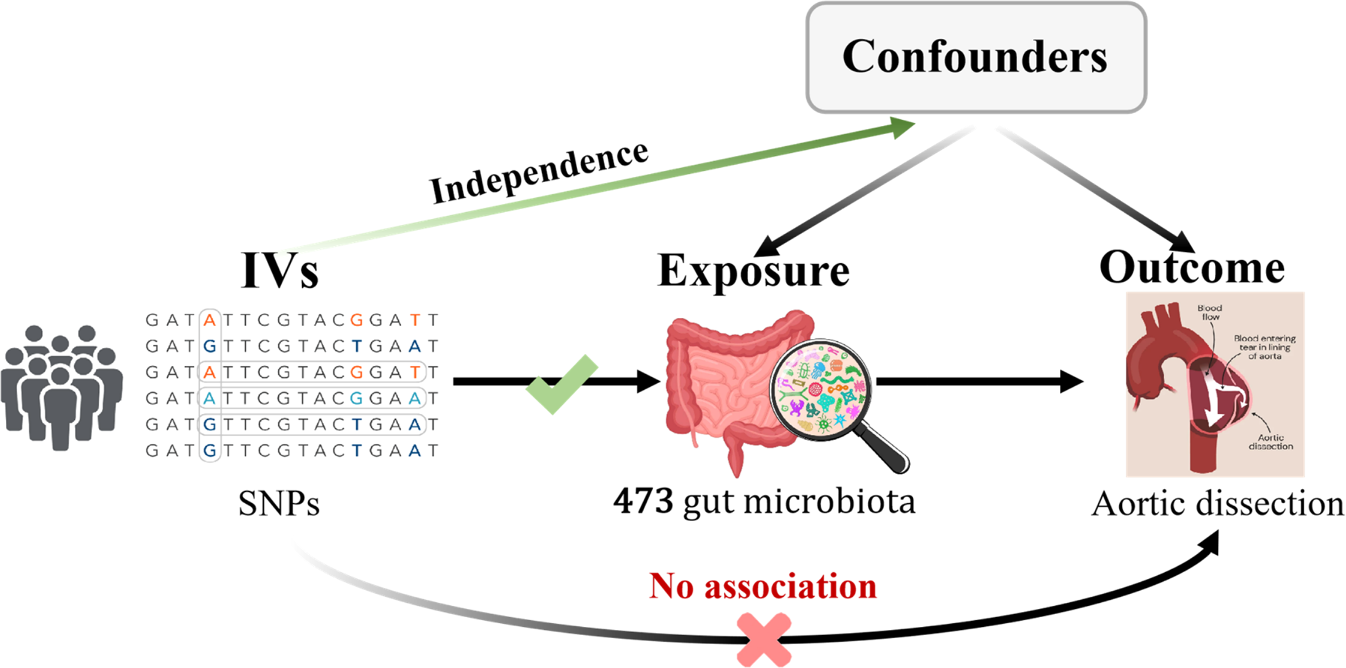
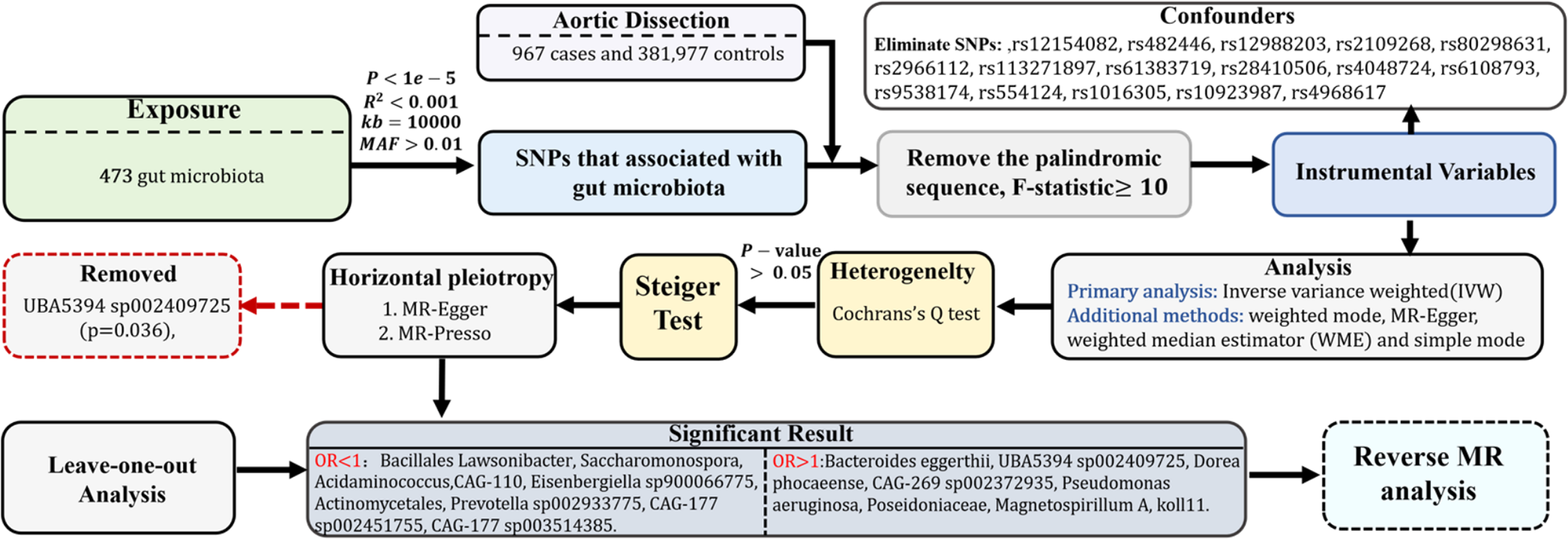
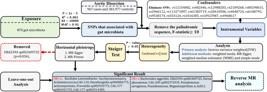
Methods This study employed a two-sample MR approach using Genome-Wide Association Study (GWAS) data from the Finnish population to investigate the causal association between gut microbiota and AD. Single Nucleotide Polymorphisms (SNPs) associated with 473 gut microbiota taxa were selected as instrumental variables, and various MR methods were applied to evaluate the causal effects. Sensitivity analyses were conducted to assess the robustness of the results, and a reverse MR analysis was performed to validate the directionality of the associations.
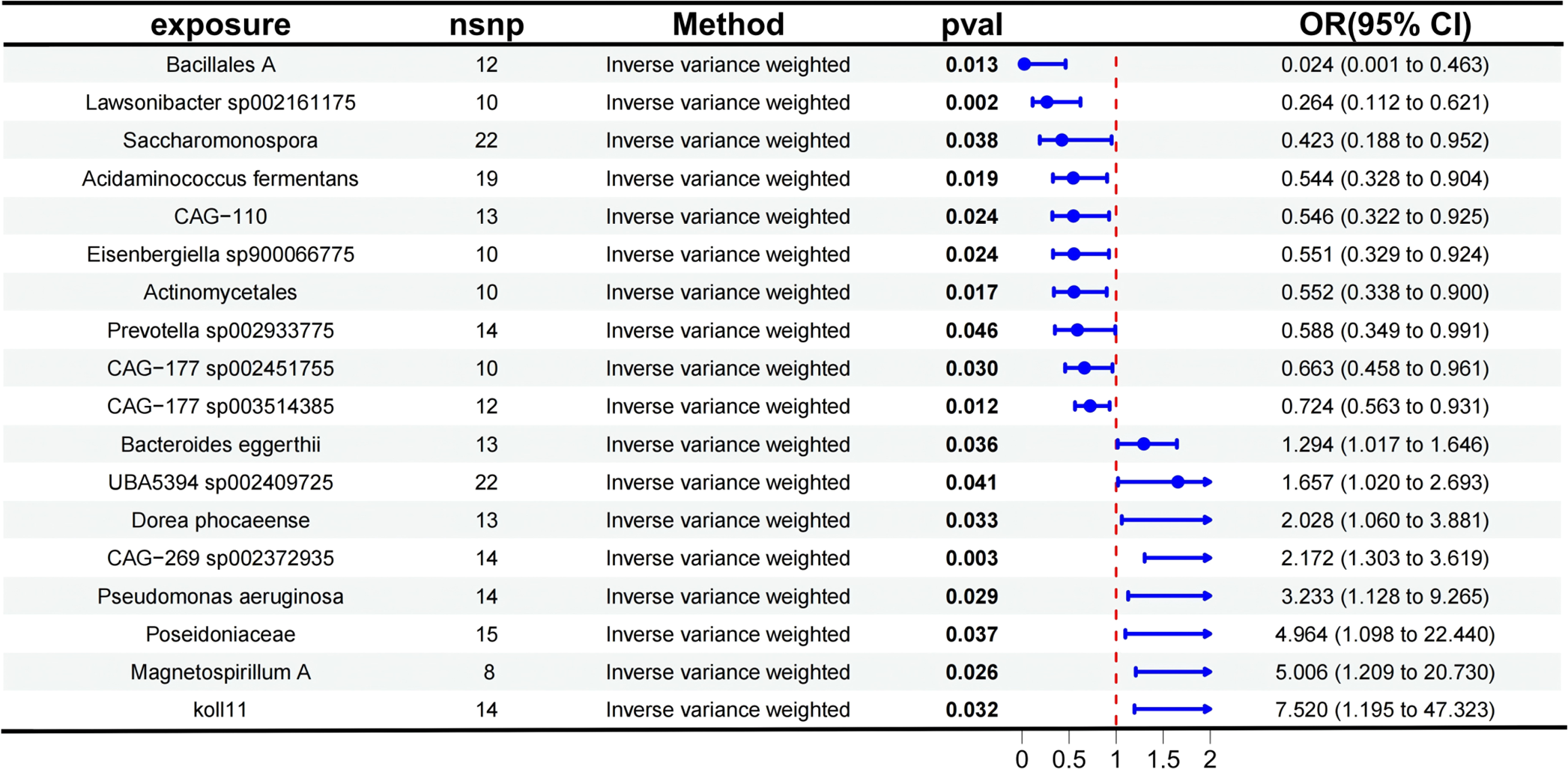
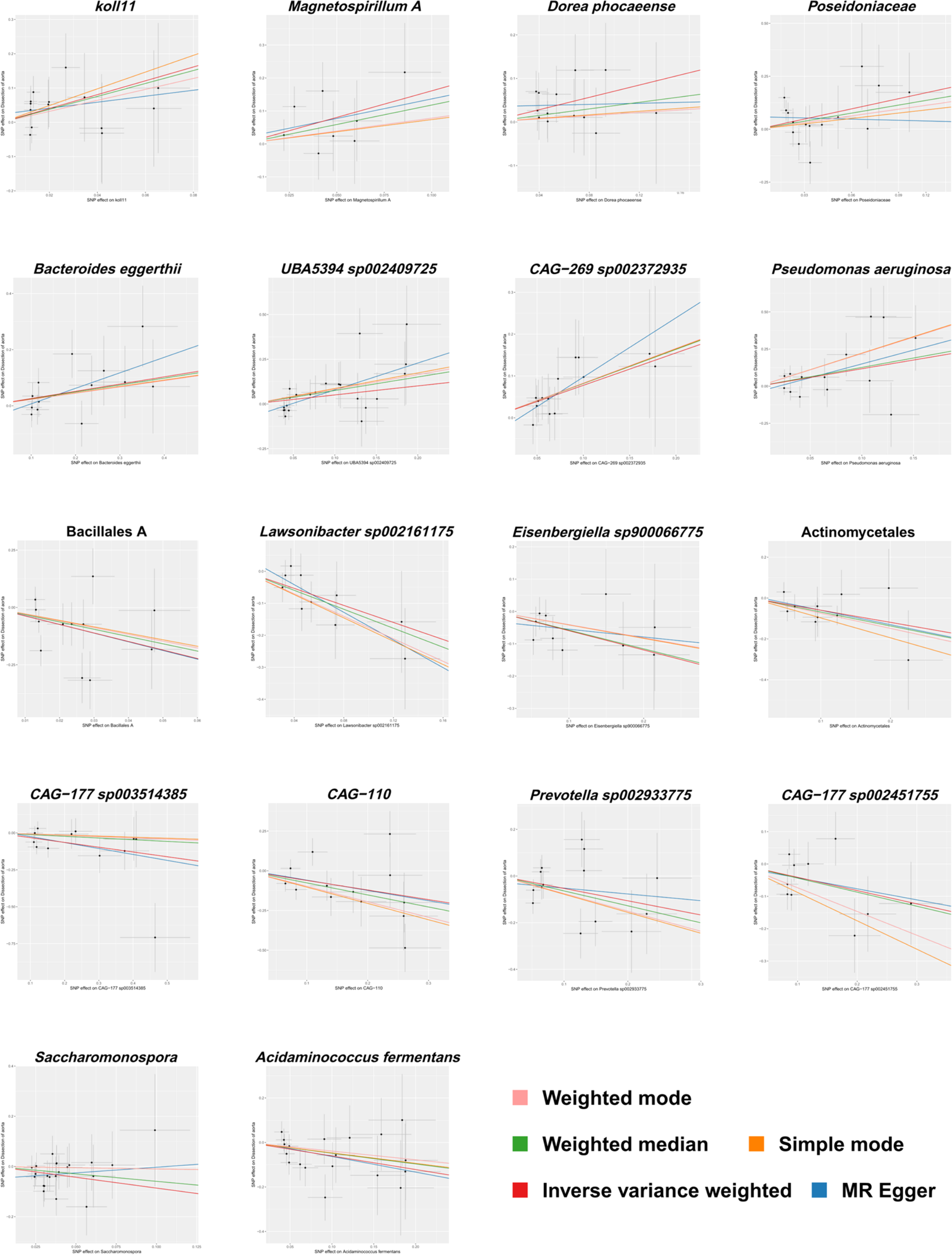
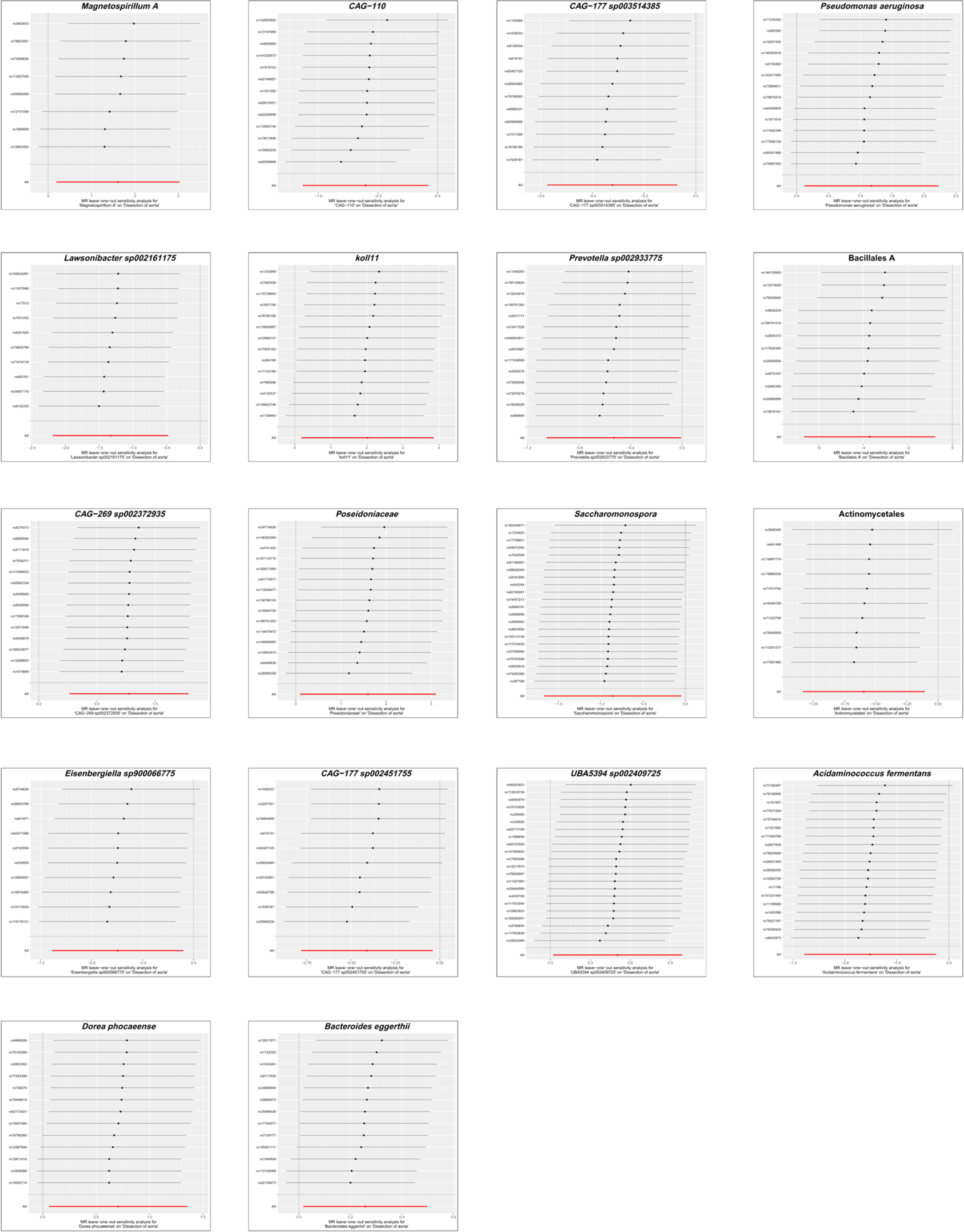
Results The MR analysis confirmed that Actinomycetales, Bacillales A, Lawsonibacter sp002161175, Prevotella sp002933775, Saccharomonospora, Acidaminococcus fermentans, CAG-110, CAG-177 sp002451755, CAG-177 sp003514385, and Eisenbergiella sp900066775 may exert protective effects, whereas koll11, Magnetospirillum A, Poseidoniaceae, Pseudomonas aeruginosa, Bacteroides eggerthii, CAG-269 sp002372935, and Dorea phocaeense may increase the risk of AD. Sensitivity analyses confirmed the robustness of these findings.
Conclusion This study provides new insights into the role of gut microbiome in AD, identifying specific taxa that may serve as protective or risk factors. Further research is needed to validate these findings in broader populations.
Keywords
Aortic dissection; Gut microbiome; Mendelian randomization; Causal Inference; FinnGen; Risk factors
 Thumbnail
 Thumbnail
 Thumbnail
 Thumbnail
 Thumbnail