 Genetic evaluation of longevity in Brown Swiss dairy cows using survival models with simulated data
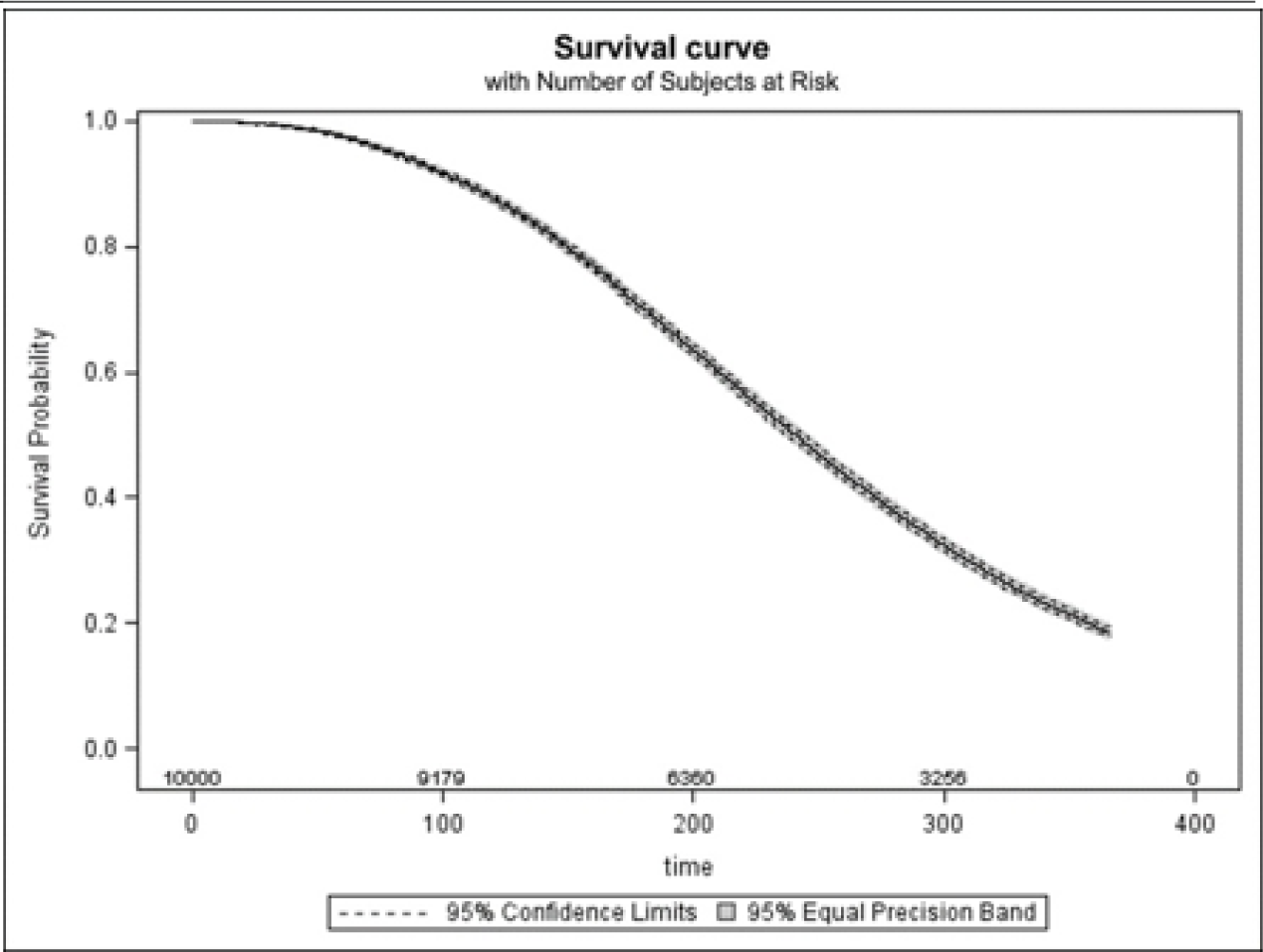
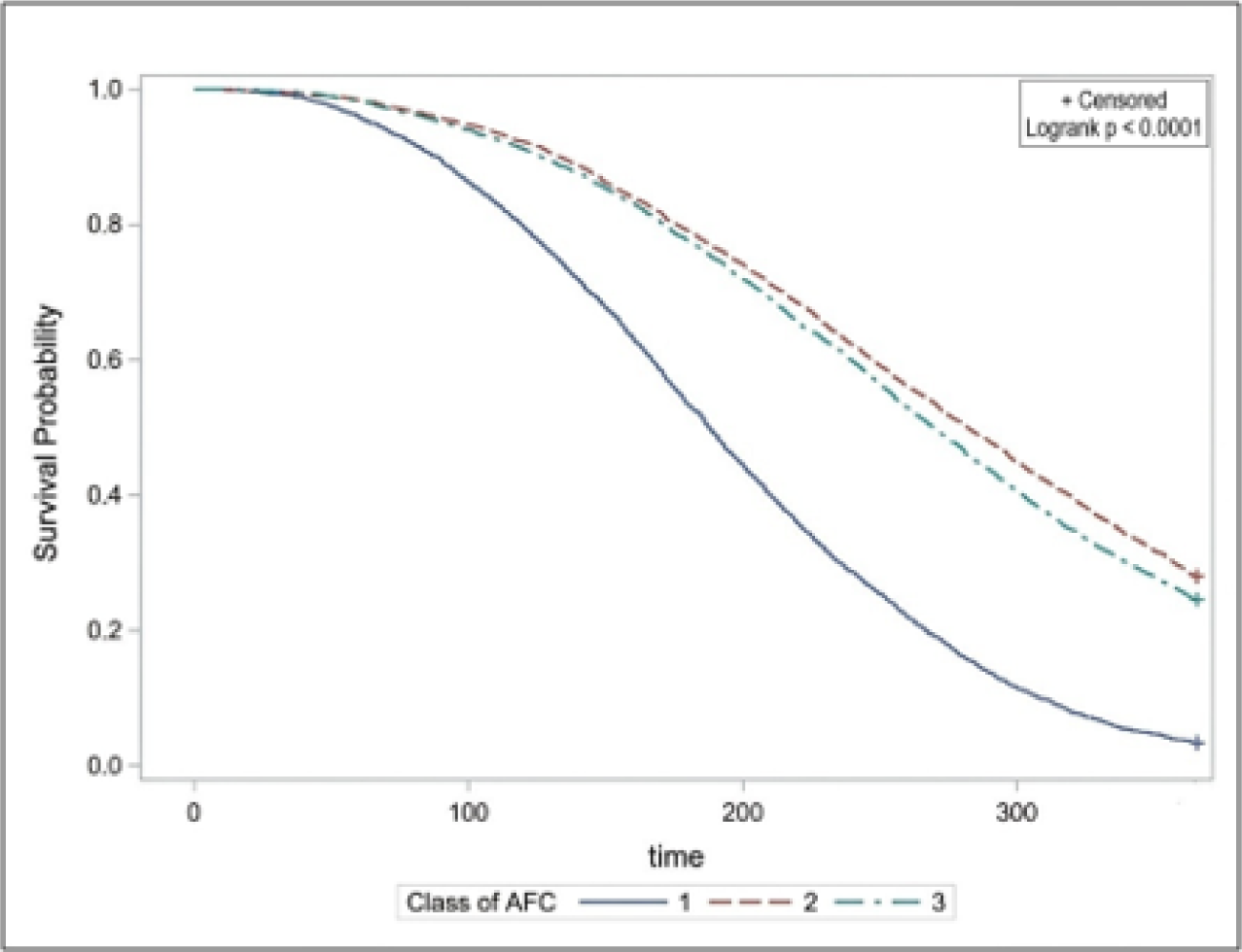
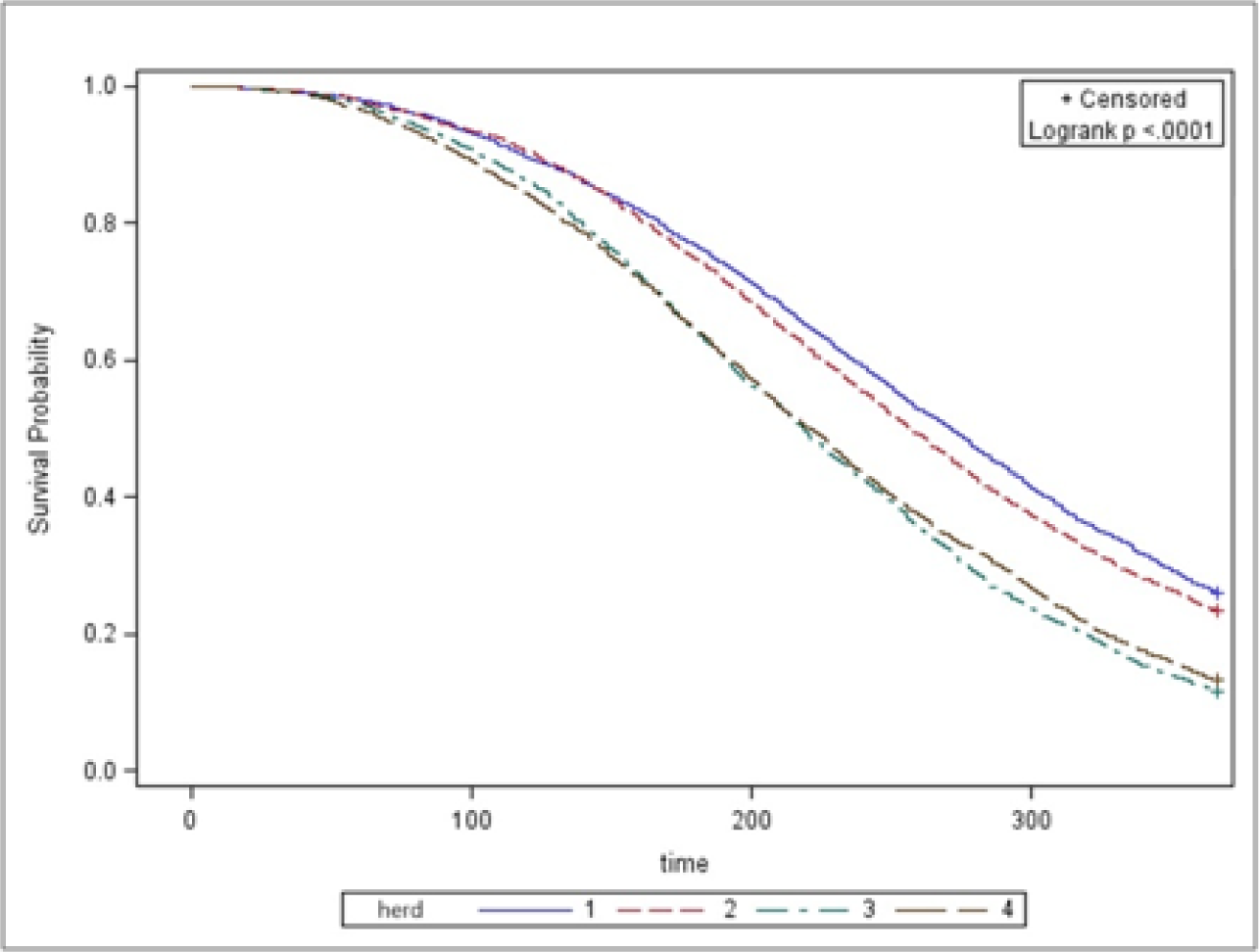
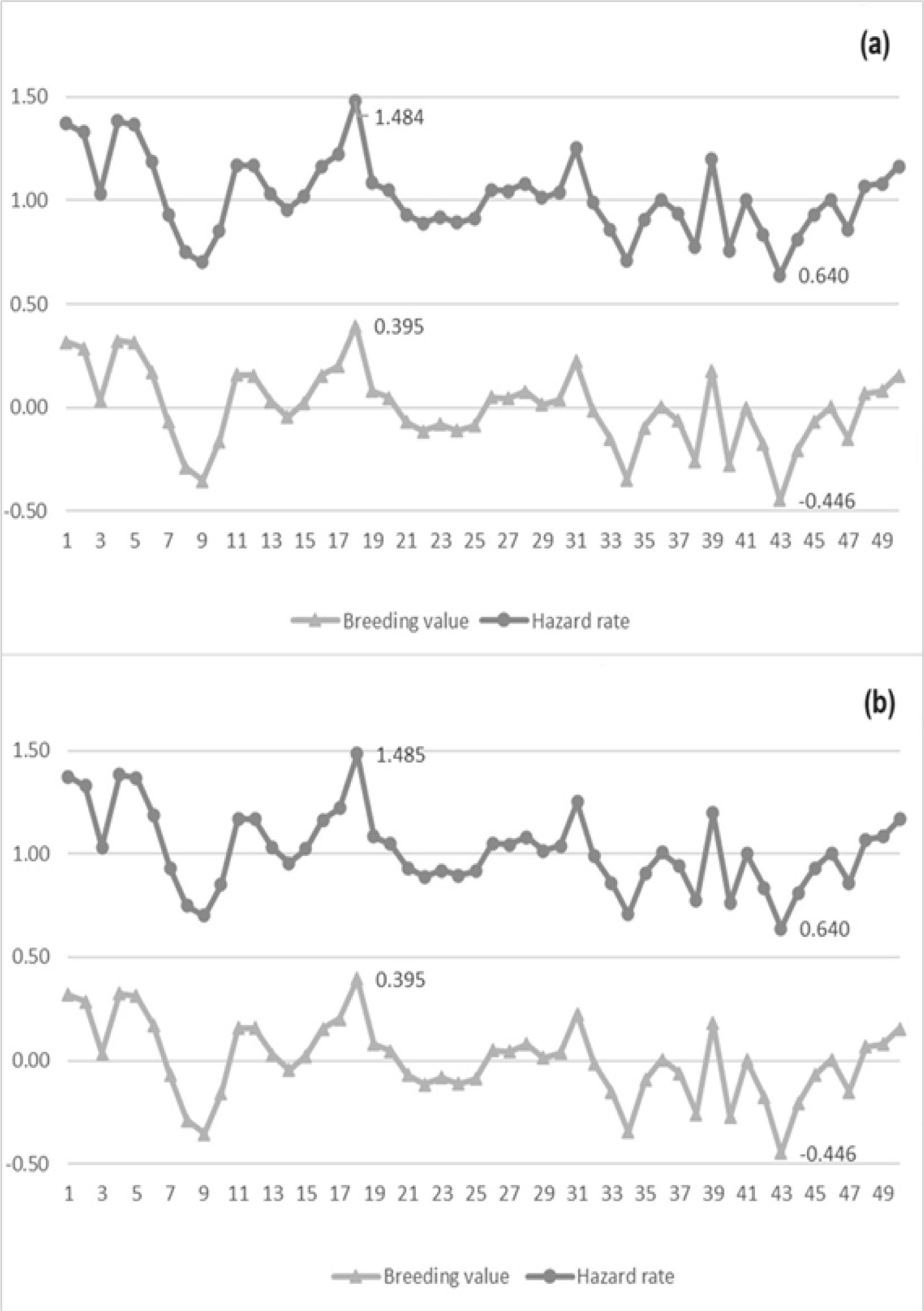
The longevity of Brown Swiss dairy cows was evaluated using the non-parametric Kaplan-Meier estimator and the Cox and Weibull proportional hazards models through computer simulation. A dataset comprising 10,000 records was generated to simulate cow longevity, defined as the time until the occurrence of five consecutive calvings (event). Age at first calving, herd, and sire (the cow’s father) were analyzed as covariates. The starting point of the study was set at 2,196 days (72 months of age), and the maximum time to failure was 2,562 days (84 months of age). The Kaplan-Meier survival function was used to estimate the survival and hazard rate curves associated with female longevity, identifying the influence of each covariate on the time until the event. Analyses using the Cox and Weibull models were also performed. All covariates significantly influenced cow longevity, according to the Log-Rank and Wilcoxon tests. The mean and median times until the occurrence of the event were approximately 2,435 days. It was observed that sires with superior breeding values presented a greater risk of having daughters reaching five consecutive calvings until 84 months of age, indicating that the event can occur in a shorter average time. In this case, such sires may be used as fathers of future generations as a strategy to enhance the longevity of their offspring.
Keywords:
censored data; cow stayability in the herd; Cox and Weibull models; product-limit estimator
 Thumbnail
 Thumbnail
 Thumbnail
 Thumbnail
 Thumbnail