 Raising dairy calves for beef production fed high-energy diets: a review
Abstract
This manuscript aims to provide comprehensive information on the production of dairy calves for beef in feedlot systems, addressing aspects such as breed, age, weight, intake, digestibility, ruminal parameters, performance, and carcass characteristics, among other relevant factors, based on a systematic review of scientific articles and theses containing current and pertinent data. Increases in global milk production and the use of new technologies, such as the selection of breeds with aptitude for milk production, along with significant advances in herd performance, have increased the supply of male dairy calves. Except for using these animals for reproductive purposes, the maintenence of dairy bulls on dairy farms would be justified if they were intended for meat production. According to the literature consulted, feedlot rearing and early production using high-energy diets are the main strategies for raising these animals, since it is well known that dairy calves cannot adapt to extensive systems as well as breeds specialized in meat production. Aspects such as nutritional requirements, ruminal parameters, and performance have also been studied during the pre-weaning, weaning, post-weaning, and finishing phases of dairy calves. In this context, several studies demonstrate the relevance of raising dairy calves as a source of animal protein and report positive results regarding their economic viability, thereby proposing their use as a means for producers to generate additional farm income.
Keywords
dairy calves; beef production; ruminal parameters; performance; carcass characteristics
Resumo
Este manuscrito objetiva trazer informações globais sobre a produção de bezerros de origem leiteira para corte em confinamento, abordando aspectos como raça, sexo, idade, peso, consumo, digestibilidade, parâmetros ruminais, desempenho e características da carcaça, entre outros aspectos importantes, com base em artigos científicos e teses contendo dados atuais e relevantes. Incrementos da produção de leite no mundo e a utilização de novas tecnologias como seleção de raças com aptidão para produção de leite além dos importantes avanços no desempenho desses rebanhos, tem incrementado a oferta de bezerros machos leiteiros. Com exceção do uso desses animais para fins reprodutivos, a manutenção de touros leiteiros em fazendas de laticínios seria justificada se eles fossem destinados à produção de carne. Segundo a literatura consultada, o confinamento e a produção precoce com dietas de alto grão ou com alto conteúdo energético são as principais propostas de criação desses tipos de animais que é bem conhecido que esses bezerros não conseguem se adaptar as condições extensivas em comparação com raças especializadas para produção de carne. Também aspectos como requerimentos nutricionais, parâmetros ruminais e de desempenho vêm sendo estudados tanto na desmama, recria e terminação de bezerros de origem leiteira. Nesse sentido, vários trabalhos demonstram a relevância da criação e da adoção de bezerros de origem leiteira como uma fonte de proteína animal e apontam resultados de viabilidade econômica positivos, propondo então o aproveitamento por parte dos produtores com a finalidade de gerar renda extra para as fazendas.
Palavras-chave:
bezerros leiteiros; produção de carne; parâmetros ruminais; desempenho; características da carcaça
1. Introduction
Dairy calves have attracted growing interest in recent years due to the expansion of dairy herds both in Brazil and worldwide (1). The Holstein breed is the most predominant and widely used for crossbreeding in milk production in Brazil. According to ABIEC (2), the Brazilian dairy herd by 2023 consisted of 16.4 million cows, and the U.S. Department of Agriculture (USDA) (3) indicated that the herd would reach 17 million head by 2025. Dairy farming generates a large number of male calves that, as a rule, do not adapt productively to extensive pasture-based production systems in tropical environments. As a consequence, high mortality rates and low production performance are common, indicating, on one hand, the inadequacy of this type of system and, on the other, the opportunity to employ alternative production methods that allow the rational use of these males for meat production. Therefore, combining the two production activities by using male dairy calves for beef could be a viable alternative (4).
In North America and Europe, male dairy calves are typically used for meat production (5). However, in Brazil, data on animal performance in feedlots are still scarce. In the United States, beef from dairy herds (including dairy calves and cull cows) accounts for 20.5 to 22.7 % of national beef production (6). According to Salinas-Chavira et al. (7), crossbred Holstein cattle represent approximately 19 % of all feedlot cattle, with Holstein calves and their hybrids making up the majority in the southwestern desert region of the US. In New Zealand, in 2019, it was estimated that 66 % of slaughtered animals were of dairy origin (8). In this context, several terms have been used to describe the use of dairy calves for this purpose, including “Beef on Dairy” and “Dairy-Beef.” Both refer to meat originating directly or indirectly from dairy herds, either from cull cows and surplus calves that leave the farm directly for processing or are raised elsewhere before slaughter (9).
Recently, Basiel and Felix (10) reviewed important aspects of this subject, highlighting that the evolution of beef × dairy cattle should include (a) genetic selection and (b) management strategies that allow crossbred progeny to remain commercially viable. In this sense, raising calves that generally do not contribute to milk production, except for genetically superior males selected for reproduction, can become economically advantageous by increasing the meat supply to the market, provided that it generates sufficient additional income to cover production costs and yield profit for the farm (11).
Nutritional requirements such as protein and energy for dairy calves have been studied in various experiments, mainly in the United States (12, 13), where most formulated diets have a forage:concentrate ratio of 20:80 and are predominantly corn-based. Steam flaked-corn are the most commonly used form, accounting for 71 % of feedlot ingredients (14). The use of additives such as monensin, virginiamycin, and flavomycin, as well as fat supplements, has been adopted to improve ruminal parameters, intake, and performance. Nutritional management during the pre-weaning, weaning, post-weaning, and finishing stages, as well as the timing of feedlot entry, are considered fundamental factors in the use of dairy calves for beef production (15, 13, 16, 7).
In Brazil, a new technology for rearing male dairy calves involves using a concentrate diet without roughage inclusion, known as a high-grain diet for post-weaning and finishing (100 % concentrate; 90 % whole-grain corn + 10 % pelleted core), based on whole-grain corn (15). This diet is characterized by its practicality, as it requires only two ingredients: corn and a pelleted concentrate containing protein, vitamins, and minerals suitable for this type of feed (17, 18). Financial indicators and production costs illustrate the economic viability of raising dairy calves in feedlots, positioning it as a potential secondary source of income (19). Although these calves require careful management, morbidity and mortality rates are low when proper care is implemented (4.3 % and 1.0 %, respectively) (20).
This study aimed to provide a comprehensive and up-to-date overview of the use of male dairy calves, addressing aspects such as management during post-weaning and finishing, nutritional considerations, performance, and the economic feasibility of raising these calves for beef production.
2. Dairy calves for beef
2.1 Selection and management considerations for dairy calves (pre-weaning and weaning)
The selection of dairy calves for beef production is one of the most important factors, as these animals must be in excellent condition before being introduced to feeding systems. Initially, they are kept in the suckling stage, receiving milk or milk replacer (MR), water, and ad libitum concentrate until they reach the ideal weight or age for weaning, following the same management practices as calves that will remain in the dairy herd. However, some studies suggest considering the calf’s body weight (BW) and dry matter intake (DMI) before weaning. Another important practice is dividing this period into stages, for example: start-up until 8 weeks (wks.), early weaning from 8 to 12 wks., and finishing from 13 to 30 wks. (13). According to Lasmar et al. (22), Holstein calves can be weaned at around 67 days of age (approximately 10 wks.) and then fed a diet composed exclusively of concentrate based on whole-grain corn (WGC) and soybean meal (SBM) for 56 days. On the other hand, Almeida-Junior et al. (23) reported that sorghum, with or without tannin, either as dry ground grain or as wet silage grain, as well as wet corn grain silage, can be used in rations for Holstein calves after weaning without impairing their performance, providing similar results to those obtained with dry ground corn.
Carvalho et al. (13) evaluated Holstein calves fed different doses of MR, using 120 calves (48.4 ± 2.2 kg BW and 20 ± 3.2 days of age). The animals received either a low MR allowance (LMR, two daily feedings of 2 L each, 582 g/d of DM) or a high MR allowance (HMR, two daily feedings of 4 L each, 1164 g/d of DM). Weaning occurred on day 49, and slaughter at 32.8 ± 0.5 wks. of age. Throughout the study, the animals had ad libitum access to a common mixture of feed, straw, and water. As expected, MR intake was higher in the HMR group, resulting in greater energy intake and higher daily weight gain during the pre-weaning stage. The weaning stage plays a key role in feedlot adaptation, as calves fed more nutrients in the pre-weaning period are often more susceptible to a drop in growth and stress during the transition from a liquid to a solid diet (24).
As in all production systems—whether dairy or beef—the weaning stage determines the animal’s future performance. Growth will depend on health status and disease incidence, which in turn are influenced by the animal’s immune system capacity. This response capacity depends largely on the quantity of nutrients provided during the pre-weaning and weaning stages.
2.2 Post-weaning and finishing: ruminal parameters, intake, and nutrient digestibility
Several factors determine the success of dairy calf beef production under confinement. Studies highlight the importance of nutrition during the pre- and post-weaning stages, as well as the selection and uniformity of calves entering feedlot systems. Some studies have reported the absence of a post-weaning phase for this animal category, particularly in Brazil and other tropical regions, where confinement typically continues until slaughter, starting immediately after weaning (whole-grain corn + pelleted core) (15, 25, 18). Conversely, in other countries, especially the USA and New Zealand, these animals are reared on high-energy diets that include roughage (10-20 %) and concentrate (80-90 %), similar to systems used for traditional beef breeds (26, 13, 27, 7).
In Brazil, this practice has expanded along with the growth of the dairy herd, increasing the availability of calves from this sector (1). Although novel technologies such as the use of sexed semen to reduce the birth of males have been implemented, 10 to 15 % of newborn calves are still male, reinforcing the need to find sustainable uses for these animals. Nevertheless, the availability of male dairy calves can be seen as a strategy or an additional source of income for the rural producer.
Within this production strategy, feedlot finishing emerges as a promising approach. According to Neumann et al. (15), it represents an effective strategy for meat production using dairy cattle and, although it can increase production costs in some cases, it may also boost farm revenue.
In line with this, Neumann et al. (15) evaluated different diets [(a) 100 % concentrate, (b) 55 % concentrate + corn silage, and (c) 55 % concentrate + oat hay] for feedlot Holstein calves averaging 221 kg initial body weight (IBW) and 196 days of age. The authors reported superior performance in animals fed the 100 % concentrate diet, with an average daily gain (ADG) of 1.350 kg/d, feed conversion (FC) of 5.28, and DMI of 6.84 kg/d. The 100 % concentrate diet also affected ingestive behavior compared with the other diets, reducing the time spent on rumination, feed intake, and water intake (2.75 vs. 8.82; 1.64 vs. 3.79; and 0.15 vs. 0.18 h/d, respectively). Dry matter digestibility (DMD, %) was also significantly higher in the 100 % concentrate group, as the high carbohydrate content improved digestibility compared with the other diets (76.37 vs. 63.56 %). In terms of performance, the 100 % concentrate diet proved to be an interesting alternative for finishing Holstein steers.
A similar study was conducted in Brazil by Stern (28), who tested different high-concentrate diets (100 % concentrate) in uncastrated Holstein male calves aged 2.5 months and weighing 83 ± 1 kg: (1) corn + pelleted core (control); (2) corn + pelleted core + virginiamycin (VMY); and (3) corn + core + Na2CO3. The calves were fed for 205 days. The study found no difference in DMI (6.19 kg/d), but higher ADG, (FC), and gain:feed efficiency (G:F, ADGkg/DMIkg) were observed in calves consuming diet 1 compared with those receiving the enriched diets (see Supplementary Tabela S1).
Freitas-Neto et al. (1) evaluated the performance of crossbred male dairy cattle in confinement that had previously received different levels of energy supplementation on Brachiaria brizantha pasture: HE – high energy intake in the post-weaning and finishing phases; HEM – high energy intake in post-weaning and medium in finishing; MHE – medium in post-weaning and high in finishing; and ME – medium in both phases. During the post-weaning phase, animals received energy supplementation at 1.0 % or 0.5 % of (BW). In the finishing phase, diets contained either 50 % (medium energy level, TDN = 71 %) or 80 % (high energy level, TDN = 80 %) concentrate on a DM basis. HEM and ME animals had higher average (BW) at the start of confinement, which allowed them to reach slaughter weight 42 and 21 days earlier, respectively, and also showed higher DM intake (%BW and g/BW0.75), ADG, and FC (Supplementary Tabela S1). Animals supplemented with a higher energy level in the post-weaning stage had a greater heart girth at the beginning and lower gains during confinement.
In the same region, Cutrim (29) recommends the use of millet or sorghum in the form of whole grain, which can be included at 316.8 g/kg DM in diets based on whole-grain corn for ruminants. This inclusion does not alter metabolism and consequently does not affect the performance of calves up to 10 months of age.
According to Salinas-Chavira et al. (7), Holstein crossbred cattle represent about 19 % of the cattle fed in the United States. Holstein steers account for the majority of cattle fed in the desert southwest region of the country and typically enter feedlots at relatively light weights (115 to 180 kg), where they are fed for long periods, usually around 285 days.
Furthermore, Holstein calves generally arrive at the feedlot at a lighter weight (~130 kg) than traditional beef breeds and require a starter (growth) phase until they reach a live weight of approximately 280 kg or after 112 to 140 days in the feedlot (30). Zinn et al. (16) also reported that Holstein steers enter the feedlot at around 140 kg of (BW) and 100 to 120 days of age. On average, these steers gain 1.3 kg/d and take 350 days to reach a final weight of 590 kg (4 % of the shrunk weight).
Plascencia et al. (31) observed that the growth potential of Holstein steers entering the feedlot at a live weight below 275 kg can result in gains greater than 1 % of their (BW) during the first 9 weeks of confinement. These authors also noted that during the initial growth phase, Holstein steers exhibit a relatively high DMI but lower-than-expected efficiency of energy utilization.
Flores et al. (20) evaluated the effects of arrival weight at the feedlot on the growth performance and carcass characteristics of Holstein steers of similar age (113 ± 1 days). The animals were grouped according to initial chosen weight (ICW: 105, 112, 117, 123, and 129 kg) and divided into three feedlot periods (0-112, 112-224, and 224-305 days), receiving diets based on steam-flaked corn (SFC). The study showed a linear increase in ADG with arrival weight, indicating that birth weight was positively correlated with both feedlot entry weight and final slaughter weight. DMI increased linearly during the first 224 days but showed a quadratic effect during the last 137 days in confinement. There was also a quadratic effect of ICW on G:F, with up to 4 % lower efficiency in the use of net energy than expected in both light and heavy groups (Supplementary Tabela S1). Therefore, the authors concluded that initial arrival weight influences the growth performance and energy efficiency of Holstein steers of similar age, with the effect being more pronounced in lighter steers (<112 kg).
Barreras-Serrano et al. (21) compared five groups of Holstein calves with different arrival (BW)but similar ages (130 days) in feedlot conditions. The average arrival weights were 105, 112, 117, 123, and 129 kg. The calves were fed diets based on flaked corn. Two partial feeding periods and one complete period were evaluated (1-112, 112-224, 224-361, and 1-361 days, respectively). The adaptation diet (2.21 Mcal of NEm/kg DM) was provided during the first 112 days. After that period, all steers received the finishing diet (2.27 Mcal of NEm/kg DM). The study demonstrated that arrival weight influenced performance, with both DMI and ADG increasing as arrival weight increased. DMI in the final period (days 1-361) was 8.387b, 8.460b, 8.438b, 8.363b, and 8.969a, respectively, and ADG in the same period was 1.339b, 1.395ab, 1.391ab, 1.361ab, and 1.435a, respectively.
Another recommended practice for Holstein male calves is the use of dietary additives. The literature is extensive regarding antibiotics, ionophores [monensin (MON)], non-ionophore additives (VMY), and tannins, all of which have been shown to improve feed efficiency. However, there is an increasing demand for the use of “natural” ingredients (32). Concentrate-based diets containing additives such as MON and VMY, among others, have been used to enhance ruminal parameters, growth performance, and carcass quality in beef cattle. Thus, using these additives in dairy calves for beef production does not pose a nutritional problem when appropriate amounts of concentrate are supplied. High-grain or concentrate-based diets have become increasingly relevant, as the high level of energy supplementation during the post-weaning phase allows animals to reach heavier weights before entering confinement and consequently improves their overall performance (1).
In this context, Carvalho et al. (33) supplemented VMY (0 and 22.5 mg/kg) with two levels of metabolizable protein (MP, 100 vs. 87 % of requirements) in confined Holstein steers over 112 days. The study showed that steers receiving VMY had higher overall ADG, feed efficiency (FE), observed/expected net energy (NE) values for maintenance and gain, and final body weight (FBW). They also had higher carcass weight, fat coverage percentage, and Longissimus muscle area (LM, cm2) (Table 1). The study concluded that, regardless of MP supplementation level, the addition of VMY improves the overall growth performance and energy utilization efficiency of Holstein steers.
Nutritional requirements for dairy calves, whether they are Holstein or dairy crossbred males, must be carefully considered when formulating a diet or establishing a breeding system for this type of animal. Normally, the requirements for crude protein (CP), metabolizable energy (ME), minerals such as calcium (Ca) and phosphorus (P), as well as the demands for amino acids (AA) such as lysine (lys) and methionine (Met) are fundamental, with the latter two considered difficult to supply due to ruminal degradation. However, new technologies propose the use of these protected amino acids to avoid losses or deamination.
On the other hand, Salinas-Chavira et al. (7) examined the effects of MP supplementation and rumen-protected Met on the performance of Holstein calves during the initial growth phase in confinement (112 days, 122 kg IBW) (Supplementary Tabela S1). Five treatments were evaluated: (1) control, with a (SFC)-based diet containing urea and distiller’s grains; (2) control diet plus blood meal supplementation; (3) treatment 2 with 0.064 % Smartamine (70 % methionine); (4) treatment 2 with 0.096 % Smartamine; and (5) treatment 2 with 0.128 % Smartamine, all on a DM basis. The authors found that MP supplementation increased overall ADG by 10 % during the 112-day period; however, the additional effects of Met supplementation on ADG were not significant. MP supplementation did not affect DMI during the first 56 days, but appeared to increase it during the subsequent 56-day period. Supplemental MP improved gain efficiency and estimated dietary net energy (NE) values during the initial 56-day period (by 11 % and 7 %, respectively) and overall (by 7 % and 4 %, respectively). Therefore, adding MP to meet the estimated amino acid requirements in diets may enhance gain efficiency and dietary energy utilization in Holstein calves.
Evaluating energy supplementation with yellow fat (YF) in the diet of Holstein calves (127.7 ± 2.1 kg, fed for 63 days) consuming an SFC-based diet to meet energy demands during the early growth stage in confinement, Plascencia et al. (31) examined the effects of including 3.5 % supplemental YF. The study showed that supplemental fat had no direct effect on DMI (4.74 kg/d); however, it increased ADG (4.6 %) (Supplementary Tabela S1), G:F (5.8 %), and the net energy of the diet for maintenance (NEm) and gain (NEg) by 4.1 % and 5.3 %, respectively. Based on performance data, the estimated NE value of supplemental YF was 4.67 and 3.68 Mcal/kg for NEm and NEg, respectively, which are consistent with NASEM (12) values for YF. The study concluded that including 3.5 % supplemental YF in an SFC-based feedlot diet for Holstein calves does not impair DMI, but tends to increase ADG, G:F, and the estimated dietary NE. Given the relatively high DMI of Holstein calves (2.8 % of BW) during the initial growth phase, it is recommended that YF supplementation not exceed 3.5 % of dietary DM.
Carvalho et al. (34) evaluated intake and ruminal parameters of Holstein calves fed an SFC-based diet supplemented with flavomycin. Treatments were: (1) control, without additives; (2) 6.6 mg/kg of flavomycin; (3) 13.2 mg/kg of flavomycin; and (4) 30 mg/kg of monensin (MON). The study observed that flavomycin supplementation did not affect the relationship between observed and expected DMI, whereas MON reduced it by up to 7 %. There was no effect of treatments on ruminal pH or temperature. However, flavomycin tended to increase ruminal organic matter (OM) digestion, with a linear increase in ruminal starch digestion. Supplementation with 13.2 mg/kg of flavomycin reduced microbial N synthesis. Compared with the control, MON tended to increase ruminal neutral detergent fiber (NDF) digestion and also increased ruminal starch digestion. Flavomycin increased the molar proportion of propionate while decreasing acetate, butyrate, the acetate:propionate ratio, and estimated methane production.
On the other hand, other studies report that reducing non-fibrous carbohydrate (NFC) content in the diet of dairy calves may not affect the growth phase. To test this hypothesis, Ramos-Aviña et al. (35) evaluated the reduction of NFC concentration in the diet of Holstein steers at the beginning of confinement (122 kg IBW, 112 days) from 64 % to 51 % DM, feeding them SFC-based finishing diets with either higher fiber (HF, 51 % NFC) or lower fiber (64 % NFC). The study reported that steers fed the HF diet had an 8.8 % improvement in ADG (Supplementary Tabela S1), with no effect on DMI (kg/d). Gain efficiency and estimated dietary NE were higher by 8.3 % and 5.2 %, respectively, and no differences were found in carcass characteristics. The authors concluded that reducing NFC concentration in SFC-based finishing diets for Holstein steers can effectively enhance growth performance, especially during early growth and late finishing phases.
Carvalho and Felix (36) evaluated the effect of corn grain processing on performance, starch digestibility, carcass characteristics, and feeding behavior of Holstein steers during the finishing phase (450 kg IBW, confined for 112 days). The treatments included whole shelled corn (WSC) and dry-rolled corn (DRC). The study found no differences in ADG, DMI, or G:F (Supplementary Tabela S1). However, steers fed DRC had 28 % less fecal starch and 8 % higher total tract starch digestibility compared to those fed WSC (25.41 vs. 18.3 % and 83.12 vs. 89.08 %, respectively). Steers fed WSC consumed 10 % smaller meals and spent 17 % more time eating than those fed DRC. Corn processing did not significantly affect hot carcass weight (HCW, 370.15 kg), carcass yield (CY, 59.17 %), marbling score (479, modest range of 400-499), or carcass dressing (CD, 79.62 %, % of carcasses graded Choice or higher by USDA). Therefore, the authors suggested that feeding WSC may be a viable alternative for beef producers who lack the financial means to process corn for finishing diets.
Carvalho and Felix (37) also evaluated the effects of breed and grain processing on performance in steers. Two breeds (Holstein and Angus) and three grain processing methods [WSC, coarsely ground corn (CGC), and finely ground corn [FGC)] were tested with a forage:concentrate (F:C) ratio of 10:90. Holstein steers had higher feed intake than Angus steers (up to 22 % more) (Supplementary Tabela S1), with no effect of breed on digestibility or breed × diet interaction. However, DM, OM, and starch digestibility decreased when WSC was fed, regardless of breed (71.52 vs. 74.5; 71.35 vs. 74.32; and 84.20 vs. 89.25 %, respectively). At the ruminal level, pH decreased in Angus steers consuming FGC, whereas Holsteins maintained pH values similar to those of Holsteins fed WSC and CGC (5.71 vs. 5.91; 6.02 for Angus and 6.00 vs. 6.11; 5.86, respectively). The study also confirmed that Holstein steers had 22 % higher DMI than Angus steers. Finally, the authors concluded that although Angus steers have lower DMI than Holsteins, grain processing reduces ruminal pH in Angus animals. In contrast, Holsteins consume up to 22 % more DM (kg/d based on BW), maintaining higher and more stable ruminal pH levels regardless of grain processing.
Currently, most studies conducted in the United States have used high-energy diets with a F:C ratio of 20:80, using SFC as the standard. As previously mentioned, this approach does not compromise intake, ruminal parameters, or performance. However, during the initial stages, it is essential to meet the nutritional requirements, particularly for energy and protein, to ensure favorable growth.
In this context, Montano et al. (38), aiming to replace SFC with a protein source, evaluated increasing levels of SFC replacement with distillers’ dried grains with solubles (DDGS) as a source of MP during the growth and finishing phases of Holstein calves in feedlot. The study used calves with an initial BW of approximately 136 ± 7 kg and a final BW of 368 ± 20 kg. Four levels of DDGS inclusion (10, 15, 20, and 25 % DM) were tested, replacing SFC (flake density, 0.31 kg/L). Increasing DDGS levels did not affect ADG (1.43 kg/d), FE (0.244) (Supplementary Tabela S1), or the estimated metabolizable energy (ME) of the diet (2.0025 Mcal/kg DM). However, replacing SFC with DDGS increased ruminal OM digestion, although there was no effect on microbial nitrogen flow to the small intestine or ruminal microbial efficiency. Additionally, higher DDGS inclusion linearly increased the flow of methionine, histidine, phenylalanine, threonine, leucine, isoleucine, and valine, but did not affect the intestinal supply of lysine. Therefore, the study indicated that replacing SFC with DDGS increases amino acid intake and their passage to the abomasum. Nevertheless, this effect was not sufficient to enhance the growth performance of Holstein calves during the first 111 days of feeding.
Carvalho et al. (26) evaluated the genetic effect of Holstein and Angus steers consuming either grain-based diets (F:C = 20:80) or forage-based diets (F:C = 80:20). Steers receiving high-concentrate diets showed higher DMI (10.2 vs. 7.8 kg/d, respectively), lower NDF intake (1.75 vs. 3.7 kg/d), and higher starch intake (5.7 vs. 0.8 kg/d, respectively). Holstein steers spent 80 min more ruminating than Angus steers. There was no breed effect on the digestibility of DM, OM, or starch (74.8 vs. 70.55 %; 75.25 vs. 71.7 %; and 91.35 vs. 96.1 %, respectively), although Holsteins showed 8 % lower NDF digestibility.
As previously mentioned in the reviewed literature, nutritional management and health conditions during the pre-weaning and weaning phases determine growth and finishing performance, as these periods influence ruminal papilla development and body condition. Moreover, an important factor at the beginning of confinement is the animal’s ICW. For this reason, several authors have emphasized the importance of nutritional care during early management. The post-weaning and finishing phases, on the other hand, are characterized by the use of grain processing and additives to meet the requirements for MP, NEm, and AA, while preventing ruminal disorders and addressing other breed-specific nutritional aspects.
2.3. Performance and carcass characteristics of dairy calves
The early confinement of male dairy calves, followed by slaughter at a younger age, has been proposed as a strategy to increase (CY) and produce high-quality meat, offering a viable and profitable alternative within the dairy production system (19). The same authors reported average slaughter weights of 320.4 kg for Holstein calves, considering this an optimal weight for early-slaughter dairy animals (10 months old). Holstein steer carcasses are lighter than those of continental European breeds such as Charolaise, Simmental, and Limousine; however, they do not differ substantially from Angus carcasses (9). Therefore, although Holstein steer carcasses are lighter than those of most continental beef breeds, they are comparable to traditional beef breeds, while beef × dairy crosses generally show intermediate characteristics, especially given the relatively small heterosis effect on carcass weight (HCW) (39).
Rodrigues (40) evaluated carcass characteristics and performance of Holstein steers fed three diets: (1) control diet (commercial supplement, corn grain, and soybean pellets); (2) diet based on corn and VMY; and (3) the previous diet plus sodium bicarbonate. ADG, (FC), and G:F were superior in the control diet compared to the additive-supplemented diets (1.29 vs. 1.09 kg/d; 5.51 vs. 6.45; and 0.20 vs. 0.18, respectively). The author also reported that the use of additives increased DMI.
Cutrim (29) evaluated the inclusion of whole shelled millet (WSM), whole shelled sorghum (WSS), and babassu mesocarp meal (Attalea spp., a palm species with a dry fruit) as strategic ingredients in WSM-based diets for Holstein calves during the finishing phase, focusing on performance and carcass characteristics. Meat texture, marbling, tenderness, color, and chemical composition were not affected by the diets. Conversely, animals fed the WSS diet had higher intramuscular conjugated linoleic acid (CLA, 0.29 g/100 g total FA) compared with those fed the Babassu (0.12 g/100 g total FA) and millet (0.05 g/100 g total FA) diets, while the corn-fed group did not differ from the others.
Almeida-Junior et al. (23) evaluated the physical and chemical carcass characteristics of Holstein calves fed diets based on corn and sorghum: (1) dry ground corn (DGC), (2) high-moisture corn silage (HMCS), (3) dry ground sorghum with tannin (GSWT), (4) high-moisture whole sorghum with tannin silage (HMWSWTS), (5) dry ground sorghum without tannin (GSWTT), and (6) high-moisture whole sorghum without tannin silage (HMWSWTTS). Calves fed the HMCS-based concentrate had higher ether extract (EE) contents in the longissimus muscle (1.76 % vs. 1.23 %) than those fed DGC, but did not differ from HMWSWTS and GSWTT diets (1.39 and 1.07 %, respectively). The HMCS diet also promoted greater muscle fat deposition compared to DGC (1.34 vs. 1.22 cm). For the physical composition of the hindquarter section and tissue ratios, no significant differences were reported for muscle, fat, or bone proportions (61.57, 17.76, and 19.97 %, respectively). Thus, the authors concluded that the evaluated feeds can be used in concentrate diets for post-weaning calves, as they do not compromise carcass physical or chemical composition and produce similar results.
Later, Stern (28) in Brazil evaluated the use of different high-concentrate diets (100 % concentrate, composed of 90 % WSC + 10 % pelleted core and additives, as described in Table S1 in non-castrated Holstein calves. The study determined the physicochemical parameters and centesimal composition of the LM, where no differences were observed for pH (5.76), water-holding capacity (49.90 %), shear force (1.08 kgf/cm2), lipid content (1.16 %), or energy (104.79 Kcal/kg).
Flores et al. (20) evaluated the effects of arrival weight at the feedlot on the carcass characteristics of Holstein steers of similar age (113 ± 1 days), divided into categories (105, 112, 117, 123, and 129 kg) of ICW, across three feedlot periods (0-112, 112-224, and 224-305 d), and fed diets based on SFC. A linear increase in ICW was observed for HCW (Supplementary Tabela S1, 363.1, 383.6, 387.9, 382.2, and 397.9 kg, respectively), LM (77.6, 77.6, 85.1, 85.2, and 88.1 cm2, respectively), marbling score (4.4, 5.5, 5.5, 5.0, and 6.5, respectively), and subcutaneous fat thickness (SFT, 0.56, 0.68, 0.63, 0.66, and 0.74 cm, respectively), while renal-pelvic-cardiac fat and yield grade were not affected.
Carvalho et al. (41) evaluated the performance of Holstein steers using flavomycin as a supplement to improve ruminal parameters and performance, with a diet based on SFC supplemented with (DM basis): 1) control, without feed additive; 2) 6.6 mg/kg of flavomycin; 3) 13.2 mg/kg of flavomycin; and 4) 30 mg/kg of MON. No effects of the treatments were observed on ADG during 203 d of confinement (1.53 kg/d, 93 % of the projected ADG), CY (61.72 %), or LM (82.45 cm2). The study concluded that supplementation with flavomycin (6.6 or 13.2 mg/kg) or MON (30 mg/kg) produced similar effects on performance during the post-weaning and finishing stages.
Moreover, Carvalho et al. (42) evaluated the inclusion of an additive (NutraGen-NTG*, as described in Supplementary Tabela S1) in the finishing diet of Holstein steers, aiming to improve ADG and carcass traits. The dietary base consisted of SFC supplemented (DM basis) with: (1) no feed additive; (2) 0.2 % NTG; (3) 0.4 % NTG; and (4) 0.6 % NTG. The authors found no difference between treatments for CY (mean value of 51.6 %); however, NTG supplementation linearly increased the LM area (83.8, 86.5, 85.5, and 88.1 cm2, respectively). An effect of treatment was also observed for fat as a percentage of (HCW) (3.10, 3.14, 3.20, and 3.31 kg, respectively), while no differences were detected for other carcass characteristics.
More recently, Carvalho et al. (43) evaluated the use of tannins and MON at different doses (Supplementary Tabela S1) in Holstein and Holstein × Angus steers regarding carcass traits. The study found no differences in carcass traits among treatments with additives, reporting an average CY of 61.82 %. However, differences between Holstein and Holstein × Angus carcasses were observed for CY (61.4 vs. 62.3 %, respectively), LM (79.1 vs. 86.9 cm2, respectively), SFT (0.55 vs. 0.89 cm, respectively), and marbling score (4.49 vs. 5.48, respectively). The study highlights the importance of introducing crossbreeding in dairy herds, as Holstein × Angus crosses show greater feed efficiency and improved performance.
Another practice proposed for meat-oriented calf production is castration or immunocastration, which can influence (HCW) or quality. In this regard, Cunha (44) examined castration and immunocastration in Nellore and Holstein × Zebu males. The study reported that immunocastration reduced testicular circumference, width, length, weight, and volume. However, it increased SFT in Holstein × Zebu animals, with no effect observed in Nellore animals.
Vaz et al. (45) evaluated different castration methods in Holstein × Zebu calves, namely: males castrated with Burdizzo, by removing the apex of the scrotum, by lateral incisions in the scrotum, and non-castrated animals, focusing on carcass parameters. The authors found higher yields of the forequarter in non-castrated animals compared to castrated ones (83.20 vs. 72.97 kg, respectively) and lower short plate cut (‘ponta de agulha’) chuck eye roll yield (11.7 vs. 12.77 %, respectively).
Furthermore, the same study found that non-castrated animals had higher weights and yields of boneless cuts such as eye-of-round and chuck compared to castrated ones (2.06 vs. 1.7 kg and 13.74 vs. 10.82 kg, respectively). However, surgically castrated animals showed a more favorable equilibrium price when selling primal cuts, as they performed better in special cuts, which are more valued by wholesale and retail markets. This made the equilibrium price more favorable, particularly to surgically castrated animals compared to non-castrated ones. The equilibrium price is defined as the price the meat industry could pay per ‘arroba’ (15 kg) of carcass to achieve zero profit considering only the acquisition cost of the carcass as raw material as well as primal cuts as the industry's sole source of revenue.
Dias et al. (45) studied Nellore males fed a diet composed of 85 % whole corn and 15 % pelleted core, obtaining ADG values of 1.290 and 1.500 kg/d for non-castrated and castrated animals, respectively.
Conversely, Prado et al. (46) evaluated the effect of castration in dairy calves at 15 days or 5 months of age, slaughtered at 443.5 ± 26.2 kg. The study reported no effect of castration on ADG, CY, or cold carcass weight ((CCW) 1.34 kg/d, 51.97 %, and 230.4 kg, respectively). However, muscle moisture, percentage of C18:2n-, polyunsaturated/saturated fatty acid, and n-6/n-3 ratios were higher in calves castrated later (72.82 vs. 73.25 %; 4.02 vs. 4.77 %; 6.01 vs. 6.99 %; and 10.05 vs. 11.40 %, respectively).
Similar results were found by Civiero (25), who evaluated two castration methods [physical and immunocastration (Bopriva: anti-GnRF vaccine, inhibiting gonadotropin-releasing factors)] on the performance and carcass characteristics of Holstein steers fed whole grain corn in confinement. The study reported that the castration methods did not influence ADG or FC compared to non-castrated animals (ADG and FC of 1.26 kg/d and 4.19, respectively). This result differed from that of Canezes et al. (47), who concluded that after more than 200 d of growth, surgical castration performed 24 h after birth in Holstein males resulted in heavier animals with better carcass traits than those immunocastrated.
The performance and carcass results reviewed here highlight the importance of determining the age or ICW at which animals enter the feedlot, as it appears to be a good indicator of performance when animals are fed SFC-based diets. Moreover, corn and sorghum (dry or wet, silage or shelled), as well as some by-products, can be effectively used in this type of production system, since these ingredients are of good quality. However, additives do not yet seem to improve performance or carcass characteristics of Holstein steers, whereas genetics plays an important role in this type of beef production. Studies comparing different breeds highlight the potential to incorporate beef genetics into dairy herds (e.g., Holstein × Angus). Additionally, castration methods may improve some carcass characteristics (such as fatty acid profile) but not CY or HCW; therefore, their overall effects remain unclear.
2.4. Economic viability of raising dairy calves for beef
A promising alternative to optimize profitability in dairy farming is the use of male calves from dairy cows for meat production (19). Traditionally, these calves are considered byproducts of dairy operations and are often discarded shortly after birth or raised under poor management and feeding conditions. This practice results in high mortality rates and low financial returns for farmers (45). However, with proper nutritional management, beef production using these calves may become economically viable according to some studies.
Male dairy calves have gained economic relevance due to their potential to generate additional income and other benefits for dairy farms, as shown in Figure 1, thus promoting sustainability. According to Barbosa et al. (8), the production of Holstein males for beef can represent an alternative source of income for farms whose only revenue comes from milk production. In addition to generating profit, this system can make use of leftover feed that would otherwise be discarded and utilize males that previously had no productive destination within the system.
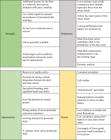
Strengths, weaknesses, opportunities, and threats (SWOT analysis) for dairy systems with potential for meat production. Adapted from Berry (9).
According to Carvalho et al. (13), male Holstein calves often receive minimal amounts of MR to accelerate weaning and reduce costs. The same authors report that studies with Holstein calves show that early-life feed restriction affects energy metabolism later on. Therefore, it is essential to carefully select MR to ensure proper calf development by providing the necessary nutrients without compromising health or the economic performance of the system. It should also be noted that Holstein steers have 8-10 % higher feed intake than beef cattle (12), which can increase production and management costs if no adequate nutritional plan is in place for this production system.
On the other hand, some studies, such as that by Neumann et al. (15), report that the use of Holstein calves from dairy farms is a viable alternative for milk producers. Other authors, such as Sparremberger et al. (18) and Barreras-Serrano et al. (21), also reported net income values within the acceptable levels of economic viability for this type of system.
In Brazil, Sparremberger et al. (18) evaluated the economic viability of Holstein calves fed high-grain diets (whole grain corn plus pelleted concentrate (Rumenature®, Agrifirm) in a 90:10 ratio, respectively) with restricted access to hay and water. The study was carried out in northern Santa Catarina, Brazil. The animals entered the feedlot at an average age of 60 days and an initial weight of 40.3 kg, were weaned, and remained in confinement until 315 days of age. The study showed that the calves had an average daily gain of 1.314 kg, an average slaughter weight of 393.2 kg, and a (CY) of 48.9 % (193.3 kg). Up to the time of slaughter, the individual production cost was USD 322.70/animal, resulting in an individual profit of USD 41.64 per head.
These results demonstrate that finishing male dairy calves on whole grain corn can be a viable alternative to culling, generating a secondary source of income for dairy farms and opening a new market niche.
In Mexico, Barreras-Serrano et al. (21) compared the economic results among five groups of Holstein calves with different (IBW) but similar ages (130 days) at feedlot entry. The average initial weights were 105, 112, 117, 123, and 129 kg. The calves were fed flaked corn-based diets. Two partial feeding periods and one full period were evaluated (1-112, 112-224, 224-361, and 1-361 days, respectively). Profit for each group was estimated by subtracting the purchase cost of calves and total feeding costs from the revenue obtained from steer sales. The total cost per animal was USD 1,071.45, 1,099.14, 1,127.20, 1,143.26, and 1,215.96, respectively, and the final profit per animal was USD 533.1, 578.1, 562.3, 531.5, and 548.4, respectively.
Finally, the study concluded that steers with a finishing BW of 112 kg were the most profitable [USD 15.8 (~BRL 85.00) more than the 117-kg group]. Intermediate-weight steers yielded the highest profit and should therefore be considered the best option for feedlot operators when purchasing Holstein calves. The improvement in profit was attributed to enhanced feed efficiency in steers with an average BW of 112 kg.
4. Conclusion
Based on the consulted literature, most of the reviewed studies emphasize the importance of using male dairy calves as a new alternative for dairy herds. This approach is based on raising mainly Holstein and beef × dairy calves fed high-energy diets in feedlots, either with 100% concentrate (90% whole grain corn + 10% pelleted core) or with an F:C ratio of approximately 20/80, over a relatively short period, using additives that help maintain ruminal and metabolic health. Moreover, aspects such as nutritional requirements and management during the pre-weaning and weaning phases are factors that directly influence subsequent performance (post-weaning and finishing).
Recent studies have shown satisfactory results in performance traits such as ADG, CY, and carcass characteristics, comparable to those of traditional beef breeds. Considering economic viability, using dairy calves as an additional source of income can generate positive outcomes for dairy farmers, particularly when they have access to viable nutritional plans and appropriate technologies.Certainly, many questions still need to be answered regarding this type of production system; in this sense, more studies and reviews are needed to evaluate the nutritional and economic parameters of dairy steers and to provide further discussion on the approach to this animal category.
Supplementary material
Supplementary material
Table S1. Studies involving high-energy diets fed to dairy male calves and steers for beef production.
Data availability statement
The full data set supporting the results of this study was published in the article itself.
-
Generative AI use statement
The authors did not use generative Artificial Intelligence tools or technologies in the creation or editing of any part of this manuscript.
Acknowledgments
The authors thank the Animal Science Graduate Program of the Universidade Estadual do Sudoeste da Bahia (UESB) and the Universidade Federal de Lavras (UFLA), as well as the Veterinary Science Graduate Program of the Universidade Federal de Viçosa (UFV), for providing fellowships during their studies and for supporting the development of this research.
References
-
1 Neto MD, Fernandes JDR, Restle J, Pádua JT, Rezende PDP, Miotto FRC, Moreira KKG. Performance of dairy steers subjected to different food strategies during the growing and finishing phases. Semina: Ciências Agrárias, Londrina. 2014; 35 (4): 2117-2128. Available in: http://doi.org/10.5433/1679-0359.2014v35n4p2117
» http://doi.org/10.5433/1679-0359.2014v35n4p2117 -
2 ABIEC. Beef report/Perfil da pecuária no Brasil. Associação Brasileira das Indústrias Exportadoras de Carnes. 2021. Consulted on 20/10/2024. Available in: https://abiec.com.br/en/publicacoes/beef-report-2021/
» https://abiec.com.br/en/publicacoes/beef-report-2021/ -
3 USDA-United States Department of Agriculture. Dairy and Products Annual. Country: Brazil. Report Number: BR2024. Foreing report service. 2025. Consulted on 12/16/2025. Available in: https://www.fas.usda.gov/data/brazil-dairy-and-products-annual-11
» https://www.fas.usda.gov/data/brazil-dairy-and-products-annual-11 - 4 Aguiar GSA, Silva FEG, de Souza JVP, Cunha GSP, Fernandes LMG, de Almeida AC, Chaves AS. The economic viability of dairy-born males for meat production in northern Minas Gerais.28 Brazilian Congress of Animal Science. 2018. Goiania, Goias.
-
5 Pardon B, Catry B, Boone R, Theys H, De Bleecker K, Dewulf J, Deprez P. Characteristics and challenges of the modern Belgian veal industry. VDT Journal. 2014: 83(4), 155-163. Available in: https://doi.org/10.21825/vdt.v83i4.16641
» https://doi.org/10.21825/vdt.v83i4.16641 - 6 DelCurto T, Murphy T, Moreaux S. Demographics and long-term outlook for western US beef, sheep and horse industries and their importance for the forage industry. Pages 87–99 in Proc. 2017 Western Alfalfa and Forage Symp., Reno, NV. UC Cooperative Extension, Plant Sciences Department, University of California, Davis.
-
7 Salinas-Chavira J, Carvalho PH, Latack BC, Ferraz MV, Montano M, Zinn, RA. Influence of metabolizable protein and methionine supplementation on growth performance of Holstein steer calves during the initial 112-d feedlot growing phase. Trans. Animal. Sci. 2024: (8), txae003. Available in: https://doi.org/10.1093/tas/txae003
» https://doi.org/10.1093/tas/txae003 -
8 Barbosa MW, Brauner CC, Da Silva LL, Mayens M, Correa M. Potencial de produção de carne oriunda de bovinos machos da raça holandês. Pelotas: Encontro de pós-graduação, 8 semana integrada UFPEL. Univerisdade Federal de Pelotas; 2022. Consulted on 2024/10/15. Available in: http://guaiaca.ufpel.edu.br/xmlui/handle/prefix/11877
» http://guaiaca.ufpel.edu.br/xmlui/handle/prefix/11877 -
9 Berry DP. Invited review: Beef-on-dairy—The generation of crossbred beef× dairy cattle. J. Dairy. Sci. 2021; 104(4), 3789-3819. Available in: https://doi.org/10.3168/jds.2020-19519
» https://doi.org/10.3168/jds.2020-19519 -
10 Basiel BL, Felix TL. Board invited review: crossbreeding beef× dairy cattle for the modern beef production system. Trans. Animal. Sci. 2022: 6(2): txac025. Available in: https://doi.org/10.1093/tas/txac025
» https://doi.org/10.1093/tas/txac025 -
11 Da Silva Lima R, Gomes JAF, da Silva EG, Miranda TL, de Aquino RS, da Silva AF. Desempenho de novilhos de origem leiteira na pecuária de corte em diferentes sistemas de criação: Revisão. Pubvet. 2015: (9): 158-194. Available in: https://doi.org/10.22256/pubvet.v9n4.182-188
» https://doi.org/10.22256/pubvet.v9n4.182-188 - 12 NASEM. Nutrient requirements of beef cattle. 8th ed. Washington (DC): National Academy Press. 2016.
-
13 De Carvalho IPC, Reis VA, Leal LN, Martín-Tereso J. Increasing preweaning milk replacer supply affects postweaning energy metabolism of Holstein male calves. Animal. 2021: 15(3): 100170. Available in: https://doi.org/10.1016/j.animal.2020.100170
» https://doi.org/10.1016/j.animal.2020.100170 -
14 Samuelson K. L, Hubbert ME, Galyean ML, Loest CA. Nutritional recommendations of feedlot consulting nutritionists: The 2015 New Mexico State and Texas Tech University survey. J. Anim. Sci. 2016; (94):2648–2663. Available in: https://doi.org/10.2527/jas.2016-0282
» https://doi.org/10.2527/jas.2016-0282 -
15 Neumann M, Figueira DN, Uen RK, Leão GFM, Junior JCH. Desempenho, digestibilidade da matéria seca e comportamento ingestivo de novilhos holandeses alimentados com diferentes dietas em confinamento. Semina: Ciências Agrárias. 2015. 36(3): 1623-1632. Available in: https://doi.org/10.5433/1679-0359.2015v36n3p1623
» https://doi.org/10.5433/1679-0359.2015v36n3p1623 -
16 Zinn SA, Ivey SL, Lalman DL, Long NM, Zinn RA. Beef cattle nutrition symposium: Feeding Holstein steers. J. Anim. Sci. 2016; 94(8): 3135-3136. Available in: https://doi.org/10.2527/jas.2016-0412
» https://doi.org/10.2527/jas.2016-0412 -
17 Gallo SB, de Almeida Merlin F, de Macedo CM, de Oliveira Silveira RD. Whole grain diet for Feedlot Lambs. SRR Journal. 2014; 120(2-3): 185-188. Available in: https://doi.org/10.1016/j.smallrumres.2014.05.014
» https://doi.org/10.1016/j.smallrumres.2014.05.014 -
18 Sparremberger EC, Moras MF, Danelli V, Xavier R, Rocha JFMB. Avaliação da viabilidade técnica econômica da terminação de machos da raça Holandês no oeste de Santa Catarina. Pubvet. 2021; 15(02). Available in: https://doi.org/10.31533/pubvet.v15n02a760.1-7
» https://doi.org/10.31533/pubvet.v15n02a760.1-7 -
19 Belizário DDS, Ferro RADC, Ferro DADC, Tomazello DA, Santos APPD, Santos KJGD, silva BPAD. Production costs and economic indicators in the complete cycle of crossbred dairy calves. RBSPA. 2023; (24): e20230024. Available in: https://doi.org/10.1590/S1519-994020230024
» https://doi.org/10.1590/S1519-994020230024 -
20 Flores R, Plascencia A, Barreras A, Salinas-Chavira J, Torrentera N, Zinn RA. Influence of arrival weight of Holstein steers of similar age on feedlot growth performance, dietary energetics, and carcass characteristics. J. Anim. Vet. AR. 2022; 9(1): 59. Available in: http://doi.org/10.5455/javar.2022.i569
» http://doi.org/10.5455/javar.2022.i569 -
21 Barreras-Serrano A, Flores-Garivay J, Sanchez E, Zinn R. A comparison of the economic results obtained by Holstein steer calves with different feedlot arrival body weights. CR. 2022; 53(6): e20210635. Available in: https://doi.org/10.1590/0103-8478cr20210635
» https://doi.org/10.1590/0103-8478cr20210635 - 22 Lasmar PZ, Melo RD, Bitencourt L, Siécola Júnior S, Silva JRM Pereira MN. Performance of post-weaning calves on a diet of whole corn grain. Pubvet, Londrina. 2011; (5): 23. Ed. 170, Art. 1143.
-
23 Almeida Júnior GAD, Costa C, Carvalho SMRD, Persichetti-Júnior P, Panichi A. Physical and chemical carcass composition of Holstein calves fed after weaning with high moisture grains silage or dry ground grains of corn or sorghum. RBZ. 2008; (37): 164-170. Available in: http://dx.doi.org/10.1590/S1516-35982008000100024
» http://dx.doi.org/10.1590/S1516-35982008000100024 -
24 Eckert E, Brown HE, Leslie KE, DeVries TJ, Steel MA. Weaning age affects growth, feed intake, gastrointestinal development, and behavior in Holstein calves fed an elevated plane of nutrition during the preweaning stage. J. Dairy. Sci. 2015; 98(9): 6315-6326. Available in: http://dx.doi.org/10.3168/jds.2014-9062
» http://dx.doi.org/10.3168/jds.2014-9062 -
25 Civiero, Maurício. Métodos de castração de machos holandeses alimentados com dieta de alto grão. (Dissertação – Mestrado em Zootecnia – Produção de Ruminantes). Itapetinga-BA. UESB. 2017. 48 p. Available in: https://uesb.pergamum.com.br/acervo/206826
» https://uesb.pergamum.com.br/acervo/206826 -
26 Carvalho PHV, Pinto ACJ, Millen DD, Felix TL. Effect of cattle breed, Holstein or Angus, and basal diet, grain or forage, on diet digestibility, rumen bacterial communities, and eating and rumination activity. J. Anim. Sci. 2020. (98): 1-5. Available in: https://doi.org/10.1093/jas/skaa114
» https://doi.org/10.1093/jas/skaa114 -
27 Carvalho PH, Latack BC, Montano M, Zinn RA. Influence of supplemental flavomycin on growth performance, carcass characteristics, and nutrient digestibility in calf-fed Holstein steers. Trans. Anim. Sci. 2023; 7(1): txad005. Available in: https://doi.org/10.1093/tas/txad005
» https://doi.org/10.1093/tas/txad005 -
28 Stern, Giovanna Gavazzoni. Parâmetros físico-químicos e composição centesimal dos músculos de bovinos Holandeses alimentados com dietas de alto concentrado. Itapetinga, BA: UESB, 2016. 69 p. Dissertação. (Mestrado em Zootecnia, Área de Concentração em Produção de Ruminantes). 2016. Available in: https://uesb.pergamum.com.br/acervo/207707
» https://uesb.pergamum.com.br/acervo/207707 -
29 Cutrim, D. O. Uso de dietas com grão inteiro para terminação de bezerros de origem leiteira. Tese doutorado em Ciência Animal Tropical. Programa de Pós-Graduação em Ciência Animal Tropical Universidade Federal do Tocantins-UFT. 165 P. 2017. Available in: http://hdl.handle.net/11612/6103
» http://hdl.handle.net/11612/6103 -
30 Zinn RA, Barreras A, Owens FN, Plascencia A. Performance by feedlot steers and heifers: daily gain, mature body weight, dry matter intake, and dietary energetics. J. Anim. Sci. 86(10): 2680-2689. Available in: https://doi.org/10.2527/jas.2007-0561
» https://doi.org/10.2527/jas.2007-0561 -
31 Plascencia A, Latack BC, Carvalho PH, Zinn RA. Feeding value of supplemental fat as a partial replacement for steam-flaked corn in diets for Holstein calves during the early growing phase. Trans. Anim. Sci. 2022; 6(2): txac048. Available in: https://doi.org/10.1093/tas/txac048
» https://doi.org/10.1093/tas/txac048 -
32 Junior MVF & Carvalho PH. Use of feed additives to improve feed efficiency and growth of feedlot cattle. Archivos Latinoamericanos de Producción Animal. 2022; 30 (Supl. 1), 27-35. Available in: https://doi.org/10.53588/alpa.300503
» https://doi.org/10.53588/alpa.300503 -
33 Carvalho PH, Latack BC, Flores R, Montano MF, Zinn RA. Interaction of early metabolizable protein supplementation and virginiamycin on feedlot growth performance and carcass characteristics of calf-fed Holstein steers. Trans. Anim. Sci. 2022; 6(1): txab228. Available in: https://doi.org/10.1093/tas/txab228
» https://doi.org/10.1093/tas/txab228 -
34 Carvalho PH, Latack BC, Ferraz MV, Nolasco LJ, Meireles WR, Oliveira HO, Zinn RA. Influence of low-level tannin supplementation on comparative growth performance of Holstein and Angus× Holstein cross calf-fed concentrate-based finishing diets for 328 d. J. Anim. Sci. 2024; (102): skae087. Available in: https://doi.org/10.1093/jas/skae087
» https://doi.org/10.1093/jas/skae087 -
35 Ramos-Aviña D, Plascencia A, Zinn R. Influence of dietary nonstructural carbohydrate concentration on growth performance and carcass characteristics of Holstein steers. Asian-Australasian J. Anim. Sci. 2018; 31(6), 859. Available in: https://doi.org/10.5713/ajas.17.0425
» https://doi.org/10.5713/ajas.17.0425 -
36 Carvalho PHV & Felix TL. Effects of feeding dry-rolled corn or whole shelled corn on feedlot performance, carcass characteristics, and eating behavior of finishing Holstein steers. Applied Anim. Sci. J. 2021; 37(2): 132-139. Available in: https://doi.org/10.15232/aas.2020-02069
» https://doi.org/10.15232/aas.2020-02069 -
37 Carvalho, PH & Felix TL. Effects of cattle breed and corn processing on ruminal pH and volatile fatty acid concentrations, and apparent digestibility. Anim. Feed Sci. Technol. 2021; (269):114659. Available in: https://doi.org/10.1016/j.anifeedsci.2020.114659
» https://doi.org/10.1016/j.anifeedsci.2020.114659 -
38 Montano MF, Carvalho PH, Ferraz Junior MV, Latack BC, Zinn RA. Influence of level of dried distiller’s grains plus soluble substitution for steam-flaked corn on characteristics of growth performance, and dietary energetics of calf-fed Holstein steers during the initial 16-week growing phase: metabolizable protein versus metabolizable amino acids. Trans Anim. Sci. 2023; 7(1): txad024. Available in: https://doi.org/10.1093/tas/txad024
» https://doi.org/10.1093/tas/txad024 -
39 Berry DP, Judge MJ, Evans R, Buckley R, Cromie A. Carcass characteristics of cattle differing in Jersey proportion. J. Dairy Sci. 2018; (101):11052–11060. Available in: https://doi.org/10.3168/jds.2018-14992
» https://doi.org/10.3168/jds.2018-14992 -
40 Rodrigues, L. P. Desempenho e características de carcaça de bovinos holandeses confinados recebendo dietas com alto teor de concentrado. Dissertação (mestrado). Programa de Pós-graduação em Zootecnia. Universidade Estadual do Sudoeste da Bahia. UESB. Itapetinga, BA. 55 p. 2016. Consulted on 2024/10/05. Available in: https://www2.uesb.br/ppg/ppz/wp-content/uploads/2017/07/Disserta%C3%A7%C3%A3o-Luciano-Pereira-Rodrigues-Corrigidas-ABNT.pdf
» https://www2.uesb.br/ppg/ppz/wp-content/uploads/2017/07/Disserta%C3%A7%C3%A3o-Luciano-Pereira-Rodrigues-Corrigidas-ABNT.pdf -
41 Carvalho P H, Latack BC, Montano M, Zinn RA. Influence of supplemental flavomycin on growth performance, carcass characteristics, and nutrient digestibility in calf-fed Holstein steers. Trans Anim. Sci. 2023; 7(1) txad005. Available in: https://doi.org/10.1093/tas/txad005
» https://doi.org/10.1093/tas/txad005 -
42 Carvalho PH, Latack BC, Ferraz Junior MV, Flores R, Sanchez-Cruz G, Montaño MF, Zinn RA. The effects of NutraGen supplement on cattle growth performance, energetic efficiency, carcass characteristics, and characteristics of digestion in calf-fed Holstein steers. Front. Vet. Sci. 2023; (10): 1039323. Available in: https://doi.org/10.3389/fvets.2023.1039323
» https://doi.org/10.3389/fvets.2023.1039323 -
43 Cunha, M. S. Recria e Terminação de Bovinos Machos Inteiros e Imunocastrados de Dois Grupos Genéticos. Tese de doutorado. Programa de Pós-graduação em Ciência Animal Tropical. Universidade Federal de Tocantins-UFT. Tocantins, Brasil. 118 p. 2020. Available in: http://hdl.handle.net/11612/1763
» http://hdl.handle.net/11612/1763 -
44 Vaz FN, Restle J, Pádua JT, Morales DCDS, Pacheco PS, Prado CS. Receita industrial de cortes secundários da carcaça de bovinos mestiços leiteiros, não castrados ou submetidos a diferentes formas de castração. CBA. 2015; (16): 54-67. Available in: http://dx.doi.org/10.1590/1089-6891v16i127798
» http://dx.doi.org/10.1590/1089-6891v16i127798 -
45 ias AM, Oliveira LBD, Ítavo LCB, Mateus RG Gomes ENO, Coca FODCG. Terminação de novilhos Nelore, castrados e não castrados, em confinamento com dieta alto grão. RBSPA. 2016; (17): 45-54. Available in: https://doi.org/10.1590/S1519-99402016000100005
» https://doi.org/10.1590/S1519-99402016000100005 -
46 Prado IN, Campo MM, Muela E, Valero MV, Catalan O, Olleta JL, Sañudo C. Effects of castration age, dietary protein level and lysine/methionine ratio on animal performance, carcass and meat quality of Friesian steers intensively reared. Animal. 2014; 8(9), 1561-1568. Available in: https://doi.org/10.1017/S1751731114001591
» https://doi.org/10.1017/S1751731114001591 -
47 Cervantes-Cazares JA, Pérez-Linares, Figueroa-Saavedra F, Tamayo-Sosa AR, Barreras-Serrano A, Ríos-Rincón F, Garcia-Vega LA. Comparison of surgical castration at birth versus immunocastration on carcass and meat traits in growing Holstein males ". RMCP. 2020; (11.2): 455-467. Available in: https://doi.org/10.22319/rmcp.v11i2.4885
» https://doi.org/10.22319/rmcp.v11i2.4885
Edited by
-
Editor:
Rondineli P. Barbero