 Mechanisms of acupuncture- and electroacupuncture induced analgesia in individuals with chronic pain: systematic review
BACKGROUND AND OBJECTIVES Acupuncture has been widely used as a complementary therapy for chronic pain syndromes. However; the neurobiological mechanisms underlying its analgesic effects are not yet fully understood. The objective of this study was to investigate the mechanisms of acupuncture-induced analgesia in individuals with chronic pain.
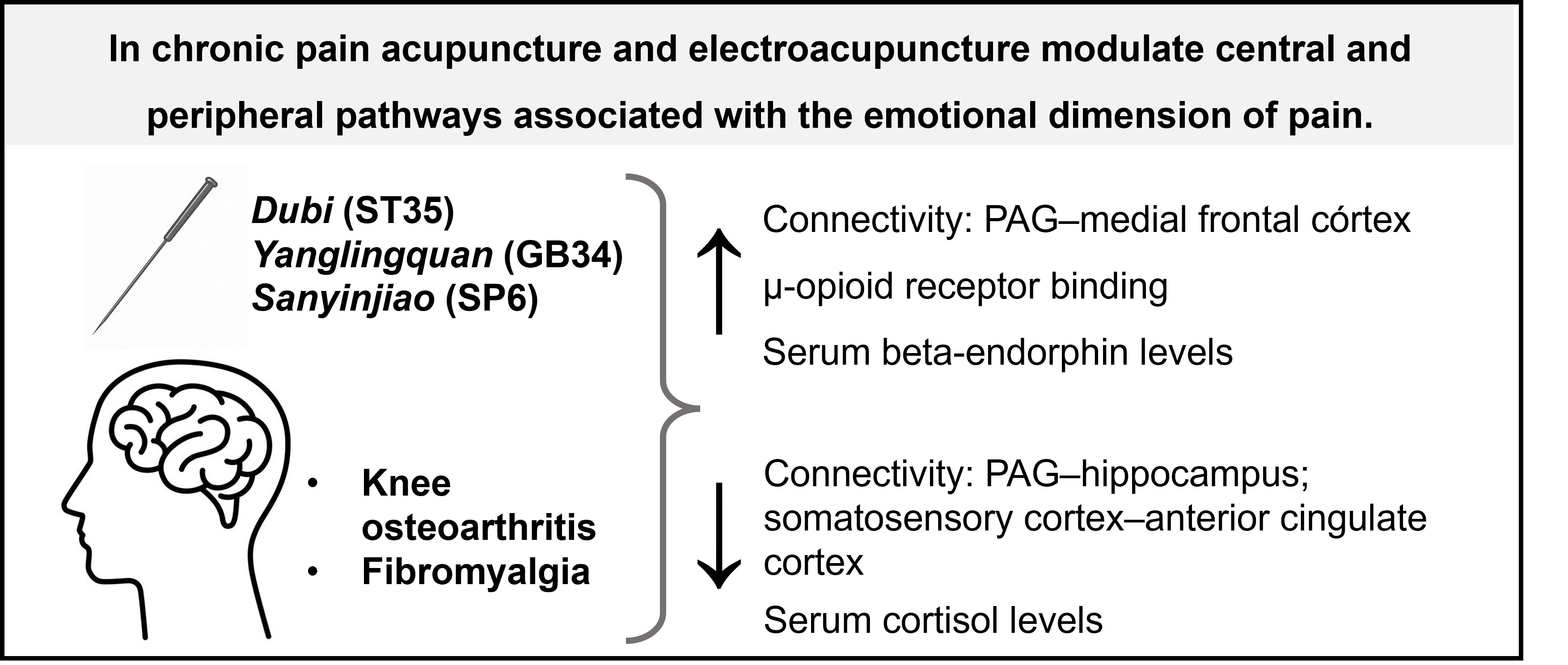
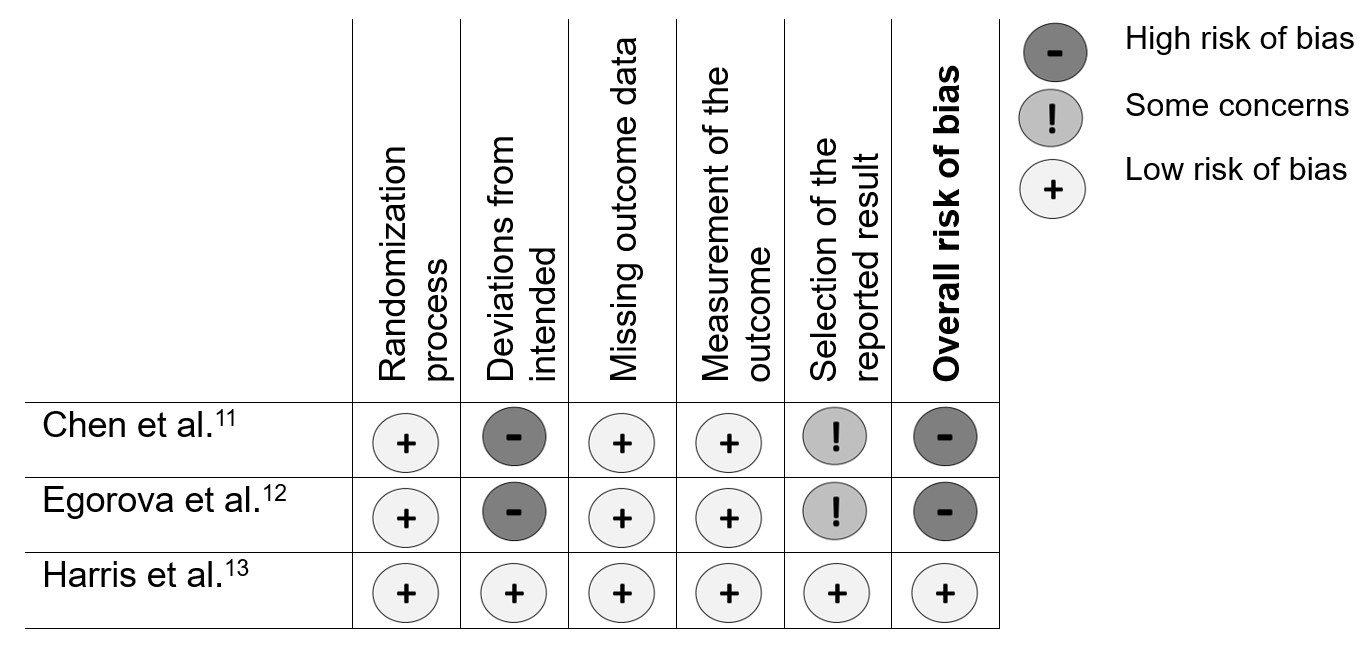
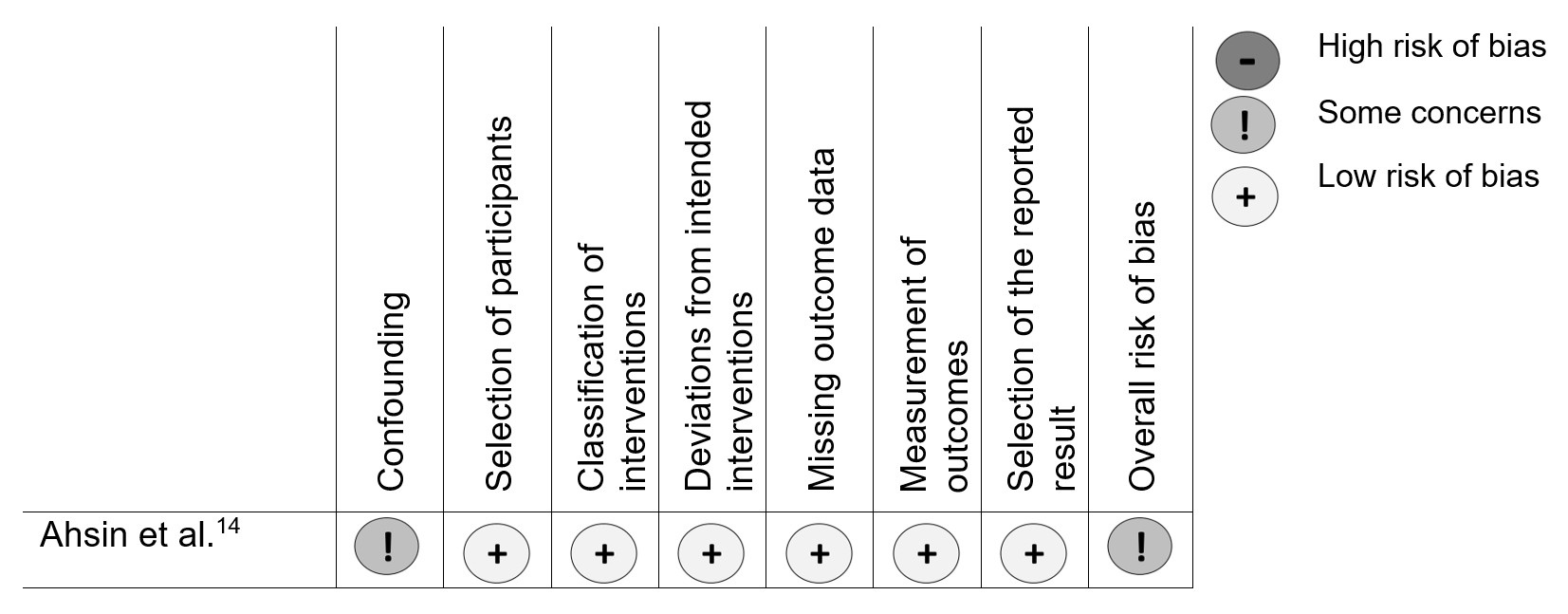
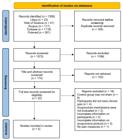
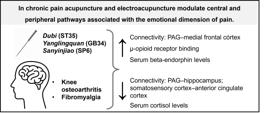
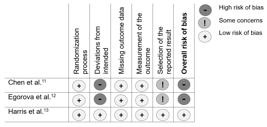
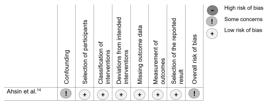
CONTENTS Searches were conducted in Pubmed; Scopus; Web of Science; Embase; and LILACS. Two independent reviewers selected the studies; extracted data; and assessed the risk of bias using the RoB2 and ROBINS-I tools. From 1;558 records; four studies were included (three randomized clinical trials and one non-randomized study); three involving knee osteoarthritis and one fibromyalgia. All studies demonstrated a significant analgesic effect of acupuncture. The most frequently used acupoints were ST35; GB34 e SP6. Three articles evaluated central mechanisms of analgesia (using fMRI or PET); and one assessed blood hormone concentrations. Neuroimaging results indicated changes in neural connectivity within circuits related to the emotional modulation of pain; as well as increased µ-opioid receptor binding. Hormonal data showed increased beta-endorphin and reduced cortisol associated with analgesia. All studies exhibited some degree of risk of bias.
CONCLUSION Acupuncture appears to be effective in reducing pain in chronic pain conditions; possibly through central and peripheral modulation of pain pathways. However, these findings should be interpreted with caution due to the limited number of studies; heterogeneity of acupoint selection; and the risk of bias in the included studies.
Keywords:
Acupuncture therapy; Analgesia; Chronic pain; Electroacupuncture
Acupuncture and electroacupuncture promote analgesia through the modulation of the central pathways associated with the emotional component of pain
There was an association between acupuncture and hormonal changes, with an increase in endorphins and a reduction in cortisol
Research showed high heterogeneity in study protocols, with variations in the points used, type of placebo, and duration of sessions
 Thumbnail
 Thumbnail
 Thumbnail
 Thumbnail