 Mechanisms of acupuncture- and electroacupuncture induced analgesia in individuals with chronic pain: systematic review
ABSTRACT
BACKGROUND AND OBJECTIVES Acupuncture has been widely used as a complementary therapy for chronic pain syndromes. However; the neurobiological mechanisms underlying its analgesic effects are not yet fully understood. The objective of this study was to investigate the mechanisms of acupuncture-induced analgesia in individuals with chronic pain.
CONTENTS Searches were conducted in Pubmed; Scopus; Web of Science; Embase; and LILACS. Two independent reviewers selected the studies; extracted data; and assessed the risk of bias using the RoB2 and ROBINS-I tools. From 1;558 records; four studies were included (three randomized clinical trials and one non-randomized study); three involving knee osteoarthritis and one fibromyalgia. All studies demonstrated a significant analgesic effect of acupuncture. The most frequently used acupoints were ST35; GB34 e SP6. Three articles evaluated central mechanisms of analgesia (using fMRI or PET); and one assessed blood hormone concentrations. Neuroimaging results indicated changes in neural connectivity within circuits related to the emotional modulation of pain; as well as increased µ-opioid receptor binding. Hormonal data showed increased beta-endorphin and reduced cortisol associated with analgesia. All studies exhibited some degree of risk of bias.
CONCLUSION Acupuncture appears to be effective in reducing pain in chronic pain conditions; possibly through central and peripheral modulation of pain pathways. However, these findings should be interpreted with caution due to the limited number of studies; heterogeneity of acupoint selection; and the risk of bias in the included studies.
Keywords:
Acupuncture therapy; Analgesia; Chronic pain; Electroacupuncture
HIGHLIGHTS
Acupuncture and electroacupuncture promote analgesia through the modulation of the central pathways associated with the emotional component of pain
There was an association between acupuncture and hormonal changes, with an increase in endorphins and a reduction in cortisol
Research showed high heterogeneity in study protocols, with variations in the points used, type of placebo, and duration of sessions
RESUMO
JUSTIFICATIVA E OBJETIVOS A acupuntura tem sido amplamente utilizada como terapia complementar para diversas síndromes dolorosas crônicas. No entanto; os mecanismos neurobiológicos da ação analgésica da acupuntura ainda não estão completamente esclarecidos. O objetivo deste estudo foi investigar os mecanismos da analgesia induzida pela acupuntura em indivíduos com dor crônica.
CONTEÚDO Foram realizadas buscas nas bases Pubmed; Scopus; Web of Science; Embase e LILACS. Dois revisores independentes selecionaram os estudos; extraíram os dados e avaliaram o risco de viés por meio das ferramentas RoB2 e ROBINS-I. De 1.558 registros; quatro estudos foram incluídos (três ensaios clínicos randomizados e um não randomizado); três abordando osteoartrite de joelho e um fibromialgia. Todos os estudos demonstraram efeito significativo da acupuntura na redução da dor. Os pontos de acupuntura mais utilizados foram E35; VB34 e BP6. Três artigos avaliaram mecanismos centrais da analgesia (utilizando fMRI ou PET) e um analisou concentrações hormonais no sangue. Os resultados dos estudos de imagem demonstraram alterações na conectividade neural em circuitos relacionados à modulação emocional da dor e maior ligação de receptores µ-opioides. Os dados hormonais indicaram aumento de beta-endorfina e redução de cortisol associados à analgesia. Todos os estudos apresentaram algum risco de viés.
CONCLUSÃO A acupuntura parece ser eficaz na redução da dor em condições dolorosas crônicas; possivelmente por meio da modulação central e periférica das vias da dor. Entretanto; os resultados devem ser interpretados com cautela devido ao número limitado de estudos; à heterogeneidade dos pontos de acupuntura e ao risco de viés nos estudos incluídos.
Descritores:
Acupuntura; Analgesia; Dor crônica; Eletroacupuntura
DESTAQUES
A acupuntura e a eletroacupuntura promovem analgesia por meio da modulação das vias centrais associadas ao componente emocional da dor
Houve associação entre acupuntura e alterações hormonais; com aumento de endorfinas e redução de cortisol
Há alta heterogeneidade nos protocolos dos estudos; com variações nos pontos utilizados; tipo de placebo e duração das sessões
INTRODUCTION
According to the revised definition by the International Association for the Study of Pain (IASP), pain is described as "[…] an unpleasant sensory and emotional experience associated with, or similar to that associated with, actual or potential tissue damage"1:2. Its main function is to send a signal to the body informing about the presence of harmful stimuli that can compromise tissue integrity, contributing to the preservation of human life. However, pain can become chronic when it results from a maladaptive neuroplasticity process, in which it persists beyond the period necessary for tissue recovery or even in the absence of apparent lesion2. According to a reference study3, chronic pain (CP) is one of the main leading causes of human suffering and disability.
In this context, several strategies for treating and controlling CP have been studied, including acupuncture. According to reference authors4, from all complementary modalities of therapy, acupuncture is one of the most widely used for pain treatment. In clinical practice and research, two approaches to acupuncture are commonly distinguished: traditional and Western. Traditional acupuncture is based on the principles of Traditional Chinese Medicine, involving theories such as Yin-Yang, Qi, and meridians to guide diagnosis and treatment. Western acupuncture, on the other hand, uses the concepts of anatomy, physiology, and pathology for diagnosis and selection of acupuncture points4,5.
Research on acupuncture has demonstrated its clinical efficacy in various painful conditions, such as fibromyalgia6,7, primary dysmenorrhea8, osteoarthritis9, and tension-type headache10. However, the neurobiological mechanisms associated with this response are not yet fully understood. Understanding these mechanisms is essential in the clinical context, as it guides therapeutic choices more accurately by identifying subgroups of patients with chronic pain who tend to benefit from the intervention, based on the pathophysiology of pain (nociceptive, neuropathic, or nociplastic).
Considering the multifactorial nature of pain, it is necessary to evaluate not only the efficacy of treatment but also the mechanisms involved in the biological response to acupuncture. Thus, the present study sought to identify, in the scientific literature, the mechanisms of action involved in analgesia induced by acupuncture treatment in individuals with CP.
CONTENT
This systematic review followed the PRISMA (Preferred Reporting Items for Systematic Reviews and Meta-Analyses) recommendations and was registered in the Prospero database. The registration can be viewed at the following web address: https://www.crd.york.ac.uk/prospero/display_record.php?ID=CRD42024535705.
A comprehensive search was conducted in July 2023 by a single researcher in five databases: Pubmed; Scopus, Web of Science, Embase, and LILACS. The search followed the PICO (Population, Intervention, Comparison, and Outcome) structure in order to answer the question: "What are the mechanisms of action involved in analgesia induced by acupuncture treatment in individuals with CP?"
This study sought to synthesize the knowledge available in the literature about the treatment of individuals with CP (population) through acupuncture (intervention) compared to sham acupuncture (comparator) in order to evaluate the analgesic effect of acupuncture and its mechanisms of action (outcomes).
The search for articles was performed using MeSH terms, with the following search strategy: (“chronic pain” OR “Widespread Chronic Pain”) AND (“acupuncture therapy” OR “acupuncture treatment” OR acupotomy) AND (analgesia OR “acupuncture analgesia” OR “acupuncture anesthesia”).
Eligibility criteria
After searching for and excluding duplicate articles, conducted by a single researcher, the eligibility criteria were evaluated in two stages: 1) analysis of the title and abstract, and 2) analysis of the full text. This assessment was performed independently and blindly by two researchers, with any discrepancies resolved by a third researcher, between September 2023 and March 2024.
Articles that evaluated the mechanisms of action of acupuncture or electroacupuncture, as well as the analgesic efficacy of these therapies, in adult individuals (over 18 years of age) with CP (persistent pain for more than 3 months), and that compared participants to a control group (placebo) were included. Regarding the methodological design of the studies, only randomized and non-randomized clinical trials were included. In order to evaluate the entire history of studies on the mechanisms of action of acupuncture and electroacupuncture, no time frame was defined for this systematic review. Only studies written in English or Portuguese were included.
Studies that used other modalities of acupuncture point stimulation were excluded, such as: moxibustion, cupping therapy, pharmacopuncture, or microsystem acupuncture such as koryo, auriculotherapy, abdominal acupuncture, and foot-ankle acupuncture. In addition, studies that did not accurately describe the intervention protocol, considering the points used, type of acupuncture used, duration, and frequency of sessions, were also excluded.
Data extraction
Data extraction was performed independently and blindly by two researchers, with any discrepancies resolved by a third researcher. Data extraction was performed between April and September 2024.
The data extracted from the articles were: DOI, title, authors' names, year of publication, details of the sample studied (sample size, gender, age, pain location, type of CP), details of the intervention protocol (acupuncture or electroacupuncture, points used, type of sham acupuncture, frequency of electroacupuncture in Hz, duration and frequency of sessions, and total treatment time), details of outcome assessments (instruments for measuring pain and mechanisms of action, timing of assessments), and results (analgesia and identified mechanism of action). The data were grouped in an Excel spreadsheet, and the outcomes were evaluated.
Risk of bias assessment
Two tools were used to assess the risk of bias in the studies: Risk of Bias 2 (RoB2) for randomized clinical trials and Risk of Bias in Non-randomized Studies of Interventions (ROBINS-I) for non-randomized trials. The assessment was performed by two researchers independently and blinded, with disagreements resolved by a third researcher between April and September 2024. The results were presented in a risk of bias matrix.
RESULTS
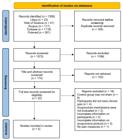
The search conducted in five databases (LILACS, Web of Science, Embase, Scopus, and PubMed) resulted in 1558 studies. After removing 185 duplicates, 1373 articles remained for screening. At this stage, 1199 articles were excluded because they did not meet the inclusion criteria: being clinical trials, published in English or Portuguese, and involving humans. In the subsequent analysis of titles and abstracts, 152 articles were excluded because they did not answer the research question. Of the 22 articles evaluated in full, 18 were excluded due to the following criteria: the control group was not subjected to a sham intervention (n = 6), participants did not have CP (n = 4), did not evaluate the mechanisms of action of the intervention (n = 2), incomplete information about participants (n = 2), incomplete information about the acupuncture protocol (n = 3), did not evaluate pain (n = 1). After all screening steps, four articles were included for the final analysis of this study (Figure 1). It should be noted that of the four articles included, two11,12 derive from the same population (single cohort) and, therefore, present the same intervention, although with different researched outcomes.
From the four included articles, three used acupuncture in their protocols11-13, while only one used electroacupuncture14. As for the placebo group, there was no standard in the choice of sham acupuncture. Two studies employed non-penetrating techniques, such as the use of the Streitberger placebo needle, which simulates skin puncture without actually puncturing it11,12. Another study also used a non-penetrating technique, although it was not specified. In contrast, one study14 used non-acupoint puncture (random points on the body that are not recognized as acupuncture points in scientific and traditional literature).
Regarding the frequency and duration of treatment, there was no similarity between the studies. Two studies conducted seven sessions spaced over a month11,12, and another conducted 10 consecutive sessions14. Despite these differences, there was agreement among the studies regarding the duration of needle retention during each session, which varied between 20 and 25 minutes. Most studies evaluated knee osteoarthritis in individuals of both sexes, with only one investigating the effect on fibromyalgia exclusively in women14. Although the clinical conditions analyzed are similar, the choice of points for the acupuncture and electroacupuncture protocol varied widely. Among the most commonly used points are Dubi (ST35), Yanglingquan (GB34), and Sanyinjiao (SP6). A detailed description of each study is available in Table 1.
Regarding the outcome related to analgesia, three studies demonstrated statistically significant improvement in the experimental group compared to the placebo control group11-13. Only one study13 found no significant difference between the groups, although both showed pain reduction.
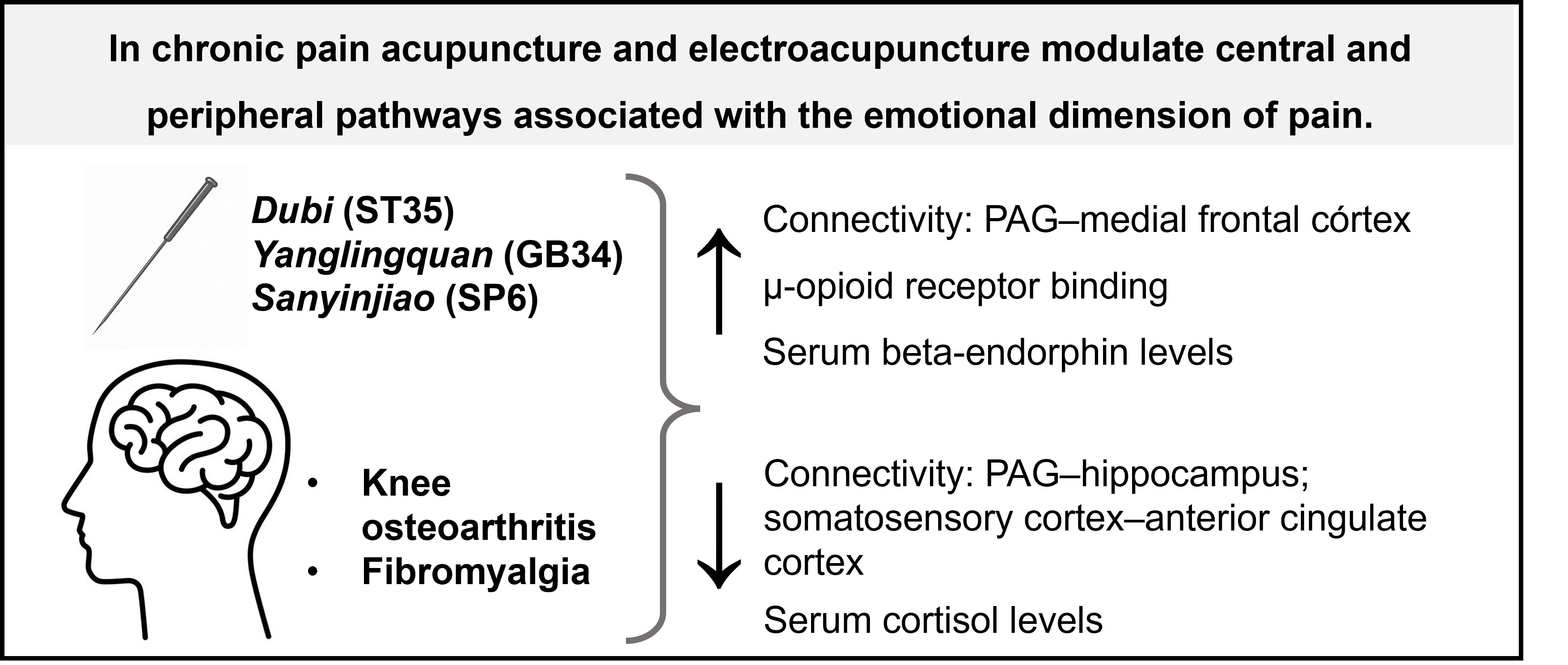
Regarding the mechanisms of action of the interventions, three studies identified mechanisms related to central pain processing, such as decreased connectivity between the somatosensory network and the anterior cingulate cortex (ACC)11, decreased connectivity between the periaqueductal gray (PAG) and the hippocampus, and increased connectivity between the PAG and the medial frontal cortex12, and increased μ-opioid receptor binding in regions of the limbic system13. In contrast, another reference study14 demonstrated a peripheral mechanism of action, with increased serum beta-endorphin levels and decreased serum cortisol levels. The description of the study protocols and their respective outcomes is presented in Table 2. A graphical summary of the main results is presented in Figure 2.
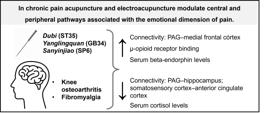
Summary of the central and peripheral mechanisms of analgesia induced by acupuncture and electroacupuncture.
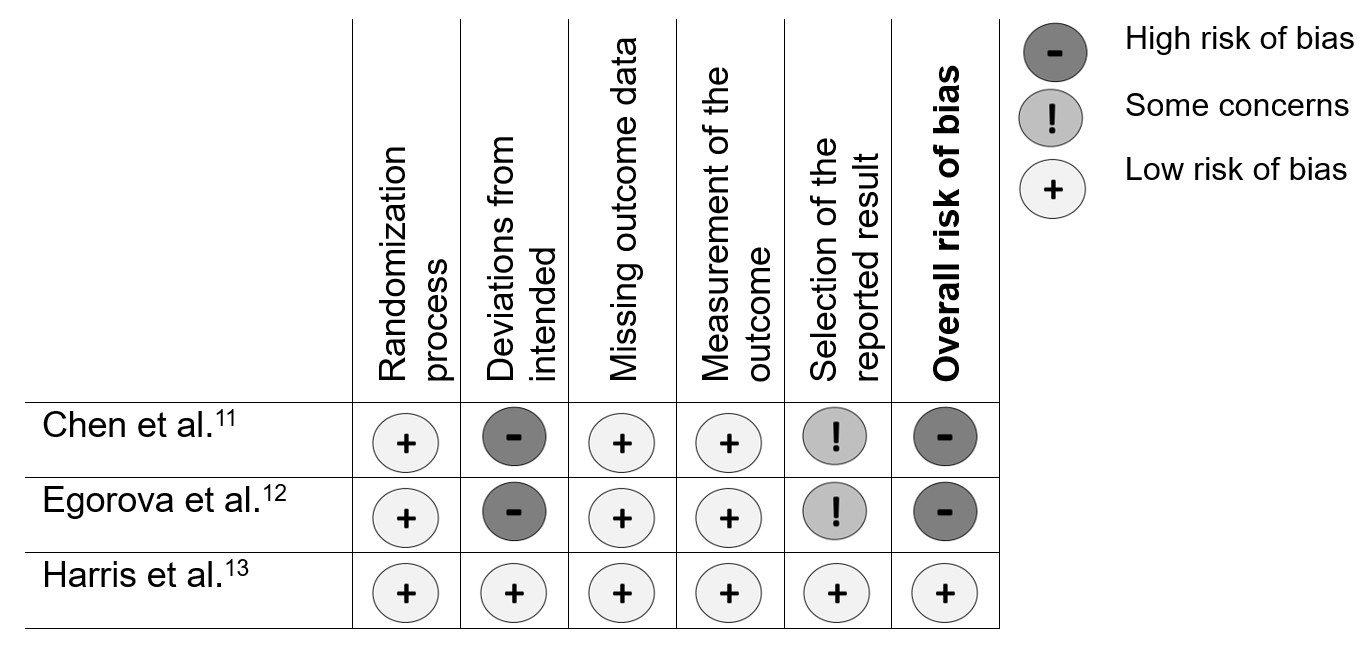
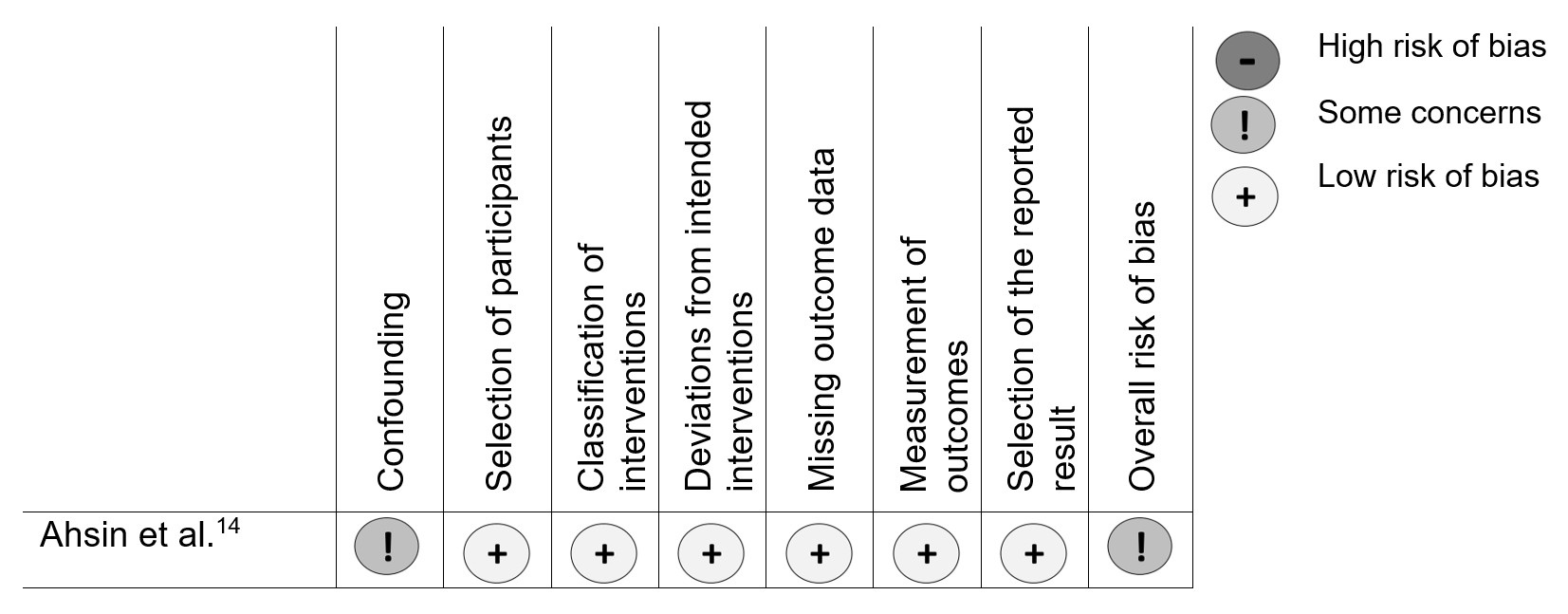
The risk of bias assessment indicated a high risk across the studies. While some studies11-13 evaluated bias using the RoB2 tool, one study14 applied the ROBINS-I tool. Additionally, two studies11,12 were conducted with the same sample and methodology, differing only in the assessed outcome. Because they used the same methodology, both had an identical pattern of risk of bias: high risk of bias in the domain of “deviation from intended intentions” and some concerns in the domain of “selection of reported results,” resulting in an overall high risk of bias. Another study14, in turn, presented a high risk of bias in the “confounding” domain, also resulting in a high overall risk. Among the four studies included in this review, only one13 was classified as having a low risk of bias. The bias analyses are shown in Figures 3 and 4.
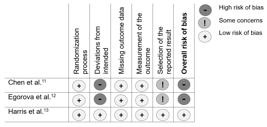
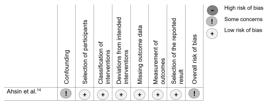
Risk of bias analysis using the Risk of Bias In Non-randomized Studies of Interventions (ROBINS) tool.
DISCUSSION
This systematic review found that acupuncture and electroacupuncture have positive clinical effects in reducing pain in individuals with CP. Compared to sham treatment, true acupuncture remains superior in reducing pain, which is consistent with other systematic reviews that studied the effect of this therapy in patients with fibromyalgia and low back pain15-17. These findings reinforce the analgesic efficacy of these interventions and suggest that their effect is not limited to a simple peripheral blockade of the painful stimulus but results from a complex neurophysiological modulation of pain processing pathways.
The analgesic effect induced by acupuncture and electroacupuncture appear to be associated with the modulation of pain processing pathways, especially those related to the emotional aspect of the experience of pain. However, although the studies evaluated similar clinical conditions, significant heterogeneity was observed in the acupuncture and electroacupuncture application protocols, which differed in the choice of points, the types of sham acupuncture used, and the frequency and duration of sessions.
The wide variety of acupuncture protocols, especially in the selection of points, makes it difficult to standardize treatments and even to develop guidelines. According to the authors of reference7, acupuncture is a recommended intervention for the treatment of fibromyalgia. However, this is a weak recommendation, given the limited understanding of the active components involved and the low methodological robustness of existing studies. In fact, among the studies evaluated in this systematic review, it was possible to identify that the standardization of acupuncture points is not established even within the same painful condition.
Although some authors11,12,14have studied the use of acupuncture in knee osteoarthritis, the selection of points was quite diverse.
Some studies11,12 chose the Dubi (ST35), Yanglingquan (GB34), Yinlingquan (SP9), Xuanzhong (GB39), Sanyinjiao (SP6) points, and the extra point Xi Yan, while other studies14 used the Liangqiu (ST34), Dubi (ST35), Zusanli (ST36), Ququan (LR8), Xuehai (SP10), and Neiting (ST44) points. A relevant methodological finding is the overlap of samples between two studies11,12 which, although evaluating different outcomes, derive from the same cohort (same population) and therefore presented similar interventions. The present data highlight the need for more controlled clinical studies that can support the development of guidelines to guide clinical decisions on the use of acupuncture and/or electroacupuncture for the treatment of CP.
Methodological differences make it difficult to accurately assess the mechanisms of action of acupuncture and electroacupuncture. However, despite these differences in protocols, studies converge in identifying patterns in the neural mechanisms involved, suggesting a possible effect of acupuncture on the modulation of neural pathways associated with the emotional processing of pain. According to one of the references studies11, acupuncture decreases connectivity between the somatosensory network and the ACC. Studies show that the ACC receives nociceptive stimuli from the somatosensory cortex and is responsible for the emotional and motivational processing of pain18.
Thus, by decreasing connectivity between these two brain areas, acupuncture appears to act in regulating the unpleasant emotional perception associated with pain. Another study12 also obtained similar findings. The authors observed an increase in connectivity between the medial frontal cortex and the PAG after treatment using acupuncture. The medial frontal cortex is a brain region involved in forming expectations about painful stimuli based on past experiences, while the PAG is responsible for comparing these expectations with actual nociception from the periphery. Based on this comparison, the PAG generates aversive predictive errors that are sent to behavioral processing centers19. By increasing connectivity between these regions, acupuncture may be responsible for stimulating cortical control over the PAG, favoring positive expectations and decreasing aversive predictive errors in relation to the painful process. Thus, once again, acupuncture is suggested to act in the emotional modulation of pain, which may result in a decrease in pain perception.
Additionally, one of the studies13 reinforced this emotional effect of acupuncture by identifying an increase in the binding of u-opioid receptors in regions of the limbic system, such as the cingulate cortex, nucleus accumbens, thalamic nuclei, and amygdala. According to one of the authors20, the limbic system is closely involved in the processing of emotions and plays a central role in the emotional perception of pain.
In addition to these central mechanisms, reference authors14 demonstrated peripheral effects of electroacupuncture, such as increased serum beta-endorphin levels and reduced cortisol levels. These findings may reflect changes mediated by central mechanism. Cortisol is produced by the hypothalamic-pituitary-adrenal axis, which is activated by the release of corticotropin-releasing factor (CRF) by the hypothalamus, followed by the release of adrenocorticotropic hormone (ACTH) by the pituitary gland, which stimulates the release of cortisol by the adrenal glands20. However, the precursor of ACTH, called proopiomelanocortin, is also the precursor of beta-endorphin. Thus, it is possible that by increasing serum beta-endorphin levels through acupuncture treatment, a negative feedback mechanism occurs, inhibiting the secretion of CRF and ACTH and, consequently, reducing cortisol levels. Both effects (increased beta-endorphin and decreased cortisol) are related to emotional modulation, since beta-endorphin, in addition to being involved in inhibiting the rise of nociceptive stimuli, is also related to promoting well-being, while decreased cortisol is directly related to decreased stress.
Pain can be classified as nociceptive, neuropathic, and nociplastic. The first two results from physical conditions: inflammation, in the case of nociceptive pain, and lesions in the nervous system, in the case of neuropathic pain. Nociplastic pain, on the other hand, is characterized by a CP mechanism without nociceptor activation, but with clinical and psychological manifestations compatible with changes in nociception. Socioemotional factors may contribute to the development and maintenance of this type of pain21. Considering the findings of the present review, which indicate that acupuncture and electroacupuncture promote analgesia by modulating the central pathways associated with the emotional component of pain, it is possible that these interventions may yield better results in patients with nociplastic pain.
Although the findings herein correlate with the current scientific literature, they must be evaluated with caution, since the studies analyzed presented a high risk of methodological bias. Among the four studies included in this review, provided by three independent populations, only one presented a low risk of bias13, while the other three presented high risk11,12,14. Two studies11,12 were classified as having a high risk of bias in the domain of “deviation from intended interventions” because, although they had previously outlined that the groups would be evaluated separately, they analyzed the groups together. Another study14 was classified as having a critical risk of bias in the “confounding” domain due to high dropout rates in the sham group. In addition, the study did not control the possible effects of the use of analgesic drugs, which could have been used in both groups (sham acupuncture and real acupuncture) if there was no improvement in pain.
Moreover, the search strategy resulted in a small number of eligible studies, resulting in a low sample size, which limits the robustness of the findings. This limitation increases the chance of bias related to sampling, partially compromising the generalization of the results. The limitation of the small number of randomized clinical trials conducted in individuals with pain evaluating analgesic outcomes of acupuncture, as well as the bias in the quality of available evidence, was also reported in a recently published systematic review17. The authors highlighted the need for new randomized clinical trials to be conducted with methodological rigor and a significant sample size, in addition to more research investigating subpopulations that may benefit from non-pharmacological treatments.
Another limiting factor in the present review was the conduct of the database search and analysis of duplicate articles by a single reviewer. We understand that errors may occur in this initial stage, although it is the phase with the least subjective influence. It should be noted that all other stages of screening, final selection of articles, data extraction, and risk of bias analysis were conducted in duplicate, blinded and independently, and described transparently.
CONCLUSION
Acupuncture appears to be effective in reducing pain in CP conditions, and its clinical response seems to be based on central and peripheral modulation of pain pathways, especially regarding the emotional aspect of pain.
However, this result should be interpreted with caution due to the small number of studies included in this review, the heterogeneity in the choice of acupuncture points, and the presence of a high risk of bias in the selected studies.
The present study’s findings contribute to the comprehension of the central mechanisms of acupuncture in pain modulation. In addition, the data highlight an important gap in literature and underscore the need for future, methodologically well-designed investigations that more robustly elucidate the neurobiological mechanisms involved in acupuncture-induced analgesia in humans.
-
Sponsoring sources:
none.
-
Data availability
The data that support the findings of this study are available from the corresponding author upon reasonable request.
References
-
1 Raja SN, Carr DB, Cohen M, Finnerup NB, Flor H, Gibson S, Keefe FJ, Mogil JS, Ringkamp M, Sluka KA, Song XJ, Stevens B, Sullivan MD, Tutelman PR, Ushida T, Vader K. The revised IASP definition of pain: concepts, challenges, and compromises. Pain. 2020;161(9):1976-82. https://doi.org/10.1097/j.pain.0000000000001939
» https://doi.org/10.1097/j.pain.0000000000001939 -
2 Aguggia M. Neurophysiology of pain. Neurol Sci. 2003;24(Suppl 2):S57-60. https://doi.org/10.1007/s100720300042
» https://doi.org/10.1007/s100720300042 -
3 Treed RD, Rief W, Barke A, Aziz Q, Bennett MI, Benoliel R, Cohen M, Evers S, Finnerup NB, First MB, Giamberardino MA, Kaasa S, Korwisi B, Kosek E, Lavand’homme P, Nicholas M, Perrot S, Scholz J, Schug S, Smith BH, Svensson P, Vlaeyen JWS, Wang SJ. Chronic pain as a symptom or a disease: the IASP Classification of Chronic Pain for the International Classification of Diseases (ICD-11). Pain. 2019;160(1):19-27. https://doi.org/10.1097/j.pain.0000000000001384 PMid:30586067.
» https://doi.org/10.1097/j.pain.0000000000001384 -
4 Niruthisard S, Ma Q, Napadow V. Recent advances in acupuncture for pain relief. PAIN Repo. 2024;9(5):e1188. https://doi.org/10.1097/PR9.0000000000001188
» https://doi.org/10.1097/PR9.0000000000001188 -
5 Han JS. Acupuncture analgesia: areas of consensus and controversy. Pain. 2011;152(3):S41-48. https://doi.org/10.1016/j.pain.2010.10.012
» https://doi.org/10.1016/j.pain.2010.10.012 -
6 Zhang XC, Chen H, Xu WT, Song YY, Gu YH, Ni GX. Acupuncture therapy for fibromyalgia: a systematic review and meta-analysis of randomized controlled trials. J Pain Res. 2019;12:527-42. https://doi.org/10.2147/JPR.S186227 PMid:30787631.
» https://doi.org/10.2147/JPR.S186227 -
7 Macfarlane GJ, Kronisch C, Dean LE, Atzeni F, Häuser W, Fluß E, Choy E, Kosek E, Amris K, Branco J, Dincer F, Leino-Arjas P, Longley K, McCarthy GM, Makri S, Perrot S, Sarzi-Puttini P, Taylor A, Jones GT. EULAR revised recommendations for the management of fibromyalgia. Ann Rheum Dis. 2017;76(2):318-28. https://doi.org/10.1136/annrheumdis-2016-209724
» https://doi.org/10.1136/annrheumdis-2016-209724 -
8 Woo HL, Ji HR, Pak YK, Lee H, Heo SJ, Lee JM, Park KS. The efficacy and safety of acupuncture in women with primary dysmenorrhea: a systematic review and meta-analysis. Medicine (Baltimore). 2018;97(23):e11007. https://doi.org/10.1097/MD.0000000000011007 PMid:29879061.
» https://doi.org/10.1097/MD.0000000000011007 -
9 Luo X, Liu J, Li Q, Zhao J, Hao Q, Zhao L, Chen Y, Yin P, Li L, Liang F, Sun X. Acupuncture for treatment of knee osteoarthritis: a clinical practice guideline. J Evid Based Med. 2023;16(2):237-45. https://doi.org/10.1111/jebm.12526 PMid:36999342.
» https://doi.org/10.1111/jebm.12526 -
10 Kang WL, Xiao XJ, Fan R, Zhong DL, Li YX, She J, Li J, Feng Y, Jin RJ. Acupuncture for tension-type headache: a systematic review and meta-analysis of randomized controlled trials. Front Neurol. 2023;13:943495. https://doi.org/10.3389/fneur.2022.943495 PMid:37234488.
» https://doi.org/10.3389/fneur.2022.943495 -
11 Chen X, Spaeth RB, Freeman SG, Scarborough DM, Hashmi JA, Wey HY, Egorova N, Vangel M, Mao J, Wasan AD, Edwards RR, Gollub RL, Kong J. The modulation effect of longitudinal acupuncture on resting state functional connectivity in knee osteoarthritis patients. Mol Pain. 2015;11:67. https://doi.org/10.1186/s12990-015-0071-9 PMid:26511911.
» https://doi.org/10.1186/s12990-015-0071-9 -
12 Egorova N, Goluub RL, Kong J. Repeated verum but not placebo acupuncture normalizes connectivity in brain regions dysregulated in chronic pain. Neuroimage Clin. 2015;9:430-5. https://doi.org/10.1016/j.nicl.2015.09.012 PMid:26594625.
» https://doi.org/10.1016/j.nicl.2015.09.012 -
13 Harris RE, Zubieta JK, Scott DJ, Napadow V, Gracely RH, Clauw DJ. Traditional Chinese acupuncture and placebo (sham) acupuncture are differentiated by their effects on mu-opioid receptors (MORs). Neuroimage. 2009;47(3):1077-85. https://doi.org/10.1016/j.neuroimage.2009.05.083 PMid:19501658.
» https://doi.org/10.1016/j.neuroimage.2009.05.083 -
14 Ahsin S, Saleem S, Bhatti AM, Iles RK, Aslam M. Clinical and endocrinological changes after electro-acupuncture treatment in patients with osteoarthritis of the knee. Pain. 2009;147(1-3):60-6. https://doi.org/10.1016/j.pain.2009.08.004 PMid:19766392.
» https://doi.org/10.1016/j.pain.2009.08.004 -
15 Valera-Calero JA, Fernández-de-Las-Peñas C, Navarro-Santana MJ, Plaza-Manzano G. Efficacy of dry needling and acupuncture in patients with fibromyalgia: a systematic review and meta-analysis. Int J Environ Res Public Health. 2022;19(16):9904. https://doi.org/10.3390/ijerph19169904 PMid:36011540.
» https://doi.org/10.3390/ijerph19169904 -
16 Baroncini A, Maffulli N, Eschweiler J, Molsberger F, Klimuch A, Migliorini F. Acupuncture in chronic aspecific low back pain: a Bayesian network meta-analysis. J Orthop Surg Res. 2022;17(1):319. https://doi.org/10.1186/s13018-022-03212-3 PMid:35725480.
» https://doi.org/10.1186/s13018-022-03212-3 - 17 Rizzo RRN, Cashin AG, Wand BM, Ferraro MC, Sharma S, Lee H, O’Hagan E, Maher CG, Furlan AD, van Tulder MW, McAuley JH. Non-pharmacological and non-surgical treatments for low back pain in adults: an overview of Cochrane reviews. Cochrane Database Syst Rev. 2025;3(3):CD014691. PMid:40139265.
-
18 Kollenburg L, Arnts H, Green A, Strauss I, Vissers K, Vinke S, Kurt E. The cingulum: a central hotspot for the battle against chronic intractable pain? Brain Commun. 2024;6(5):fcae368. https://doi.org/10.1093/braincomms/fcae368 PMid:39479369.
» https://doi.org/10.1093/braincomms/fcae368 -
19 Roy M, Shohamy D, Daw N, Jepma M, Wimmer GE, Wager TD. Representation of aversive prediction errors in the human periaqueductal gray. Nat Neurosci. 2014;17(11):1607-12. https://doi.org/10.1038/nn.3832 PMid:25282614.
» https://doi.org/10.1038/nn.3832 - 20 Hall JE. Tratado de fisiologia médica. 13. ed. Rio de Janeiro: Elsevier; 2017.
-
21 Cao B, Xu Q, Shi Y, Zhao R, Li H, Zheng J, Liu F, Wan Y, Wei B. Pathology of pain and its implications for therapeutic interventions. Signal Transduct Target Ther. 2024;9(1):155. https://doi.org/10.1038/s41392-024-01845-w PMid:38851750.
» https://doi.org/10.1038/s41392-024-01845-w
Edited by
-
Associate editor in charge:
Marcelo Lourenço da Silva https://orcid.org/0000-0002-5523-5910
The data that support the findings of this study are available from the corresponding author upon reasonable request.