 Prevalence of neuropathic pain in women with chronic pelvic pain: systematic review
BACKGROUND AND OBJECTIVES Chronic pelvic pain (CPP) in women is a multifactorial condition frequently associated with neuropathic mechanisms, but the prevalence of neuropathic pain (NP) in this population remains uncertain. The aim of this study was to systematically quantify the prevalence of NP in women diagnosed with CPP, using validated screening tools.
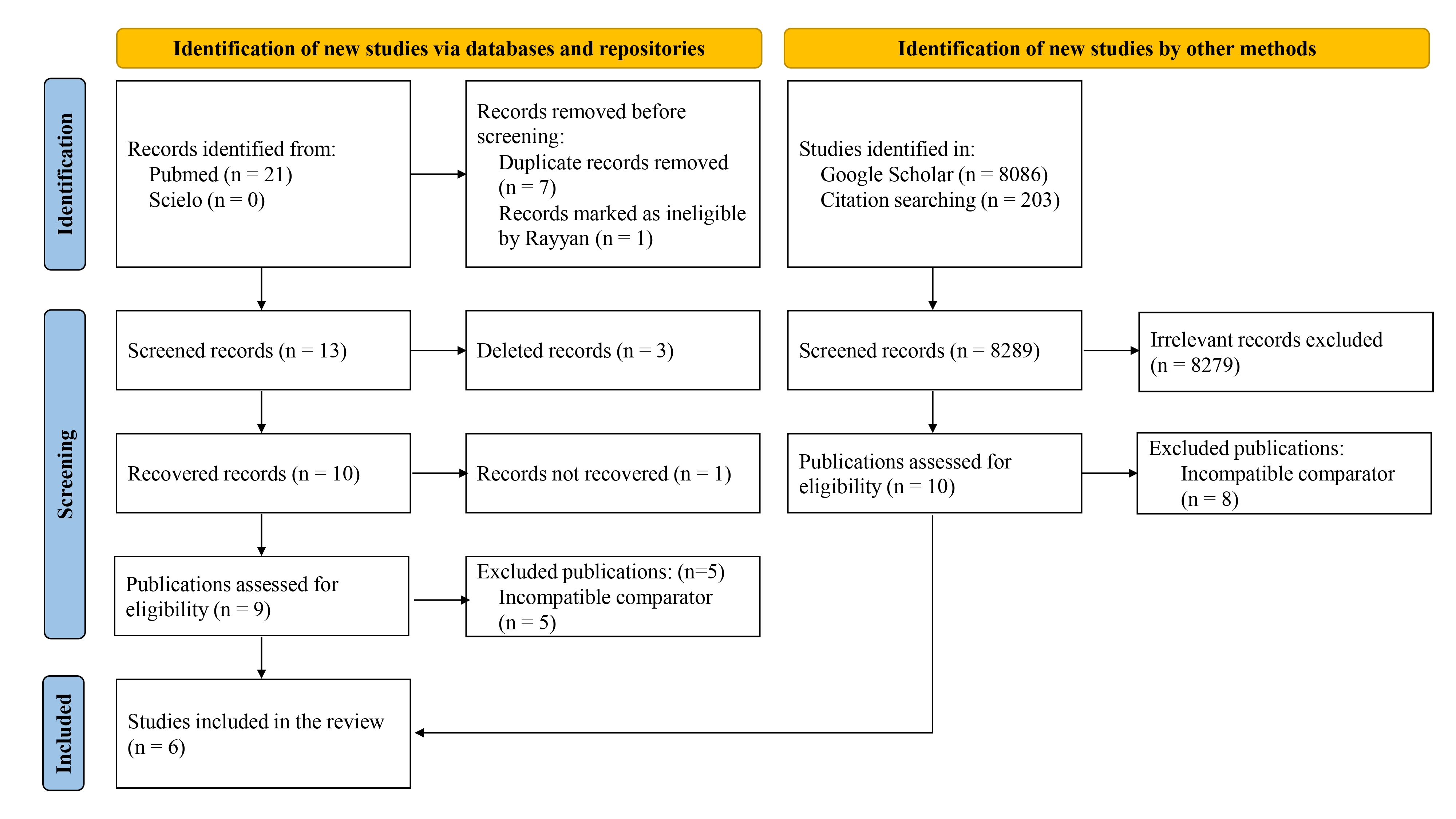
CONTENTS This review followed the Preferred Reporting Items for Systematic Reviews and Meta-Analyses (PRISMA) guidelines and was registered in the Prospective International Registry of Systematic Reviews (PROSPERO), ID no. CRD42024593980. The search for articles was performed on the CINAHL (Cumulative Index to Nursing and Allied Health Literature), Embase, Pubmed, Scielo, SportDiscus, Web of Science, and Google Scholar platforms and covered studies published between 2010 and 2024. The eight studies included 989 women with CPP and reported NP prevalence ranging from 13.6% to 66.0%. The prevalence estimates varied depending on the instrument used: 31.0%-64.8% (S-LANSS), 35.0%-66.0% (DN4), and 13.6%-31.7% (painDETECT). Sample-size-weighted mean prevalences were 45.9% for S-LANSS, 44.3% for DN4 and 28.8% for painDETECT. NP in women with CPP was also associated with lower quality of life, greater psychological distress, cognitive alterations, endometriosis, provoked vestibulodynia, vulvodynia and greater genitourinary pain severity.
CONCLUSION NP is highly prevalent in women with CPP, underscoring the importance of routine screening for its neuropathic component in clinical practice. Further research is warranted, given the limited number of studies that comprehensively address this relation.
Keywords:
Chronic pain; Neuralgia; Neuropathic pain; Pelvic pain
Neuropathic pain is highly prevalent in women with chronic pelvic pain, with mean prevalence of 45.9% for S-LANSS, 44.3% for DN4 and 28.8% for painDETECT
In women with chronic pelvic pain, neuropathic pain is associated with poorer quality of life, greater psychological distress and cognitive alterations
Routine identification of the neuropathic component in chronic pelvic pain can guide more effective therapeutic strategies
 Thumbnail